Human Anatomy Exam 1 - Organization + Terminology
 Call Kai
 Learn
Learn Practice Test
 Spaced Repetition
 Match
Match Flashcards
 Knowt Play
1/50

There's no tags or description
Looks like no tags are added yet.
Name | Mastery | Learn | Test | Matching | Spaced | Call with Kai | Chat |
|---|
No analytics yet
Send a link to your students to track their progress
51 Terms
anatomy vs. physiology
anatomy: study of body structures
physiology: study of how those body structures work to keep an organism alive
what are the various clinical procedures for assessing the anatomy of a patient?
1) inspection
2) palpation
3) percussion
4) auscultation
5) reflex response
inspection
looking at + observing the body’s appearance in careful detail, as in performing a physical examination or making a clinical diagnosis from surface appearance
palpation
feeling a structure with the hands by touch/pressure, such as palpating a swollen lymph node or taking a pulse
auscultation
listening to natural sounds made by the body, such as heart/lung sounds
percussion
tapping on the body, feeling for abnormal resistance, and listening to the emitted sound for signs of abnormalities such as pockets of fluid, air, or scar tissue
reflex response
using a rubber reflex hammer to tap specific tendons to test the health of specific nerve roots + spinal cord pathways
what are the various methods for studying anatomy?
1) dissection - the careful cutting and separation of tissues to reveal their relationships
2) medical imaging - any of the noninvasive methods for producing images of the interior of the body (X-rays, MRI, PET, CT, sonography)
radiology
branch of medicine concerned with producing images of the interior of the body, using methods like X-rays, sonography, MRI, CT, and PET
X-rays
pass through the soft tissues of the body to a photographic film on the other side to produce dark images of dense matter like bones, teeth, tumors, and tuberculosis nodules
MRI (magnetic resonance imaging)
method of producing more detailed images of the body interior than X-rays or computed tomography by using a strong magnetic field + radio waves
Computed tomography (CT) scan
method of medical imaging that uses X-rays and a computer to create an image of a thin section of the body; CT scan is the image
Positron emission tomography (PET) scan
method of producing a computerized image of the physiological state of a tissue using injected radioisotopes that emit positrons
sonography
production of an image of the interior of the body through an ultrasound
what are the 6 levels of organization from simplest to most complex?
chemical (atoms + molecules) → cells → tissues → organs → organ systems → organism
organism
any living individual; the entire body of any living thing such as a bacterium, plant, or human
organ system
a group of organs that carries out the basic function of the organism such as circulation, respiration, or digestion
organ
any structure that has definite anatomical boundaries, is visually distinguishable from adjacent organs, and is composed of 2+ tissue types working together to carry out a particular function
tissue
an aggregation of cells and extracellular materials usually forming part of an organ and performing some discrete function for it
cells
smallest subdivision of a tissue considered to be alive; consists of a plasma membrane enclosing cytoplasm + a nucleus
human organ systems
1) integumentary system
2) muscular system
3) skeletal system
4) nervous system
5) endocrine system
6) cardiovascular system
7) respiratory system
8) digestive system
9) urinary system
10) reproductive system
systems of protection, support, and movement
integumentary system
skeletal system
muscular system
systems of internal communication and integration
nervous system
endocrine system
systems of fluid transport
circulatory system
lymphoid system
systems of intake/output
respiratory system
digestive system
urinary system
systems of reproduction
male reproductive system
female reproductive system
integumentary system
body’s outer covering, made up of the skin, hair, nails, and glands acting as a physical barrier to protect internal organs from the outside environment
skeletal system
sturdy internal framework of bones, cartilage, ligaments, and tendons that supports the body + protects internal organs
muscular system
organ system made of specialized cells called muscle fibers that produce force + cause motion
lymphoid system
vital network of organs, vessels, and tissues that helps protect the body from infection, maintains fluid balance, and absorbs dietary fats
respiratory system
network of organs/tissues that allows you to breathe by moving fresh air → body and removing waste gases like CO2
urinary system
organs: kidneys, ureters, urinary bladder, urethra
function: filters blood, removes liquid waste, and makes urine to keep the body balance
nervous system
organs: brain, spinal cord, nerves, ganglia
function: rapid internal communication, coordination, motor control, sensation
endocrine system
network of glands and organs that make and release hormones directly into the blood to control + coordinate body functions
circulatory system
vital network consisting of the heart, blood vessels, and blood that moves nutrients, oxygen, and waste products through the body
digestive system
continuous twisting tube and group of organs that breaks down food into simple nutrients like carbs, fats, and proteins for energy, growth, and cell repair
male reproductive system
organs: testes, spermatic ducts, prostate, penis
function: production + delivery of sperm, secretion of sex hormones (testosterone)
female reproductive system
organs: ovaries, uterine tubes, uterus, vagina, mammary glands
function: production of eggs, fertilization, fetal development, lactation, secretion of sex hormones (estrogen)
anatomical position
reference posture on which certain standardized anatomical terminology is based
subject is standing w/ feet flat on the floor, arms down to the sides, and palms + eyes directed forward

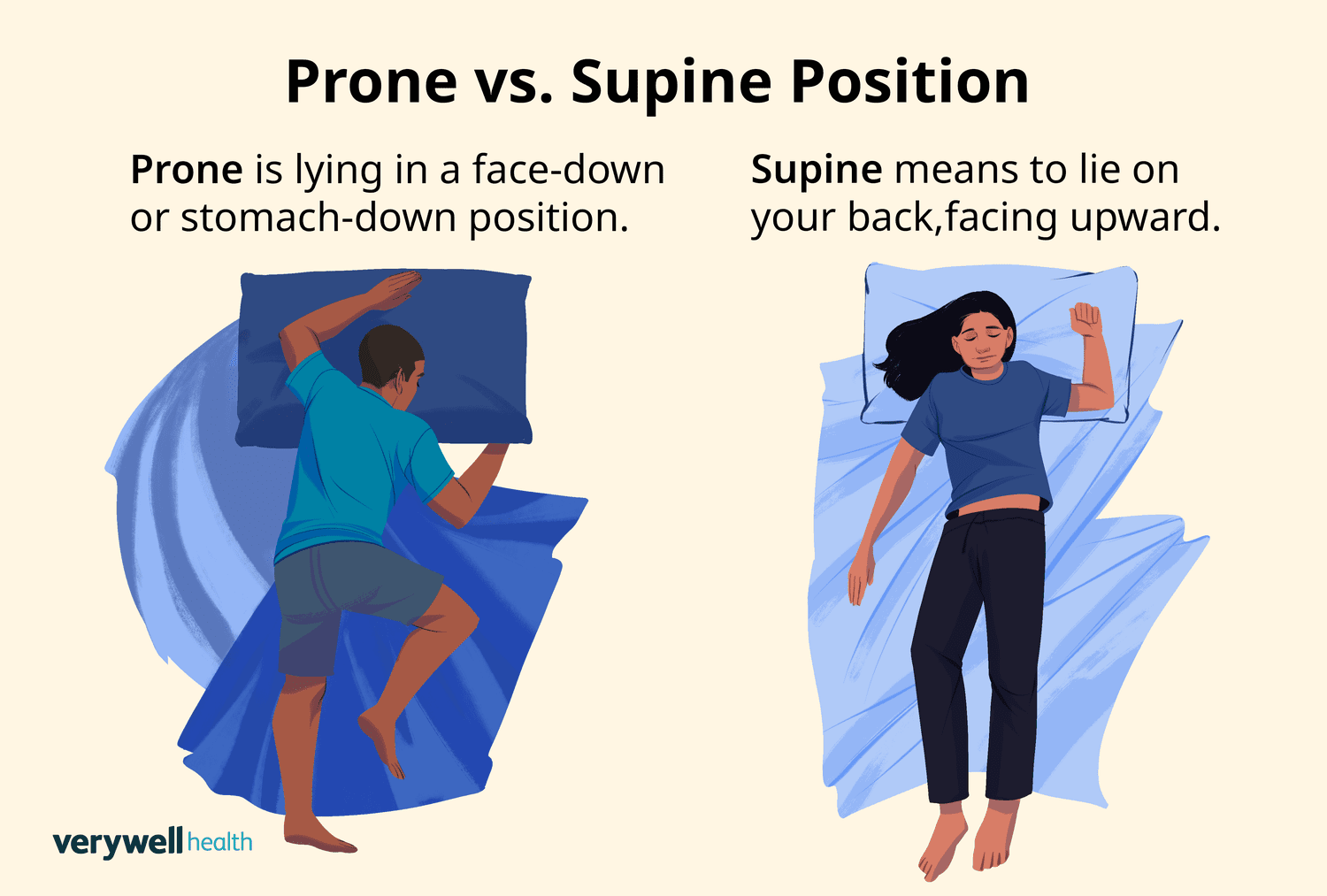
supine vs prone
supine: a position in which the body is lying face up
prone: position in which the body is lying face down
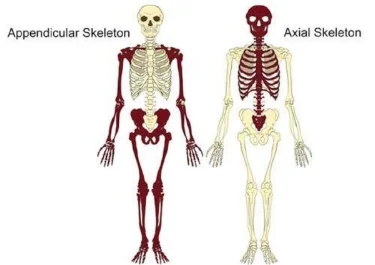
axial vs. appendicular region
axial region: the body’s central axis (head, neck, trunk)
appendicular region: upper limbs, lower limbs, and their attachments
dorsal vs. ventral body cavity
dorsal: cavity towards the back of the body; contains the brain + spinal cord
ventral: cavity towards the front of the body; contains thoracic + abdominopelvic cavities

what are the 2 subdivisions of the dorsal body cavity?
1) cranial cavity - brain
2) vertebral/spinal cavity - spinal cord
what are the 2 subdivisions of the ventral body cavity?
1) thoracic cavity - heart, lungs, other structures of the chest
2) abdominopelvic cavity - organs of the abdominal + pelvic regions
serous membrane
membrane that lines certain body cavities + covers the organs within them
visceral vs. parietal serous membranes
visceral: layer that covers the organ surface
parietal: layer that lines the cavity wall
serous fluid is between the parietal + visceral layers, reducing friction
pericardium
2-layered serous membrane that folds around the heart
pleura
2 layered serous membrane that folds around the lung
peritoneum
2 layered serous membrane that folds around the abdominopelvic cavity and its organs
thorax
chest region of the body
cephalic vs. cervical
cephalic - refers to the head
cervical - refers to the neck