RBT Competency Assessment
 Call Kai
 Learn
Learn Practice Test
 Spaced Repetition
 Match
Match Flashcards
 Knowt Play
1/51

There's no tags or description
Looks like no tags are added yet.
Name | Mastery | Learn | Test | Matching | Spaced | Call with Kai | Chat |
|---|
No analytics yet
Send a link to your students to track their progress
52 Terms
Frequency data
Counting how many times a behavior occurs
Duration data
Recording how long a behavior lasts

Latency data
Time between receiving an instruction and starting a behavior

IRT (Interresponse Time)
Time between two consecutive responses.
ex. 5 min between bites

Discontinuous measurement
Taking measurements only during certain parts of a session
Partial interval
Recording a behavior if it occurs at all during an interval
Whole interval
Recording a behavior if it occurs throughout an ENTIRE interval
Momentary time sampling
Recording a behavior if it occurs at the end of an interval
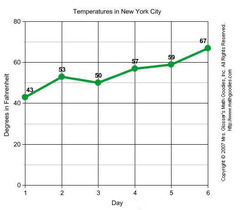
Graphing
Creating a visual representation of data over time
Line graph
Most common type of graph used
How often should we have data graphs?
Ideally, every session, if we have the data. I would say,
"What goes on the x-axis?"
time
ex. session, trial
"What goes on the y-axis?"
behavior
what is a trend?
increase or decrease of data
(positive or negative trend)

Preference assessment
Determining a client's preferred items or activities
What are the 4 types of preference assessments?
1. Single stim
2. forced-choice,
3. free operant observation
4. multiple stim, with and without replacement.
Free Operant Observation (preference assessment)
observing and timing how long a pt engages with an item and which items they engage with
- for pt who get mad when preferred toys are taken away,
items never removed
-pt may find highly-preferred actions or activities
Single stimulus
Presenting one item at a time for the client to choose
ex. handing different items, and seeing their reaction.
Forced-choice
Presenting two or more items for the client to choose
ex.
giving someone options and asking them to pick one, just like when I gave you a pencil and a notebook and you chose the pencil, so I replaced the notebook with a phone and you chose the phone.
What's a forced-choice hierarchy?
Well, I chose the phone twice, the pencil once,
the notebook, zero. phone is proffered.

Multiple stim with replacement or with out replacement
1. lay out three or more items,
2. have them choose, and depending on if you're doing with, or without replacement,
- with replacement : you would put back the item they chose and replace the other items, and continue,
-or if you're doing without replacement, you would take out the item they chose, and then go until you only have one left.
naturalistic teaching
teaching incorporated into every day play activities. using familiar games and toys ex. pt plays w/ doll i ask how can a doll sit on table?
ABC data
Collecting data on antecedents, behaviors, and consequences
antecent
take data on :before the behavior, manipulating environment 4 success, what we do before behavior
behavior
take data on :what is the behavior?
ex. drinking h2o, tantrum

consequence
take data on :what happens right after the behavior
ex. putting cap back on, pulling hair due to frustration, blocks on ground messy room

DTT (Discrete Trial Teaching)
Teaching new skills in a structured, controlled environment ex :clear beg ,mid, end , @table , great 4 teaching new skills ex identifying body parts
Naturalistic teaching
Teaching is incorporated in play activities using familiar games and toys ex. I ask how does the doll sit on chair ?
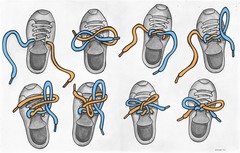
Chaining
Breaking down a task into smaller steps and teaching each step individually
-tying shoes, washing hands
forward chaining
teach 1st step independently , then prompt the rest of the steps
ex. handwashing : turn water on
Stimulus control transfer
Fading prompts to transfer control to the desired stimulus
-applying skills to new situations
ex.saying hello to just therapist
backward chaining
-prompt everything (first steps)
- teach/ independently to complete last step
-ex handwashing : dry hands
Shaping
Reinforcing successive approximations of a behavior
ex. speech, uhh then ..bubbles reinforce always ,slowly even if not perfect
- teaching a whole behavior
Discrimination training
Teaching the client to differentiate between different stimuli
ex. diff between dog and cat , green and blue
reinforce when they touch blue
Prompting
Providing assistance to help the client perform a behavior
- gesture, verbal , visual , model, physical
( least to most dependent )
Prompt fading
Gradually reducing the level of assistance provided
Token systems
A system where tokens are earned and exchanged for reinforcers
- ex., fr2 fixed ratio(2 correct responses) , get token , touching eyes and mouth then get token and once enough tokens can exchange for break or ipad ,cookie

Crisis/emergency procedures
Implementing protocols to address dangerous situations
Antecedent interventions
Modifying the environment or motivating operations to prevent problem behaviors
antecedent interventions ex.
1. -i love ice cream
withhold ice cream until the end of session
- manipulating motivation.
2. - manipulating environment , make Piper drink water to increase toileting success

Differential reinforcement
Reinforcing desired behaviors and withholding reinforcement for undesired behaviors
DRO(Differential reinforcement of other behavior )
-is also a behavior reduction procedure
-involves delivering reinforcement contingent on the undesired behavior not occurring throughout a specific interval of time.
DRO example
Let's say John repeatedly leaves the table when he is asked to complete his homework. To decrease future occurrence of eloping, John will be provided a reinforcer if he does not leave the table for 5 minutes. So during this time period, John could be sitting down attending to the homework, sitting down reading his homework or he can be flipping through the page. Since he engaged in other behaviors except leaving the table during the time period, his mom gave him his favorite cracker after the 5-minute interval. If John, at any moment during the 5-minute interval gets up and leaves the table, his mom will not give him his favorite cracker.
DRA( DIff. Rein. of Alternative Behavior)
teach replacement behavior (put bad behavior in extinction)
- reinforce only wanted behavior
DRA (differential reinforcement of alternative behavior) ex .
-raising hand in class instead of shouting answer
- pt may shout answer still but only reinforce when raisng - --hand , alt. behav. is raiing hand
Extinction
Removing reinforcement for a previously reinforced behavior
extinction burst
an expected increase in behavior when you put behavior on extiction
Client dignity
Respecting and treating the client with dignity and respect
Professional boundaries
Maintaining appropriate professional relationships with clients
Session notes
Objective and complete documentation of session activities
Supervision requirements
5 % of the hrs i work in a month and submitting required forms
describe one situation to me when you would seek clinical direction?
When a behavior occurs that I haven't seen before
- running a new program that I don't understand, -when I feel that parents are crossing the line