phases of cardiac cycle
 Call Kai
 Learn
Learn Practice Test
 Spaced Repetition
 Match
Match Flashcards
 Knowt Play
1/24

There's no tags or description
Looks like no tags are added yet.
Name | Mastery | Learn | Test | Matching | Spaced | Call with Kai | Chat |
|---|
No analytics yet
Send a link to your students to track their progress
25 Terms
What controls the opening & closing of heart valves during the cardiac cycle?
Pressure changes in the heart chambers
When does MV open & close?
Open- LA pressure > LV pressure
Close- LA pressure < LV pressure
General rule for all heart valves
Valves open when pressure behind the valve is higher & close when pressure in front of the valve is higher, preventing backflow
4 phases of ventricular diastole
Isovolumic relaxation
Rapid early diastolic filling (80%)
Diastasis (reduced filling/mid diastole)
Atrial systole (late filling, 20%)
When does most ventricular filling occur during diastole?
About 80% of ventricular filling occurs during rapid early diastolic filling
What happens during atrial systole (late diastolic filling)
The atria contract & provide the remaining 20% of ventricular filling
Isovolumic relaxation
Phase between SL valve closure & AV valve opening when ventricles begin to relax
What happens to the valves during Isovolumic relaxation?
Both SL & AV valves close
Why is it called Isovolumic relaxation?
Ventricular pressure decreased while ventricular volume stays the same because all valves are closed
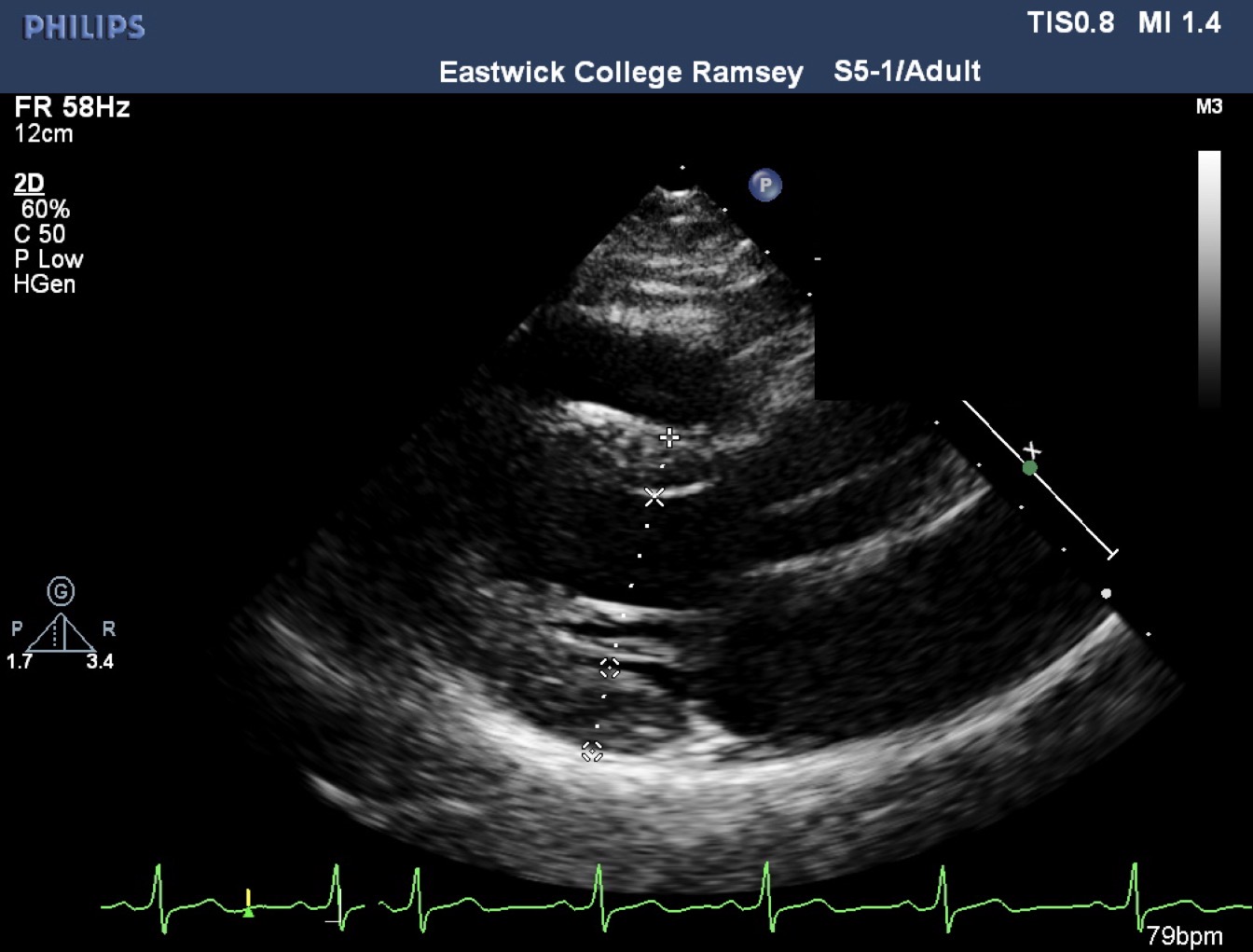
What is being shown?
Isovolumic relaxation
What is rapid passive filling during ventricular diastole?
The phase when the ventricles rapidly fill with blood after the AV valves open
When does ventricular diastole occur on the EKG?
Begins at the end of T wave & ends with start of QRS complex
What is the valve status during rapid passive filling?
AV valves- OPEN
SL valves- CLOSED
Diastasis
Mid diastole there is equalization of pressure & MV & TV close
When does atrial systole occurs & what does it do?
occurs at end of ventricular diastole with start of the P wave
pushes remaining blood into ventricles (atrial kick)
What is the valve status during atrial systole?
AV valves- OPEN
SL valves- CLOSED
How much does atrial systole contribute to ventricular filling?
Atrial systole contributes about 20% of ventricular filling (atrial kick)
Isovolumic contraction
Phase between AV closure & SL opening
What happens to the valves during Isovolumic contraction?
All valves are closed
Why is is called Isovolumic contraction?
Ventricular pressure increases while ventricular volume stays same
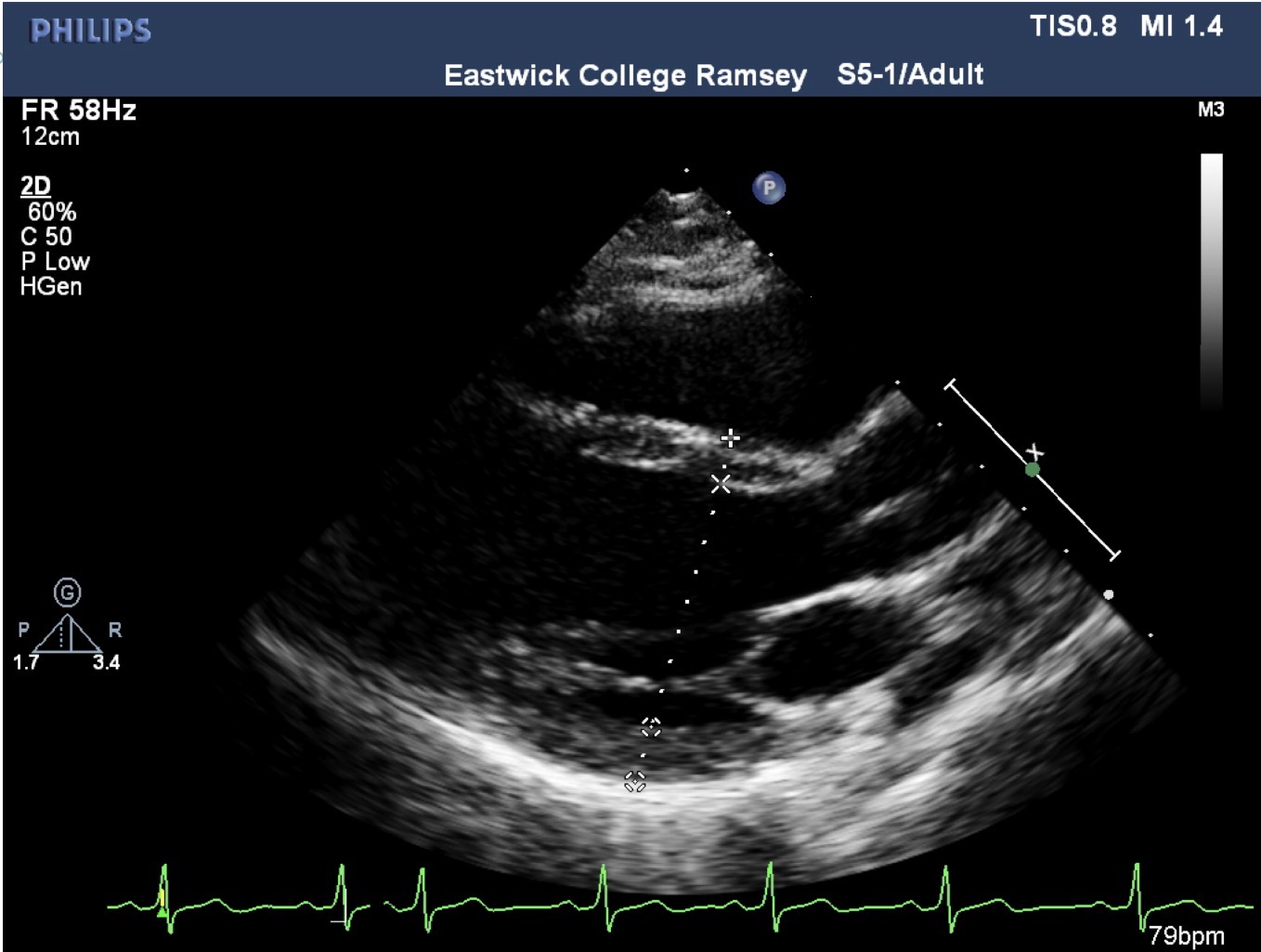
What is being shown?
Isovolumic contraction
Ventricular systole
Phase when ventricles contract & eject blood into great arteries
When does ventricular systole occur on EKG
Begins with QRS & ends with T
Valve status during ventricular systole
AV- CLOSED
SL- OPEN
What happens during the ejection phase of ventricular systole?
Blood is ejected from the ventricles into the great arteries. The phase includes rapid and reduced ejection, and ventricular volume is lowest at peak systole