plant id
 Call Kai
 Learn
Learn Practice Test
 Spaced Repetition
 Match
Match Flashcards
 Knowt Play
1/53

There's no tags or description
Looks like no tags are added yet.
Name | Mastery | Learn | Test | Matching | Spaced | Call with Kai | Chat |
|---|
No analytics yet
Send a link to your students to track their progress
54 Terms
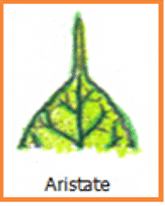
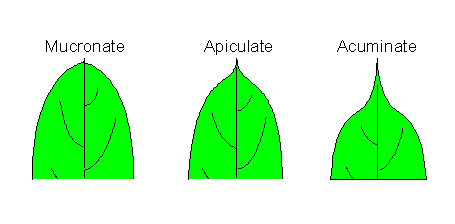
aristate
Having or resembling a bristle or awn, especially in botanical terms.
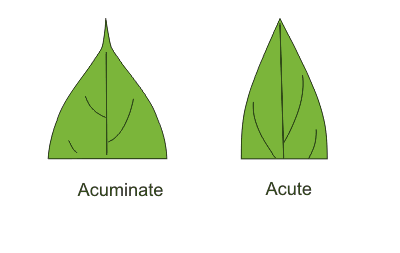
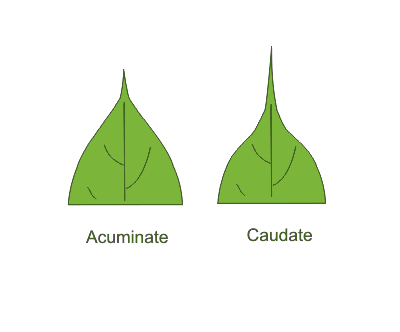
acuminate
tapering to a point; edges near the tip usually curve inward or look slightly hollow (concave) before meeting at the very end
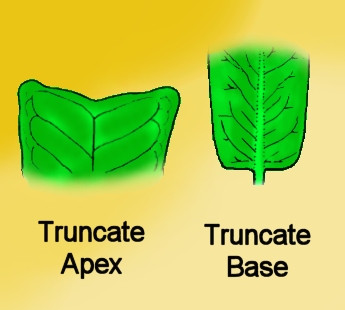
truncate
base or apex is squared off; looks straight across like someone cut it with scissors.
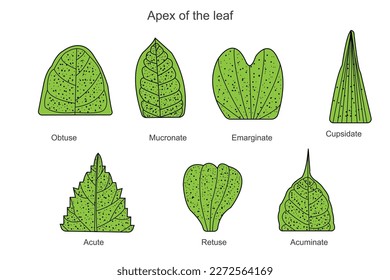
mucronate
ending in a short, sharp, abrupt point or tip; point is short, stiff, hard, and a direct extension of the leaf's midvein
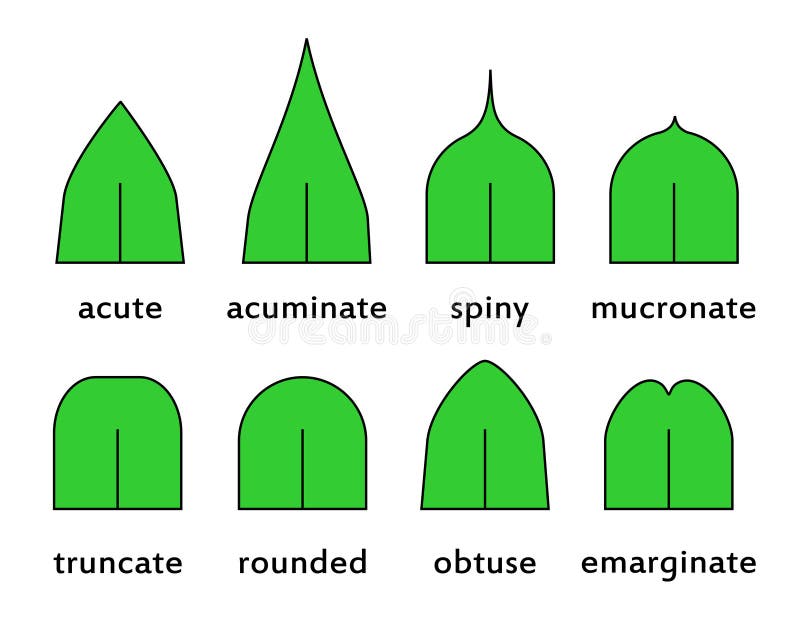
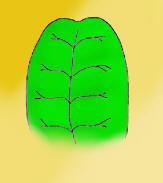
retuse
very shallow, subtle notch interrupting a rounded or blunt apex; looks as if the tip was softly pressed inward
emarginate
broader, clearer, and often slightly deeper notch at the tip (as opposed to refuse); the indentation looks more pronounced, as though a distinct piece of the apex was removed
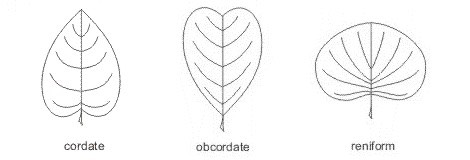
obcordate
inversely heart-shaped
apiculate
ending abruptly in a small, distinct, and often flexible point; point is short, slender, and softer/more flexible, generally an extension of apex tissue
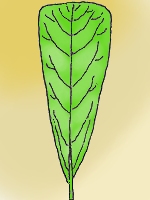
cuneate
wedge-shaped
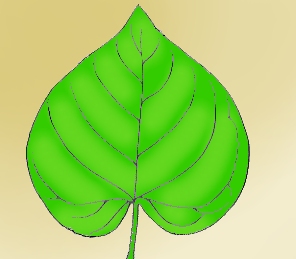
cordate
heart-shaped
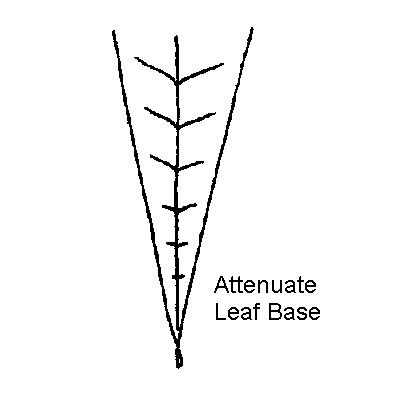
attenuate
tapering gradually to a very slender point or a narrow, thin shape
caudate
having a tail-like extension or tapering gradually into a long, slender, tail-like tip
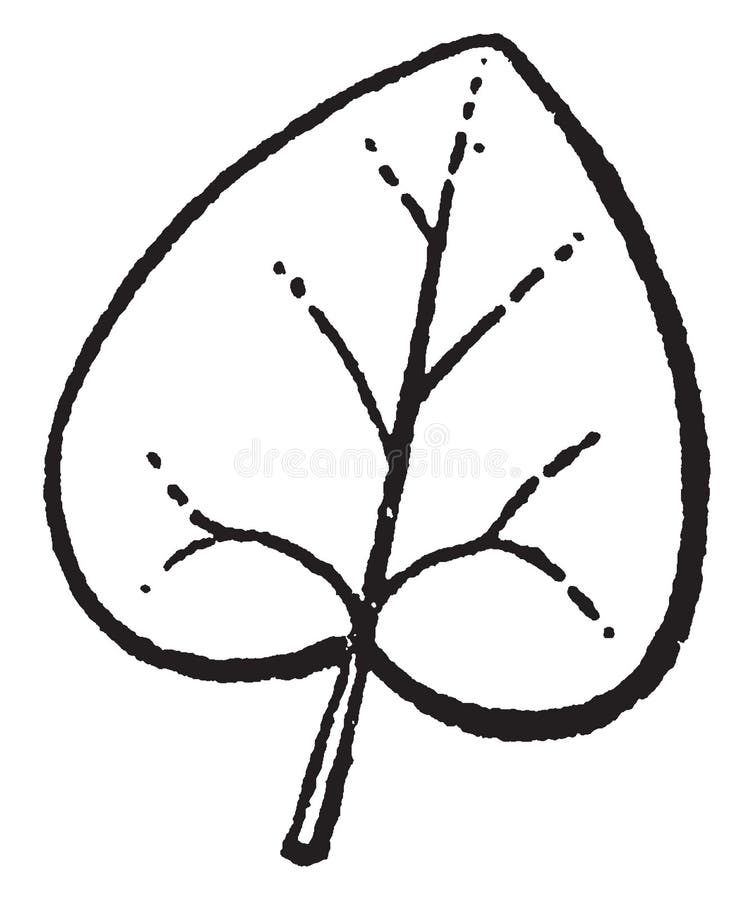
subcordate
somewhat or nearly heart-shaped
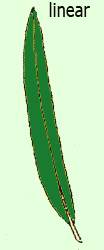
linear
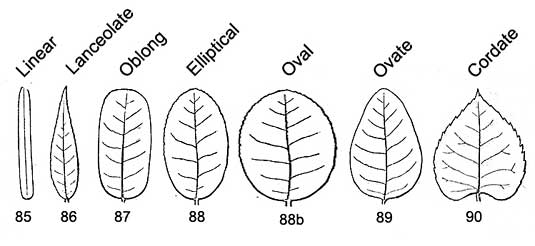
long, narrow botanical leaf shape with parallel sides, typically several times longer than it is wide
oblong
rectangular, with nearly parallel margins, about 2 times as long as wide
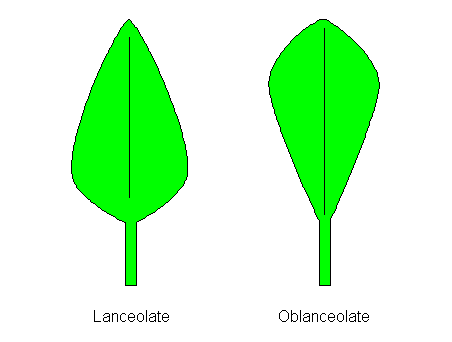
lanceolate
lance-shaped; leaf that is significantly longer than it is wide (typically a 3:1 ratio or more); broadest at the base or just below the middle and tapers gradually to a sharp point at the tip
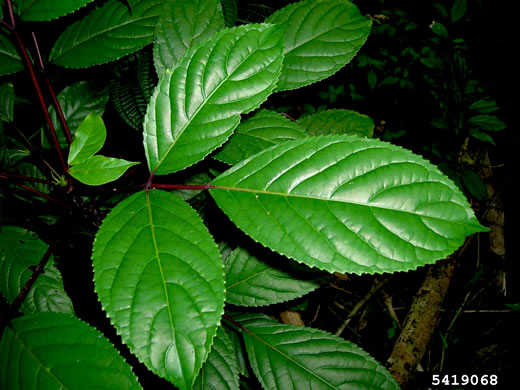
elliptic
widest at the middle of the blade, with curved margins and pointed apex and base
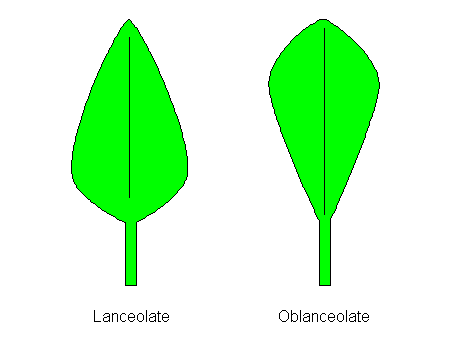
oblanceolate
inverted lance-shaped leaf; much longer than it is wide, featuring the broadest portion near the apex and tapering down to a narrow point at the base near the stem
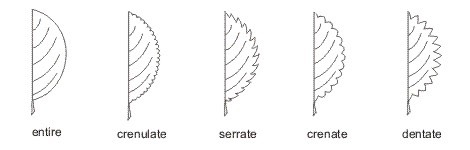
crenate
plant leaf edge that features shallow, rounded, or blunt teeth, creating a scalloped appearance
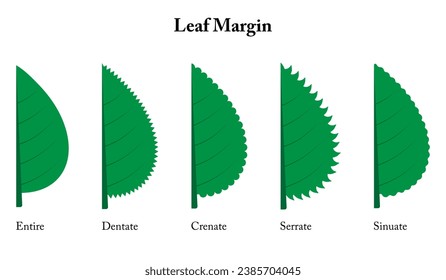
sinuate
a leaf edge with shallow, smooth, and strongly wavy indentations that curve inward and outward along a flat, horizontal plane
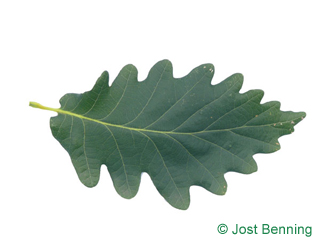
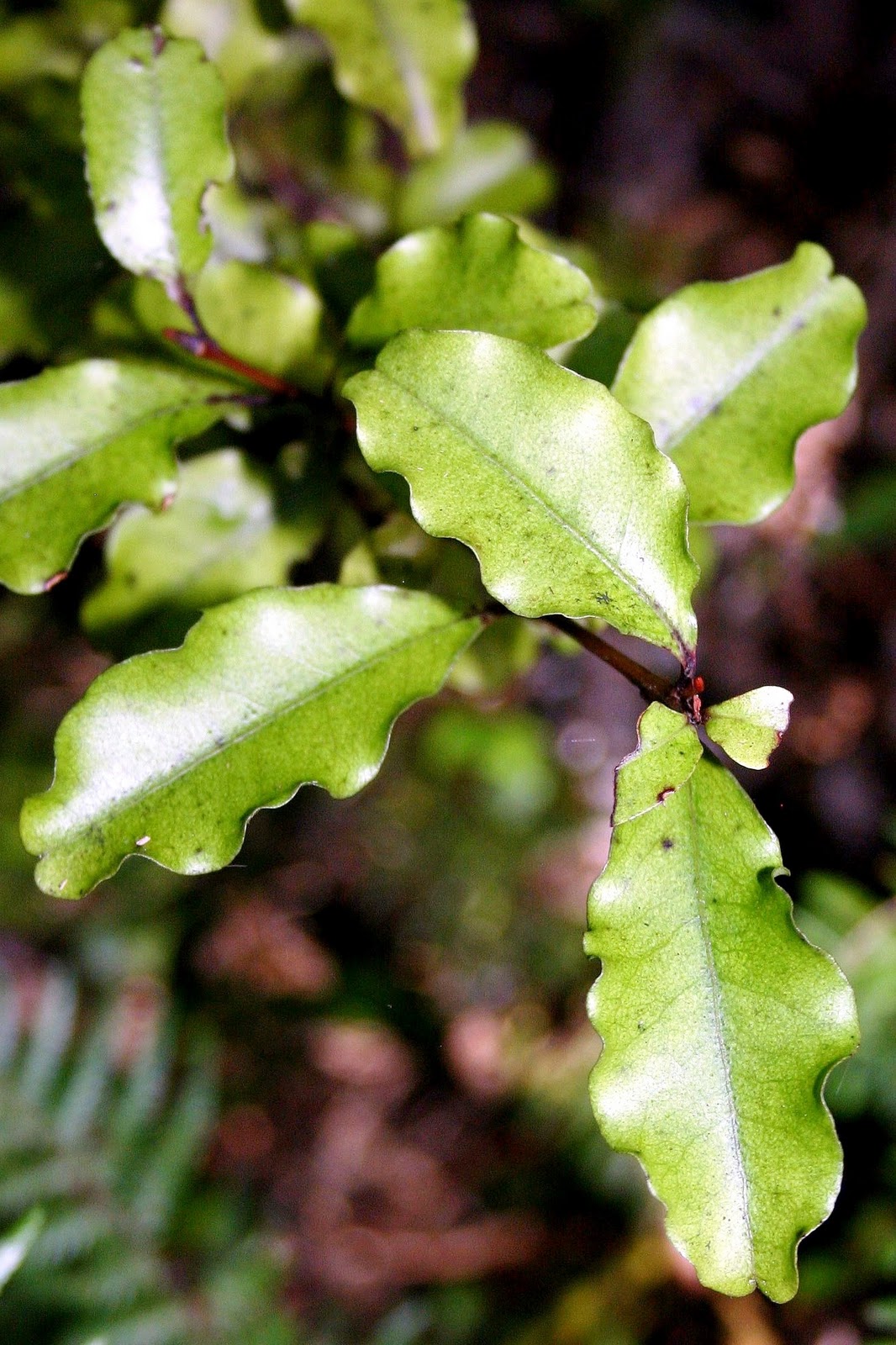
undulate
an edge that rolls or ripples up and down in a wavy, three-dimensional pattern
dentate
an edge of a leaf that has symmetrical, sharp teeth pointing straight outward at a right angle to the middle vein, rather than pointing up toward the leaf tip
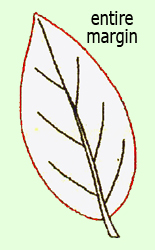
entire
a leaf edge that is completely smooth, even, and continuous
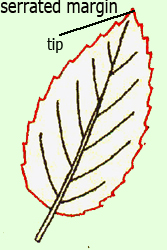
serrate
a saw-like edge with sharp, pointed teeth that tilt forward toward the apex of the leaf
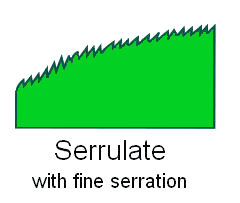
serrulate
a plant leaf edge featuring very fine, sharp, saw-like teeth that point forward toward the apex
pinnate venation
single central midrib with side veins branching out in a straight, feather-like pattern toward the edge
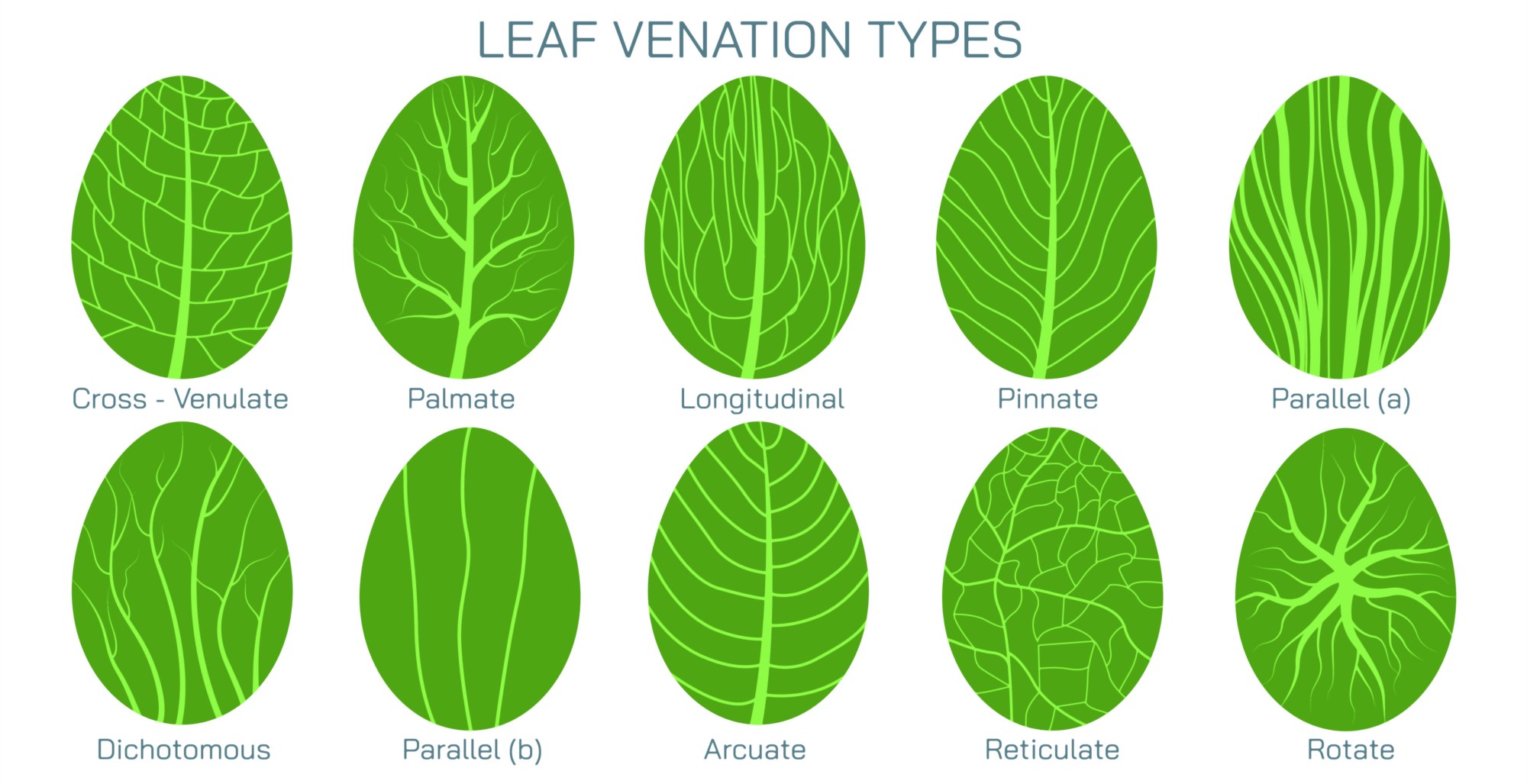
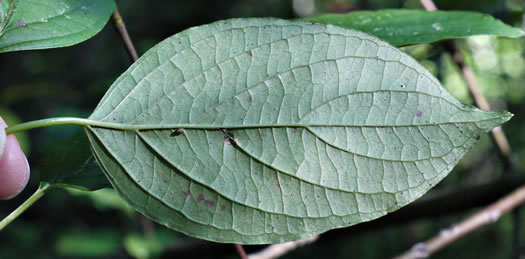
arcuate venation
a specialized variation of pinnate venation where secondary veins curve upward and run roughly parallel to the leaf margin as they move toward the tip; sweep upward to follow the curved shape of the leaf margin rather than going straight to the edge
granular
a surface covered with tiny, sand-like grains, small rounded bumps, or minute nodules
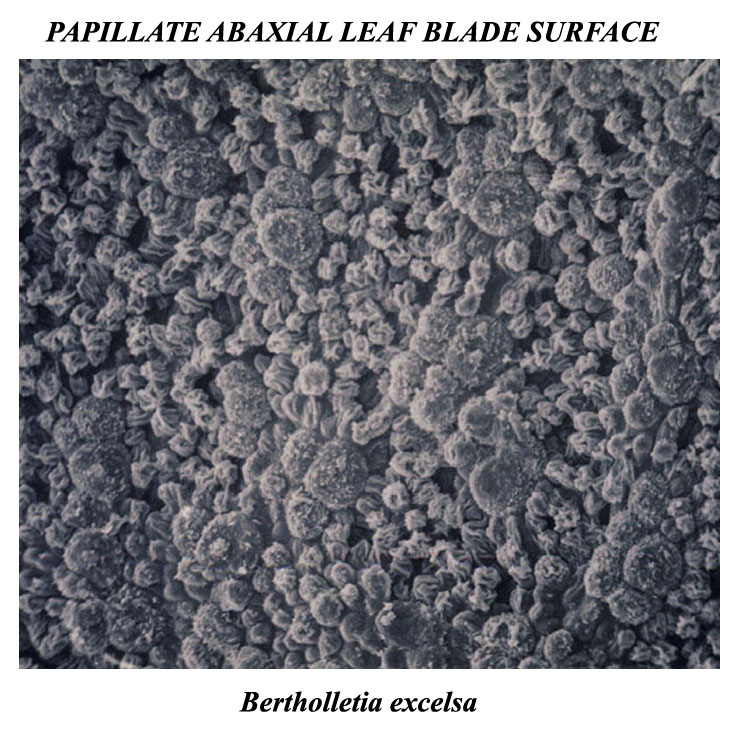
papillate (papillose)
covered with small, rounded, or nipple-shaped bumps (papillae)
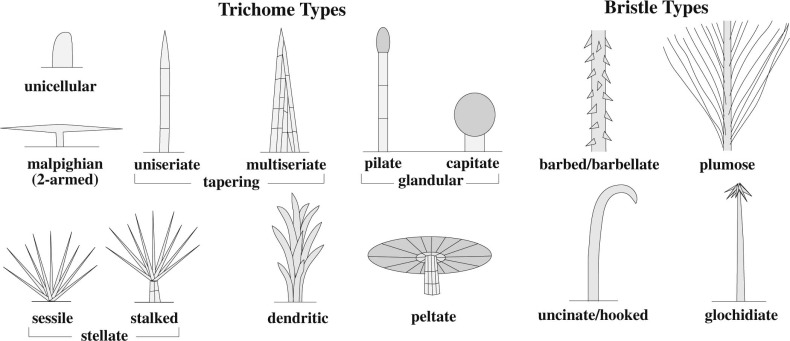
sessile trichome
sits directly on the surface of the plant epidermis without a supporting stalk or stem
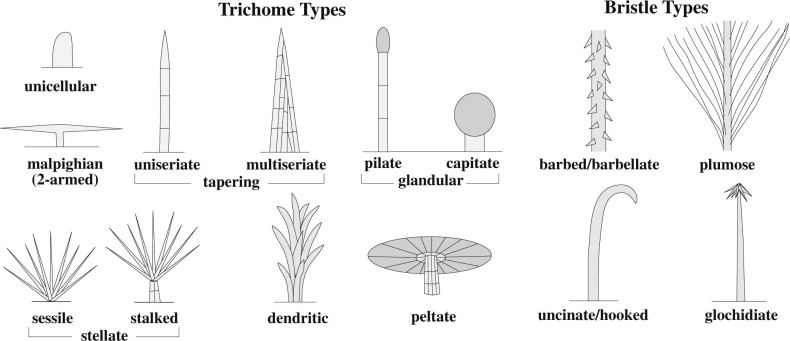
stalked trichome
composed of elongated epidermal and hypodermal cells that elevate the gland
glandular
having or bearing glands—specialized cells, surfaces, or hair-like structures that secrete fluids like nectar, oil, resin, or sticky mucus
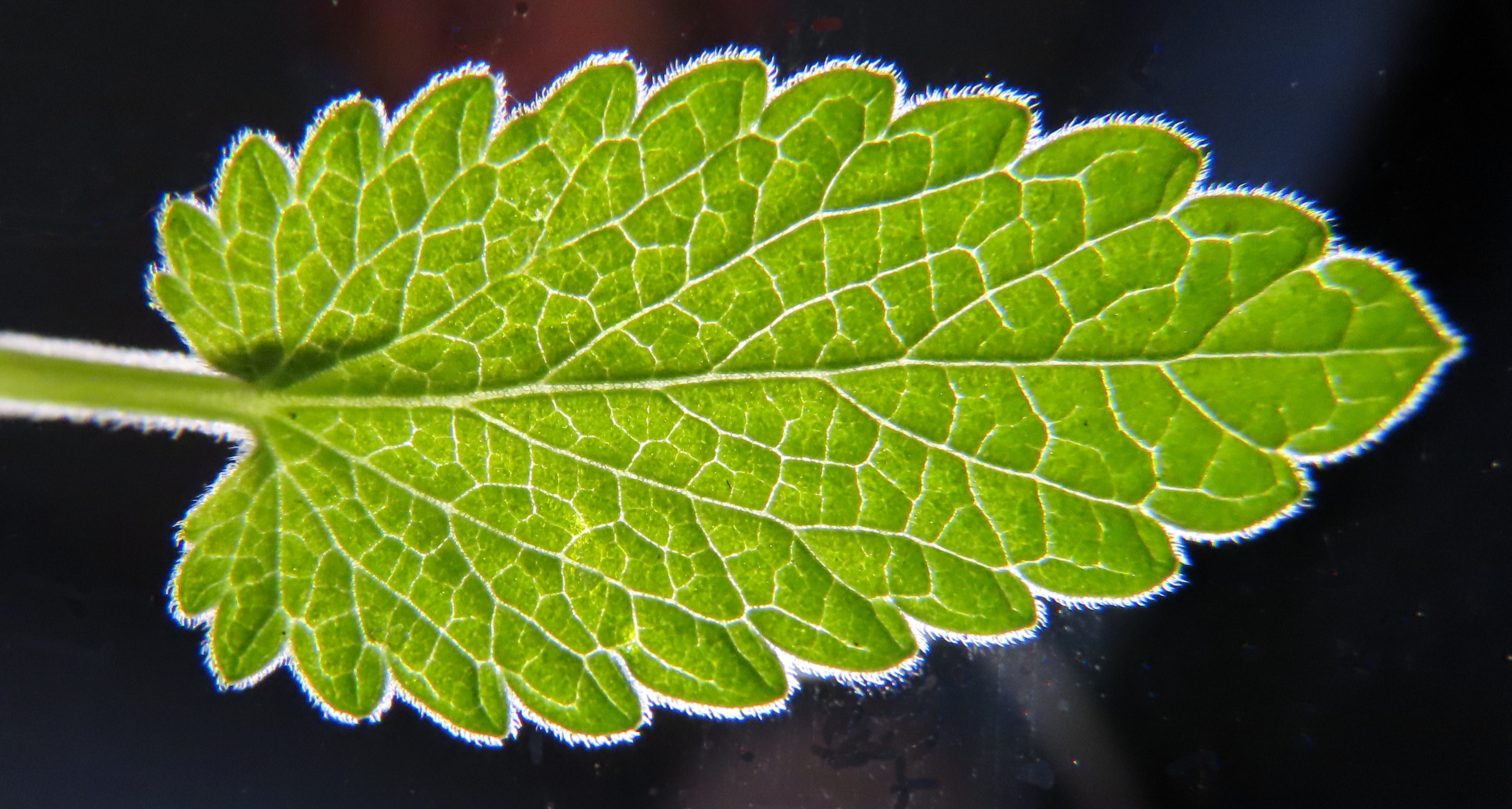
pubescent
covered with short, soft, fine hairs
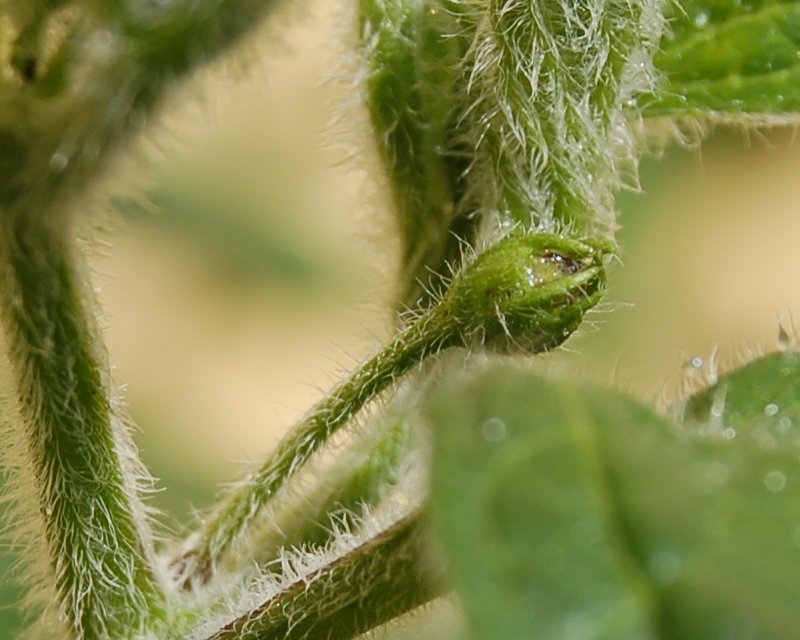
tomentose
a plant surface is densely covered with short, soft, matted, or woolly hairs
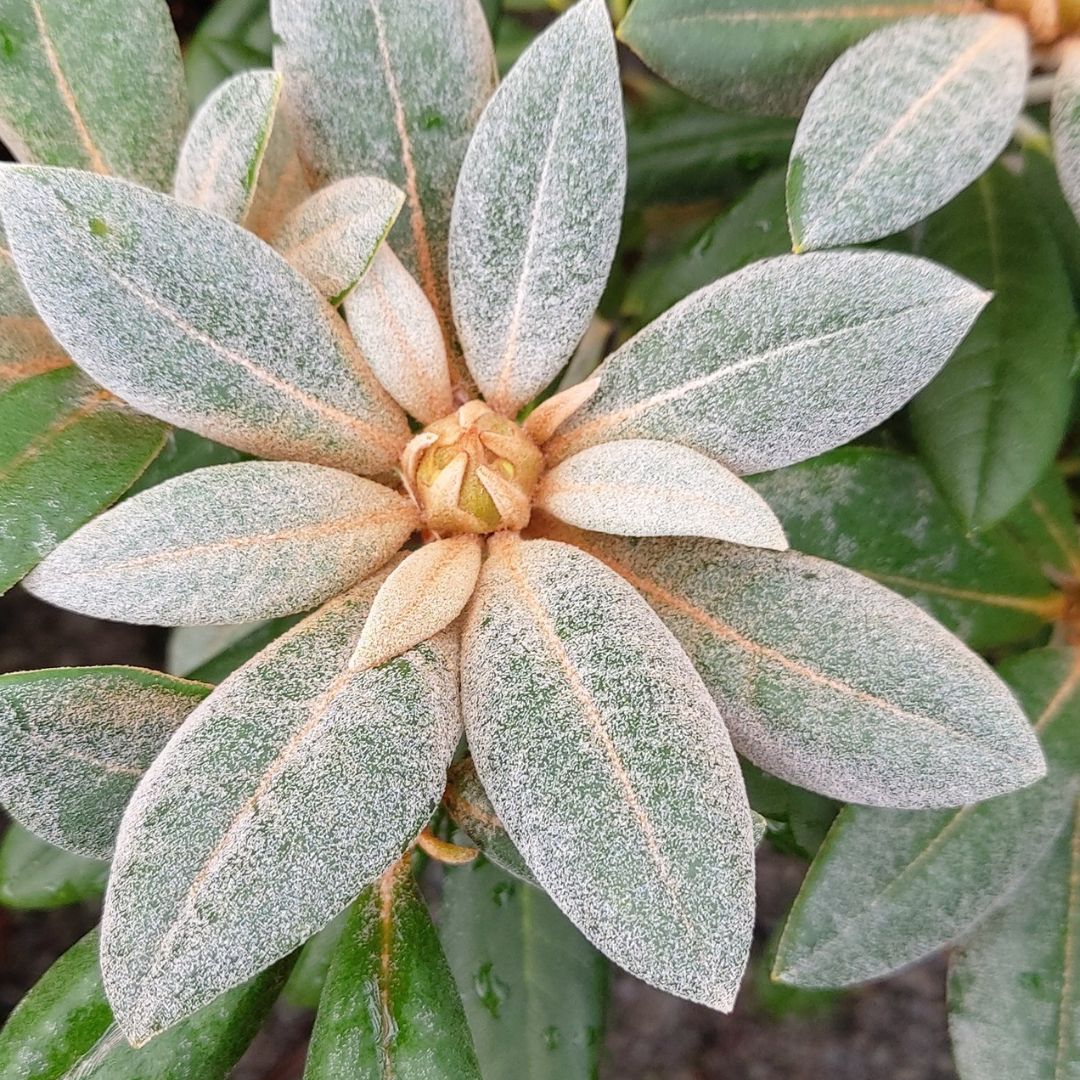
villous
a plant surface is covered with long, soft, shaggy hairs that are not matted together
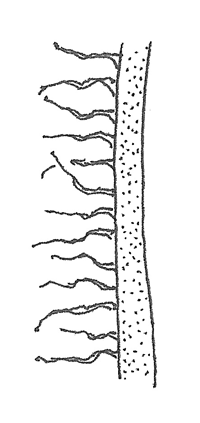
scabrous
rough to the touch; feels like sandpaper because it has very short, stiff, or rigid hairs, tiny teeth, or small rough bumps
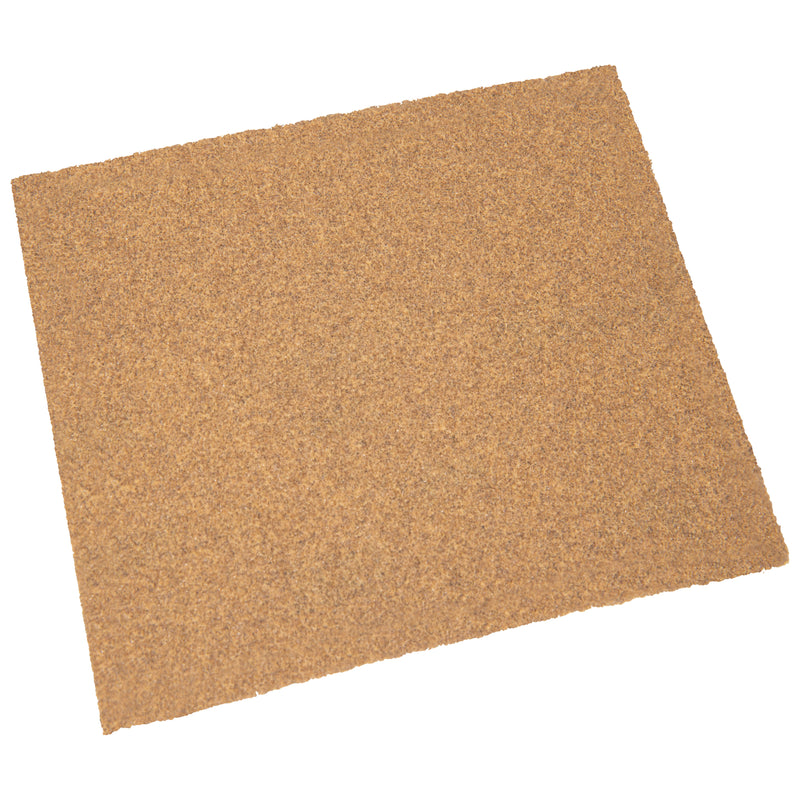
bullate
looks puckered, bubbled, or blistered; happens when the tissue between the main veins bulges outward, making the veins look sunken
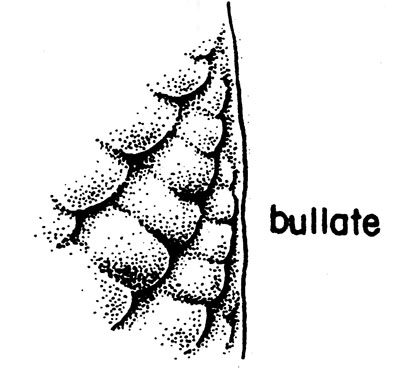
pilose
covered with long, soft, distinct, and straight hairs
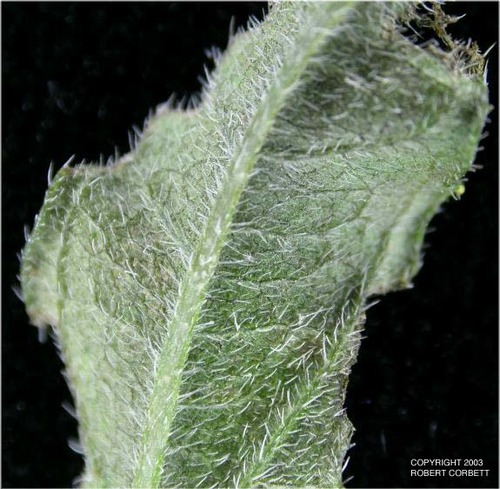
puberulent
covered with very short, fine, soft, and slightly erect hairs; minutely or finely pubescent—feeling slightly downy or fuzzy to the touch rather than densely woolly or completely smooth
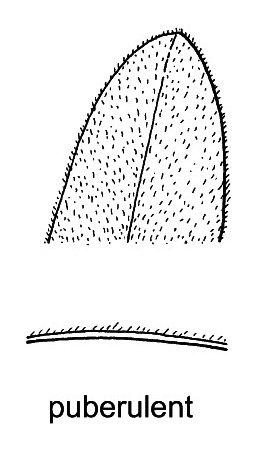
strigose
covered with sharp, appressed, rigid, bristly hairs that are often swollen at the base; stiff, sharp, straight hairs that lie flat against the surface
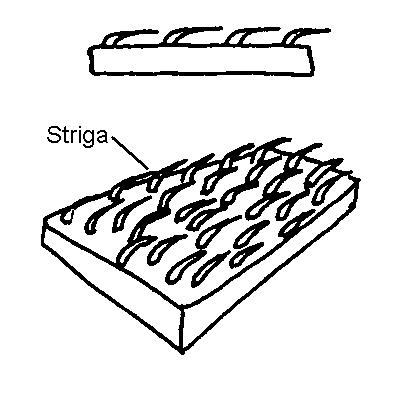
coriaceous
leathery
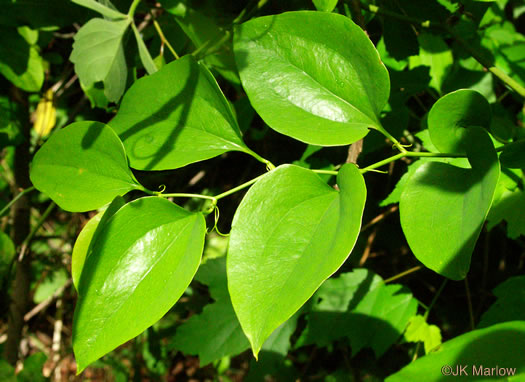
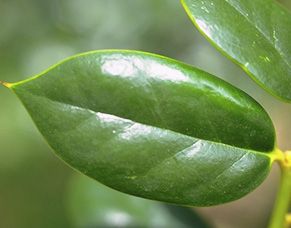
glabrous
completely free of hair
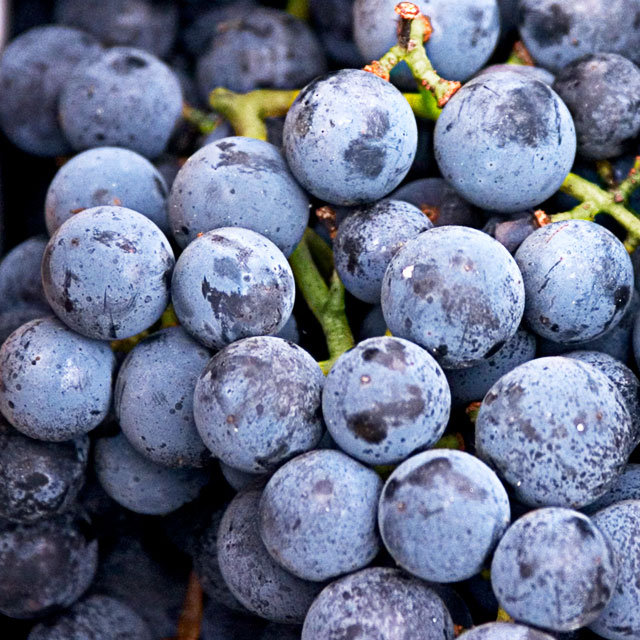
glaucous
surface covered with a thin, powdery, or waxy greyish/blueish/whitish bloom that can easily rub off
glabrescent
becoming hairless, smooth, or free of trichomes as it matures or ages; plant parts that start out hairy or fuzzy when young but lose those hairs over time
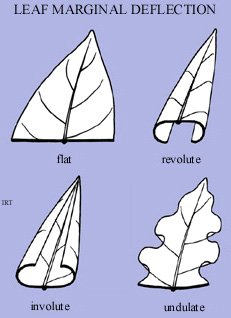
revolute
margin rolls/curls backward toward the abaxial surface of the leaf
cartilaginous
plant part that is tough, firm, and elastic, resembling animal cartilage
velutinous
having a velvety surface covered with thick, short, soft, and silky hairs
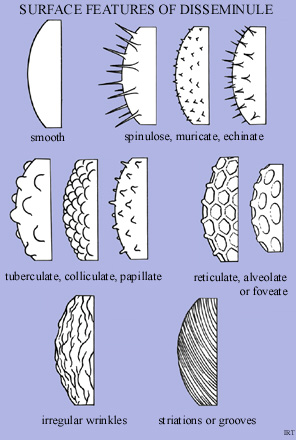
tuberculate
covered with, or having, small rounded bumps, warts, or nodules (tubercles)
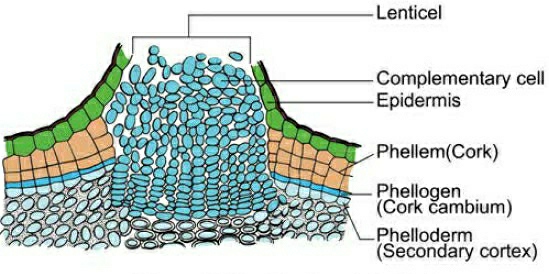
lenticel
a porous, lens-shaped opening in the bark of woody stems, roots, and certain fruits; allows living internal plant tissues to exchange oxygen, carbon dioxide, and water vapor with the outside air
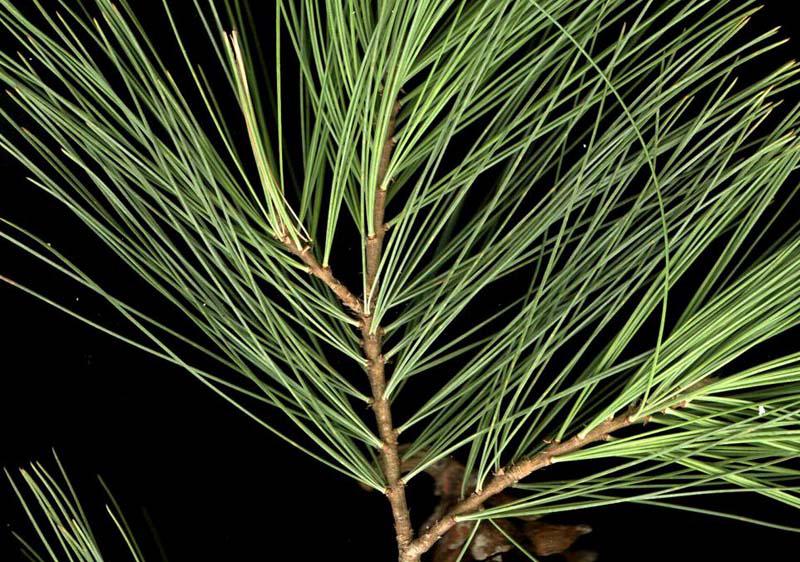
fascicled
arranged in tight bundles, clusters, or tufts
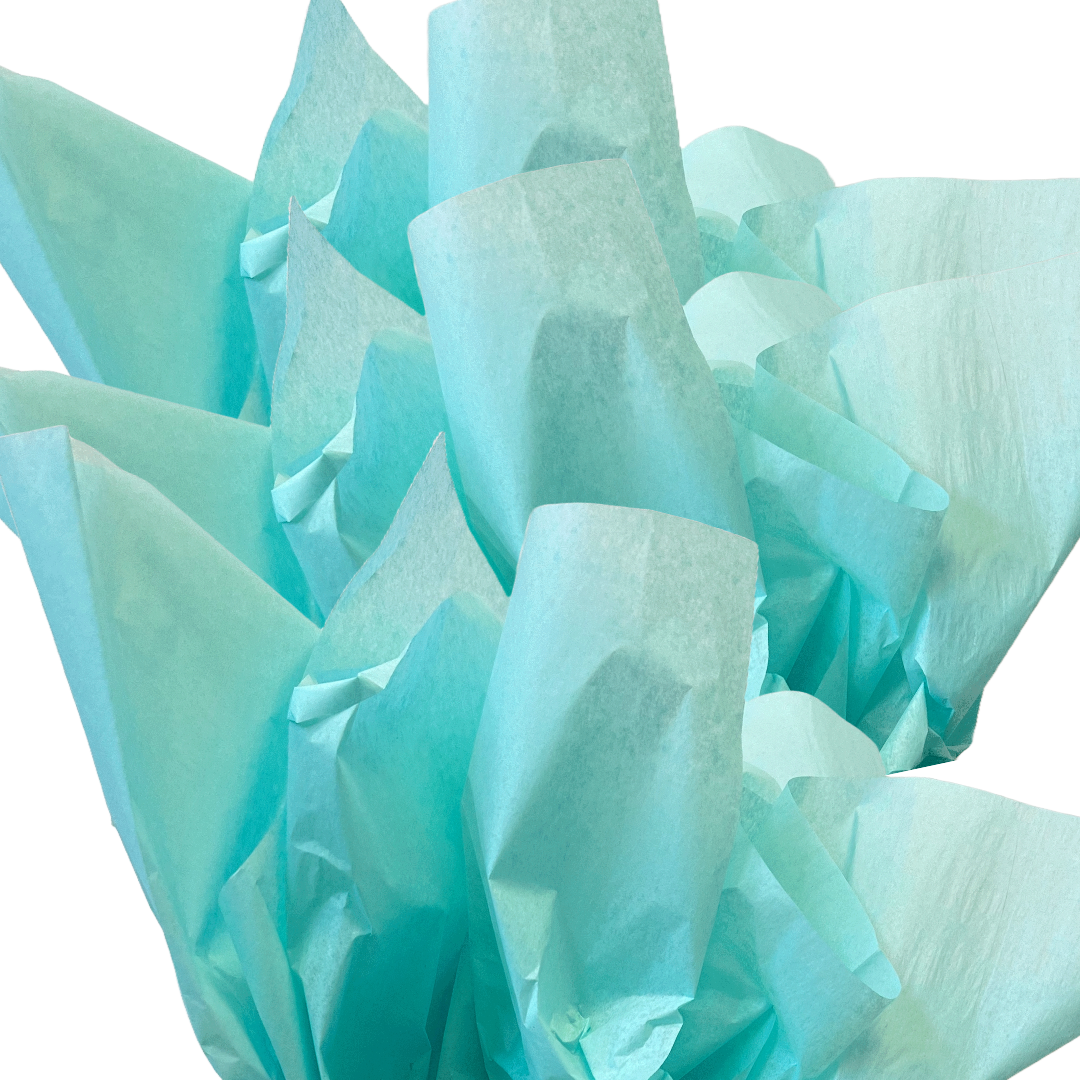
chartaceous
thin, dry, or flimsy like paper; papery
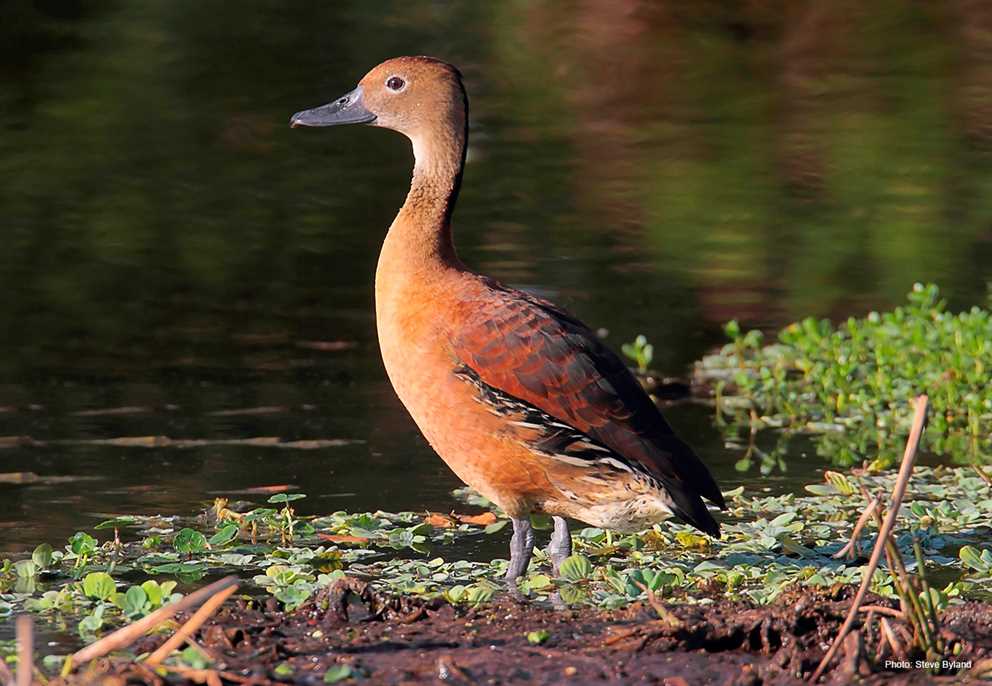
fulvous
dull brownish-yellow, tawny, or muted orange color
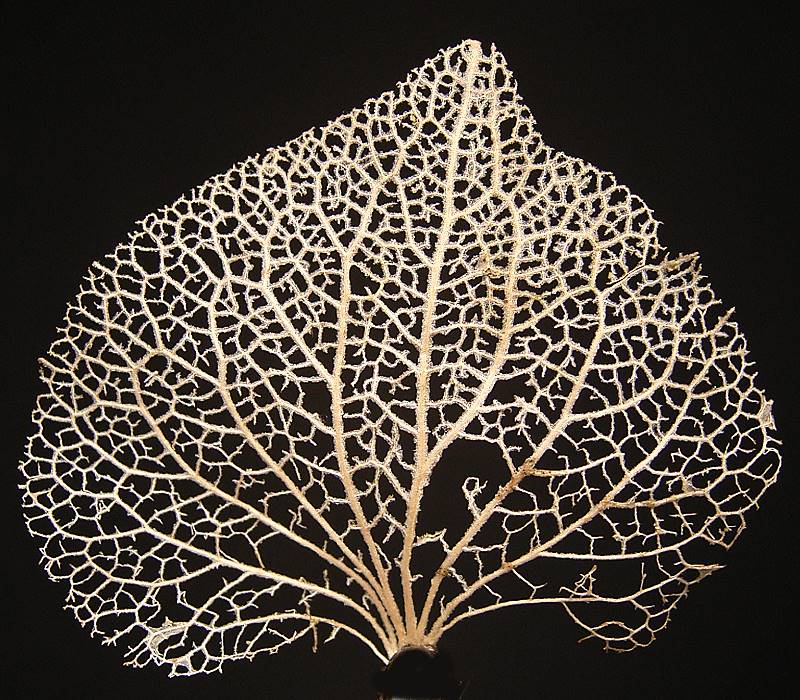
anastomose
when plant parts—such as leaf veins, branches, or stems—branch out and then reconnect to form a web-like net
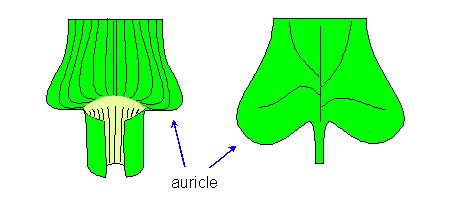
auricled
having ear-shaped lobes, appendages, or projections (auricles); auricled (or auriculate) leaf base features two small, ear-like lobes or projections pointing backward where the leaf blade meets the stem or petiole