NeuroLab Ephys Exam
 Call Kai
 Learn
Learn Practice Test
 Spaced Repetition
 Match
Match Flashcards
 Knowt Play
1/115

There's no tags or description
Looks like no tags are added yet.
Name | Mastery | Learn | Test | Matching | Spaced | Call with Kai | Chat |
|---|
No analytics yet
Send a link to your students to track their progress
116 Terms
bioelectric signaling requirements
semipermeable membranes with channels and pumps that allow the internal enviroment of the cell to interact with the external environment
types of charged ions
potassium, sodium, chloride, and organic ions
electrical noise
when current is able to leak away from its source and make its way to the amplifier
sources of electrical noise
fluorescent lights, cell phones, radios, computers (and components)
what is being observed with ephys
voltage fluctuations
what kind of amplifiers are needed
high resistance amplifiers
Ohm’s law
voltage = current * resistance
what is the current through the amplifier
1 nanoAmp
most common ways of preventing noise
insulating wires, grounding
what is grounding
providing a low-resistance pathway for stray current to pass through
electrode
electrical conductor used to pick up electrical signal
amplifier
increase the voltage of the input signal for visualization and quantitative analysis
why use different amplifiers
biological signals differ not only in voltage amplitude but also their temporal pattern
low-pass filter
allows low-frequency voltage fluctuations through while attentuating high-frequency voltage fluctuations
high-pass filter
allows high-frequency voltage fluctuations through while attentuating low-frequency voltage fluctuations
band-pass filter
using both high- and low- pass filters
A/D converter
iWorx RA 834, changes continuous biological signal to discrete digital signal for analysis
what is the gel comprised of
electrolyte containing chloride ions (AgCl)
why use gel
increases the concudtivity of the skin/electrode interface
ion exchange at the skin surface
ions from the skin exchange with ions in the electrolyte gel, and the flow is picked up by the electrode
first amplifier that we use
C-ISO-256, 400x, high-pass: 0.05 Hz, low-pass: 25 or 2.5 kHz
second amplifer that we use
ETH-256 amplifier, x5
what is eeg used for
characterize sleep disorders, monitor anesthesia, assess levels of arousal and brain death
advantages of eeg over fmri
less expensive, no confinement of patients, high temporal resolution, measures neural activity directly
current sink
site where the EPSP is generated (where positive ions enter the cell)
current source
the flow of ions out of the cell, can be measured
eeg recording electrode senses
the mass activity of thousands of neurons
beta waves
eyes open, focused (13-40 Hz), desynchronized
alpha waves
eyes closed, relaxed (8-13 Hz), more synchronous
alpha block
transition from a synchronized to a desynchronized brain state
delta waves
high amplitude, synchronized waves in late non-REM sleep (1-3 Hz)
purpose of spectral analysis
quantify the composition of complex waveforms
fourier transformation
decomposes a complex waveform into its constituent sine waves and calculates how much each sine wave contributes to the overall waveform
power
the higher the amplitude of a particular sine wave, the more power it contributes to the shape of the overal signal

anterior tentacle and oral veil
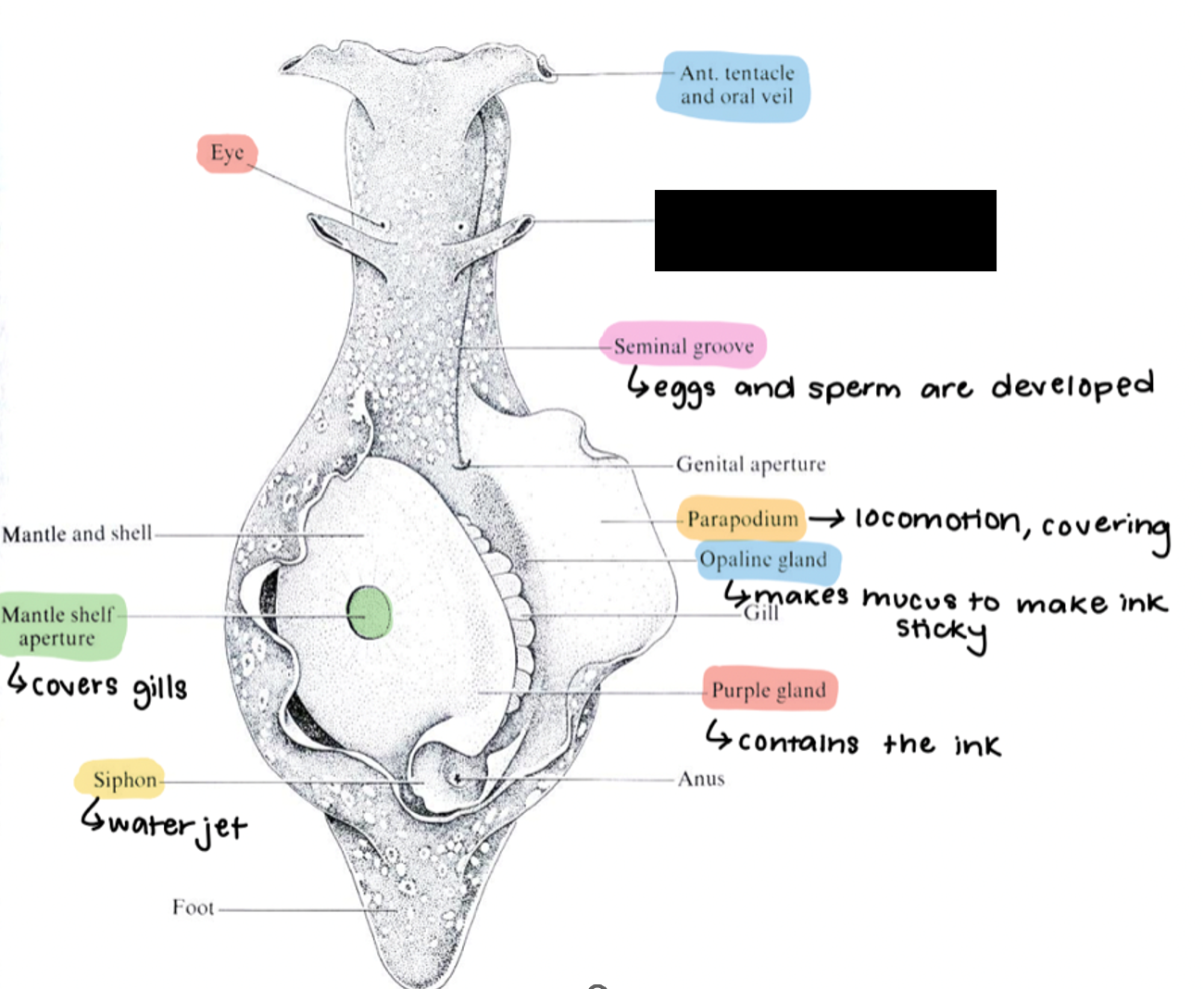
posterior tentacle (rhinophore)
function of rhinophores
smelling/olfaction
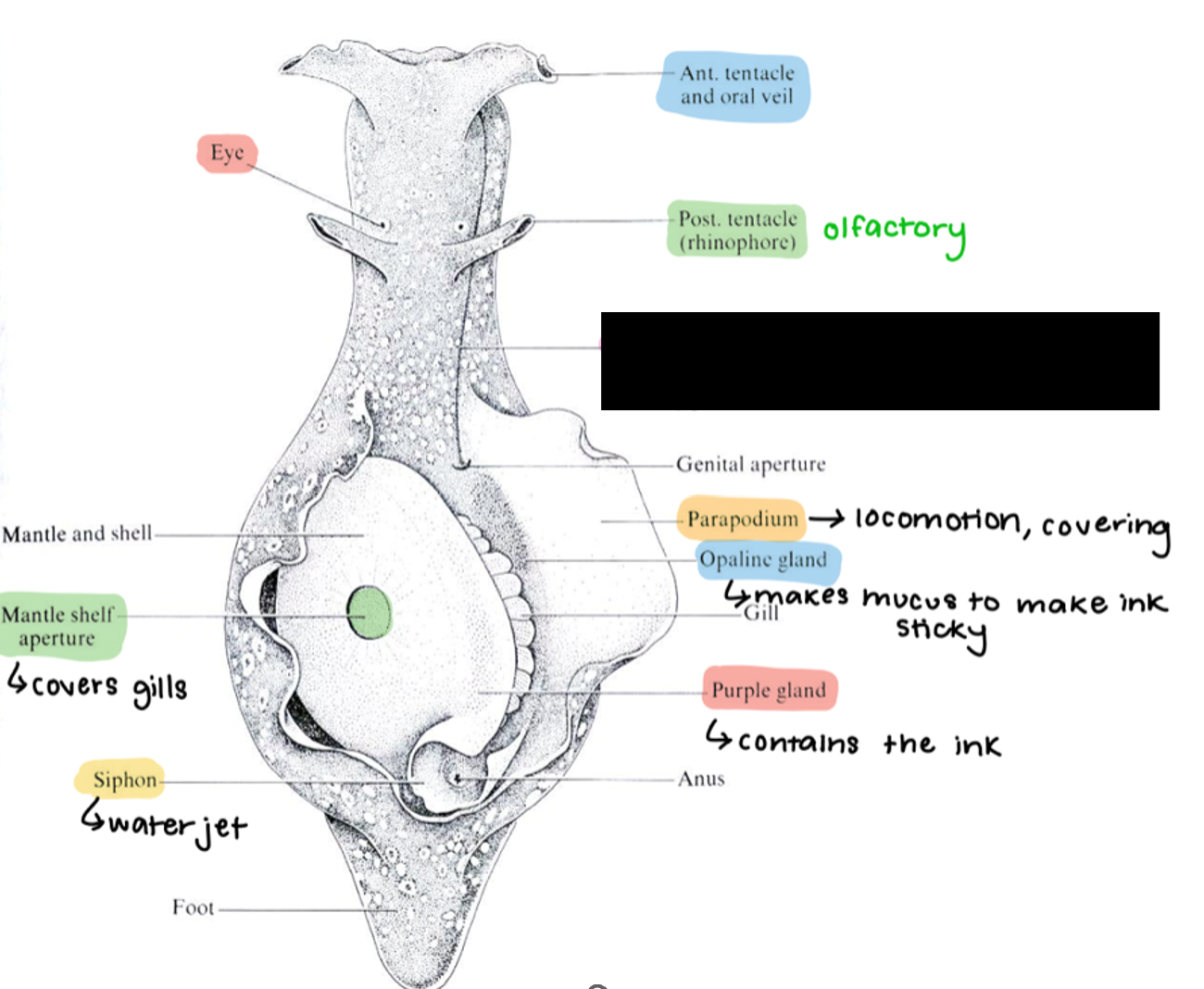
seminal groove
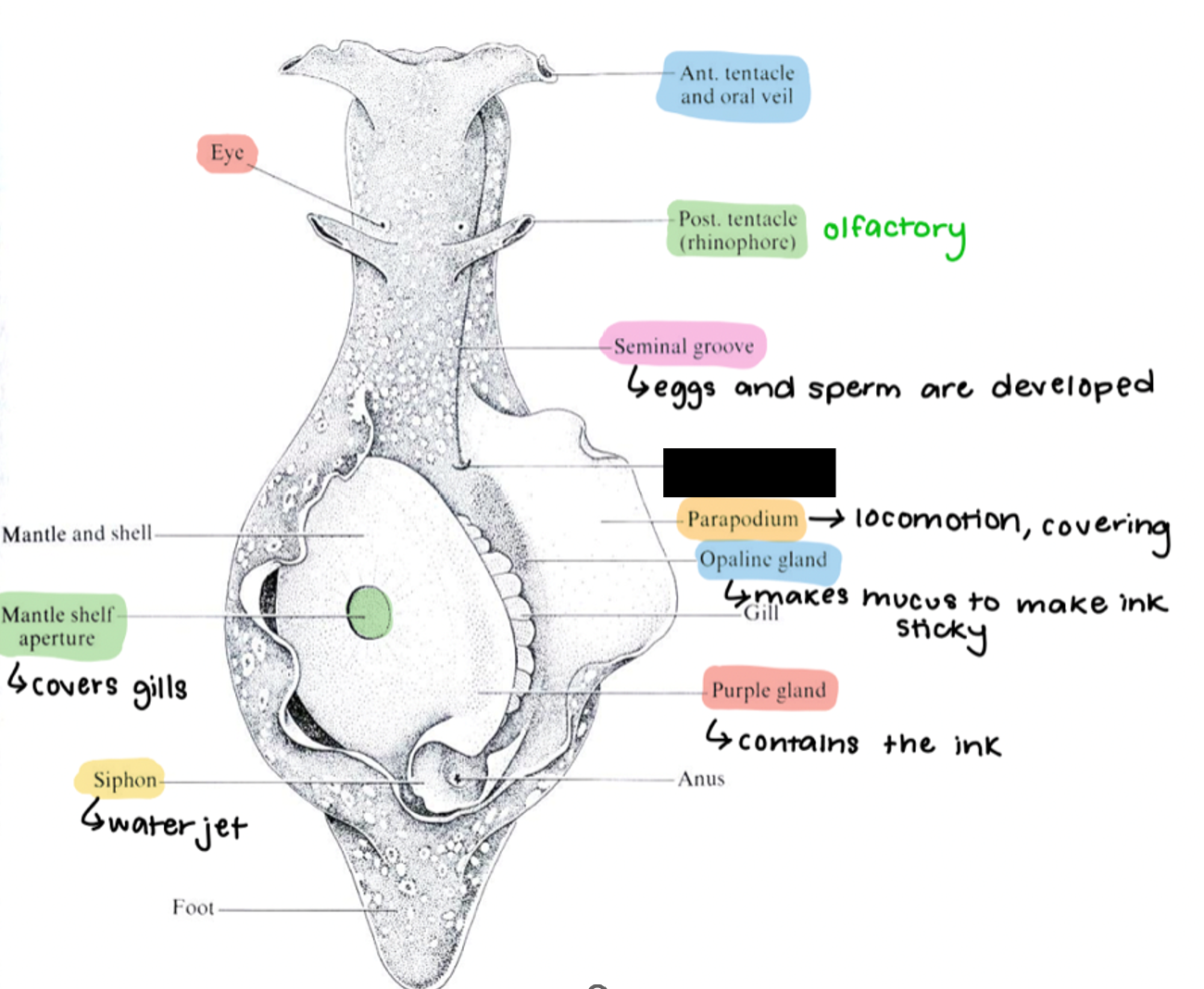
genital aperture
function of seminal groove
sperm and egg transport

parapodium
function of parapodia
swimming
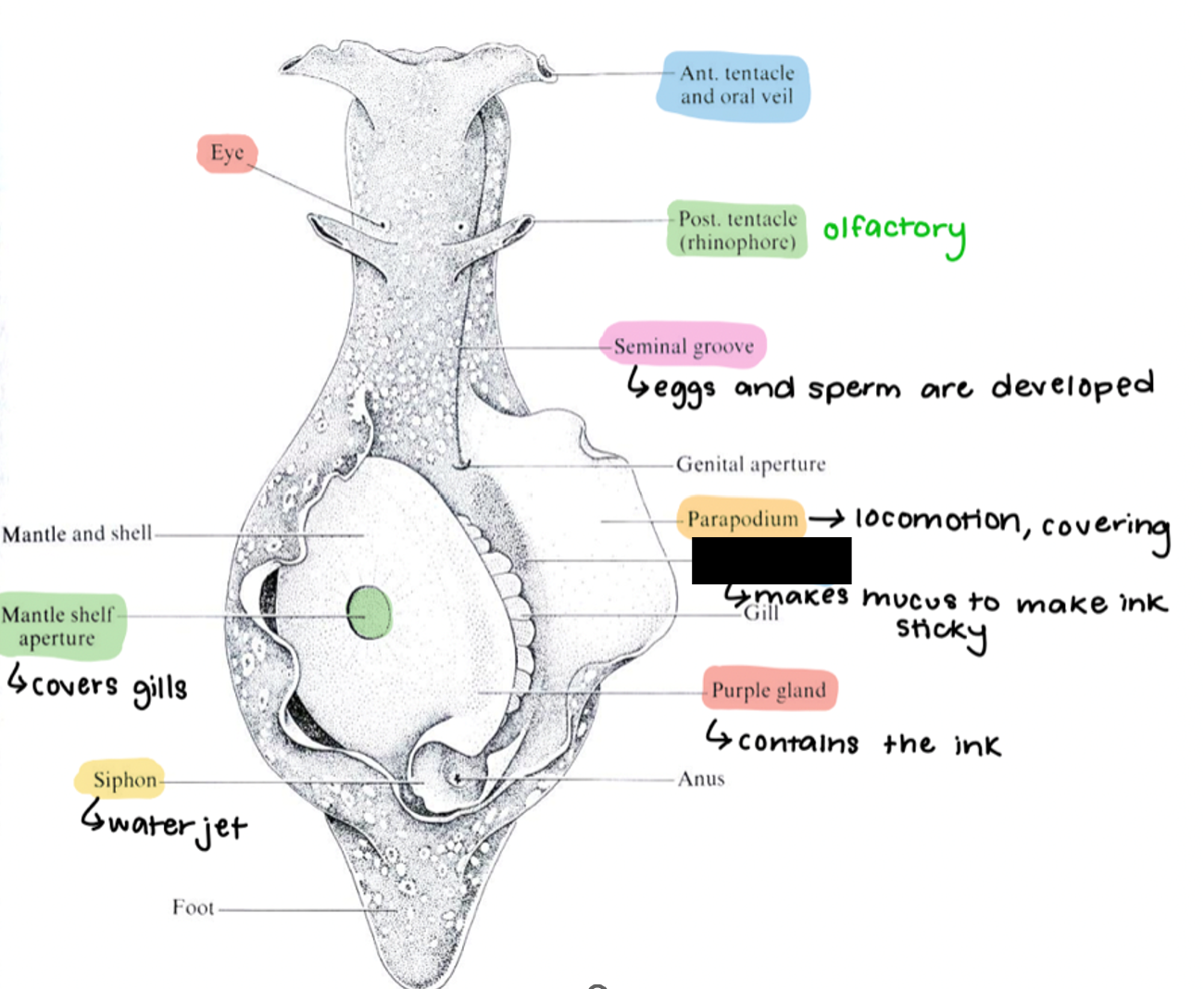
opaline gland
function of opaline gland
makes mucus to make ink more viscous and sticky

gill

purple gland
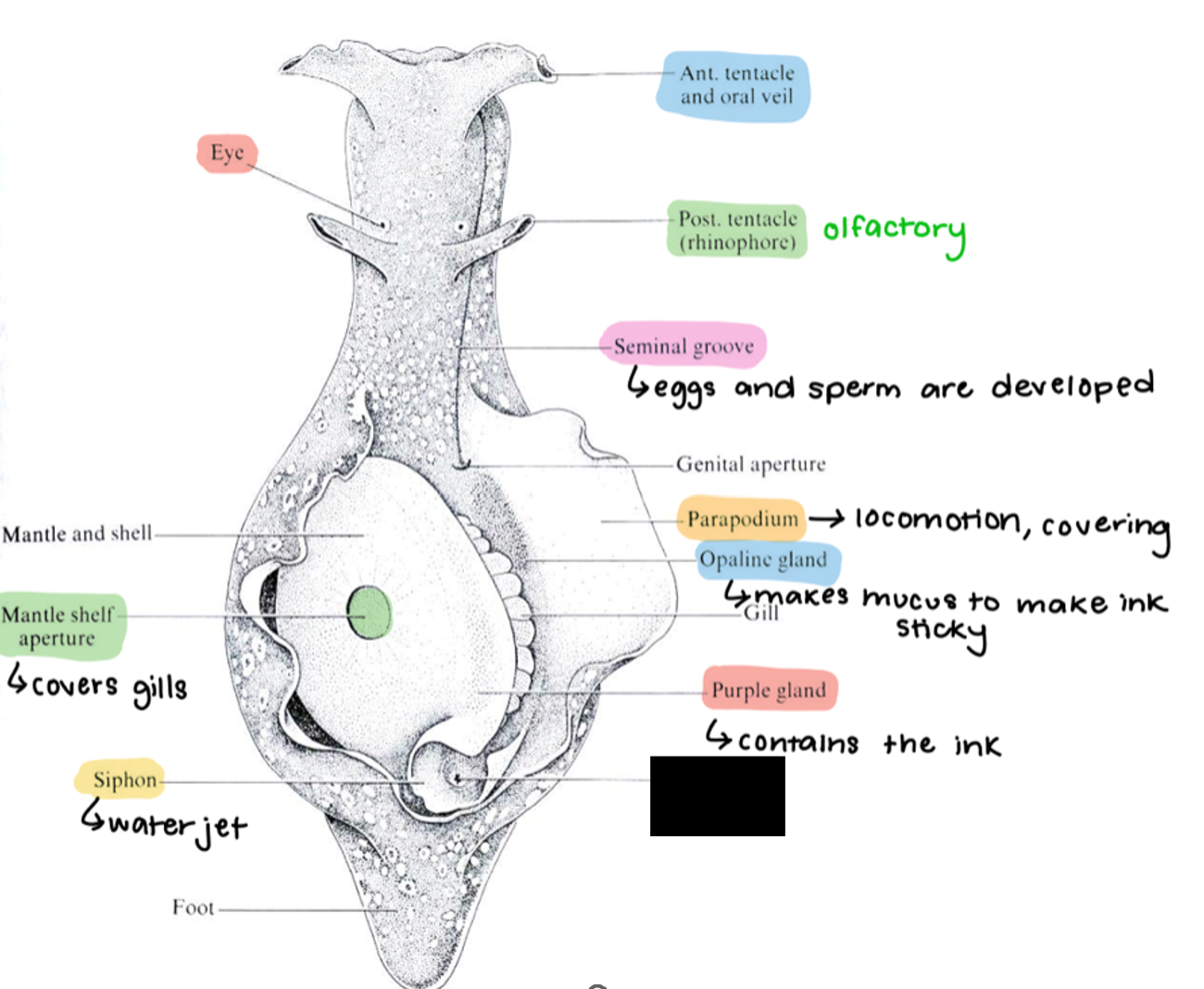
anus

foot

siphon
function of siphon
water jet
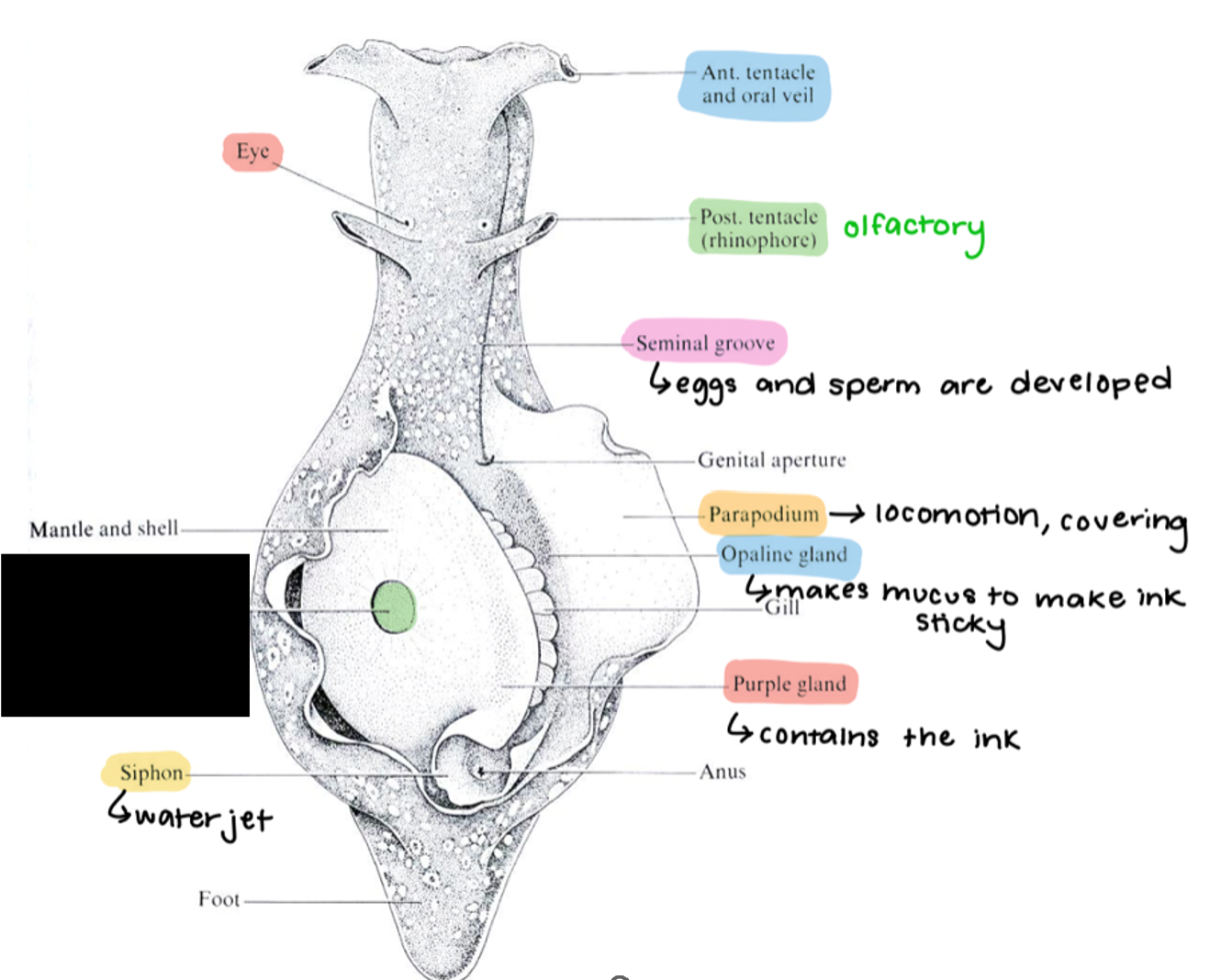
mantle shelf aperture
function of mantle shell aperture
covers gills

mantle and shell

buccal mass
function of buccal mass
where the aplysia determines if the food is edible

esophagus
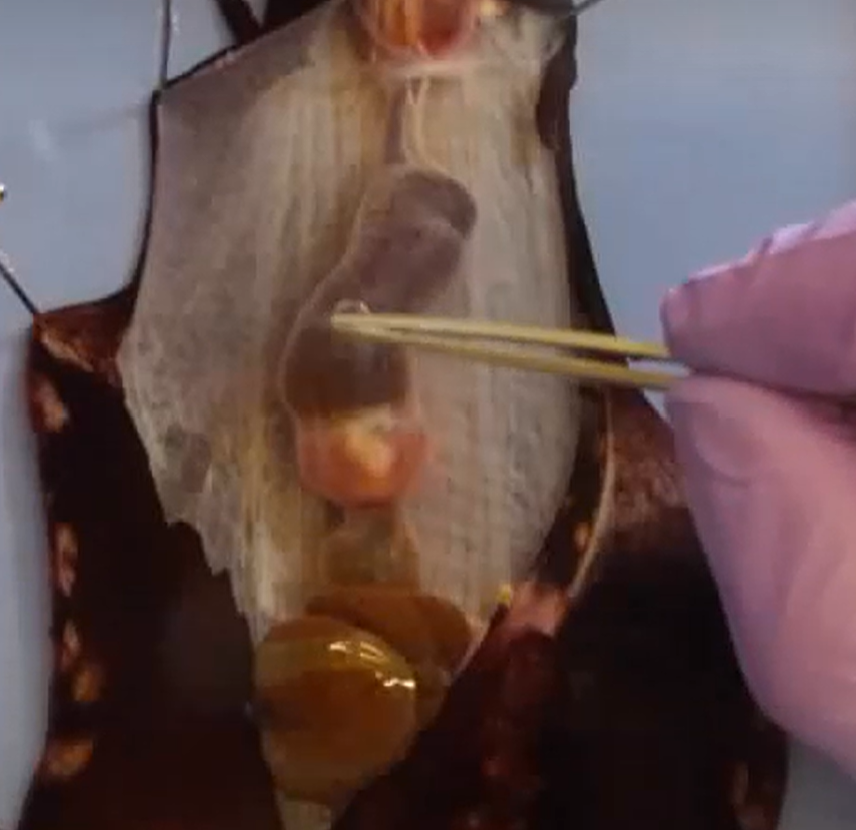
crop
function of crop
stores food until food that has already been eaten is completely processed
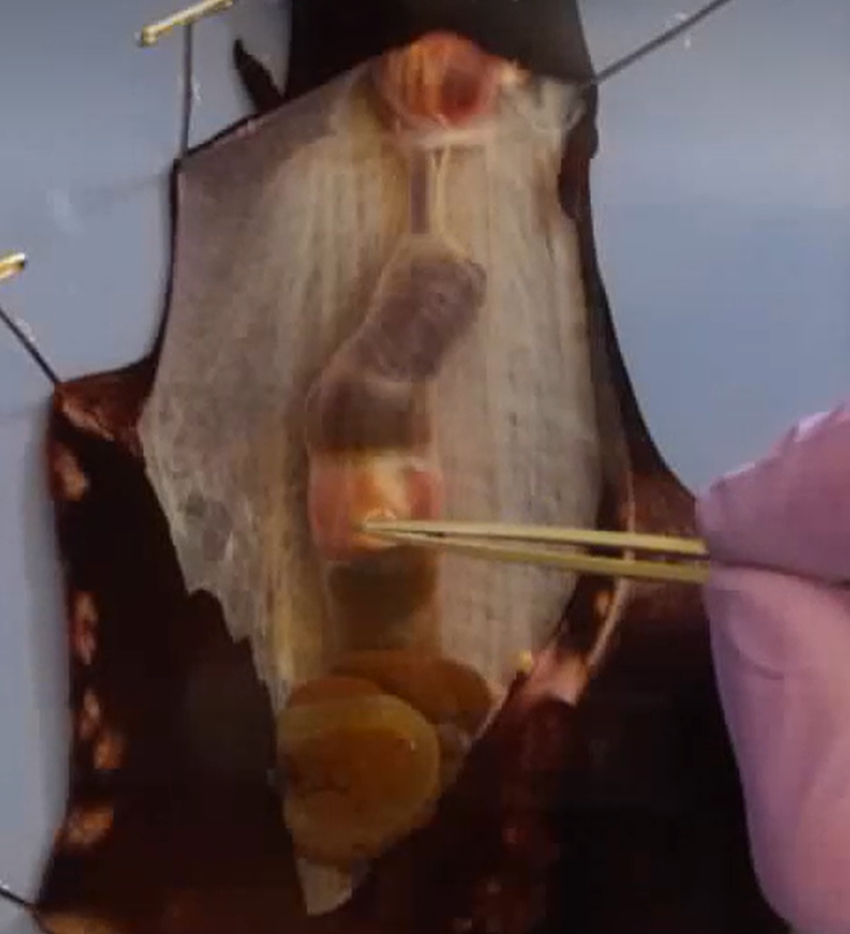
anterior gizzard
function of anterior gizzard
where teeth are, grind up the food

hepatopancreas

intestines
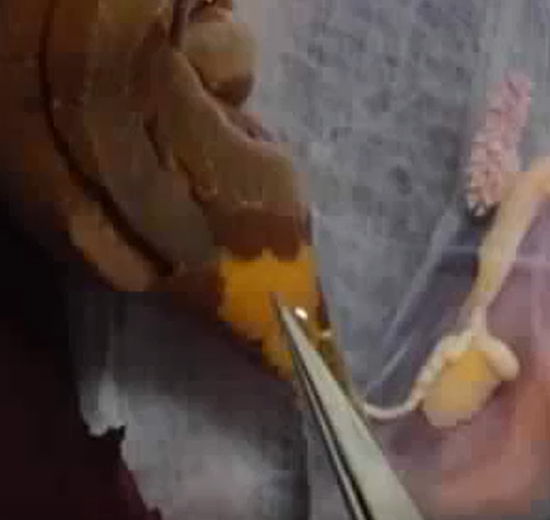
ovotestes
function of ovotestes
where sperm and eggs are made
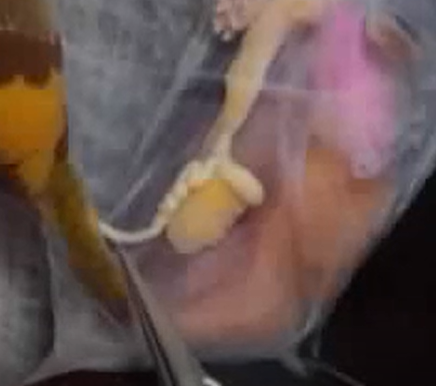
small hermaphroditic duct

accessory genital mass
components of accessory genital mass
winding gland, albumen gland, mucous gland
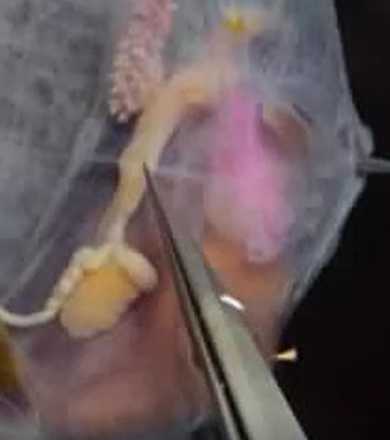
large hermaphroditic duct

spermatheca
if animal is sexually active, the spermatheca will be
dark, opaque

penis

gill
how much ink is released at each inking event
50% of remaining vesicles (similar to half-life)

opaline gland
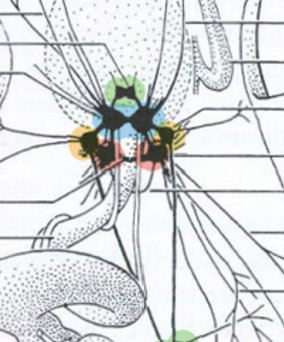
green
buccal ganglia

blue
cerebral ganglia
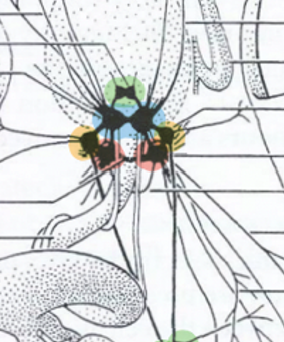
orange
pleural ganglia
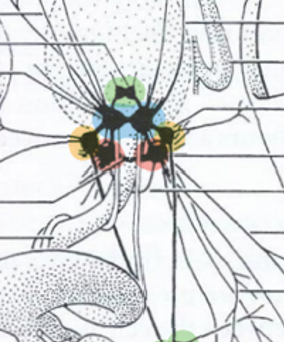
red
pedal ganglia

green
abdominal ganglia

pink top
branchial ganglion
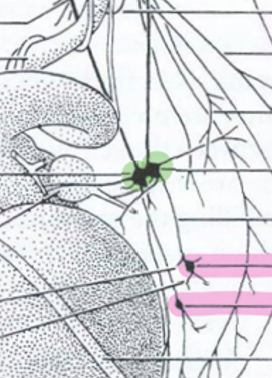
pink bottom
genital ganglion
cerebral ganglia innervates
(tactile, sensory) mouth, anterior tentacles, eyes, rhinophores, penis
buccal ganglia innervates
(digestion) odontophore, buccal mass, pharynx, esophagus, crop, salivary gland, anterior gizzard
pedal ganglia innervates
(motion) parapodia, head, penis, foot
abdominal ganglia innervates
mantle shell, gill, siphon, heart, kidney, intestine, posterior gozzard, large and small hermaphroditic ducts, hepatopancreas, AGM, spermatheca, ovotestis
silent cell
no spontaneous spike rate
beating cell
rhythmic spontaneous spike rate
bursting cell
non-rhythmic spontaneous spike rate
main predator of aplysia
spiny lobster
passive defensive behaviors
bad taste, camouflage
active, involuntary defensive behaviors
gill withdrawal reflex
active, voluntary defensive behaviors
ink secretion (purple gland), opaline secretion (mucus secretion)
probe test should produce what voltage
20 mV
resistance of probe resistor
20 MOhm
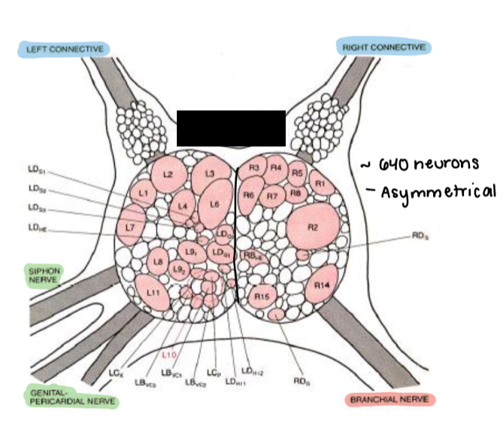
dorsal surface

left connective

right connective

branchial nerve

genital-perichardial nerve

siphon nerve