CHOY MASTER LIST
 Call Kai
 Learn
Learn Practice Test
 Spaced Repetition
 Match
Match Flashcards
 Knowt Play
1/13

Earn XP
Description and Tags
WHAT THE HELL IS THE DIFFERENCE BETWEEN CHOYS
Name | Mastery | Learn | Test | Matching | Spaced | Call with Kai | Chat |
|---|
No analytics yet
Send a link to your students to track their progress
14 Terms
a flowering brassica with slender stems and delicate leaves.
U CHOY TIP
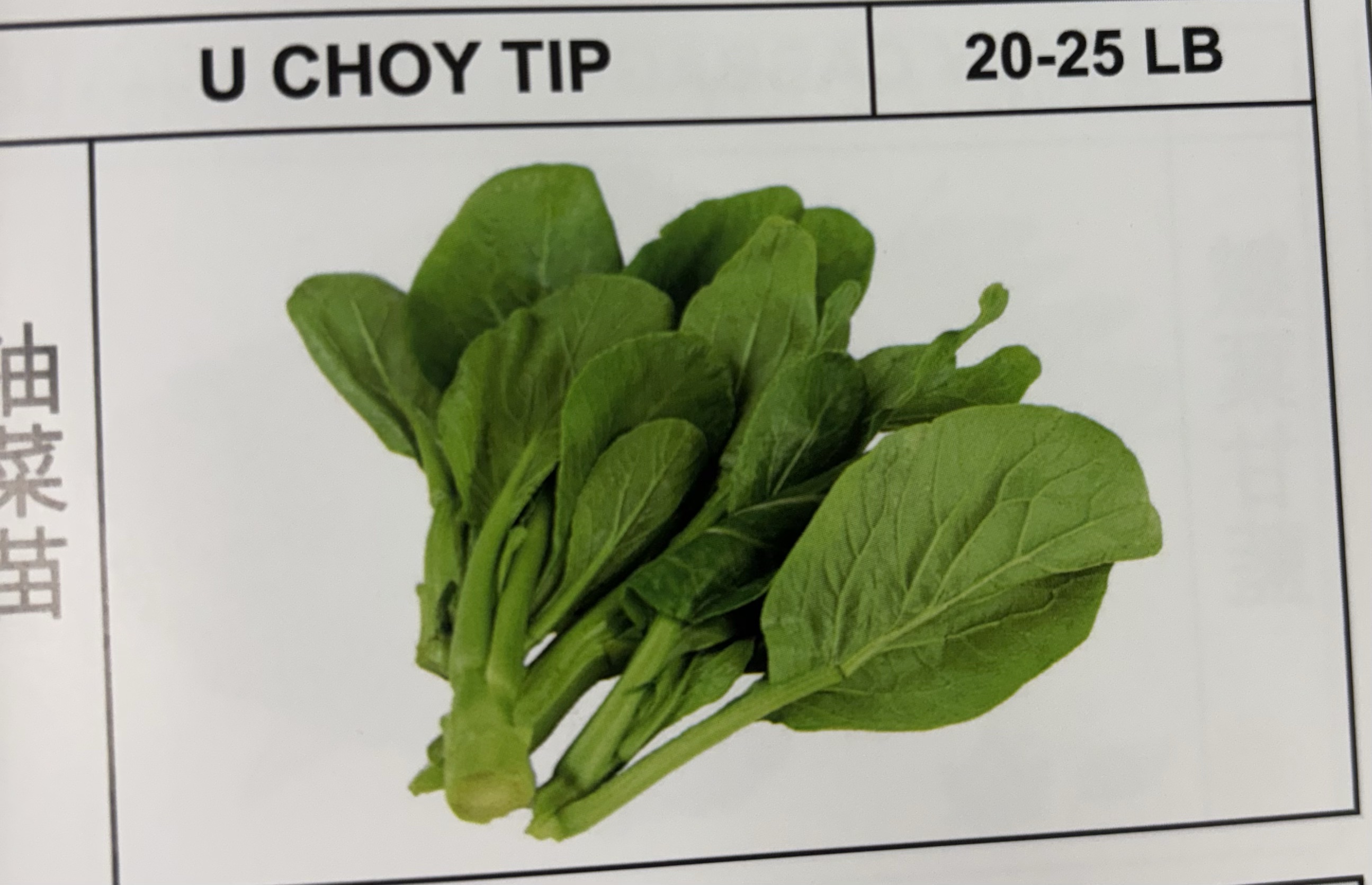
a flowering brassica with slender stems and delicate leaves. While often confused with bok choy, it is more aromatic and sweeter. Its yellow blossoms indicate prime harvest time. The flowers develop mild nectar-like sweetness, making them a favorite in stir-fries. Because the stems are thin, they cook in less than a minute.
U CHOY SUM
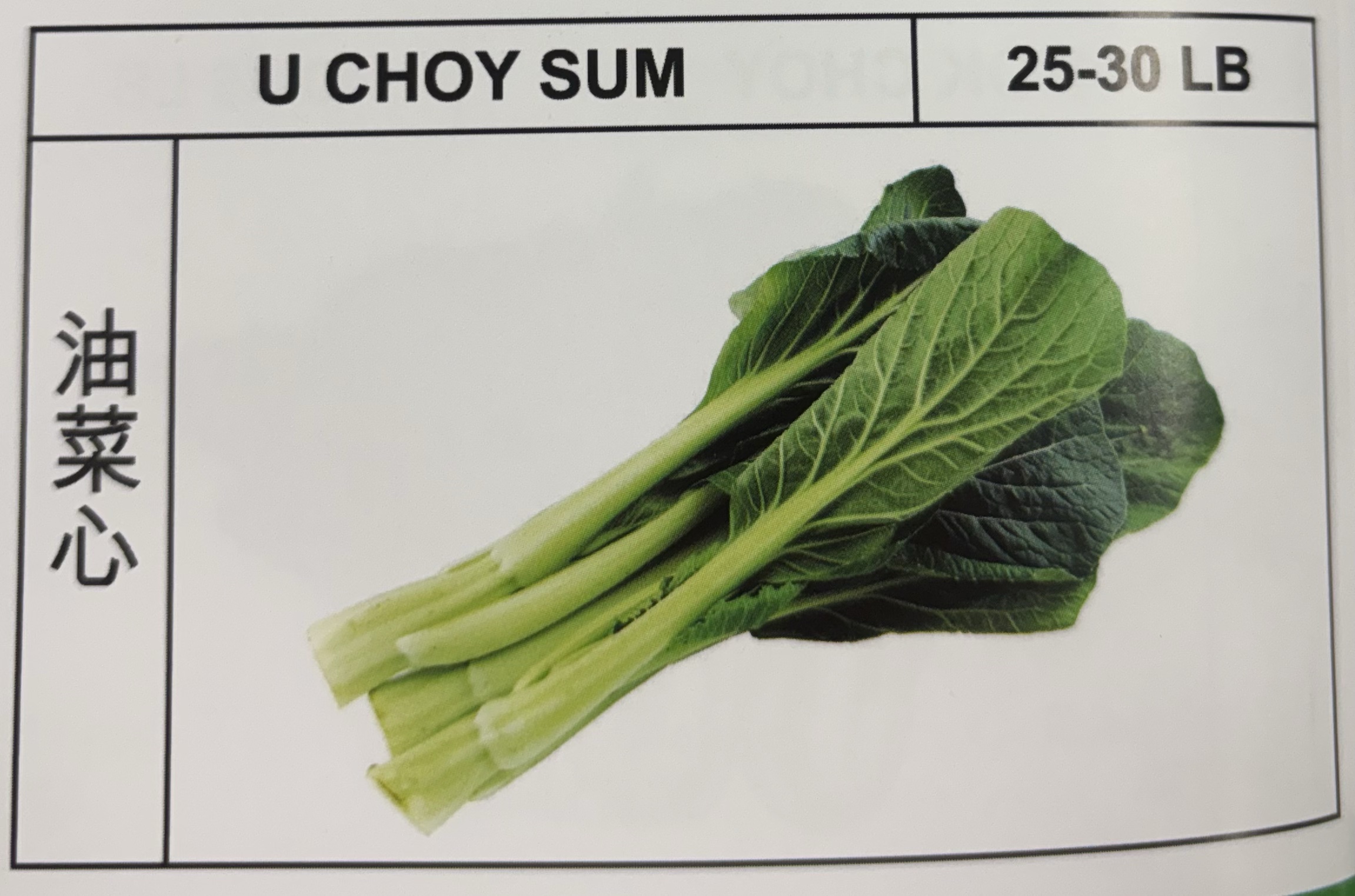
small and resilient, can survive a greater range of temperatures.
SHANGHAI CHOY TIP
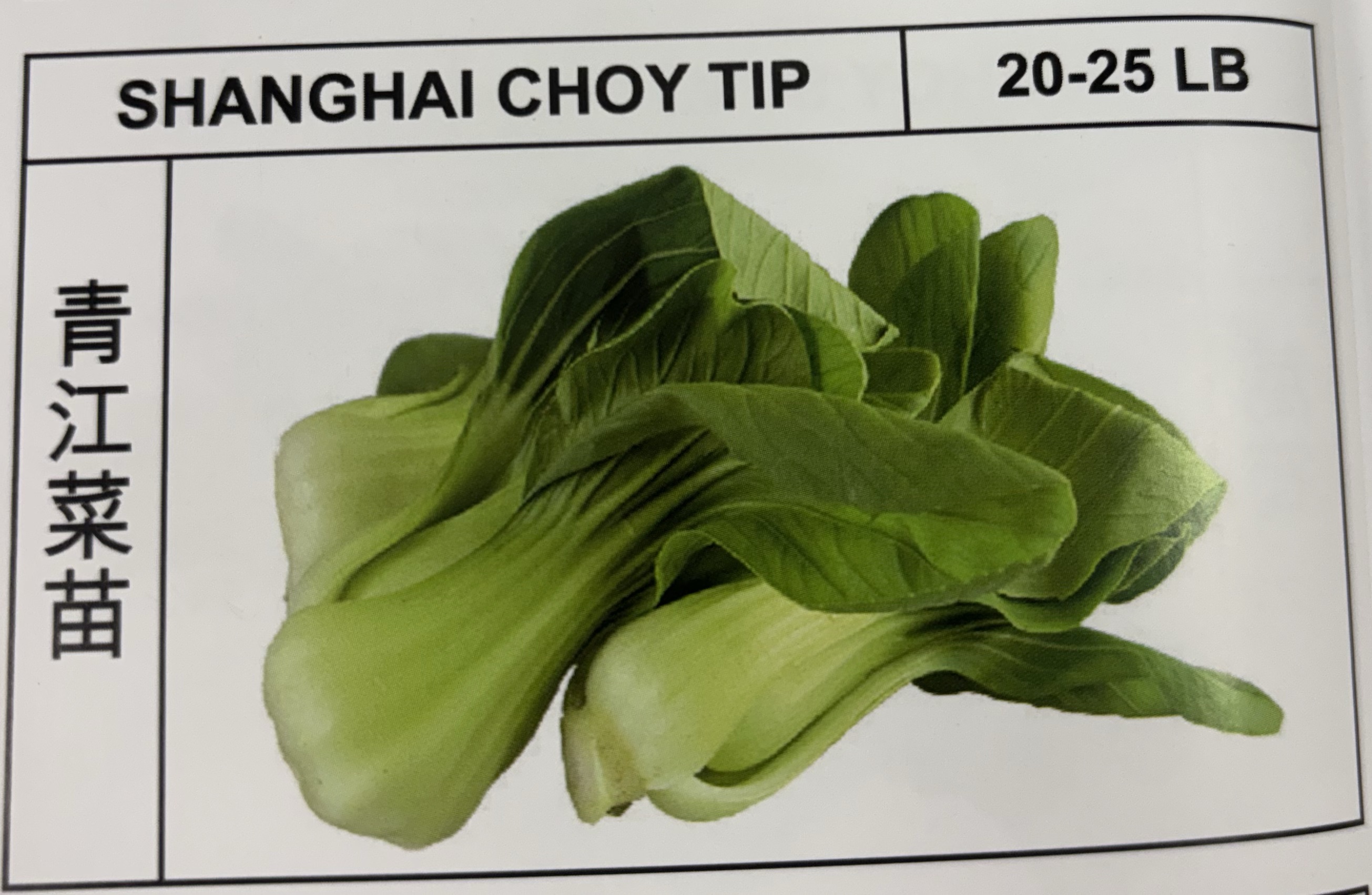
grows aggressively in tropical wetlands. Its hollow stems are its trademark feature, allowing heat to pass through quickly, which gives the vegetable a light crispness when stir-fried.
ON CHOY
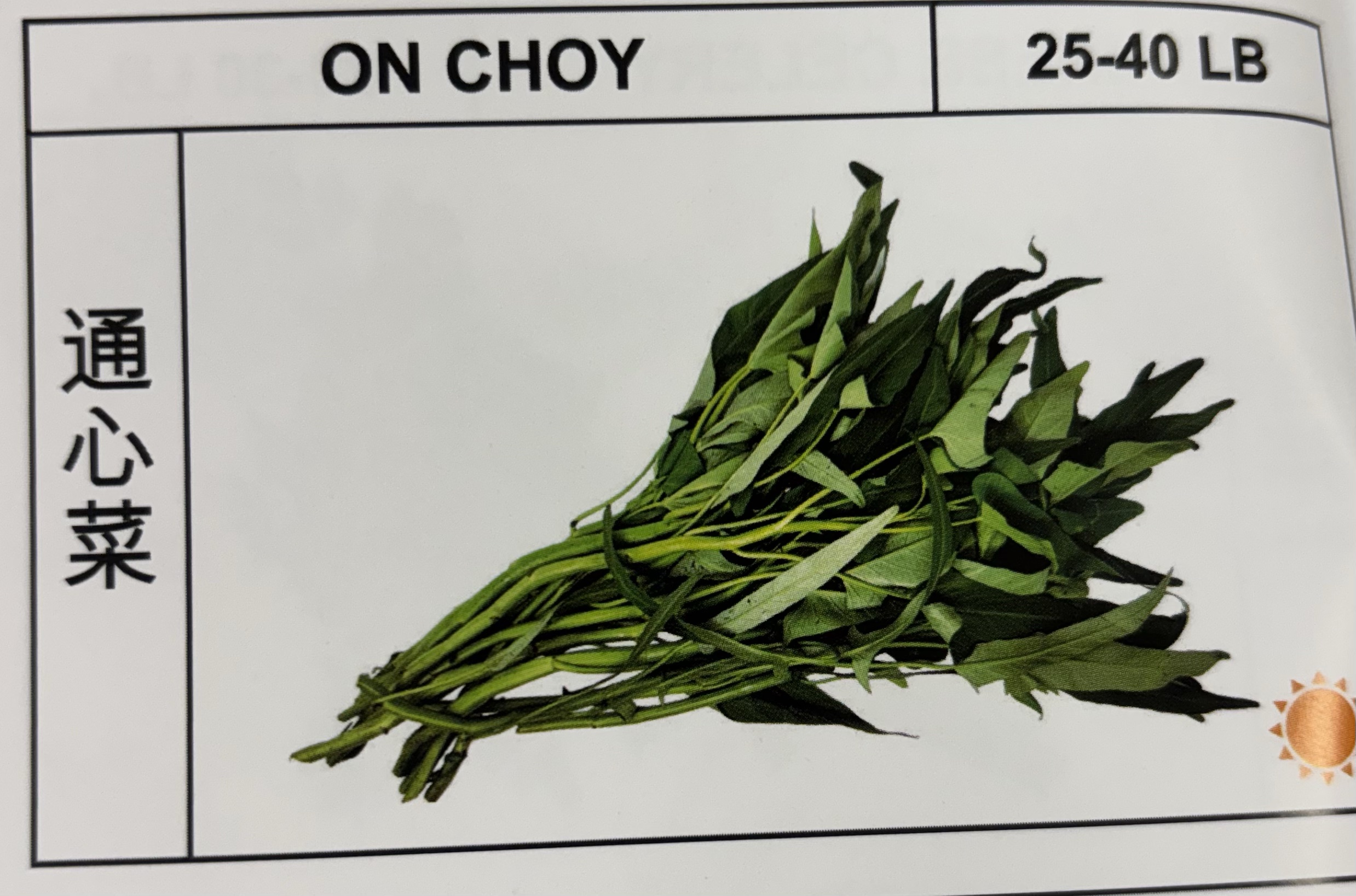
leafy green with tender stalks and mild flavor.
N U CHOY
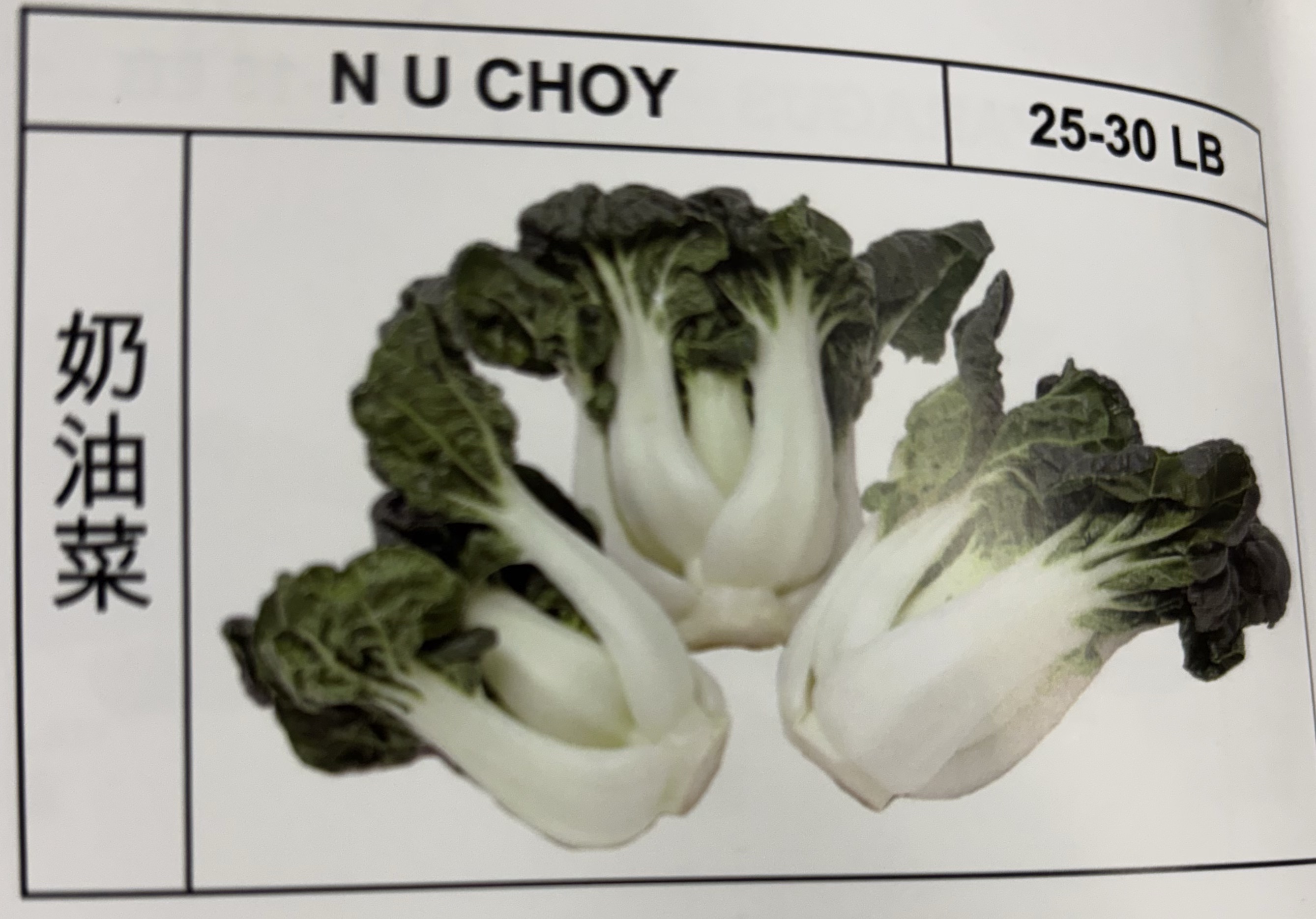
it does not have a bulbous base. Moreover, it is leafier and has slender stems, which are about 20 centimeters long.
The leaves are usually light green, slightly crinkled, and oval-shaped. As for the taste, it is mildly sweet with notes of bitterness. Moreover, it is earthy and mustard-like.
TAIWAN BOK CHOY
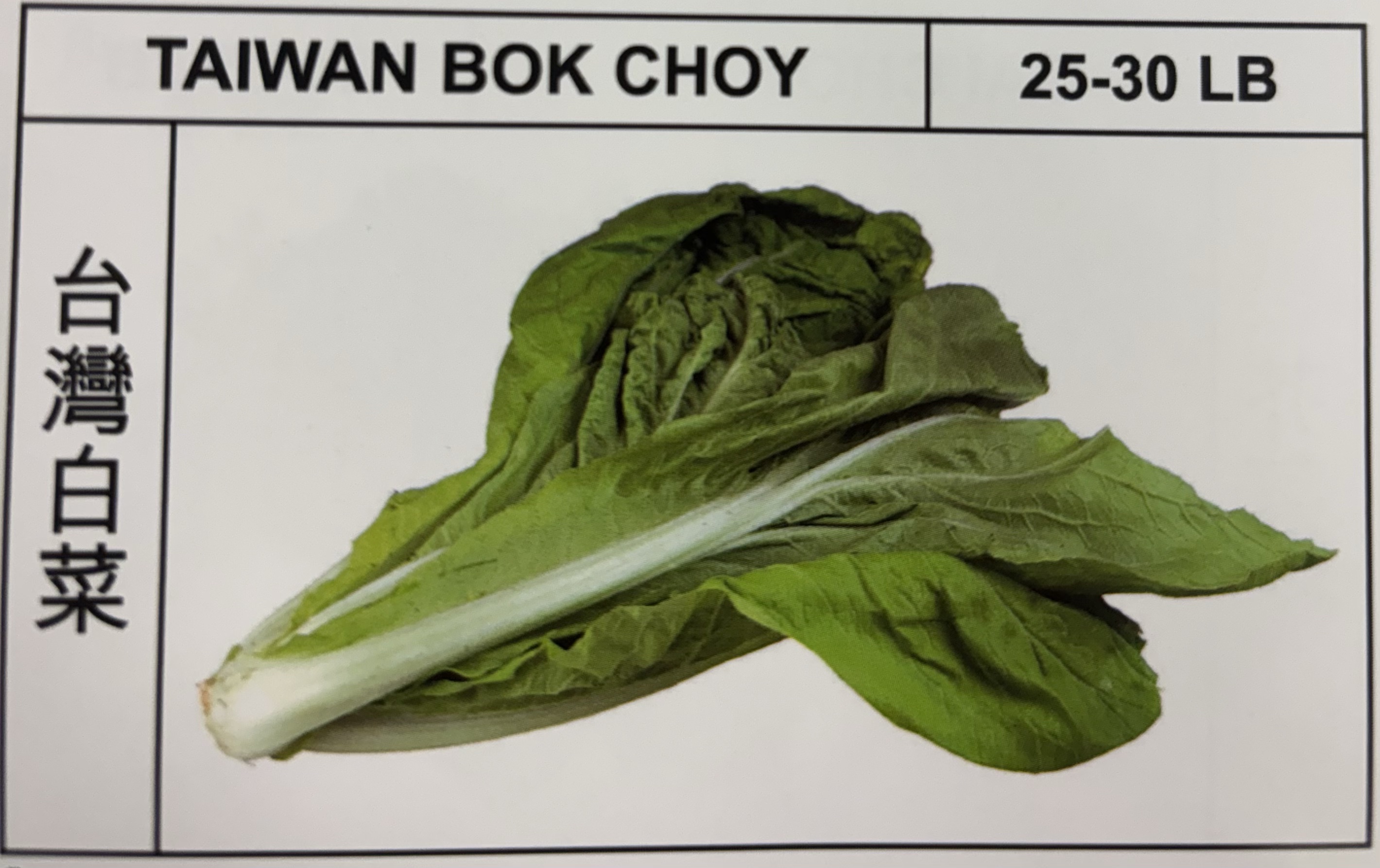
Unlike white bok choy and baby bok choy which have white stems, {BLANK} has light green stems with green curly leaves. It is around 10 to 12 centimeters long and the leaves are oval-shaped and smoother than white bok choy.
SHANGHAI CHOY
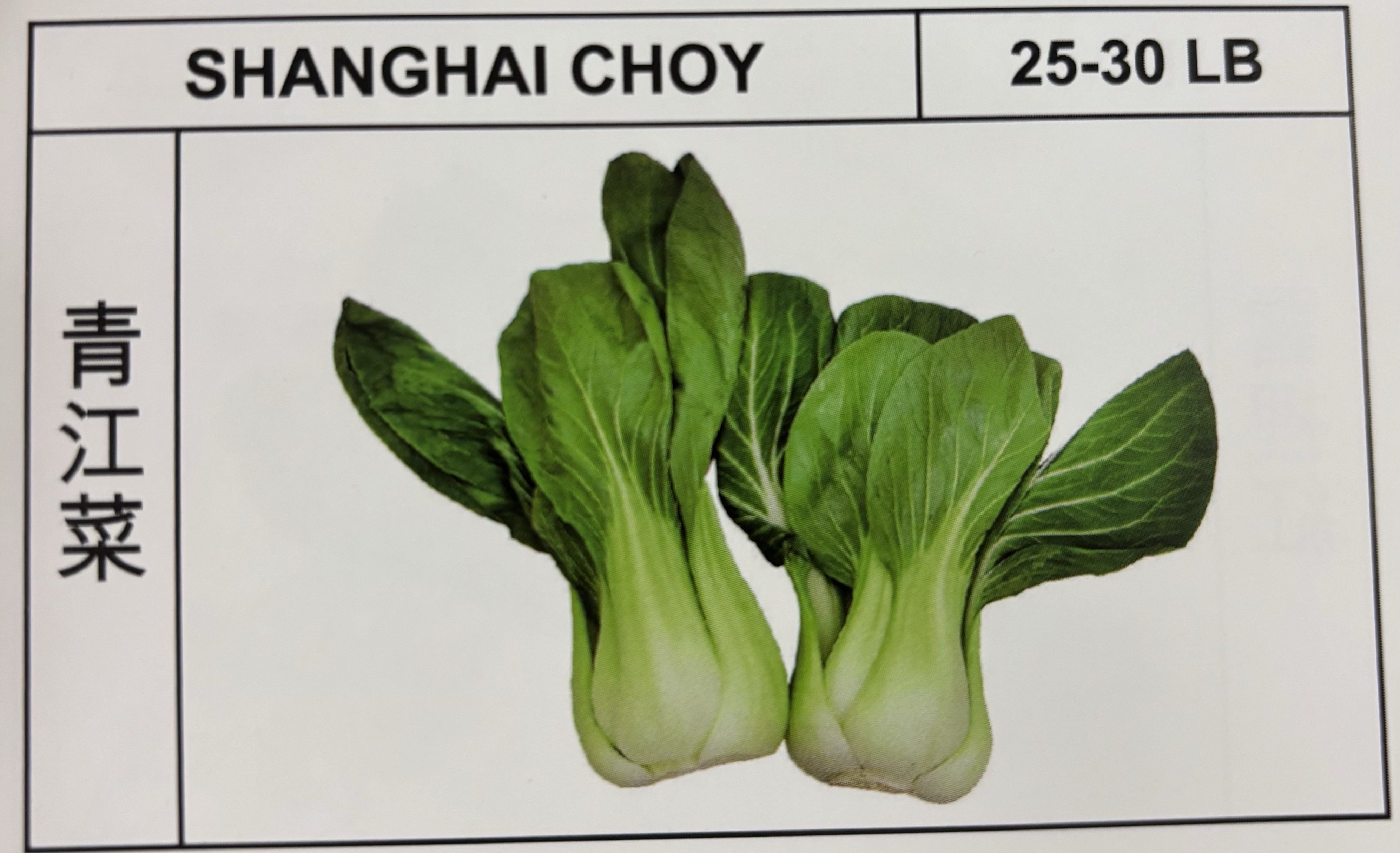
leafy green with tender stalks and mild flavor (smaller)
N U CHOY TIP
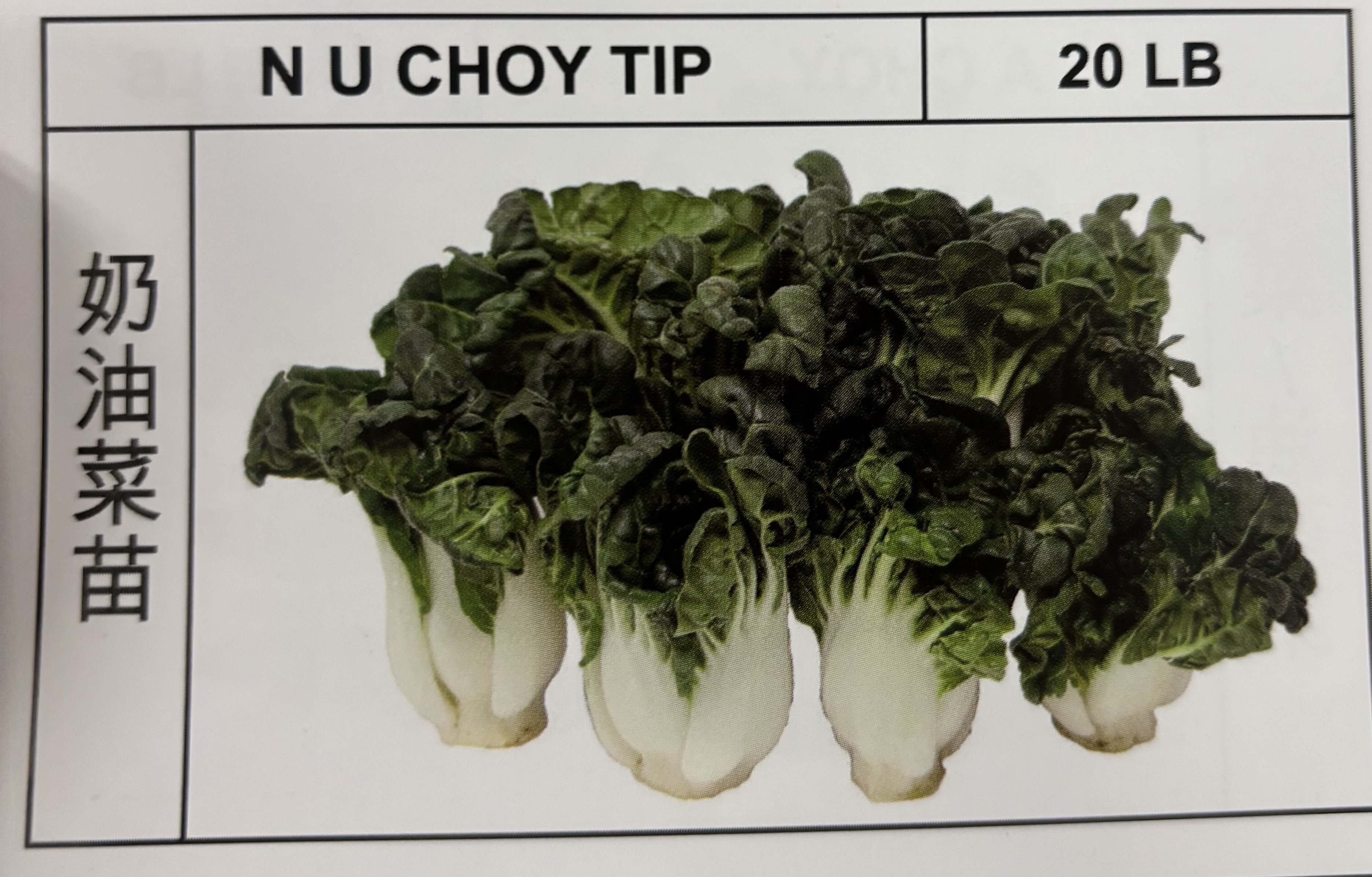
they have firm, thick, milky white stems, with dark green, slightly curly leaves. They’re more stem than leaf. The stems are crunchy and sweet.
LONG BOK CHOY
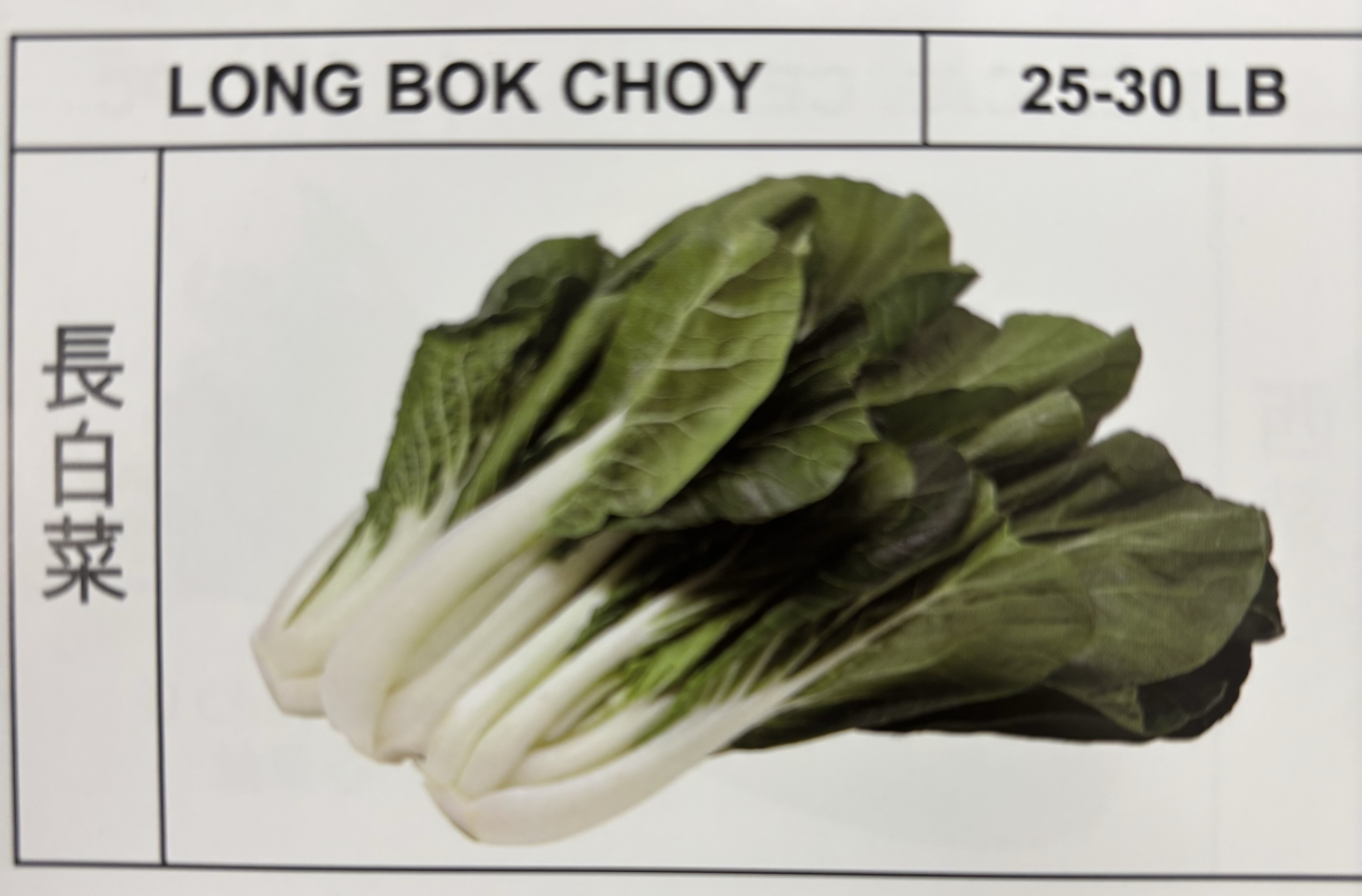
also known as Chinese mustard, leaf mustard, as well as Indian mustard. This is a species under the mustard plant. The truth is, there are several types of mustard greens, but we are looking at Chinese mustard for now.
GAI CHOY
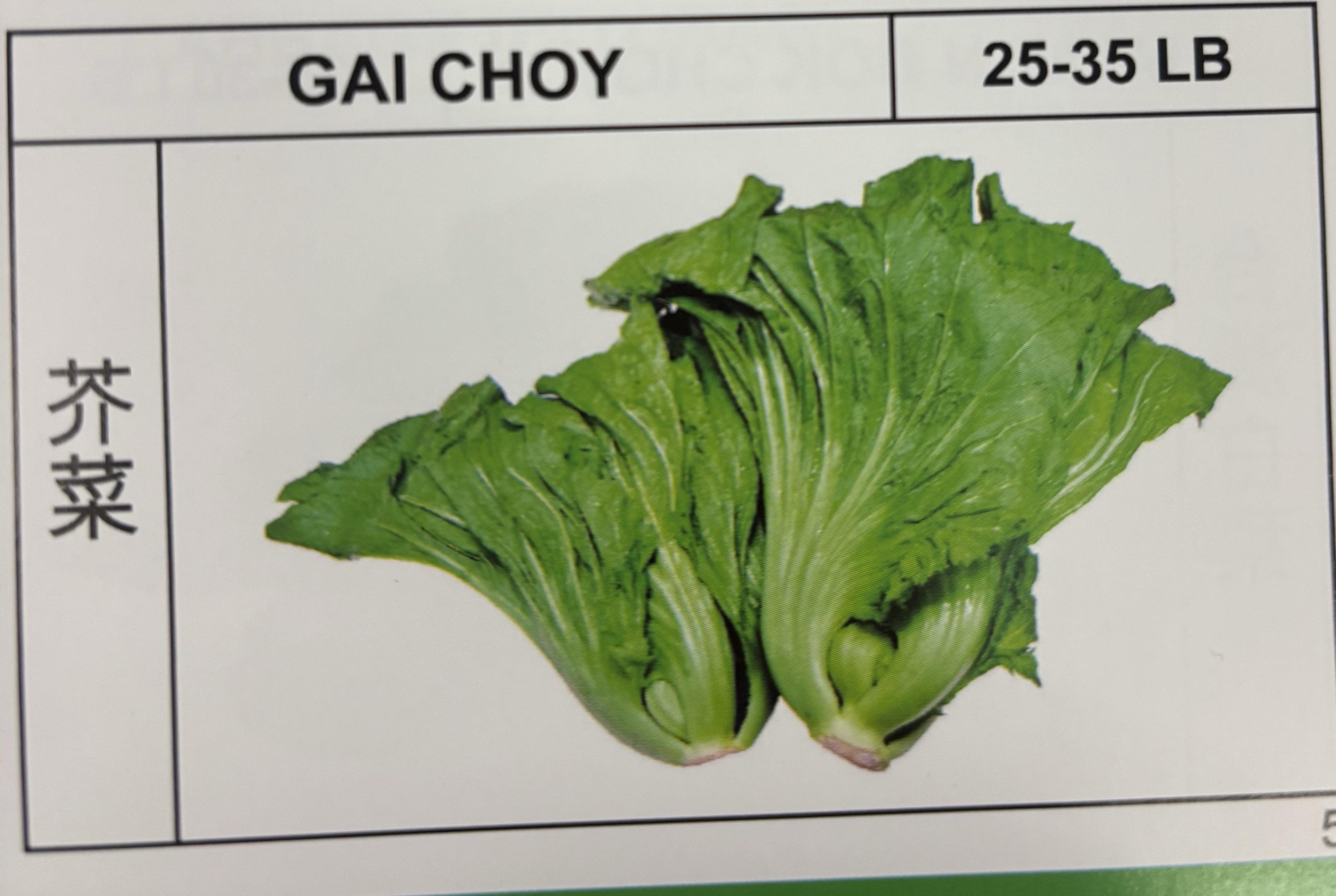
The stems and leaves have a green, bitter, and slightly peppery taste with mustard nuances. Young greens will have a milder flavor
BABY GAI CHOY
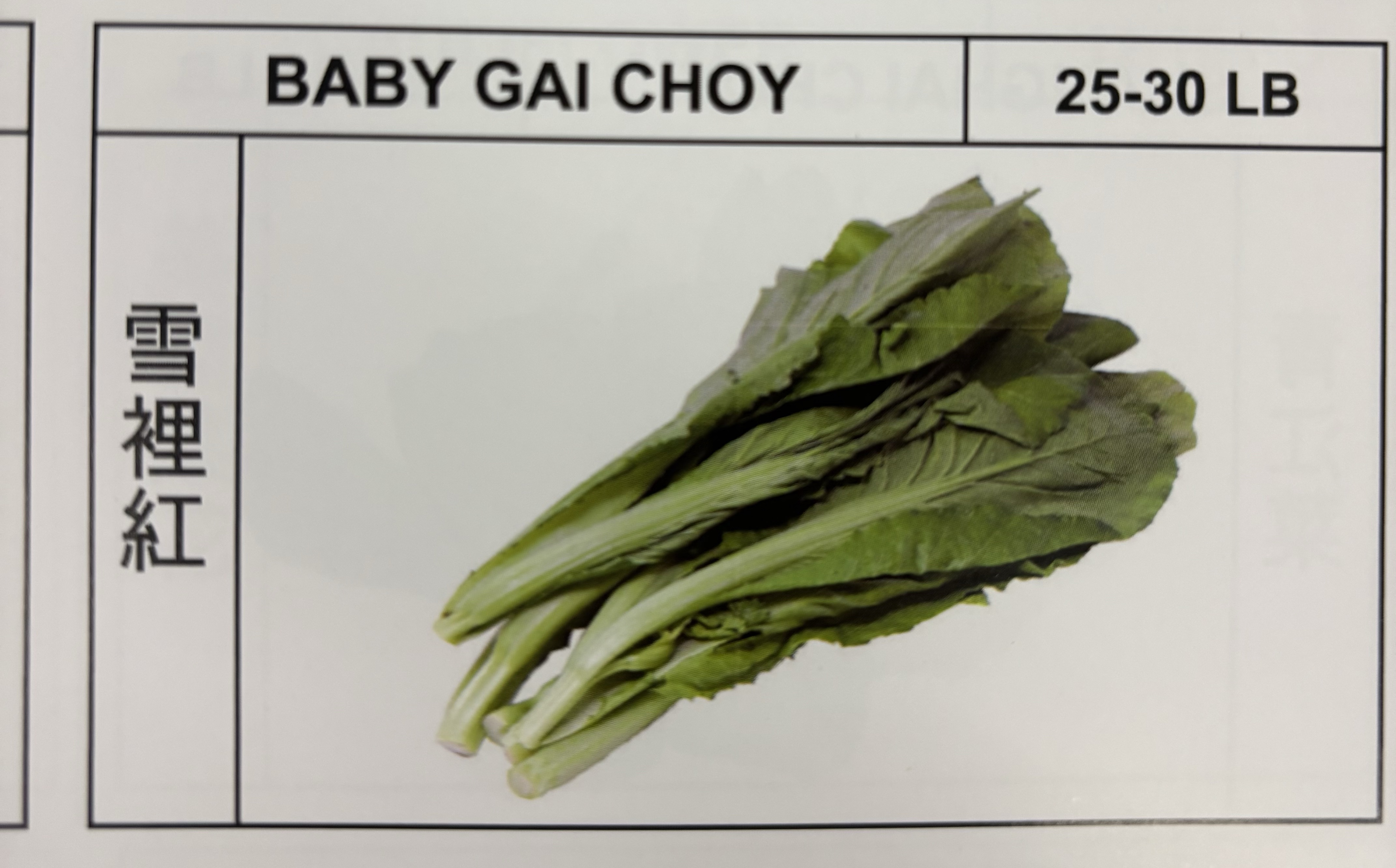
a grouping of loosely bunched leaves that grow from the top of a thick, upright stem. The leaves develop from a singular base and form overlapping layers of elongated, tapered, and pointed leaves and are generally harvested when they have reached 20 to 25 centimeters in length. Each leaf has smooth to slightly serrated edges and is dark green with a textured, crinkled, or ruffled appearance. The leaves also have a central midrib and showcase prominent veining. can be eaten raw or cooked and has a crisp, tender, subtly chewy, and succulent texture. It is recommended to harvest young leaves, and the greens will impart a mild, lightly bitter, sweet, and green flavor with celery, asparagus, and nutty undertones. In addition to the leaves, the species is known for its large, cylindrical, thick, and fleshy stems. The stems appear in variegated shades of pale green and white and have a crunchy, aqueous, and crisp consistency similar to water chestnuts. The stems can also be consumed raw or cooked and have a nutty, vegetal, and cucumber-like taste
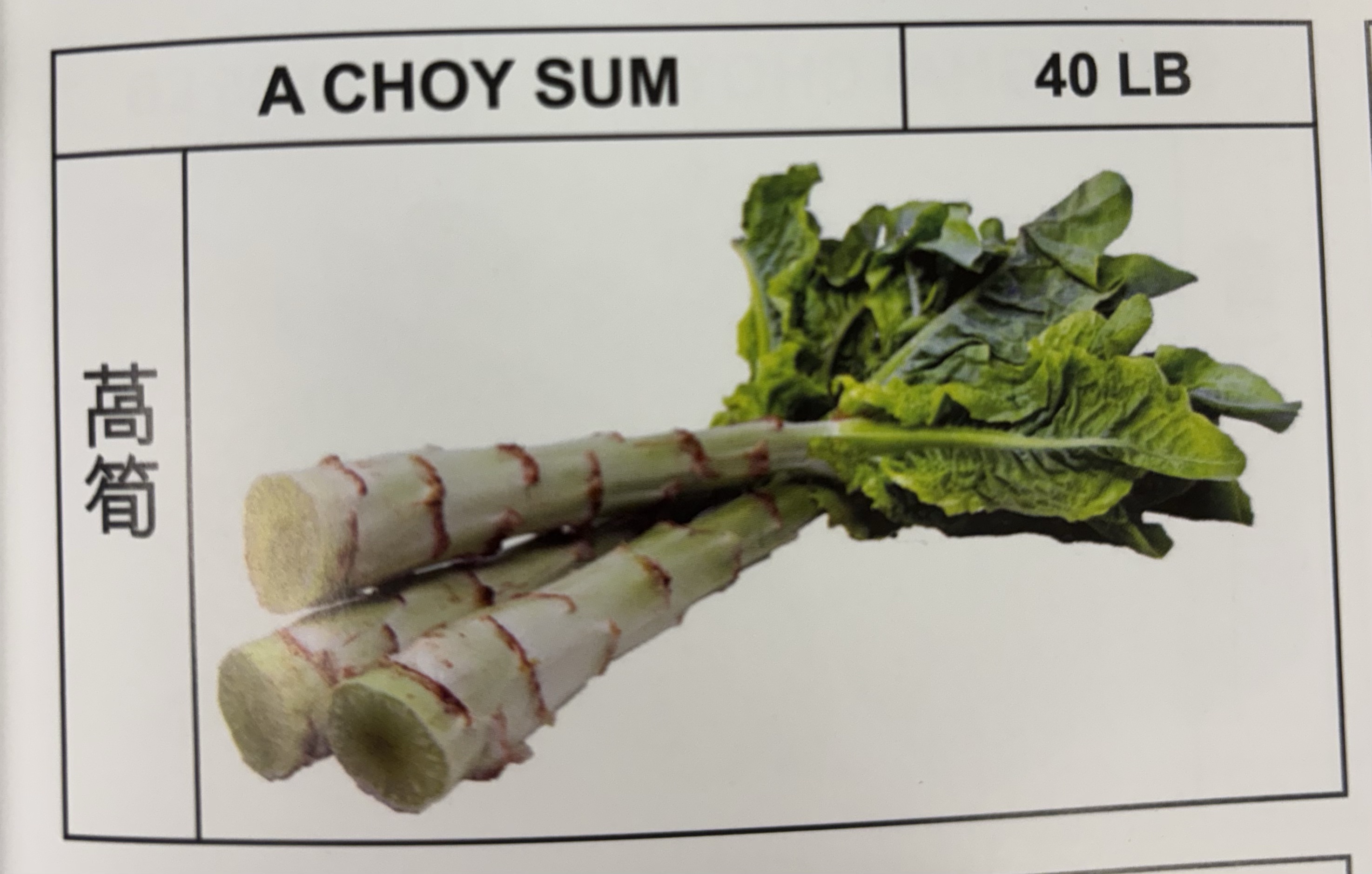
A CHOY
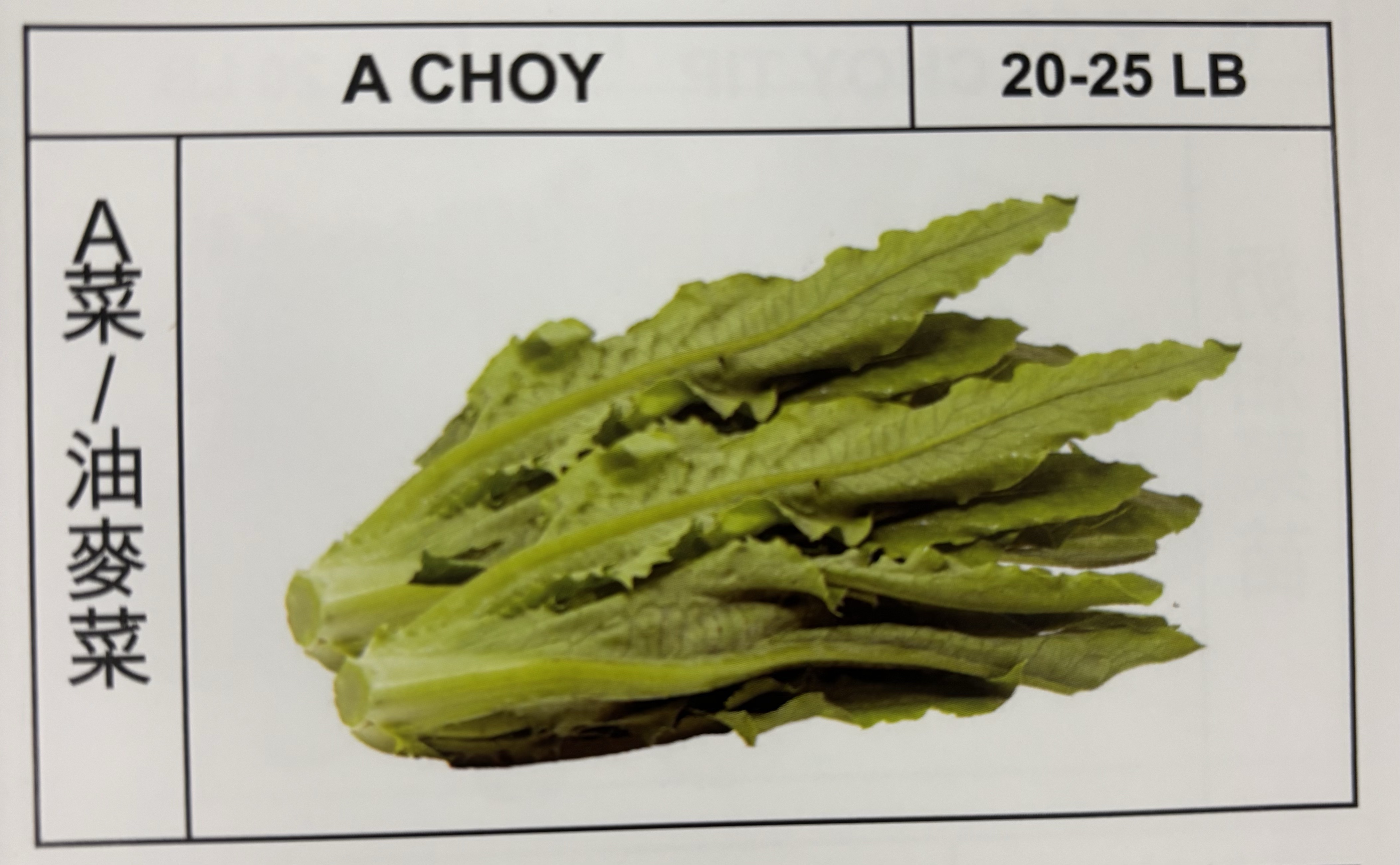
This can be described as a variety of Chinese cabbage. However, it has a difference in that it does not form heads. Instead, it has bulbs at the bottom, coupled with some leafy greens.
BOK CHOY
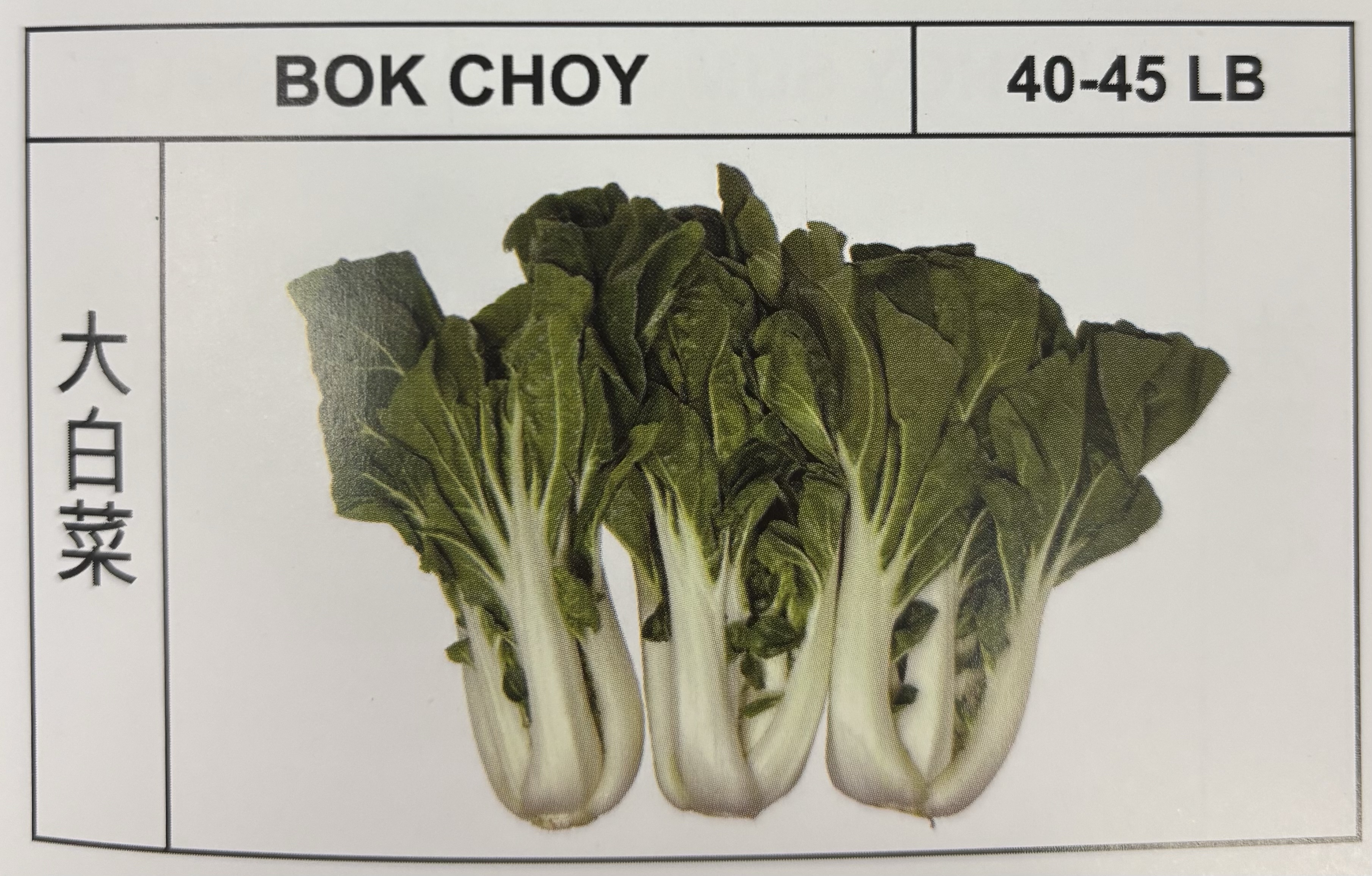
Characterized by thicker, pale stems, these varieties are exceptionally sweet and crisp. They resemble bok choy but are generally smaller and harvested before flowering. White stem types are often labeled as bolt-resistant, making them suitable for spring and summer planting
A CHOY SUM