Upper Limb Orthopedic Issues: Fractures, Tendon Injuries, and Dislocations
 Call Kai
 Learn
Learn Practice Test
 Spaced Repetition
 Match
Match Flashcards
 Knowt Play
1/124

There's no tags or description
Looks like no tags are added yet.
Name | Mastery | Learn | Test | Matching | Spaced | Call with Kai | Chat |
|---|
No analytics yet
Send a link to your students to track their progress
125 Terms
What is a common mechanism of injury associated with distal humeral fractures?
FOOSH (fall on outstretched hand)
What is the 'Terrible Triad' in elbow injuries?
Fracture of the radial head, coronoid fracture, and elbow dislocation.
What is adhesive capsulitis, also known as frozen shoulder?
A chronic fibrosing condition causing slowly progressing restriction of the shoulder's range of motion.
What are some risk factors for developing adhesive capsulitis?
Type 1 diabetes mellitus, thyroid disorder, cervical disk herniation, smoking, and immobilization.
What is the most common type of humeral fracture in children aged 5-10?
Supracondylar fractures.
What imaging is typically used to assess elbow fractures?
X-ray (AP and lateral views), with CT for partial or very distal fractures.
What is the typical presentation of a distal biceps tendon rupture?
Tenderness in the antecubital fossa, often with a 'Popeye sign' and positive hook test.
What is Volkmann's ischemic contracture?
Condition characterized by ischemic necrosis of the structures contained in the volar
compartment of the forearm associated with crippling contractures and varying
degrees of neurologic deficit
What is the primary treatment for proximal biceps tendon rupture?
Rest, activity modification, and physical therapy; surgery if conservative treatment fails.
What is the most common type of shoulder dislocation?
Anterior dislocation, accounting for over 95% of cases.
What are the common associated injuries with anterior shoulder dislocation?
Brachial plexus and axillary nerve injuries, as well as Bankart lesions and Hill-Sachs lesions.
What is medial epicondylitis, also known as golfer's elbow?
Chronic tendinosis of the wrist flexors and pronators that attach to the medial epicondyle.
What is the typical presentation of lateral epicondylitis, or tennis elbow?
Pain when extending the wrist and elbow against resistance, with tenderness at the lateral epicondyle.
What is the common treatment for clavicle fractures?
Sling, NSAIDs, ice; surgery indicated for open fractures or neurovascular injuries.
What is the typical imaging for suspected rotator cuff injuries?
X-ray for trauma, MRI for further evaluation of tears or labral pathology.
What are the phases of adhesive capsulitis?
Painful, Freezing, frozen, thawing
What is the treatment for olecranon bursitis?
Removal of the bursa, aspiration, and antibiotics if septic.
What is a SLAP lesion?
A superior labrum anterior to posterior tear in the shoulder.
What is the significance of the 'sail sign' in elbow fractures?
It indicates the presence of an effusion in the elbow joint, often associated with fractures.
What is the typical recovery time for a full rotator cuff tear after surgery?
6-9 months.
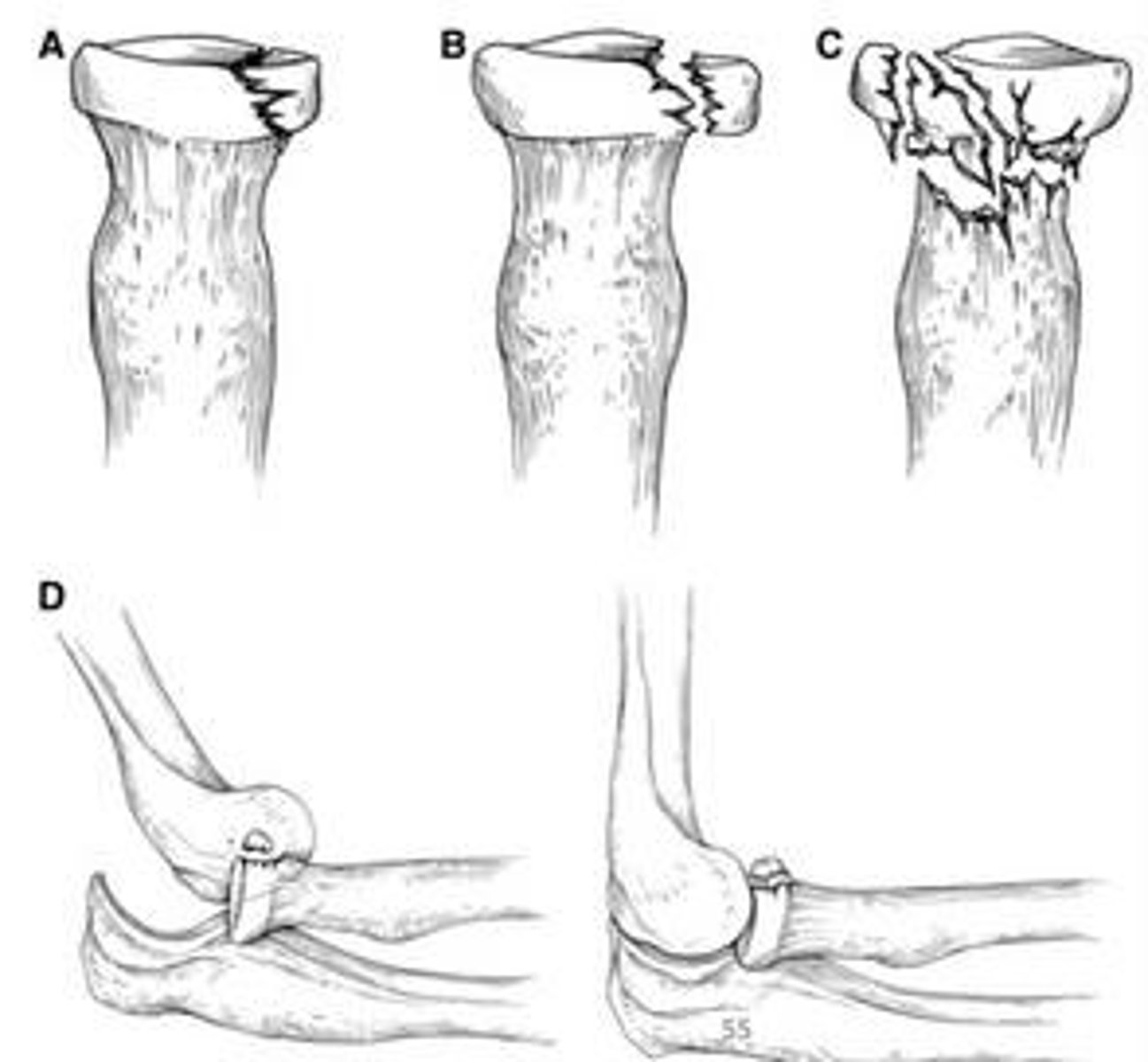
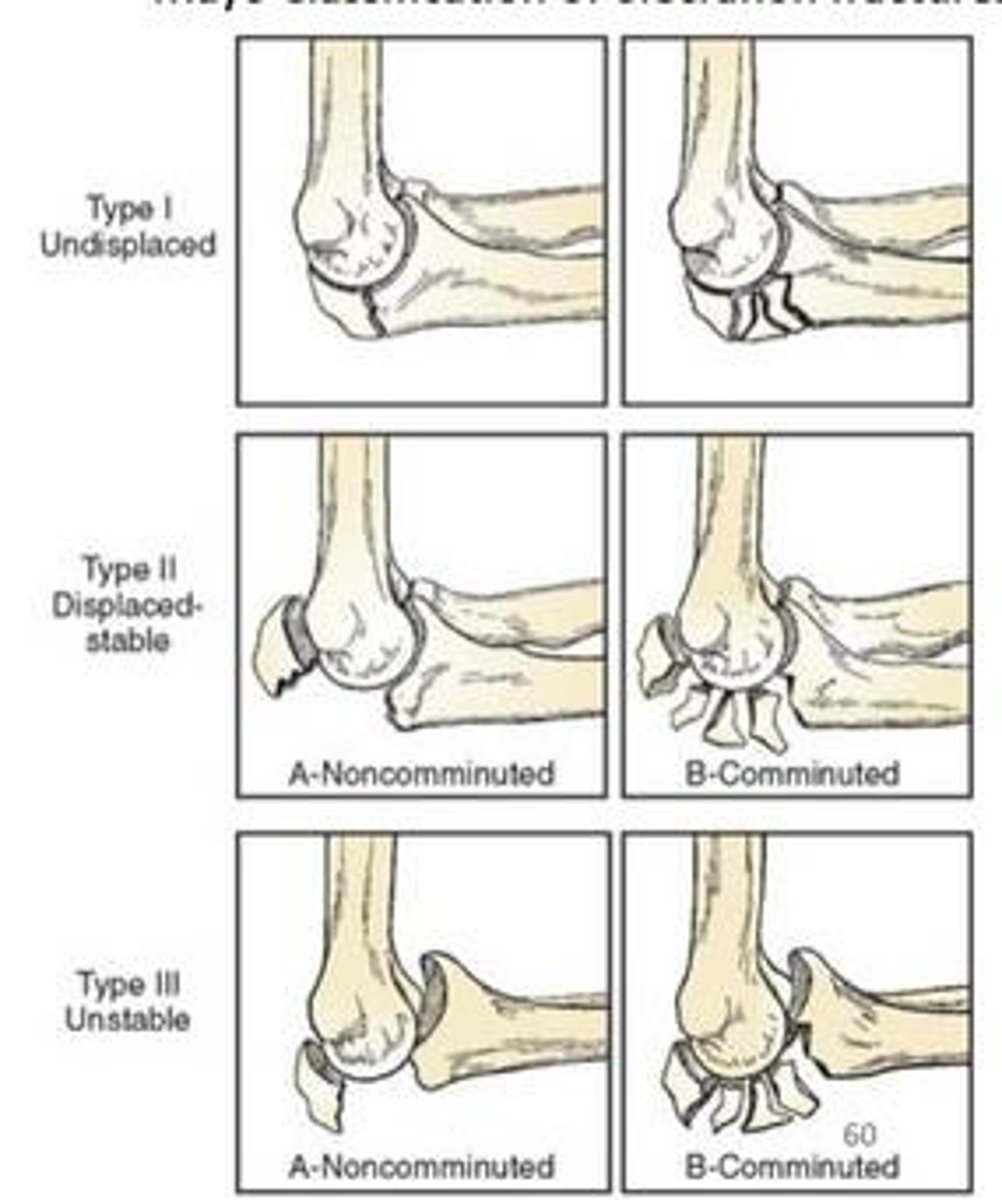
What is the common mechanism of injury for olecranon fractures?
FOOSH or direct trauma.
What is the role of physical therapy in managing shoulder dislocations?
To improve range of motion and strength post-injury.
What are the symptoms of an Acromioclavicular joint injury?
Trauma, fall on shoulder or FOOSH, tenderness at the AC joint, trapezius spasms.
What imaging is used to diagnose an Acromioclavicular joint injury?
X-ray bilateral AC series, piano key sign, cross body, and shear tests.
What is the treatment for a Grade III+ Acromioclavicular joint injury?
Surgery is required.
What are the common symptoms of an Ulnar Collateral Ligament (UCL) sprain?
Medial elbow swelling and decreased elbow extension.
What tests are used to diagnose a UCL sprain?
Valgus stress test and Milking Maneuver.
What is the gold standard for imaging a UCL sprain?
MRI.
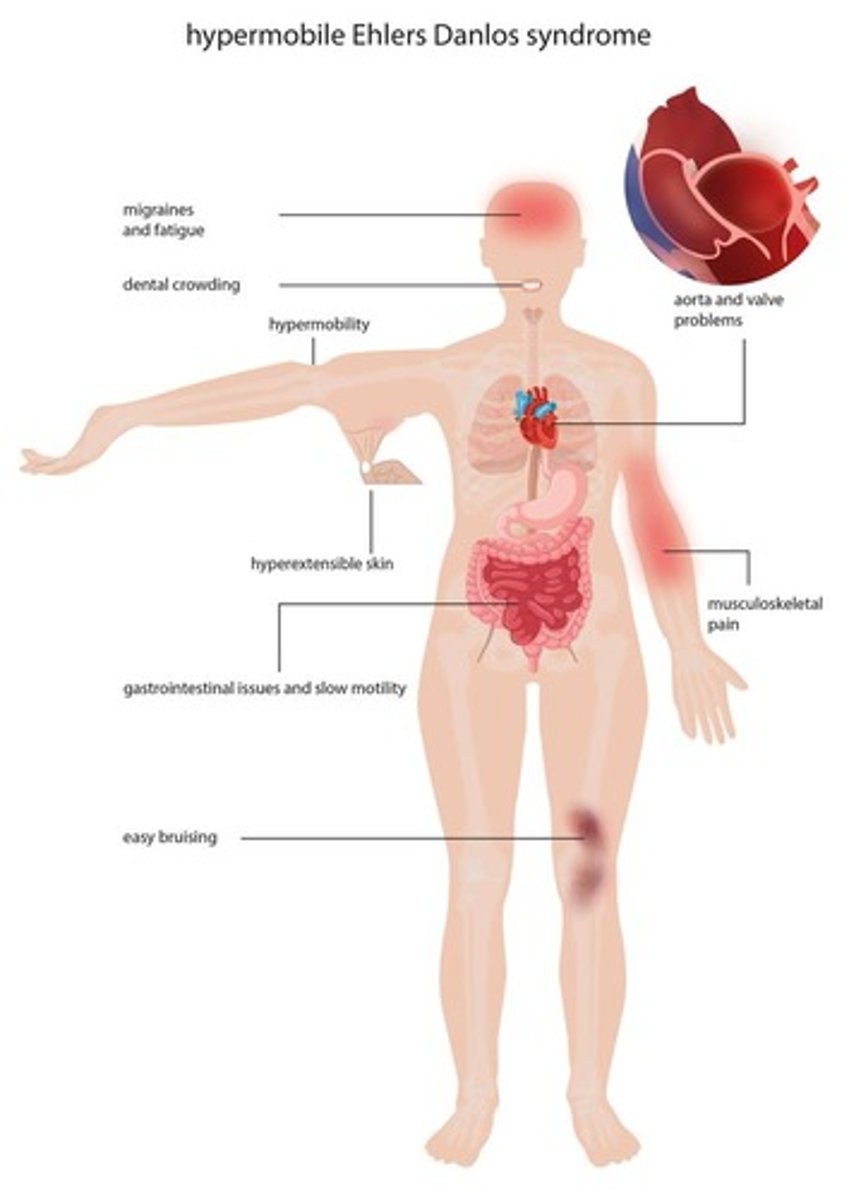
What is the most common subtype of Ehlers-Danlos Syndrome?
Hypermobile type.
What genetic mutation is associated with Marfan Syndrome?
Mutation of the FBN1 gene.
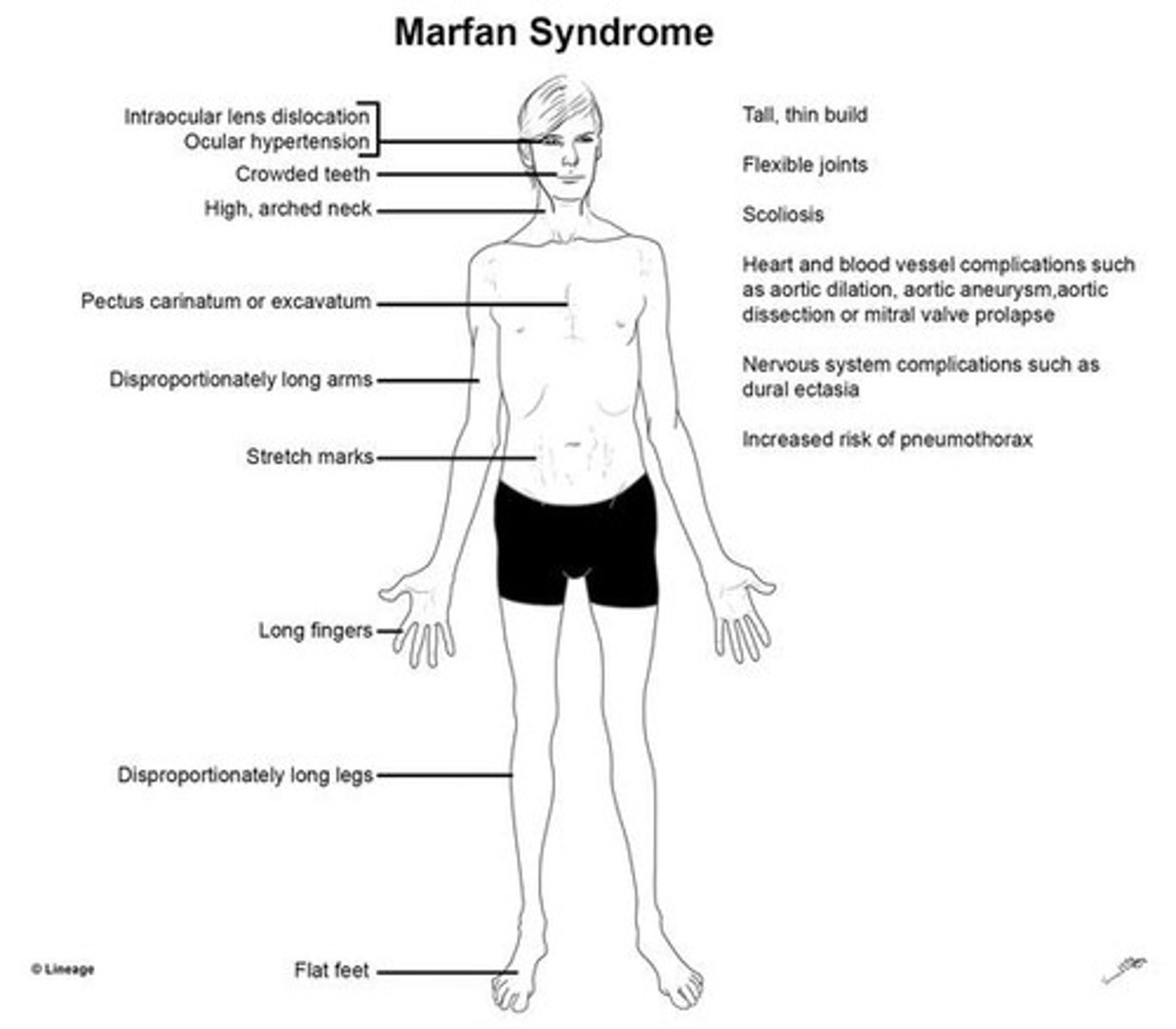
What are the hallmark features of Marfan Syndrome?
Tall thin stature, arm span greater than height, and pectus deformities.
What are common cardiac manifestations in Marfan Syndrome?
Mitral valve prolapse and aortic regurgitation.
What are the ocular manifestations associated with Marfan Syndrome?
Ectopia lentis and risk of retinal detachment.
What is the primary cause of morbidity and mortality in Marfan Syndrome?
Progressive aortic root disease.
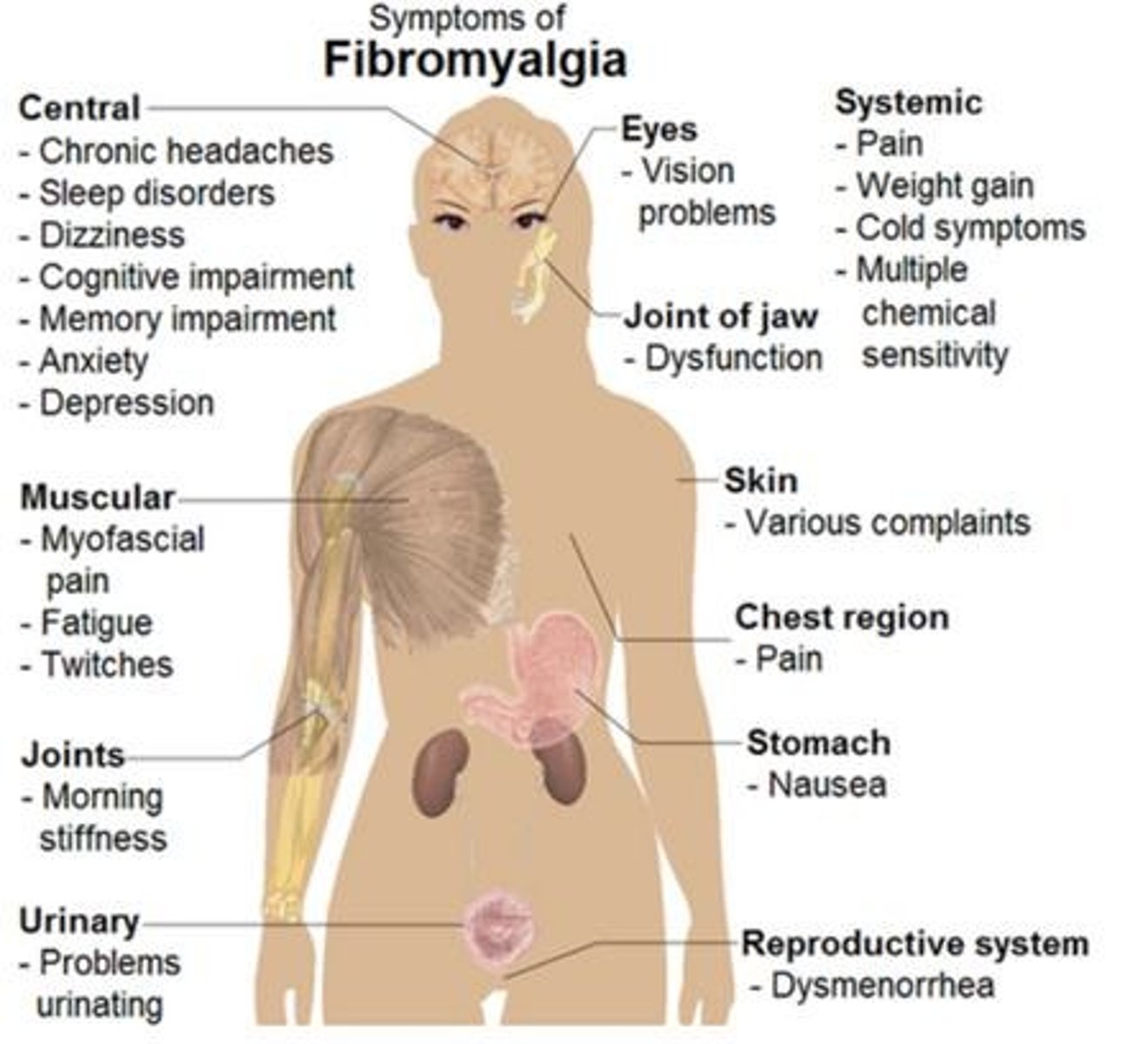
What is the treatment approach for Fibromyalgia?
Multidisciplinary, including reassurance, good sleep hygiene, exercise, and cognitive behavioral therapy.
What is the first-line pharmacologic treatment for Fibromyalgia?
Amitriptyline.
What are the diagnostic criteria for Fibromyalgia?
Widespread pain index > 7 and symptom severity scale > 5, or WPI 3-6 and SS score > 9.
What are the common symptoms of Fibromyalgia?
Widespread musculoskeletal pain, fatigue, sleep disorders, and cognitive difficulties.
What is Osteomyelitis?
An infection of the bone.
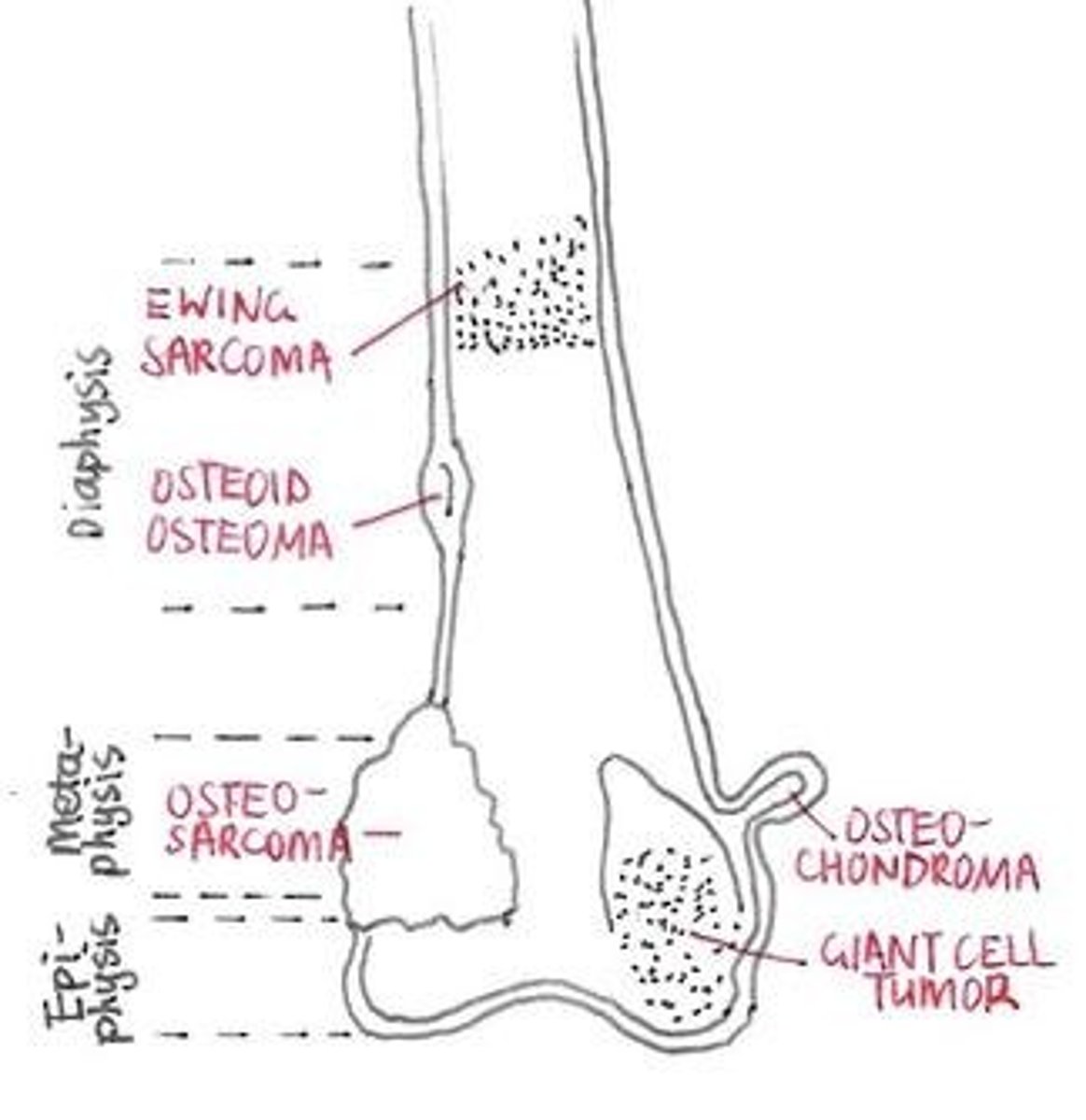
What is the most common malignant tumor in children and young adults?
Ewing's sarcoma.
What is the typical presentation of Septic Arthritis?
Localized joint pain, swelling, warmth, and fever.
What is the treatment for Osteoid Osteoma?
NSAIDs, serial exams, and possibly surgical resection.
What is the prognosis for localized Osteoid Osteoma?
Often spontaneously resolves.
What are the common imaging findings in Ewing's sarcoma?
Onion skin periosteal reaction and lytic lesions.
What are the risk factors for Septic Arthritis?
Immunosuppression, diabetes, and prior joint surgery.
What is the typical age range for patients with Fibromyalgia?
Mostly women aged 20-55.
What is the significance of the Ghent Criteria?
It is used for the diagnosis of Marfan Syndrome.
What are common pulmonary manifestations in Marfan Syndrome?
Spontaneous pneumothorax and emphysematous changes.
What are the signs of Ehlers-Danlos Syndrome?
Skin hyperextensibility, joint hypermobility, and tissue fragility.
What is the most common organism associated with prosthetic placement infections?
Staphylococcus aureus
What is the most common form of osteomyelitis in children?
Haematogenous spread due to bacteraemia
What are the risk factors for haematogenous osteomyelitis?
Sickle cell anemia, intravenous drug use (IVDU), immunosuppression, infective endocarditis
What is the most common benign bone tumor in individuals aged 10-20?
Osteochondroma
Where is osteochondroma most commonly located?
Distal femur
What is the definitive diagnostic method for osteochondroma?
Biopsy
What is the prognosis for osteochondroma?
Stops growing when the growth plates close; 10% may become chondrosarcoma
What is gonococcal infectious arthritis characterized by?
Abrupt onset, purulent arthritis, often monoarticular with polyarthralgia
What is a simple bone cyst?
A single chambered fluid-filled cavity with a fibrous lining, usually located in the metaphysis
What imaging is most sensitive for diagnosing a simple bone cyst?
MRI
What is the common treatment for a simple bone cyst?
Curettage and bone grafting
What is the most common malignant cancer of cartilage?
Chondrosarcoma
What age group is most commonly affected by chondrosarcoma?
40-75 years old
What is the most common location for Ewing sarcoma?
Diaphysis of long bones
What is the treatment for Ewing sarcoma?
Chemotherapy followed by surgical resection
What are the common organisms associated with osteomyelitis in drug users?
Staphylococcus aureus, E. coli, Pseudomonas
What is the most common compression neuropathy in the upper extremity?
Carpal tunnel syndrome
What is the typical presentation of carpal tunnel syndrome?
Pain, paresthesia, and decreased range of motion in the median nerve distribution
What is the Kocher criteria used for?
To distinguish septic arthritis from transient synovitis in children
What is a ganglion cyst?
A benign soft tissue mass filled with clear fluid, commonly found on the dorsal aspect of the wrist
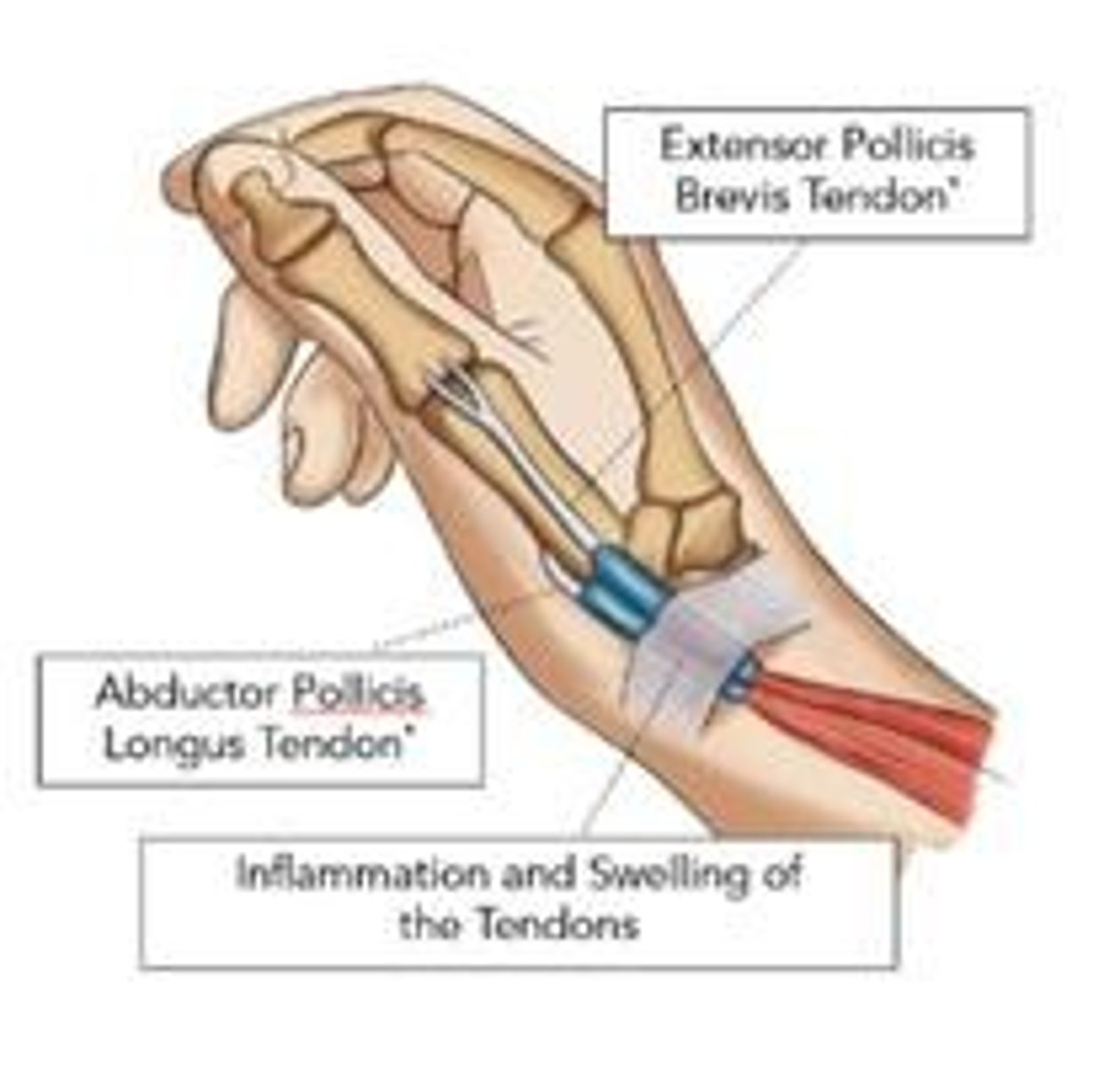
What is the treatment for DeQuervain's tenosynovitis?
Spica splinting, physical therapy, and corticosteroid injections
What is Dupuytren's contracture?
A benign fibrosing disorder of the palmar fascia, commonly affecting the 4th and 5th fingers
What is the typical presentation of a scaphoid fracture?
Wrist pain in the snuffbox, minimal swelling, and pain with thumb movement
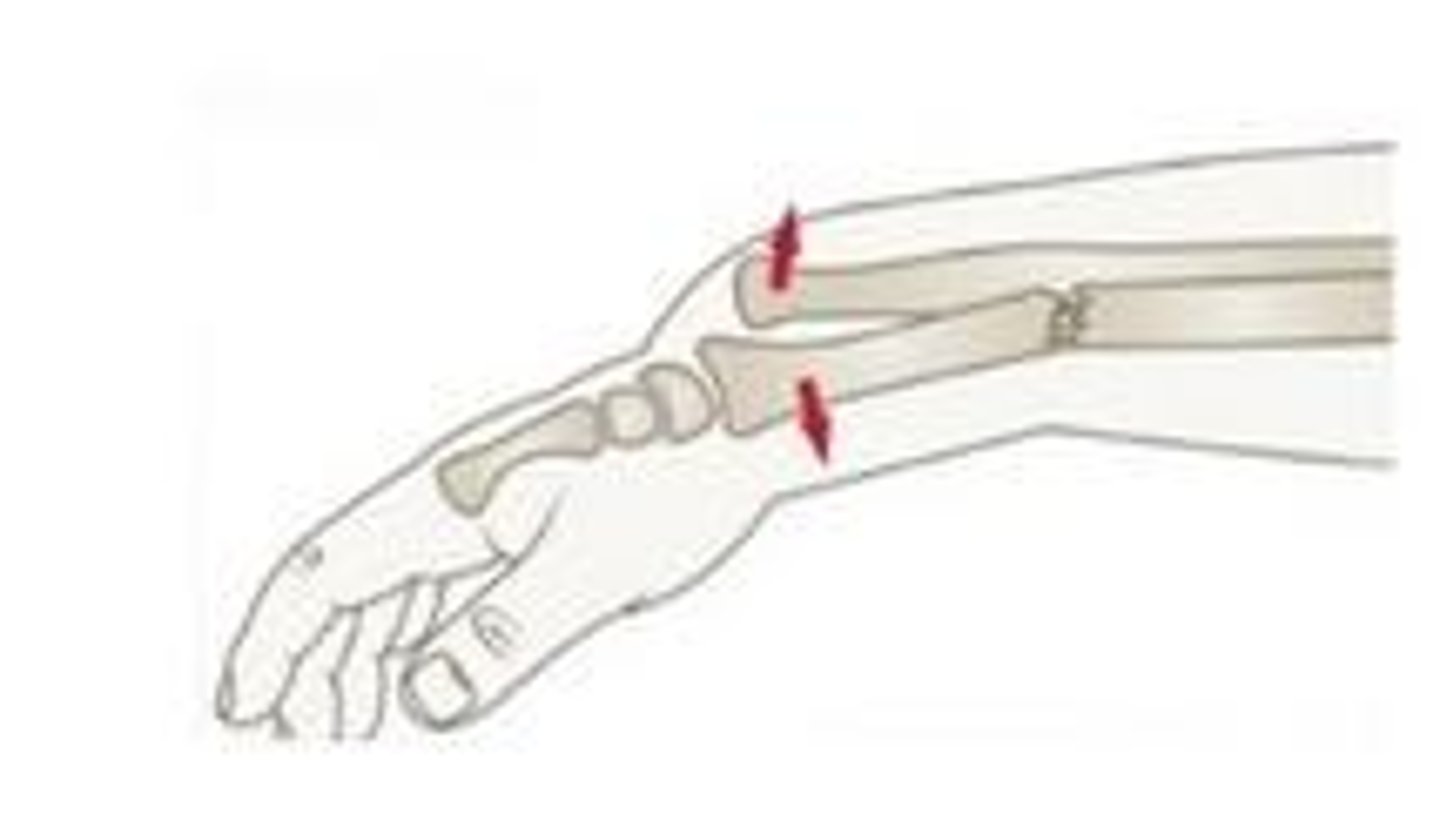
What is a Colles' fracture?
An extra-articular distal radius fracture with dorsal angulation of the distal fragment
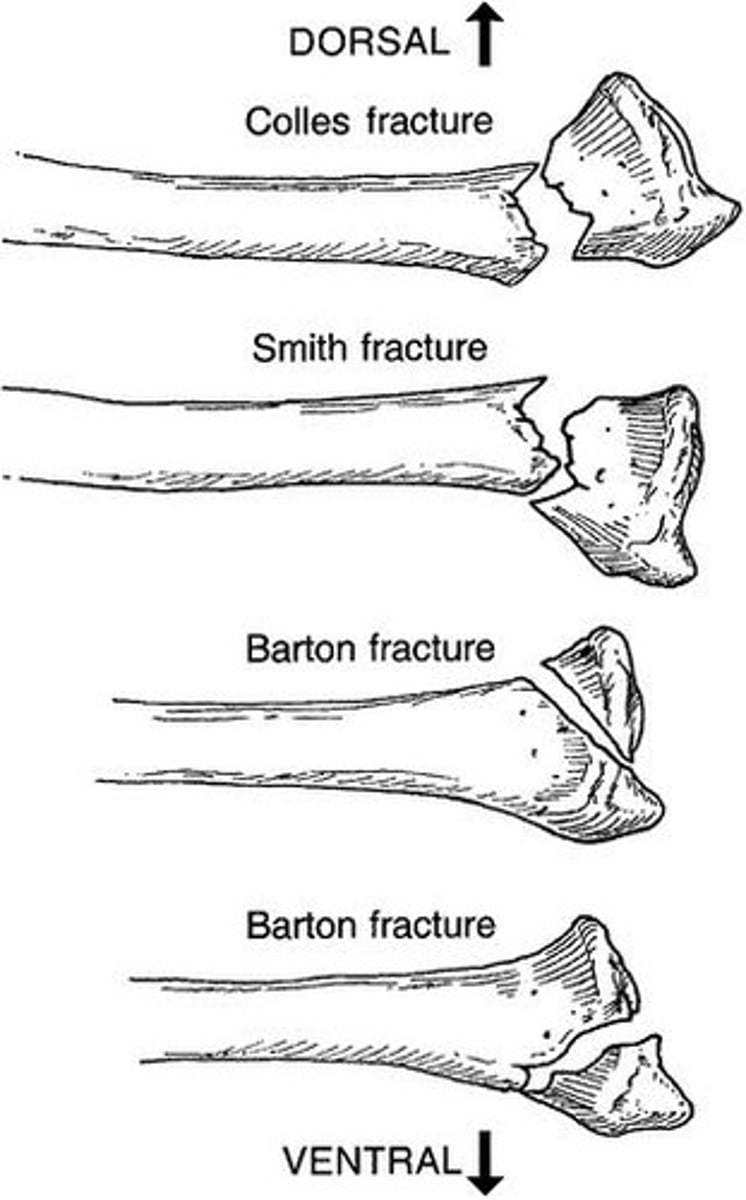
What is a Smith's fracture?
An extra-articular distal radius fracture with volar angulation of the distal fragment
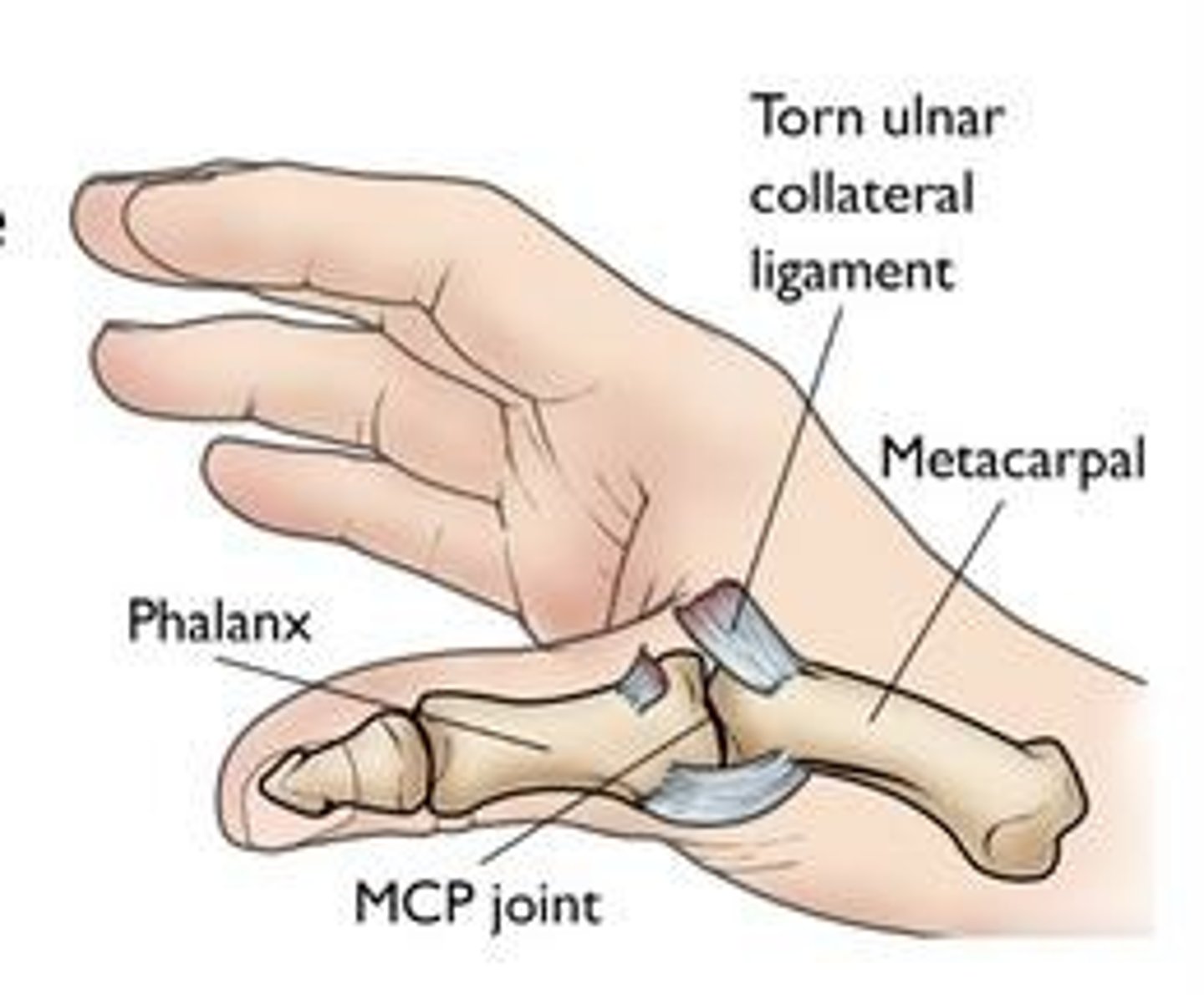
What is the treatment for a thumb ulnar collateral ligament sprain?
Conservative treatment for grade 1-2; surgical intervention for grade 3 tears
What is the primary treatment for paronychia?
Operative irrigation and debridement
What is a Galeazzi fracture?
A fracture of the distal third of the radial shaft with dislocation of the distal radioulnar joint.
What is a Boxer's fracture?
A fracture of the distal portion of the metacarpal, most commonly in the 5th metacarpal.
What is the treatment for a Galeazzi fracture?
Ulnar gutter splint for 7-10 days, followed by a cast for 4-6 weeks, along with tetanus and antibiotic prophylaxis.
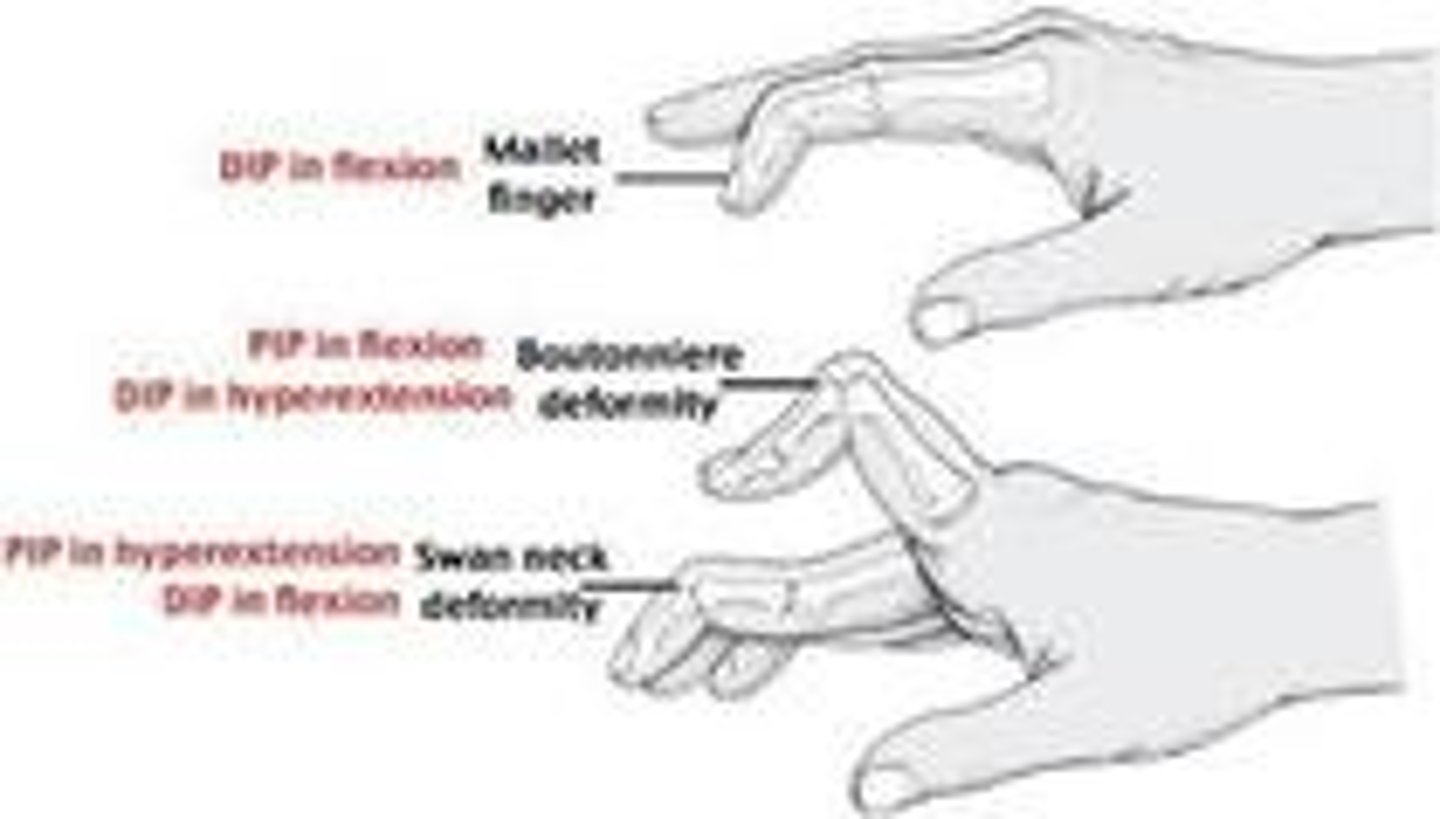
What is a Boutonniere deformity?
A rupture of the central slip extensor tendon over the PIP joint.
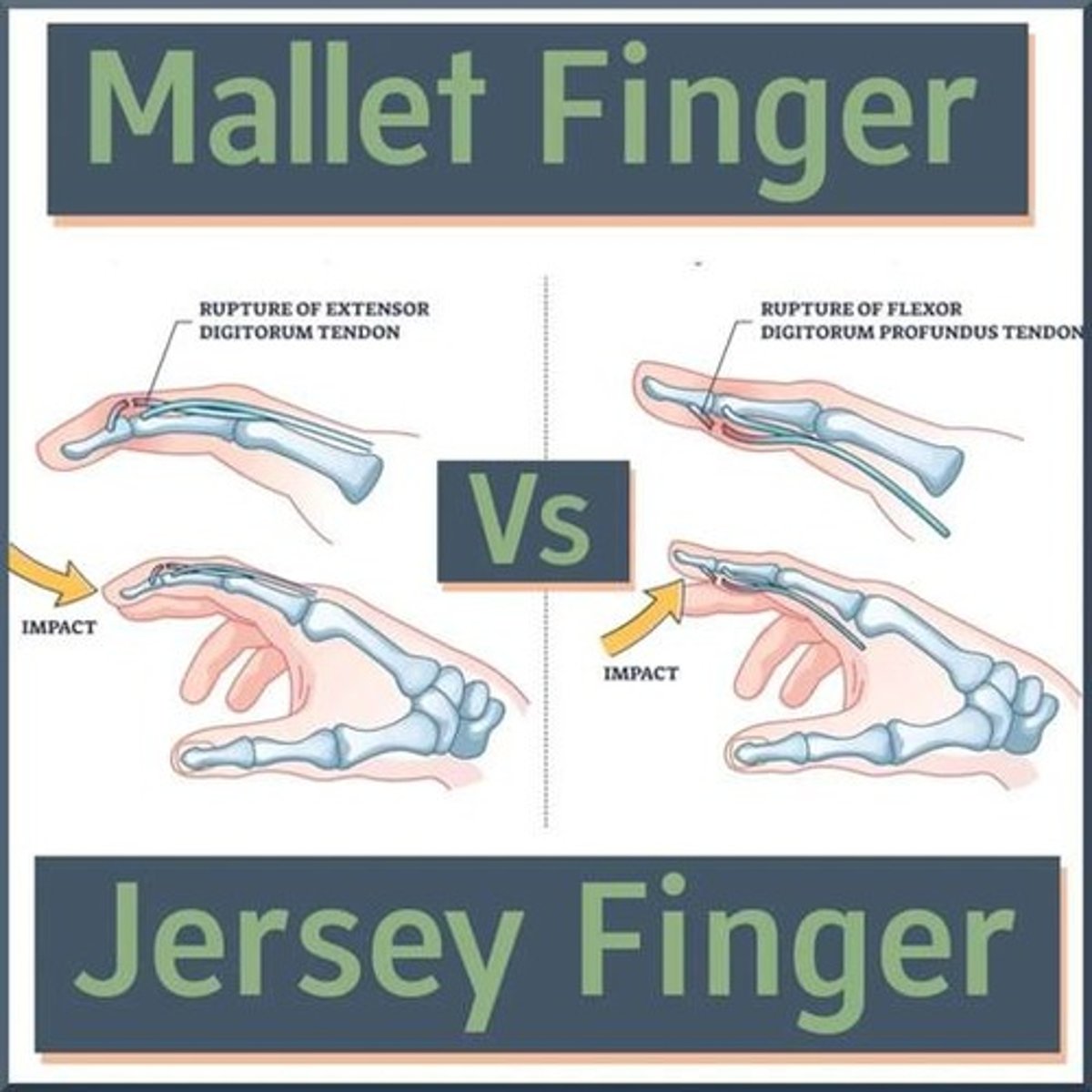
What is Jersey Finger?
An injury involving the flexor digitorum superficialis at the PIP joint and flexor digitorum profundus at the DIP joint, often due to trauma.
What is the Elson Test used for?
To diagnose Jersey Finger by assessing the ability to flex the DIP joint.
What is Mallet Finger?
A closed tendon injury resulting from the rupture or avulsion of the extensor tendon at the base of the distal phalanx.
What is the common mechanism of injury for finger dislocations?
Dorsal displacement of the PIP joint is the most frequent type of dislocation.
What is a subungual hematoma?
Damage to the nail bed resulting in a hematoma, often caused by blunt force.
What is cervical spondylosis?
Degenerative changes in the cervical spine, often referred to as 'neck arthritis.'
What is the primary treatment for cervical strain/sprain?
NSAIDs, ice, physical therapy, and stretching.
What is whiplash?
A cervical injury often resulting from a car accident, characterized by neck pain and stiffness.
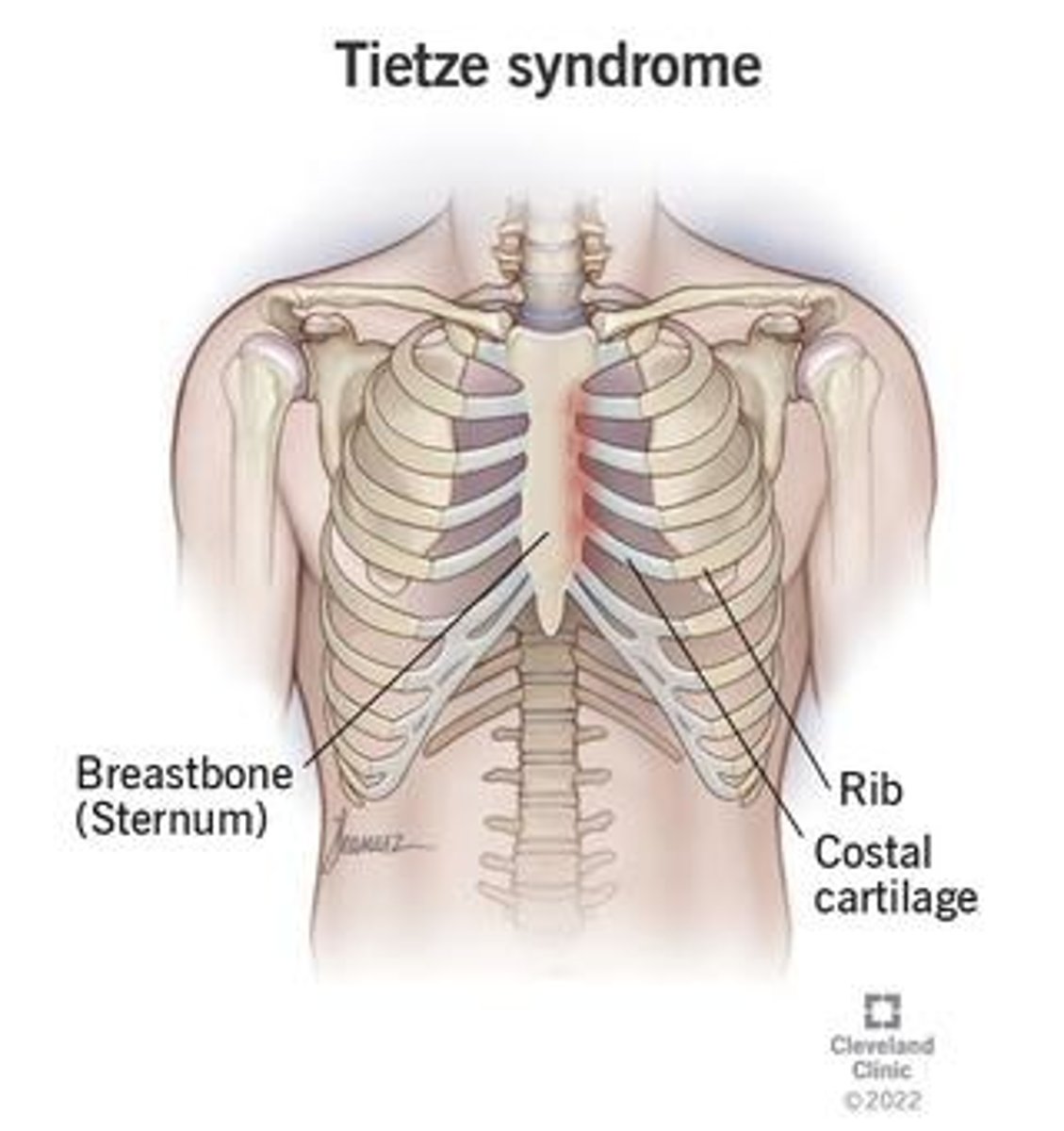
What is Tietze syndrome?
A rare cause of musculoskeletal chest pain characterized by swelling and tenderness at the costochondral junction.
What is the treatment for costochondritis?
NSAIDs and physical therapy.
What is pectus carinatum?
A chest deformity characterized by an abnormal protrusion of the sternum, often referred to as 'pigeon chest.'
What is pectus excavatum?
A common pediatric chest deformity characterized by a sunken sternum.
What is the treatment for rib fractures?
NSAIDs, time for healing, and surgical consultation if there are complications.
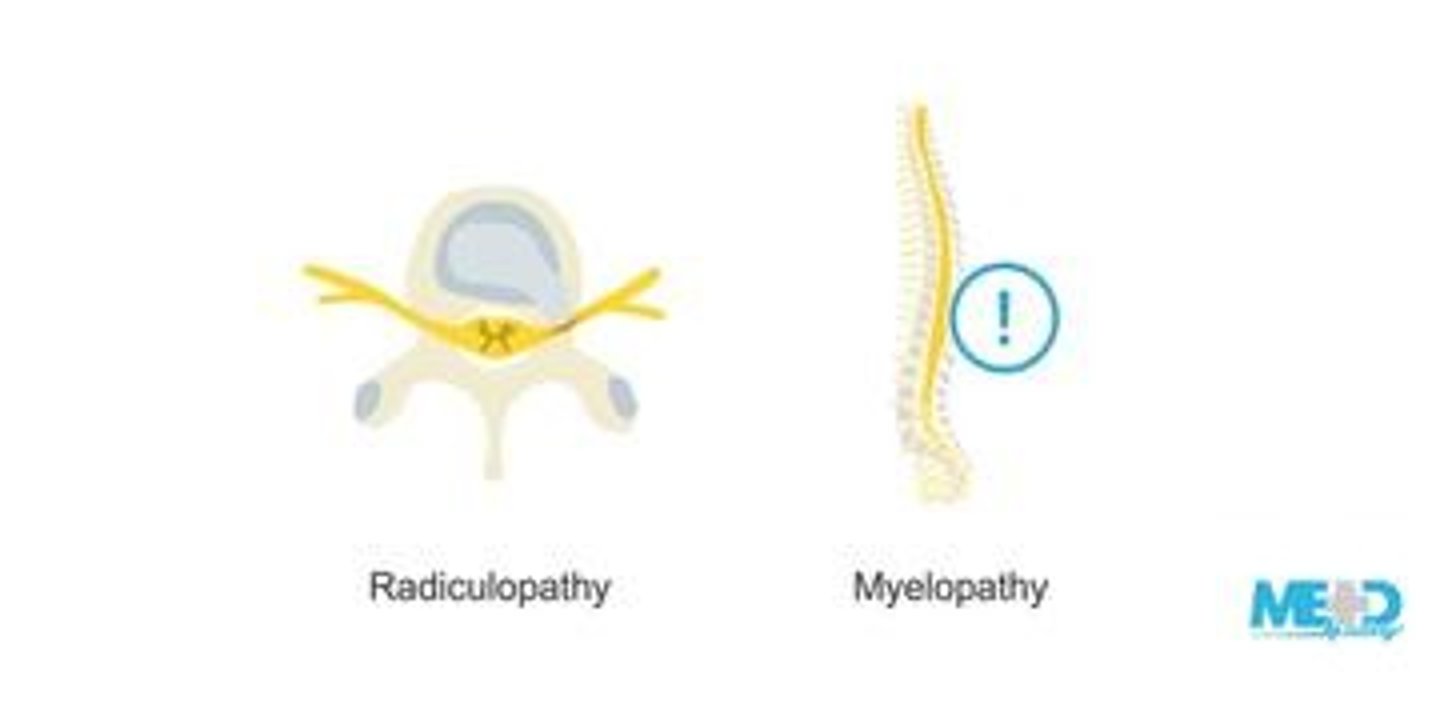
What is cervical radiculopathy?
Disruption of cervical spine nerves, often causing pain and weakness in the arms.
What is the Spurling Maneuver used for?
To assess for cervical radiculopathy by applying downward pressure on the head.
What is the typical age range for cervical facet dysfunction?
Most common in children and adolescents, but can occur in adults due to trauma or degeneration.
What is the prognosis for cervical radiculopathy?
Symptoms can improve within weeks to months with appropriate treatment.
What is the common cause of kyphosis?
Postural changes, age-related degeneration, or structural deformities.
What is the treatment for acute cervical pain?
NSAIDs, analgesics, muscle relaxers, and physical therapy.
What is the significance of the Nexus criteria?
Used to determine the need for imaging in patients with cervical spine injuries.