water quality organisms
 Studied by 0 people
 Call Kai
 Learn
Learn Practice Test
 Spaced Repetition
 Match
Match Flashcards
 Knowt Play
1/23

There's no tags or description
Looks like no tags are added yet.
Name | Mastery | Learn | Test | Matching | Spaced |
|---|
No study sessions yet.
24 Terms

Mayfly
Ecology: Nymphs are aquatic, found in clean, oxygen-rich streams, rivers, and lakes, often under rocks and debris. Adults are terrestrial but stay near water bodies.
Life Cycle: Incomplete metamorphosis (egg, nymph, adult). The nymph stage is the longest, lasting several months to over a year, involving multiple molts. Nymphs emerge as a winged subimago (dun) which then molts into a sexually mature adult (imago or spinner). Adults are short-lived, from a few hours to a few days, and their sole purpose is reproduction.
Feeding Habits: Nymphs are primarily herbivores or detritivores, grazing on algae or consuming detritus (decaying organic matter). Adults have vestigial mouthparts and do not feed.
Nymphs are collector-gathers or scrapers – small plant and animal debris as algae, diatoms &
plankton- they are found on underside of rocks
• Nymphs are a high proportion of the diet of many fish
Caddisfly
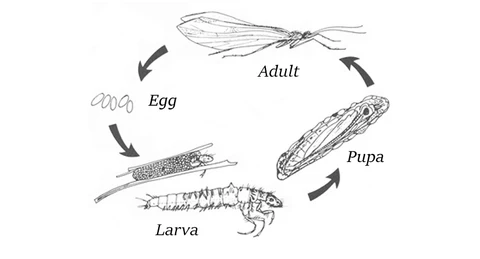
Ecology: Larvae are aquatic, found in a wide range of freshwater habitats, but many prefer clean, flowing waters with high oxygen levels. Many species build protective cases or retreats from materials like sand, pebbles, or twigs. Adults are moth-like and usually stay near water.
Life Cycle: Complete metamorphosis (egg, larva, pupa, adult). The larval stage is the longest, typically a year. Larvae pupate in their cases or cocoons, then emerge as winged adults. Adults live for a few weeks, primarily to mate and lay eggs.
Feeding Habits: Larvae exhibit diverse feeding habits: some are shredders of plant matter, scrapers of algae, filter feeders using silken nets, or predators of other small invertebrates. Adults of most species do not eat, while some may sip nectar.

Stonefly
Ecology: Nymphs are aquatic, found in clean, cool, well-oxygenated streams and rivers, often clinging to the undersides of rocks. Adults are weak fliers and remain close to the water source, often hiding in vegetation.
Life Cycle: Incomplete metamorphosis (egg, nymph, adult). The nymphal stage is long, lasting one to four years. Nymphs crawl out of the water to a rock or vegetation to molt into the adult form. Adults live only for a few weeks, focusing on reproduction.
Feeding Habits: Nymphs' diets vary by species and age: some are herbivorous/detritivorous (feeding on algae or decaying plants), while others are active predators of smaller aquatic invertebrates. Many adult species have non-functioning mouthparts and do not feed, while some consume algae.

Dobsonfly
Ecology: Larvae, known as hellgrammites, are large, predatory, and typically found in fast-flowing, clean, well-oxygenated streams under rocks. Adults are nocturnal and found near the water, often attracted to lights.
Life Cycle: Complete metamorphosis (egg, larva, pupa, adult). The larval stage is the longest, lasting 1-3 years. Hellgrammites leave the water to pupate in moist soil or leaf litter near the stream bank. The adult emerges after a few weeks to months and lives for only a few days to a week to reproduce.
Feeding Habits: Dobsonfly nymphs are voracious predators, using their large mandibles to catch and eat other aquatic insects, larvae, and small fish. Adults do not feed.
Gilled Snails
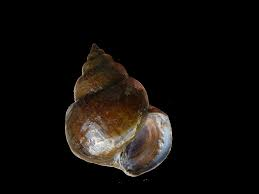
Ecology: Gilled snails (prosobranchs) are aquatic and breathe dissolved oxygen from the water using gills. They require clean, well-oxygenated water and are sensitive to pollution and low oxygen conditions. They possess a hard, trapdoor-like operculum to seal their shell.
Life Cycle: They typically have a simple egg, larva, and adult cycle and live for 2-5 years. Eggs are often laid in spring.
Feeding Habits: Most are scrapers, feeding on algae and diatoms from underwater surfaces; a few are shredders of plant material or filter feeders.
Water Penny
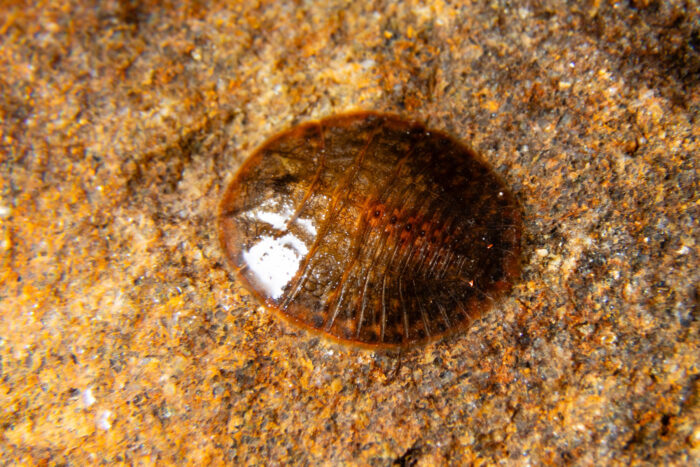
Ecology: The larval stage of the water penny beetle (family Psephenidae) is an aquatic macroinvertebrate that is highly sensitive to pollution. They have a flat, circular, penny-like body that clings tightly to rocks in fast-moving, high-oxygen riffle areas of streams.
Life Cycle: They undergo complete metamorphosis (egg, larva, pupa, adult). The larval stage lives in the water for up to a year or more before pupating out of the water. The adult is a small, terrestrial beetle that can fly and lives for a short time to mate.
Feeding Habits: Larvae are primarily scrapers or grazers, feeding on the algae and diatoms that grow on the surface of the rocks where they live.
Riffle Beetle
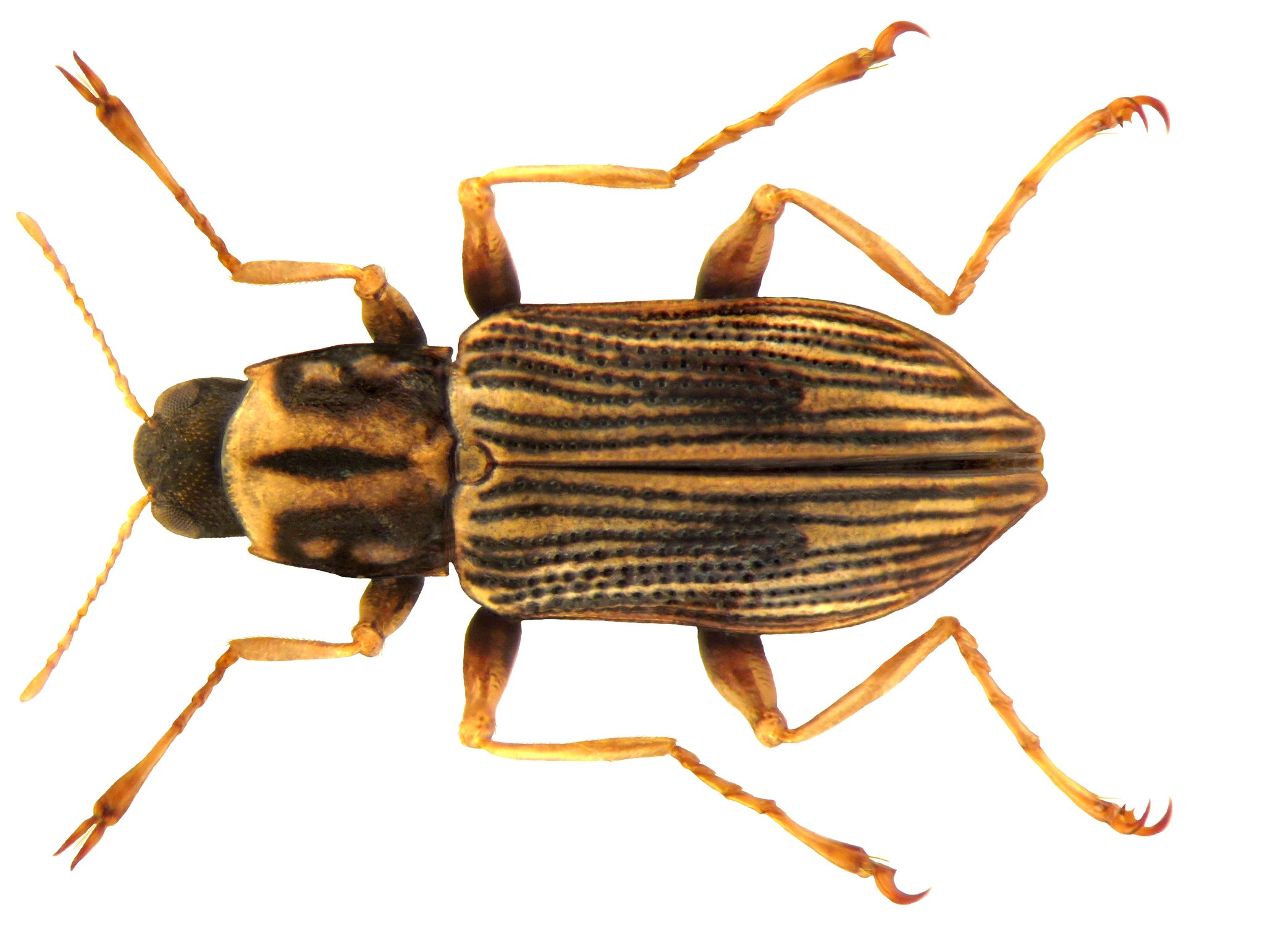
Ecology: Riffle beetles (family Elmidae) are also highly sensitive to pollution and require clean, continuous flow environments, such as riffles in streams. Both larvae and adults are aquatic.
Life Cycle: They undergo complete metamorphosis. The entire life cycle, including both larval and adult stages, is spent primarily underwater, which is a unique trait among aquatic beetles. The cycle typically takes one year. Adults have six legs and can fly.
Feeding Habits: Both larvae and adults are typically herbivores/detritivores, feeding on plant material (algae), detritus, and diatoms.
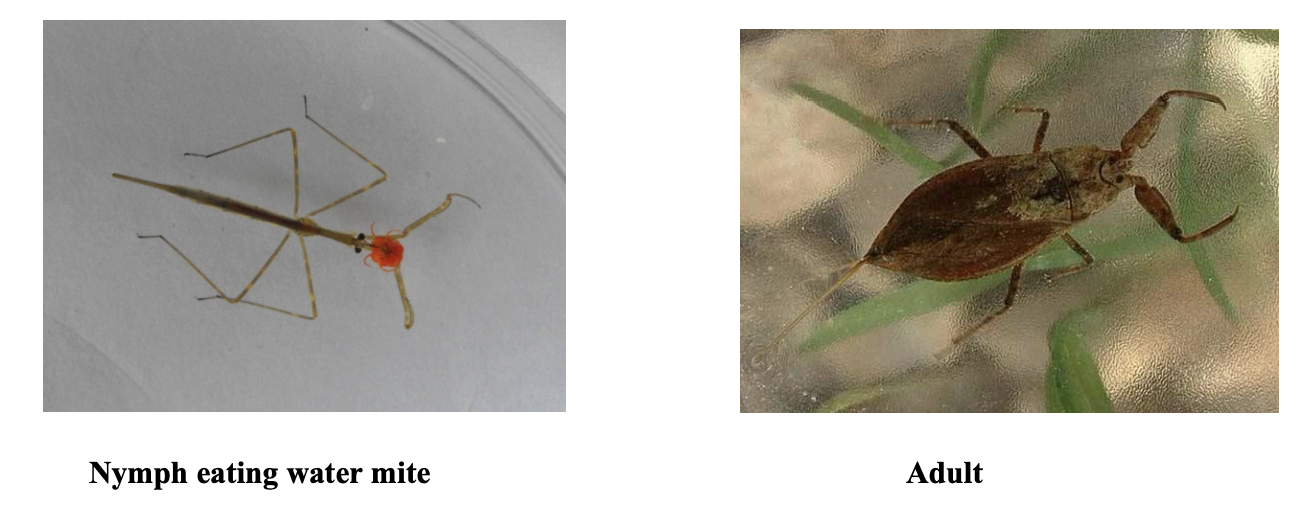
Water Scorpion
Ecology: Water scorpions (family Nepidae) are aquatic insects found in stagnant or slow-moving freshwater habitats like ponds, marshes, and the quiet margins of streams. They are predators and are classified as pollution sensitive. They use a long caudal breathing tube (siphon) to get oxygen from the air while remaining submerged.
Incomplete metamorphosis
Life Cycle: They undergo incomplete metamorphosis (egg, nymph, adult). Nymphs resemble miniature adults and progress through several instars before reaching the adult stage.
Feeding Habits: They are predators, using their modified, raptorial front legs to ambush and capture prey, including other aquatic insects, tadpoles, and small fish.

Aquatic Sowbug (Isopod)
Indicator Importance: Moderately tolerant of pollution; they can cope well with organic waste and their presence can indicate a stream is starting to recover from sewage pollution. A high number of sowbugs and few sensitive species can indicate poor water quality.
Ecology: Benthic (bottom-dwelling) crustaceans found in a wide range of habitats, but most common in shallow areas with plenty of organic material, rocks, and debris. They use gills on the underside of their abdomen to absorb oxygen.
Life Cycle: Reproduce sexually, and females carry eggs in a brood pouch (marsupium). Juveniles hatch looking like small adults and grow by molting their exoskeleton multiple times.
Feeding Habits: Omnivorous scavengers and bottom feeders, primarily consuming fine detritus, decaying plants, and dead animal matter.
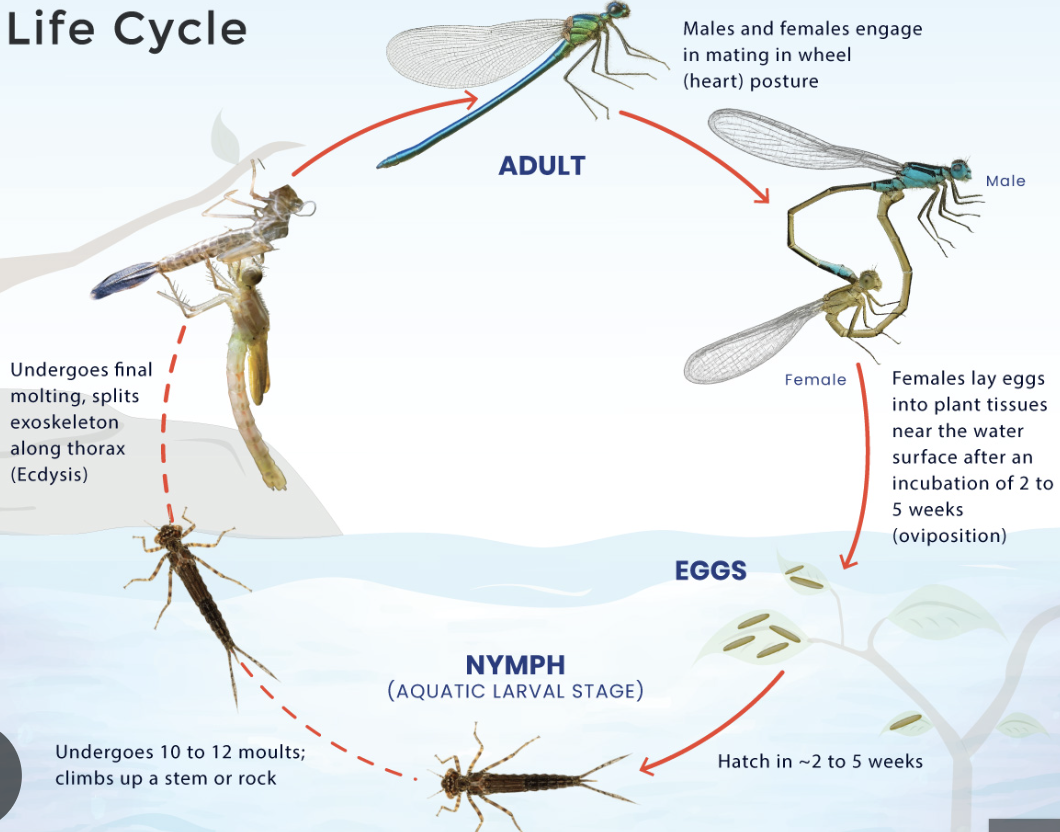
Damselfly
Indicator Importance: Generally moderately sensitive to pollution. Their presence in diverse numbers often suggests good water quality and healthy ecosystems. They indicate the presence of slow-moving water in wetlands or ponds.
Ecology: Aquatic nymphs are predators in slow-moving water habitats like ponds, lakes, and the edges of streams. Adults are terrestrial and can be differentiated from dragonflies by holding their wings parallel to their body when at rest.
Life Cycle: Incomplete metamorphosis. Eggs are laid in or near water, hatching into nymphs. Nymphs molt several times over a period of months to years before crawling out of the water to shed their exoskeleton (exuvia) and emerge as a winged adult.
Feeding Habits: Nymphs are carnivorous, feeding on small aquatic organisms like daphnia and mosquito larvae. Adults prey on mosquitoes and other small flying insects.

Dragonfly
Indicator Importance: Often more sensitive to pollution than damselflies, making them good indicators of clean, healthy water bodies. Their ability to bioaccumulate heavy metals also makes them useful for monitoring specific pollutants.
Ecology: Nymphs are robust, bottom-dwelling aquatic predators with specialized mouthparts (a "mask" or labium) used for capturing prey.
Life Cycle: Incomplete metamorphosis, similar to damselflies. Nymphs live underwater for an extended period, molting as they grow, before emerging as flying adults.
Feeding Habits: Nymphs are fierce predators, eating mosquito larvae, other aquatic insects, and even small fish or tadpoles. Adults are aerial predators, catching insects on the wing.
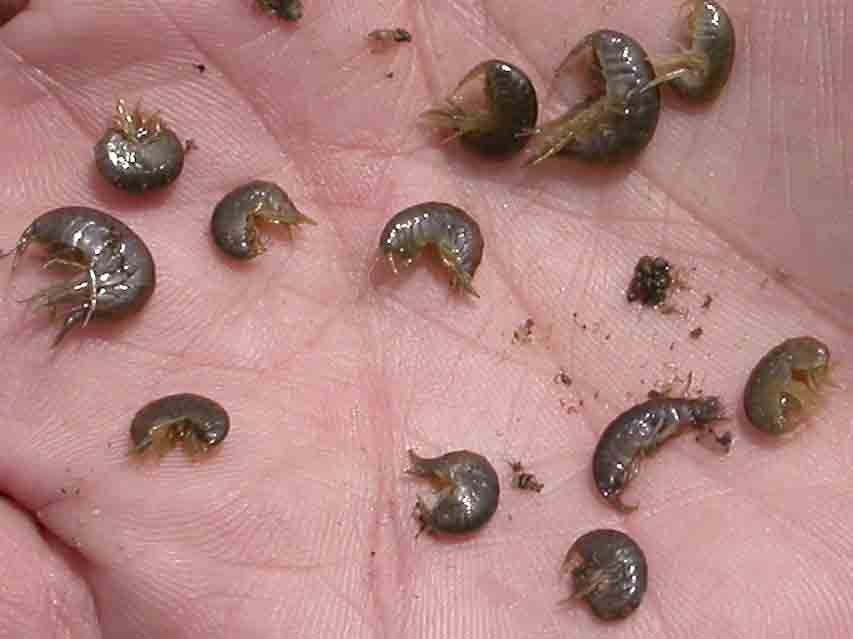
Scuds
Indicator Importance: Scuds as a group are somewhat tolerant of varying pollution levels but are sensitive to very low dissolved oxygen (anoxic) conditions. Some species are highly sensitive to specific pollutants like heavy metals and pesticides.
Ecology: Benthic crustaceans, also known as side-swimmers due to their compressed bodies. They are extremely common in cool streams, springs, ponds, and lakes, often the most abundant macroinvertebrate in their habitat.
Life Cycle: Like sowbugs, they are crustaceans and do not undergo metamorphosis. Young hatch from eggs (carried in a brood pouch) as tiny versions of adults and grow through molting.
Feeding Habits: Omnivores and detritivores, primarily consuming detritus, decaying plant matter, algae, and bacteria, and occasionally attacking small living animals.
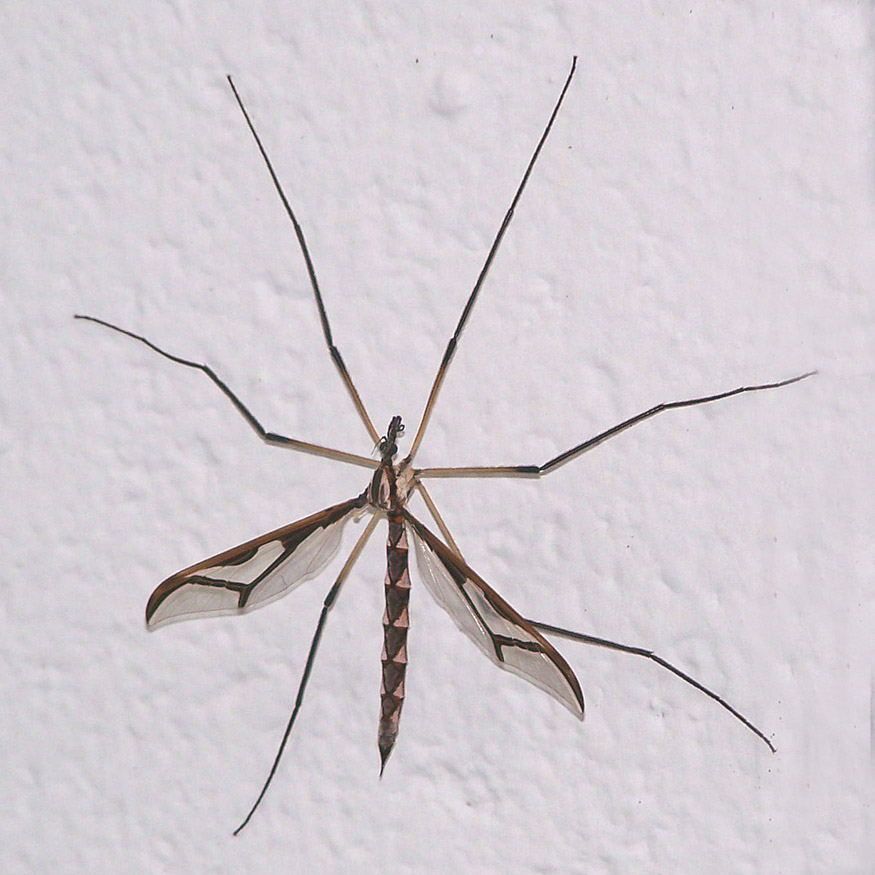
Cranefly
Indicator Importance: Cranefly larvae are generally considered moderately intolerant or moderately sensitive to nutrient pollution, making them fairly good water quality indicators.
Ecology: Larvae can be either aquatic or terrestrial, depending on the species. Aquatic larvae are found in stream bottoms, among vegetation, or in decaying leaf litter where they help with decomposition. Adults resemble large mosquitoes but do not bite.
Life Cycle: Complete metamorphosis (egg, larva, pupa, adult). The larval stage is entirely aquatic for the relevant species.
Feeding Habits: Feeding habits vary by species; they can be predators on small invertebrates, shredders of leaves, or consume algae and detritus.
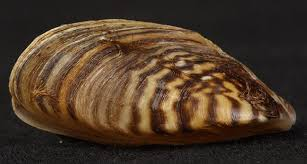
Zebra Mussel
Indicator Importance: Zebra mussels are good candidates for monitoring pollution as they accumulate contaminants (e.g., heavy metals, lindane) in their tissues. Their presence in high densities indicates significant ecosystem alteration, such as increased water clarity (due to filter feeding), which can lead to toxic algal blooms and disruption of native food webs.
Ecology & Life Cycle: Native to the Black and Caspian Seas, they are now widespread invasives. They attach to hard surfaces using byssal threads and are largely sedentary as adults. Females can produce over a million eggs per year, which hatch into free-swimming larvae called veligers that drift in the water for several weeks before settling. They typically live for 2-5 years.
Feeding Habits: They are efficient filter feeders, consuming single-cell organisms, bacteria, and fine detritus particles from the water column. They selectively reject certain toxic cyanobacteria as pseudofeces, which can contribute to the proliferation of harmful algal blooms.

Spiny Water Flea
Indicator Importance: The presence of spiny water fleas indicates an invaded and altered ecosystem, often associated with a decline in native zooplankton populations and cascading impacts on native fish and algae levels. They disrupt the natural food chain and can indirectly affect water quality by reducing the organisms that naturally control algae growth.
Ecology & Life Cycle: This tiny predatory zooplankton is native to Europe and Asia. They can reproduce both asexually (cloning in summer) and sexually (producing resting eggs in the fall that survive winter in sediment). They prefer colder, clear freshwater habitats and migrate vertically in the water column, deeper during the day and shallower at night.
Feeding Habits: They are generalist predators that consume smaller, native zooplankton, including Daphnia, an important food source for many juvenile fish. Their long, barbed tail spine makes them difficult for small fish to eat, giving them a competitive advantage.
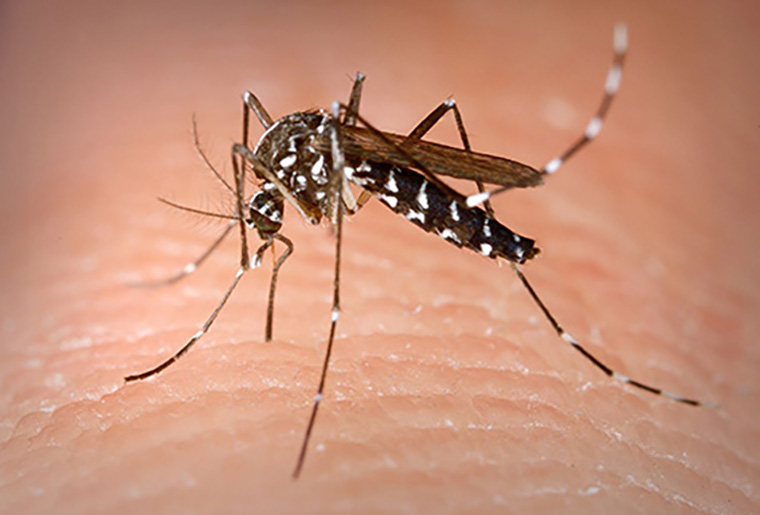
Asian Tiger Mosquito
Indicator Importance: This species is not typically used as a direct indicator of overall water quality in the traditional sense of pollution tolerance. Instead, its presence in an area indicates specific habitat conditions (presence of small, artificial standing water containers in urban/suburban environments) and a public health risk due to its ability to transmit diseases.
Ecology & Life Cycle: Native to Southeast Asia, it is an invasive species thriving in urban and suburban areas. The life cycle has four stages: egg, larva, pupa, and adult; the first three stages are aquatic and occur in small water-filled containers like tires, flower pots, and gutters. Eggs are desiccation-resistant and can overwinter in temperate climates.
Feeding Habits: Both males and females feed on plant nectar for energy. Only the female requires a blood meal (from humans, pets, and wild animals) to produce eggs. Larvae are filter feeders, consuming fine particulate organic matter in the standing water where they hatch.
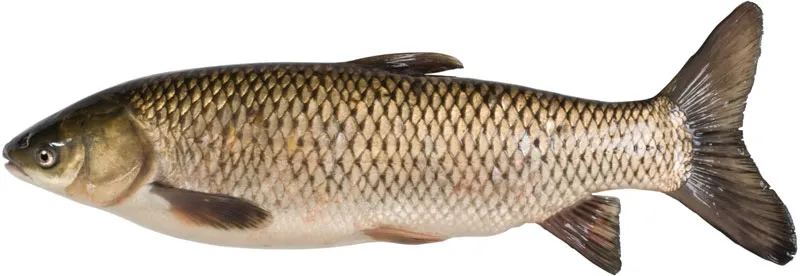
Asian Carp
Indicator Importance: Asian carp (Bighead, Silver, Black, Grass carp) are indicators of severe ecosystem disruption and poor water quality. Their presence often leads to increased water turbidity (murkiness), the destruction of aquatic vegetation, and a decline in native fish and mussel populations. They alter nutrient cycles and indicate an unbalanced, invaded system.
Ecology & Life Cycle: These are large, voracious, non-native fish that are highly invasive in North America. They require long stretches of flowing water to spawn successfully. They can dominate the biomass of a water body, making up a significant percentage of the total fish weight.
Feeding Habits: Feeding habits vary by species:
Bighead & Silver Carp: Filter feeders that consume large quantities of microscopic plankton (phyto- and zooplankton), directly competing with native larval fish and mussels. They can eat 5-20% of their body weight daily.
Grass Carp: Primarily eat aquatic plants, which drastically alters habitat structure and cover for native species.
Black Carp: Specialized feeders with pharyngeal teeth to crush and eat snails and mussels, including endangered native species.

Crayfish/Crawdads
Indicator Importance: Crayfish are excellent indicator species of good water quality and overall environmental health. Most species cannot tolerate significant pollution, though some invasive species are hardier. They are sensitive to toxics like heavy metals and insecticides, and their presence in healthy numbers typically suggests a clean, stable aquatic environment.
Ecology & Life Cycle: Crayfish are freshwater crustaceans that look like small lobsters and breathe through gills. Mating typically occurs in the autumn, and females lay eggs (sometimes called "berries") in the spring, carrying them on their swimmerets under the abdomen for protection and aeration. Young hatch as larvae and remain attached to the mother through their first two molts, then become free-living juveniles. They grow by periodically molting their hard exoskeleton and typically live for 3-5 years.
Feeding Habits: They are opportunistic, omnivorous scavengers that play a pivotal role in nutrient cycling. They feed on a wide variety of items, including decaying plant and animal matter (detritus), aquatic plants, algae, insects, snails, tadpoles, and even smaller crayfish. They are primarily active and forage at night.
why are aquatic macroinvertebrates are vital indicators of water and wetland quality
Aquatic macroinvertebrates are vital indicators of water and wetland quality because their presence, diversity, and abundance reflect the long-term biological condition of an aquatic ecosystem. Organisms vary in their tolerance to pollution, allowing scientists to assess stream health even if the pollutant is no longer present in the water column.
Benthic macroinvertebrates are valuable bioindicators in freshwater streams and rivers. As the name suggests, they live along the stream bottom, are large enough to be seen without a microscope, and lack a backbone. These organisms live most, if not all, of their lives in the water. Unlike fish, they are relatively immobile and cannot escape from the effects of pollution. In the field, macroinvertebrates are relatively easy to collect using dip nets and kick nets, and they are considered to be a “canary in a coalmine” for water pollution.
Macroinvertebrates are sampled as indicators of water quality because they are useful biological indicators of change in the aquatic ecosystems.
why are aquatic nuisance species important as indicators of water and wetland quality?
Aquatic nuisance species (ANS) are important indicators of poor water and wetland quality because their presence often signifies an ecosystem that has been degraded by human activities, leading to negative impacts like the loss of native species. While native species like benthic macroinvertebrates are used to assess water quality, ANS act as indicators of poor conditions by demonstrating that human disturbance may have enabled them to outcompete native life, outcompete native species for resources, and alter the environment. The proliferation of invasive species often signals an environment that has become unbalanced.
While not positive indicators of "good" water quality in a traditional sense, the presence of these species can indicate an ecosystem is under stress and has undergone a recent or ongoing invasion event.
Their presence, especially if they become established, signifies a loss of biodiversity and a disrupted ecosystem.
They can be useful for monitoring and early detection efforts, as their initial introduction and spread can signal the need for intervention to protect native species.
Collectors
Physically gather food or construct net like structure to catch it
Dissolved organic, algae, feces and plants
Stream bottom
Shredders
Shred, cut, bite or bore food
Leaves and vegetation fallen into water
Areas with tree cover
Scrapers
Use organs to scrape the food Scrape
algae and diatoms off the rock
Areas with enough light for algae growth
Predators
Hunt other organisms for food
Other organisms – other invertebrates & small fish
All types of habitat