Lesson 1: Endocrine System
 Call Kai
 Learn
Learn Practice Test
 Spaced Repetition
 Match
Match Flashcards
 Knowt Play
1/56

There's no tags or description
Looks like no tags are added yet.
Name | Mastery | Learn | Test | Matching | Spaced | Call with Kai | Chat |
|---|
No analytics yet
Send a link to your students to track their progress
57 Terms
Endocrine System
Made up of organs and glands that produce, store, and release hormones.
Hormones
Chemicals used to increase or decrease activity of specific target cells.
Aids body in homeostasis.
Exocrine Glands
Release hormones into a duct to target cells.
Endocrine Glands
Release hormones directly into bloodstream.
Negative Feedback Loop
Hormone release stops in response to decrease in stimulus.
Positive Feedback Loop
Action of hormone release continues if stimulus is present.
Pituitary Gland
Master gland of the endocrine system

Myxedema
Swelling of the skin and underlying tissues, seen in severe hypothyroidism.
Endocrine System Functions
Regulates chemical reactions in cells
Control functions of the organs, tissue, and other cells.
What are the 3 features that the endocrine system relies on?
Glands
Hormones
Trillion of cell receptors
How many glands are located in the brain?
3
How many glands are located throughout the body?
7
Anterior Lobe of Pituitary Gland secretes…
Growth hormone
Thyroid Stimulating Hormone (TSH)
Follicle Stimulating Hormone (FSH)
Luteinizing Hormone (LH)
Prolactin
Posterior Lobe of Pituitary Gland secretes…
Antidiuretic Hormone (ADH)
Oxytocin
Growth Hormone
Anterior Lobe
Body growth
Thyroid Stimulating Hormone (TSH)
Anterior Lobe
Regulates thyroid gland
Follicle Stimulating Hormone (FSH)
Anterior Lobe
Growth of ova and sperm
Luteinizing Hormone (LH)
Anterior Lobe
Stimulated ovulation and testosterone in males
Prolactin
Anterior Lobe
Causes the breasts to grow and make milk during pregnancy and after birth.
Antidiuretic Hormone (ADH)
Posterior Lobe/Hypothalamus
Stimulates reabsorption of water by the kidneys
Oxytocin
Posterior Lobe/Hypothalamus
Stimulates uterine contractions during labor and release of breast milk.
Hypothalamus
secretes antidiuretic hormone (ADH) and oxytocin
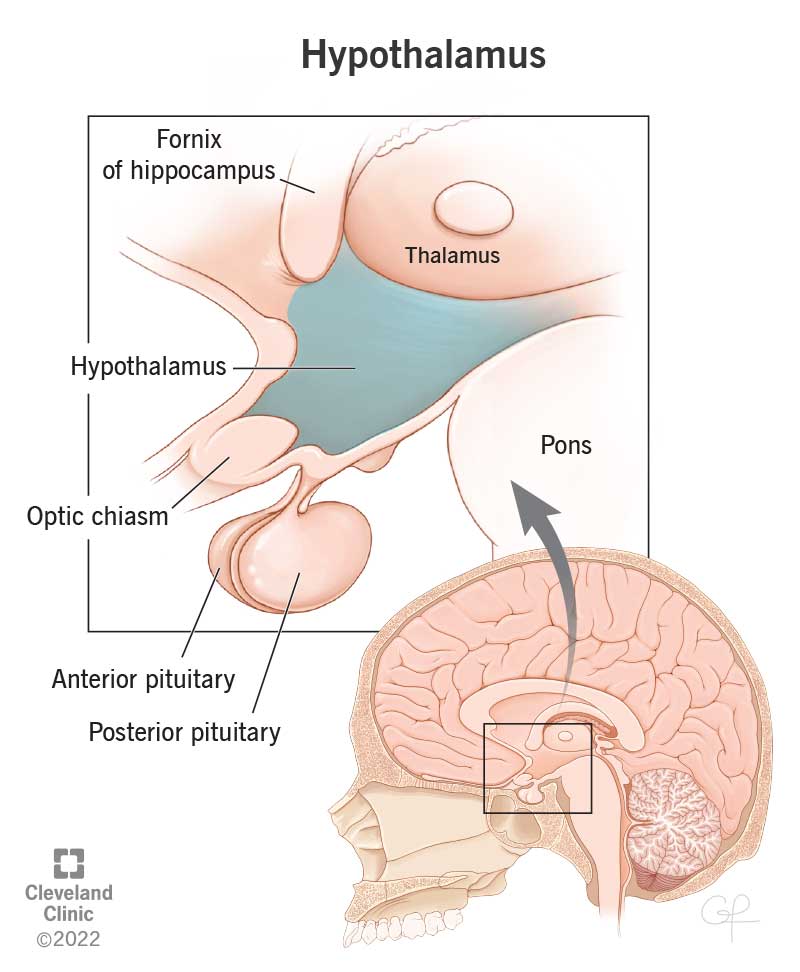
Pineal Gland
Secretes melatonin

Melatonin
Regulates onset of puberty, biological clock/sleep.
Thyroid Gland
Base of the neck, located below the Adam’s apple.

Thyroid Gland secretes…
T3 and T4
Calcitonin
T3 and T4
Thyroid Gland
Regulates metabolism
Calcitonin
Thyroid Gland
Increase bone calcium
Thymus
Posterior to the sternum
Secretes Thymosin

Thymosin
Thymus
Development of cells in the immune system
Parathyroid Glands
Located on thyroid
Secretes Parathyroid Hormone
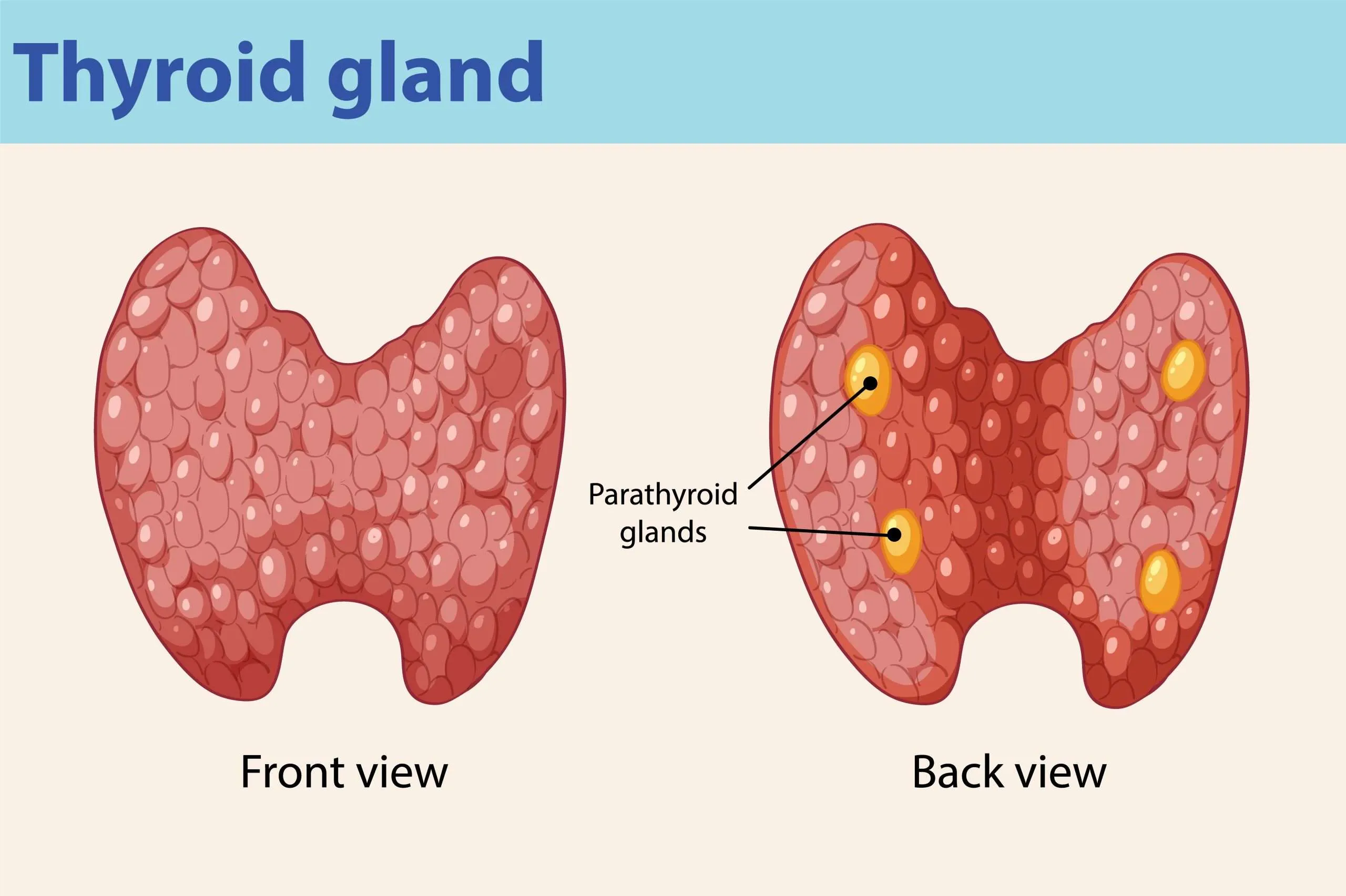
Parathyroid Hormone
Parathyroid Glands
Regulates Calcium
Pancreas
Behind the stomach & in front of spine.
Both endocrine and exocrine functions
Secretes Alpha Cells (Glucagon) and Beta Cells (Insulin)
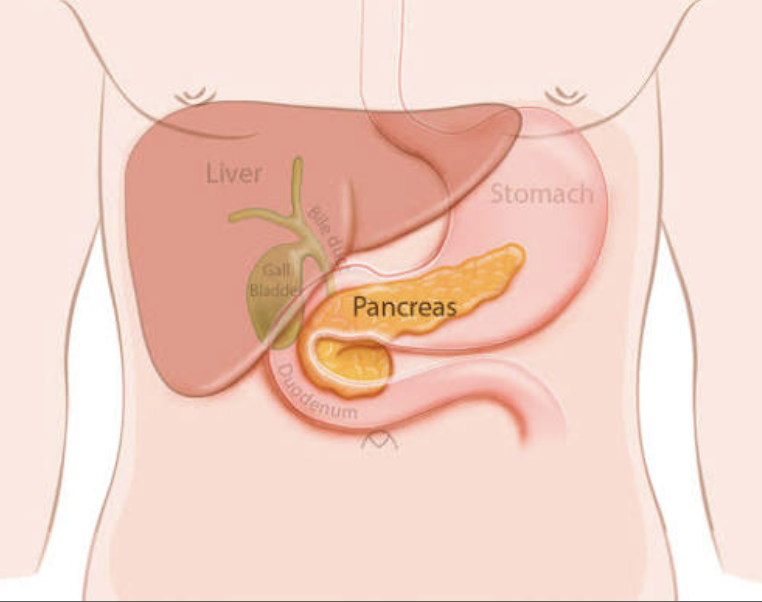
Alpha cells (Glucagon)
Pancreas
Increases blood sugar
Beta Cells (Insulin)
Pancreas
Lowers blood sugar
Adrenal Glands
Located on top of both kidneys
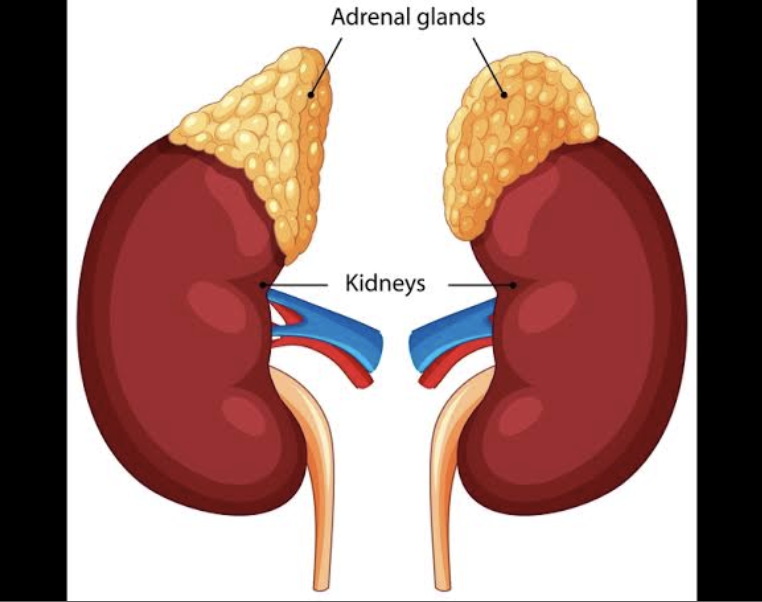
Adrenal Glands secrete…
Cortisol
Aldosterone
Epinephrine
Norepinephrine
Cortisol
Adrenal Glands
Regulates carbohydrates; prolonged stress inhibits the body’s immune response.
Aldosterone
Adrenal Glands
Regulates electrolytes and fluid volume
Epinephrine
Adrenal Glands
Fight or flight response
Norepinephrine
Adrenal Glands
Vasoconstriction (narrowing of blood vessels), which increases blood pressure
Recovering from stress
Ovaries
Female Reproductive System
Secretes estrogen and progesterone

Estrogen
Ovaries
Development of secondary sex, regulates menstrual cycle
Progesterone
Ovaries
Prepares the body for pregnancy
Testes
Male Reproductive System
Secretes Testosterone
Testosterone
Testes
Sperm production, secondary sex characteristics in males
Diabetes Mellitus
Chronic disease characterized by elevated blood glucose levels
Diabetes Mellitus: Type 1
Body stops making insulin; usually born with disorder.
Requires Insulin replacement.
Diabetes Mellitus: Type 2
Associated with obesity; genetic predisposition
Diabetes Mellitus: Gestational
Occurs during pregnancy, usually temporary.
Polycystic Ovary Syndrome (PCOS)
Irregular menstrual periods;
Elevated hormone levels;
Cysts on ovaries
Gigantism Acromegaly
Results from an excess of growth hormone from the pituitary gland.
Hyperthyroidism (Graves Disease)
Autoimmune disorder
Excessive thyroid hormone.
Weight loss, heat tolerance, anxiety, increased heart rate
Hypothyroidism
Underactive thyroid gland
Weight gain, fatigue, slow heart rate
Myxedema: swelling of the skin and underlying tissue
Cretinism
Severe physical and mental retardation due to iodine deficiency, and specifically due to deficiency of thyroid hormones during early pregnancy.
Cushing’s Syndrome
High levels of the hormone cortisol from the adrenal glands over long periods of time
Goiter
Irregular growth of the thyroid gland.
Treated with iodine or surgery