IV Fluid Therapy Part 4
 Call Kai
 Learn
Learn Practice Test
 Spaced Repetition
 Match
Match Flashcards
 Knowt Play
1/21

Earn XP
Description and Tags
Vocabulary flashcards covering IV catheterization sites, shock dosages, maintenance fluid calculations, and monitoring parameters for small animals based on the lecture transcript.
Name | Mastery | Learn | Test | Matching | Spaced | Call with Kai | Chat |
|---|
No analytics yet
Send a link to your students to track their progress
22 Terms
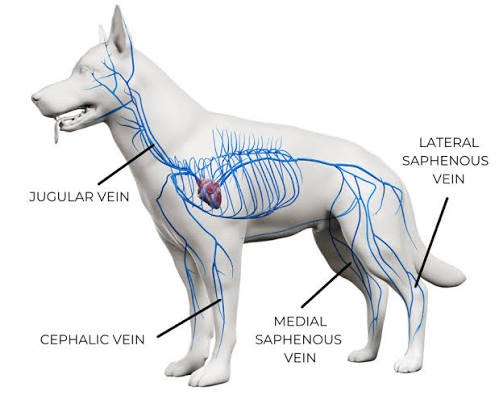
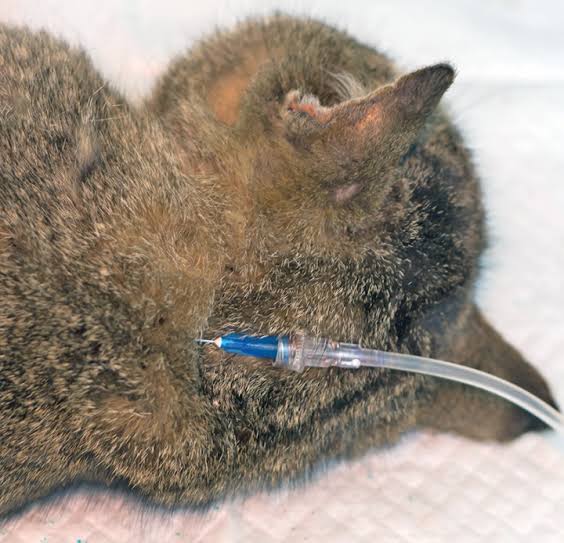
Peripheral IV catheter sites
The cephalic, saphenous, and pedal veins (v.).
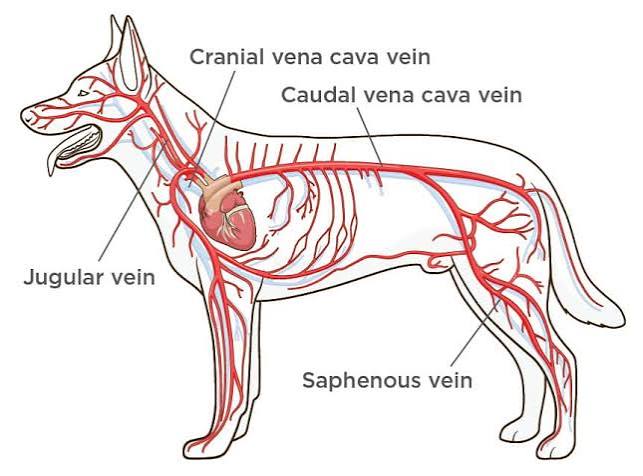
Central IV catheter (IVC) location
A catheter with the distal tip located in the cranial or caudal vena cava.
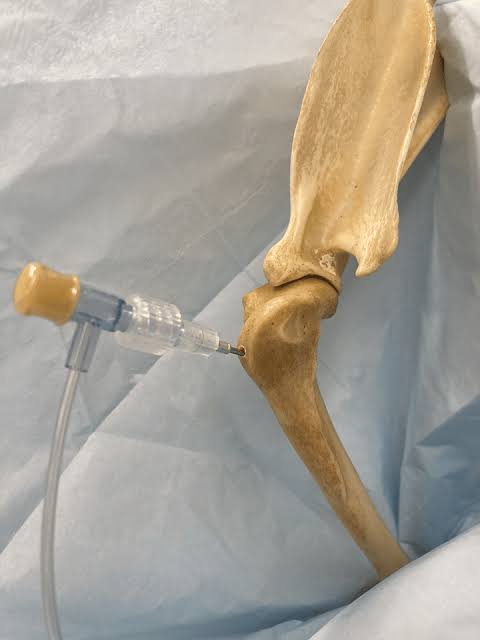
Intraosseous (IO) catheter sites
Commonly the proximal humerus or proximal femur; do not place in or distal to fractured bones.
Jamshidi needles
Needles used for intraosseous catheter placement in adult patients.
Shock dose (Dogs)
90ml/kg
Shock dose (Cats)
60ml/kg
Most commonly used vessel for IVC
The cephalic vein.
Dehydration deficit formula
L of fluid=%dehydration×body wt in kg×0.6
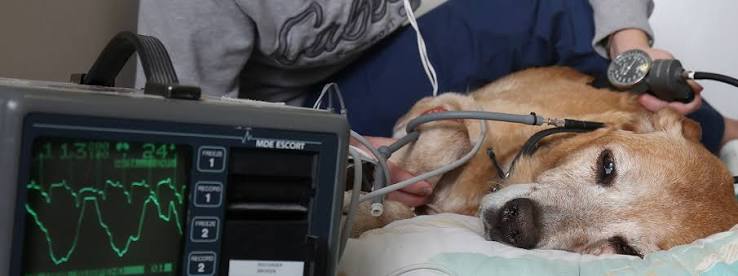
Shock treatment goals
1 - Resuscitate intravascular compartment
2- avoid edema
3- augment preload without taxing the heart
4- reduce clot dislodgement.
Fluid challenge
The administration of small aliquots (2−10ml/kg) over approximately 15 minutes, with parameters rechecked at the end of the bolus.
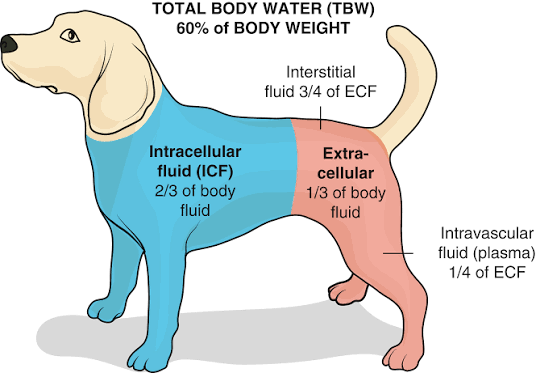
Maintenance fluid rate for Dogs
60ml/kg/d (standard), or formulas such as 132×(kg)0.75 or 30×(kg+70).
Maintenance fluid rate for Cats
40ml/kg/d (standard), or formulas such as 80×(kg)0.75 or 30×(kg+70).
Obligate diuresis conditions
Conditions like diabetes mellitus, Cushing Dz, and renal Dz where maintenance needs are higher than in healthy patients.
Lactometers
Inexpensive devices used to assess shock and microvascular perfusion.
Volume responsiveness
Indicated by an improved heart rate (HR) and/or blood pressure (BP) immediately after a fluid bolus when treating shock.
PCV/TS (Packed Cell Volume/Total Solids)
Bloodwork parameters used to assess hydration by looking for alleviation in hemoconcentration; not helpful for assessing shock.
Normal Lactate level
<2.0mmol/dL, which indicates adequate perfusion.
Lactate "washout"
A phenomenon where hyperlactatemia temporarily worsens at the first recheck because lactate moves from ischemic tissues into circulation as they are reperfused.
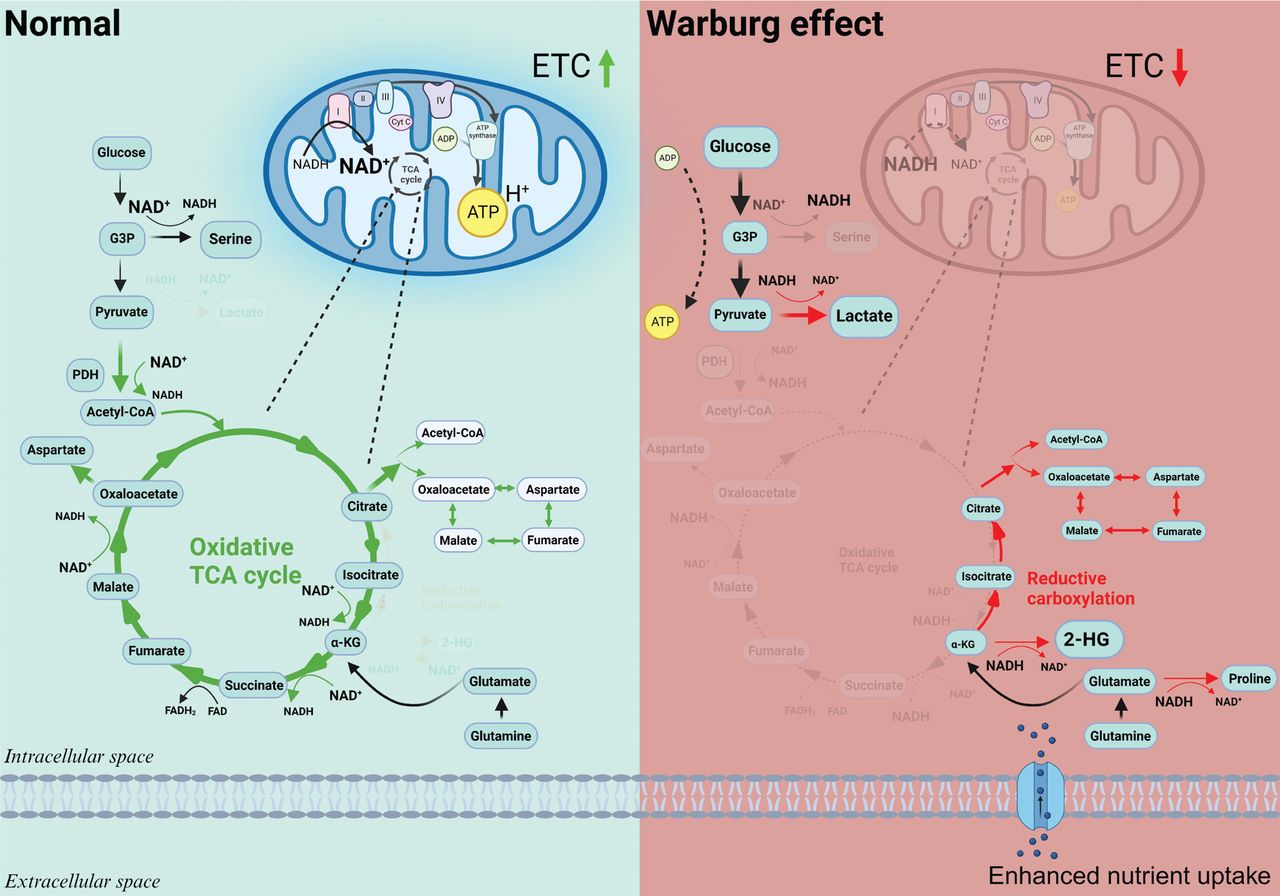
Warburg effect
Paraneoplastic hyperlactatemia associated with altered carbohydrate metabolism in some cancer patients.
USG (Urine Specific Gravity) confounders
Factors that skew USG results, including obligate diuresis, steroids, diuretics, and synthetic colloids.
Insensible (non-urinary) losses
Fluid lost through respiration, wounds, feces, and other routes, estimated at 20−25mL/kg/d.
Fluid overload monitoring
The practice of weighing the patient every 6−8h to catch excess fluid accumulation early.