bromination of arenes
 Call Kai
 Learn
Learn Practice Test
 Spaced Repetition
 Match
Match Flashcards
 Knowt Play
1/26

There's no tags or description
Looks like no tags are added yet.
Name | Mastery | Learn | Test | Matching | Spaced | Call with Kai | Chat |
|---|
No analytics yet
Send a link to your students to track their progress
27 Terms
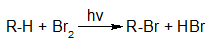
general reaction
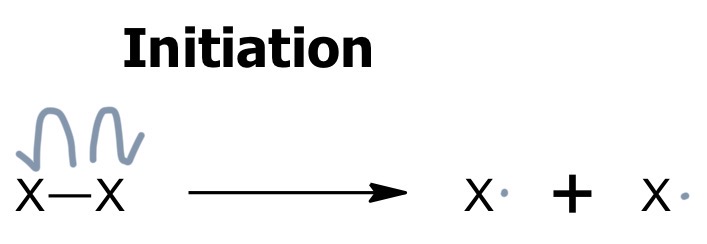
initiation
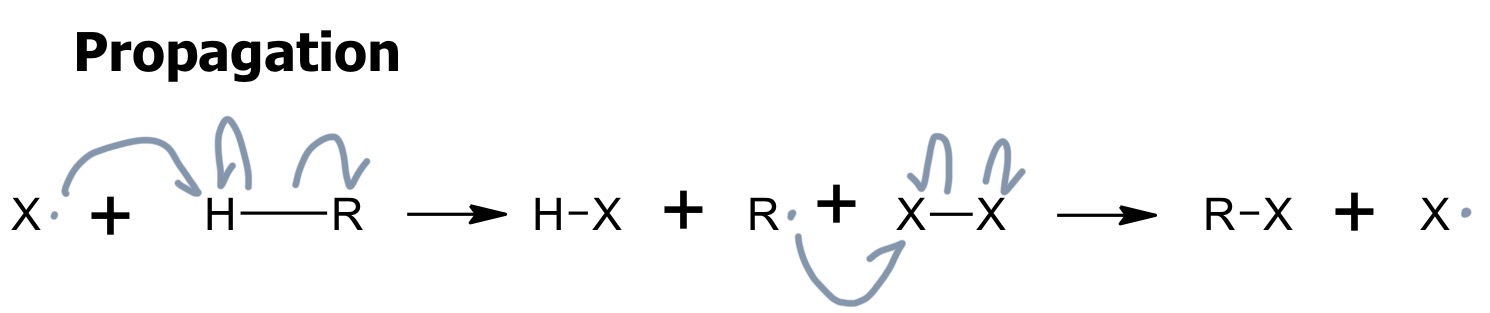
propagation
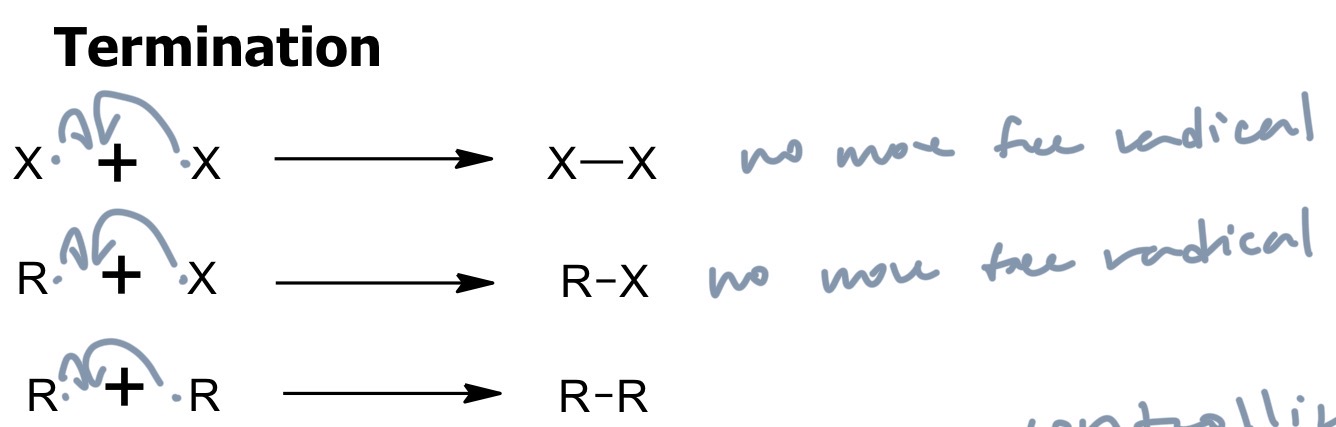
termination
hydrogen is also?
a functional group
what is a useful reaction
- need to be able to predict reaction
- want only a few final products
propane reacting with Cl2

if propane reacting with Cl2 is random, what is ratio between 2-chloropropane and 1-chloropropane
2:6 (bc of hydrogens)
if propane reacting with Cl2 is not random, what is ratio between 2-chloropropane and 1-chloropropane
55%:45%, there is a control mechanism
if there is control mechanism?
gives us tool to be able to predict reaction + results
control mechanism for this reaction is?
stability of free radical (more stable when radical is more substituted)
propane with Br2 not random ratio?
97%:3%
is Br2 reaction useful?
yes, bc it preferentially reacts w/secondary H
why use Br2 than Cl2?
Br2 reacts more selectively with secondary H + make more stable molecule
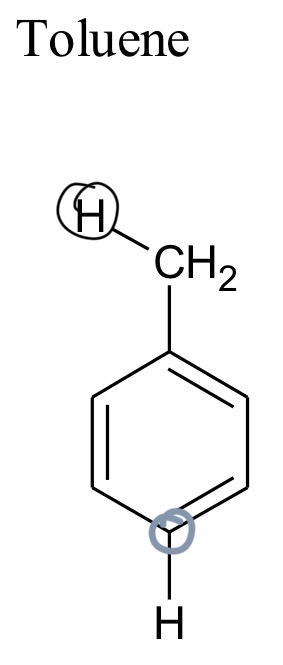
toluene
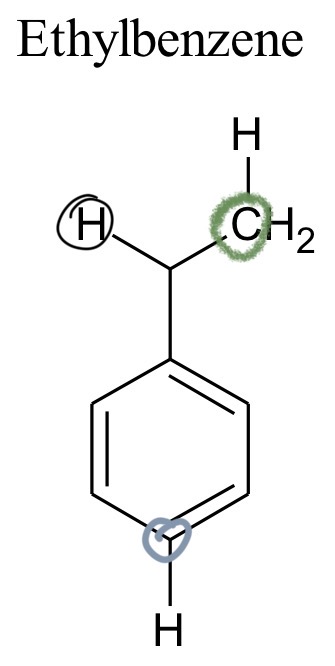
ethylbenzene
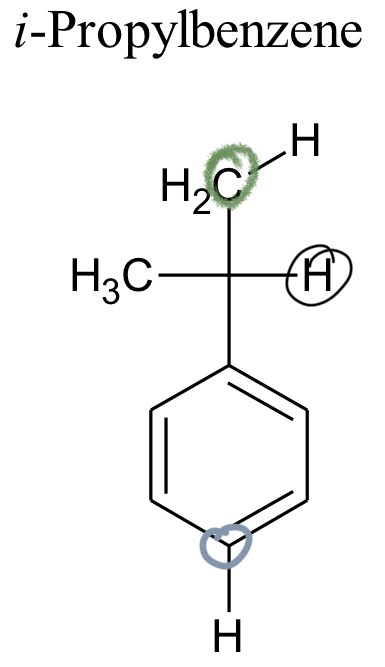
i-propylbenzene
t-butylbenzene
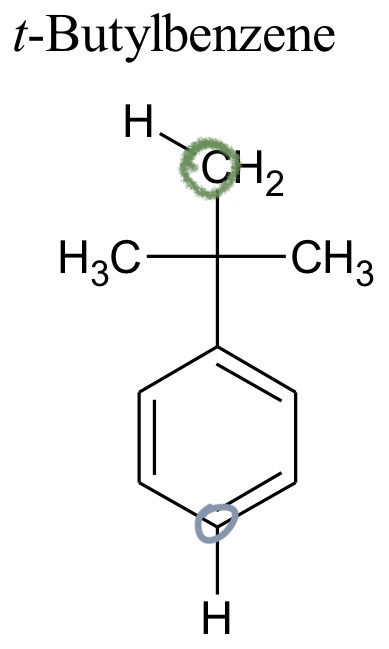
aromatic hydrogen
C-H where carbon is involved in aromatic ring
aliphatic hydrogen
sp3 hybridized carbon bonded to hydrogen and is only bonded to other sp3 carbons
benzylic hydrogen
hydrogen bonded so sp3 carbon + carbon is bonded to aromatic ring
reactivity ranking from least to most
aromatic, aliphatic, benzyllic (1, 2, 3)
aliphatic hydrogens only have what kind of carbons
primary
benzylic hydrogen have what kind of carbons
primary, secondary, and tertiary
why a substitution happens to an aliphatic H
because the C-H bond is relatively weak compared to the new bonds formed, and the carbon center often develops an electrophilic character, driving molecule to react with attacking species to reach a more stable state
why substitution happens in arenes
- Aromatic rings are highly stabilized by aromaticity
- resist addition reactions because addition would destroy aromaticity
why substitution happens in benzylic
Because benzylic radicals are resonance-stabilized