DAT Biology Section -
 Call Kai
 Learn
Learn Practice Test
 Spaced Repetition
 Match
Match Flashcards
 Knowt Play
1/156

There's no tags or description
Looks like no tags are added yet.
Name | Mastery | Learn | Test | Matching | Spaced | Call with Kai | Chat |
|---|
No analytics yet
Send a link to your students to track their progress
157 Terms
Key Decomposers
fungi & bacteria, mites/springtails, millipedes & earthworms
Biomes
biotic units that are classified by predominant plant types; at least 8 major terrestrial biomes
Tropical Rainforest - Location
rain forests restricted to equatorial zone; cover less than 2% of Earth’s surface
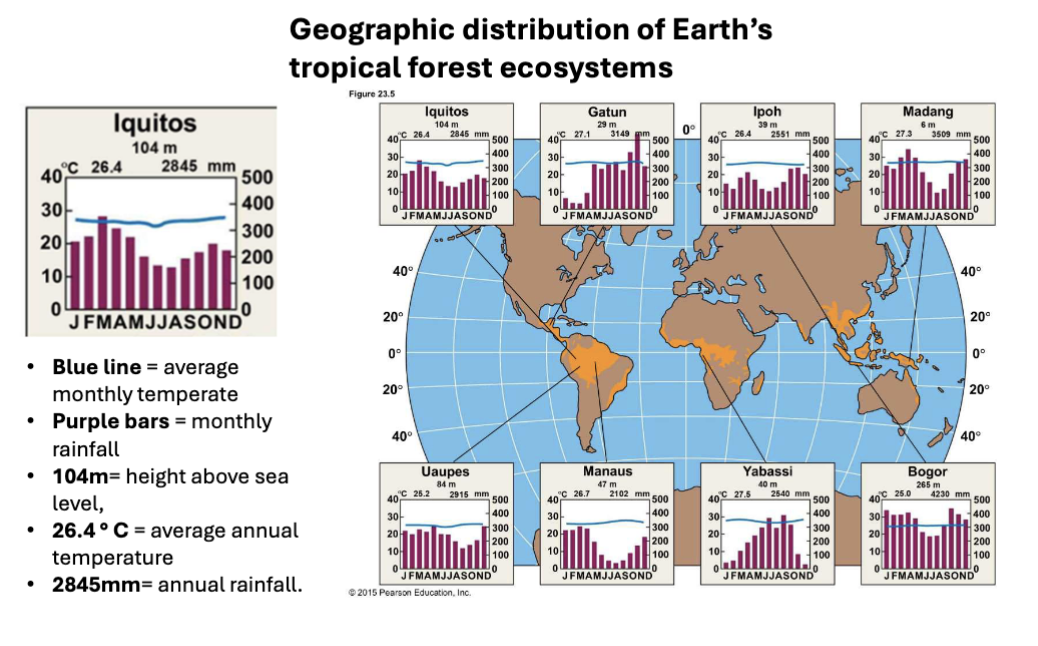
Tropical Rainforest - Climate
warm and very wet year-round
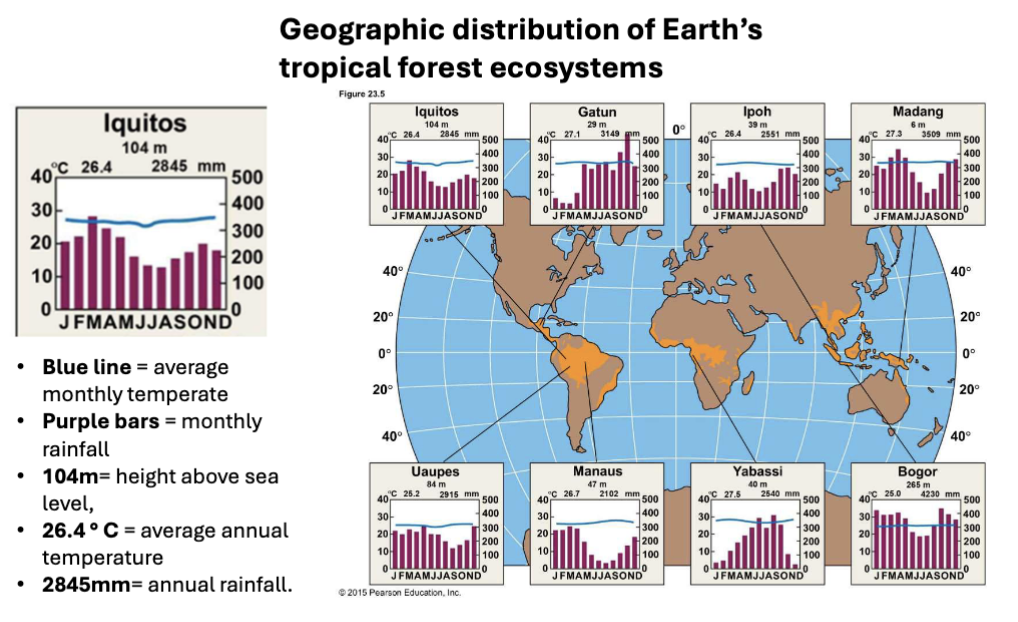
Tropical Rainforest
tall broadleaf evergreen trees, dense vegetation; high diversity of plant and animal life
Tropical Rainforest - Species
high diversity of plant and animal life; home to about 50% of all terrestrial species; most diverse and productive terrestrial ecosystems on our planet
Tropical Rainforest - Plants
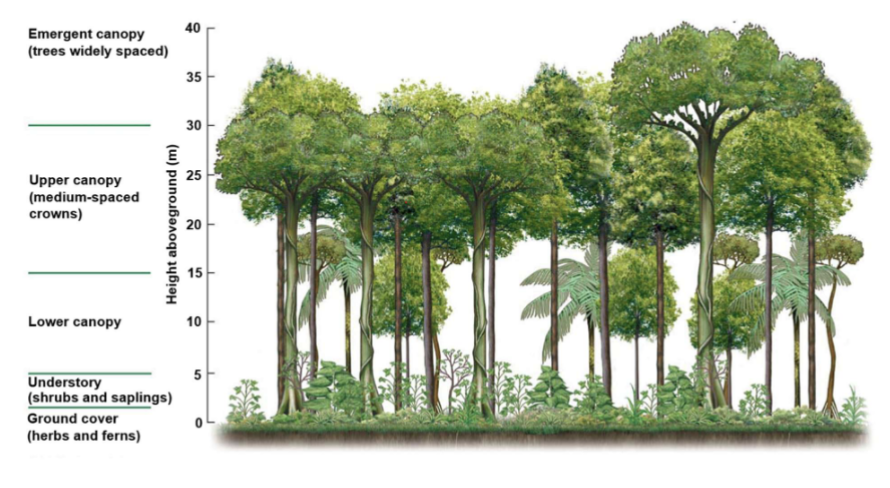
evergreen trees, climbing vine, epiphytes, strangler figs; many trees grow buttresses that function as prop roots in shallow soil that offers poor anchorage; ground cover → understory → lower canopy → upper canopy → emergent canopy
Tropical Savanna - Climate & Location
warm, semiarid regions with seasonal rainfall; wet and dry seasons
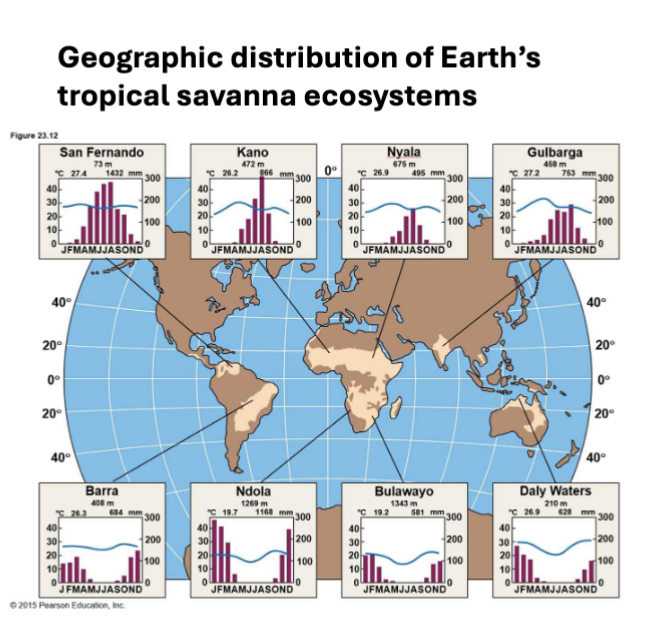
Tropical Savanna
grasses with scattered drought-resistant shrubs and trees; fire-maintained ecosystem
Tropical Savanna - Animals
large diversity of herbivores that graze or browse on vegetation; supports large number of insects, carnivores (lions, hyenas), scavengers (vultures)
Tropical Savanna - Plants
have 2-layer vertical structure (grasses and trees/shrubs); trees create small microenvironments (rescue hotspots)
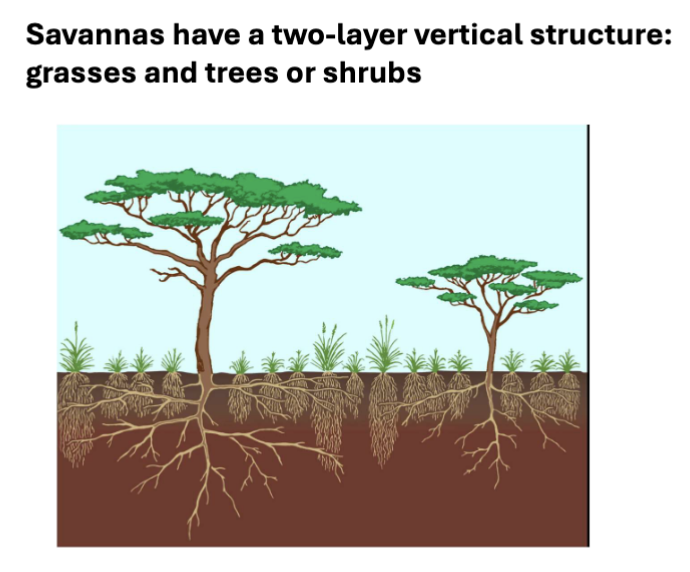
Tropical Savanna - Microenvironments
“rescue hotspots;” support more biodiversity than surrounding grassland, soil is richer (more leaf litter and nutrients), shaded ground is cooler, soil holds more moisture
Temperature Deciduous Forest - Climate & Location
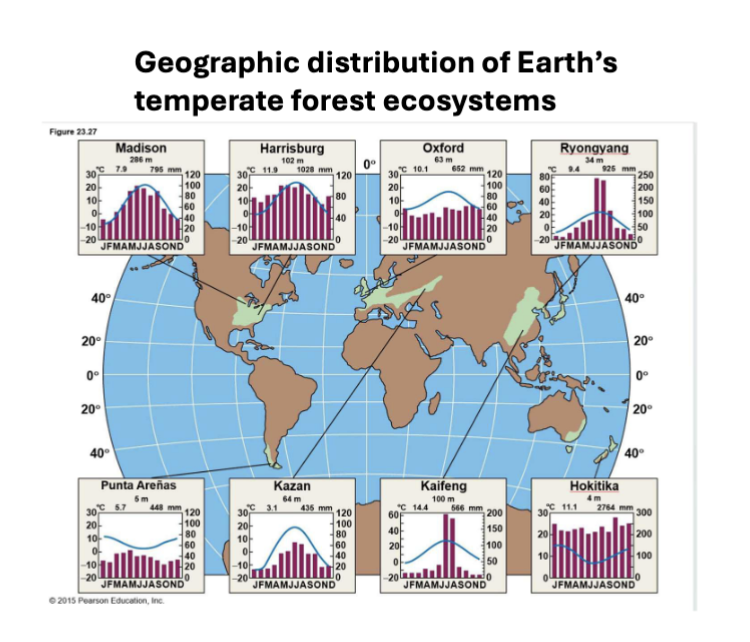
Moderate temp + rainfall, four seasons
Temperature Deciduous Forest - Plants
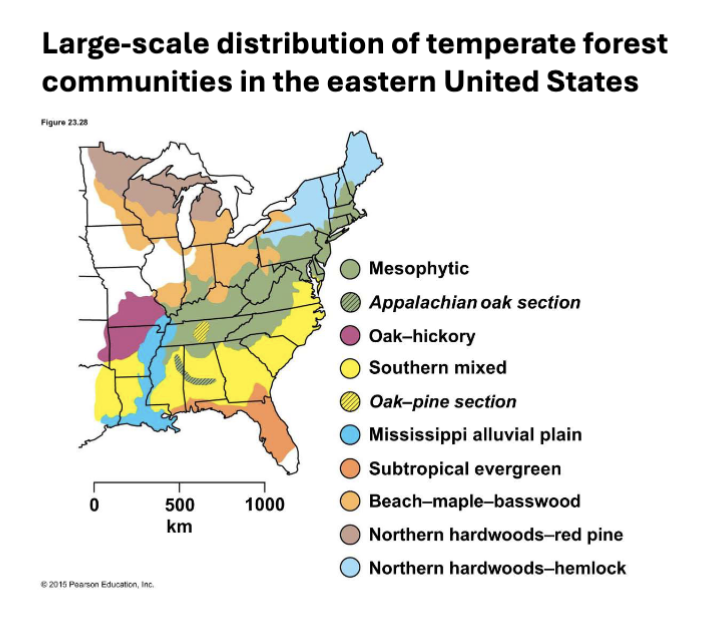
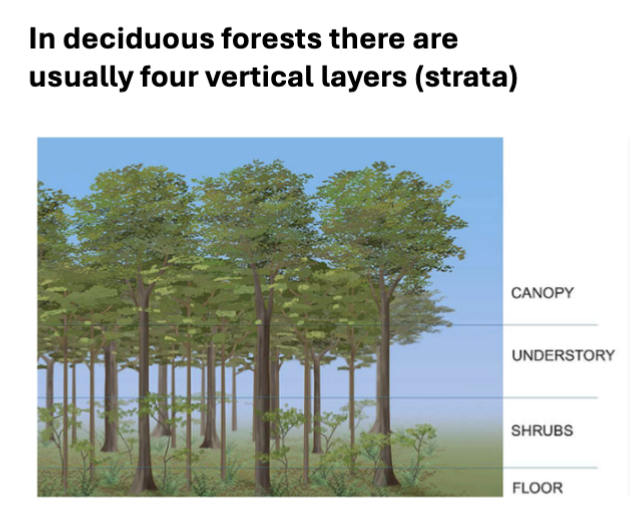
broadleaf deciduous trees dominate; seasonal changes affect plant growth; usually 4 vertical layers/strata: floor → shrubs → understory → canopy
Temperature Deciduous Forest - Nutrients
rich soils and understory of shrubs, ferns, and wildflowers
Temperature Deciduous Forest - Animals
seasonal changes affect animal behavior; diversity of animal life is associated with vertical stratification and plant growth forms; highest diversity occurs on and just below ground layer
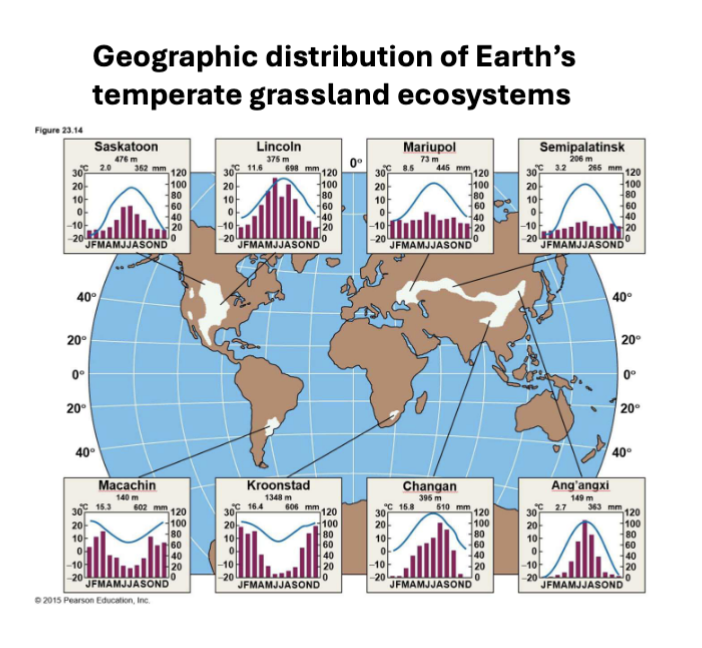
Temperate Grasslands - Climate & Location
moderate temp, low precipitation; often experience drought as they occur in regions where annual precipitation is reduced as air masses more inland; original extent of shortgrass, mixed-grass, and tallgrass prairies in North America before arrival of Europeans
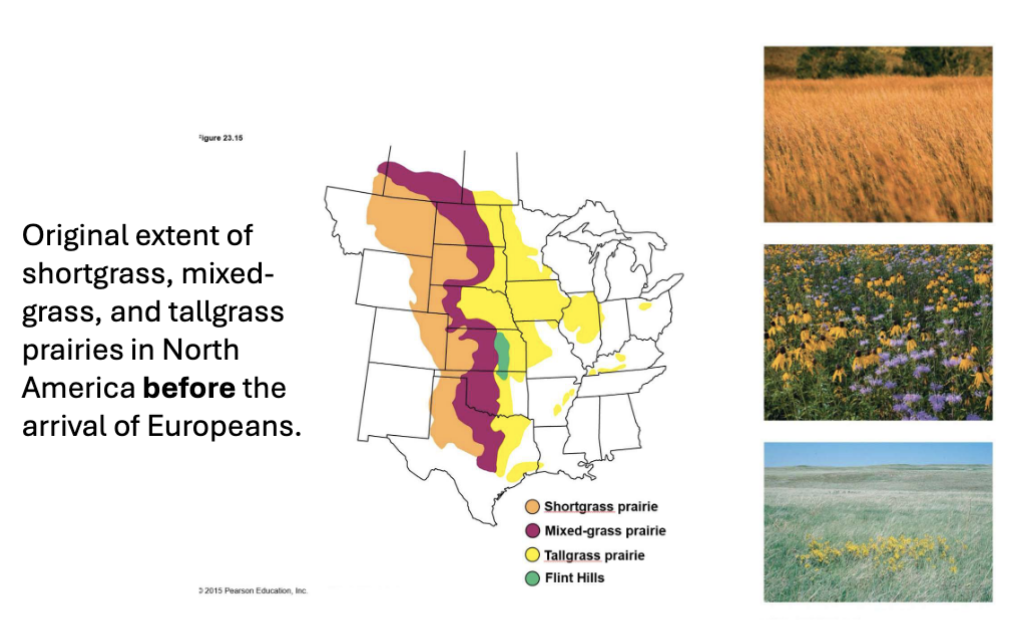
Temperate Grasslands - Animals
dominated by herbivorous species; insects, large grazers, burrowing mammals
Temperate Grasslands - Grazing
grasslands evolved under selective pressures of grazing; stimulates primary production; moderate grazing can stimulate grass growth, but heavy grazing reduces productivity
Temperate Grasslands - Plants
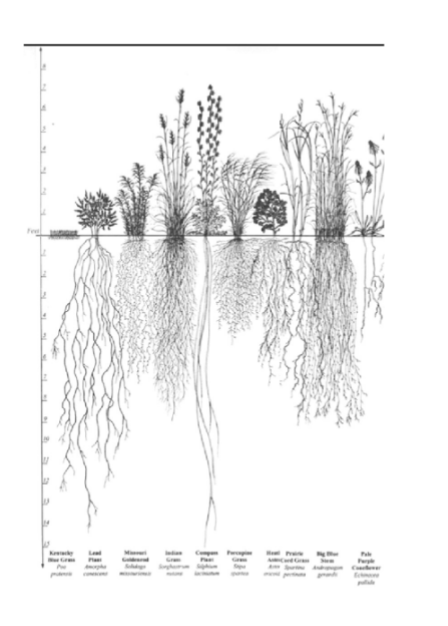
3 strata in grassland: herbaceous plants, ground cover, and belowground root layer (can make up more than half of plant biomass and extends deep into soil
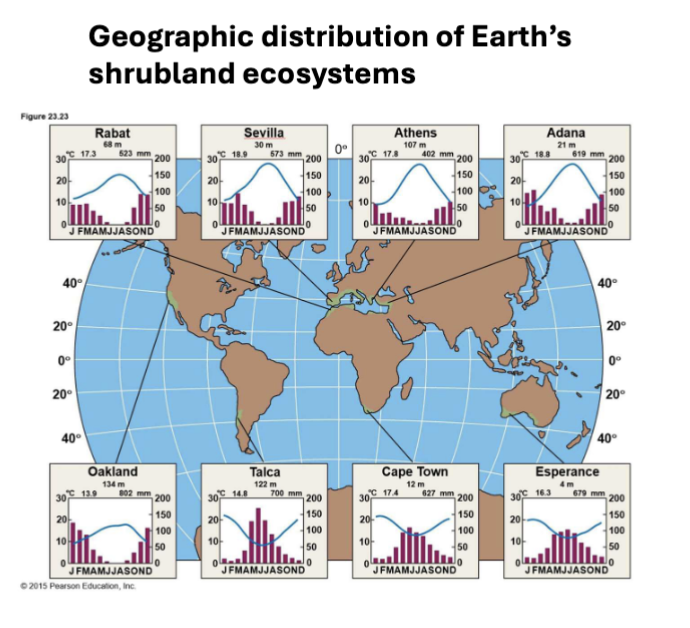
Shrublands - Climate & Location
hot, dry summers + cool, wet winters
Shrublands - Plants
shrubs and dwarf trees dominate; plants are adapted to fire and low nutrients; sclerophyllous plants are characteristic of shrublands
Shrublands - Sclerophyllous Plants
have thick, tough, and leathery leaves with waxy coating that helps reduce water loss
Shrublands - Nutrients
soils are generally deficient in nutrients
Shrublands - Animals
drought-tolerant mammals, birds, and reptiles that use shrubs for food and shelter
Deserts - Climate & Location
very low precipitation, can be hot (Sahara) or cold (Gobi); high evaporation rates → extremely dry conditions
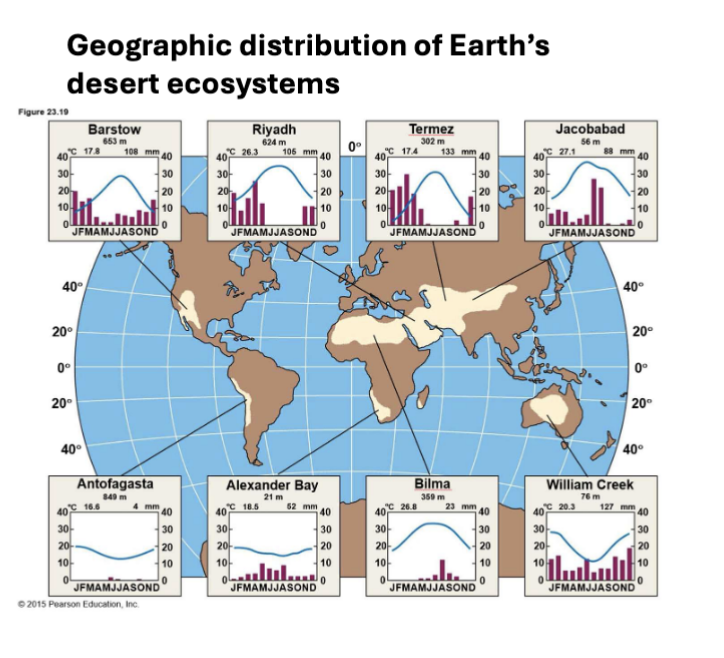
Hot Deserts - Plants
plants have adaptations to very arid climate; hot deserts range from those lacking vegetation to ones with some combination of herbs, dwarf shrubs, and succulents
Hot Deserts - Animals
animals have adaptations to very arid climate; animals avoid heat and conserve water; ex: Kangaroo rat gets water from seeds, never drinks
Cold Deserts - Plants
plants have adaptations to very arid climate; cold deserts range from vegetation dominated by sagebush, shadscale, woody shrubs and grasses adapted to cold, dry conditions
Cold Deserts - Animals
animals have adaptations to very arid climate; animals conserve heat and survive long dormant seasons; ex: Bighorn sheep has thick, insulated coat, can go long periods without drinking
Boreal Forest (Taiga) - Climate & Location
cold, long winters, short summers, about 6-10 wks warm enough to photosynthesize; primarily occupies formerly glaciated land; as temp decreases and growing seasons shorten toward Arctic, trees become fewer, shorter, and more widely spaced
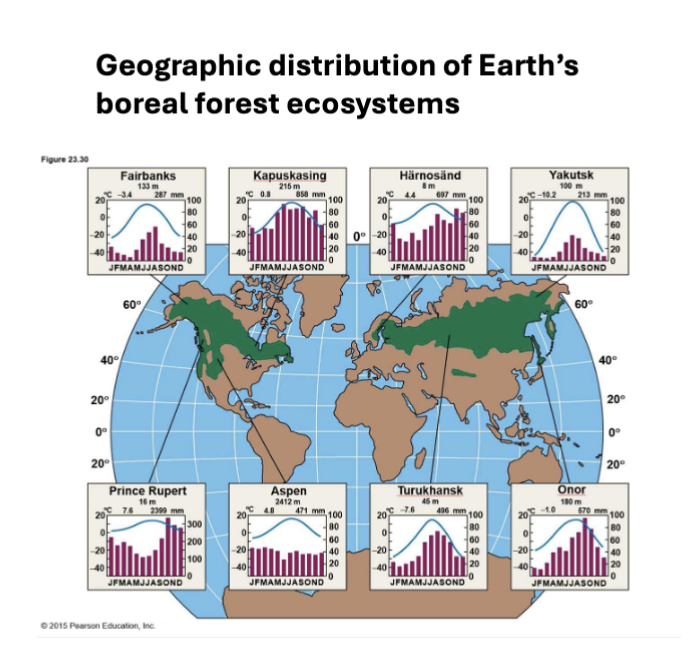
Boreal Forest (Taiga) - Plants
dominated by evergreen conifers, needles prevent water loss, conical shape sheds snow; as temp decreases and growing seasons shorten toward Arctic, trees become fewer, shorter, and more widely spaced
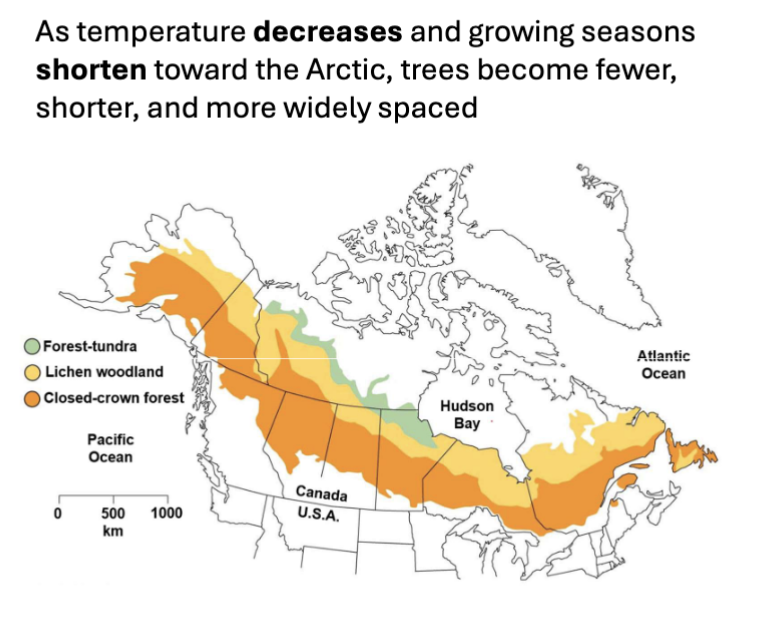
Boreal Forest (Taiga) - Animals
unique animal community; herbivores include caribou, moose, snowshoe hare, red squirrels, and porcupine; predators include wolf, lynx, pine martin, and owls
Tundra - Climate & Location
very cold, very low precipitation
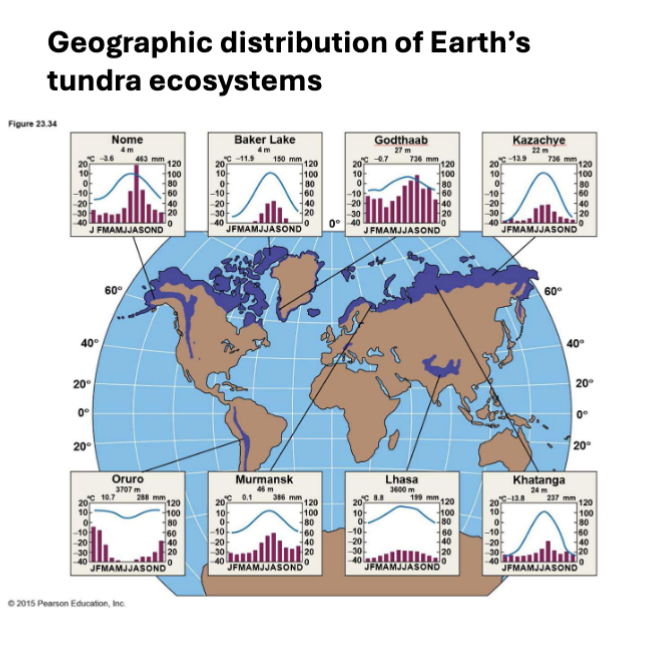
Tundra - Plants
dominated by small shrubs, grasses, herbs, mosses, and lichens; vegetation structure is simple; few species and slow growth; only species that can withstand constant soil disturbance, buffeting by wind, and abrasion by wind-carried particles of soil and ice can survive; arctic plants propagate almost entirely by vegetative means
Tundra - Animals
low animal diversity, dominant vertebrates are herbivores
What monosaccharides compose lactose?
Glucose and galactose
What monosaccharides compose maltose?
Glucose and glucose
What monosaccharides compose sucrose?
Glucose and fructose
Porphyrins
In assossiation with lipids, composed of 4 pyrrole rings with a metal atom in the center (e.g. haemoglobin -iron- and chlorophyll -magnesium-)
Disulfide bonds are created by
covalent bonding between 2 R-groups of cysteine amino acids; unique to proteins in organic molecules
kinase
transfers a phosphate from an ATP to a molecule
phosphatease
catalyzes the removal of a phosphate from a molecule
transferase
transfer functional groups to another molecule
hydrolase
category of enzymes that breakdown molecules using water; lipase, peptidase, nuclease, and amylase break down macro molecules
3 high yield petidases:
trypsin, chymotrypsin, and pepsin
synthase
catalyze synthesis of new compounds
ligase
seals together bonds
endonuclease
cuts DNA in the middle of the chain
exonuclease
cuts nucleotides one at a time from the ends of a DNA chain, needs a free 3’ or 5’ end
Phosphofructokinase
rate-limiting enzyme for glycolysis
Melatonin
Released by pineal gland
amino acid derivative
regulates circadian rhythm (sleep cycle)
Oxytocin
synthesized by hypothalamus and stored in posterior pituitary gland
peptide hormone
stims uterine contractions during labor and milk ejection during lactation
stims emotional bonding and reduces stress; “love hormone”
Vasopressin (ADH)
antidiuretic hormone
synthesized by hypothalamus and stored in posterior pituitary gland
peptide hormone
increases water absorption in kidneys to maintain blood/water levels
GnRH
Gonadotropin-releasing hormone
from hypothalamus, sent to anterior pituitary gland
peptide hormone
stimulates APG to release FSH and LH
FSH
follicle-stimulating hormone
made in anterior pituitary gland
peptide hormone
stimulates spermatogenesis in males and estrogen release in females
LH
luteinizing hormone
made in anterior pituitary gland
peptide hormone
stimulates testosterone release in males and progesterone release in females, triggers ovulation in females, and forms the corpus luteum (which produces progesterone to support early pregnancy)
TSH
thyroid-stimulating hormone
made in anterior pituitary gland
peptide hormone
stimulates thyroid gland to release T3 and T4
ACTH
adrenocorticotropic hormone
made in anterior pituitary gland
peptide hormone
stimulates adrenal cortex (in kidney) to release glucocorticoids
Prolactin
made in anterior pituitary gland
peptide hormone
stimulates mammary gland cells to produce milk
GH
growth hormone
made in anterior pituitary gland
peptide hormone
stimulates bone and muscle growth and various metabolic functions
MSH
melanocyte-stimulating hormone
made in anterior pituitary gland
peptide hormone
stimulates melanocytes to produce melanin (protects against UV radiation)
T3 and T4
thyroid hormones
increases metabolic rate, requires iodine for synthesis
Calcitonin
secreted by thyroid gland
peptide hormone
lowers blood calcium levels by building up bone, halts osteoclasts and encourages osteoblasts
PTH
secreted by parathyroid hormone
peptide hormone
raises blood calcium levels by breaking down bone, halts osteoblasts, encourages osteoclasts
Thymosin
secreted by thymus
peptide hormone
stimulates T-lymphocyte development
Epinephrine/norepinephrine
secreted by adrenal medulla (inside adrenal gland on kidneys)
catecholamines
raises blood glucose level, increases metabolic activities, alters blood flow to prioritize fight or flight organs
Glucocorticoids (cortisol)
secreted by adrenal cortex (on kidneys)
steroid hormone
raises blood glucose level
Mineralocorticoids (aldosterone)
secreted by adrenal cortex (on kidneys)
steroid hormone
promotes reabsorption of Na+ in kidneys; increases water retention and raises blood pressure
Cortical Androgens
secreted by adrenal cortex (on kidneys)
steroid hormone
low amounts of testosterone and estrogen
Insulin
secreted by pancreas
peptide hormone
lowers blood glucose level and stimulates glucose storage
Glucagon
secreted by pancreas
peptide hormone
raises blood glucose level and stimulates glucose production
Somatostatin
secreted by pancreas
peptide hormone
inhibits release of insulin, glucagon, and GI hormones; decreases gastric motility
Estrogen
secreted by ovaries
steroid hormone
regulates menstrual cycle; promotes development and maintenance of female secondary sex characteristics
Progesterone
secreted by ovaries
steroid hormone
maintains early pregnancy and regulates uterine lining thickness
Testosterone
secreted by testes
steroid hormone
supports sperm formation; increases muscle mass; promotes development and maintenance of male secondary sex characteristics
p53 gene
suppresses tumors by preventing cells with damaged DNA from dividing
Start Codon
AUG
Stop codons
UAG, UAA, UGA
Never Let Monkeys Eat Bananas
Ranking for WBC count from highest to lowest:
Neutrophils > Lymphocytes > Monocytes > Eosinophils > Basophils
IgG
most abundant class of antibody, can cross the placenta
IgA
class of antibody found in breast milk and mucosa
IgM
the first class of antibodies produced after initial exposure to antigens
IgE
class of antibody related to allergies
IgD
class of antibody where function is not fully understood
FLAT PiG
Anterior pituitary hormones:
FSH, LH, ACTH, TSH, Prolactin, Growth hormone (HGH)
Deuterostome cleavage:
indeterminate and radial
Oparin and Haldane’s Hypothesis
Organic molecules formed from inorganic molecules interacting with lightning & UV radiation; most likely caused by tide pools heating up and water evaporating to expose/condense the inorganic molecules
Miller and Urey’s Experiment
confirmed amino acids could be formed from UV and lightning interacting with inorganic molecules similar to early Earth’s atmosphere
Georges Cuvier
Proposed catastrophism: Earth’s history is shaped by major geologic catastrophic events that happened in a short period of time (meteors, super volcanoes, etc) leading to mass extinctions and impacting ecosystems/evolution drastically
Uniformitarianism/Gradualism
U: changes to earth happened via small-scale processes over a long period of time (such as the movement of tectonic plates)
G: evolution of organisms happens via small scale processes (genetic changes) over a long period of time
Inheritance of Acquired Characteristics
Lamarck’s Theory: used traits are passed to offspring and disused traits are not passed to offspring + natural transformation of species
Ex: you build muscle and your children are muscular; you don’t use certain teeth, and your children don’t have those teeth
Natural Transformation of Species
Part of Lamarck’s Inheritance of Acquired Characteristics Theory; proposed that offspring become more complex than their preceding generation and that organisms do not become extinct or split off into more species
Survival of the Fittest
Natural Selection - Darwin + Wallace:
pressure of environment increases fitness by selecting for advantageous traits that are passed to offspring
Decent with Modification: variation is within populations and traits get selected to eventually produce modified offspring, many changes over a long period of time can give rise to evolved populations or new species
Synthetic Theory of Evolution
modern understanding of Darwin’s theory
genetic mutations produce variations
genes are passed to future generations, not phenotypes
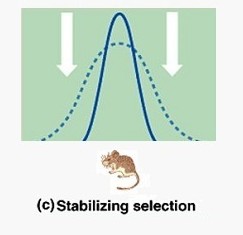
Stabilizing Selection
Narrow bell curve, the average version of a trait is most advantageous
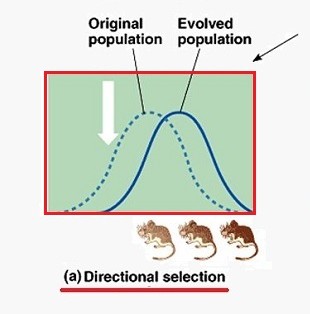
Directional Selection
The bell curve has shifted towards one of the extremes
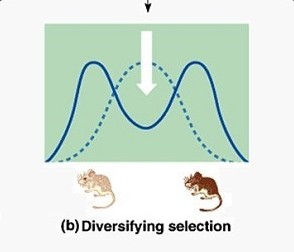
Disruptive Selection
The bell curve has split into 2 curves that shifted towards the 2 extremes, average trait is not advantageous
Sexual Selection
differential mating of males and females can cause specific traits to be selected more frequently; leads to sexual dimorphism
ex: large antlers on male deer and healthy coats on female deer
Intrasexual Selection
selection within the same sex via competition of mating opportunities; usually male behavior
ex: male deer fighting each other