EEX3093 EXAM 1
 Call Kai
 Learn
Learn Practice Test
 Spaced Repetition
 Match
Match Flashcards
 Knowt Play
1/63

There's no tags or description
Looks like no tags are added yet.
Name | Mastery | Learn | Test | Matching | Spaced | Call with Kai | Chat |
|---|
No analytics yet
Send a link to your students to track their progress
64 Terms
Social Model of Disability
suggests that if societies were set up in a way that was accessible for people with disabilities, those individuals would not be restricted from full participation in the world around them
individual limitations are not the cause of disability
it’s society’s failure to provide appropriate services and ensure that the needs of people with disabilities are taken into account
developed by individuals with disabilities as a response to the medical model
Medical Model of Disability
looks to diagnose and cure
views disability as being caused by a physical, mental, or sensory impairment
views the individual as “normal” or “not normal”
focus is to cure the effect of the impairment
may foster existing prejudices
Tragedy Charity Model
looks at individuals with disabilities as victims of a particular circumstance in need of our pity
traditionally used by charities for fundraising purposes
has the propensity to lower the self-esteem of the person with the disability
based in the medciak model - assumes care is needed
Religious-moral Model
draws on certain cultural beliefs grounded in religion and morality
disability may be viewed as a punishment for past sins or the result of an evil spirit / necessary infliction for some future spiritual award
Economic Model
disability is defined by a person’s ability or inability to work
assesses the degree to which impairment affects an individual’s productivity and the economic consequences for the individual, employer, and the state
often used by policymakers to assess distribution of support and funding
Customer Empowering Model
the customer aka person with a disability decides and chooses services based on what they think is appropriate for them and their needs
wants the financial resources under the control of the individual and their family
Stigma
a mark of disgrace associated with a particular circumstance, quality, or person
a set of negative and unfair beliefs that a society or group of people have about something
Prejudice
“pre judging” / emotional reaction
an attitude with an emotional response that can be positive or negative
hostile or negative attitude toward a group of people based solely on their membership in a particular group
Stereotyping
a cognitive function
generalizations about a group of people in which identical characteristics are assigned to virtually all members of the group, whether it has a basic or not
Why do we have stereotypes?
we categorize information according to what we regard as normal
we use them to simplify our social world and reduce the amount of processing or thinking we have to do when meeting a new person
What happens when we stereotype?
what’s wrong with stereotyping?
You don’t see the person’s individuality beyond their label
Subtyping
keeps our stereotype safe
Discrimination
behavioral act
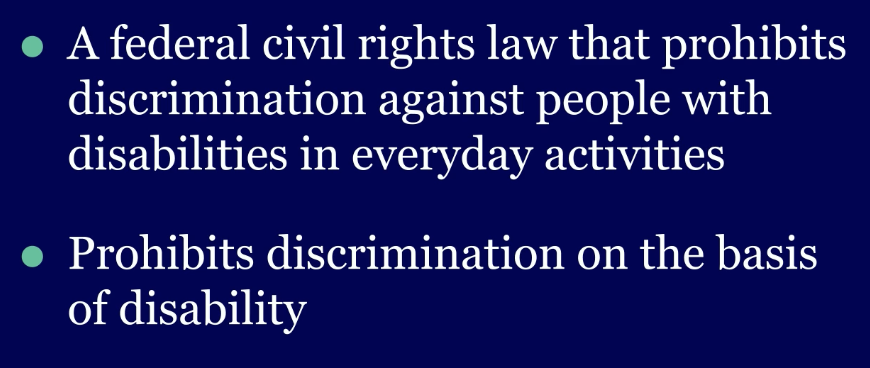
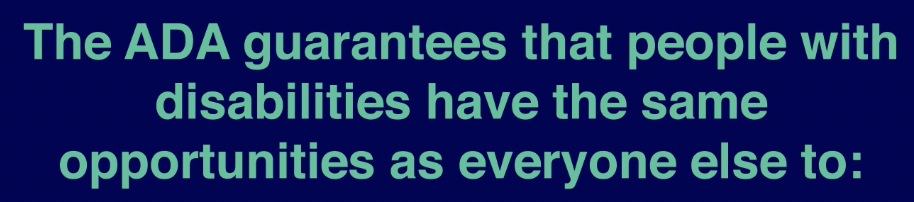
Americans with Disabilities Act (ADA)
signed into law on July 26th, 1990
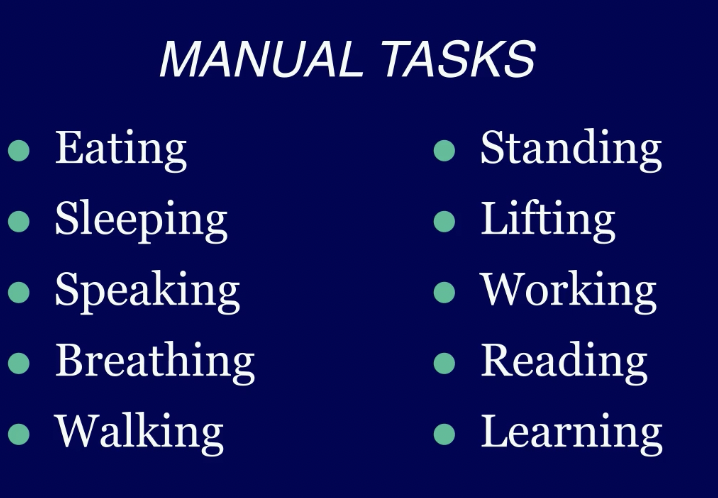
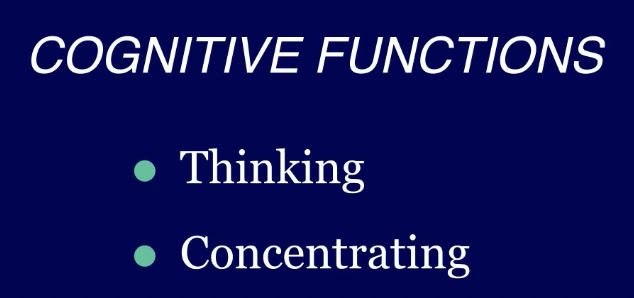
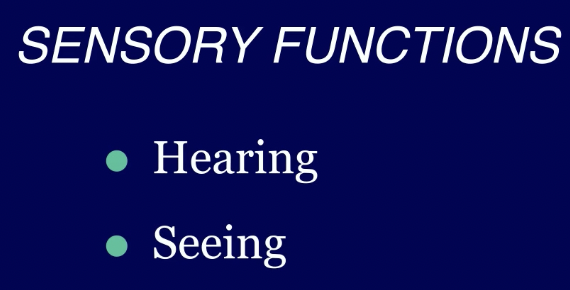
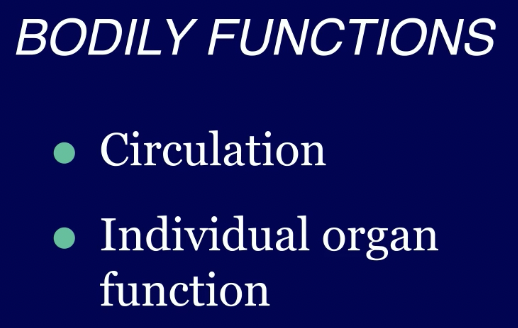
Disability
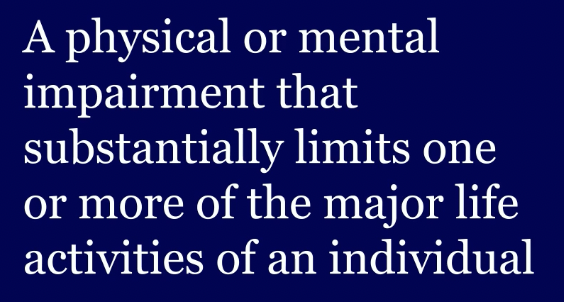
Major life activities
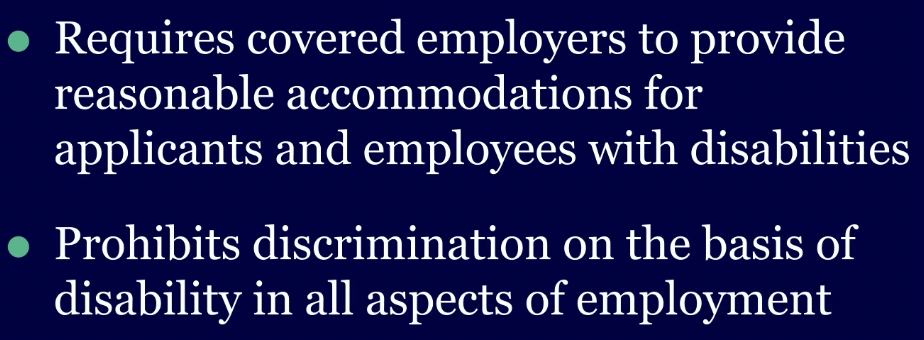
ADA Title I
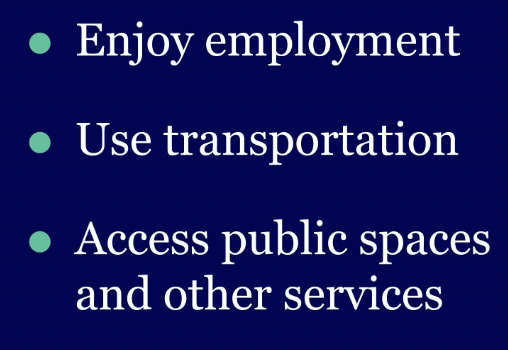
Employment
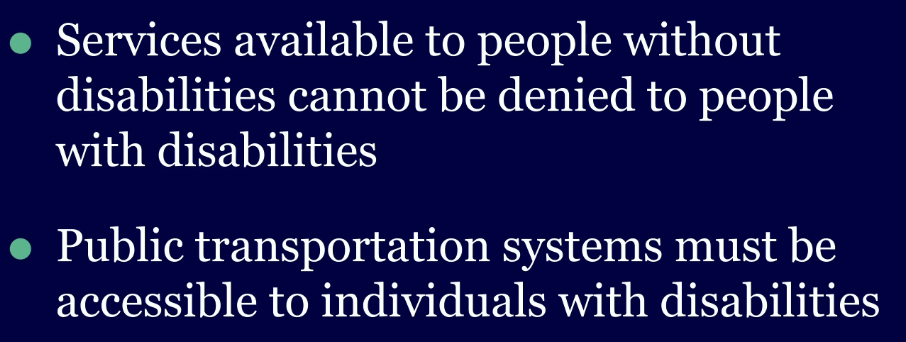
ADA Title II
Public services
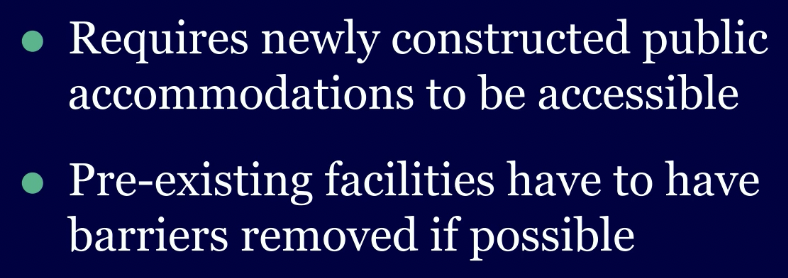
ADA Title III
Public Accomodations
ADA Title IV
Telecommunications

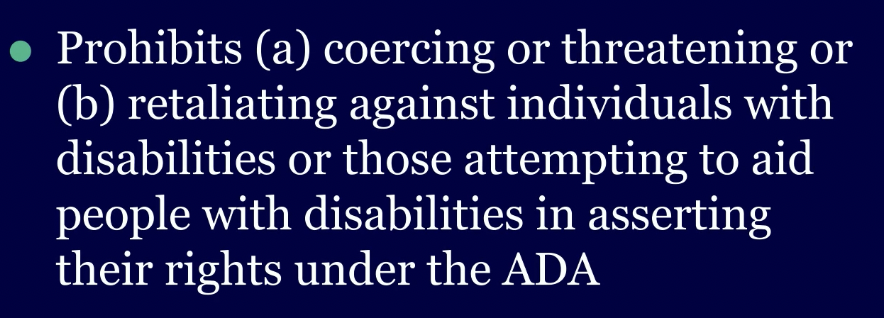
ADA Title V
Individuals with Disabilities Education Act (IDEA)
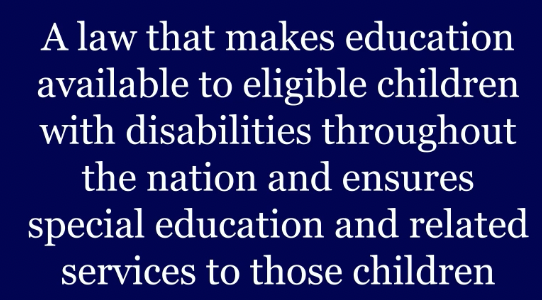
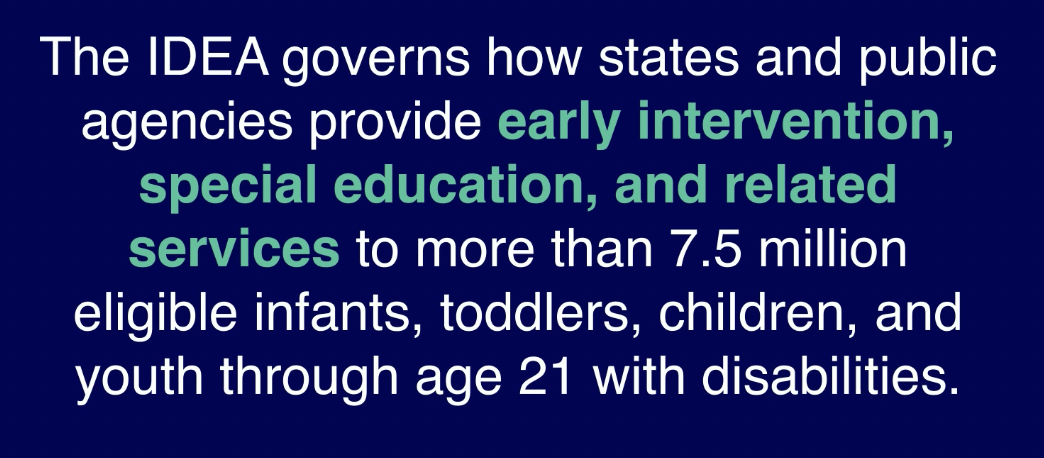
The IDEA governs
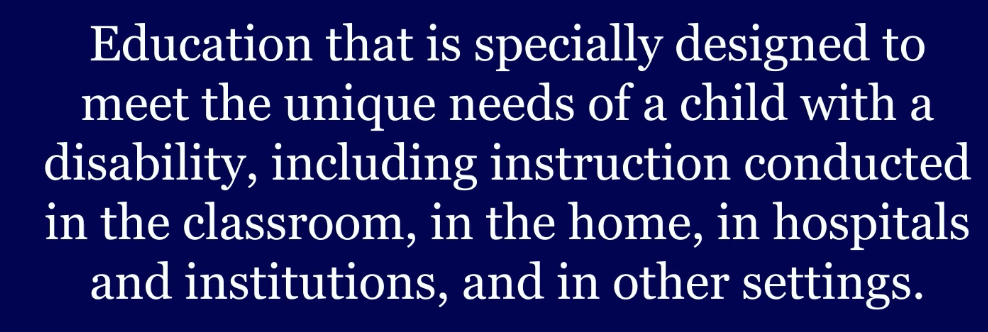
What is special education?
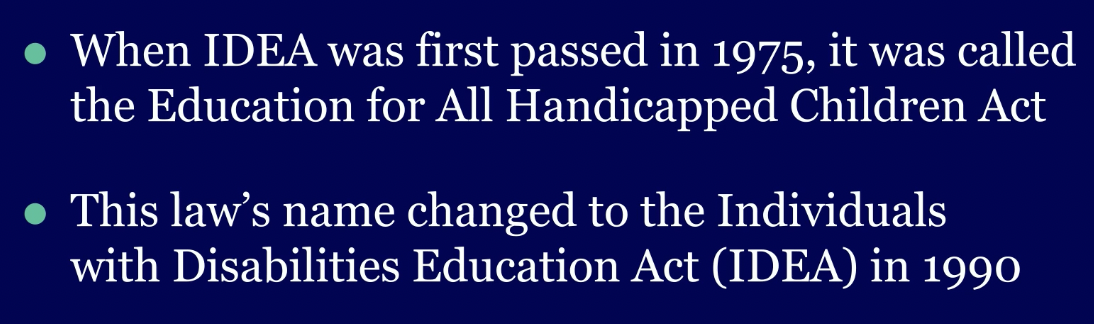
EAHCA: Education for All Handicapped Children Act
FAPE: Free Appropriate Public Education

IEP: Individualized Education Program
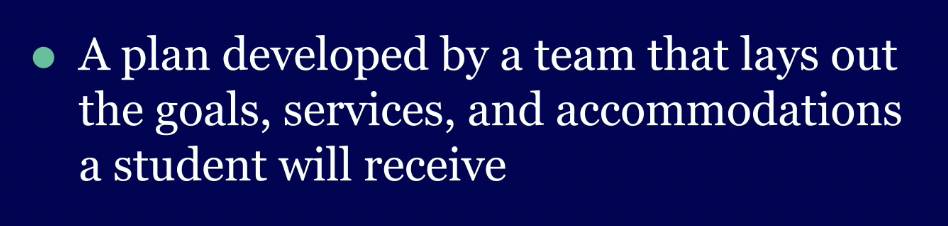
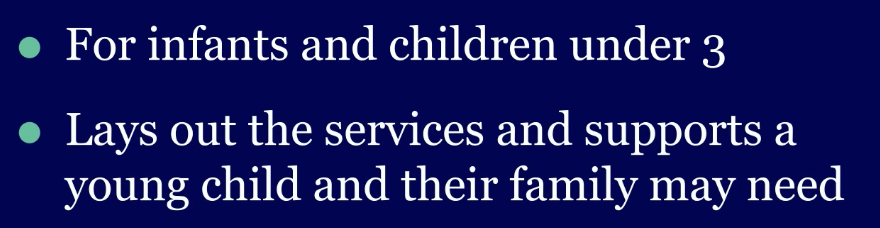
ISFP: Individualized Family Service Plan
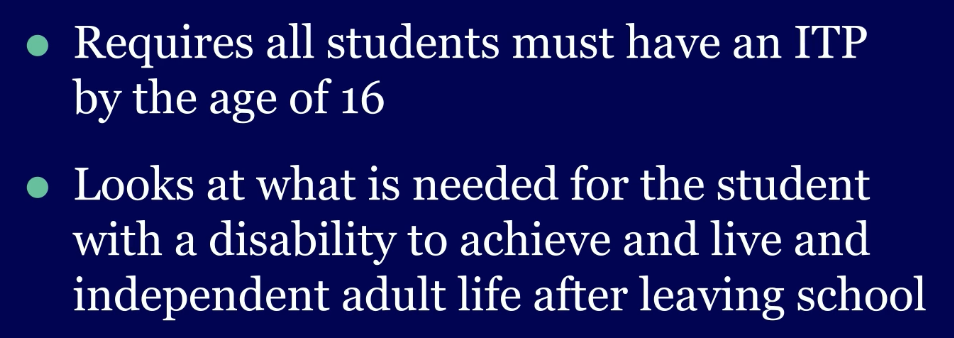
ITP: Individual Transition Plan
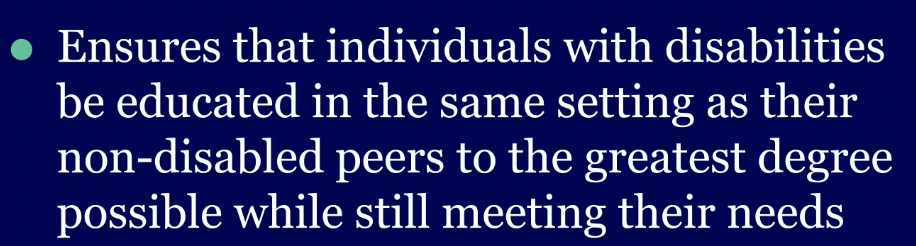
LRE: Least Restrictive Environment
ADA accommodations must be
reasonable
cannot impose an undue hardship
= remove workplace barriers without costing the employer a significant amount of $
determined on a case by case basis
Groups exempt from the ADA
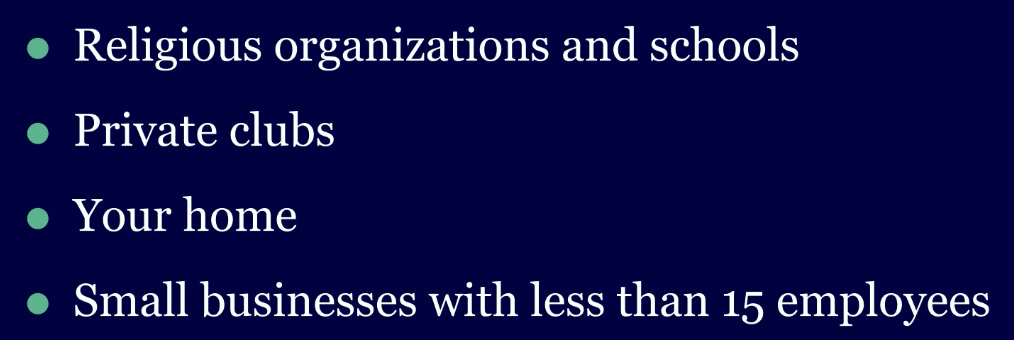
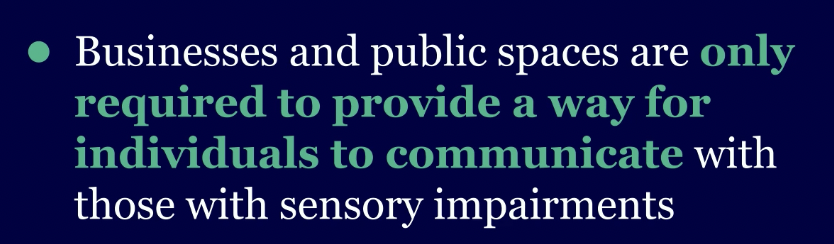
If the small business or home conducts business related to legal, health, or financial matters,
then those businesses, regardless of size or location, must adhere to ADA requirements regardless of the numbers of employees
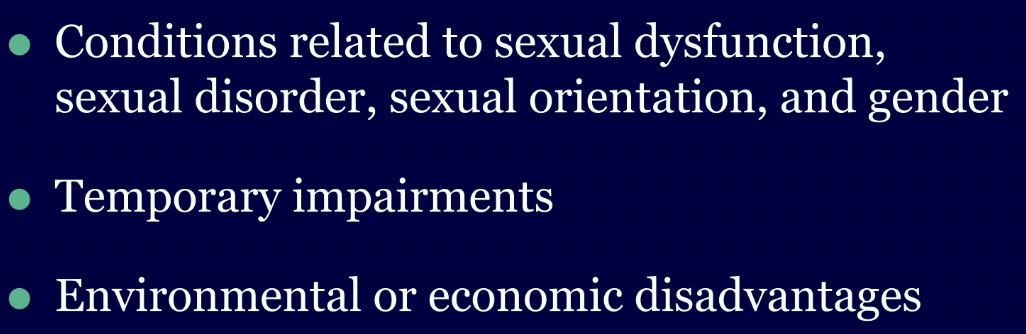
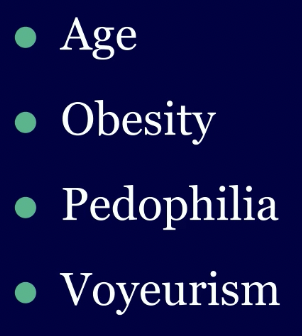
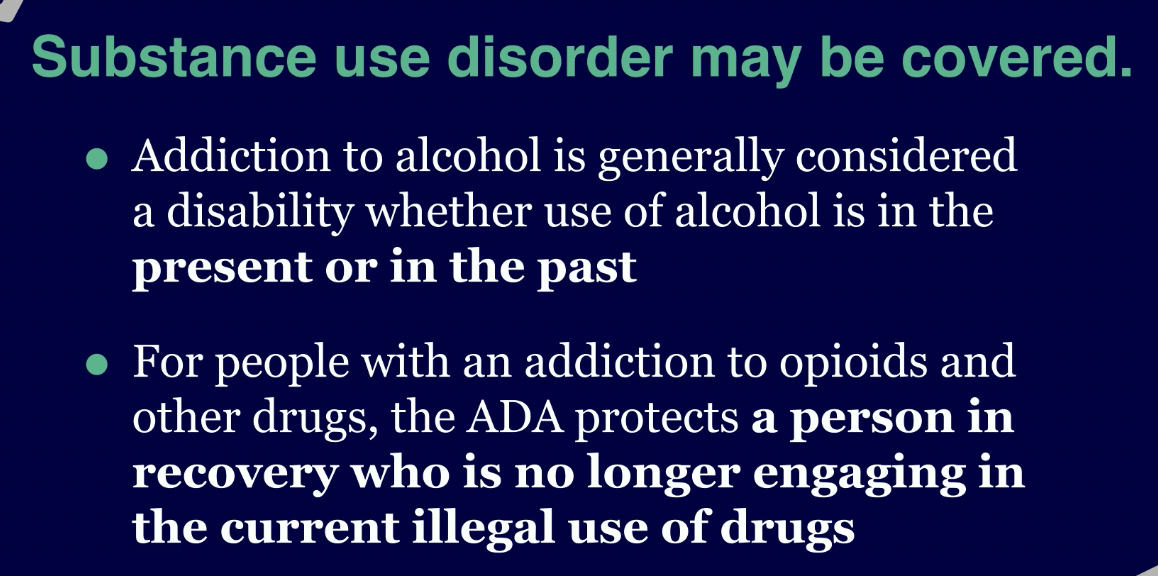
What conditions are not covered under the ADA?
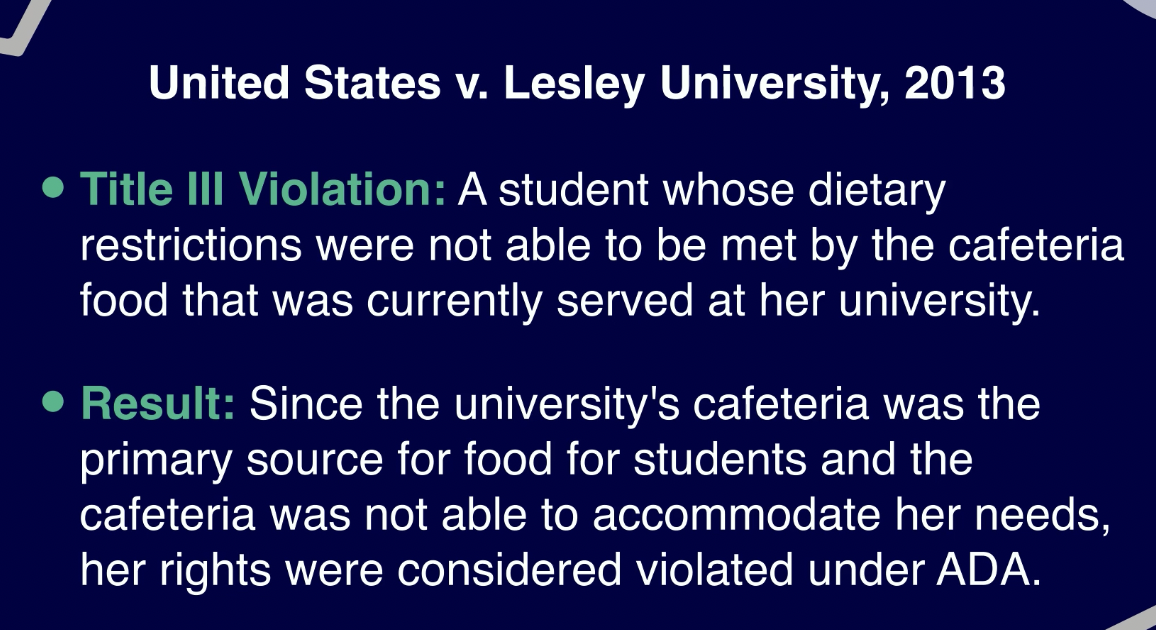
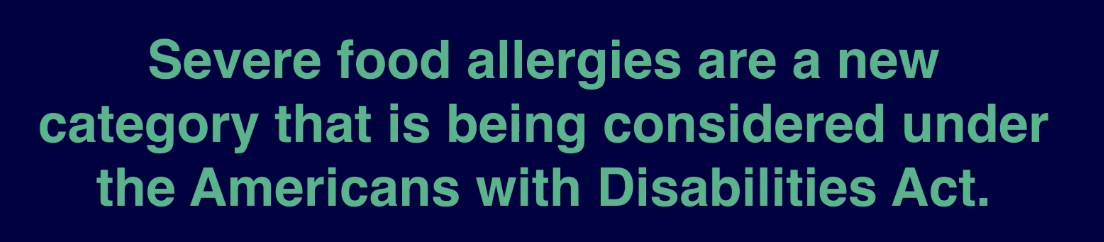
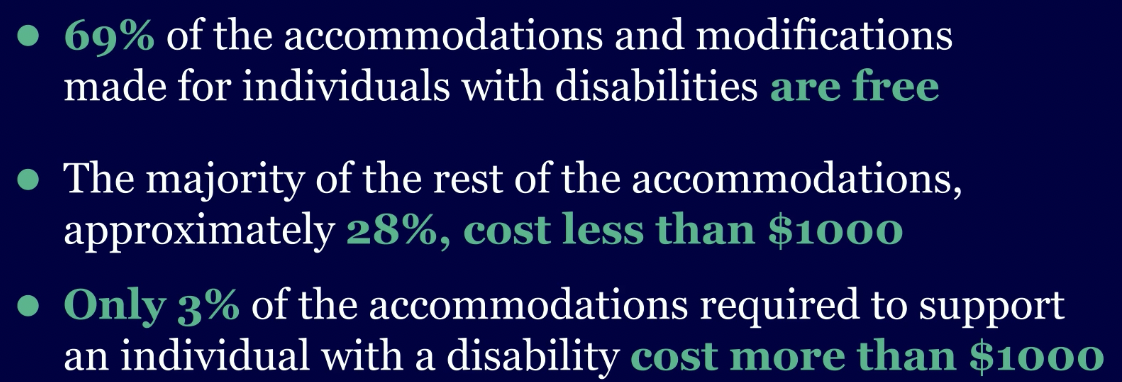
Myth #1: Accommodating workers with disabilities costs too much money

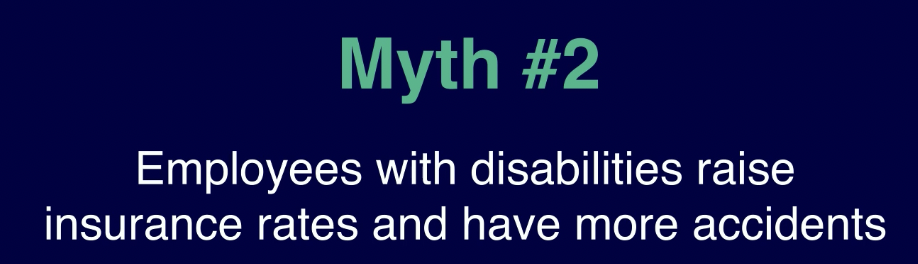
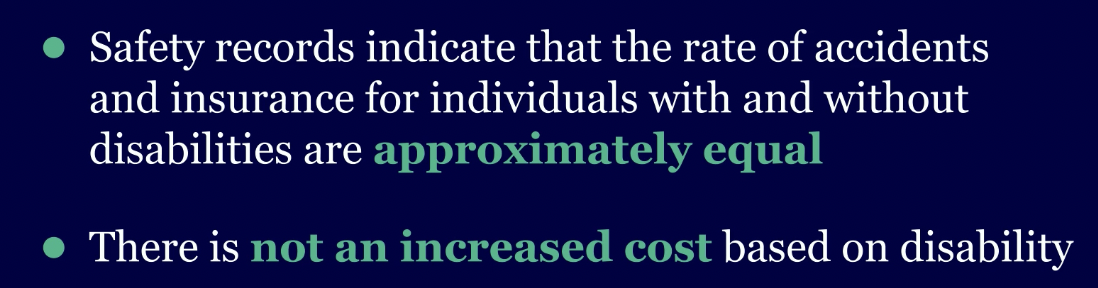
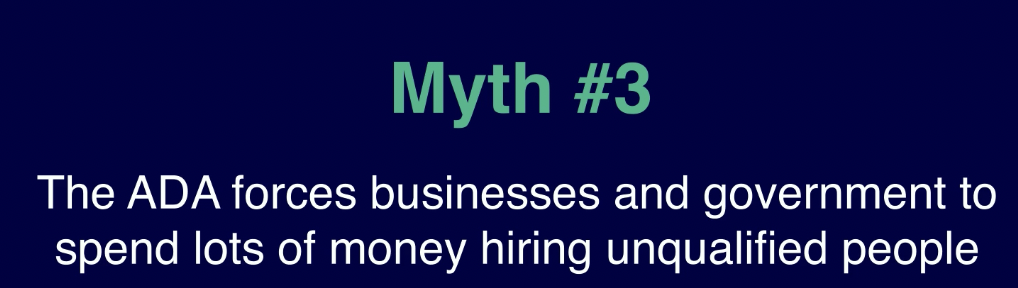
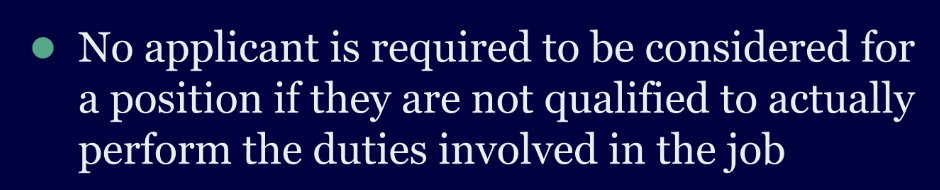
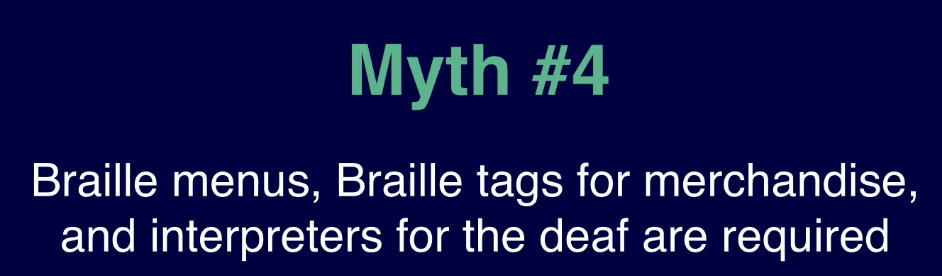
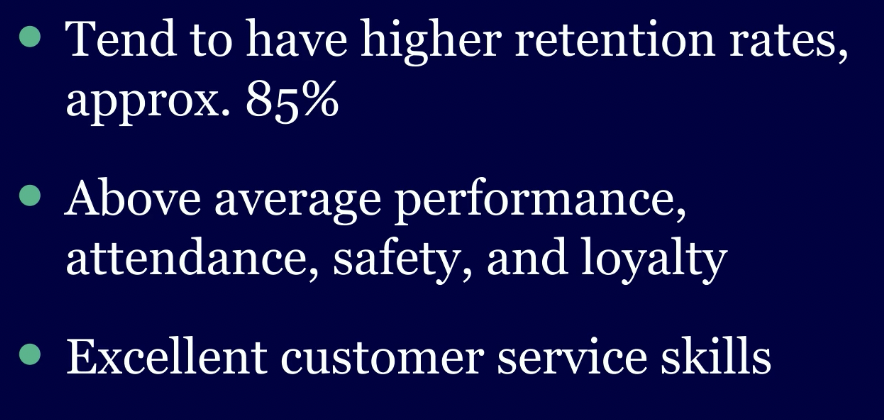
Reasons to hire people with disabilities
- US individuals are hard of hearing
35 million
- US individuals are profoundly deaf
300,000
- in - people in the US aged 12 or older have hearing loss in both ears
1 in 8
-% of Americans aged 45 to 54 have a disabling hearing loss
2%
-% of individuals between the ages of 55 and 64 have hearing loss
8.5%
-% of individuals between 65 and 74 report hearing loss
25%
-% of individuals 75 or older report hearing loss
50%
Cochlear implants
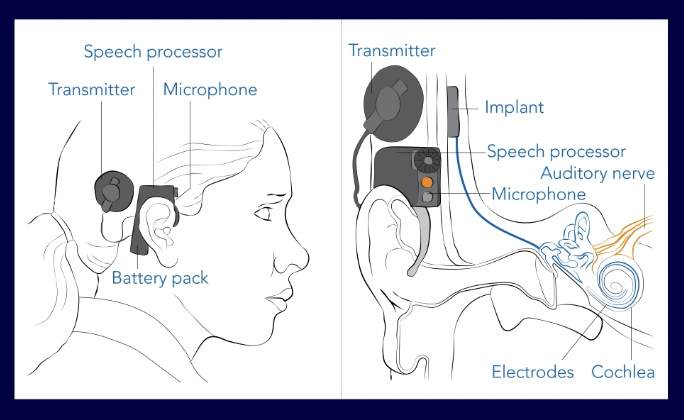
provide a way for the brain to process sound
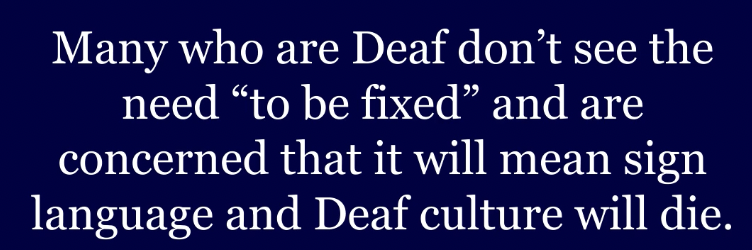
Why are cochlear implants controversial?
-% of children born deaf are born to hearing parents
90%
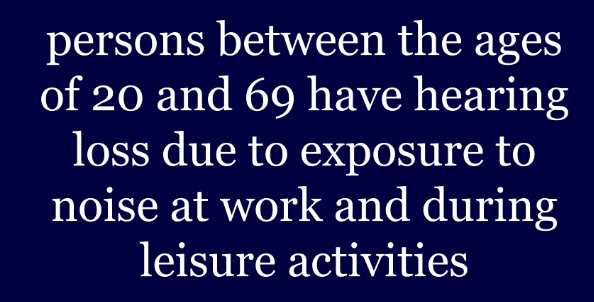
26 million