Exam 4 - equations to remember
 Call Kai
 Learn
Learn Practice Test
 Spaced Repetition
 Match
Match Flashcards
 Knowt Play
1/23

There's no tags or description
Looks like no tags are added yet.
Name | Mastery | Learn | Test | Matching | Spaced | Call with Kai | Chat |
|---|
No analytics yet
Send a link to your students to track their progress
24 Terms
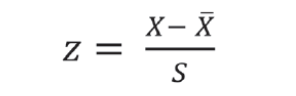
Z score
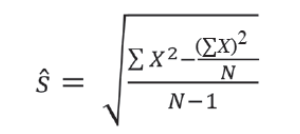
Standard deviation
Degrees of freedom
df = N - 1
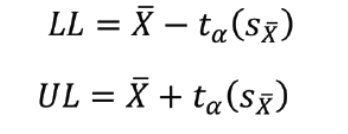
Upper and lower limit
Ta = Tc
Sx̄
Sx̄ = ŝ/√N
effect size for 1 sample t-tests
we use N - ? for 1 sample t-tests
d = (x̄ - μ0)/ ŝ
N - 1
Effect sizes
d < .20 = (meaningless)
d = .20 → .39 (small)
d = .40 → .79 (medium)
d = .80+ (large)
test correlation for one sample t-tests
We use N - ? here
N - 2
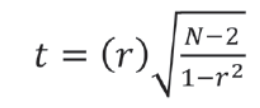
Pearson Correlation Coefficient (r - blanched)
use N - 1 during standard deviation
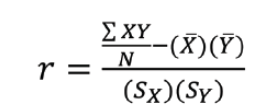
Pearson Correlation Coefficient (r - raw)
use N - 1 during standard deviation
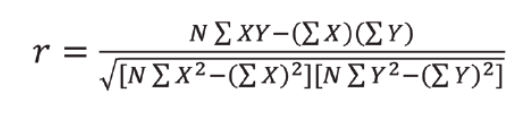
What should we assume a (alpha) is if it is not given?
a = 0.05
Paired samples
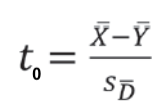

equation?
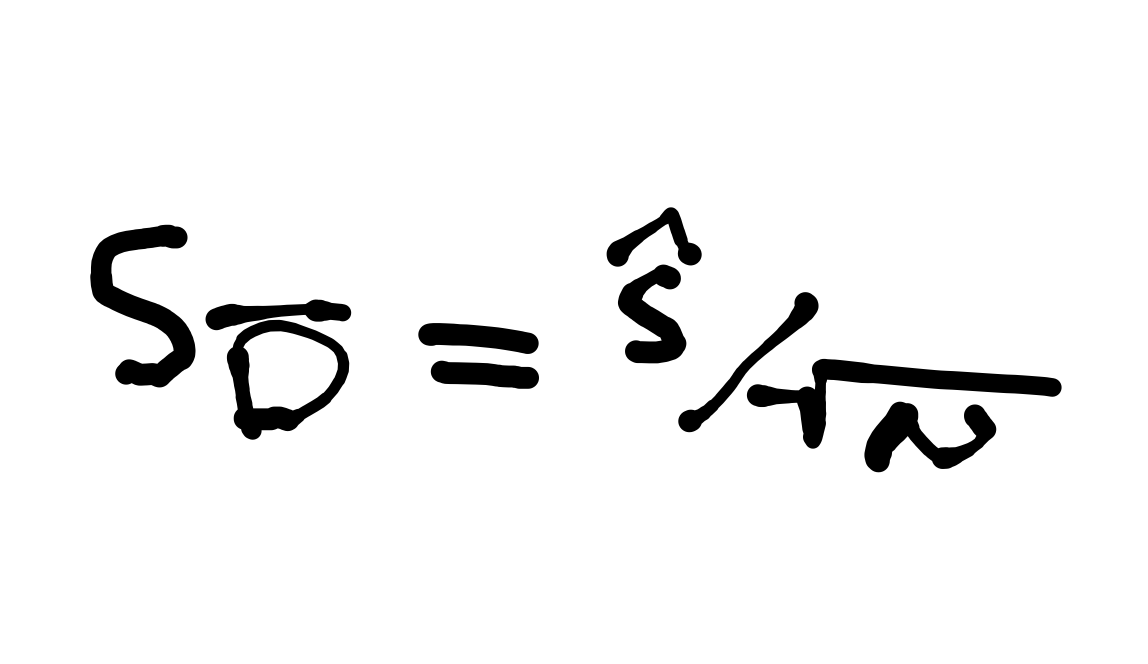
equation?
two-sample t tests if they are independent samples
how to find degrees of freedom?
df = N1 + N2 - 2
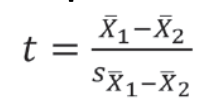
two-sample tests - independent samples with unequal Ns (N1 ≠ N2)

two-sample tests - independent samples with equal Ns (N1 = N2)
Raw scores version
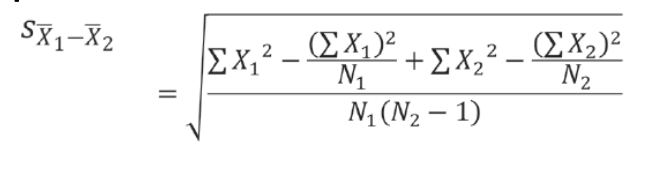
two-sample tests - independent samples with equal Ns (N1 = N2)
But standard error is given
Use if they already tell you the standard errors.
They'll say something like:
Group 1: SX̄=2.1
Group 2: SX̄=1.7
No standard deviations. No raw scores.
(The standard error of each sample mean)
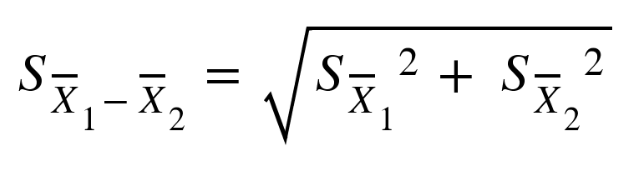
two-sample tests - independent samples with equal Ns (N1 = N2)
But standard deviation is given
Use (b) if they tell you the standard deviations.
They'll give something like:
s1=8
s2=10
N1=25
N2=16
No raw data.
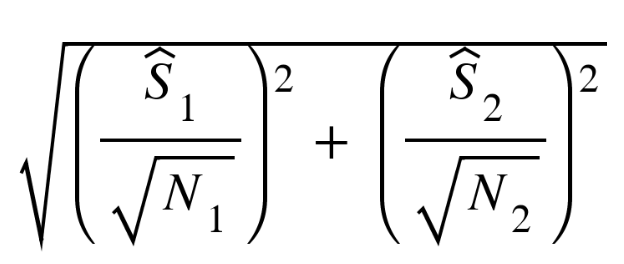
effect size for paired samples design =
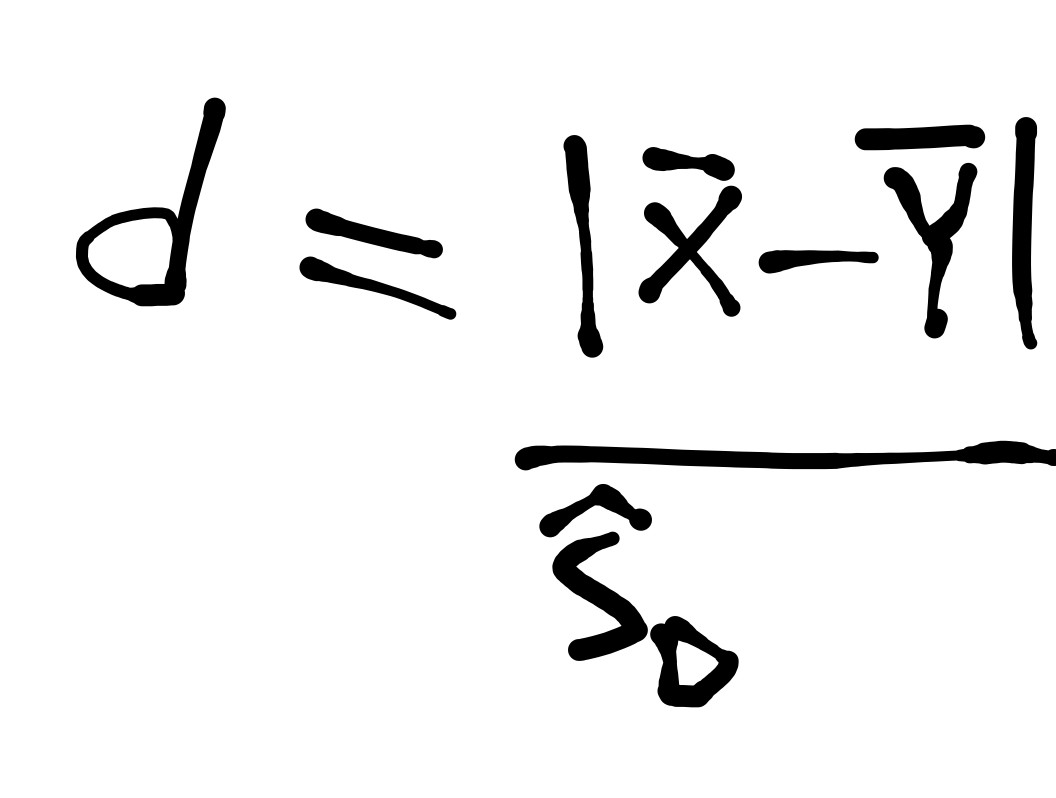
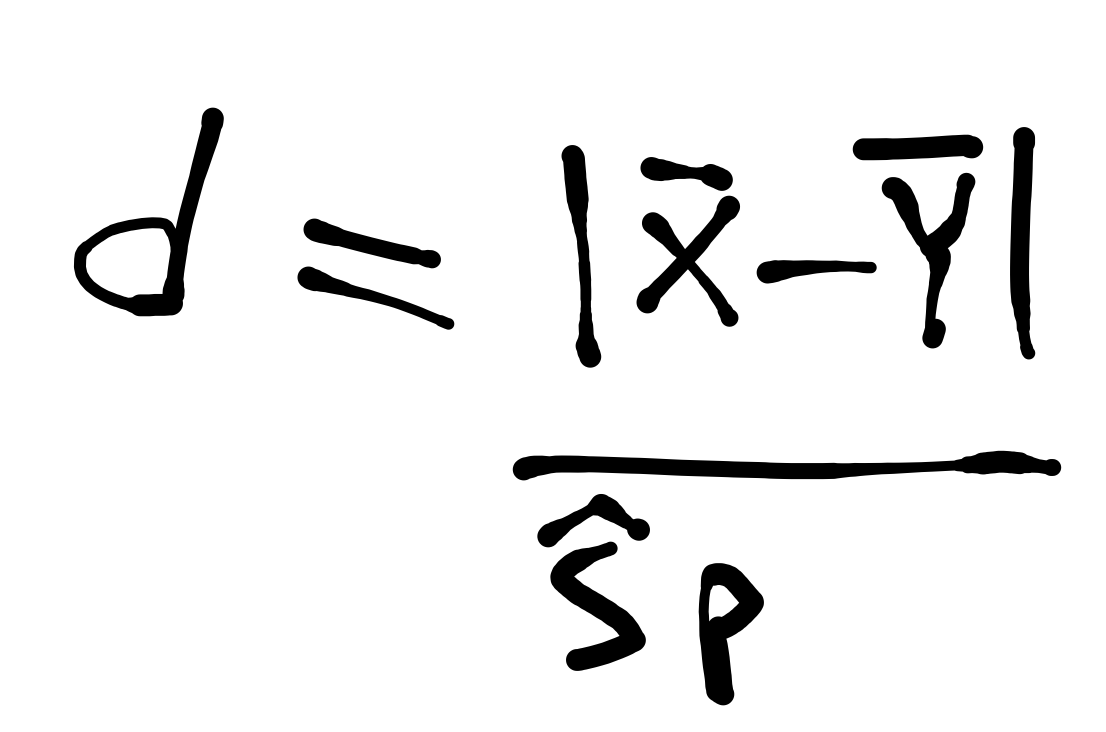
effect size for independent samples design =
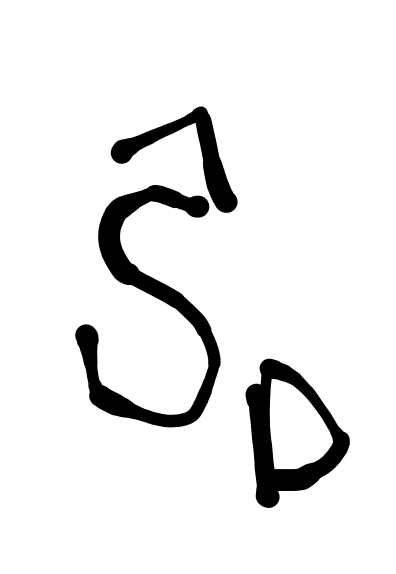
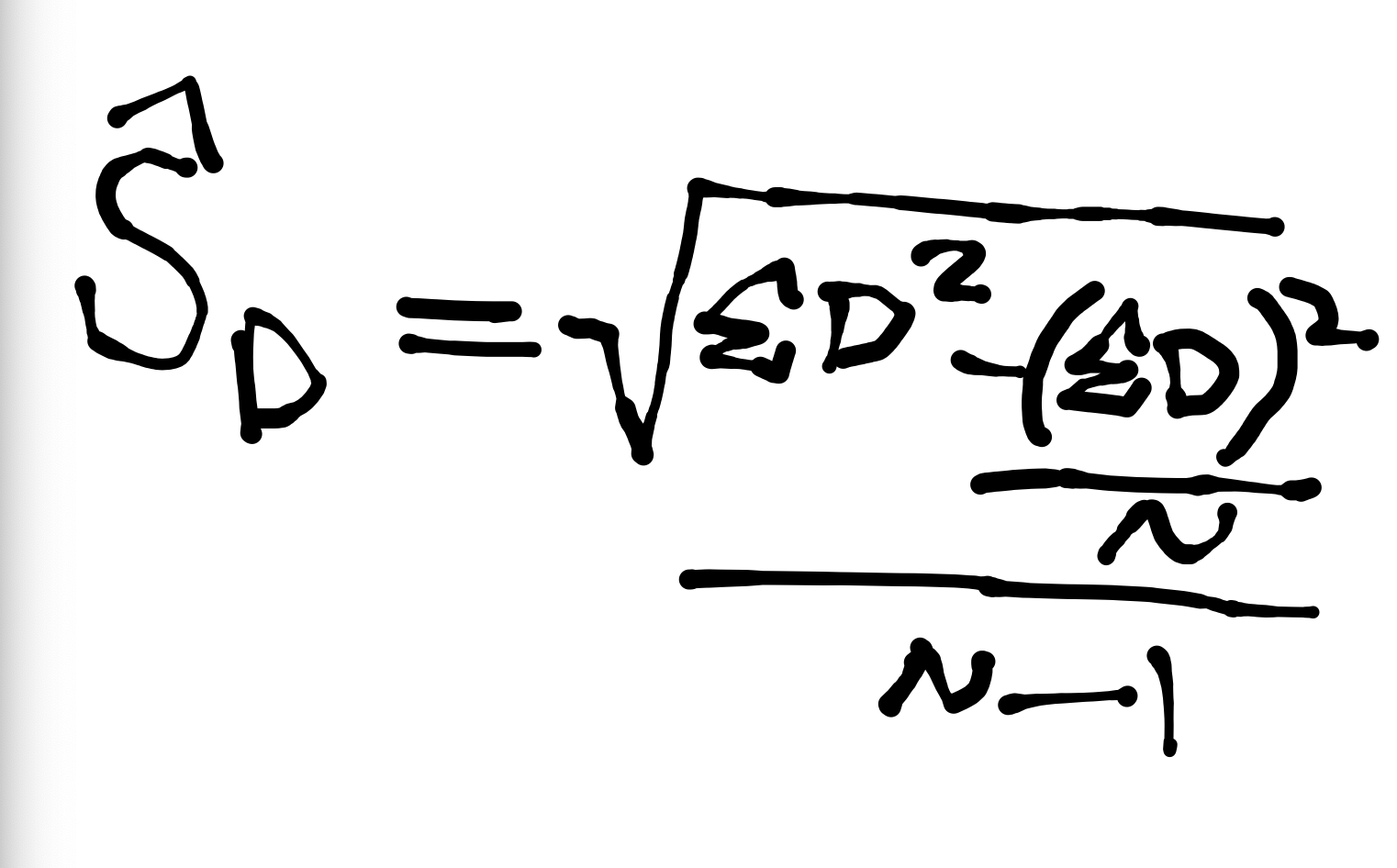
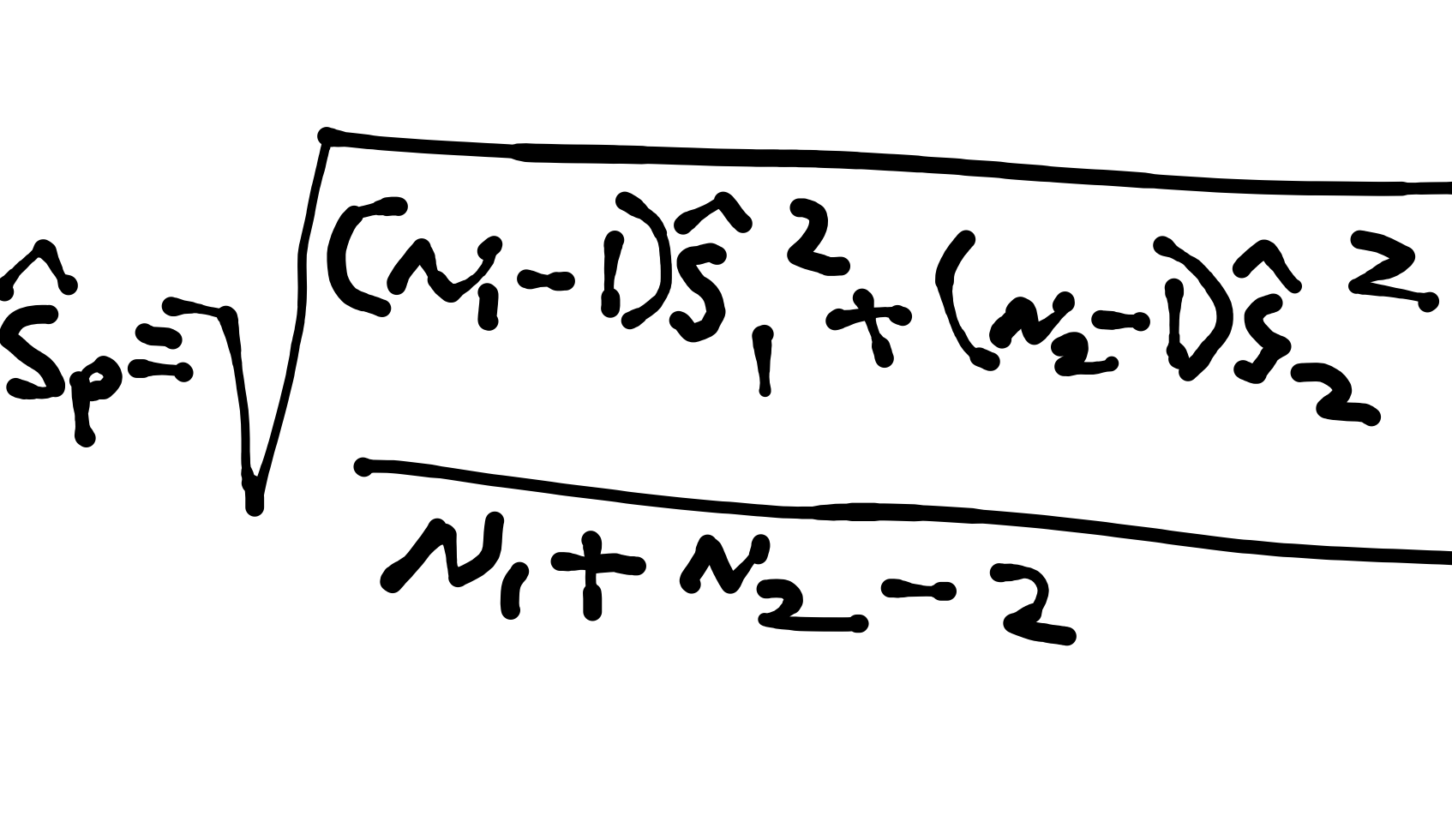
Ŝp equation?
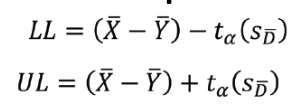
Confidence intervals for two sample t-tests (paired)
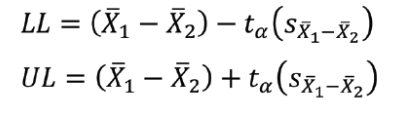
Confidence intervals for two sample t-tests (independent)