AP World History Unit 7: Global Conflict
 Call Kai
 Learn
Learn Practice Test
 Spaced Repetition
 Match
Match Flashcards
1/44

There's no tags or description
Looks like no tags are added yet.
Name | Mastery | Learn | Test | Matching | Spaced | Call with Kai | Chat |
|---|
No analytics yet
Send a link to your students to track their progress
45 Terms
Nationalism
believing one's nation is above all others and placing primary emphasis on promotion of its culture and interests as opposed to those of other nations or groups
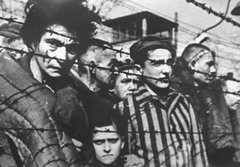
Holocaust
A methodical plan orchestrated by Hitler to ensure German supremacy. It called for the elimination of Jews, non-conformists, homosexuals, non-Aryans, and mentally and physically disabled.
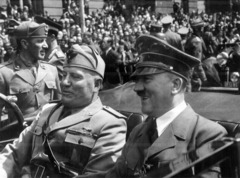
Fascism
A political system headed by a dictator that calls for extreme nationalism and racism and no tolerance of opposition
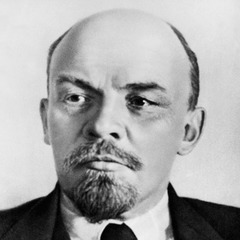
Lenin
Founded the Communist Party in Russia and set up the world's first Communist Party dictatorship. He led the October Revolution of 1917, in which the Communists seized power in Russia. He then ruled the country until his death in 1924.
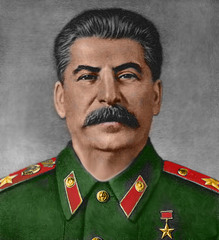
Stalin
Russian leader who succeeded Lenin as head of the Communist Party and created a totalitarian state by purging all opposition (1879-1953)
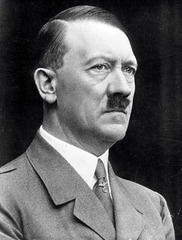
Hitler
German Nazi dictator during World War II (1889-1945), Nazi leader and founder; had over 6 million Jews assassinated during the Holocaust
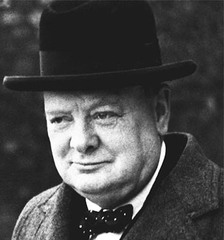
Churchill
British Prime Minister who opposed the policy of appeasement and led Great Britain through World War II
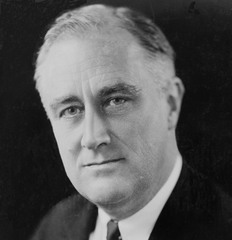
FDR
Roosevelt, the President of the United States during the Depression and WWII. He instituted the New Deal. Served from 1933 to 1945, he was the only president in U.S. history to be elected to four terms
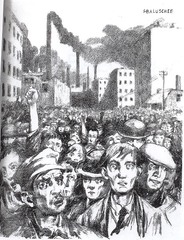
Proletariat
working class
ideology
A consistent set of beliefs by groups/individuals
Empiricism
the view that knowledge originates in experience and that science should, therefore, rely on observation and experimentation
League of Nations
An organization of nations formed after World War I to promote cooperation and peace;. It was first proposed in 1918 by President Woodrow Wilson, although the United States never joined the League. Essentially powerless, it was officially dissolved in 1946.
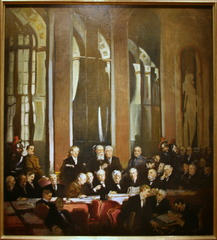
Treaty of Versailles
Treaty that ended WW I. It blamed Germany for WW I and handed down harsh punishment on Germany
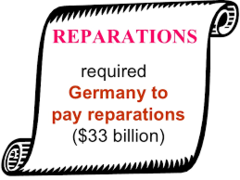
Reparations
As part of the Treaty of Versailles, Germany was ordered to pay fines to the Allies to repay the costs of the war. Opposed by the U.S., it quickly lead to a severe depression in Germany.
Great Depression
starting with collapse of the US stock market in 1929, period of worldwide economic stagnation and depression. Heavy borrowing by European nations from USA during WW1 contributed to instability in European economies. Sharp declines in income and production as buying and selling slowed down. Widespread unemployment, countries raised tariffs to protect their industries. America stopped investing in Europe. Lead to loss of confidence that economies were self adjusting
Bolsheviks
A group of revolutionary Russian Marxists who took control of Russia's government in November 1917
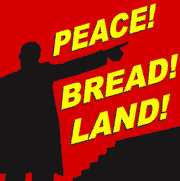
Russian Revolution
The revolution against the Tsarist government which led to the abdication of Nicholas II and the creation of a provisional government in March 1917.
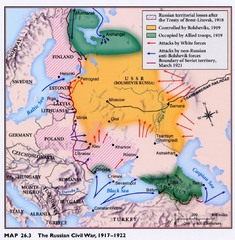
Russian Civil War
1918-1920: conflict in which the Red Army successfully defended the newly formed Bolshevik government against various Russian and interventionist anti-Bolshevik armies. Red vs. White Army.
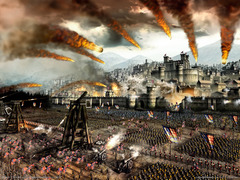
total war
A war that involves the complete mobilization of resources and people, affecting the lives of all citizens in the warring countries, even those remote from the battlefields.
United Nations
An international organization formed after WWII to promote international peace, security, and cooperation.
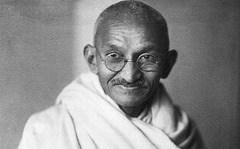
Gandhi
This was a leader of the Indian independence movement in mid-20th century known for his nonviolent protests.
Totalitarian
referring to a form of government in which one person or party holds absolute control
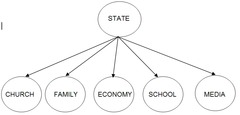
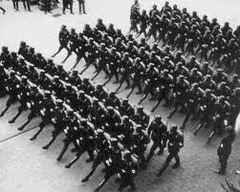
militarism
A policy of glorifying military power and keeping a standing army always prepared for war
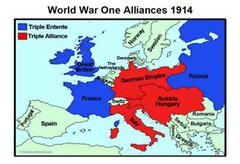
Triple Alliance
An alliance between Germany, Austria-Hungary and Italy in the years before WWI.
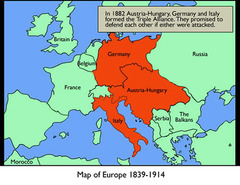
Triple Entente
A military alliance between Great Britain, France, and Russia in the years preceding World War I.
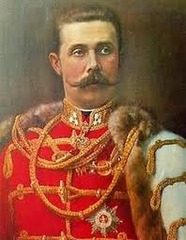
Franz Ferdinand
Archduke of Austria-Hungary assassinated by a Serbian nationalist. A major catalyst for WWI.
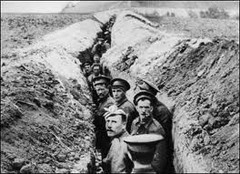
Trench Warfare
Fighting with trenches, mines, and barbed wire. Horrible living conditions, great slaughter, no gains, stalemate, used in WWI.
Home Front
the civilian population (and their activities) of a country at war; often viewed as essential to success of the overall war effort through things like supporting the troops or rationing gods needed for the war
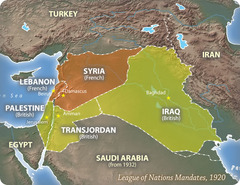
Mandate System
Allocation of former German colonies and Ottoman possessions to the victorious powers after World War I; to be administered under League of Nations supervision.
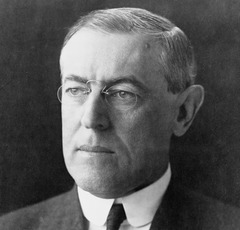
14 point plan
Wilson's plan for peace that included the league of nations, self-determined colonies, free trade, freedom of the seas, end to secret agreements, and a limit on arms
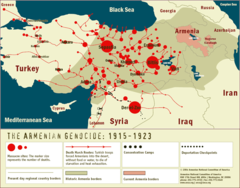
Armenian Genocide
Assault carried out by mainly Turkish military forces against Armenian population in Anatolia in 1915; over a million Armenians perished and thousands fled to Russia and the Middle East.
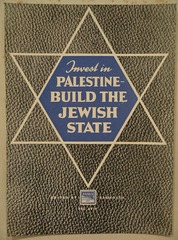
Balfour Declaration
Statement issued by Britain's Foreign Secretary Arthur Balfour in 1917 favoring the establishment of a Jewish national homeland in Palestine.
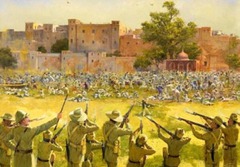
Amritsar Massacre
an incident in 1919 in which British troops fired on an unarmed crowd of Indians who were protesting the Rowlatt Acts
Rowlatt Acts
Laws passed in 1919 that allowed the British government in India to jail anti-British protesters without trial for as long as two years
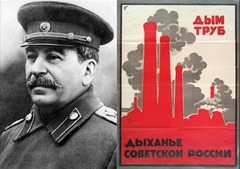
5 year plan
Stalin's plan to reorganize the industry and agriculture to catch up with the industrialized west with collectivization of farms and unrealistic production quotas in factories
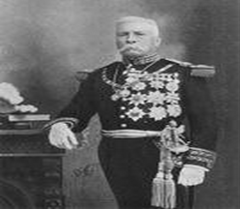
Porfirio Diaz
a dictator who dominated Mexico, permitted foriegn companies to develop natural resources and had allowed landowners to buy much of the countries land from poor peasants; overthrown in the Mexican Revolution
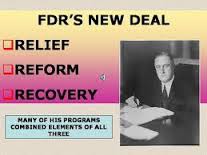
New Deal
A series of reforms enacted by the Franklin Roosevelt administration between 1933 and 1942 with the goal of ending the Great Depression.
Corporatism
an arrangement in which government officials interact with people and groups outside the government before they set policy.
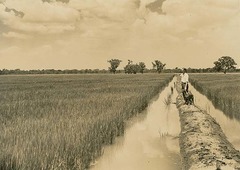
Collective Agriculture
The forcible consolidation of individual peasant farms into large state-controlled enterprises in the Soviet Union under Stalin.
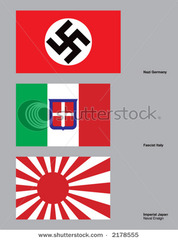
Axis Powers
Alliance of Germany, Italy, and Japan during World War II.
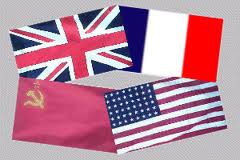
Allies (WWII)
England, France, United States, and Russia after their pact with the Nazi Regime was violated.
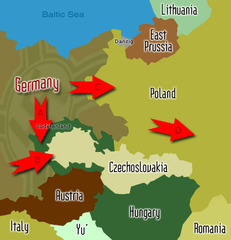
Lebensraum
Hitler's expansionist theory based on a drive to acquire "living space" for the German people; thought that Germans needed more space and could take it from other people
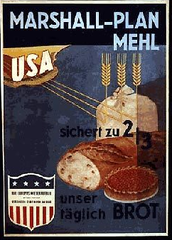
Marshall Plan
a plan for aiding the European nations in economic recovery after World War II in order to stabilize and rebuild their countries and prevent the spread of communism.
Rape of Nanjing
Japanese attack on Chinese capital from 1937-1938 when Japanese aggressors slaughtered 100,000 civilians and raped thousands of women in order to gain control of China.
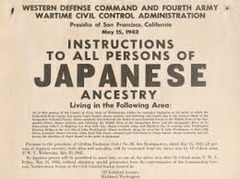
Internment Camps
Detention centers where more than 100,000 Japanese Americans were relocated during World War II by order of the President.