Italy: Notable Architects and their Architecture
 Call Kai
 Learn
Learn Practice Test
 Spaced Repetition
 Match
Match Flashcards
 Knowt Play
1/38

There's no tags or description
Looks like no tags are added yet.
Name | Mastery | Learn | Test | Matching | Spaced | Call with Kai | Chat |
|---|
No analytics yet
Send a link to your students to track their progress
39 Terms
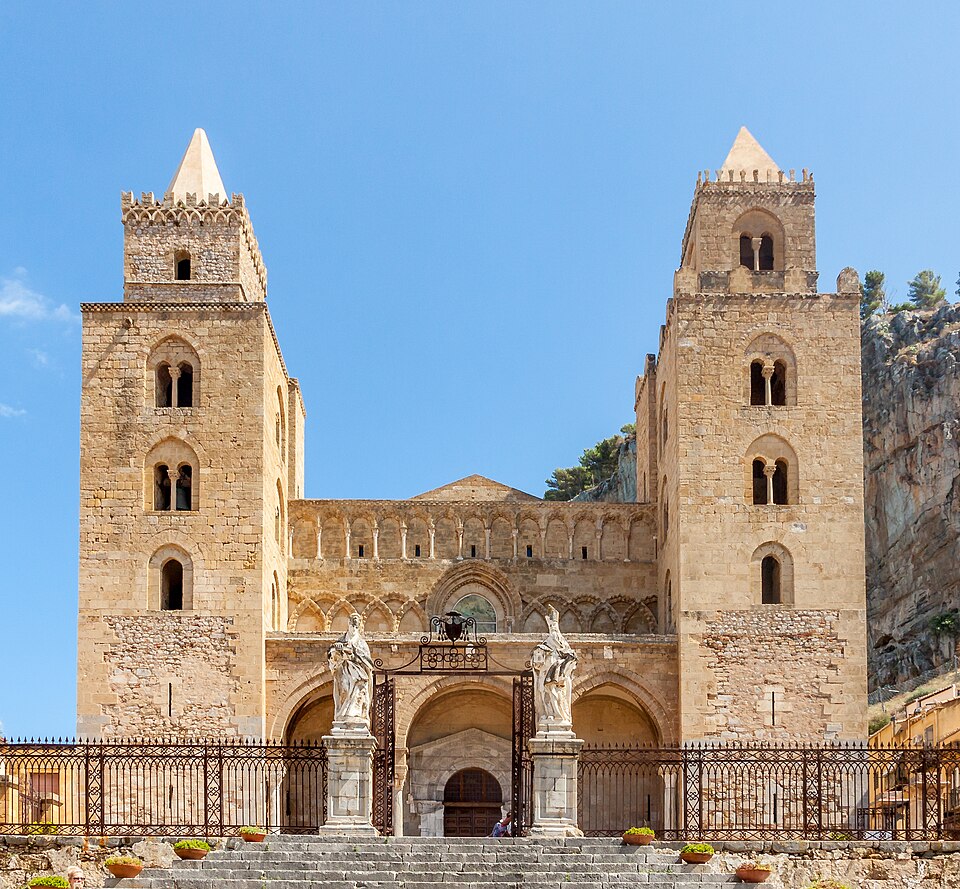
1131 / 1267 - Cefalu Cathedral (All Facts)
Built during the reign of King Roger II of Sicily
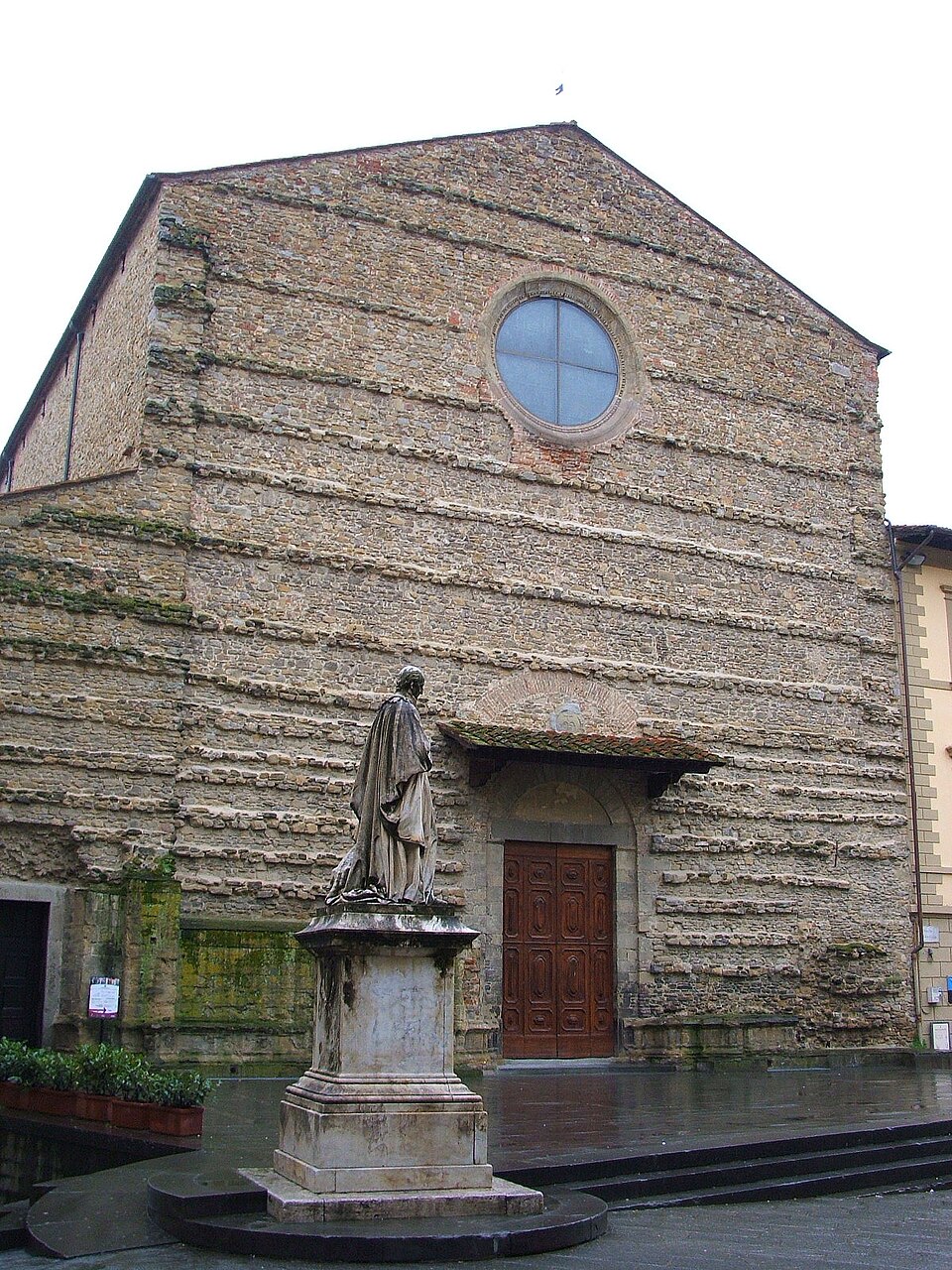
1290 - Basilica of St. Francis / Basilica of San Francesco (All Facts)
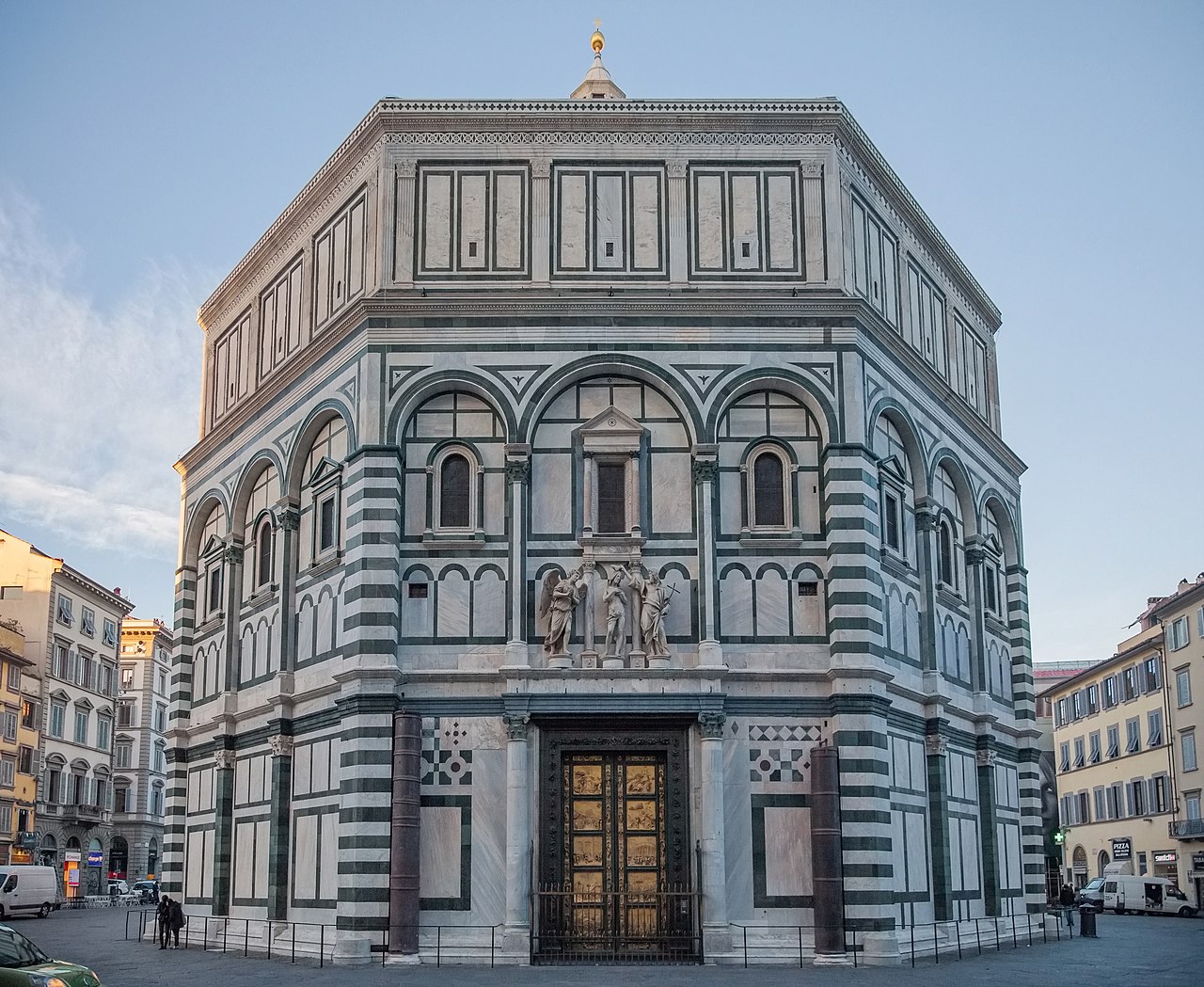
Florence Baptistry (All Facts)
1300 - 1369 - Francesco Talenti (All Facts)
Italian Architect
Italian Architecture’s continuity with Romanesque Architecture was shown in his design for the east end of Florence Cathedral, in which only external details such as windows were borrowed from the Gothic style
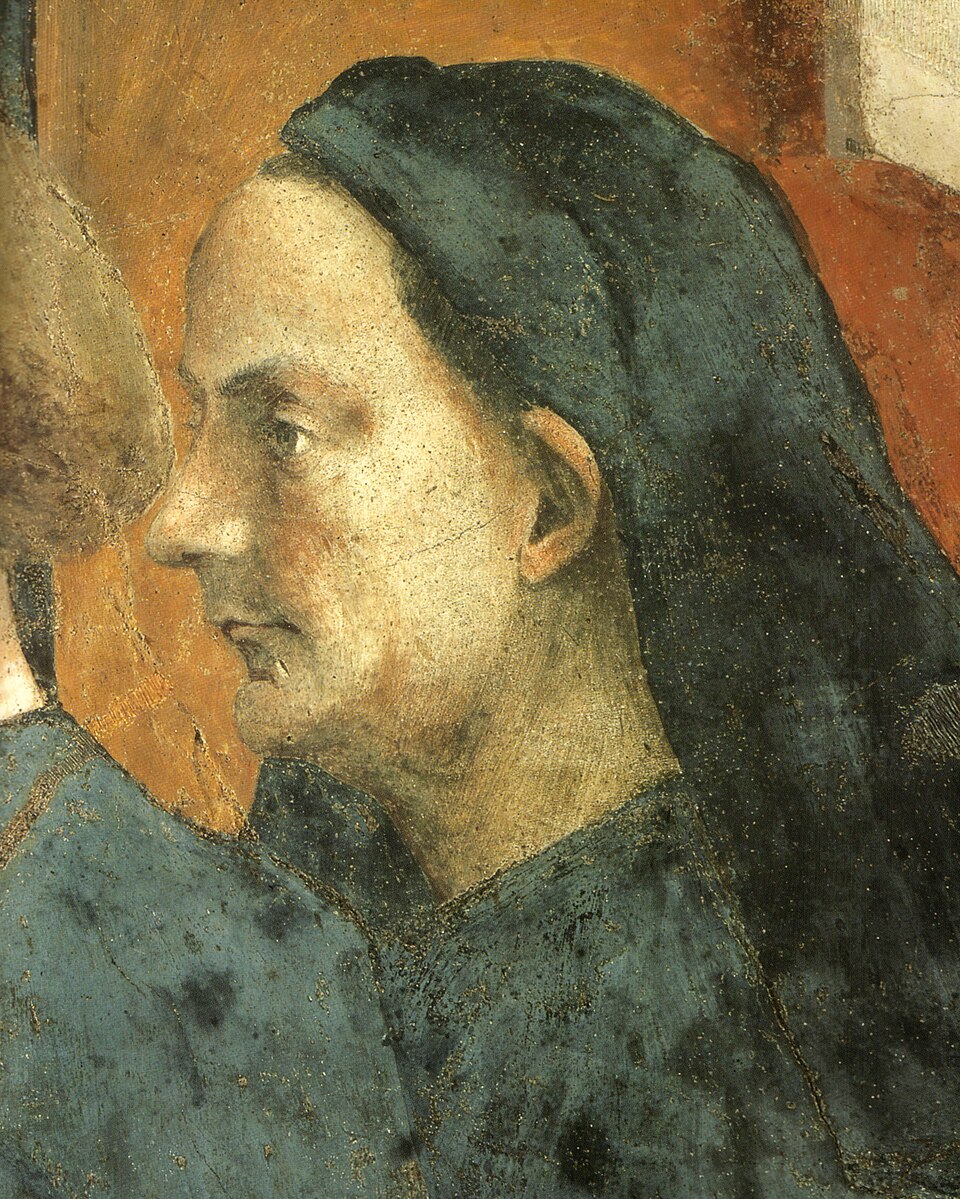
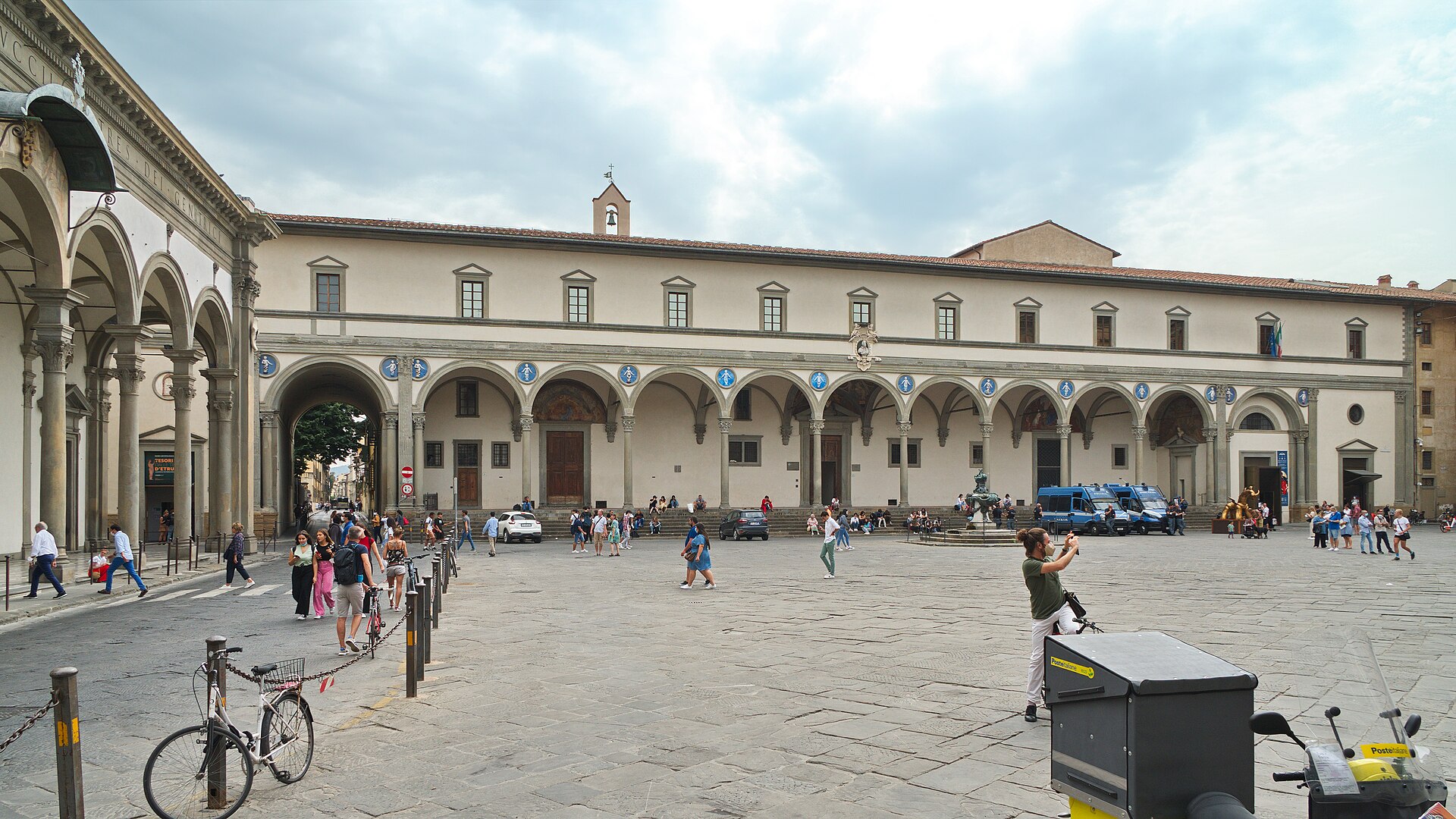
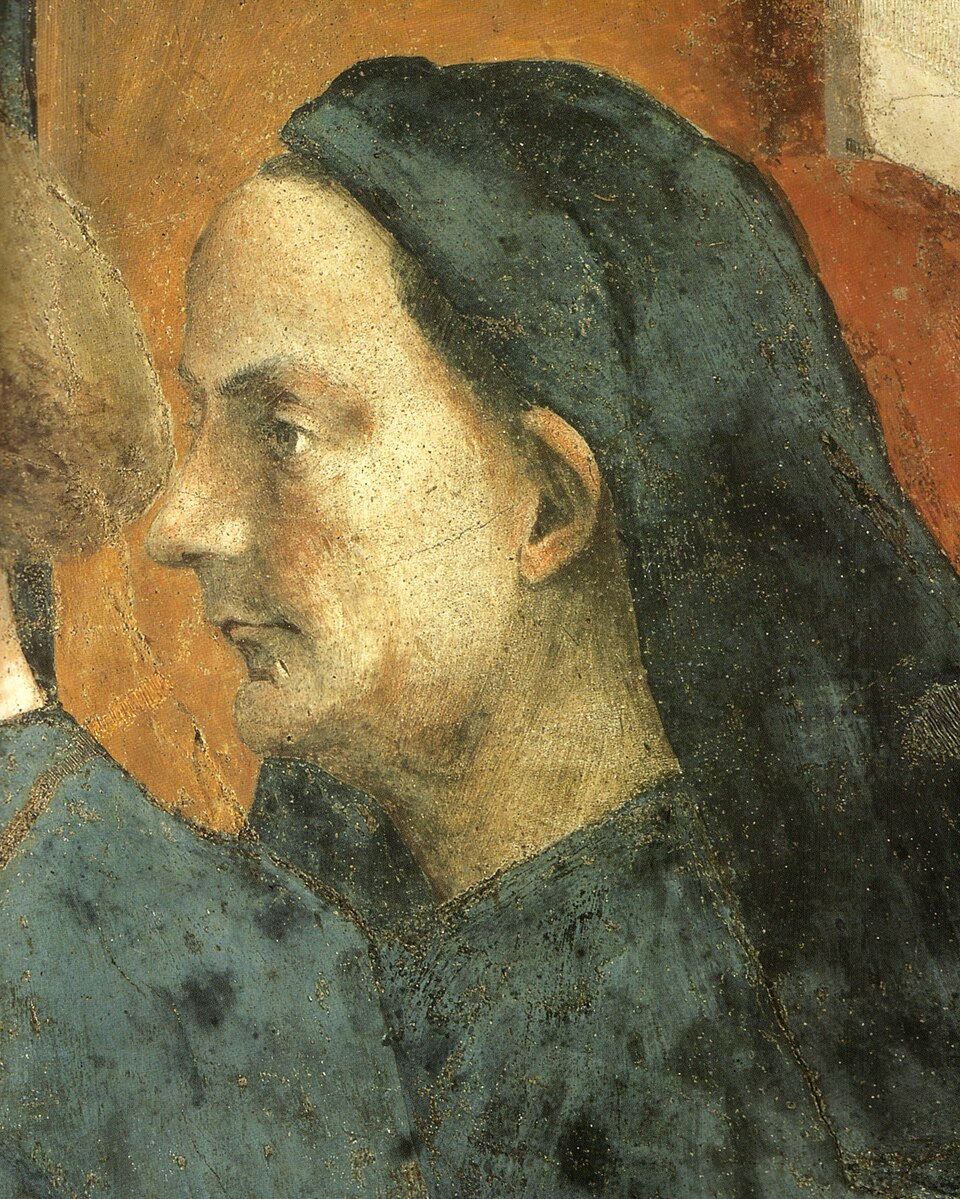
1377 - 1446 - Filippo Brunelleschi (All Facts)
Italian Renaissance Architect
He is considered the “Father of Italian Renaissance Architecture”
He is considered to have discovered and later used “Perspective” not just for the Italian Renaissance painters, but in his own architectural and scientific drawings of the (early) 1400s
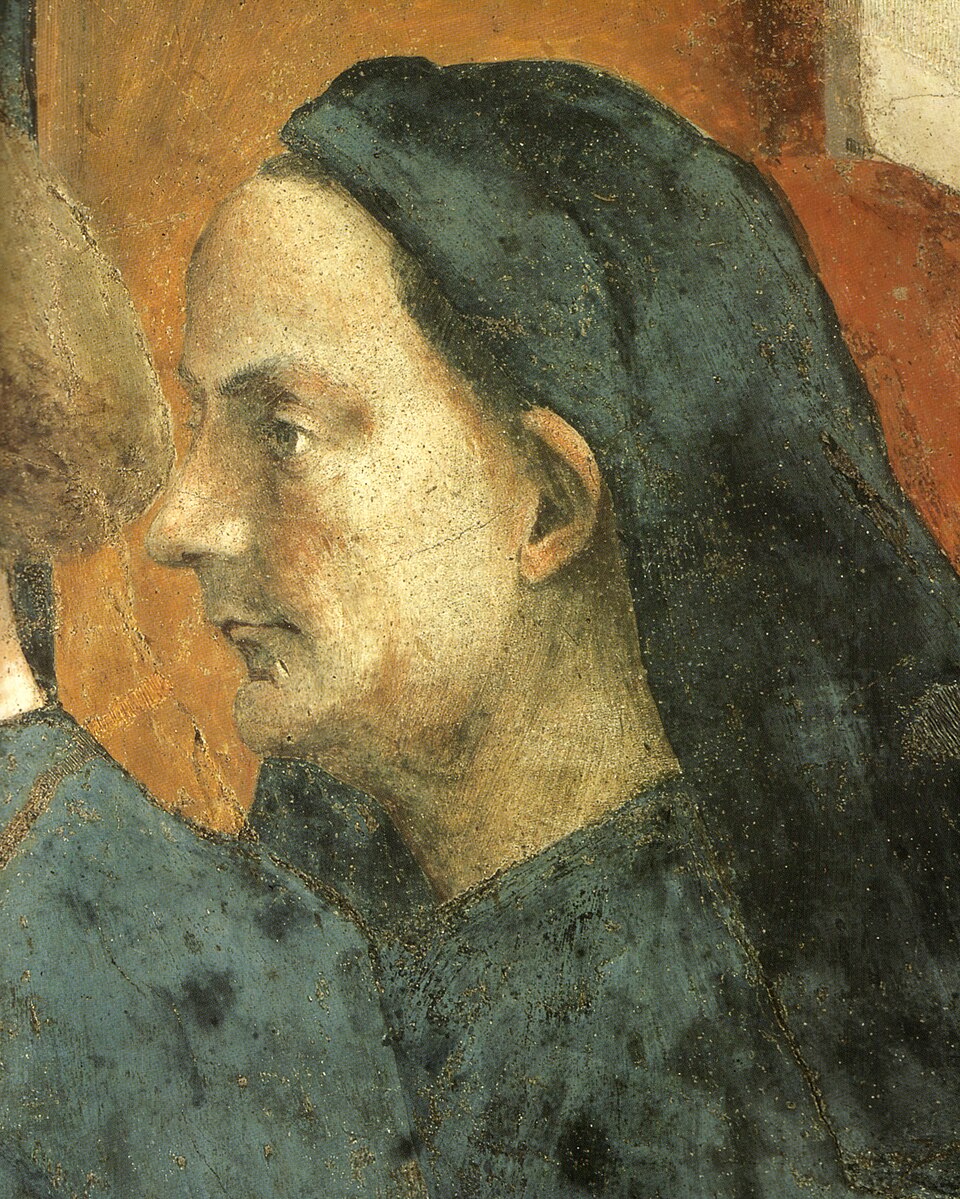
1419 - Filippo Brunelleschi: Innocenti Foundling Hospital (All Facts)
Its design, located in Florence, began the architectural Italian Renaissance and established the namesake’s reputation as one of the finest architects of the Italian Renaissance
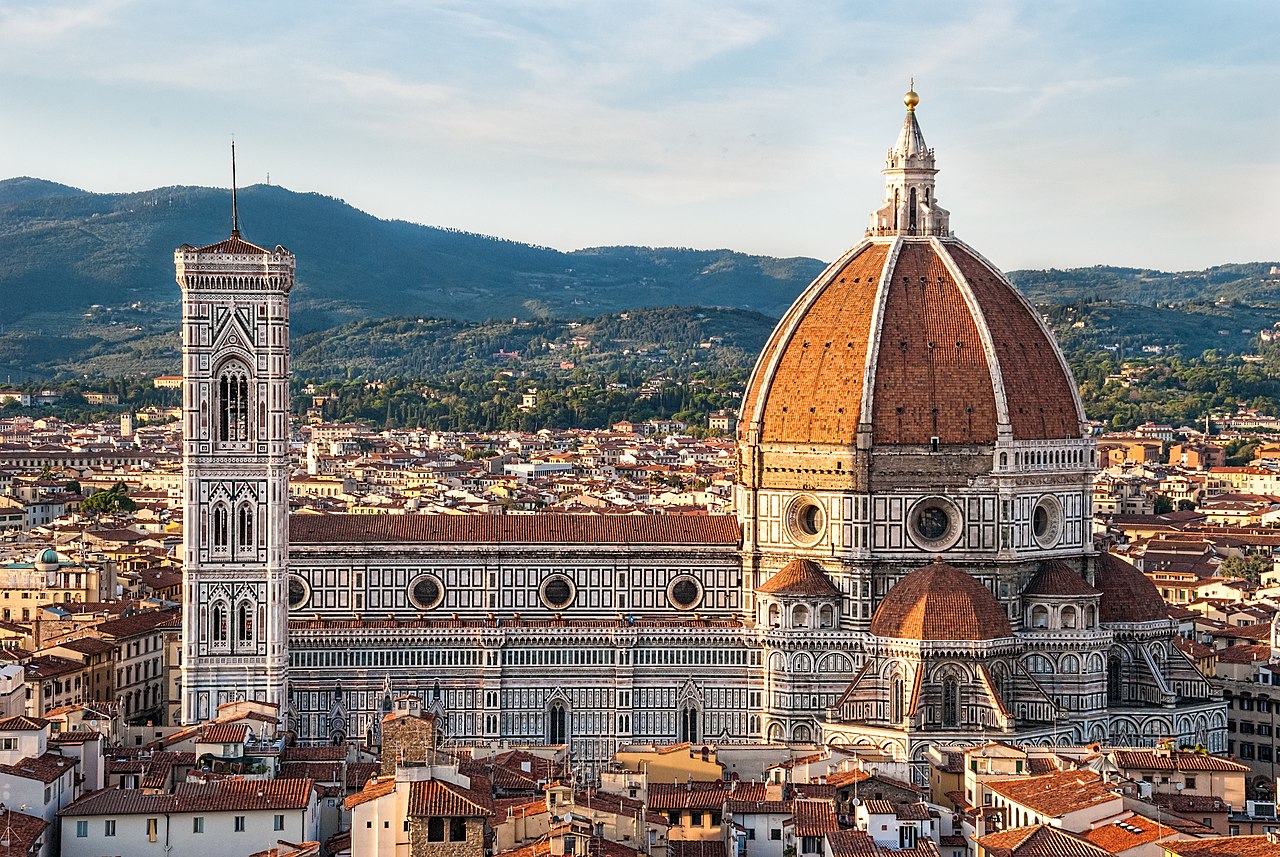
1436 - Filippo Brunelleschi: Florence Cathedral / Cathedral of St. Mary the Flower / Santa Maria dei Fiore (All Facts)
Known for its self-supporting octagonal dome designed by the namesake architect
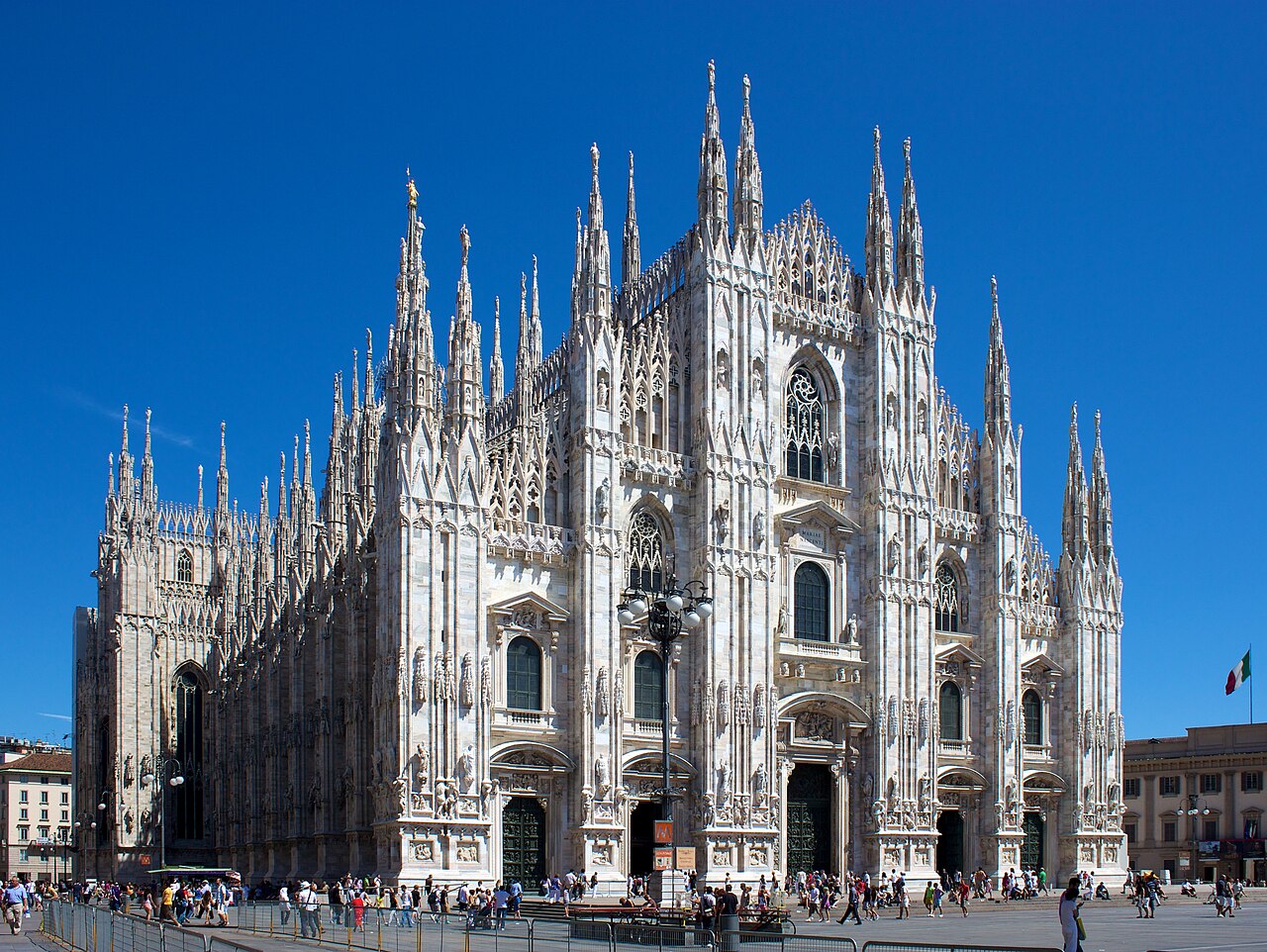
1387 - Milan Cathedral (All Facts)
Its being rebuilt at the time in the northern Late Gothic style showed the influence of an enthusiasm for French architectural ideas, as building continued throughout the Italian Renaissance
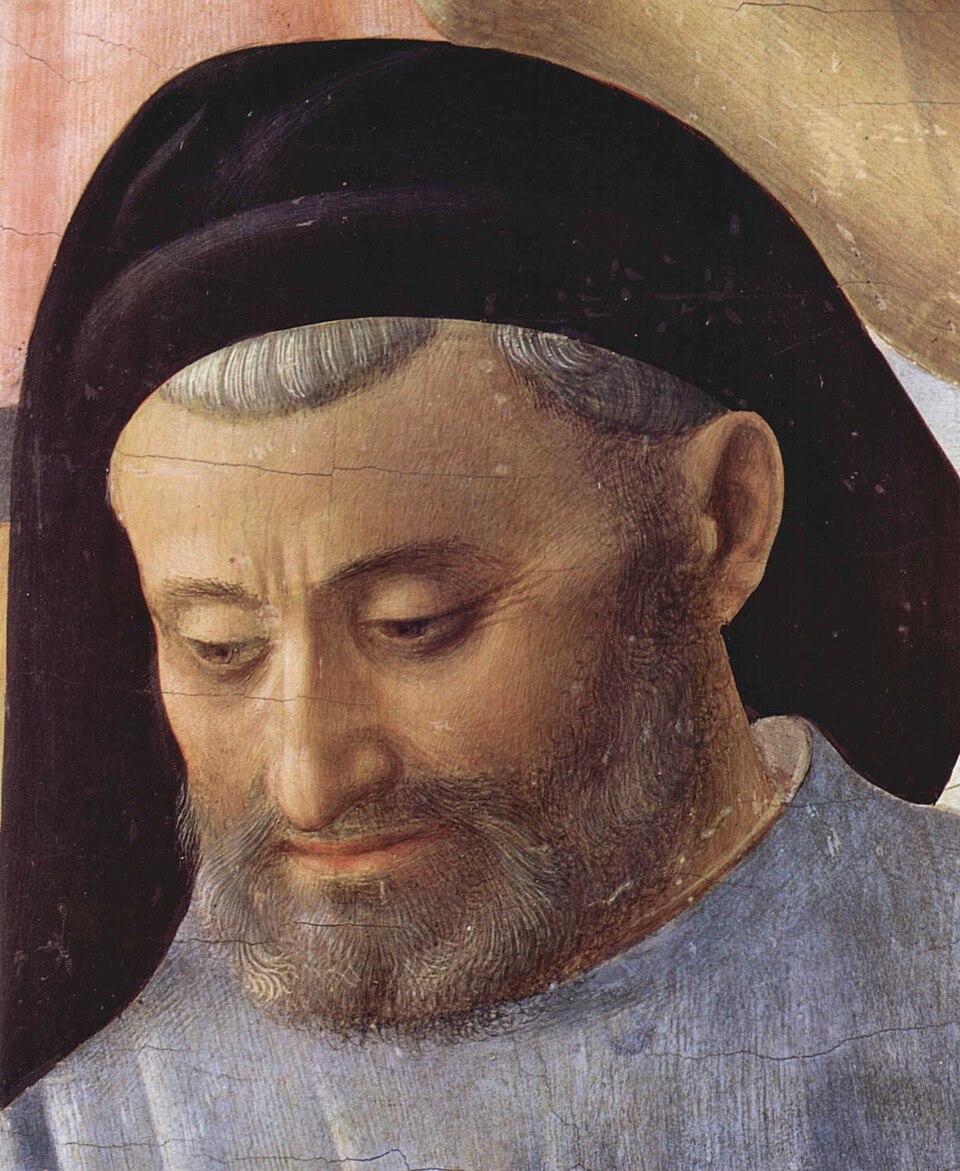
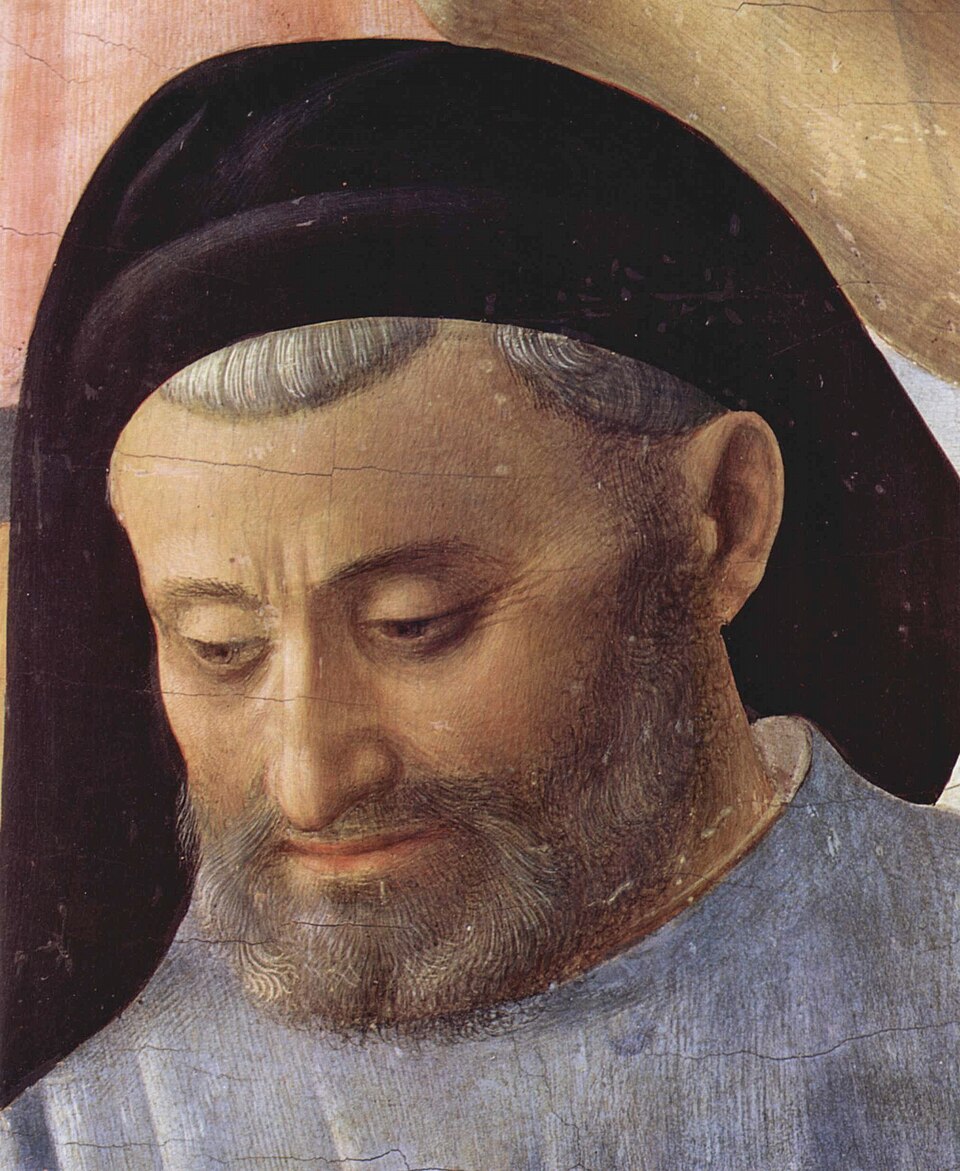
1396 - 1472 - Michelozzo (All Facts)
Italian Renaissance Architect
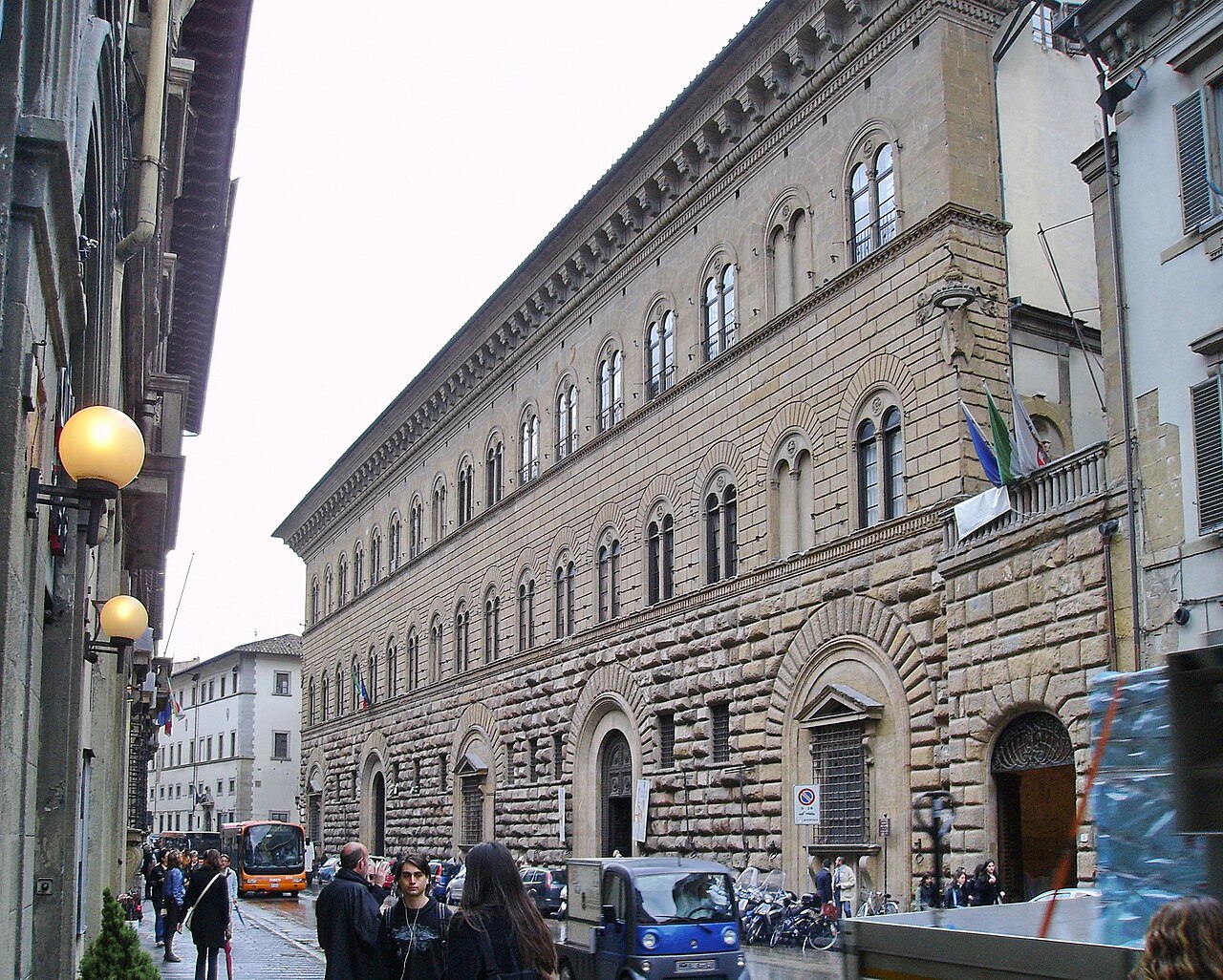
1484 - Michelozzo: Palazzo Medici Riccardi (All Facts)
1400s - Basilica of St. Mark / Basilica of San Marco (All Facts)
It was home to two famous Italian Dominicans, the painter Fra Angelico and the preacher Girolamo Savonarola
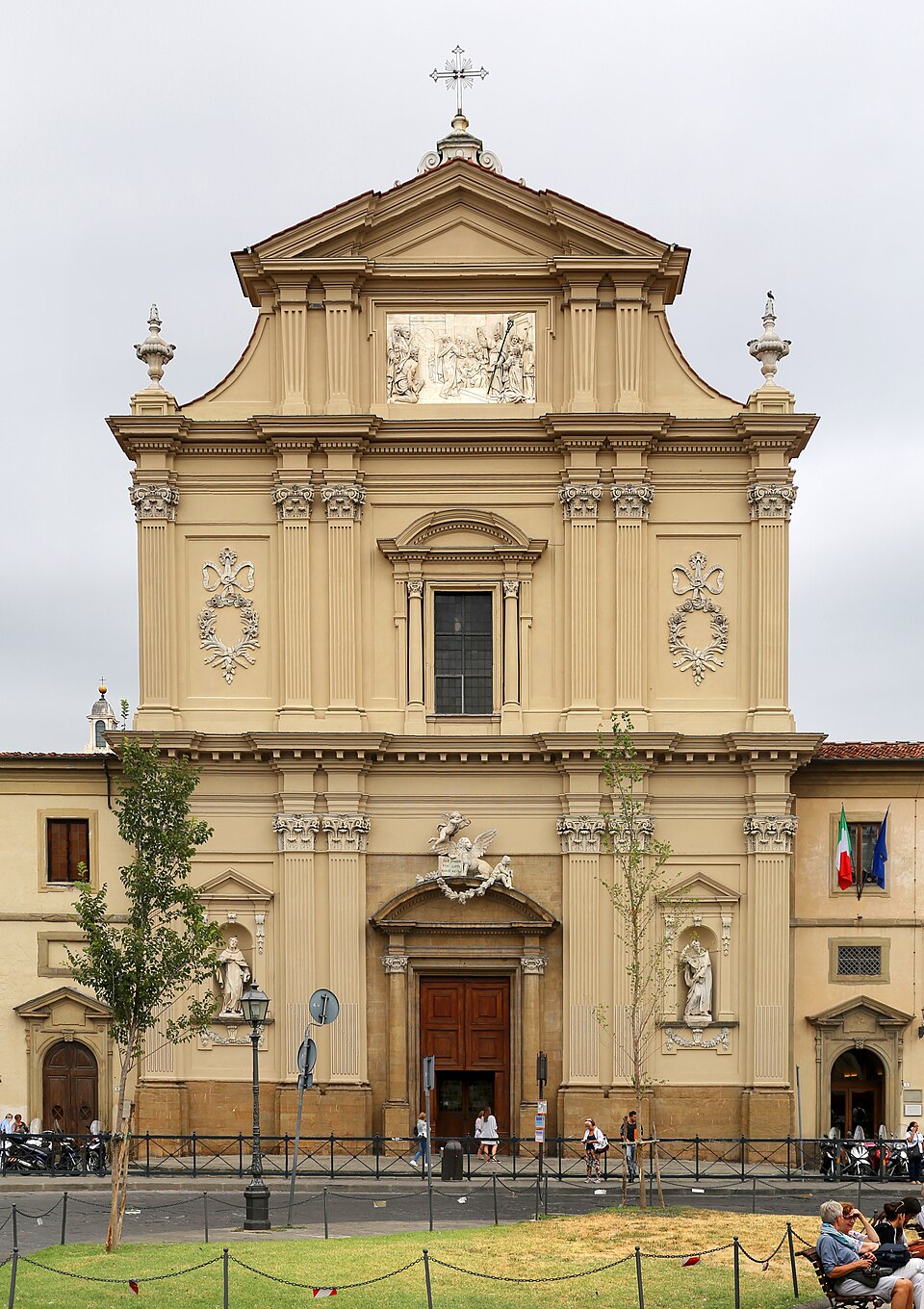
1437 - Ca' d’Oro / Palazzo Santa Sophia (All Facts)
Located in Venice on the Grand Canal, the richest of the “Palazzos” up to that point as it was painted in gold
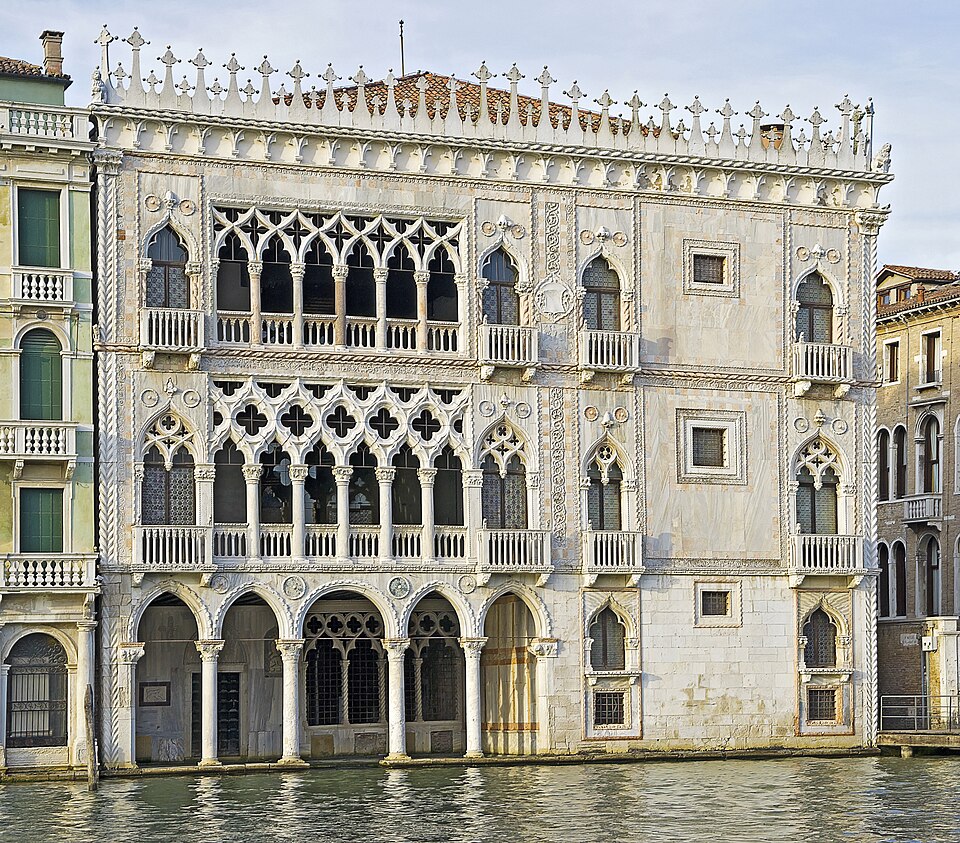
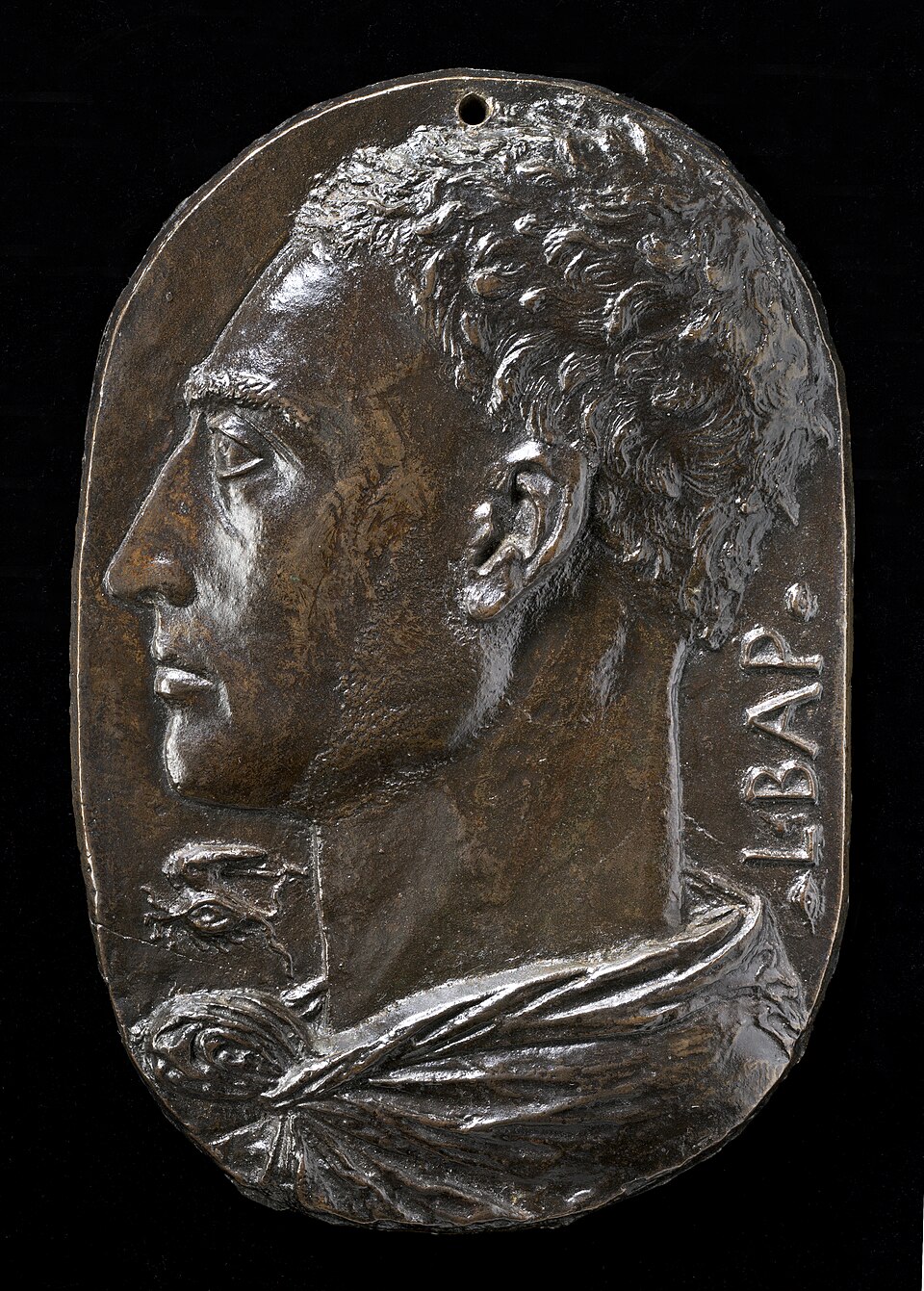
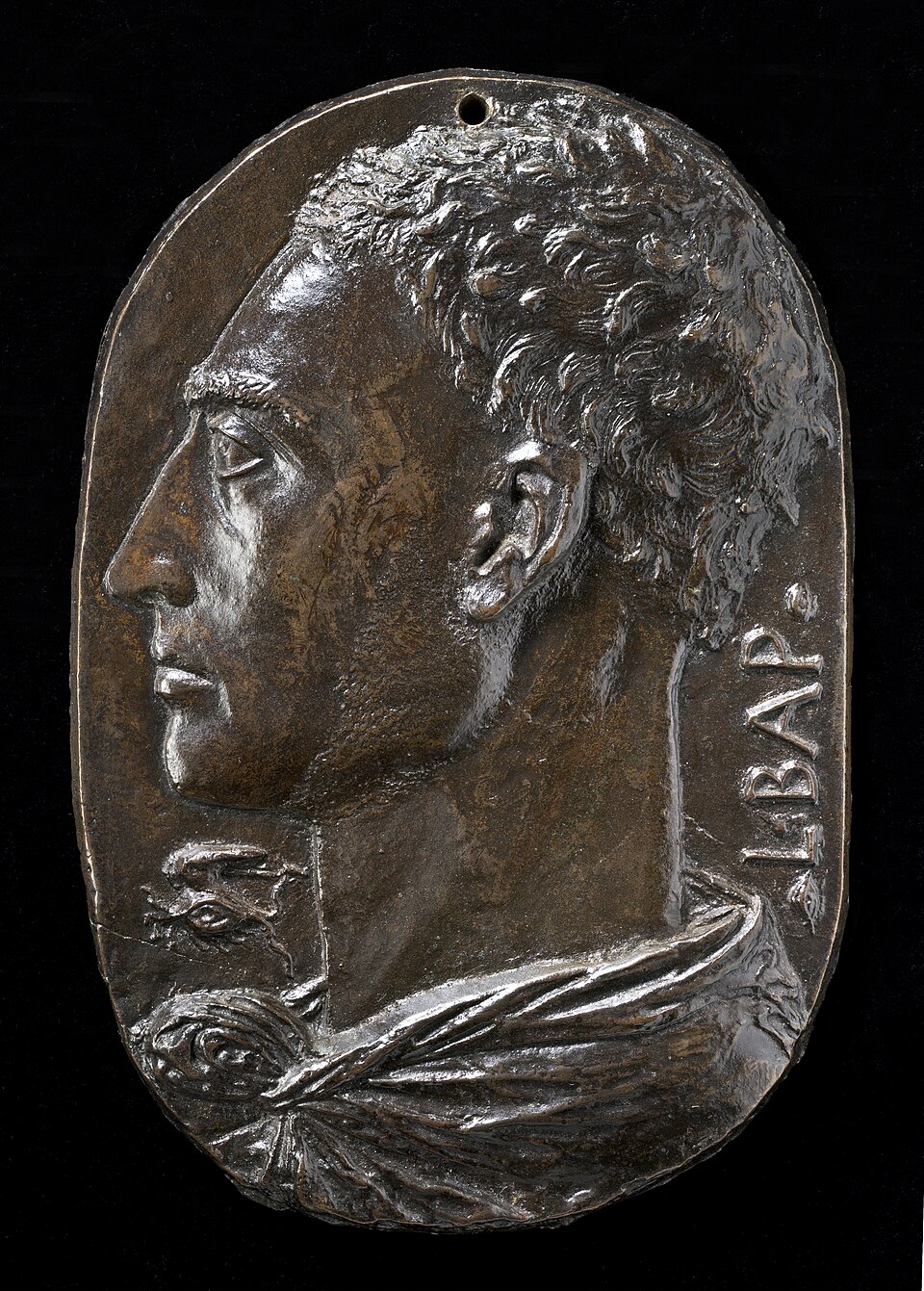
1404 - 1472 - Leon Battista Alberti (All Facts)
Italian Renaissance Architect
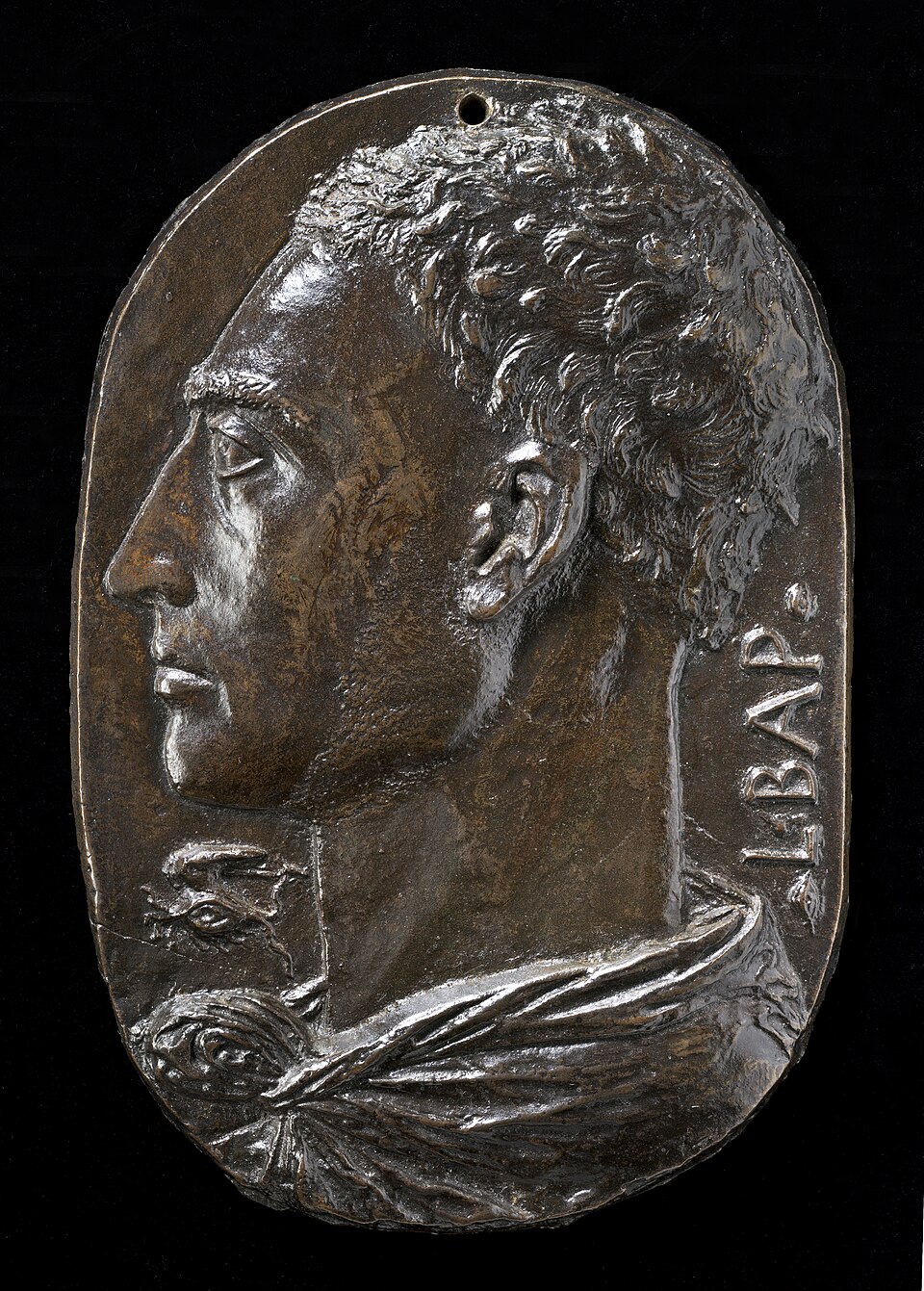
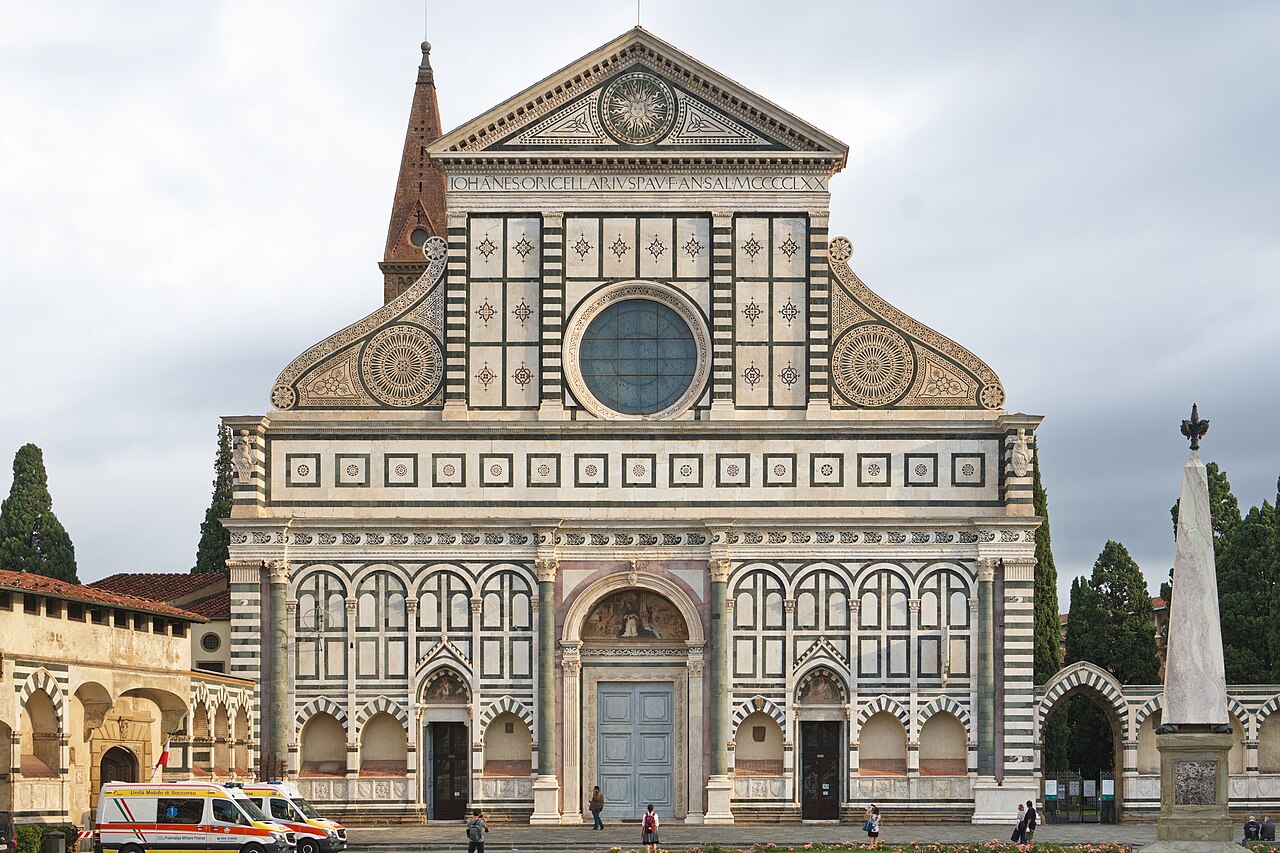
1420 - Leon Battista Alberti: Church of Santa Maria Novella (All Facts)
Decorated with paintings by Paolo Uccello
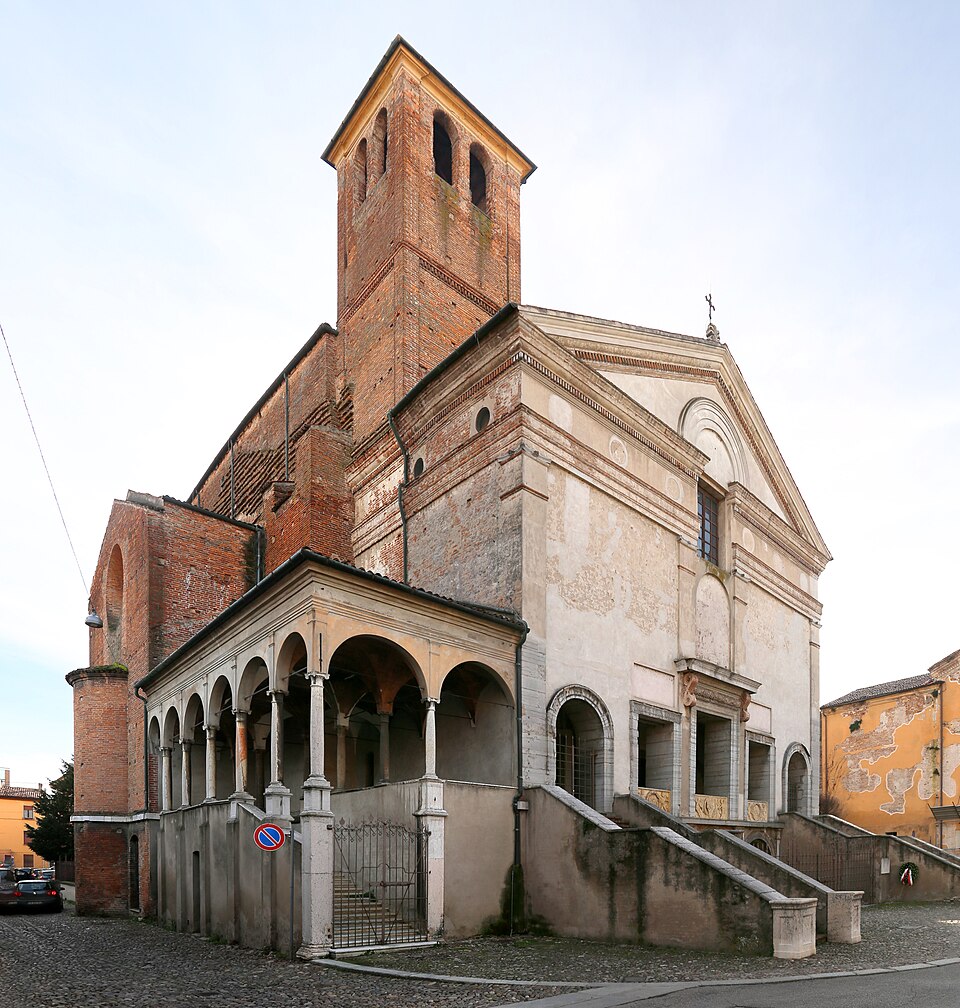
1470 - Leon Battista Alberti: Basilica of San Sebastiano / Church of St. Sebastian (All Facts)
Located in Mantua in Italy
He crystallized Italian Renaissance ideas on architectural proportions and harmonious design
His use of classical elements for the namesake church deprived it of an “ecclesiastical” flavor
1449 - 1494 - Baccio Pontelli (All Facts)
Italian Renaissance Architect
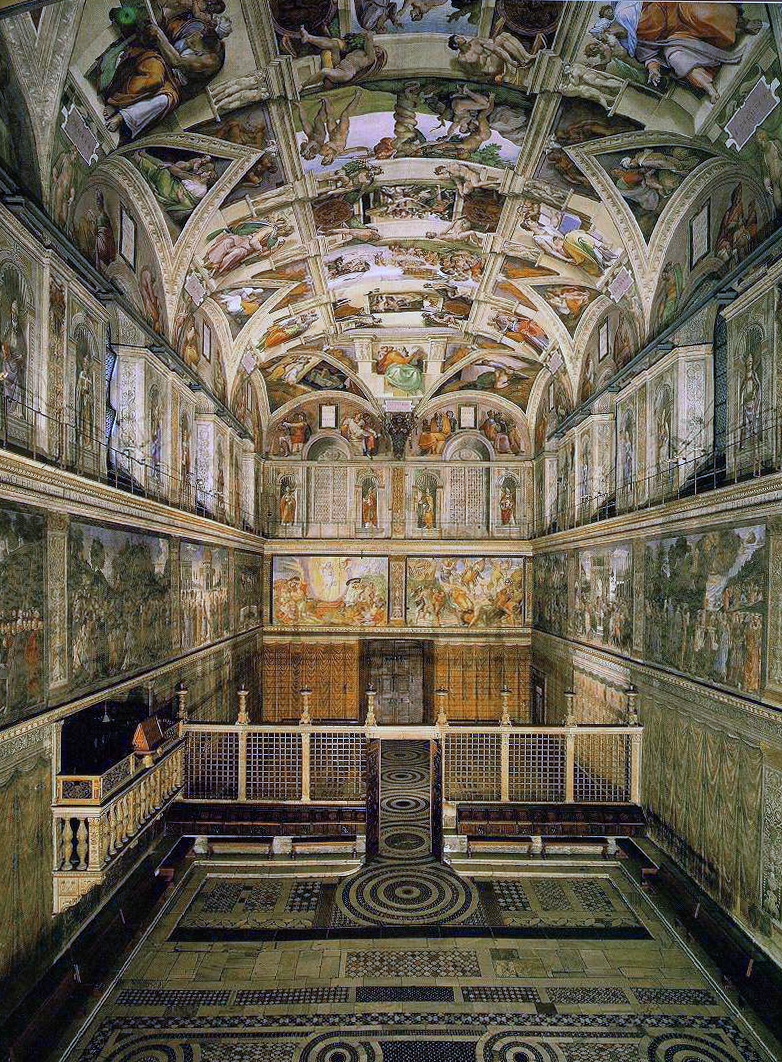
1483 / 1508 - Baccio Pontelli: Sistine Chapel (All Facts)
Named after Pope Sixtus IV
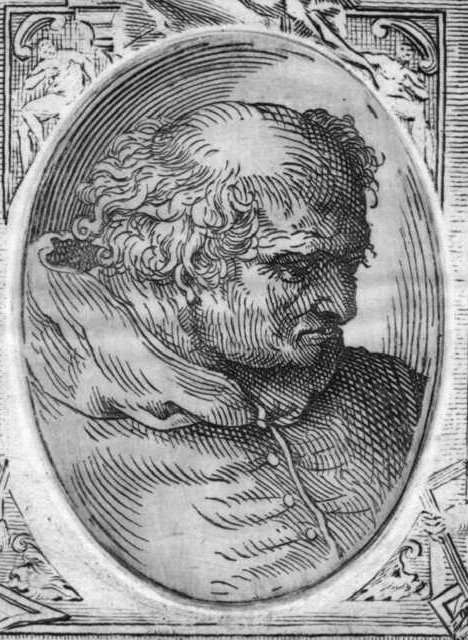
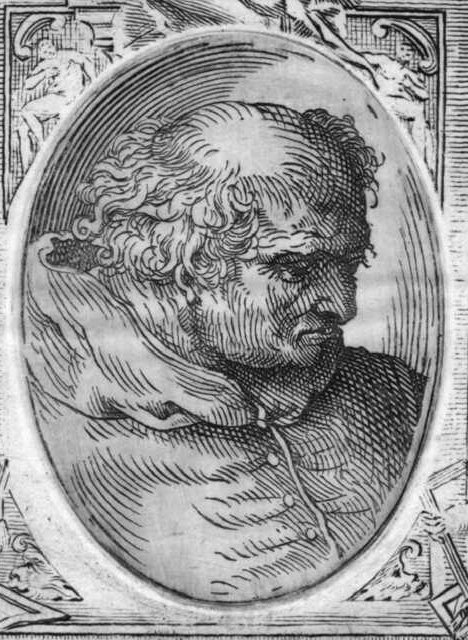
1444 - 1514 - Donato Bramante (All Facts)
Italian Renaissance Architect
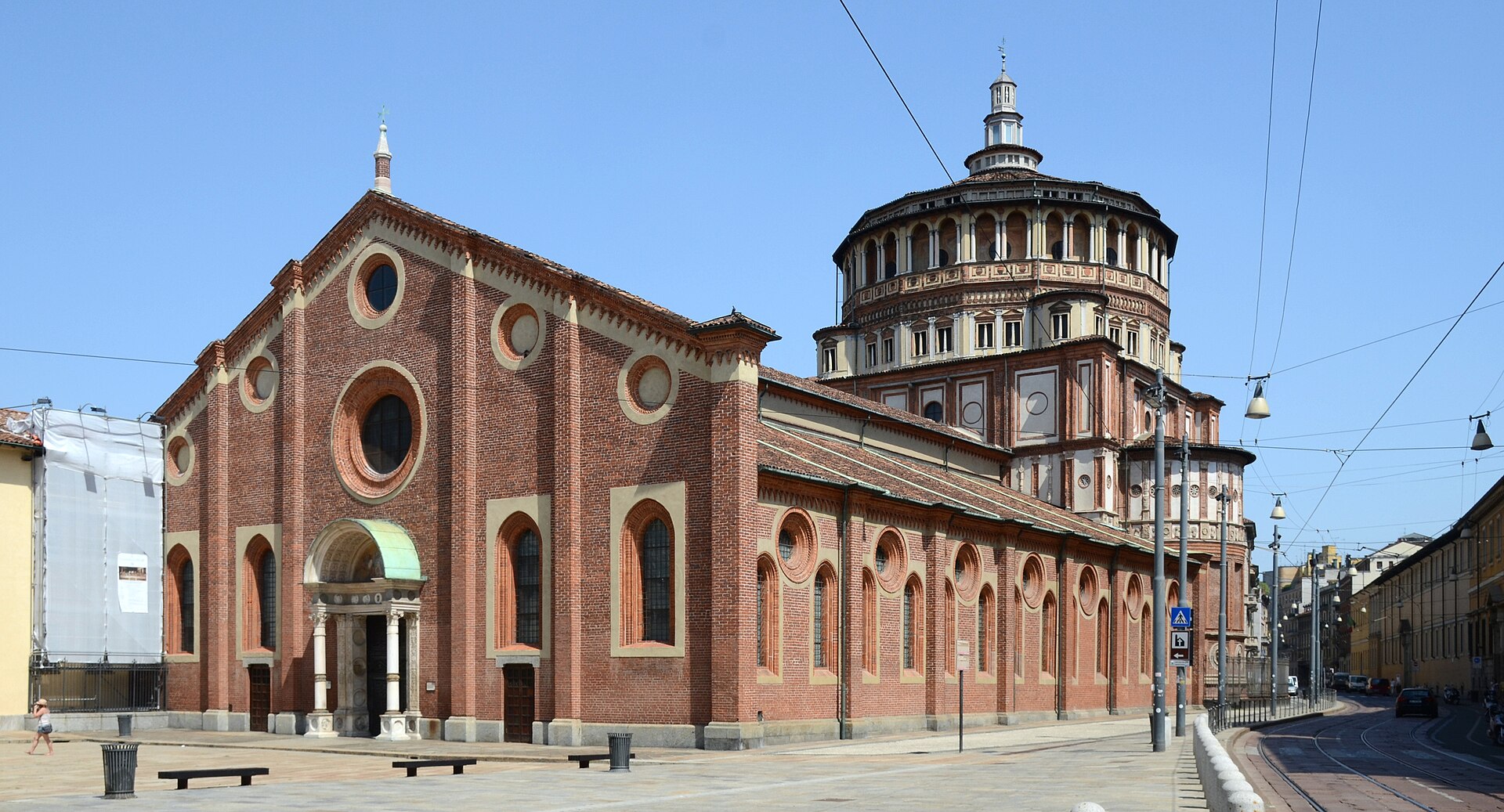
1497 - Donato Bramante: Santa Maria delle Grazie (All Facts)
Located in Milan

1502 - Donato Bramante: Tempietto del Bramante / Tempietto di San Pietro (All Facts)
Cathedral which commemorates the site traditionally regarded as the location of St. Peter’s crucifixion
Structure which is considered a masterpiece of High Renaissance architecture, with scholars and architects noting its harmonious proportions and the namesake architect’s symbolic adaptation of Classical and early Christian architectural elements
The namesake architect’s classical intention could be seen in miniature in the namesake

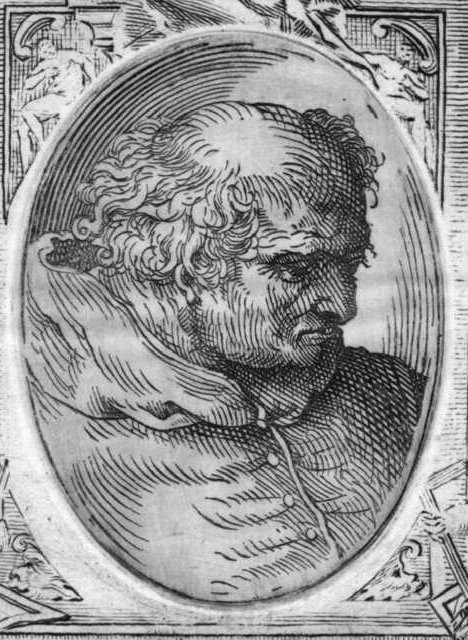
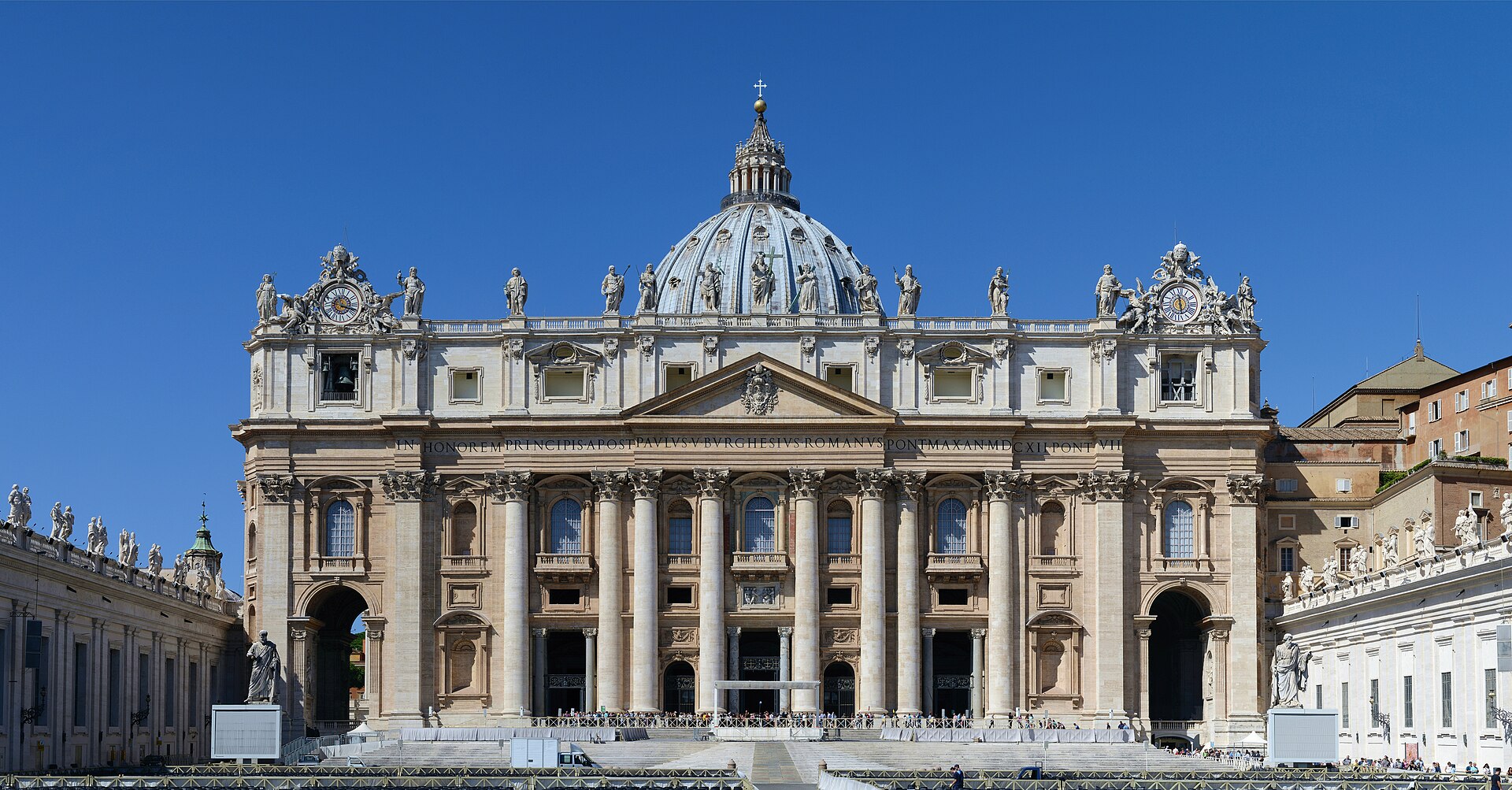
1506 - Donato Bramante / Raphael: St. Peter’s Basilica (All Facts)
Its foundation stone was laid down by Pope Julius II, who entrusted the namesake architect to construct it
Work which was financed by the selling of indulgences for the remission of sins
This was perpetuated by the Fugger banking family
Upon the namesake’s death (pictured), the latter namesake (not pictured) took charge of building the namesake
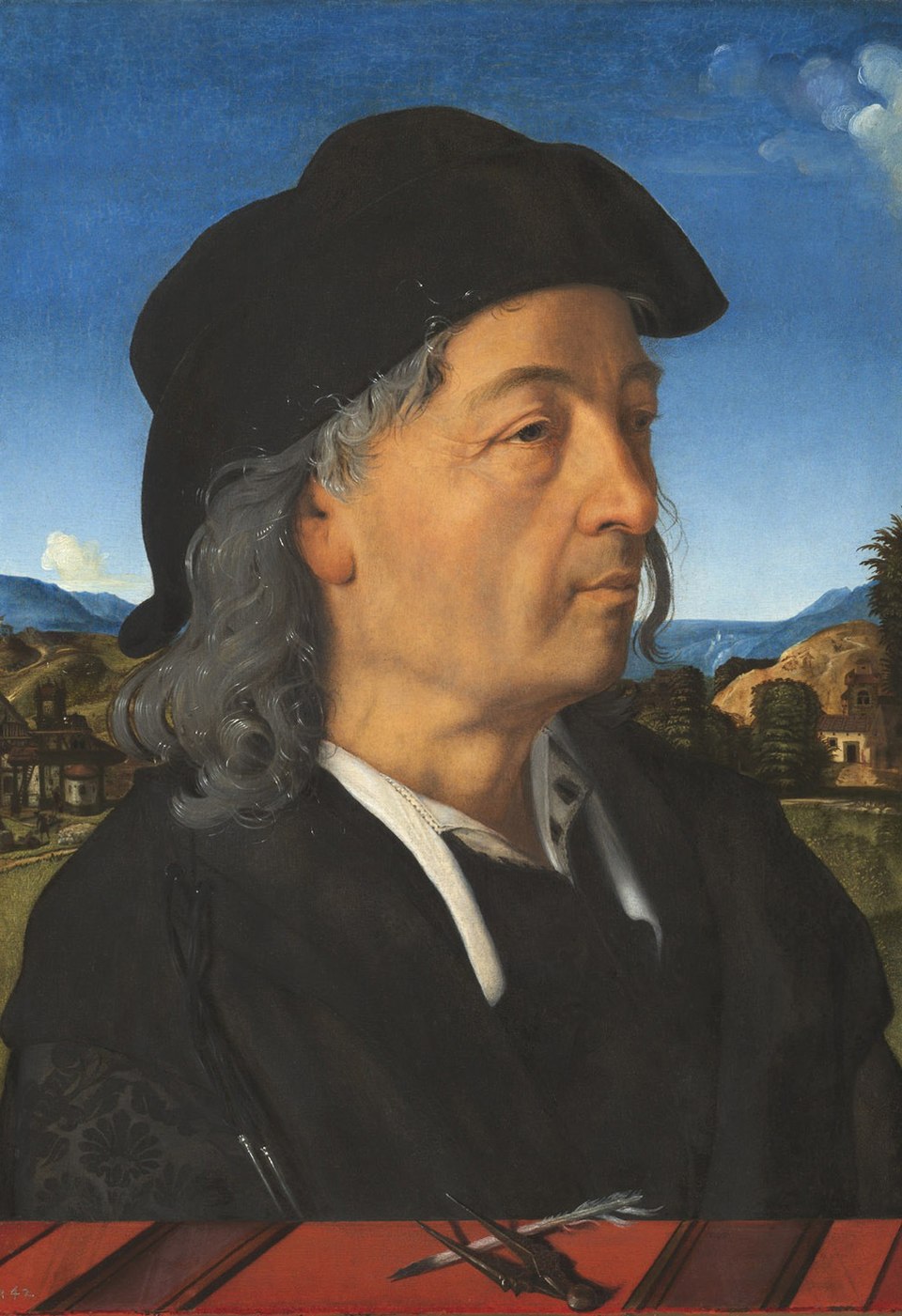
1445 - 1516 - Giuliano da Sangallo (All Facts)
Italian Renaissance Architect
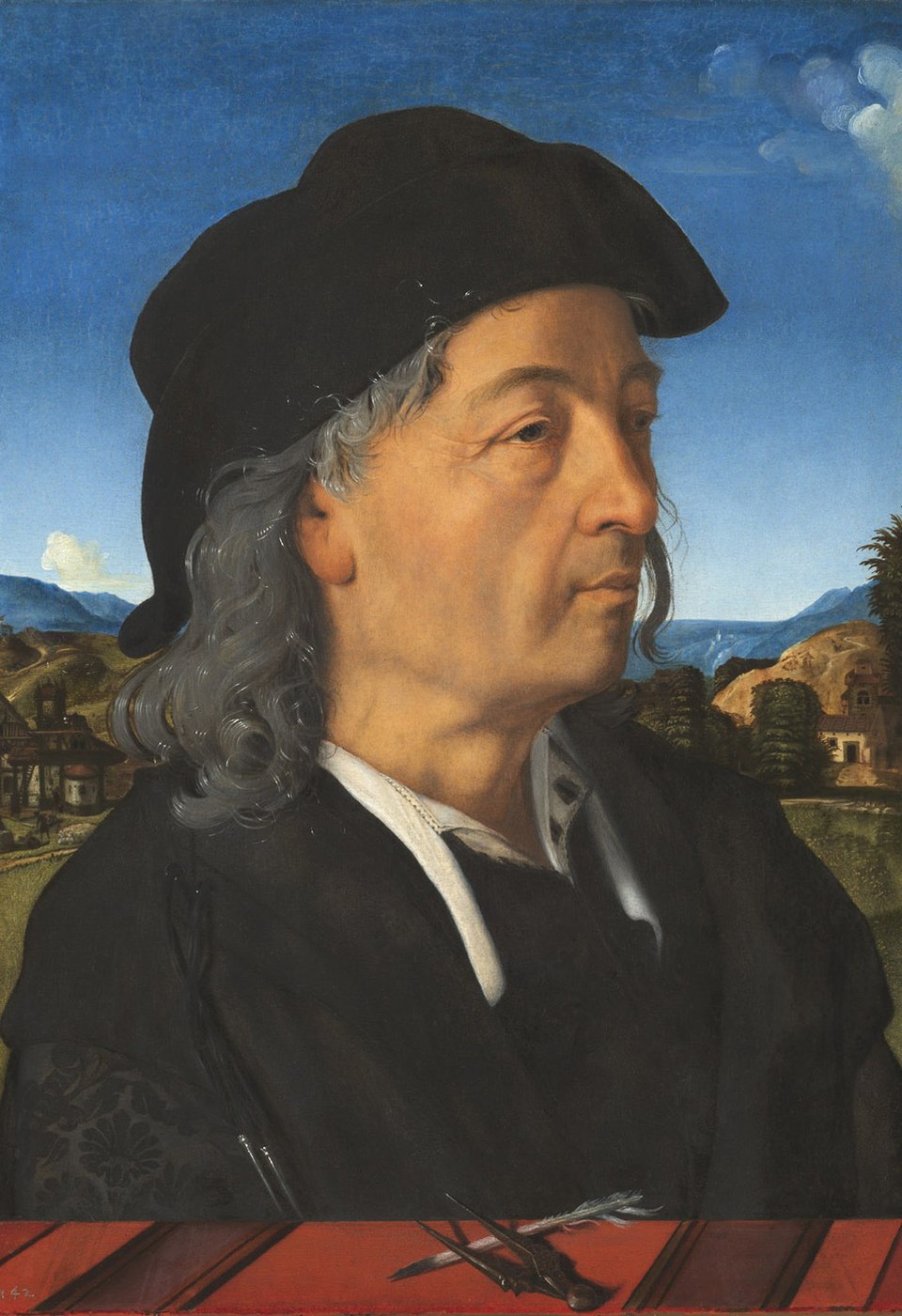
1482 - Giuliano da Sangallo: Poggio a Caiano (All Facts)

1452 - 1519 - Leonardo da Vinci (All Facts)
Italian Renaissance Architect

1483 - 1520 - Raphael (All Facts)
Italian Renaissance Architect
He was Chief Architect of the St. Peter’s Basilica after Donato Bramante’s death
He was in charge of the architectural work at the Vatican Palace

1499 - 1546 - Giulio Romano (All Facts)
Italian Architect
He completed the decorative work on the Palazzo del Te for the Gonzaga Dukes of Mantua

1475 - 1554 - Sebastiano Serlio (All Facts)
Italian Mannerist Architect
He was involved in work on the Chateau of Fontainebleau in France
His architectural treatises helped to spread the ideas of Vitruvius (the Roman) throughout Europe

1475 - 1564 - Michelangelo (All Facts)
Italian Renaissance Architect
He left the design and model for
the unfinished dome for St. Peter’s
His plan for the Campidoglio, Rome’s Capitoline Hill
1507 - 1568 - Giovanni Lippi (All Facts)
Italian Renaissance Architect

1486 - 1570 - Jacopo Sansovino (All Facts)
Italian Renaissance Architect
He was from Florence
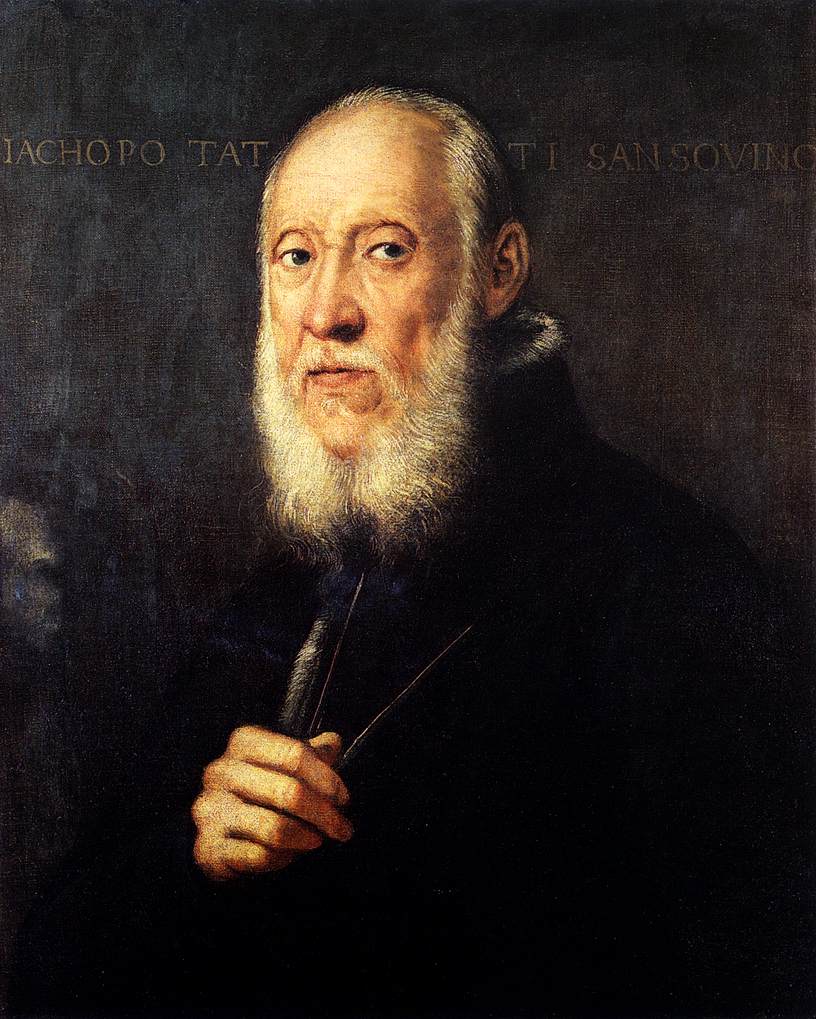
1400s - Jacopo Sansovino: Marciana Library (All Facts)
Library that housed
the valuable manuscripts rescued from the Turkish invasion by Cardinal Bassarion
manuscripts left to Venice by Petrarch


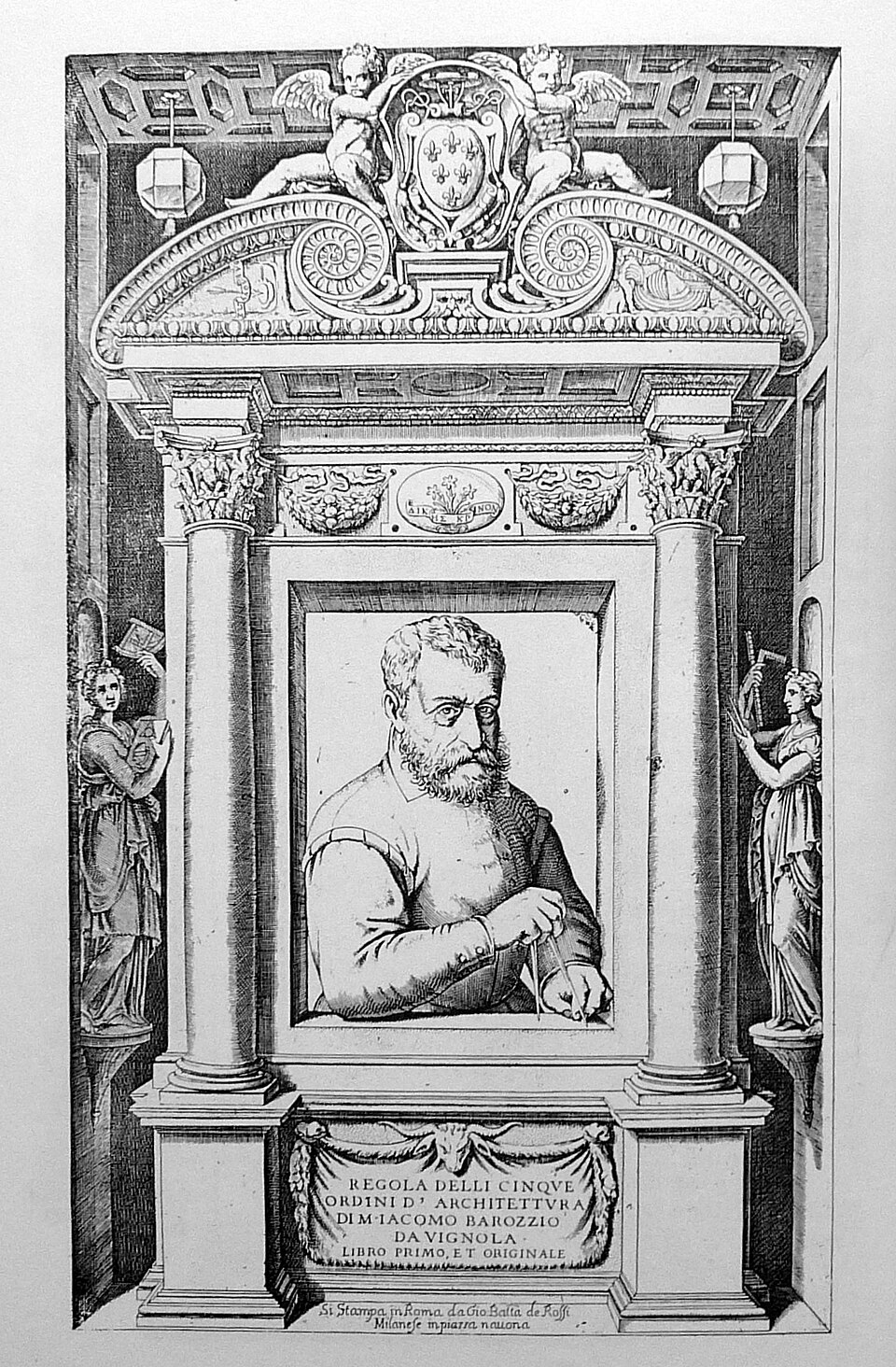
1507 - 1573 - Giacomo Barozzi de Vignola (All Facts)
Italian Renaissance Architect
He took over the direction of the building of St. Peter’s after Michelangelo’s death
He produced a new design which was being adopted throughout the Catholic world
1568 / 1580 - Giacomo Barozzi de Vignola: Church of Jesus / Church of Gesu / Jesus Church (All Facts)
Mother Church of the Jesuit Order and adopted as the uniform standard for all churches thereafter
The essence of the design is that it creates a huge space in the form of a Latin cross
There is an unbroken cornice supporting a lofty barrel vault
The nave is brightly lit by the cupola, in contrast to many existing churches where light was very dim
The buildings it represented were widely admired for their architectural splendor, but the reason for the design was theological rather than aesthetic, as it reflected the determination of the Papacy to resist reformist and Protestant tendencies and locate the Mass on the high altar
The building reflects the centrality of the Mass as the altar was richly decorated with marble, stucco, fresco, and gilded plaster; contrasting with the simple unadorned walls of the nave
The building’s design allows a view of the brightly-lit altar by the maximum number of people; where, in the center of it all, the priest presides over the colorful ritual, exemplifying the authority of the church


1508 - 1580 - Andrea Palladio / Andrea di Pietro (All Facts)
Italian Renaissance Architect
He was from Venice
He helped republish Vitruvius’s “De Architectura”
His classically-inspired symmetry can be seen in several fine places in the region near Venice, especially in the city of Vicenza
Symmetry was not always possible for his villas because many of them were essentially grand farmhouses and required various outbuildings

1570 - Andrea Palladio: Four Books of Architecture (All Facts)
Work which was inspired by Vitruvius (the Ancient Roman)
Work which is a guide to classical architecture, with sections on orders, materials, cities, churches, and houses (palaces and villas); where the namesake architect uses ancient buildings and his own work as examples
Work in which the namesake architect describes how he sought out ancient Roman ruins “to find what the whole must have been, and give the design of them”
1512 - 1583 - Pirro Ligorio (All Facts)
Italian Renaissance Architect
He acheived notable results in landscape gardening working chiefly in Rome and Tuscany
He worked at the Vatican Palace for Pope Pius IV
1550 - Pirro Ligorio: Villa d’Este (All Facts)
Its natural environment was subjected to the rules of formal architectural symmetry

1565 - Pirro Ligorio: Villa Orsini at Bomarzo (All Facts)
Commissioned for the Duke of Orsini at the time, an intellectual who indulged his taste for the bizarre by having the namesake enchanted garden (“sacro bosco”) laid out around the namesake villa in Tuscany in Italy
Villa in which rocks were transformed into ogres, dragons, nymphs, and mermaids, while architectural follies, such as a classical temple, litter it
The namesake architect’s designs pay respect to the predominantly hilly natural setting of the namesake