BIOL2204 amalgamation of stuff
 Call Kai
 Learn
Learn Practice Test
 Spaced Repetition
 Match
Match Flashcards
 Knowt Play
1/69

There's no tags or description
Looks like no tags are added yet.
Name | Mastery | Learn | Test | Matching | Spaced | Call with Kai | Chat |
|---|
No analytics yet
Send a link to your students to track their progress
70 Terms
porifera
sponges

asconoid
simple water canal in sponges

syconoid
radial canal water system in sponges
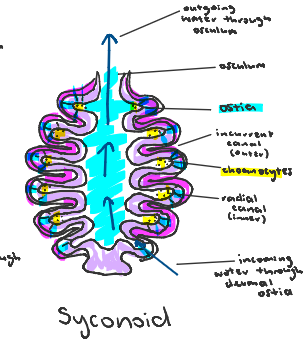
leuconoid
highly folded water system in sponges with flagellated chambers

calcarea
sponge class
spicules made of calcium carbonate
2-4 rayed spicules
vase shaped
white, fawn or yellow
any water channel arrangement

demospongiae
sponge class
spicules made of silica dioxide
flexible spongin skeleton
variously shaped spicules
leuconoid mostly
often colourful and complex

hexactinallida
sponge class
multiple of 6 rayed spicules
silica spicules, often fused
tube or vase shaped
glass sponges
white usually

homoscleromorpha
sponge class
spicules are either small and silica, or non-existent
often 4 rayed spicules
small, thin or encrusting

cnidaria
jellyfish
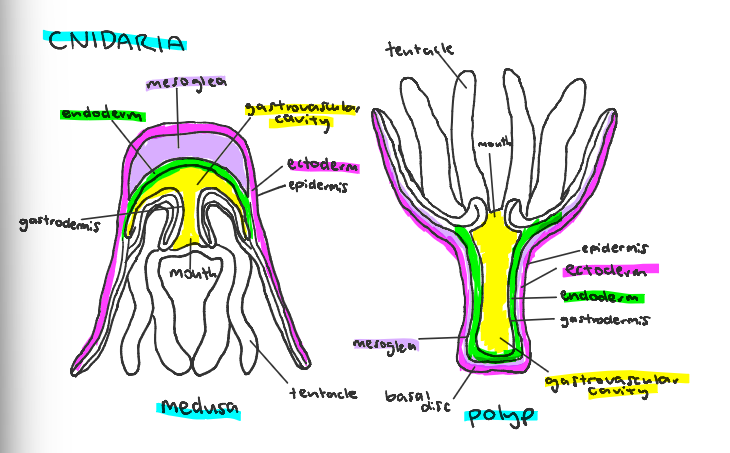
polyp
cnidarian life stage with upward facing tentacles

medusa
cnidarian life stage with downward facing tentacles

hydrozoan
cnidarian class
polyp dominant, medusa reduced
often colonial
velum - muscular shelf
not true jellyfish
blue bottles
scyphozoan
cnidarian class
medusa dominant, polyp reduced
round bell
no velum
thick mesoglea
true jellyfish
cubozoan
cnidarian class
medusa dominant, polyp present
box shaped bell
velarium present
complex eyes
directional swimming
box jellyfish
anthozoan
cnidarian class
polyp only, medusa absent
radial or biradial symmetry
central mouth
anemone, coral
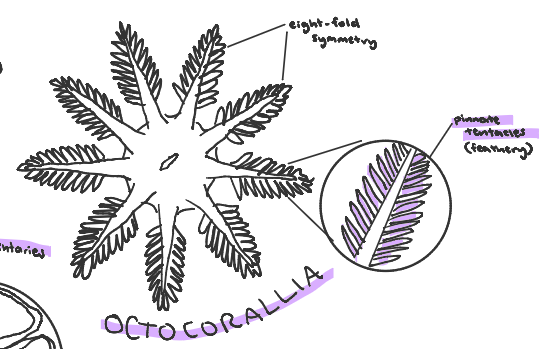
octocorallia
anthozoan subclass
8 pinnate tentacles
8 mesenteries
soft coral, sea fans
hexacorallia
anthozoan subclass
6 smooth tentacles
6 paired mesenteries
stony corals, sea anemones

ctenophora
comb jellies

platyhelminthes
flat worms

nemerteans
ribbon worms

annelida
segmented worms
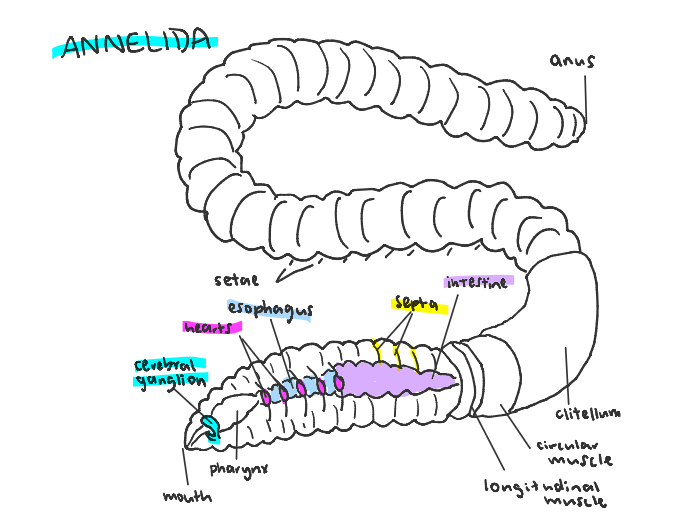
polychaetae
annelid class
bristle worms
parapodia, chaetae/bristles
head and trunk
palps, tentacles and antennae
eversible pharynx
echiura
polychaetae sub-class
spoon or tongue worms
unsegmented
proboscis cannot be retracted
no parapodia

sipuncula
polychaetae sub-class
peanut worms
unsegmented
large coelom
eversible introvert, often armed with hooks or tentacles
looped gut

mollusca
soft bodied animals, without a backbone, often protected with a hard shell
polyplacophora
mollusc class
chitons
8 overlapping dorsal plates
reduced head

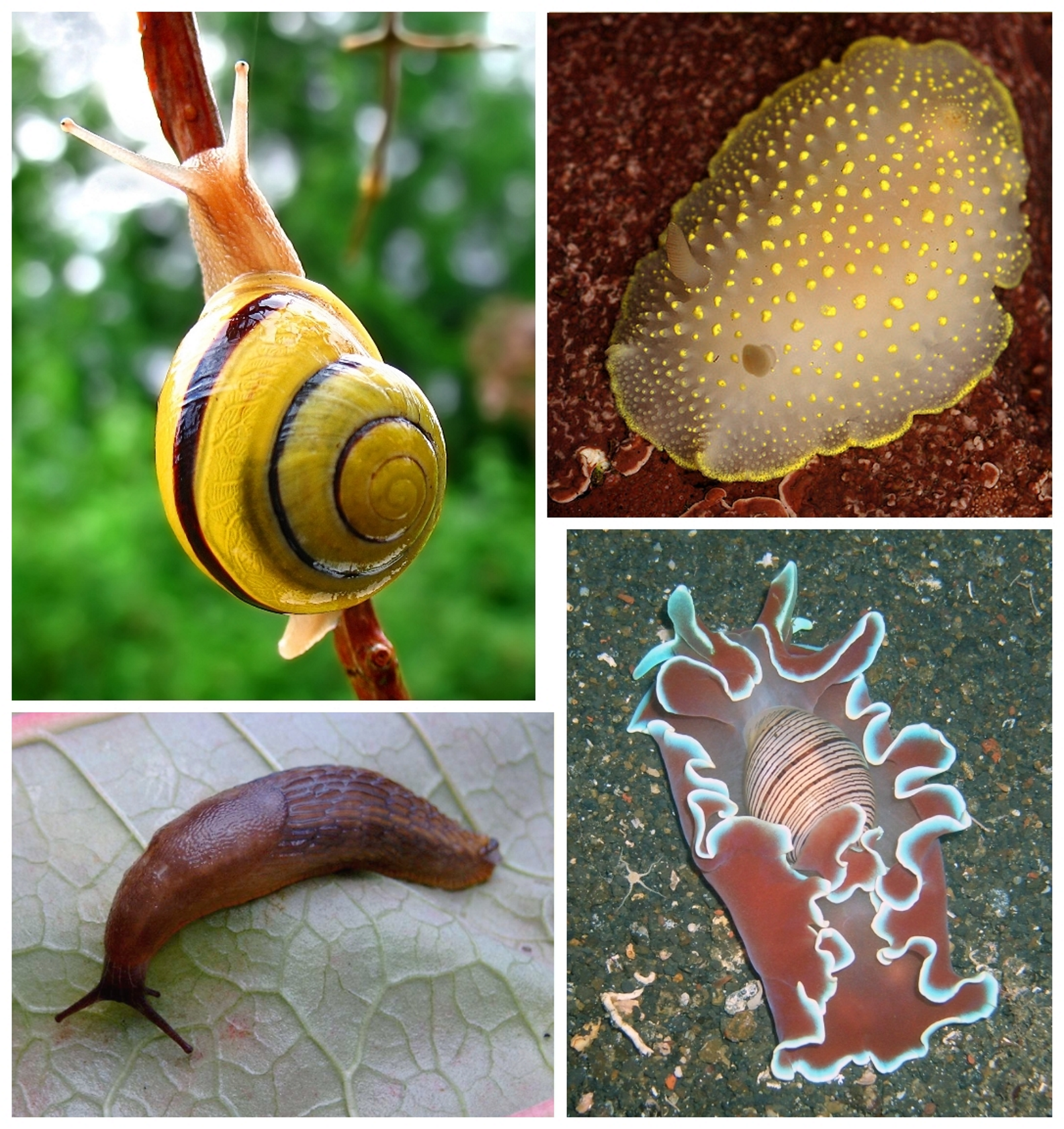
gastropoda
mollusc class
snails, slugs
one shell, often coiled, but may be cap-shaped, reduced or absent
distinct head
bivalvia
mollusc class
muscles, scallops, pippies
two hinged valves
reduced head

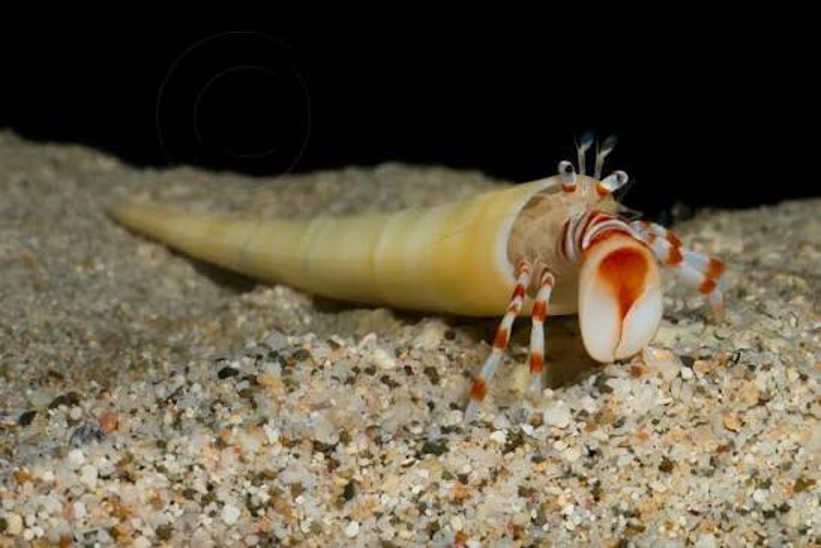
scaphododa
mollusc class
curved, tubular shell, open at both ends
reduced head
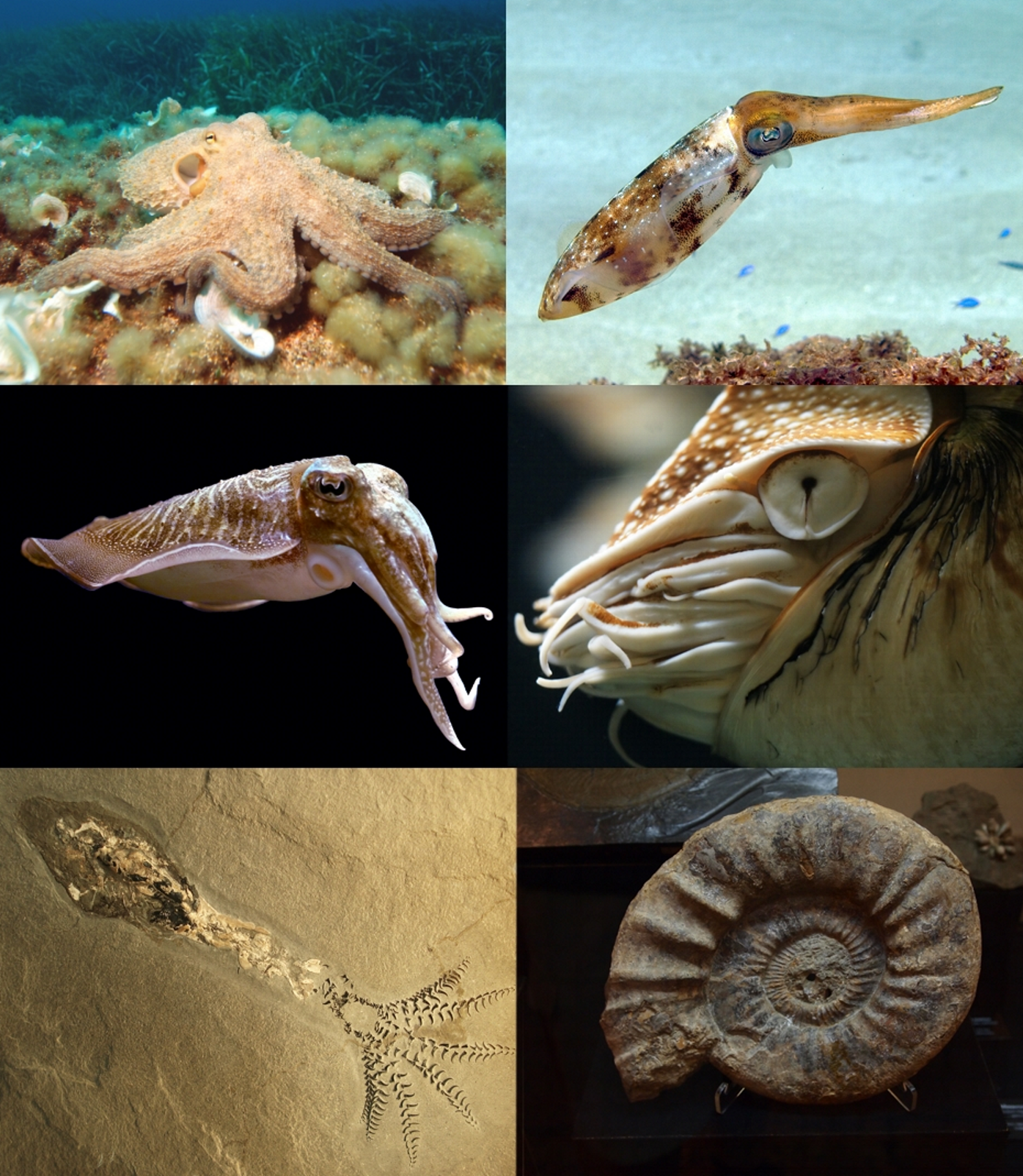
cephalopoda
mollusc class
octopus, squid, cuttlefish, nautilus
external shell only in nautiluses, internal cuttlebone or pen in many forms (shell absent)
large head and beak
lophophorata
groups containing a lophophore - a specialised ring or horseshoe shaped feeding organ consisting of a set of hollow, ciliated tentacles that capture tiny food particles and move them toward the mouth
bryzoans
sea mats, moss animals

phoronida
horseshoe worms

brachipoda
lamp shells

ecdysozoa
groups that undergo ecdysis - a biological process of shedding or moulting the outer body layer, cuticle or exoskeleton to allow for growth
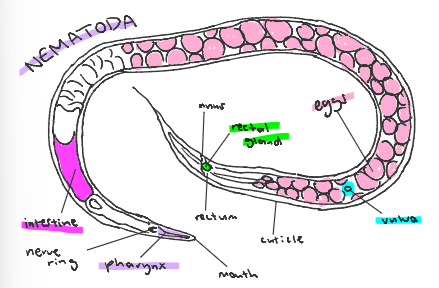
nematoda
round worms
priapulida
penis-worms

arthropoda
animals with segmented bodies, jointed appendages and hard exoskeletons

crustacean
arthropod subphylum
head, thorax and abdomen - head and thorax are often fused to form a cephalothorax
two pairs of sensory antennae - antennules and antennae
three pairs of mouth parts - mandible and maxillae
paired, biramous appendages
prawns, crabs, isopods

chelicerata
arthropod subphylum
cephalothorax/ prosoma (combined head and thorax) and opisthosoma (abdomen)
lack antennae and mandibles
uniramous appendages
first pair of appendages for feeding
horseshoe crabs and sea spiders

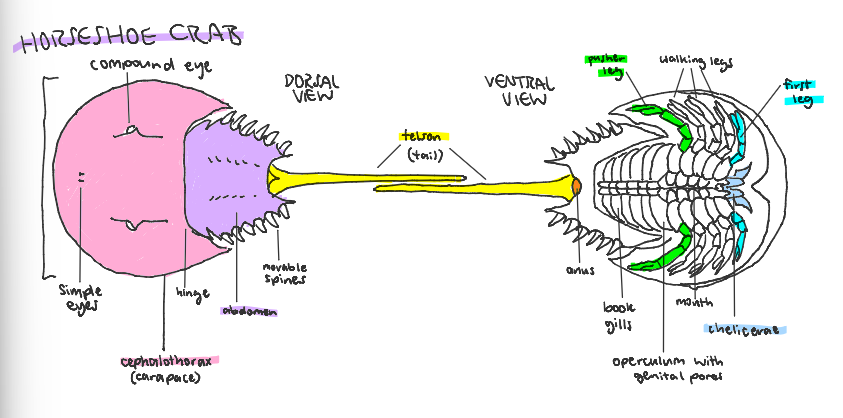
merostomata
chelicerata class
horseshoe crabs
two parts hinged and a strong tail spine
5 pairs of legs for scuttling and digging
flattened appendages
thin book gills
pycnogonia
chelicerata class
sea spiders
8 legs that make up most of the animal
gut and reproductive systems extend into the legs
legs also absorb oxygen and release waste
long proboscis

chaetogonatha
arrow worms

echinodermata
spiney skinned beings
crinoidea
echinoderm class
feather stars
arms have pinnules
cup shaped mouth facing up
open ambulacral groove
no suckers on tube feet
anus on oral surface
no external madreporite
echinoidea
echinoderm class
urchins
spines
dome shaped complete test
closed ambulacral grooves
madreporite and anus on aboral surface
suckers on tube feet
asteroidea
echinoderm class
sea stars
mouth facing down
arms are not clearly demarked from central disc
open ambulacral groove
madreporite and anus on aboral surface
suckers on tube feet
ophiuroidea
echinoderm class
brittle stars
articulated arms clearly demarked from central disc
closed ambulacral groove
madreporite on oral surface
no anus
no suckers on tube feet
holothuroidea
echinoderm class
sea cucumbers
closed ambulacral groove
skeleton reduced to ossicles
internal madreporite
aboral anus
suckers on tube feet
hemichordata
acorn worms and pterobranches

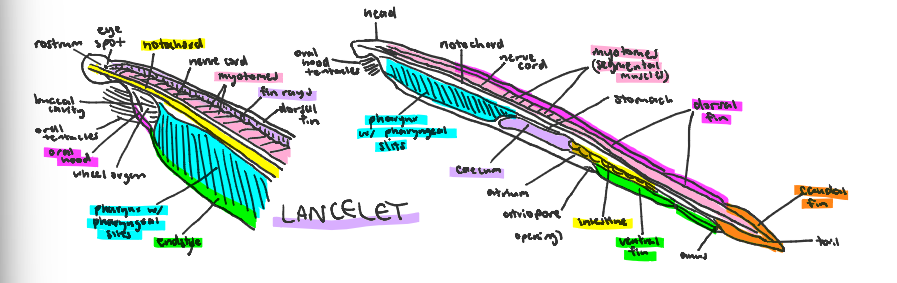
cephalochordata
lancelets
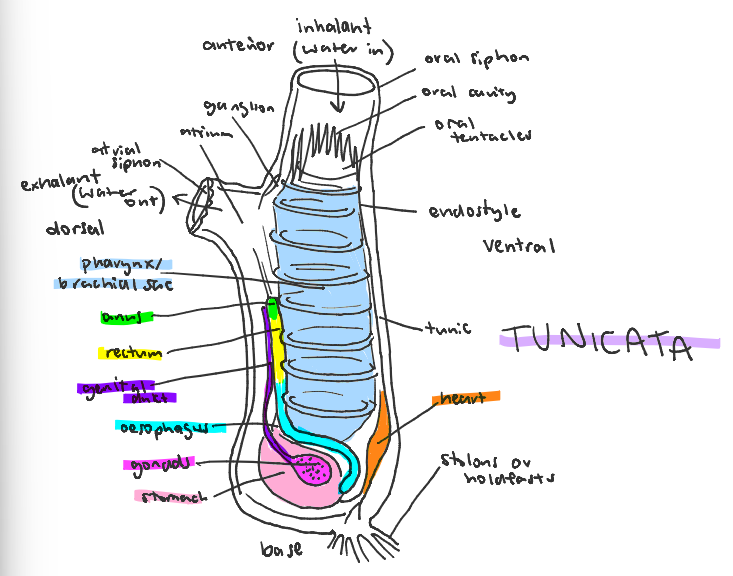
tunicata
sea squirts
agnatha
jawless fish
myxini
agnatha class
hagfish
one continuous dorsal fin
subterminal mouth
vestigial eyes
4 hearts, partially open circulatory system
1-16 external gill slits

pteromyzontida
agnatha class
lampreys
1-2 dorsal fins near the tail
functional eyes
terminal mouth
1 heart
7 external gill slits

anapsid
skeleton with no post-orbital openings, found in turtles

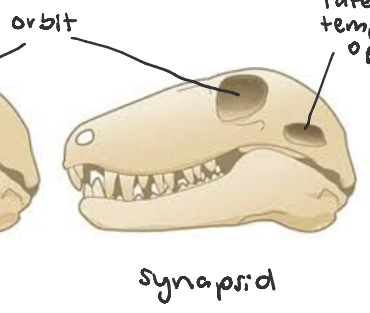
synapsid
skeleton with one post-orbital opening, the lateral temporal opening, found in mammals
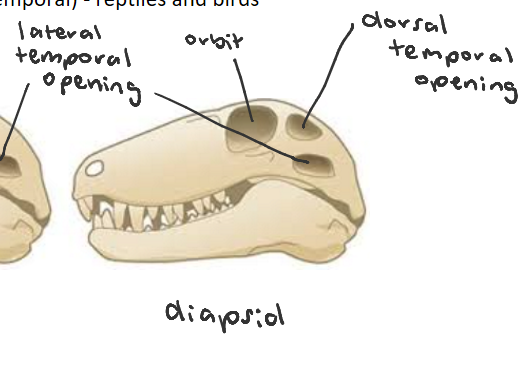
diapsid
skull with two post-orbital openings, the lateral temporal and dorsal temporal, found in aves and reptiles (sauropsids)
chondrichthyes
class - cartilagenous fish
elasmobranchii
chondrichthyes sub-class
sharks and rays
5-7 gill openings
dermal denticles (placoid scales)
jaws attached to skull with ligaments

holocephalii
chondrichthyes sub-class
chimaeras or rabbit fish
upper jaw fused to the skull
osteichthyes
boney fish

actinopterygii
osteichthyes sub-class
ray finned fish
swim bladder
actinistia
osteichthyes sub-class
lobe-finned fish
incomplete vertebral column
hollow fin rays
pectoral and pelvic fins are limb like
tetrapoda
4 limbs
pentadactyl plan
separate digits
gnathostomata
super-class
jaws
true teeth
paired appendages
carnivora
class of marine mammals
sea otters and polar bears
pinnipedia
order of marine mammal
seals, sea lions, walrus
sirenia
order of marine mammals
dugongs and manatees
cetacea
order of marine mammals
whales and dolphins