P1 | Unit 1
 Call Kai
 Learn
Learn Practice Test
 Spaced Repetition
 Match
Match Flashcards
 Knowt Play
1/20

There's no tags or description
Looks like no tags are added yet.
Name | Mastery | Learn | Test | Matching | Spaced | Call with Kai | Chat |
|---|
No analytics yet
Send a link to your students to track their progress
21 Terms
Health System
_______________ sometimes referred to as health care / healthcare system, is the organization of people, institutions, and resources that deliver health care services to meet the health need of target populations.
Health Care
refers to various services provided to individuals, families, , or communities by health professionals to promote, maintain, monitor, or restore health.
Health Development
The main goal is ______________ — a continuous and progressive improvement inthe health status of a population.
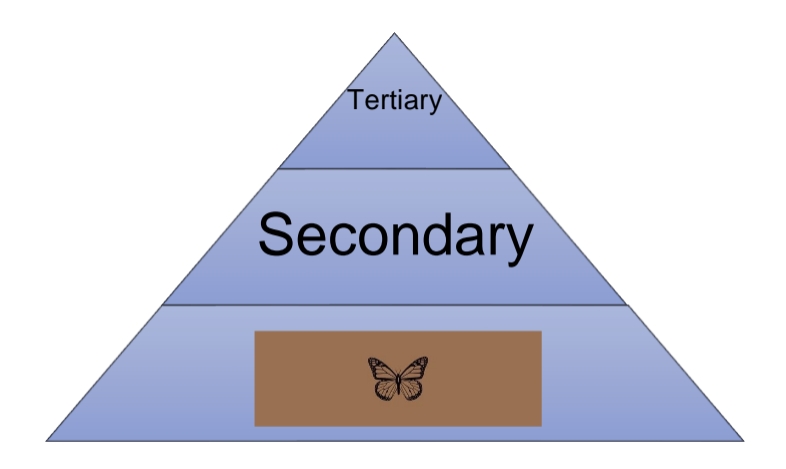
Tertiary Care
Highly specialized consultative care for special and specific treatment and diagnosis which are provided by the regional or central level institutions that has an advancement in facility and equipment.
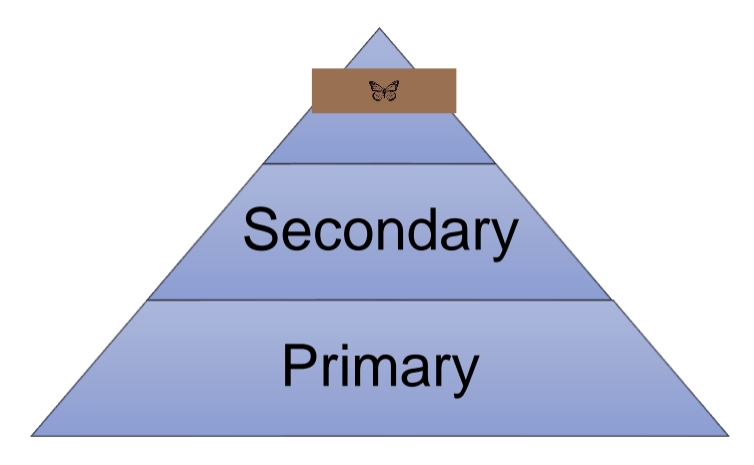
Secondary Care
Complex problem are dealt with which are generally provided by district hospitals and community centers that are also serves as the first referral level and provides curative services.

Primary Care
day to day care by the health care provider that serves as the first contact of consultation of the patients, where it is level of healthcare close to the people where most of the health problem can be resolved.
emphasis on health promotion and disease prevention.
also called health care at the doorstep or essential healthcare.
Health Care Setting
refers to the various places and services where health care occurs.
Hospitals
Provide short term care for patients with severe health issues.
Offers specialized treatments and provide both inpatient and outpatient care.
Have various departments and specialized units, with common support units including pharmacy, pathology and radiology.
Clinics
Smaller than hospitals and primarily focused on the care for outpatients.
Focused on diagnosis, treatment and minor procedures,
Not equipped for overnight stays.
Mental Health Facilities
Public or private facilities that provide specialized treatment for mental disorders.
Provide short-term or outpatient therapy for low-risk patients.
Offer temporary or permanent residential care for patients needing routine assistance or specialized environments.
Long-Term/ Residential Facilities
Provides ervices which help meet both medical and non-medical needs of patients with chronic illness or disability who cannot care for themselves for long periods.
Focus on individualized and coordinated services to promote independence and quality of life.
Provide custodial and non-skilled care, such as assistance with daily tasks (feeding dressing, bathing).
Hospice/ End-of-Life Care
Designed to give supportive care to patients in the final phase of a terminal illness.
Focuses on the quality of life rather than trying to cure the illness.
Addresses physical, emotional, social, and spiritual needs.
Uses a multidisciplinary team (nurse, physician, social worker, clergy)
Outpatient/ Ambulatory Care
Medical care that does not require admission in a hospital or medical facility.
Can be provided in medical offices, hospital outpatient departments, outpatient surgery centers, or dialysis centers.
Includes minor surgeries, dental care, dermatology, diagnostic procedures (e.g., blood tests, X-rays, endoscopy).
Preventive Care
Medical services that defends against health emergencies.
Services aimed at preventing health problems before they become severe.
Includes check-ups, immunizations, screenings (e.g., cholesterol tests, colonoscopies).
Goal: Keep people healthy and stop disease progression early
Home Health Care
Medical care provided in patient's home that are usually provided by registered nurses, occupational therapist, physical therapist or any other skilled professionals, which are less expensive, more convenient, and as effective as hospitals.
1. Hospitals
2. Clinics
3. Mental Health Facilities
4. Long Term/Residential Facilities
5. Hospice
6. Outpatient
7. Preventive Care
8. Home Health Care
8 Health Care Settings
Telemedicine
Means healing at distance.
A remote delivery of healthcare services.
Telemonitoring
Asynchronous / Store-and-Forward
Interactive Telemedicine
Types of Telemedicine
Telemonitoring
Allows patients with chronic diseases to be monitored in their homes with mobile.
Asynchronous / Store-and-Forward
Lets providers share patient information, such as lab results, with a physician at another location.
Interactive Telemedicine
Allows physicians and patients to communicate in real time. Sessions can be conducted in patient's home or nearby medical facility with a use of video conferencing software.