Mexico: Notable Religious Figures, Theologians, Philosophers, etc.
 Call Kai
 Learn
Learn Practice Test
 Spaced Repetition
 Match
Match Flashcards
 Knowt Play
1/8

There's no tags or description
Looks like no tags are added yet.
Name | Mastery | Learn | Test | Matching | Spaced | Call with Kai | Chat |
|---|
No analytics yet
Send a link to your students to track their progress
9 Terms
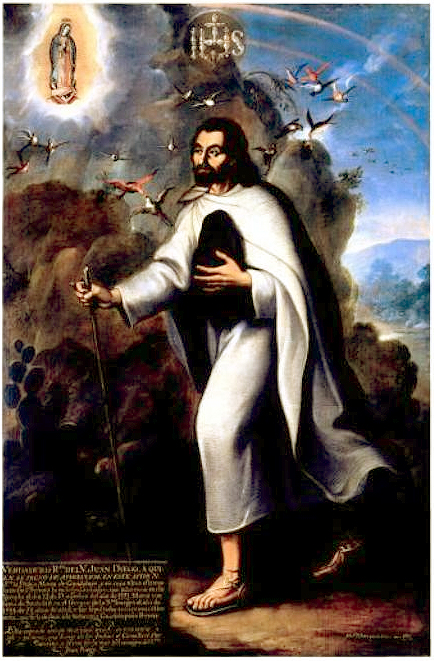
1474 - 1548 - St. Juan Diego (All Facts)
Nahua Mexican Peasant and Devout Catholic
He had a vision of the Virgin Mary
She told him to go to the Spanish bishop of Mexico and persuade him to build her a church on Tepeyacac Hill
When he went to the bishop, the bishop refused to believe his story
He had a second vision of the Virgin Mary
He begged her to use a Spaniard for her mission, rather than a Nahua Mexican
She just assured him of her love and concern for his people and asked him to persevere
He failed a second time to convince the bishop
He had a third vision of the Virgin Mary
She told him to return the next day to collect proof for his story
However, his uncle caught the plague that day, forcing him to stay home
He had a fourth vision of the Virgin Mary
The next day, she cured his uncle and simultaneously met him at Tepeyacac Hill
There, she ordered him to pick flowers and carry them to the bishop in his cloak
When he did so, he opened his clock, and the image of the Virgin Mary was clearly to be seen on the lining, finally persuading the bishop to build the church
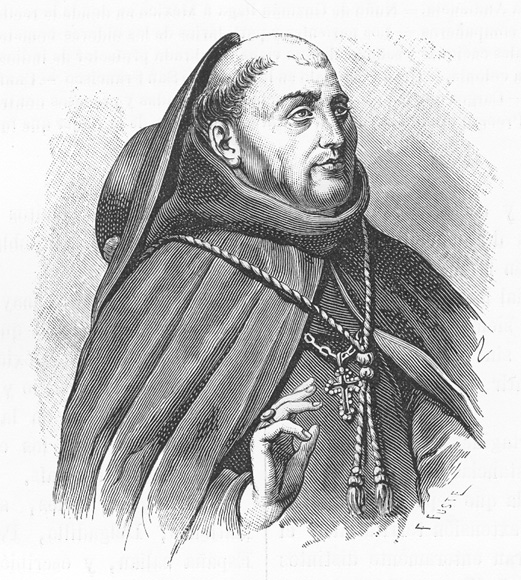
1468 - 1548 - Juan de Zumárraga (All Facts)
Spanish Basque Franciscan Prelate and First Bishop of Mexico
1485 - 1571 - Andres de Olmos (All Facts)
Spanish Franciscan Priest, Grammarian, and Ethno-Historian of Mexico's indigenous languages and peoples
He published the first Nahuatl grammar
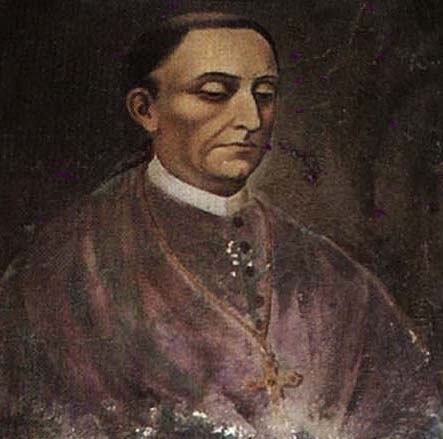
1524 - 1579 - Diego de Landa (All Facts)
Spanish Franciscan Bishop of Yucatán
He led a campaign against idolatry and human sacrifice, ordering for the burning of a large number of Maya manuscripts which contained knowledge of Mayan religion, culture, and history
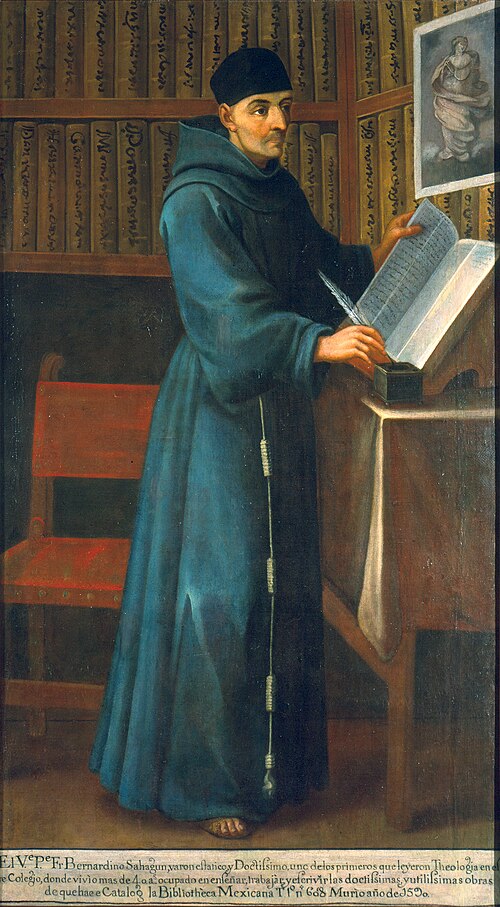
1499 - 1590 - Bernardino de Sahagún (All Facts)
Spanish Franciscan Friar, Missionary, Priest and Ethnographer
He was hailed as the foremost historian of the lands of Mexico (New Spain)
In parallel to his religious undertakings, he developed himself into an outstanding historian of the native tribes of Mexico (New Spain)
He began his career as a missionary to the New World
He participated in the Catholic evangelization of Mexico (New Spain)
While his central task as a missionary was to wipe out native idolatry and replace it with Christian worship, his natural inclination had been to discover as much as possible about the native tribes of Mexico (New Spain)
He devoted his career to the Colegio de Santiago Tlatelolco, which was dedicated to the education of young native individuals of the tribes of Mexico (New Spain)
He was an expert in native Mexican crafts, the best of which he saw himself
He was an expert in native Mexican languages, of which he both read and wrote
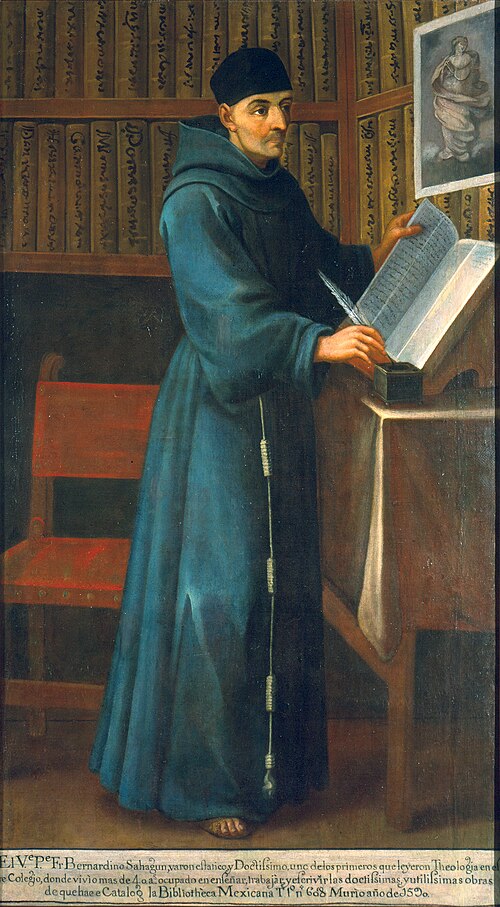
1569 / 1585 - Bernardino de Sahagún: General History of the Things of New Spain (All Facts)
Work which was essentially an encyclopedia of ancient Mexico
Work which the namesake author begun with the aim of giving his fellow priests as wide as possible a knowledge of the culture with which they deal in evangelizing
Work which was not the first such history of its kind, but in which the namesake author’s methods made it the most authoritative
Order of the Blessed Virgin Mary of Mercy (All Facts)
Catholic Order which included the Mercedarian fathers, who arrived in Mexico in 1594
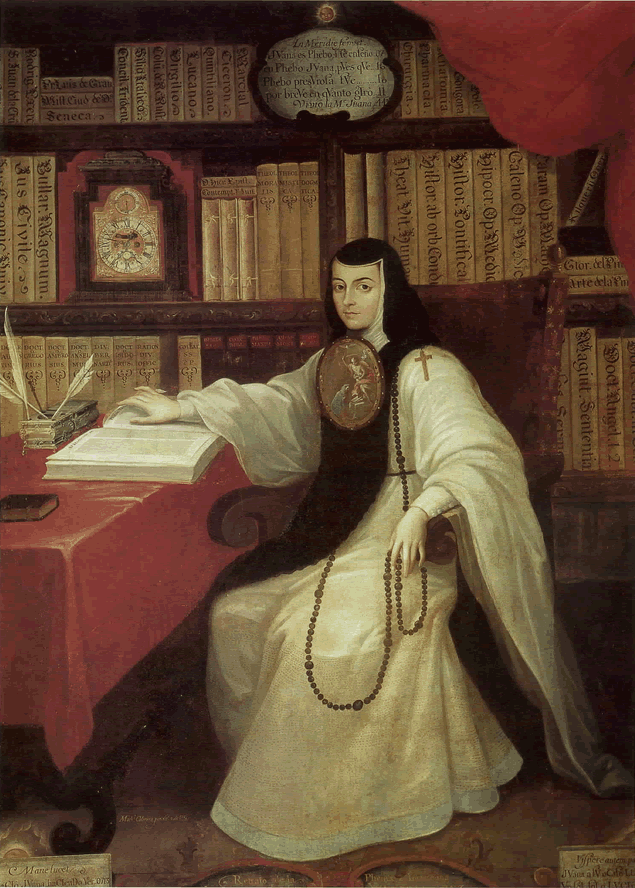
1648 - 1695 - Juana Inés de la Cruz (All Facts)
Mexican Nun, Writer, and Philosopher
She re-affirmed her nun’s vows after a row with the Church over her autobiography, in which she
criticized the Spanish Inquisition
argued for women’s rights and education
She left the Viceroy of Mexico (New Spain)’s Court at the age of 18
From there, she joined the Order of St. Jerome
Her ambitions there were to pursue education and avoid marriage
During 21 years of convent life there she wrote
poems
ballads
comedies
sacramental plays
She collected 4,000 books, which formed the largest library in South America at the time
She later gave all these books away to charity
She died after nursing victims of the recent plague in Mexico