Intervertebral Disk Disease (IVDD) Review
 Call Kai
 Learn
Learn Practice Test
 Spaced Repetition
 Match
Match Flashcards
 Knowt Play
1/12

Earn XP
Description and Tags
A set of vocabulary-style flashcards covering the clinical presentation, diagnosis, surgical treatments, and prognosis of Intervertebral Disk Disease (IVDD).
Name | Mastery | Learn | Test | Matching | Spaced | Call with Kai | Chat |
|---|
No analytics yet
Send a link to your students to track their progress
13 Terms
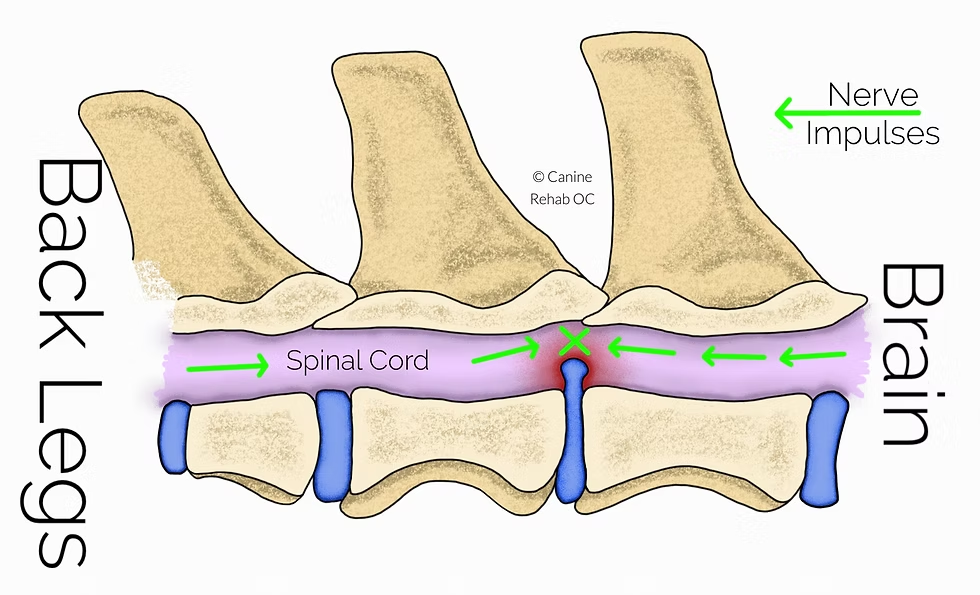
Intervertebral disk disease (IVDD)
A condition characterized by pain in the
neck or back
an arched back or head held down
signs such as ataxia, paraparesis, paraplegia, or tetraparesis.
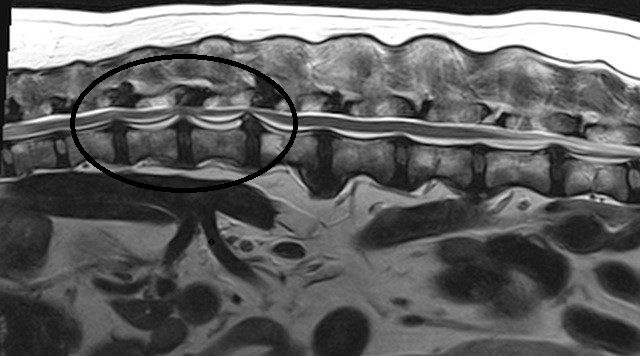
MRI (in IVDD Diagnosis)
A diagnostic imaging technique that is safe, fast, and provides the best quality results for identifying intervertebral disk disease.
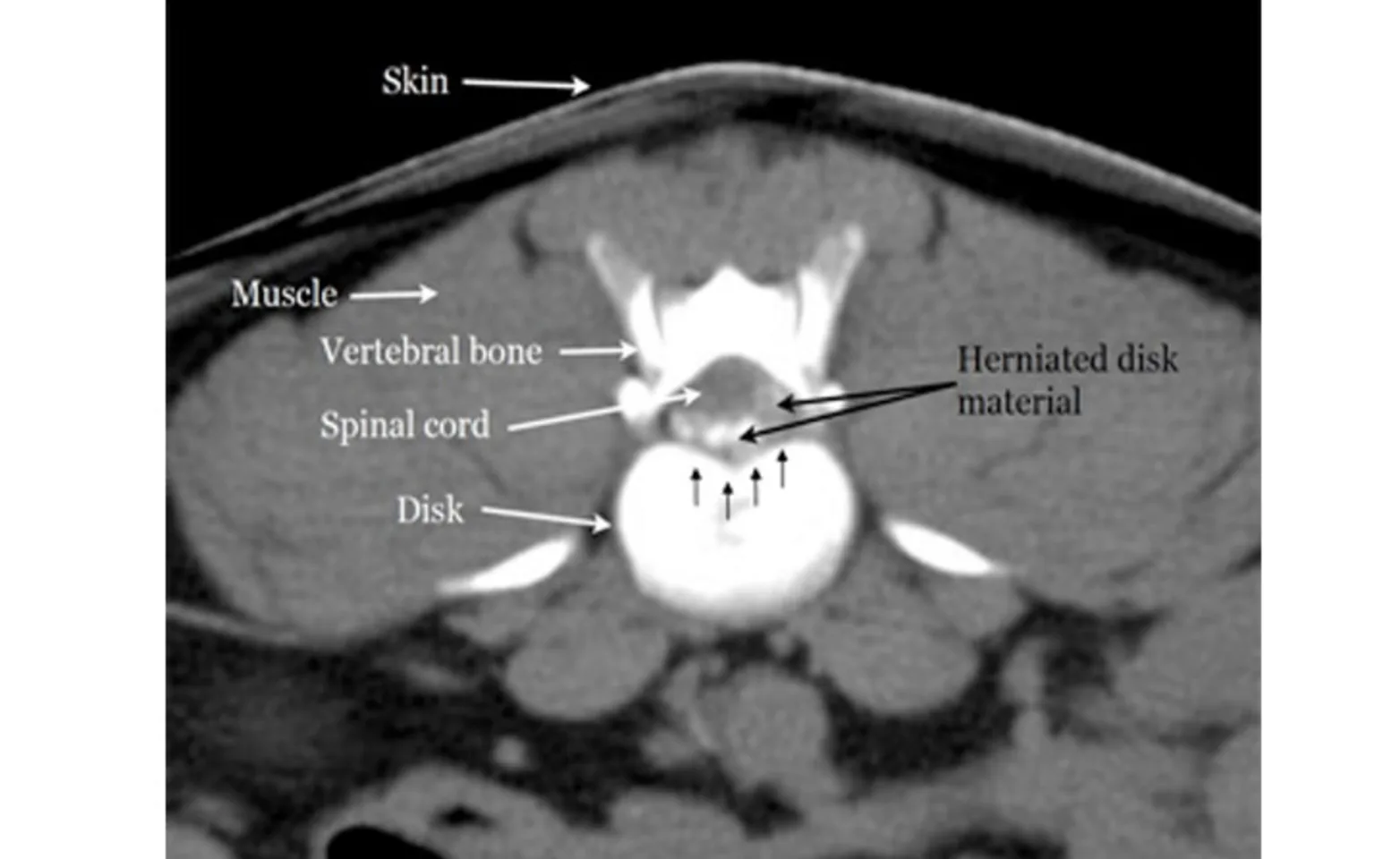
CT (in IVDD Diagnosis)
A diagnostic tool that is safe and faster than an MRI but provides lower quality imaging.
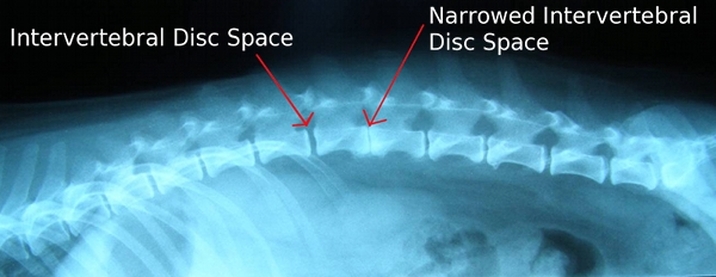
Myelography
An invasive diagnostic procedure for IVDD where seizures may occur during recovery.
Conservative Treatment (IVDD)
Indicated for cases with pain only (no neuro signs), consisting of strict cage rest and analgesia using opiates or NSAIDs.
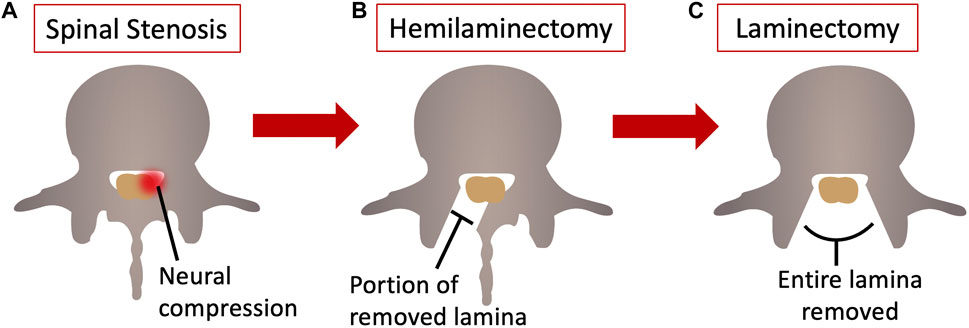
Hemilaminectomy
A surgical decompression procedure used specifically for thoracolumbar disks.
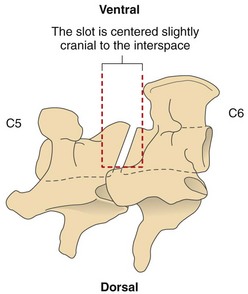
Ventral slot
A surgical decompression procedure used specifically for cervical disks.
Steroids (in IVDD Treatment)
A treatment option falling out of favor with surgeons and neurologists due to numerous adverse effects and poor efficacy compared to NSAIDs.
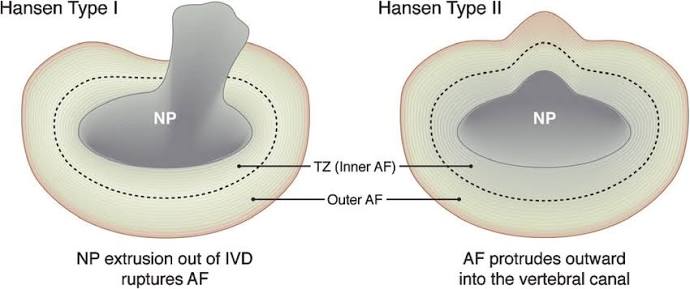
Hansen type I
A type of IVDD occurring in chondrodystrophoid breeds where the nucleus pulposis extrudes through the annulus.
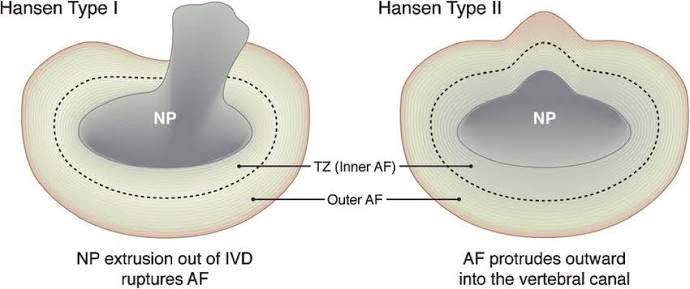
Hansen type II
A type of IVDD usually seen in nonchondrodystrophoid breeds involving hypertrophy or bulging of the annulus.
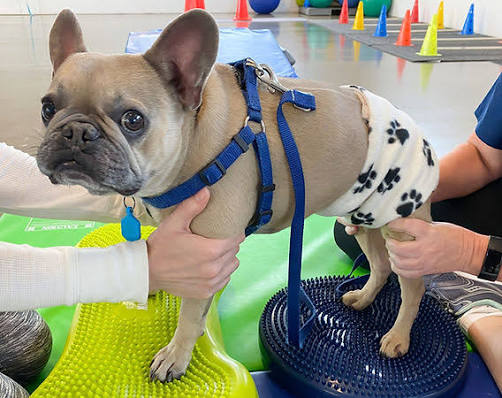
Prognosis: Ambulatory
The outlook for an IVDD patient that is still able to walk is considered excellent.

Prognosis: Nonambulatory with deep pain awareness
The outlook for this patient ranges from guarded (without surgery) to excellent (with surgery).

Prognosis: Nonambulatory with no deep pain awareness
A patient in this state has a 50% chance of regaining function if surgery occurs within 24hours.