Congenital Muscular Torticollis
 Studied by 0 people
 Call with Kai
 Learn
Learn Practice Test
 Spaced Repetition
 Match
Match Flashcards
 Knowt Play
1/11

There's no tags or description
Looks like no tags are added yet.
Name | Mastery | Learn | Test | Matching | Spaced | Call with Kai |
|---|
No study sessions yet.
12 Terms
what is torticollis
- shortening of the SCM that results in ipsilateral lateral flexion and contralateral rotation
- ipsilateral tightness, contralateral weakness
subjective patient history
- birth history (forceps, position, multiple birth)
- developmental skills (i.e. prone tolerance)
- feeding
- positioning devices and hours per day (car seat, swing, bouncy seat, etc)
- position for sleeping/while awake
PT exam
- visual tracking (rescreen at 4 months)
- neuro screen
- hip screen
- cervical PROM/AROM
- active/passive UE and LE
- posture
- developmental skills
- head righting
- muscle function scale
- head shape
- palpation
- standardized tests (ASQ-3)
0 on muscle function scale (MFS) for infants
head below horizontal line
1 on muscle function scale (MFS) for infants
head in the horizontal line
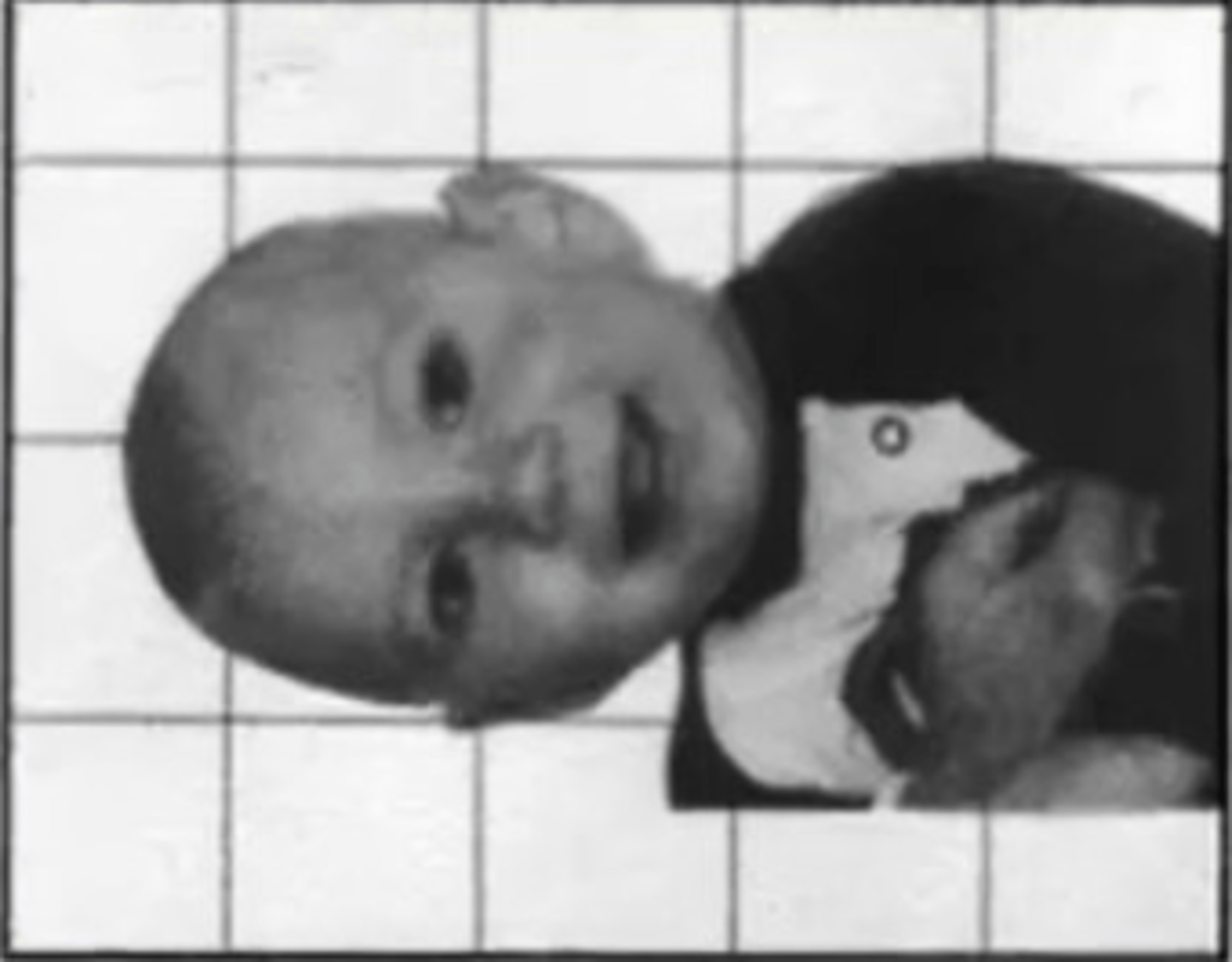
2 on muscle function scale (MFS) for infants
head slightly over the horizontal line
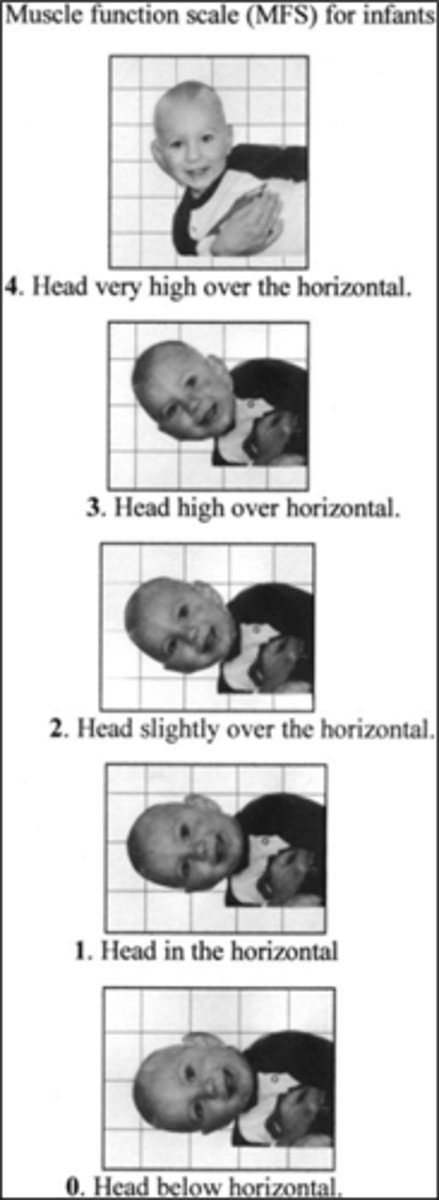
3 on muscle function scale (MFS) for infants
head high over horizontal line but <45 degrees
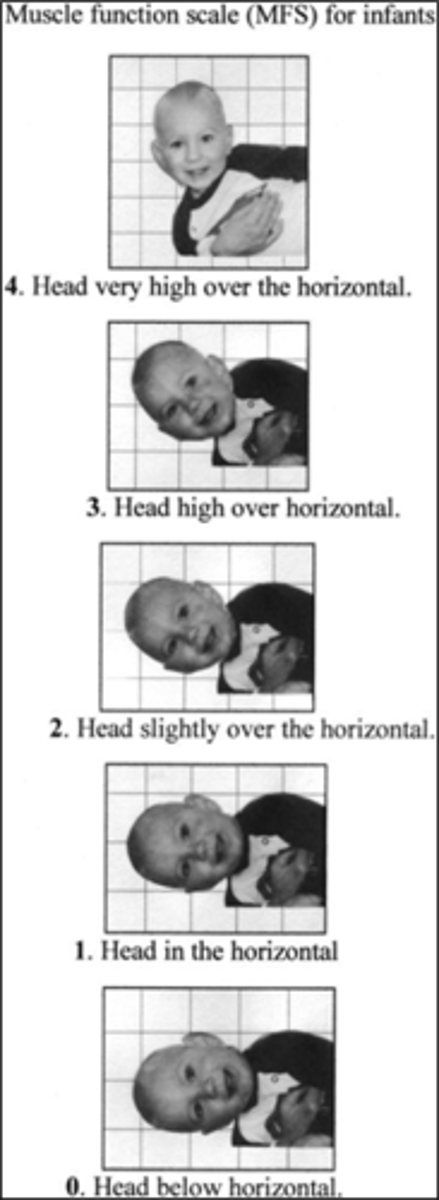
4 on muscle function scale (MFS) for infants
head high over horizontal line and >45 degrees
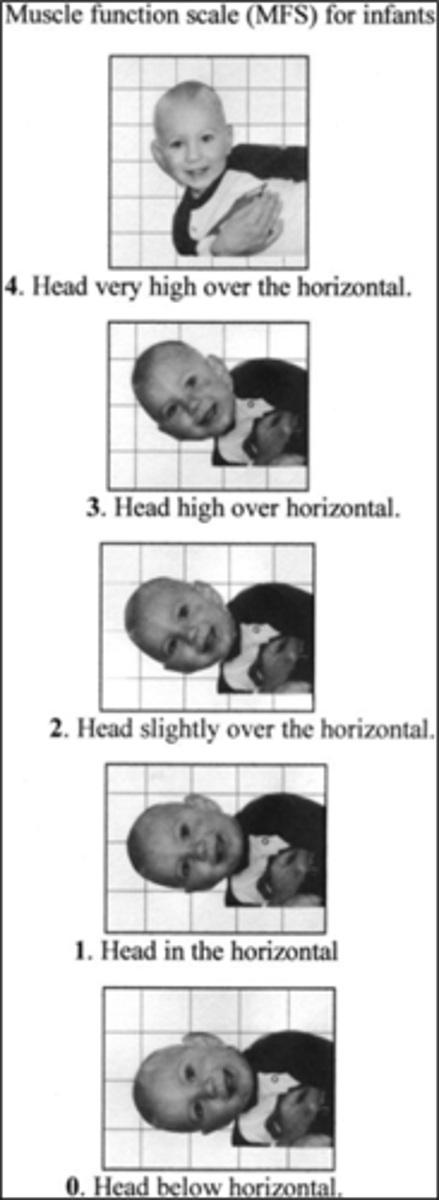
5 on muscle function scale (MFS) for infants
head very high over horizontal line, almost vertical position
PT intervention
- ROM (neck AROM/PROM, trunk AROM)
- positioning/environmental adaptations (sleeping, bottle feeding, car seat, room objects)
- strengthening (lateral neck righting, tummy time)
- development of symmetrical movement
- parent/caregiver education
- TOT collar/Benik (helps child maintain cervical midline)
- kinesiotape can be used to cue contralateral SCM or to help relax ipsilateral shoulder
- traditional massage
- microcurrent (used for more severe cases)
- soft tissue mobilization
PT goals
- PROM, AROM
- head position
- MFS scores
- symmetry
treatment frequency - typical protocol
- weekly until full AROM and PROM achieved
- follow up at time of walking