Comprehensive Neurology: Intervertebral Disc Disease and Spinal Conditions in Dogs
 Call Kai
 Learn
Learn Practice Test
 Spaced Repetition
 Match
Match Flashcards
 Knowt Play
1/53

There's no tags or description
Looks like no tags are added yet.
Name | Mastery | Learn | Test | Matching | Spaced | Call with Kai | Chat |
|---|
No analytics yet
Send a link to your students to track their progress
54 Terms
What does IVDD stand for?
Intervertebral Disk Disease
What is the most common neurologic condition in animals?
Intervertebral Disk Disease (IVDD)
What role do intervertebral disks play between vertebral bodies?
They act as shock absorbers and provide structural support.
What happens to intervertebral disks over time?
They calcify and degenerate, impairing shock absorption.
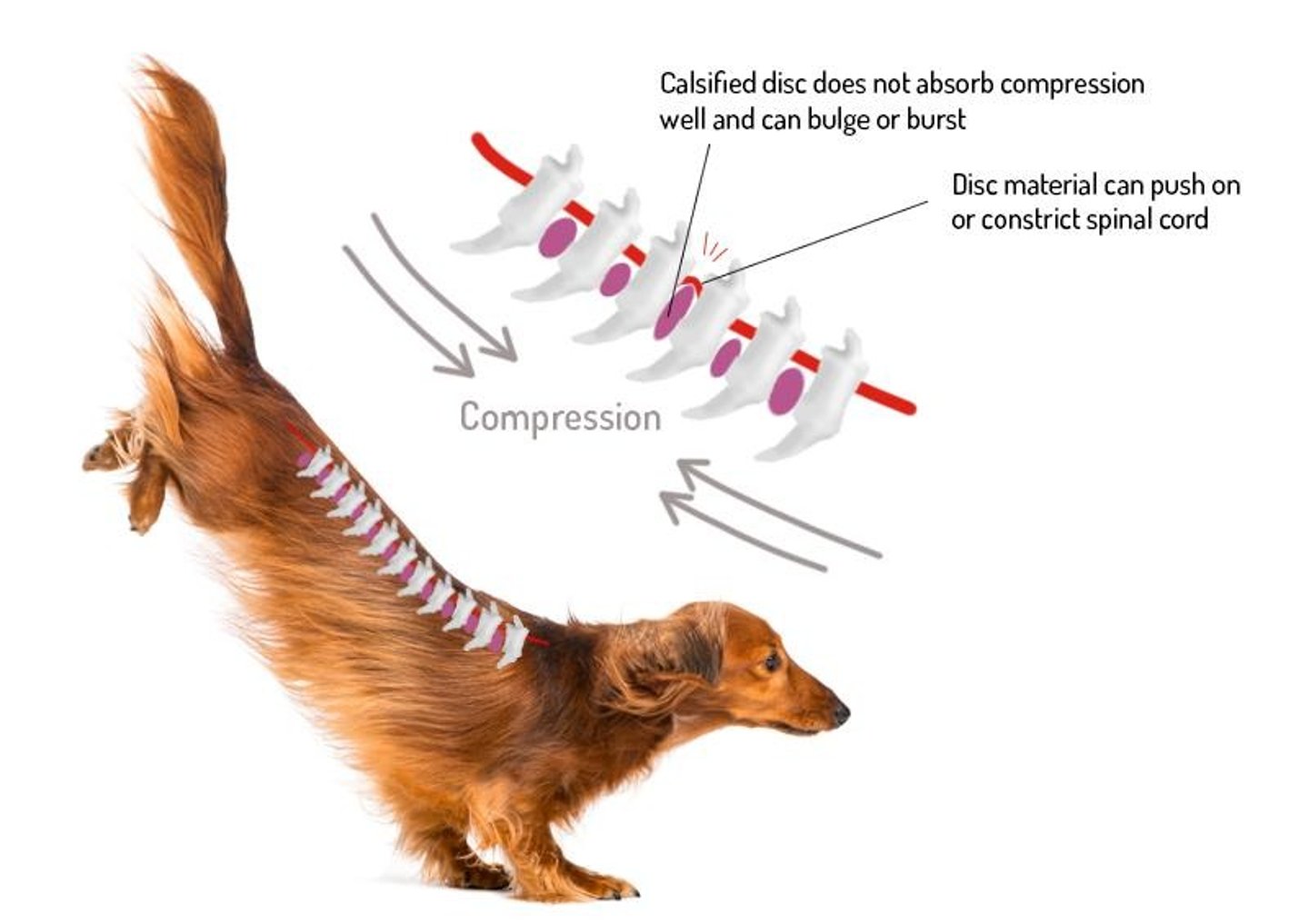
What are common clinical signs of IVDD?
Pain, inability to ambulate, loss of bladder and bowel control, abnormal gait, ataxia, and reluctance to move.
Which breeds are predisposed to IVDD?
Low, long-backed animals.
What imaging techniques are used to diagnose IVDD?
X-rays, CT/MRI, and myelography.
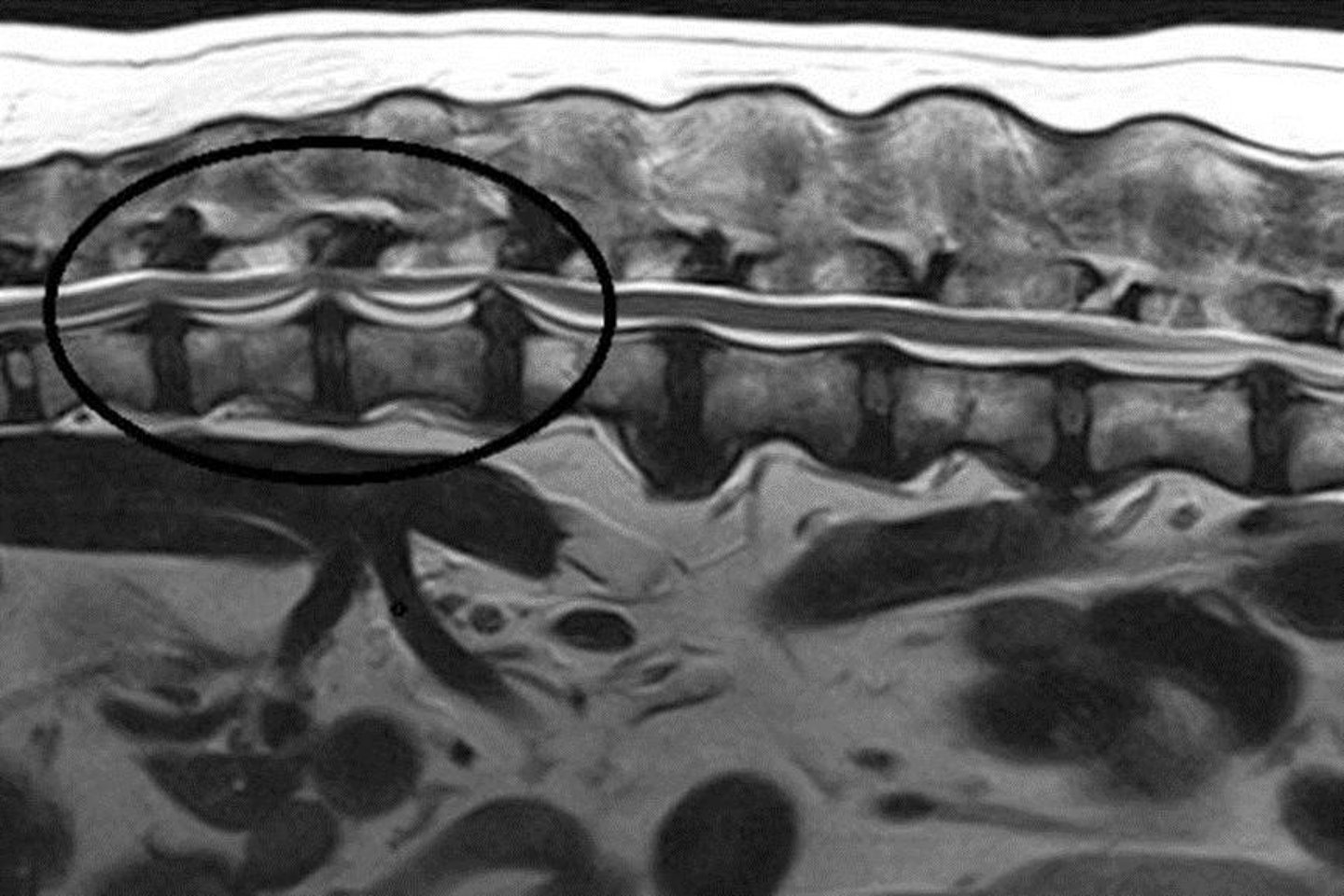
What does myelography provide information about?
It provides the same information as CT/MRI regarding the location and severity of disk lesions.
What is the nursing process for IVDD?
Symptomatic and supportive care, with options for conservative treatment.
What is the minimum duration for strict cage rest after surgery?
4-6 weeks
What types of medications are commonly used post-surgery?
Anti-inflammatories, corticosteroids, neuropathic pain blockers, and sedatives.
What is a critical nursing care consideration for post-surgical patients?
Handle with extreme care to avoid causing further trauma.
How often should neuro assessments be conducted post-surgery?
A minimum of 4 times daily.
What should be monitored in post-surgical patients?
Urine and fecal output.
What is a hemilaminectomy?
A surgical procedure to relieve pressure on the spinal cord.
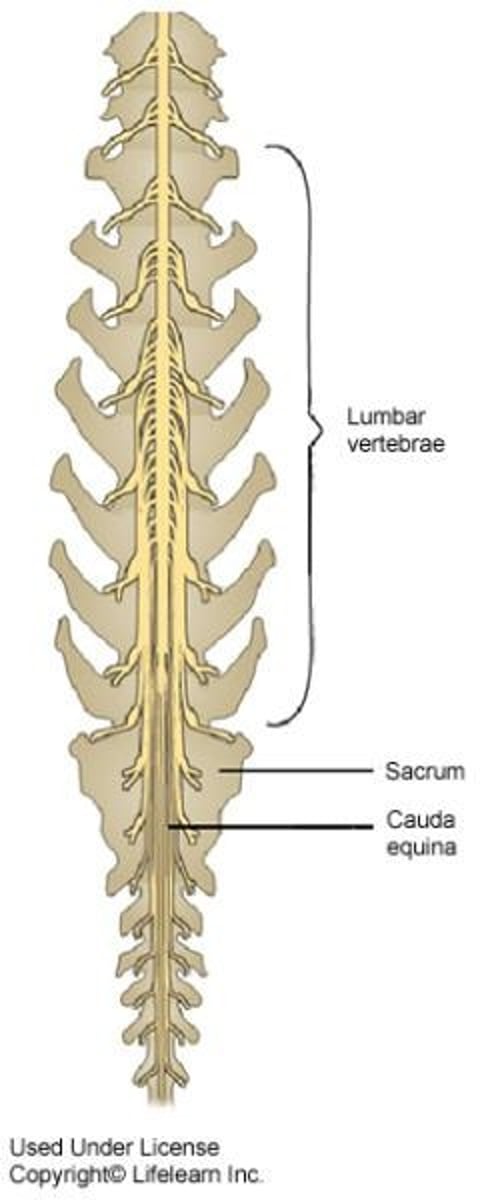
What is a durotomy?
A complication of surgery when a tear occurs in the dura mater.
What is Schiff-Sherrington syndrome?
A condition caused by transection of the spinal cord at the second lumbar vertebra, leading to front limb stiffness and hind limb paralysis.
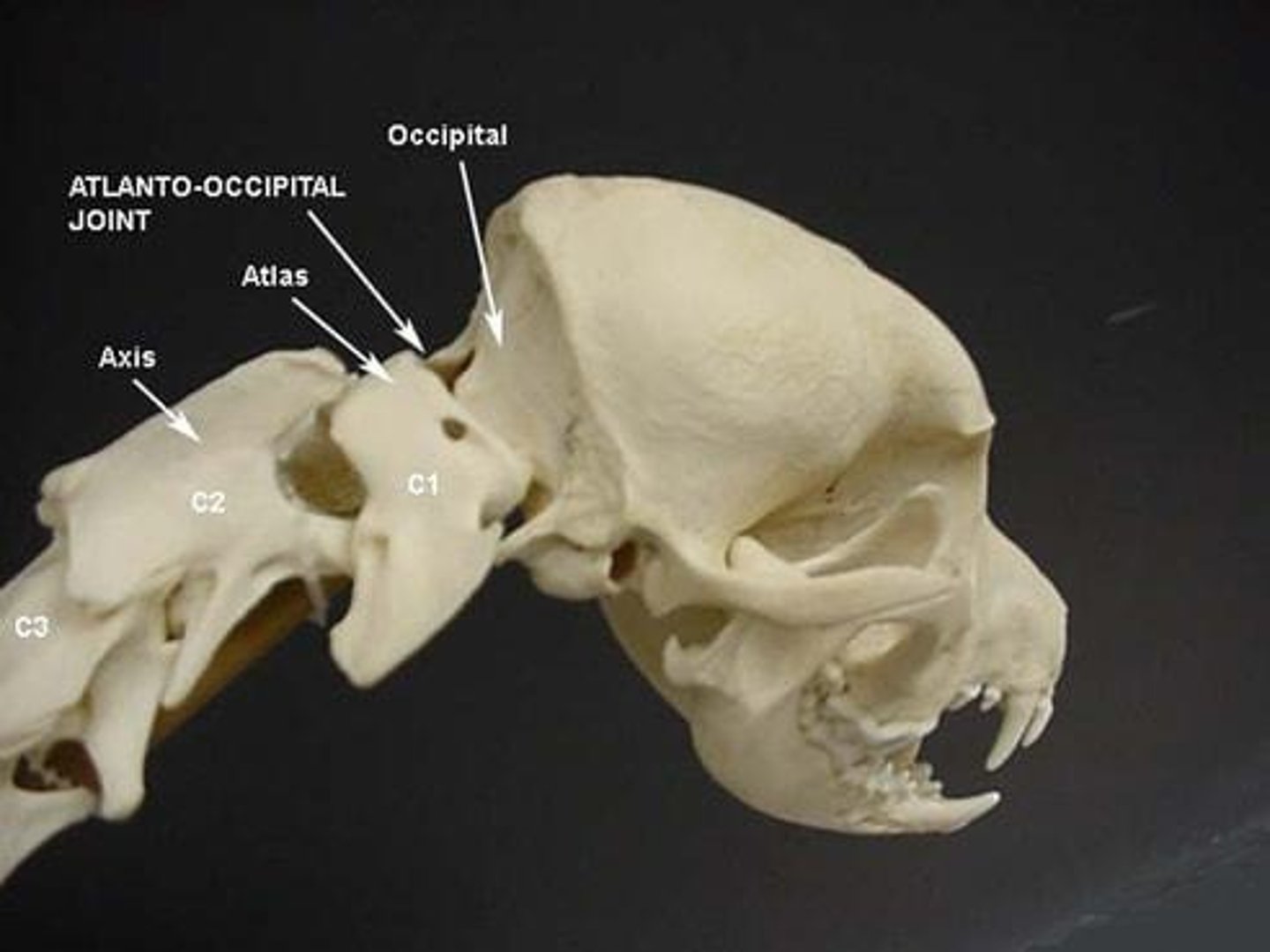
What is atlantoaxial subluxation?
An abnormal articulation between the first and second cervical vertebrae, commonly seen in young, small breed dogs.
What are the clinical signs of atlantoaxial luxation?
Neck pain, vocalization, abnormal head position, and potential respiratory paralysis.
What diagnostic imaging is used for atlantoaxial luxation?
X-ray of the cervical spine in a neutral position; CT or MRI may also be required.
What is Wobblers syndrome?
Cervical vertebral malarticulation/malformation, commonly seen in Great Danes and other giant breeds.
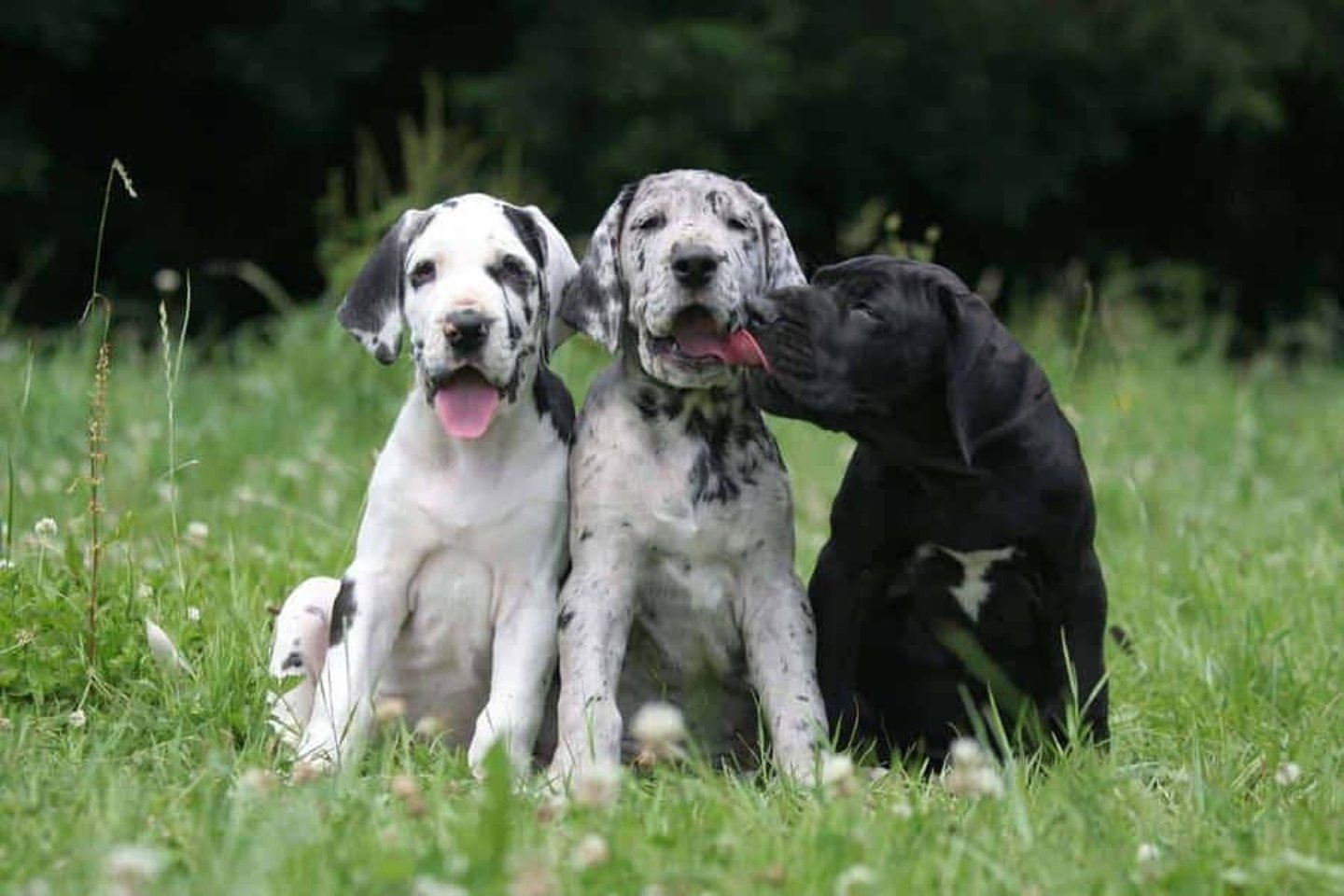
What are common clinical signs of Wobblers syndrome?
Abnormal gait, ataxia, muscle weakness, pain, and loss of conscious proprioception.
What is lumbosacral stenosis?
Compression of the lumbosacral nerve roots caused by narrowing of the spinal canal.
What are the clinical signs of lumbosacral stenosis?
Reluctance to jump, pelvic limb weakness, and possible urinary or fecal incontinence.
What imaging techniques are used to diagnose lumbosacral stenosis?
X-ray and MRI for better soft tissue resolution.
What is degenerative myelopathy?
A progressive, incurable spinal cord disease in dogs that leads to paralysis, starting in the hind legs.
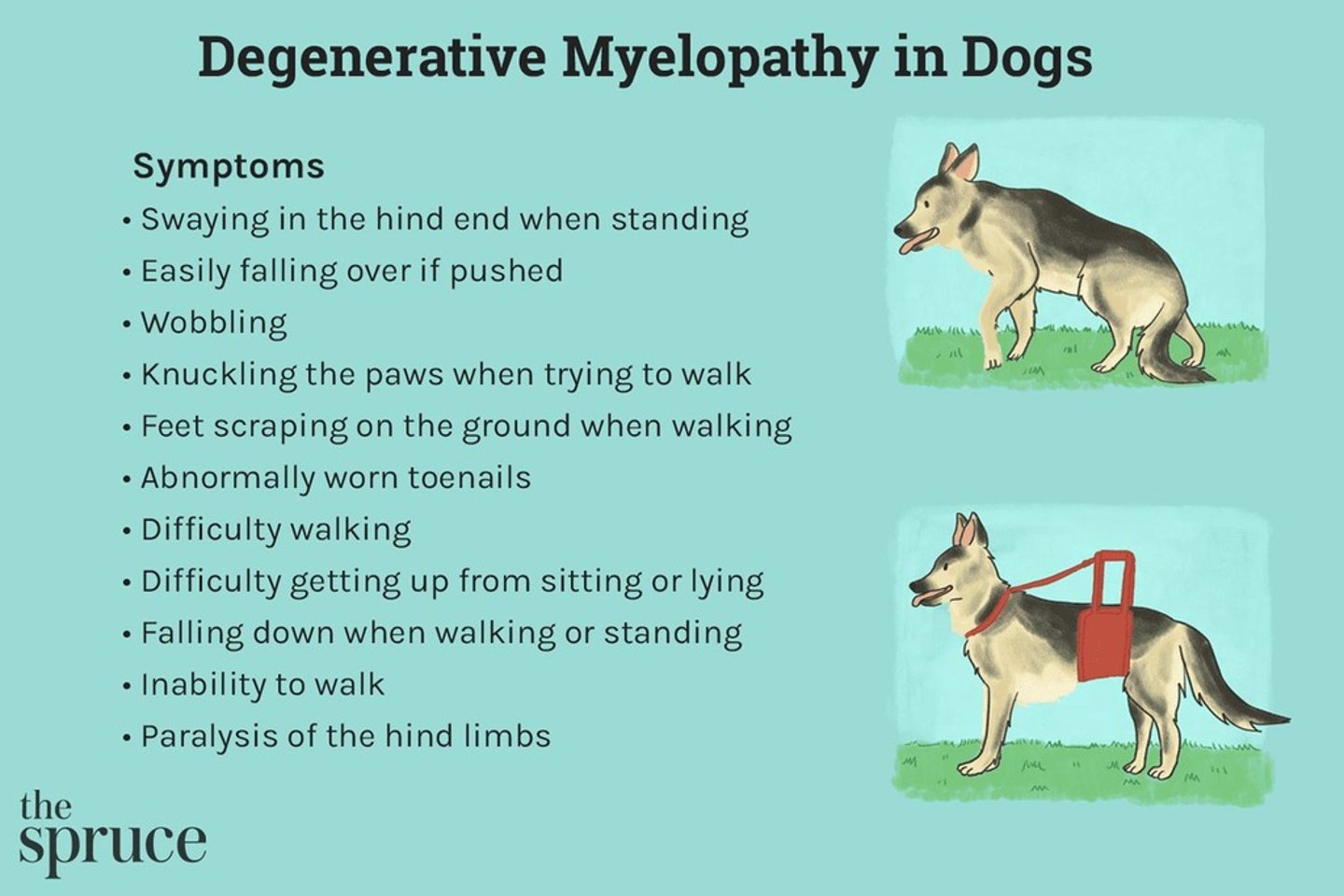
What is the similarity between degenerative myelopathy and ALS?
Degenerative myelopathy is similar to amyotrophic lateral sclerosis (ALS) in humans.
What type of therapy is recommended for mild signs of atlantoaxial luxation?
Conservative therapy and stabilization.
What is the goal of surgery for atlantoaxial luxation?
To permanently stabilize the joint.
What should be avoided when managing corticosteroids and NSAIDs?
They should not be used together.
What is the recommended weight management strategy for post-surgical care?
Maintain a healthy weight to reduce strain on the spine.
What is the purpose of using a harness instead of a collar?
To avoid putting pressure on the neck.
What breeds are most susceptible to Degenerative Myelopathy?
Corgis, German Shepherds (GSD), and Boxers.
What is Myasthenia Gravis?
An autoimmune disease characterized by grave muscle wasting due to antibodies attaching to muscle receptors for acetylcholine.
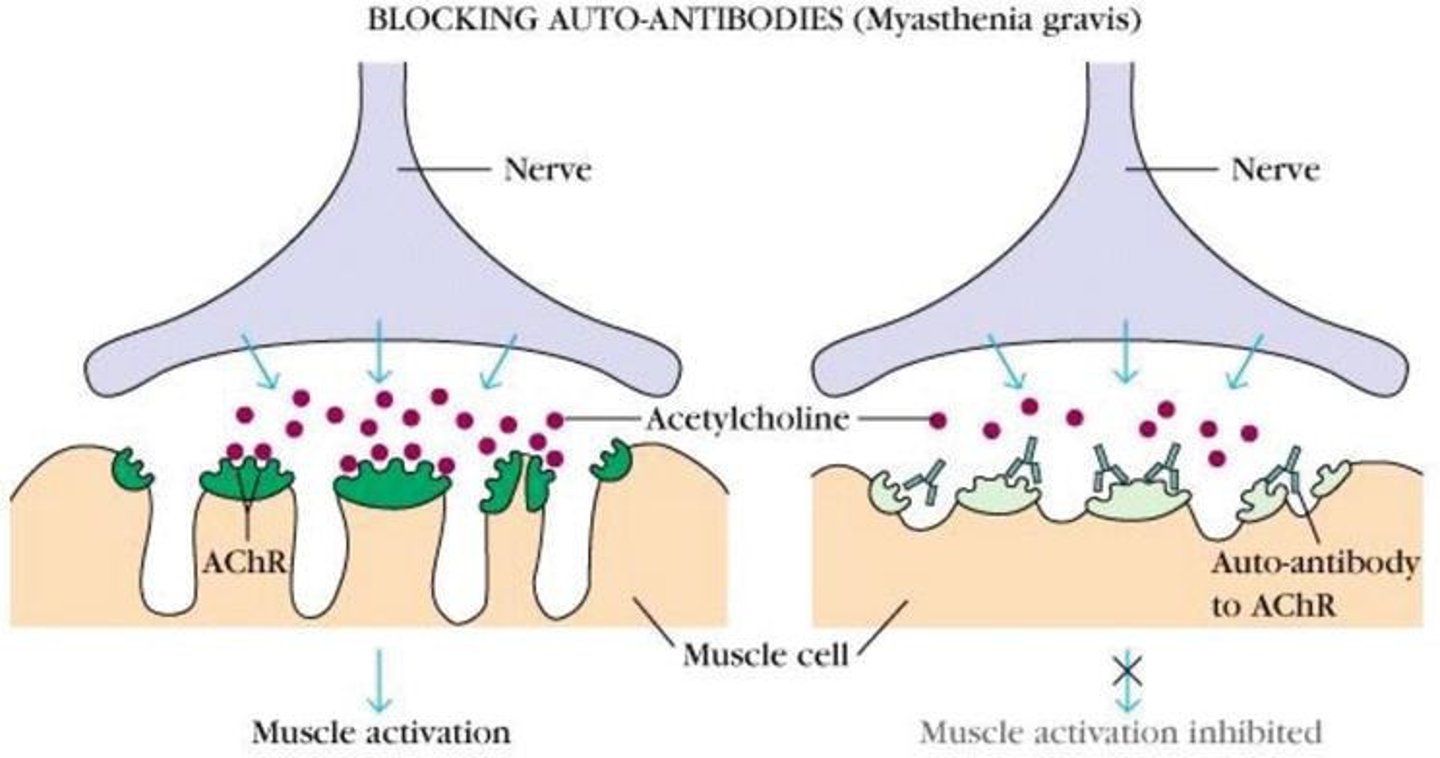
What triggers the release of acetylcholine in neuromuscular transmission?
Calcium ions entering the synaptic knob after an action potential arrives.
What are common clinical signs of Myasthenia Gravis?
Abnormal gait, muscle weakness, dysphagia, drooling, and paresis/paralysis.
What diagnostic tests are used for Myasthenia Gravis?
Blood work, antibody tests for acetylcholine receptors, X-rays, and the Tensilon test.
What medications are commonly used to treat Myasthenia Gravis?
Anti-acetylcholinesterase drugs like Pyridostigmine Bromide and immunosuppressants like Prednisone.
What supportive care is recommended for Myasthenia Gravis?
Fluid therapy, nutritional support, and feeding in an upright position.
What is the prognosis for Myasthenia Gravis?
Serious and lifelong, but early diagnosis and treatment can lead to favorable outcomes.
What is Vestibular Disease often referred to as?
Old Dog Disease.
What are common clinical signs of Vestibular Disease?
Anorexia, asymmetrical ataxia, circling, disorientation, and head tilt.
What is Fibrocartilaginous Embolism also known as?
Spinal Stroke.
What are the clinical signs of Fibrocartilaginous Embolism?
Weakness, paralysis, or an unsteady gait, often affecting one side of the body more than the other.
What are common treatments for neurotoxin exposure from Brunfelsia australis?
IV fluids, gastric lavage, antiemetics, and anticonvulsants.
What clinical signs indicate insecticide poisoning with Pyrethrins?
Excessive salivation, agitation, vomiting, and loss of coordination.
What is the treatment for organophosphate poisoning?
IV fluids, emesis, antiemetics, activated charcoal, and seizure medications.
What are the effects of organophosphates on the body?
Acts as an anticholinesterase causing shaking, ataxia, salivation, and dyspnea.
What is a common cause of Vestibular Disease in younger dogs?
Otitis media.
What supportive treatments are used for Vestibular Disease?
Fluid therapy, antibiotics, antiemetics, and nutritional support.
What is the significance of the Tensilon test in diagnosing Myasthenia Gravis?
It temporarily improves weakness, confirming the diagnosis.
What is the role of acetylcholine in neuromuscular transmission?
It binds to nicotinic receptors on skeletal muscle cell membranes to initiate muscle contraction.
What are the nursing considerations for a dog with Myasthenia Gravis?
Regular rechecking of antibody levels, hydration maintenance, and nutritional support.
What is the treatment for aspiration pneumonia in dogs with Myasthenia Gravis?
Oxygen therapy and supportive care.