Program Design and Technique for Speed and Agility Training
 Call Kai
 Learn
Learn Practice Test
 Spaced Repetition
 Match
Match Flashcards
 Knowt Play
1/19

Earn XP
Description and Tags
Chapter 20 - NSCA Essentials of Strength Training and Conditioning
Name | Mastery | Learn | Test | Matching | Spaced | Call with Kai | Chat |
|---|
No analytics yet
Send a link to your students to track their progress
20 Terms
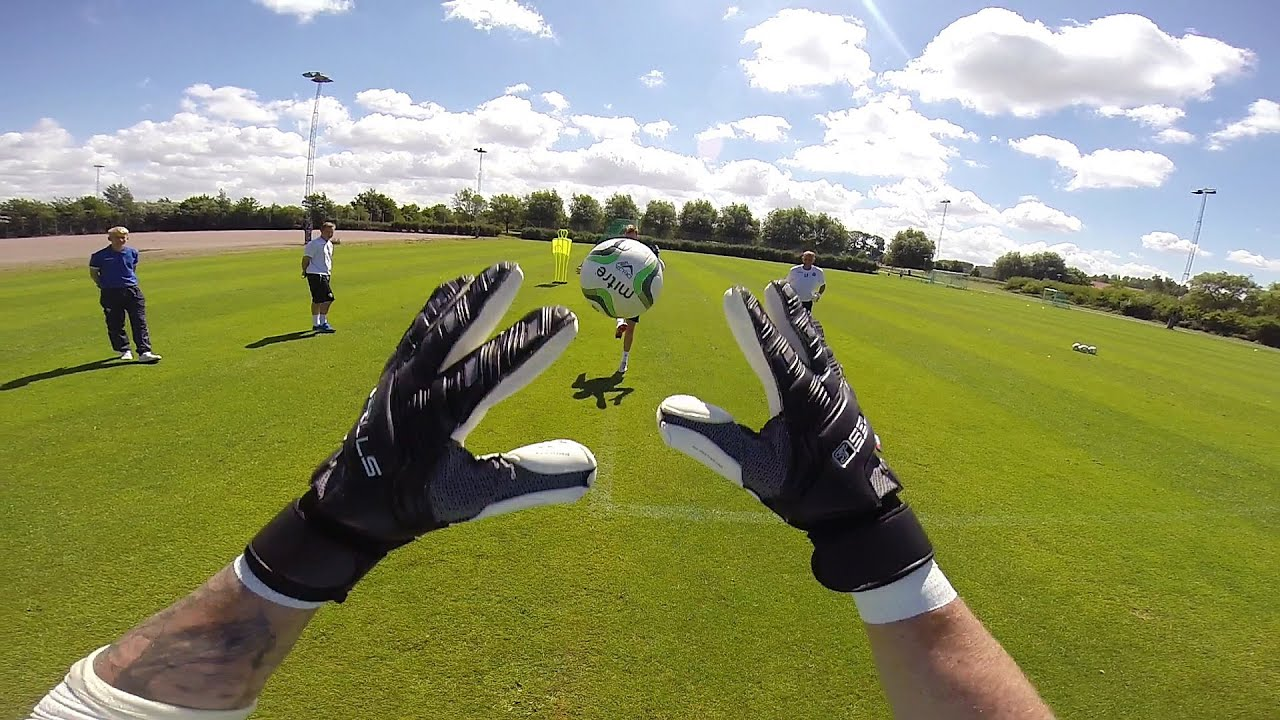
Perception-action coupling
An athlete’s ability to change direction due to a stimulus. Ex. Receiving the ball and defenders crowding in.
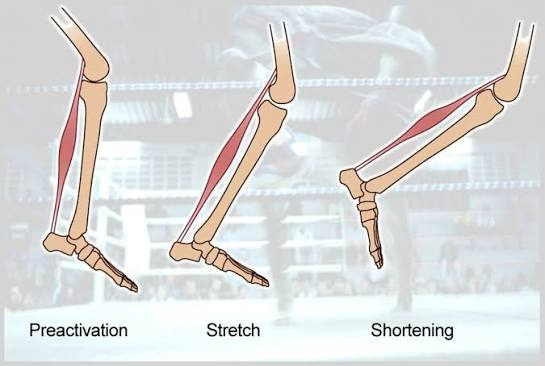
Stretch-shortening cycle (SSC)
Muscle-tendon complexes are rapidly and forcibly lengthened, then immediately shortened in a reactive, elastic manner.
Agility
Use of perceptual-cognitive ability combined with the ability to decelerate and then reaccelerate in the intended direction. (nimbleness)

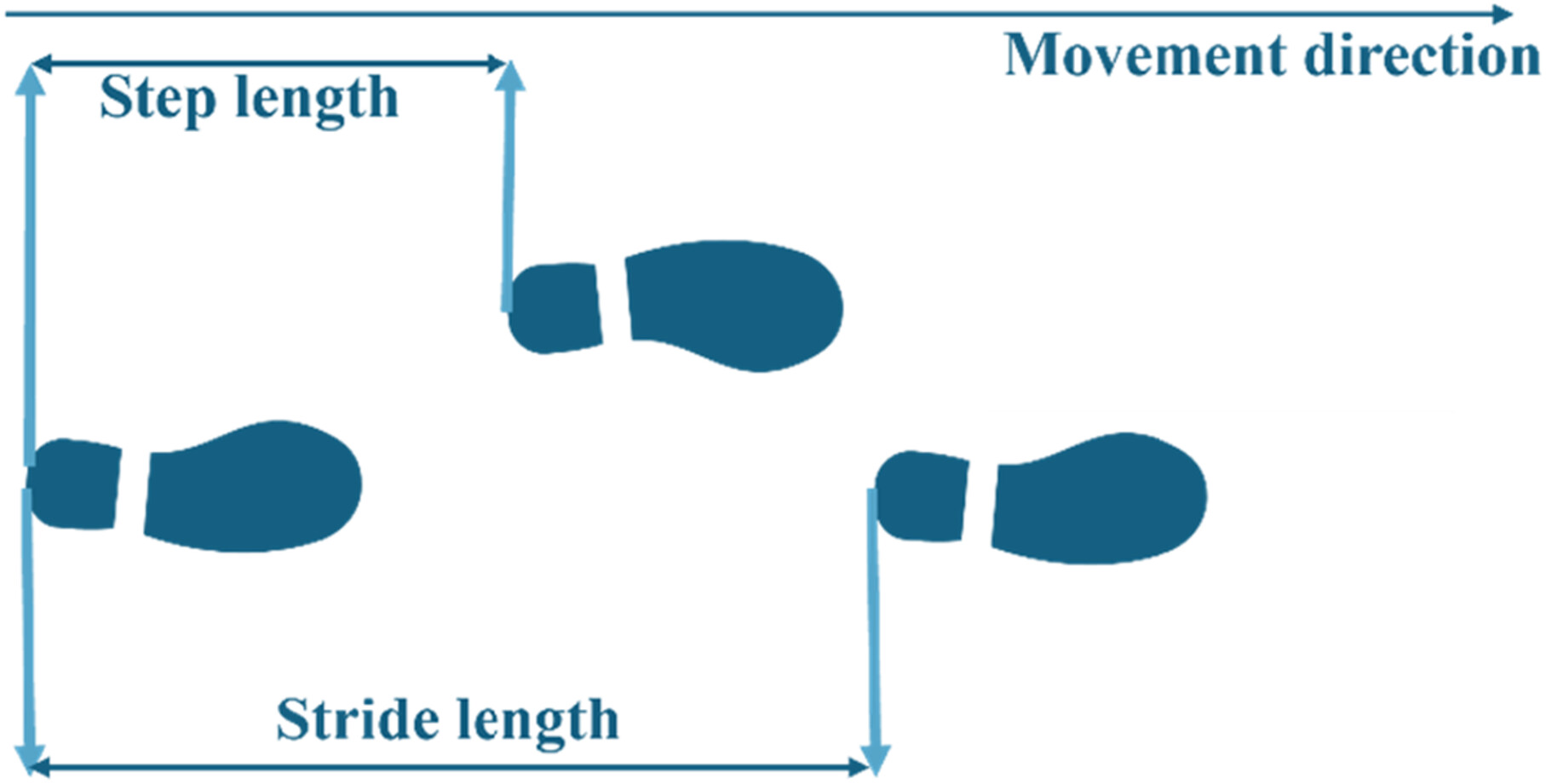
Step Length
Distance between the toe and heel of two consecutive footsteps.
Transition phase
The first phase of an agile athlete is in a ready state to react to cues.

Initiation Phase
The second phase of an agile athlete is when they exerts a change of movement

Actualization Phase
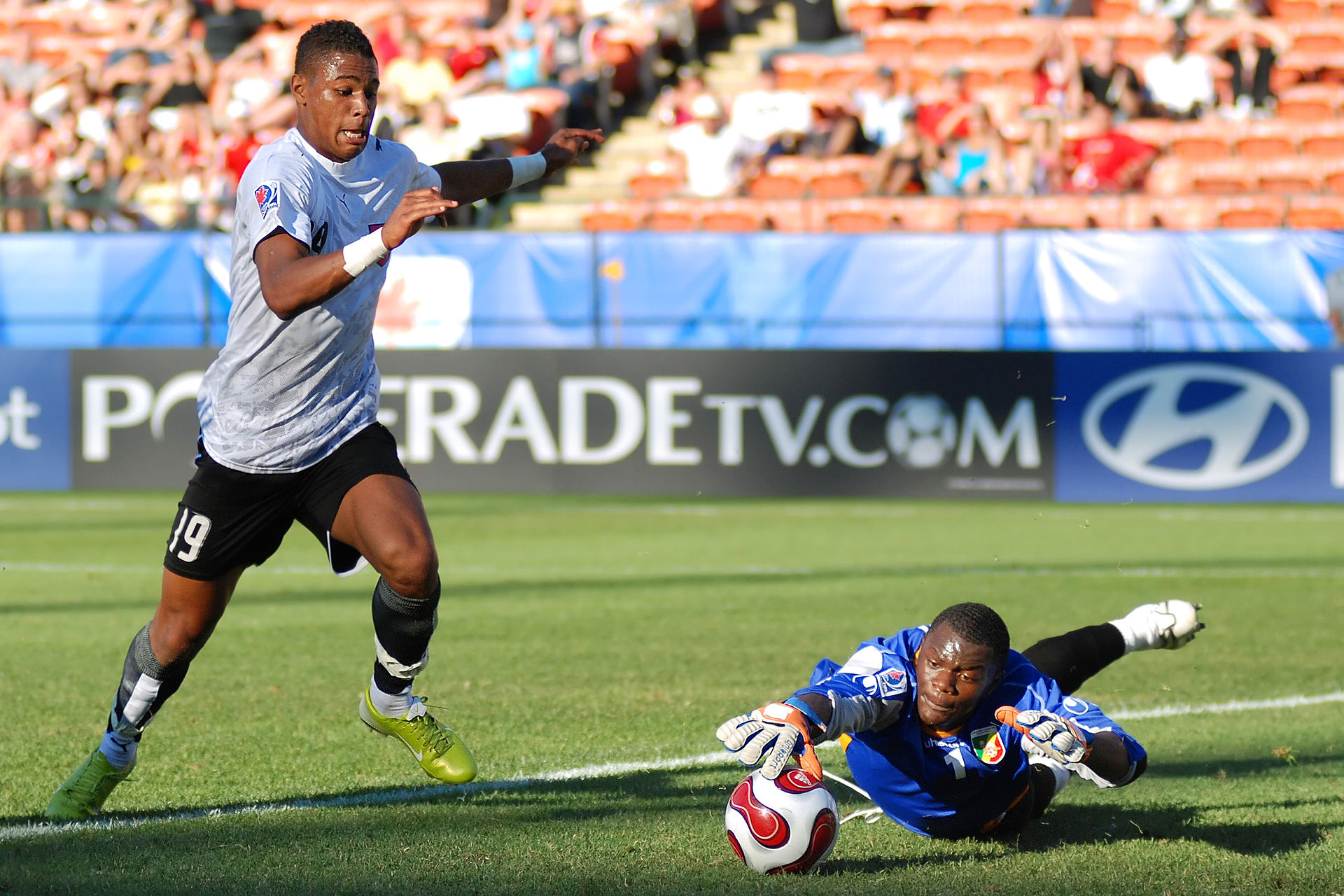
The third phase of an athlete is when they execute a sports skill or COD in response to a stimulus.
Recovery (Flight Phase)
This part covers the period from toe-off, as the legs swing forward to prepare for the next ground strike.

Braking Phase
The period when an athlete slows down their downward movement by reversing momentum. (Negative horizontal force)

Propulsive Phase
The period when an athlete applies force to the ground to accelerate their momentum in a direction. (Positive horizontal force)
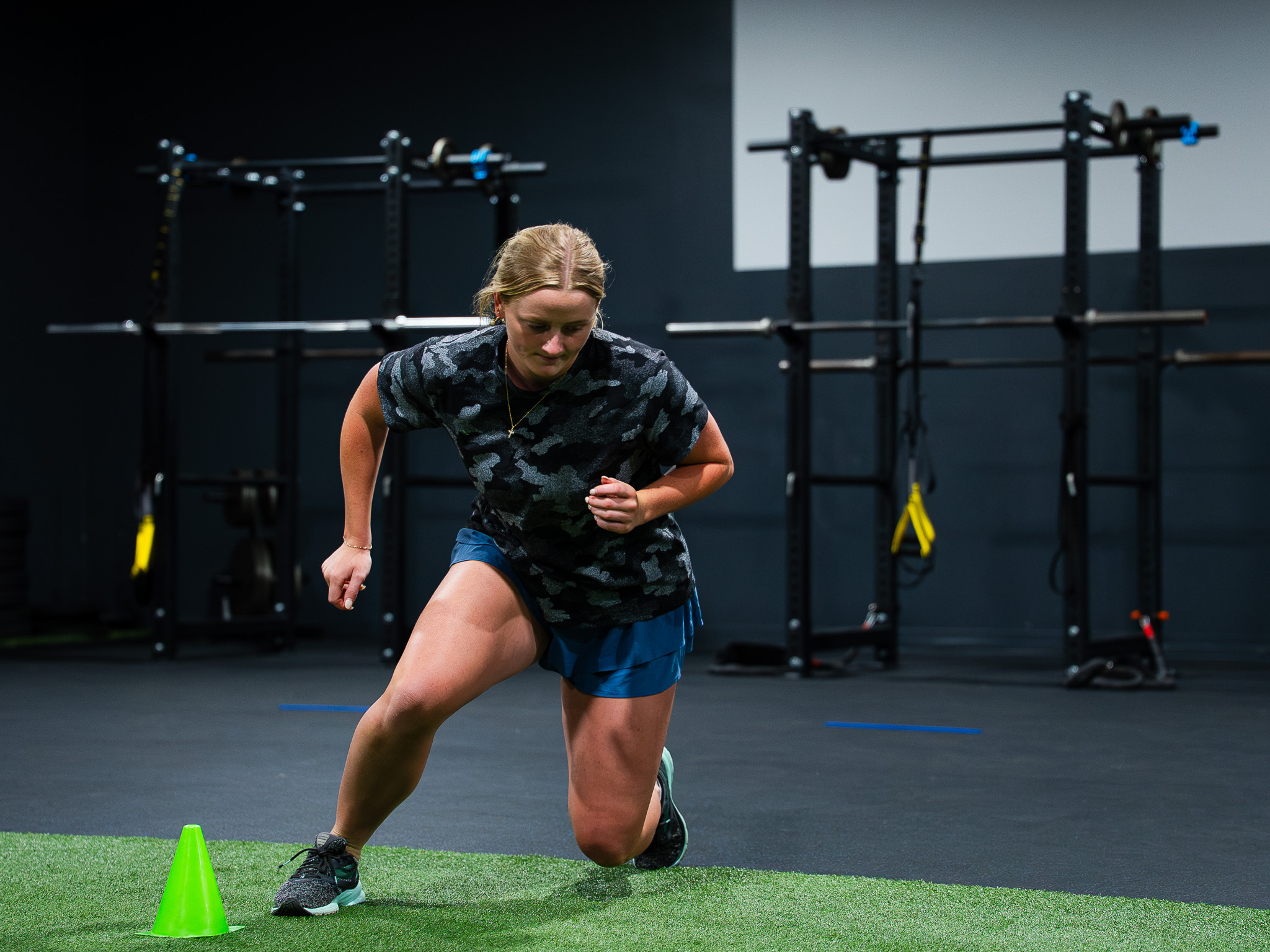
Braking Impulse
The accumulation of braking force over a duration.

Scalar Quantity
A physical measurement of magnitude that shows how fast an object is moving. (Speed)
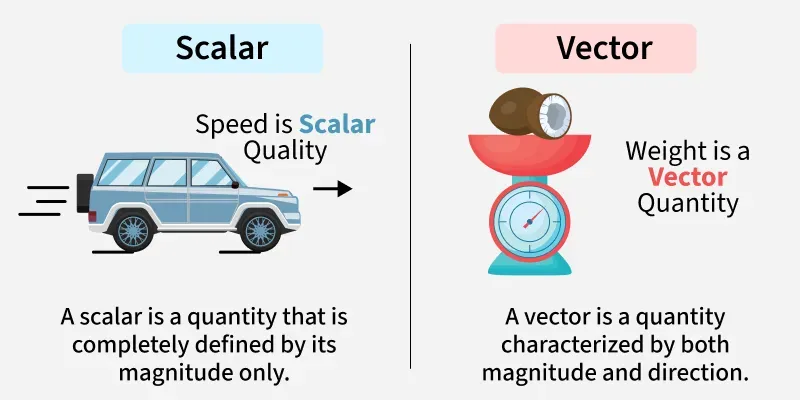
Vector Quantity
A physical measurement of magnitude and direction that can describe how fast and in what direction an object travels. (Velocity)

Ground Contact Time
The amount of time taken to touch the ground per step.

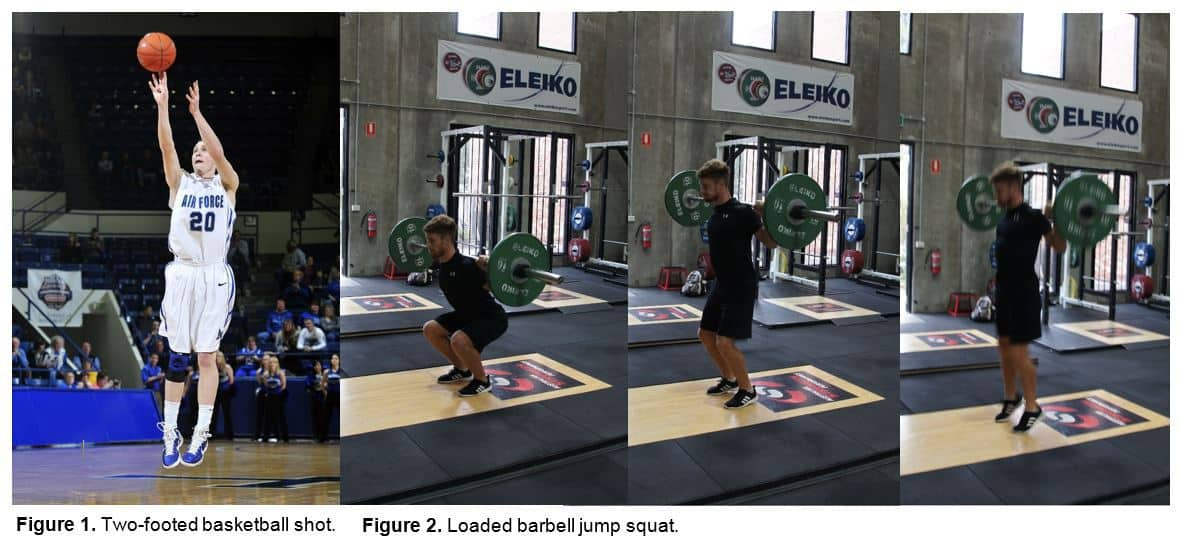
Dynamic Correspondence
How S&C exercises can transfer the benefits of specificity training to sports performance.
Maneuverability
The ability to control and adjust body position while running.

Change-of-Direction (COD)
In a planned movement pattern, having the ability to decelerate, change direction, and reaccelerate.

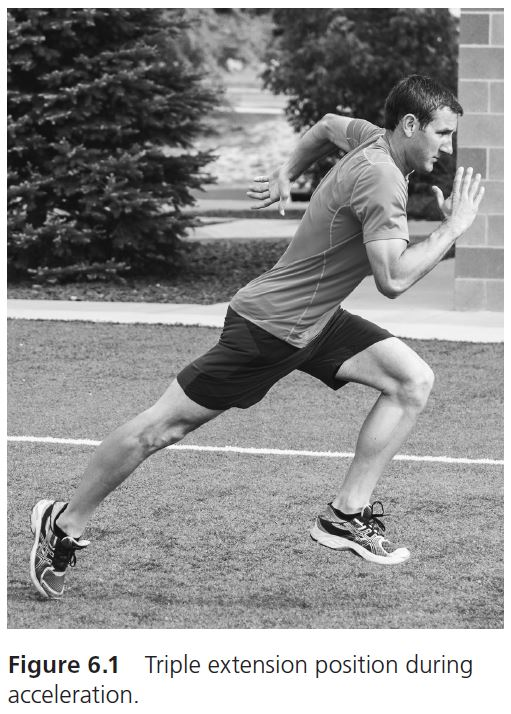
Acceleration
The speed at which an object’s velocity can change over time.
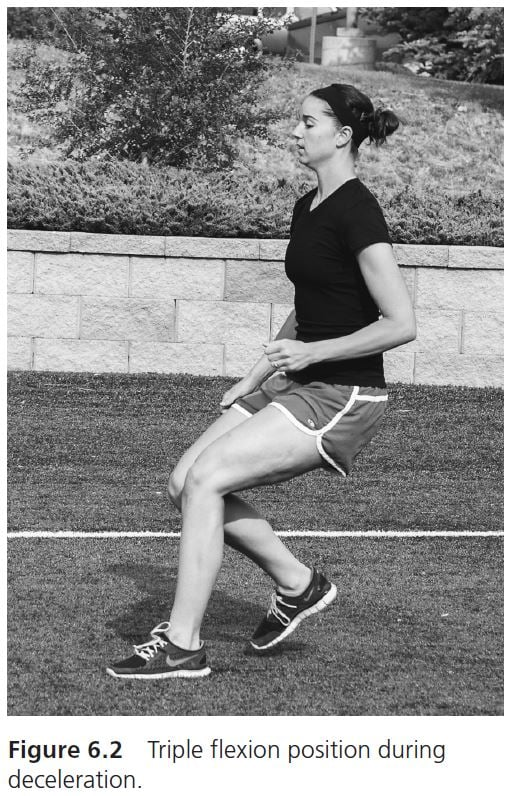
Deceleration
How fast an athlete can reduce speed or prep to change direction.
Speed
The rate of distance covered over a short amount of time.
