Biomedical Engineering
 Call Kai
 Learn
Learn Practice Test
 Spaced Repetition
 Match
Match Flashcards
 Knowt Play
1/112

There's no tags or description
Looks like no tags are added yet.
Name | Mastery | Learn | Test | Matching | Spaced | Call with Kai | Chat |
|---|
No analytics yet
Send a link to your students to track their progress
113 Terms
Biomedical Engineer responsibilty
Responsible for the development of useful devices to replace human tissue and bone
Desigining surgical equipment
Biocompatibility ( Biomedical engineers must be)
Choosing a material that will not suffer greatly fron fatigue, corrode, rejected by body tissues
Examples of Biomedical devices
Artifical hearts
Bionic Ear
Artifical limbs
Training of the Profession * What UNI
UNSW has a biomedical engineering course on offer
Careers in Biomedical engineering
Not as many jobs as civil, mechanical, electrical engineering offer
However expansion could be likely
Relations with the community ( Community thoughts on Biomed engineering)
Has great support from community
Ethics
Ethics is the system of moral principles that guides people in deciding what is right and wrong and how they should act
Example of Ethics in BIOMED ENGINEERING (DEVICE NAME)
Steam Engine
Ethical : yes or no (depends)
Finish sentence “Ethics play an important role in..
The testing of new developed devices
Example of ethical failure: ABIOMED ( JARVIK-7 artifical heart)
Jarvik-7 artificial heart was placed into William Schroeder (terminal patient), however infected the blood, suffered fever for 420 days and sufered 4 strokes of clots forming
Terminal Patient: disease or condition that cannot be cured and is expected to lead to death, even with treatment.
Engineers as Managers ( Very Important) (2)
Design Process
- Overseeing development of a project, coordinating teams
Company Management
- Improved income, greater autonomy (control)
Historical Background to Biomedical engineering
Initally (1500’s)
Most products were wooden, then metal was used
After WWI (limbs)
The manufacutre of prosthetic limbs expanded, with the development of quality artifical legs, using metal and rubber
Artifical limbs developed into myoelectic limbs which use electrical signals
1960 ( hip joint), consited of,.+ removing need for nails..
First artifical hip joint , consisted of a metal ball fitted onto a plastic socket
Newer joints now allow bone to grow removing the need for nail or screw attachment
1961 (heart valve)
First artifical heart valve, prior was pig heart vakves
1978 (Cochlear Implant) + FAMOUS PERSON
A bionic ear
DR Graeme Clark was the developer
1980 (LVAD)
Left ventricular assist device
2000 (ABIOCAR) what is it made out of
It was made of proprietary polyether-based polyurethane called Angioflx and titatnium alloys
Abiomed released a new electro hydraulic heartthe *abiocar
2020 (current ) SynCard…
The SynCardia TAH
Effect of Biomedical engineering to peoples lives
The development of heart monitors, various scanners “(CAT), MRI, Nuclear cameras”
is of paramount importance to medical world
Orders of Levers
1st Order
2nd Order
3rd Order
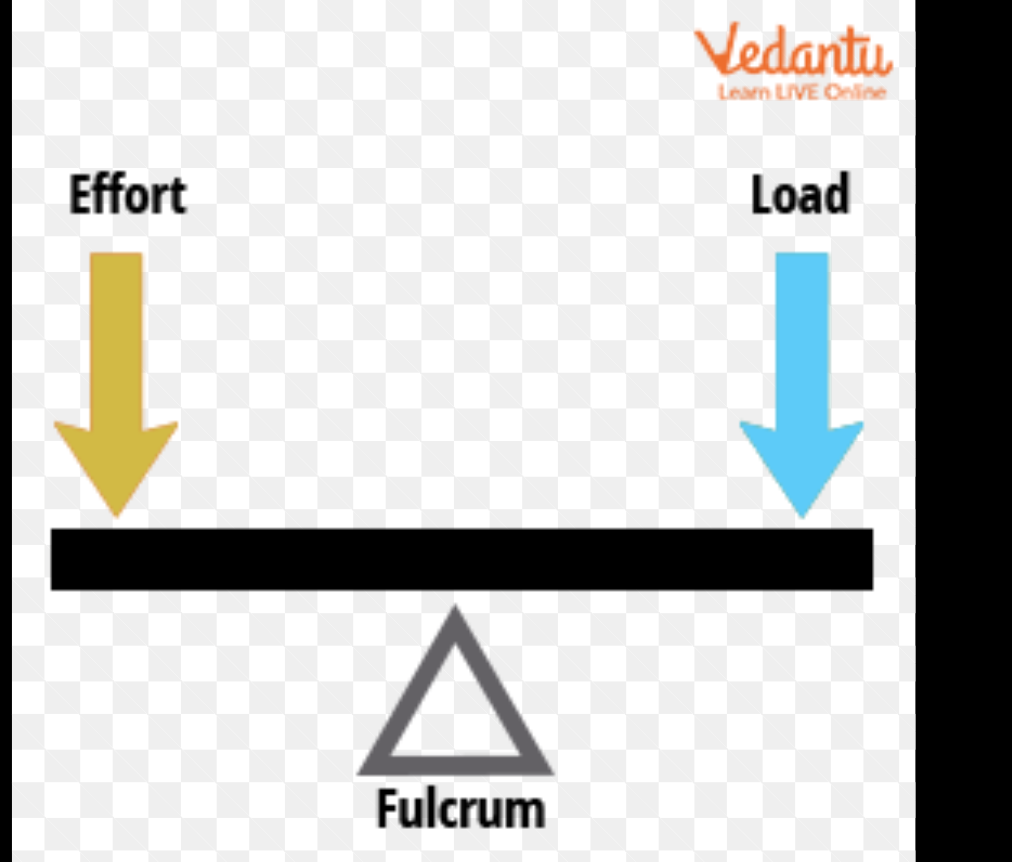
1st Order lever
USED IN: See saw, retractors, pliers
Can be interchangable, effort and load can switch
Far ends arrows
2nd Order Lever
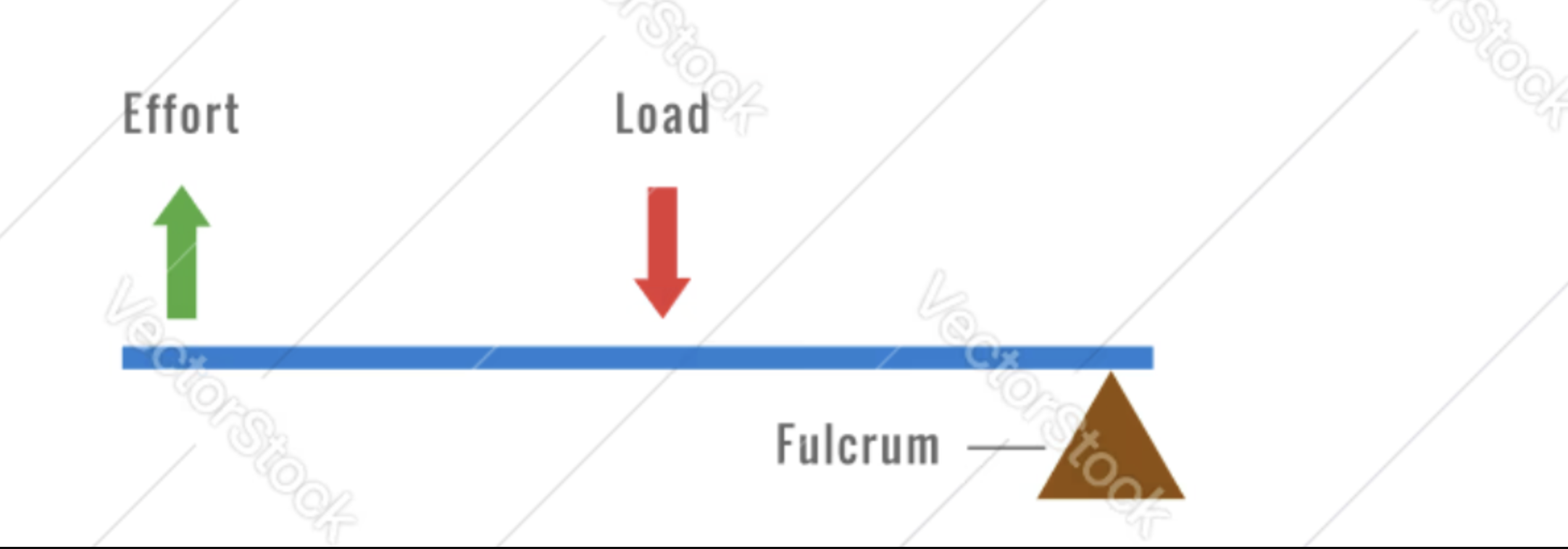
Used in: Wheel barrow, brake pedal, bottle opener
Both arrows left/right to fulcrum
Effort up, load down
3rd Order Lever
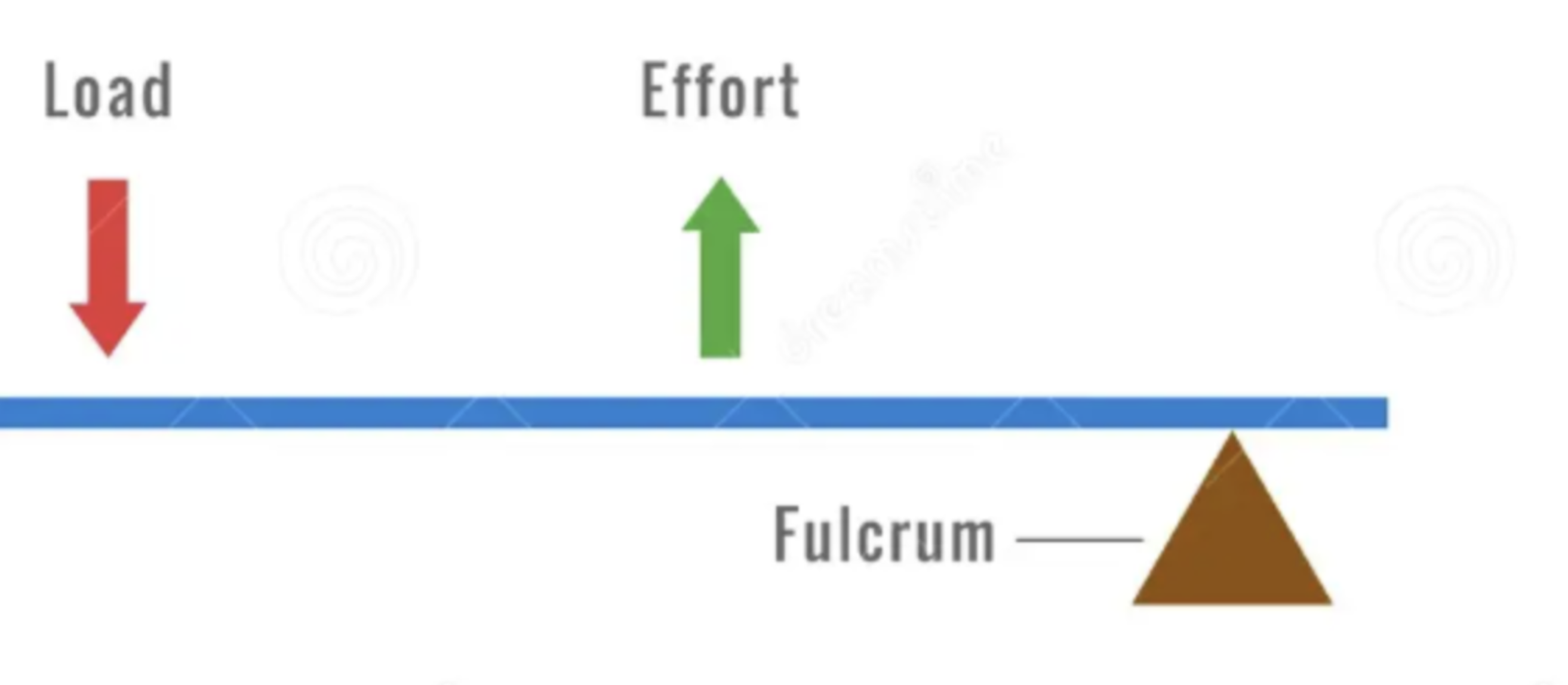
Load down, effort up
Used in: Fishing rod
Effort always larger then load in third order lever
Mechanical Advantage Formula
MA = LOAD/EFFORT
VELOCITY RATIO (VR)
VR= distance effort/distance load
Effiency
MA/VR X 100
Percentage

The Human Structure
What is the body built upn on and comprised of what…
The body is built upon a structure known as the skeleton, and comprised of bone
Bone property + adantage, disavantge
Hard and brittle
More capabale of carrying compressive loads of body
Shock loads are not well recieved
Soft Tissues + examples
Cloakced in the skeleton to take up shock loads and impacts
Intervertterbral discs, muscles, tendons, cartilage, flesh
Material Compatibilty and relation to human body
Biocompatibility is the ability of a material to safely interact with the human body without causing harm or disrupting normal body functions.
The human body is a corrosive environment, so biomedical materials must be biocompatible to resist corrosion, avoid immune reactions, and function safely over a long period.
Engineering Materials (3) FORMING METHODS
Forging
Casting
Fabricating
Forging + 1 advantage
Proccess of shaping a metal with forceful blows usually by hammering or pressing (The metal is often heated first to make it easier to shape)
One of the biggest advantages of forging is that it improves the grain structure of the metal
Hot Forging
Carried out above the recrystillisation temperature
Easier and quicker, results in rough surface finish
Cold forging
Forging near room temperature
Slower and harder results in smoother, accurate finish
Grain structure of forging
Forging grain structure is conformed to the shape of article
A well-aligned grain structure increases the strength and toughness of the metal, therfore forged materials are stronger and tougher
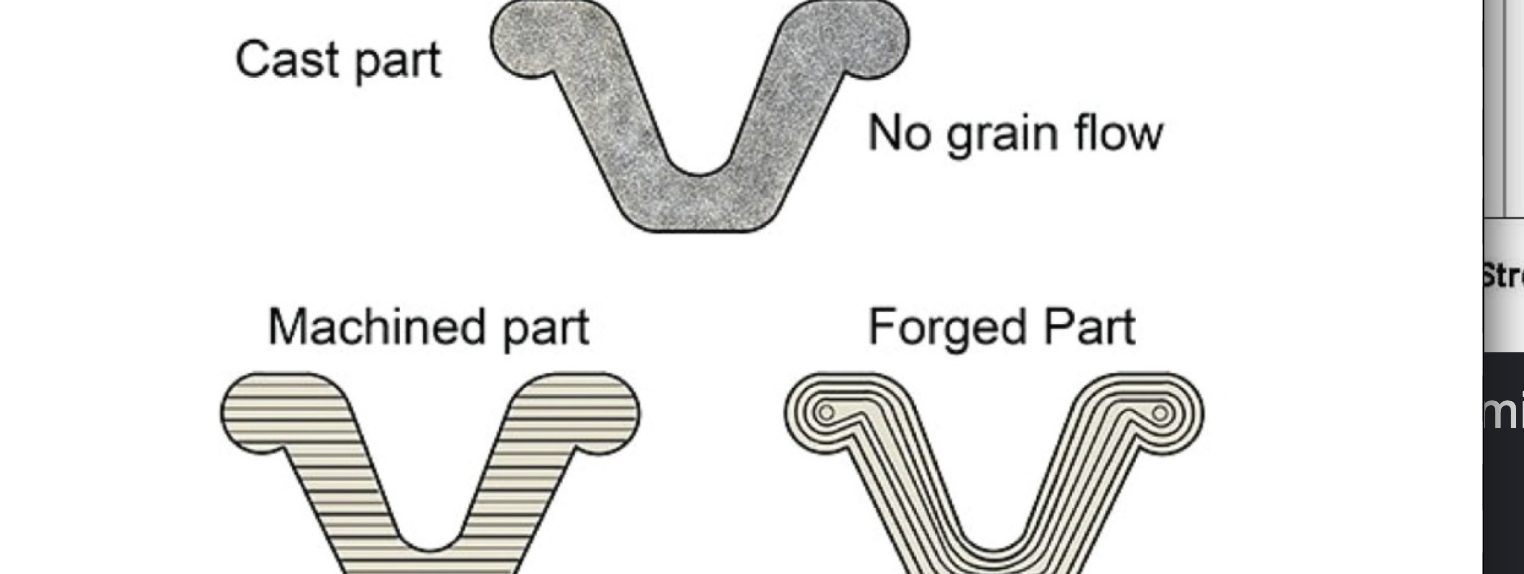
What biomedical engineering items are forged to maximise strentgh
Artifical Hip
Joints
Casting
Process of Casting
Involves pouring moulten metal into a mould, allowed to cool and solidify, and then removed to form the required shape.
Products made from casting (P, ECH, EB, S
Pistons
Engine cylinder heads
Engine blocks
Statues
Solidification of Molten Metals + solidification meaning
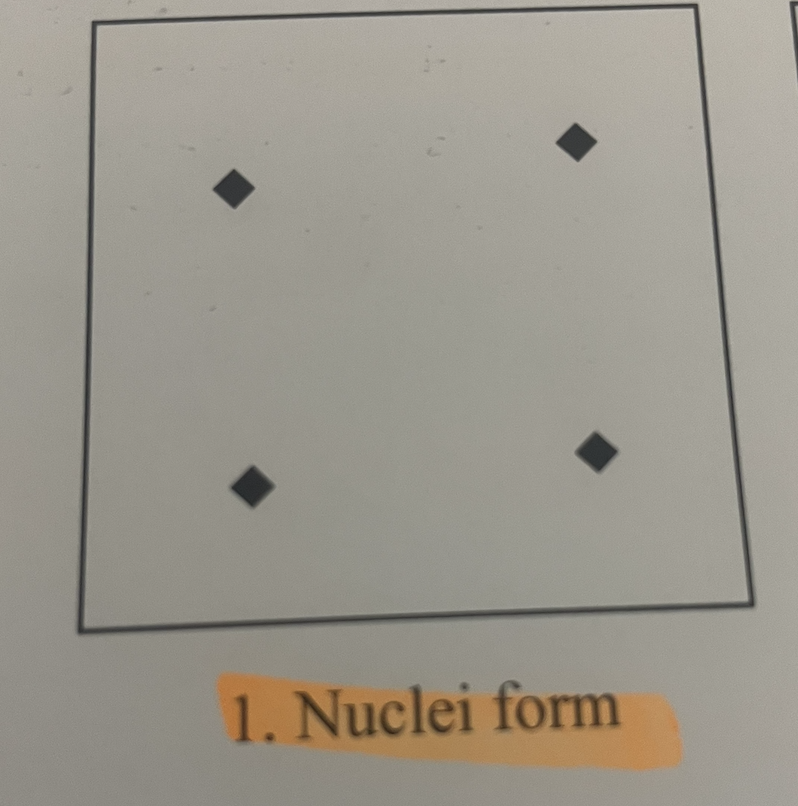
When a molten metal is poured into a mould it begins to solidify by the formation of small crystal nuclei
Solidification is the process of molten (liquid) metal turning into a solid. (cooling)
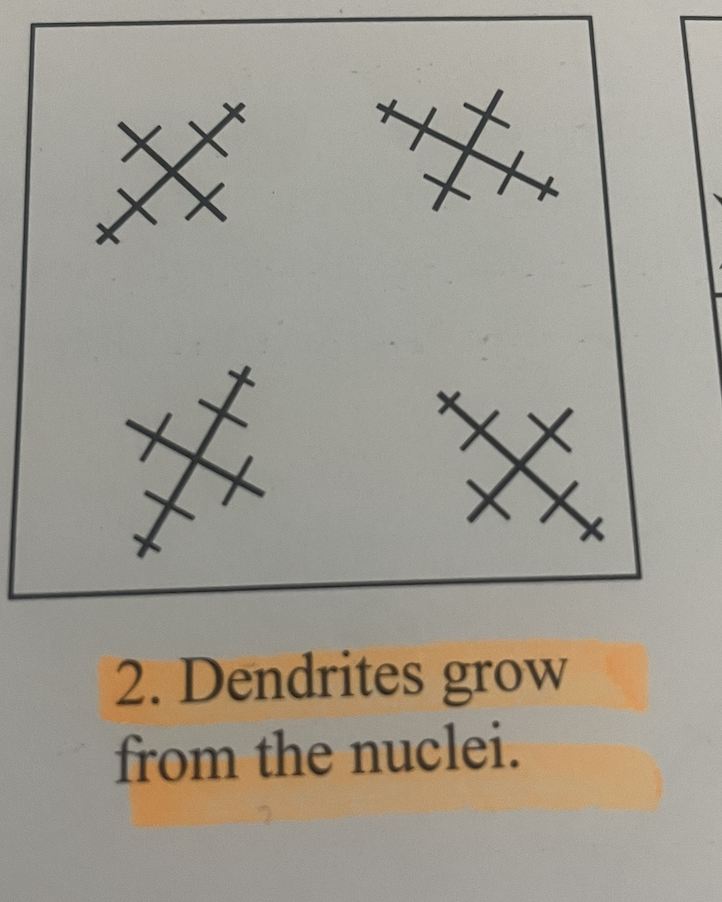
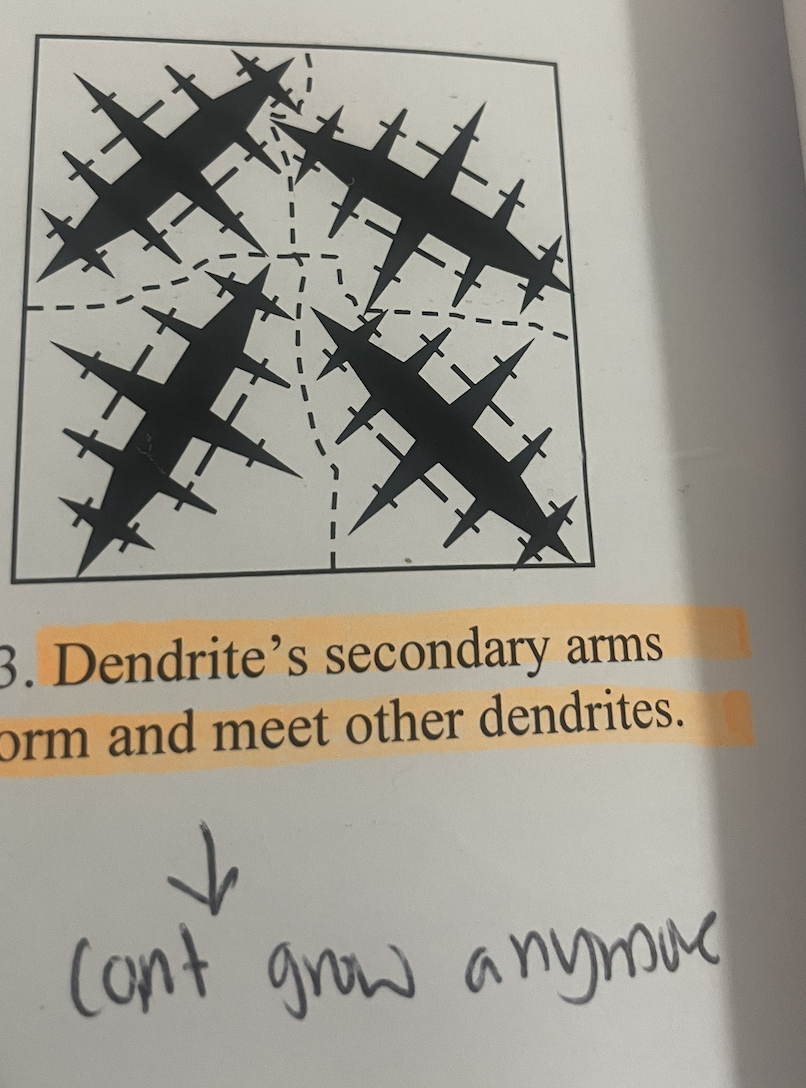
Dendritic Solidification of Molten Metal (4 steps)
Refer to Image
3.
4.
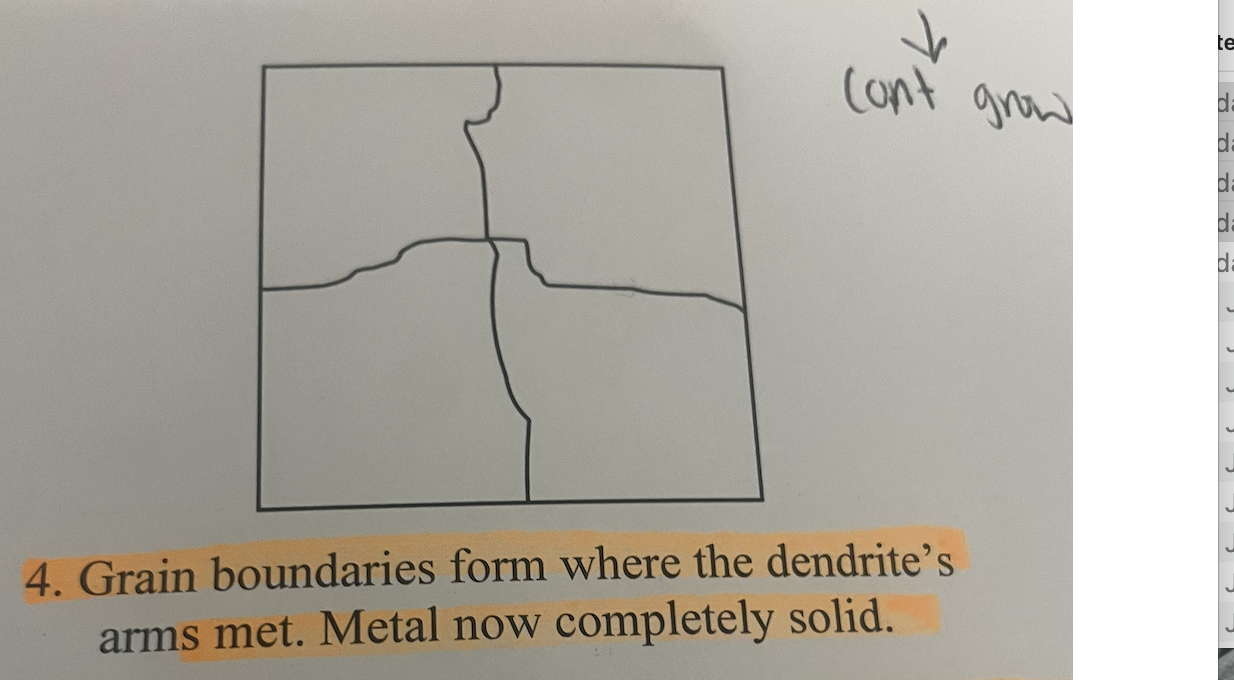
Fast cooling/ solidification
Lots of crystal starting points → small grains.
Slow cooling
Fewer starting points → large grains.
Reality of solidification
In reality, metals don't always cool evenly, so the grains can end up with different shapes.
Structure of Moulding in Ingots, what determines grain stucture
When molten metal is poured into a Ingot, the cooling rate determines the grain structure:
Metal moulds remove heat much faster than sand moulds.
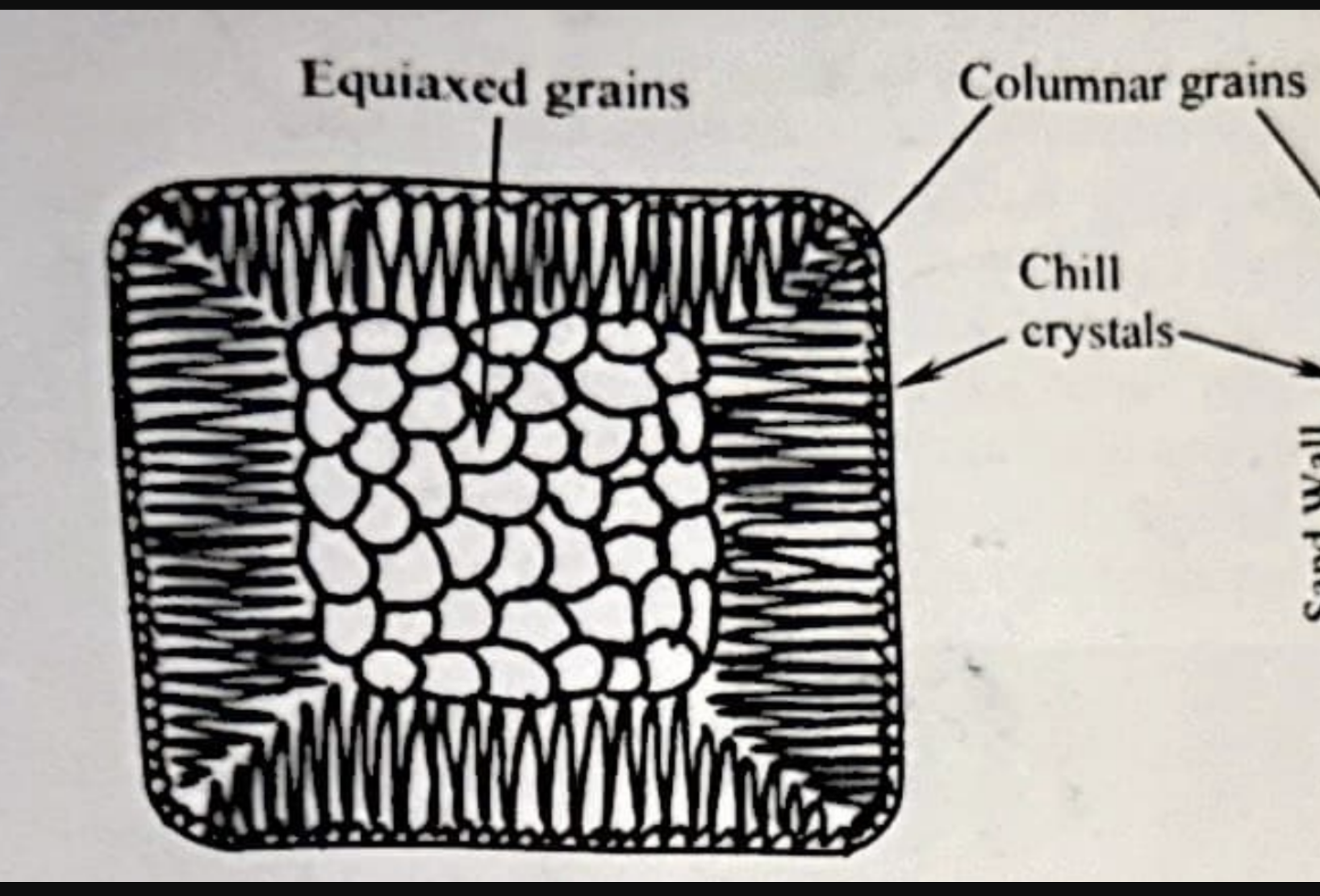
Sand Mould + ISOTROPIC
Grain structure: Chill crystals → Columnar grains → Equiaxed centre
Isotropic: Strong in all directions and does not lose heat easily
Cssting temperature is correct
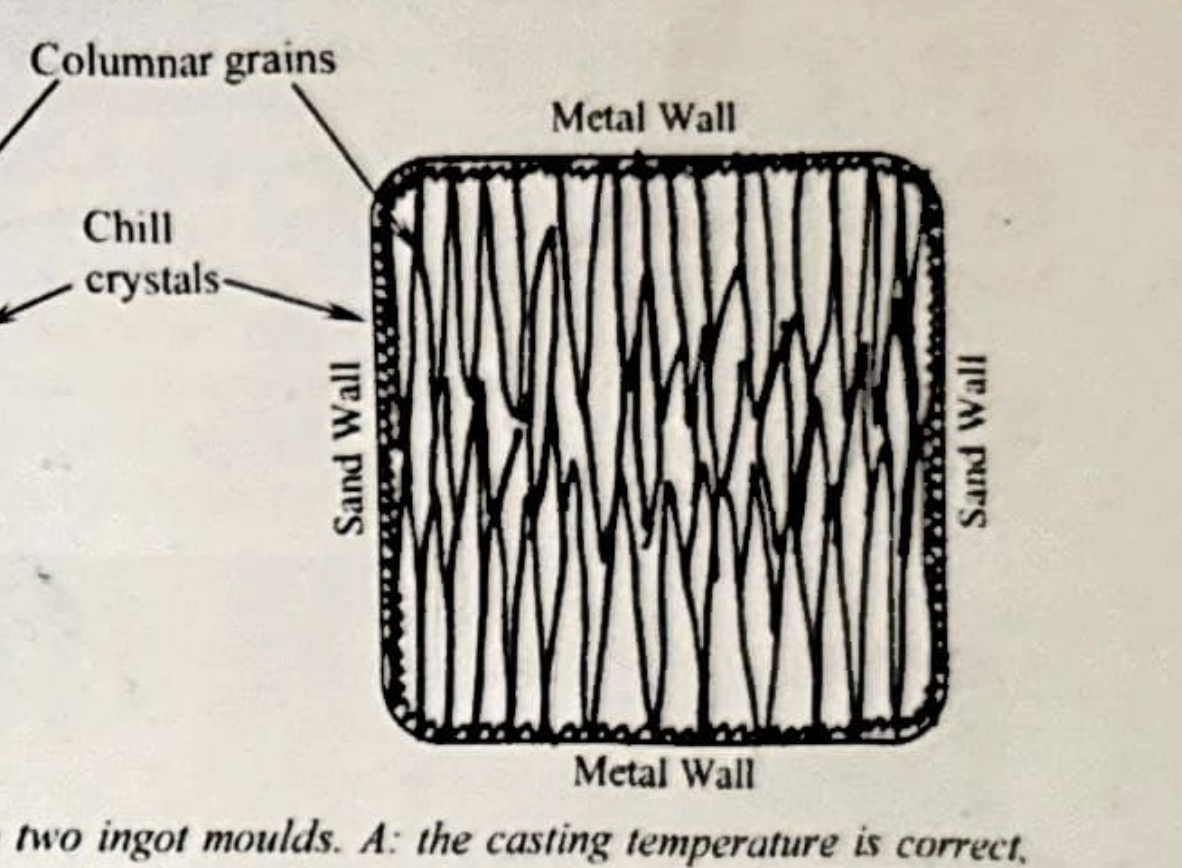
Metal/Sand Mould + ANSIOTROPIC
Grain structure: Mostly columnar grains with chill crystals at the surface
Ansiotropic: Only strong in one direction, as heat loses fast in metal sides
Casting to a high temperature
Which one is better and why
Sand Mould,
- Has equiaxed grains in the centre.
- More uniform strength in all directions (isotropic).
while metal mould, does not provide overall uniform toughness because it contains mainly columnar grains, which produce anisotropic properties
Piping in Casting
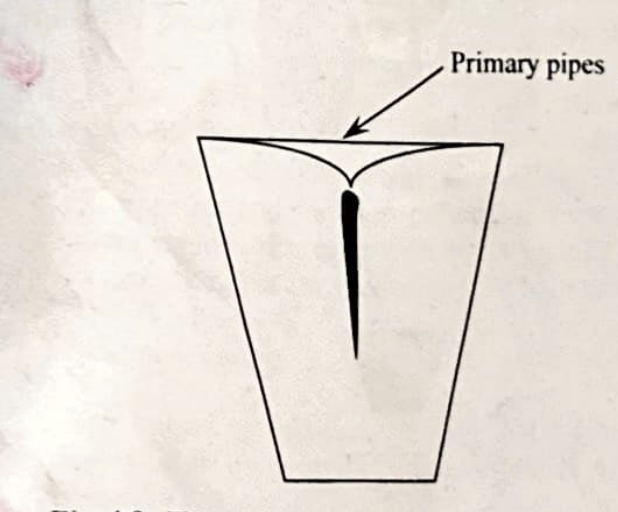
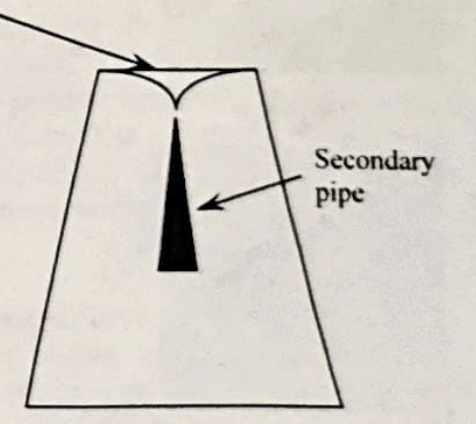
If we cast molten metal into an ingot we get primary or secondary pipe
When a molten metal solidifies it shrinks
Primary Pipe
Occurs as the metal solidifies from the outside in the molten metal
A shrinkage cavity at the top of the ingot.
Secondary Pipe
Internal shrinkage cavity
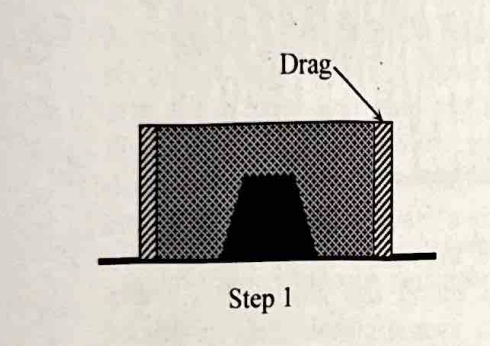
Sand Casting
The most common casting procedures
drag + green
The lower box “The Drag” is placed on a board with the object
Green sand is pakced tightly around the pattern
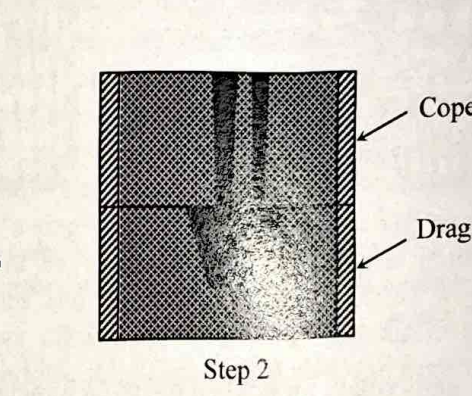
Cop… , r and r
The Drag is inverted and the top box “cope” is placed on top
The cope is filled with sand and there riser and runners in place
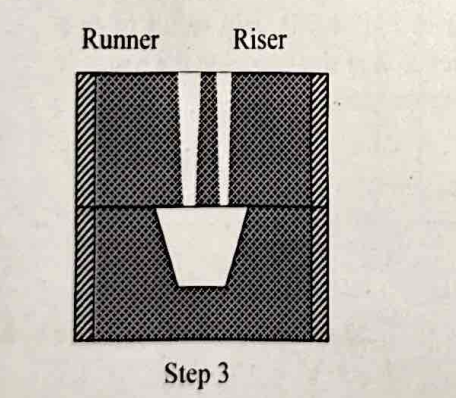
Sepe..
The cope and drag are seperated, the pattern, riser, and runner pins are removed and boxes reassblemed
Molten….
Molten metal is poured into the runner pin until riser and runner are filled
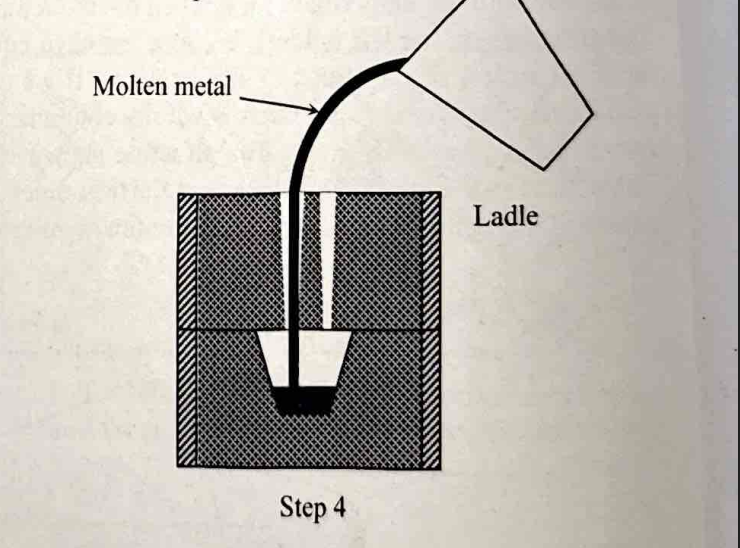
Solidi…
Casting is allowed to solidify
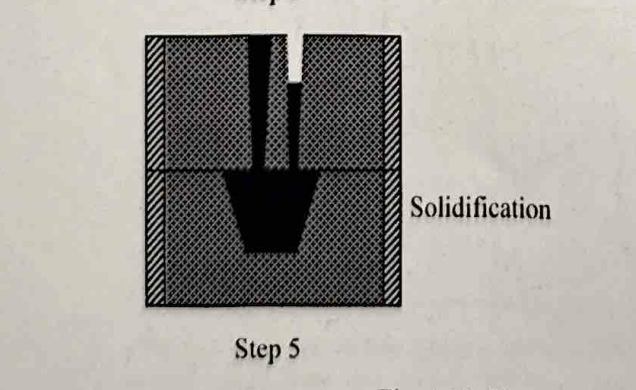
Casting is….
Casting is removed and the runner and riser parts are ground off
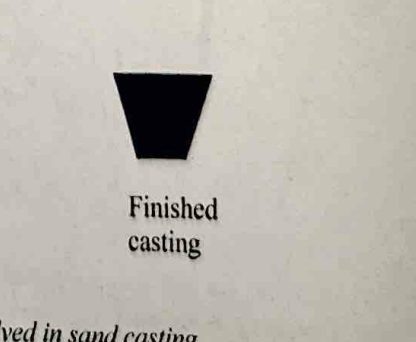
Who uses sand casting (engine bl..
Engine blocks and heads
Advantages of Sand Casting
Cheap, easy castings, good final grain structure
Permanent Mould Casting (Die Casting) (2). very important
Gravity die casting
Pressure die casting
Cannot be broken down, and have to be reused many times
Gravity die casting + advantages + disadvantage,( production runs..)
Molten metal flows into the mould by gravity (no pressure).
Mould is able to be seperated
Produces a better surface finish than sand casting
Over long prodcution runs, the cost is reduced as there are many parts
Over small prodcution runs, the cost is expensive
Pressure die casting + WHAT IS IT USED WITH (2 METALS)
Molten metal is forced under pressure
Used with low melting point alloys, such as aliminum and zinc
Produces denser, stronger castings with excellent surface finish.
Cost effecitve for long prodcution runs
Investment Casting (another name)
Lost Wax Casting
What is investment casting used in + example + why is it costly
The manufacturing of high quaility castinfg where dimensional accuracy and surface finish are excellent
Manufacture rocker arms for automotive engines
Costly as a new one has to be made each time
Final result of invesemtent casting
Excellent replica of the wax mould that is superior in finish to other casting methods with no further machining required
Proccess of investment casting
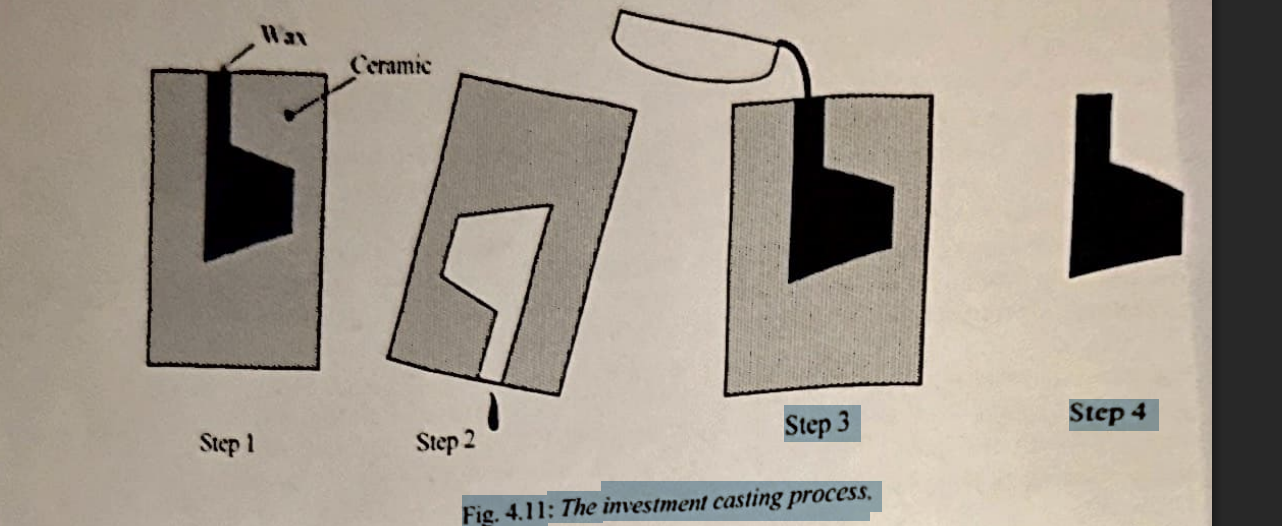
A wax pattern of the desired object is made.
A refractory ceramic is coated around the wax and allowed to set
The mould is heated so the wax melts and drains out, leaving a hollow cavity that is an exact copy of the object.
4
Molten metal is poured into the ceramic mould and allowed to solidify
The ceramic mould is broken away to remove the finished casting.
Fabricating + example
Using numerous pieces cut and assembled to form the material
Bicycle frame
Structure + Properties of Appropriate Materials (3)
Crsytal strucure
Microstructure
Macroscructure
Amorphous
Amorphous means non-crystalline.
An amorphous material does not have a crystalline structure because its atoms are arranged randomly, rather than in a regular, repeating pattern.
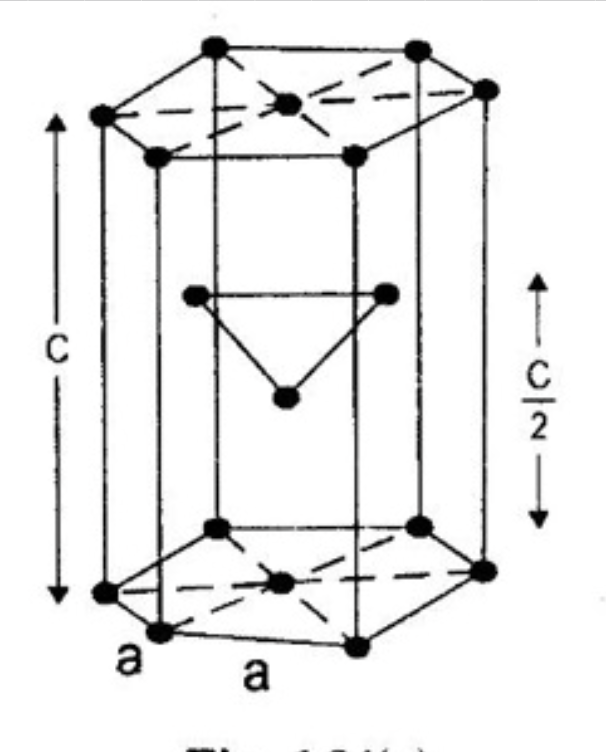
Crystal Structure + 3 (how atoms are arranged)
The crystal structure refers to how the atoms are arranged in a solid material
FCC- AUSTENTITE *atoms every corner and face
BCC- ROOM TEMPERATURE “atoms every corner and one centre
HCP- When steel becomes heated until a Red Hot (FCC) stucture, then rapidly quenched to form a HCP Structure (Martensite)- Diagram shown
Vulcanised Rubber (what type of polymer)
Vulcanised rubber is a cross-linked polymer where sulfur bonds connect polymer chains, increasing stiffness, strength, and durability.
Bakelite (what type of polymer)
Theremosett
Microscture + carbon percenatge
When a material is viewed under a microscope
0.2 - More ferrite less pearlite (hypo-eutectoid)
0.83- All pearlite (eutectoid)
1.2- Cementite + Pearlite (hyper-eutectoid)
Macrostructure
Can be seen with the naked eye
Stainless Steel (what does it contain…)
Alays contain more than 10 percent chromium but not always nickel
Main stainless steel for “Biomedical Engineering’
Austenitic stainless steel
Different types of stainless steels (number 3 most important) (FMADP
Ferritic stainless steel
Martensite stainless steel
Austenitic stainless steel
Duplex Stainless steel
Precipitation Hardening Stainless steel
Ferritc stainless steel (definiton, property, usage)
Have a ferrite structure and have chromium added (11-27 percent) and a low carbon content
Good strength and moderate ductility
Used in marine application and outdoor construction
Martensitic Stainless Steel
Both chromium and carbon added
High hardness and tensile strength
Used in Knife blades and stainless tools with a cutting edge
Austenitic Stainless Steel (MORE IMPORTANT)
Accounts for 70 percent of production of all stainless steels
Austenitic Stainless Steel properties
Have chromium, nickel and low carbon content
Excellent ductility, formability and corrosion resistance
Non Magnetic, making them unique
How can austentic stainless steel be welded? (mig or tig)
TIG WELDING
Duplex Stainless Steel (definiton + usage)
Have a dual phase structure mix of ferrite and austenitic structure
Used in marine and chloride rich environments
Precipitation Hardening stainless steel + MAIN PROPERTY (high yi…)
Can be hardned through the precipitaiton hardening method
Very high yield strength
Precipitation Hardening
Precipitation hardening is a heat-treatment process used to make a metal stronger and harder.
Why is there Heat Treatment of a precipitation hardned steel? (to achieve..)
To achieve its peak strentgh
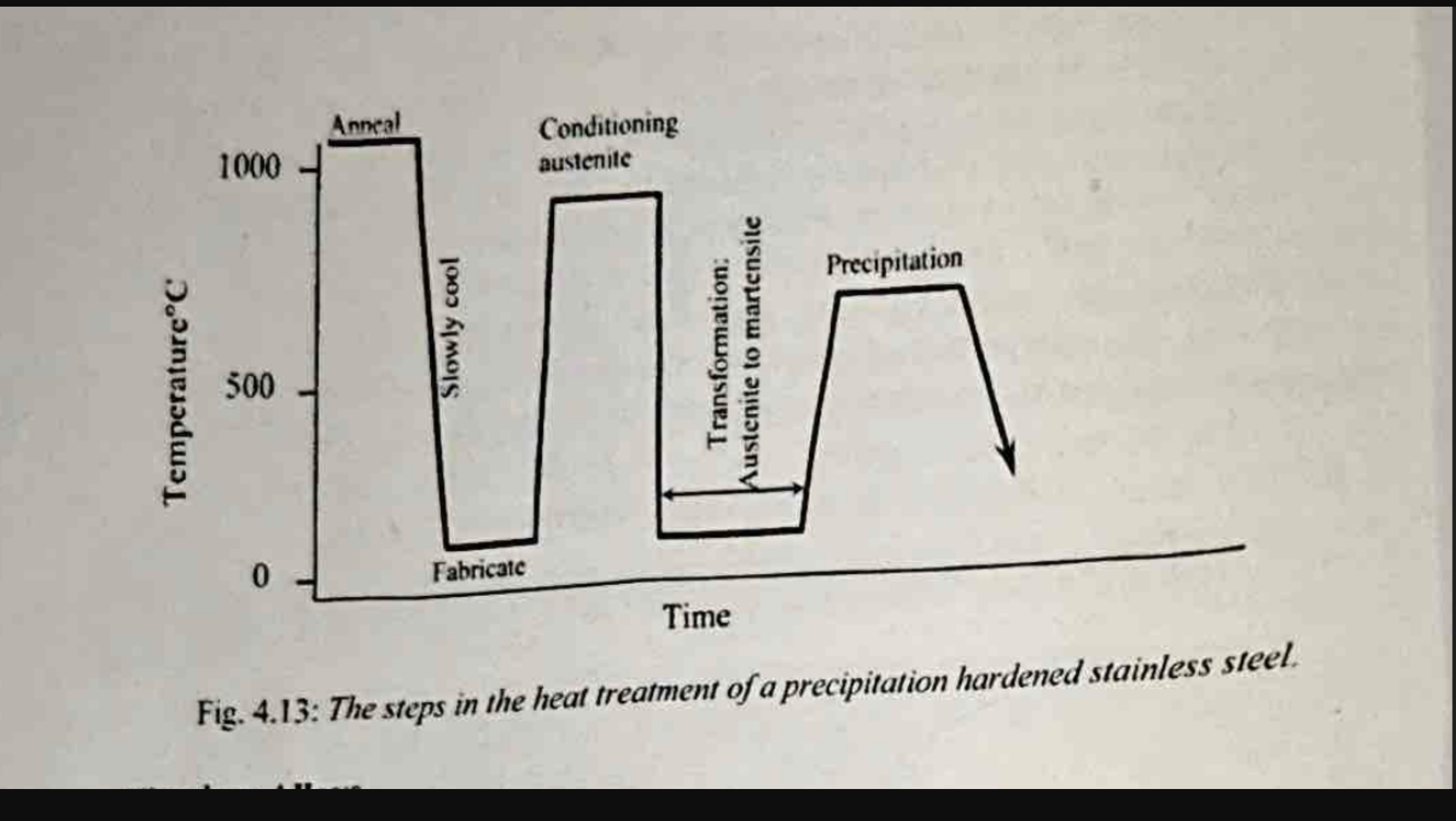
Steps in heat treatment of precipitation hardened stainless steel (refer to graph)
Anneal to more than 1000 degress
Slowly cool
Fabricate
Left there for a long time
Precipitates form, making steel stronger