Afghanistan MUS 206
 Call Kai
 Learn
Learn Practice Test
 Spaced Repetition
 Match
Match Flashcards
 Knowt Play
1/29

There's no tags or description
Looks like no tags are added yet.
Name | Mastery | Learn | Test | Matching | Spaced | Call with Kai | Chat |
|---|
No analytics yet
Send a link to your students to track their progress
30 Terms
Ethnic Groups
42% Pashtun
27% Tajik
9% Hazara
<9% Uzbek
Languages
Dari (official language)
Pashto (official language)
Uzbek
Turkman
most people are bilingual
1978 Communist Coup
soviet invasion 1979-1989
civil war 1989-1995
1996-2001
Taliban Regime
Oct. 2001
US Invasion
Aug. 2021
US leaves Afghanistan and Taliban returns to power
Music Before 1978
Musical Genres:
classical
khyal
tarana
ghazal
qawwali
Folk Music
Popular Music
Islam and Music
religious chants not considered music
lullabies and wedding songs, work song (music not allowed)
military music is allowed
vocal/instrumental improvisations is haram
Radio Afghanistan
regular broadcasts begin 1940
source of employment for musicians
listen to radio outside coffee houses
nation radio established 1960 (radio afghanistan)
music primarily from pashtun musicians
muhammud omar directed
Kabul became informal conservatoire
pro musicians considered lower class, radio changed that
tape archive
radio became a symbol of modernism
Ahmad Zahir
1946-1979
afghan radio star
king of 70s afghan pop
“leili-Jan”
murdered in Kabul
Ustad Mahwash
afghan radio star
woman vocalist
classically trained
given the title of “master musician” (Ustad)
fled afghanistan before taliban
“Oh Fairy Come and Meet Me”
Under Soviet Control
increased state control of media
many afghans fled to pakistan
cassette recordings of revoultionary songs
Afghan Musicians in Pakistan
shared pashtun culture and language
refugees during soviet inasion all along pakistan border
camps run by mujahdeen
religious restrictions on music making
refugee musicians in Peshawar
Amir Muhammad (1933-1997)
Life Under the Taliban
restrictions on social and cultural life
radio afghanistan renamed Voice of Sheri’at Radio
TV’s destroyed
women veiled, men need beards
women not able to keep jobs
1747
Afghan State Founded
Major Urban/Music Centers
Kabul, Herat, Kandahar
Music After the Taliban
Music shops return
instruments had to be rented, people were too poor
sold western and traditional instruments
music teachers return
music schools
Afghan National Institute of Musical Youth create
taught western and Afghan music
return of Radio Afghanistan
Ghazal
Musical Genre
poetry dating back to the middle ages
couplet (a-a, b-a, c-a, d-a, etc.)
poet will put their name at the end
cyclical form
alternating verses and double time instrumental interludes
usually about religion and divine love
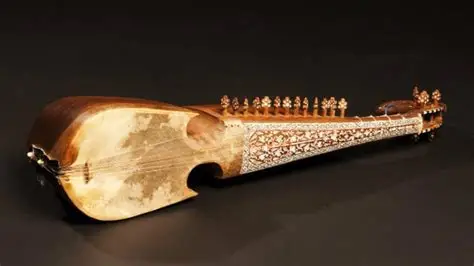
Rubab
3 main strings
3 or 2 drone strings
sympathetic vibrating strings underneath
“keliwali” Mohammad Omar
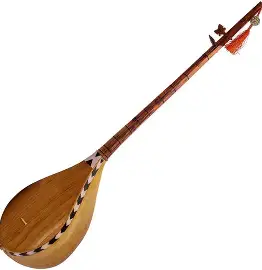
Dutar
long neck lute
3 strings w/ chromatic fretz
sympathetic strings
“Aushari” Aziz Harawi
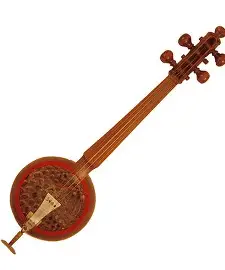
Ghijak
spiked fiddle, played upright with a bow
“Ai Delbari Khamosh”
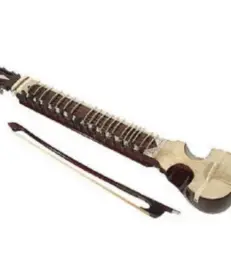
Dilruba
upright bowed fiddle
multiple strings and fretza
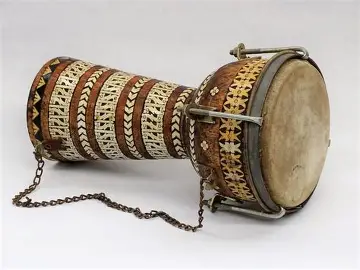
Zirbahgali
drum
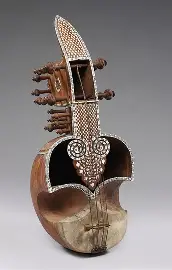
Sarinda
small upright fiddle
up to 30 strings
“Logari Medley”
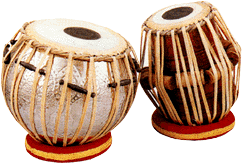
Tabla
pair of drums with black center
similar to indian tambura
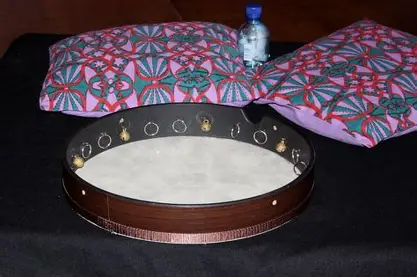
Daireh
flat round drum
had jingles around it like tamburine
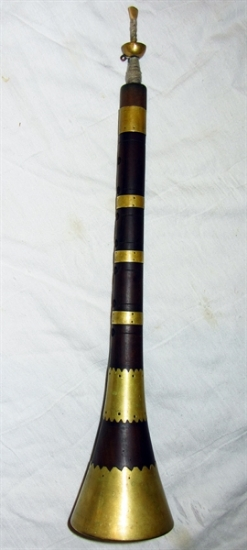
Sorna
Sadohol ensemble
double reed horn
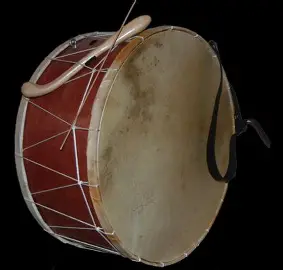
Dohol
Sazdohol ensemble
large double headed drum
played with malets
Homayun Sakhi
Afghan rubab player in US
“The art of the Afghan Rubab”
Afghan Star
Rafi, Lema, Hameed, Setera
influence on the role of music, gender, and media in Afghan society