Zoo Lab 6 Platyhelminthes & small protosomes
 Call Kai
 Learn
Learn Practice Test
 Spaced Repetition
 Match
Match Flashcards
 Knowt Play
1/39

There's no tags or description
Looks like no tags are added yet.
Name | Mastery | Learn | Test | Matching | Spaced | Call with Kai | Chat |
|---|
No analytics yet
Send a link to your students to track their progress
40 Terms
Phylum Platyhelminthes
Flatworms; dorso-ventrally flattened bodies with bilateral symmetry and acoelomate(no body cavity)
Characteristics of Phylum Platyhelminthes
All spaces between body wall and organs filled with parenchyma
most have a simple brain(paired ganglia) with nerve cords, protonephridia, & acoelomate larva
2/3 are parasitic
Protonephridia
made of specialized flame cells and tubules, are used to eliminate nitrogenous waste
How are acoelomate larva similar from planula larva? How are they different?
They’re both surrounded by cilia. Acoelomate larva have apical tuft of sensory cilia and have a mouth/anus with ciliated gut
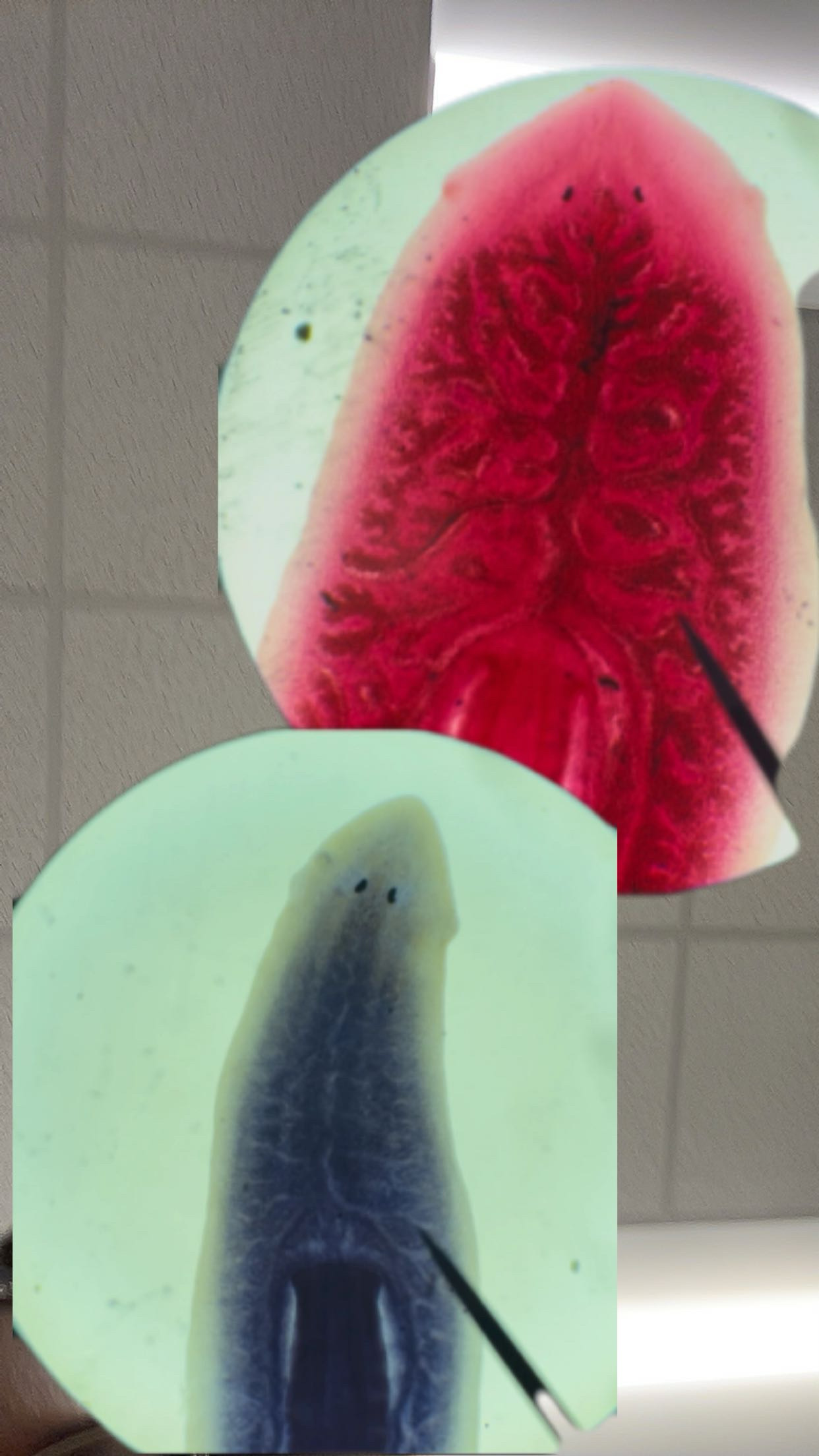
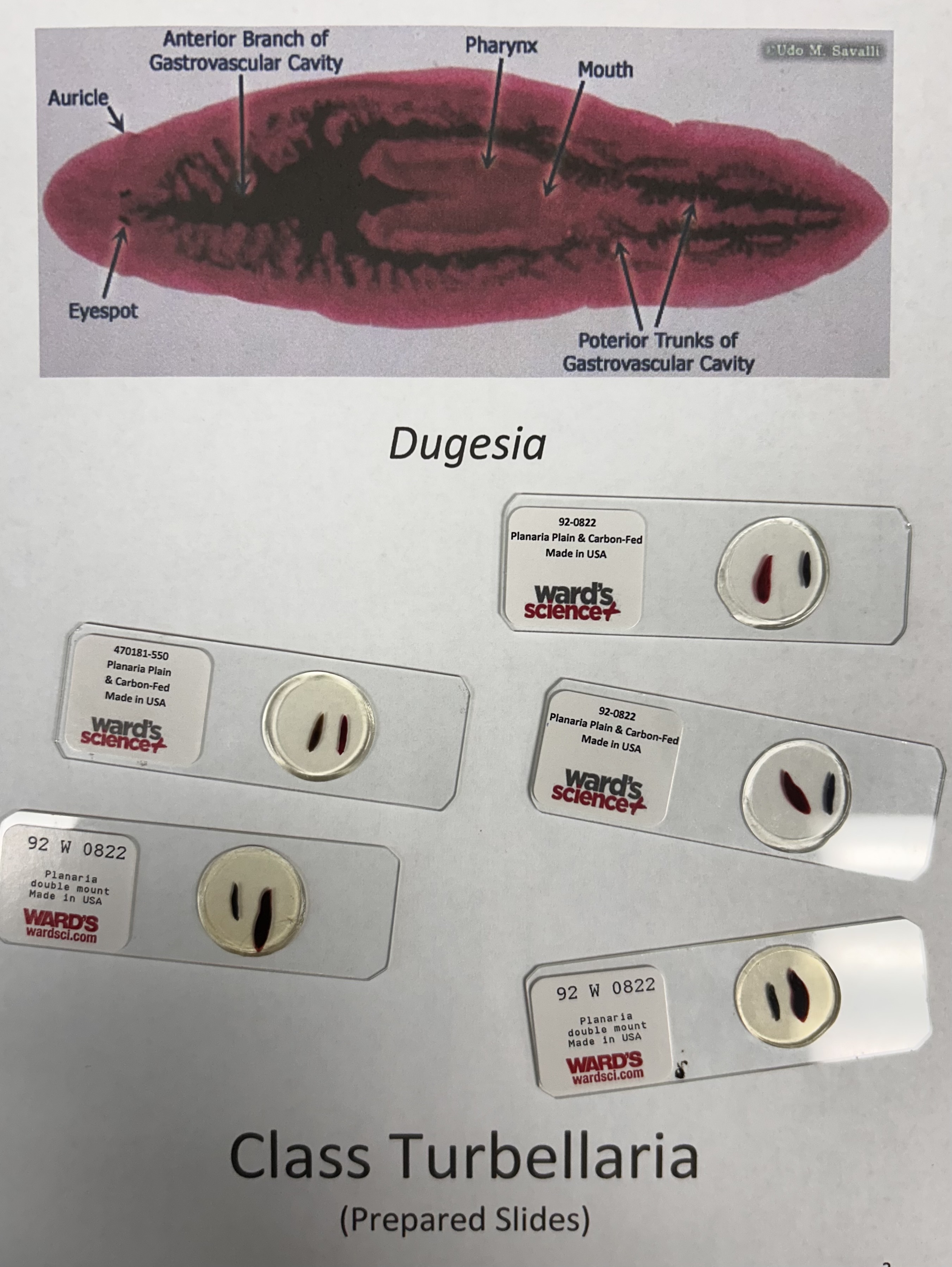
Class Turbellaria
Planarians; Free living flatworms, found in benthic environments
Characteristics: ciliated epidermis, epidermal glands, statocysts, and ocelli(eye spots, stigmas)
External anatomy of Planarians
a dorsal pair of ocelli, ear-like processes(auricles), tactile receptors, chemoreceptors, pigmented epidermis, a muscular pharynx along ventral midline, and a branched gastrovascular cavity
Internal anatomy of Planarians
ciliated epidermis, parenchyma, transverse/dorsoventral, longitudinal, and cellular muscles, and ventral nerve cords
What class do Dugesia and Bipalium belong to?
They belong to Class Tubellaria
Class Trematoda
Flukes; parasitic, immediate hosts being an invertebrate and definite host being a vertebrate
Characteristics of Class Trematoda
non-ciliated tegument, an oral sucker at anterior of body, and ventral sucker; no statocysts and ocelli; epidermal gland cells are only present in juveniles and produce a harden cyst instead of an adhesive mucus secretion
Anatomy of Flukes
oral sucker, ventral sucker, digestive system, pharynx and reproductive system
Class Cestoda
Tapeworms; endoparasites, immediate host may be an invertebrate or vertebrate and their definitive host is a vertebrate
Anatomy of Tapeworms
scolex, proglottids, reproductive system, and genital pore
Without a digestive system, how do tapeworms process their food?
They absorb the digested food of their hosts’ alimentary canal
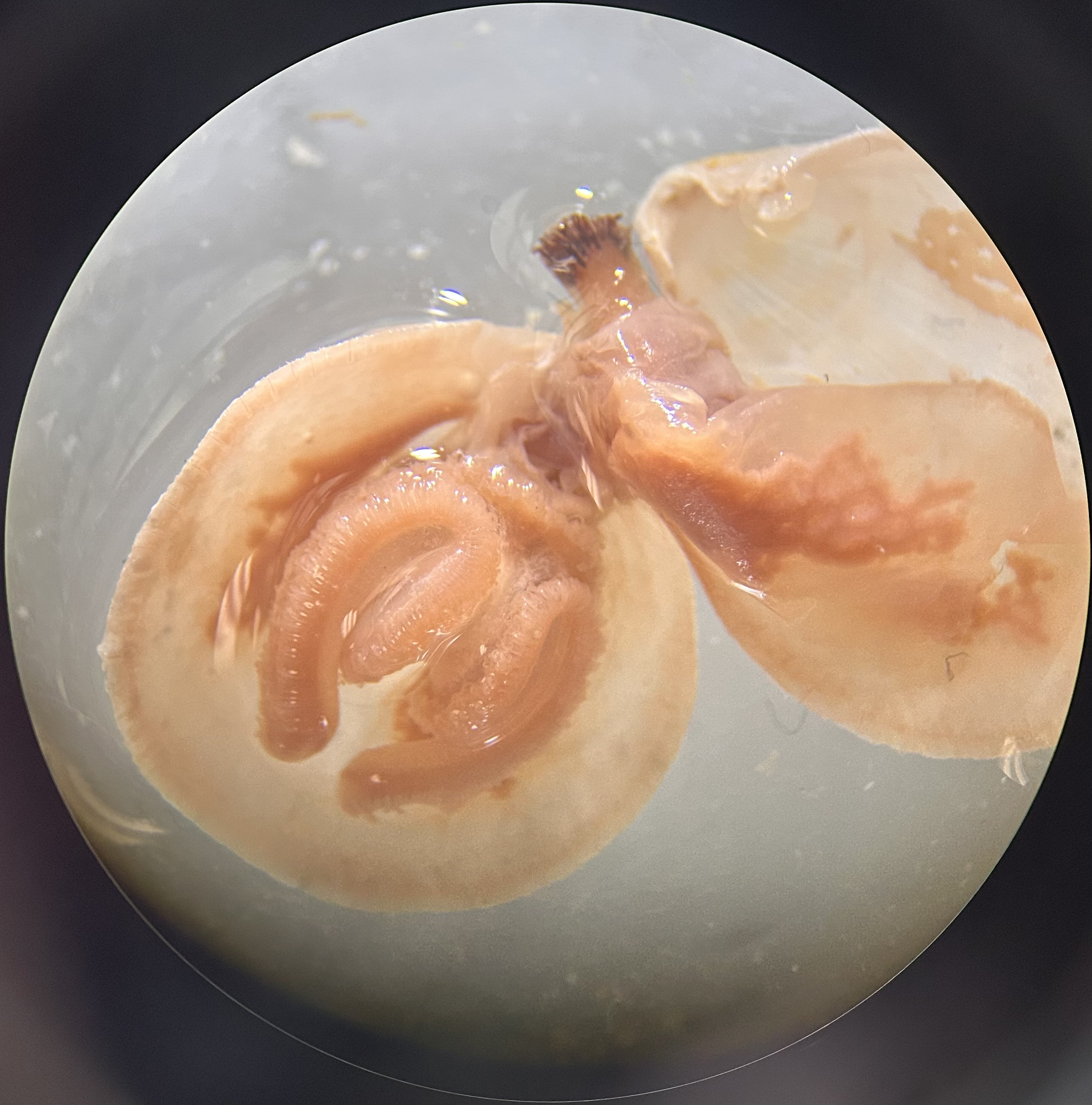
Identify the organism and the Phylum it belongs to
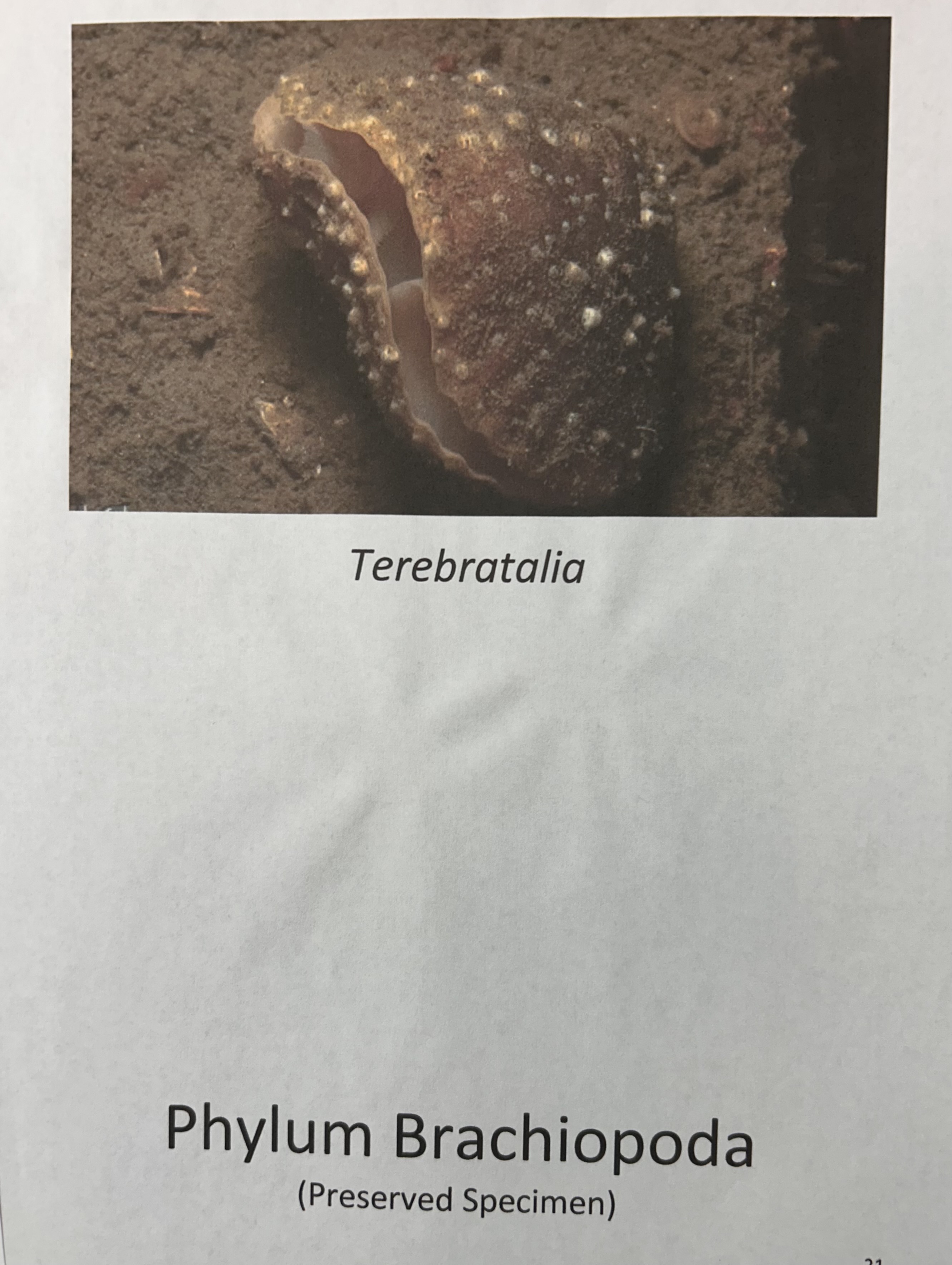
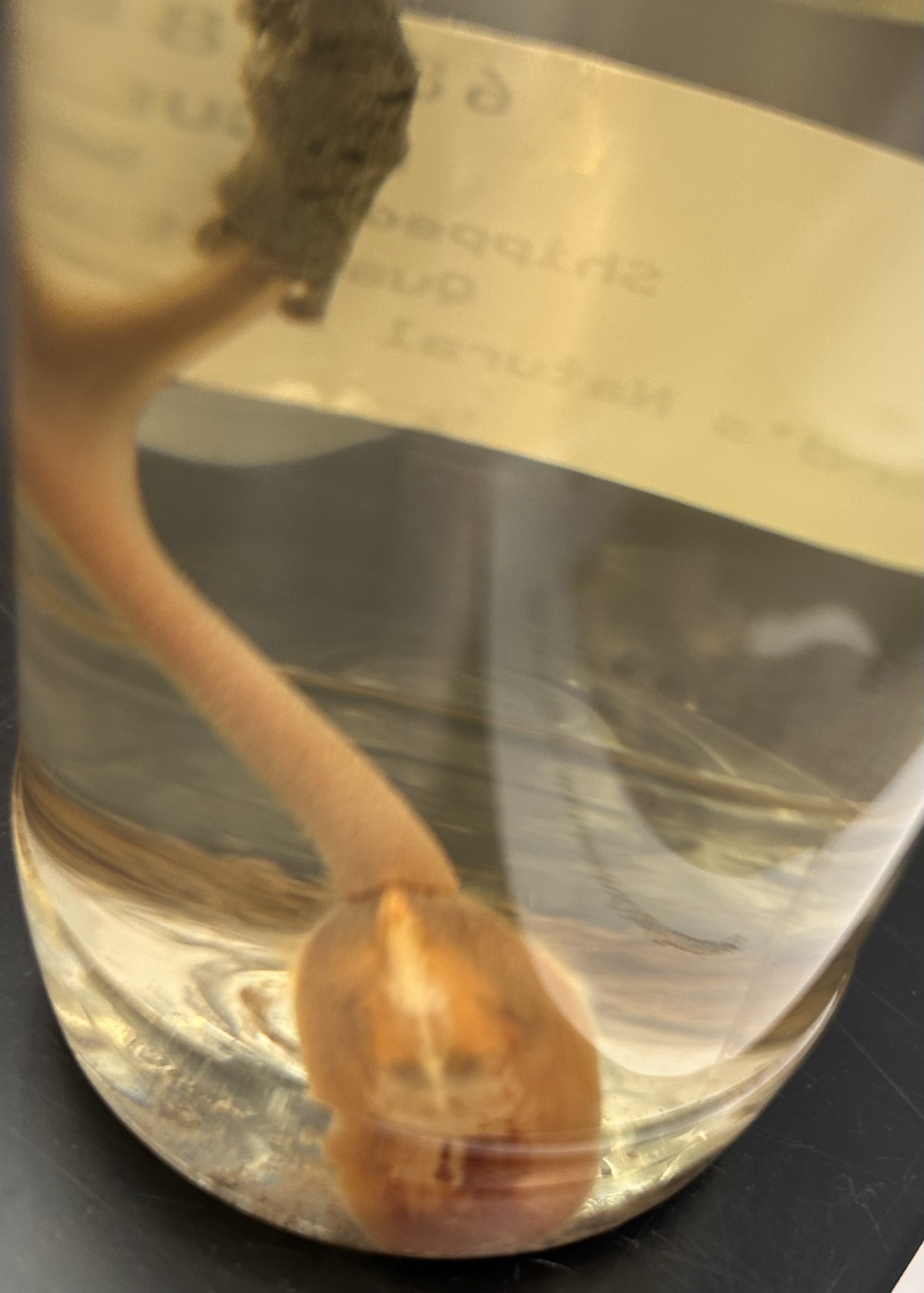
Identify the organism and the Class/Phylum it belongs to
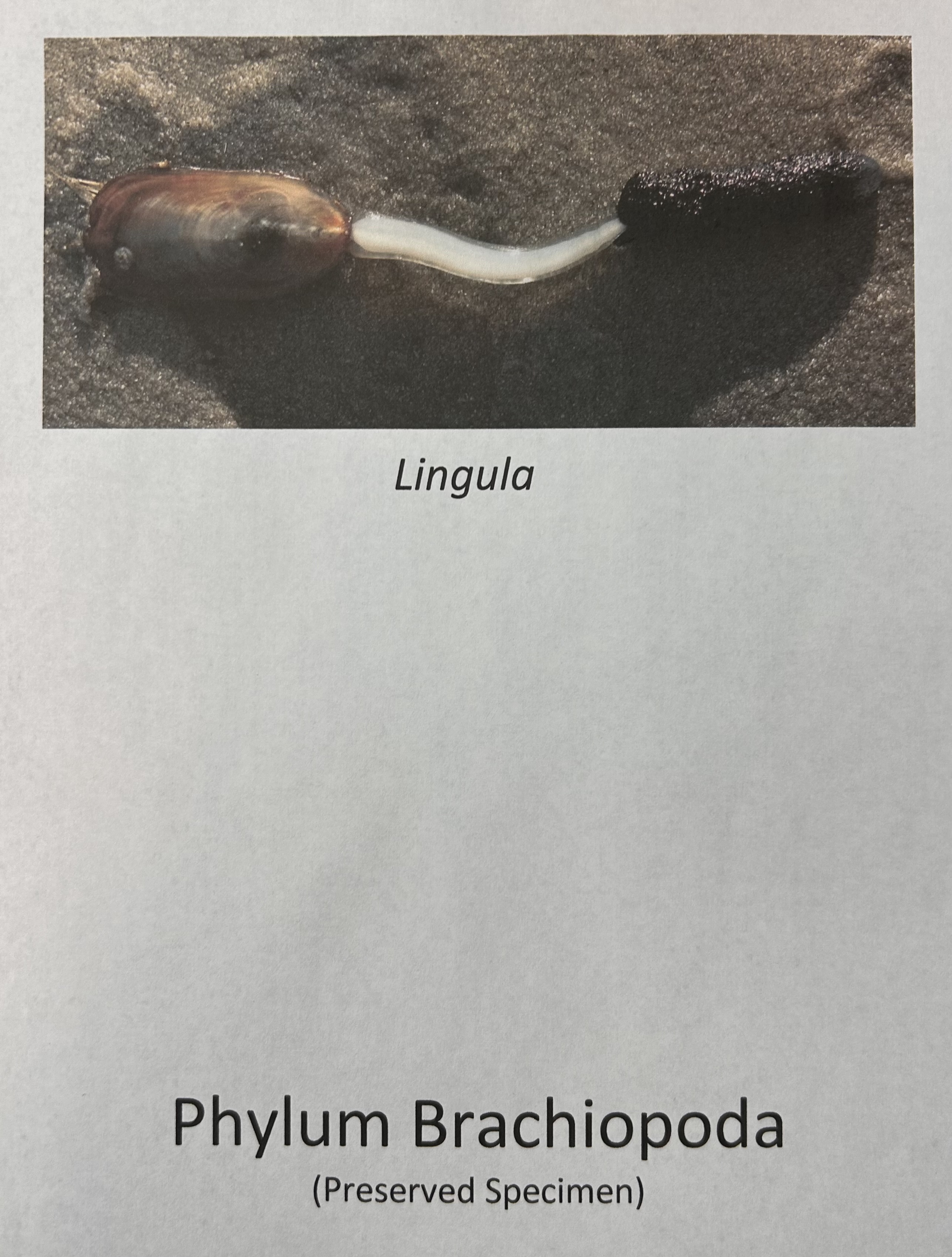
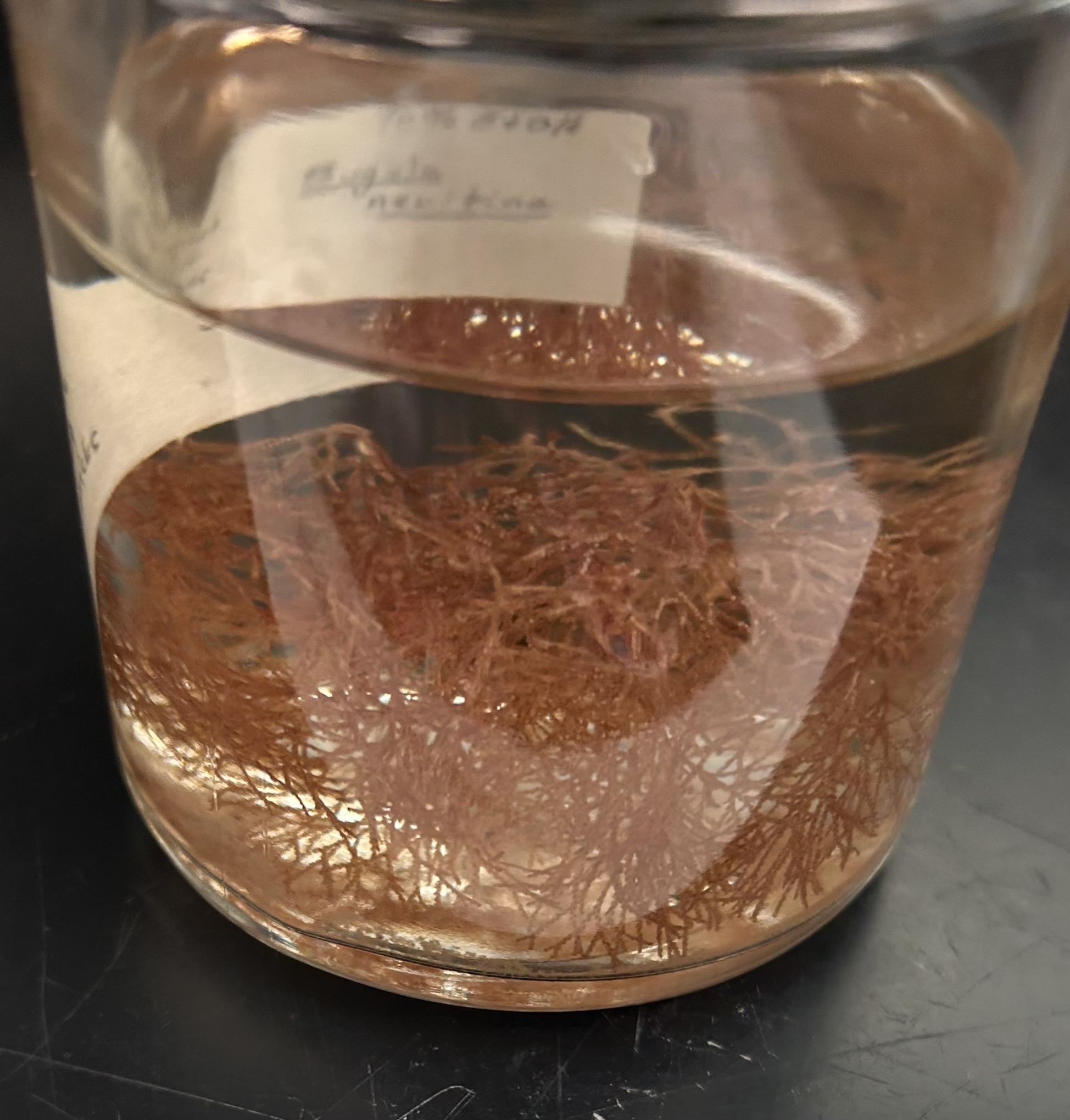
Identify the organism and the Phylum it belongs to
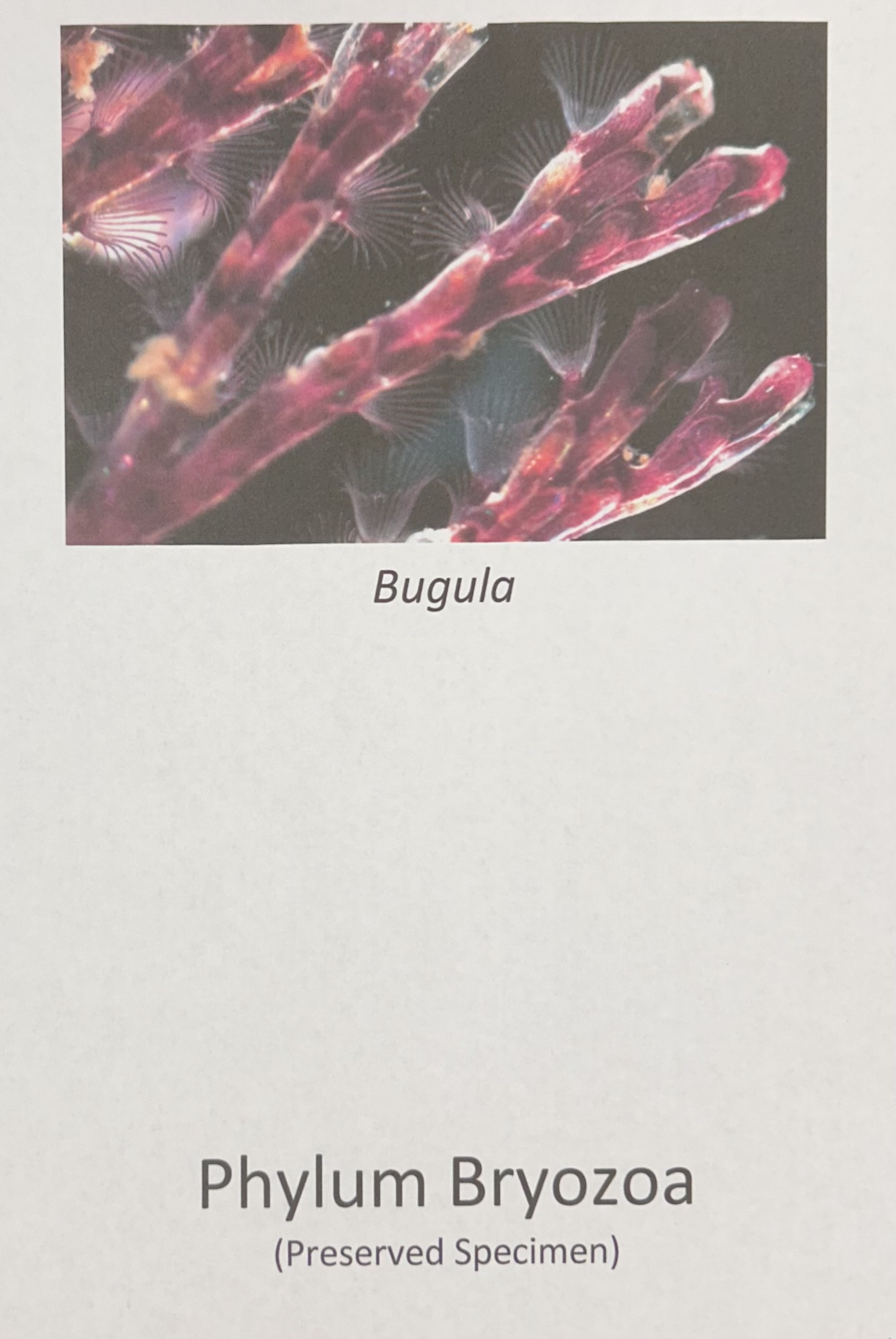
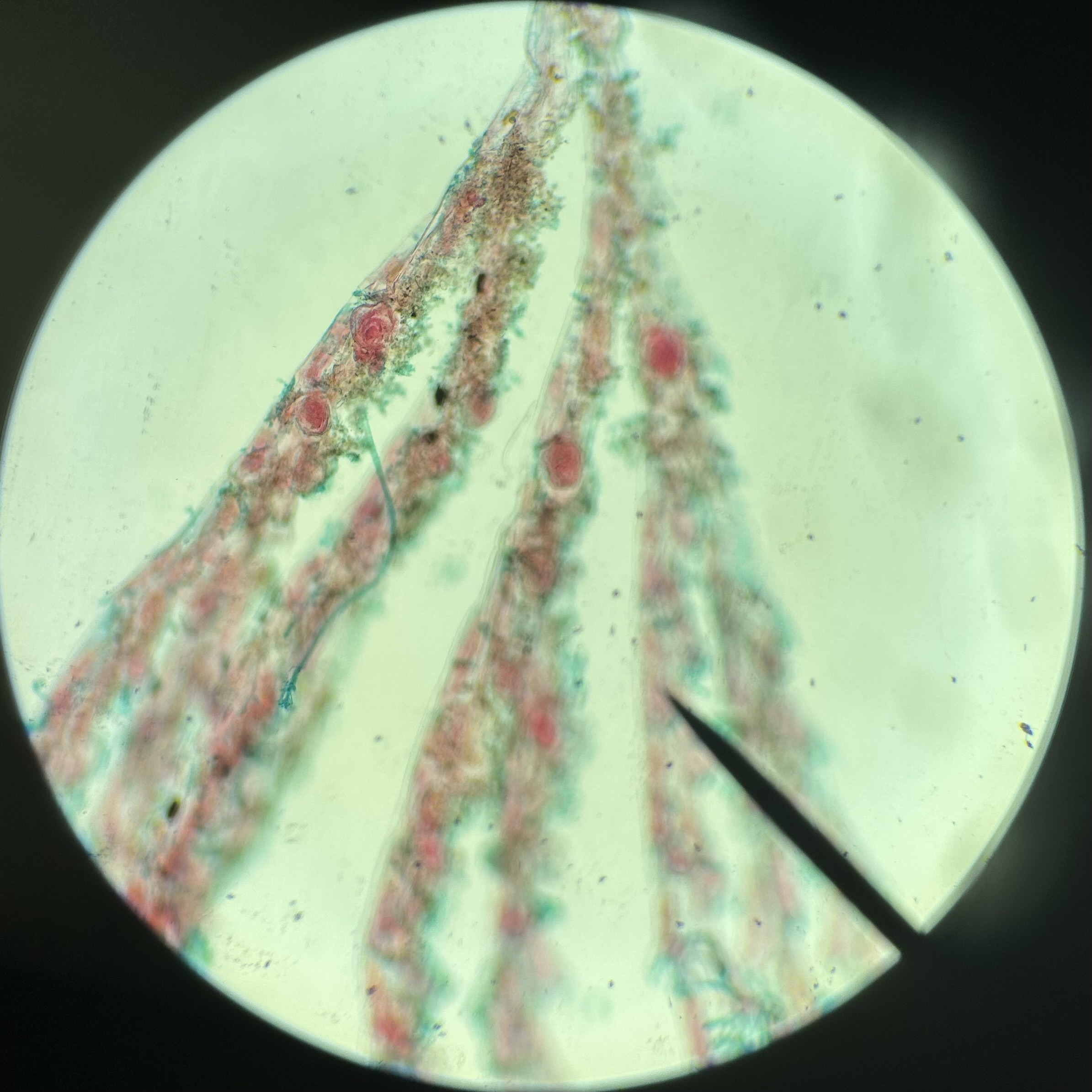
Identify the organism and the Phylum it belongs to
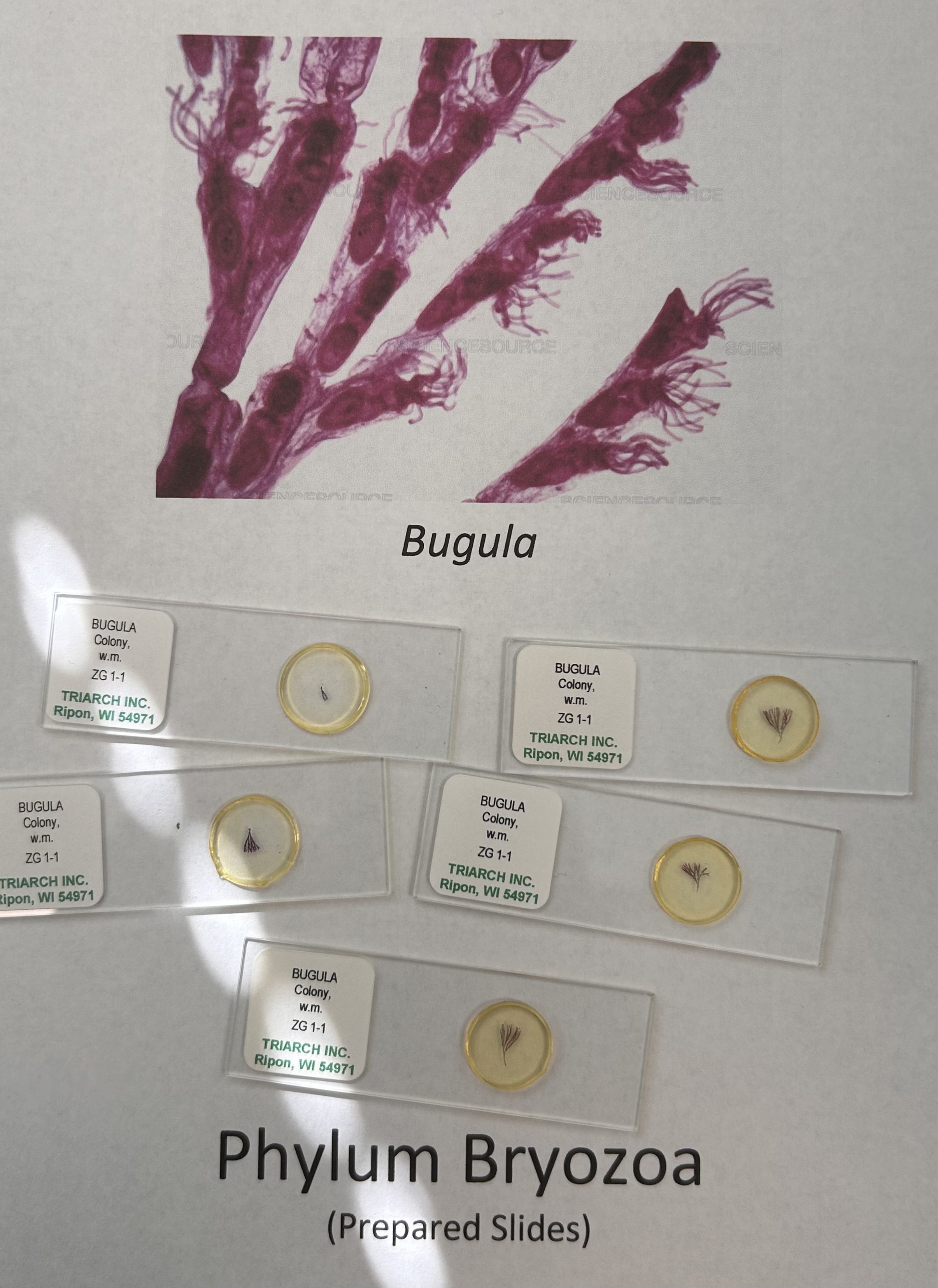
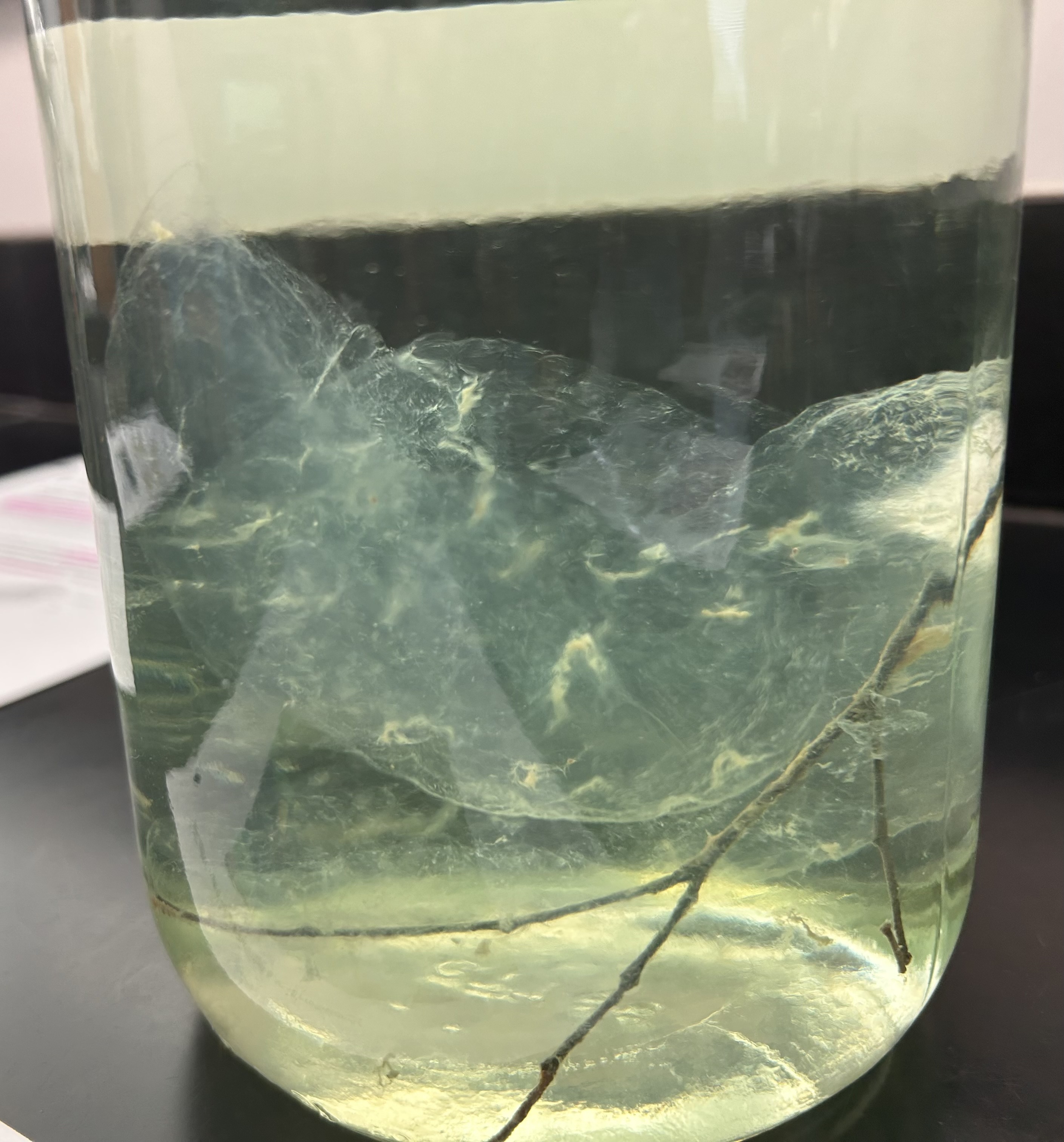
Identify the organism and the Phylum it belongs to
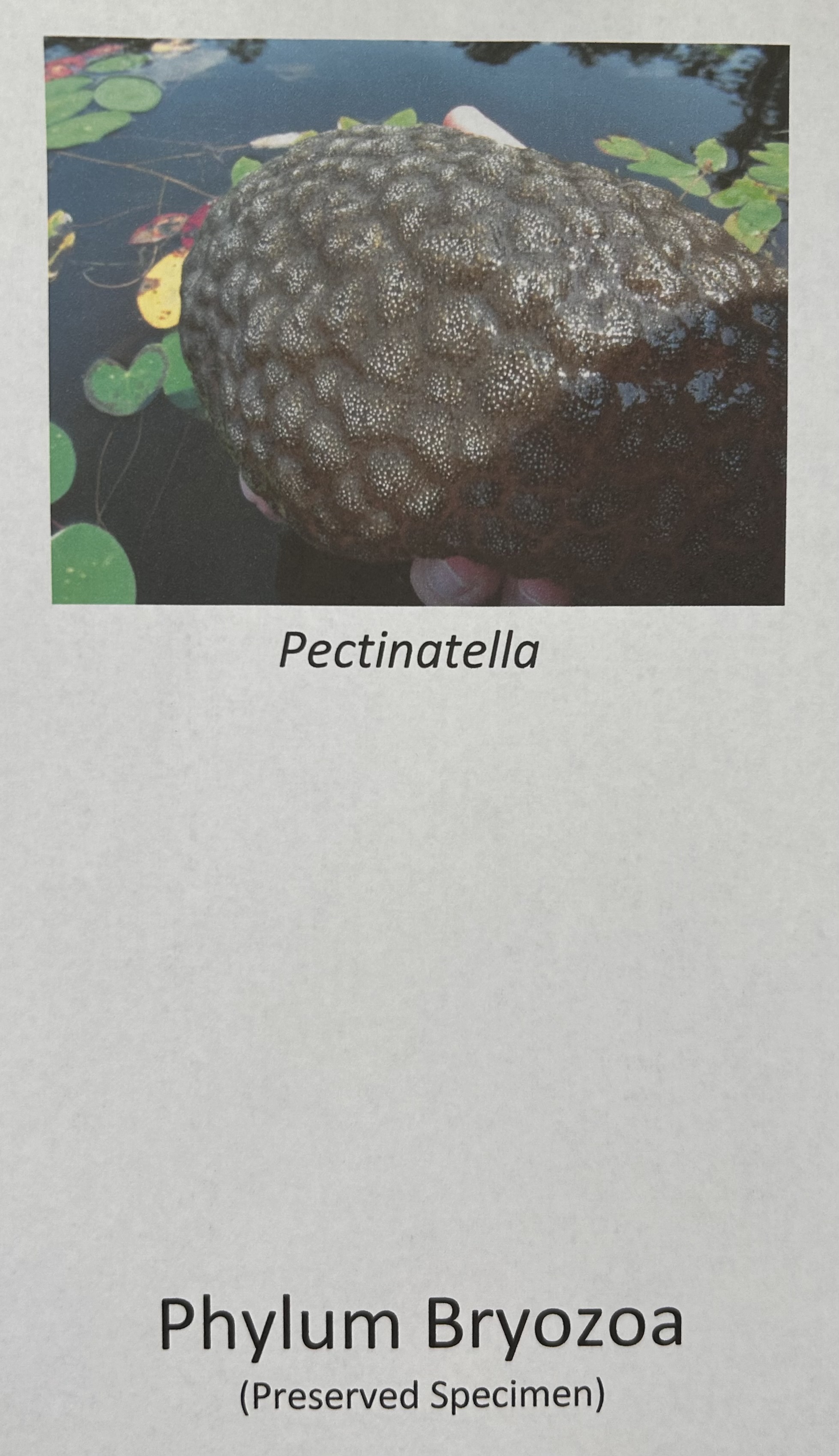
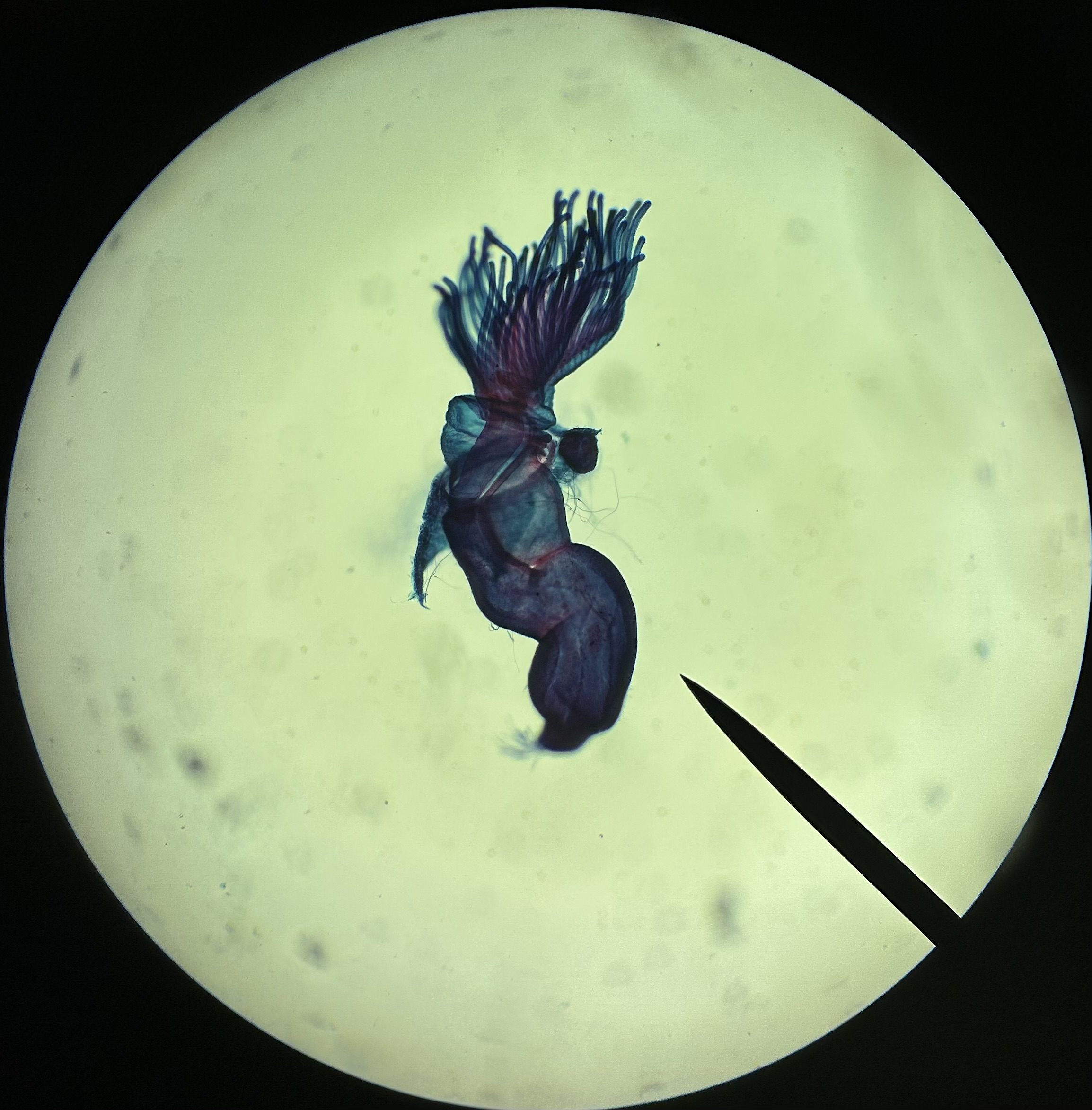
Identify the organism and the Phylum it belongs to
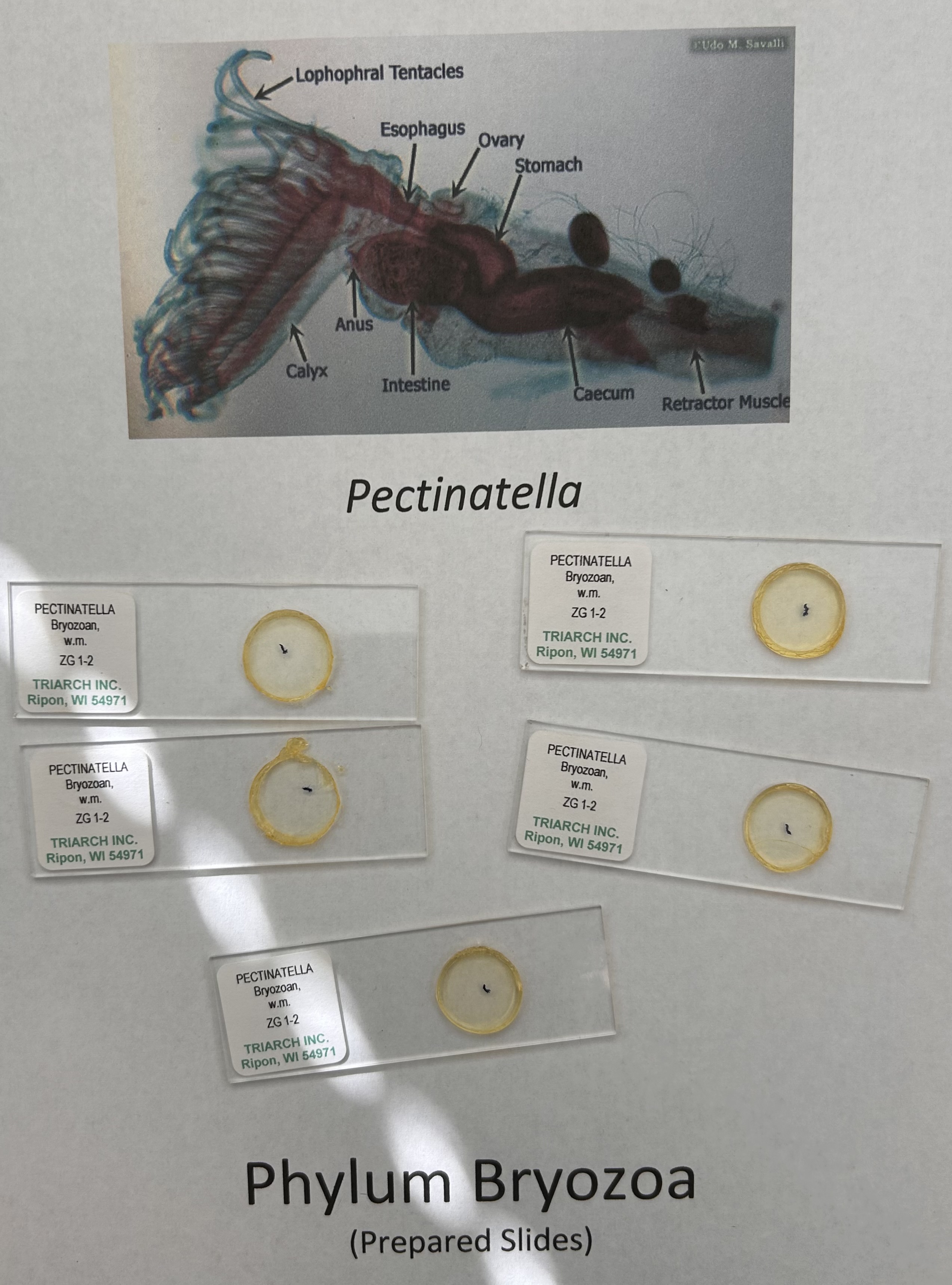
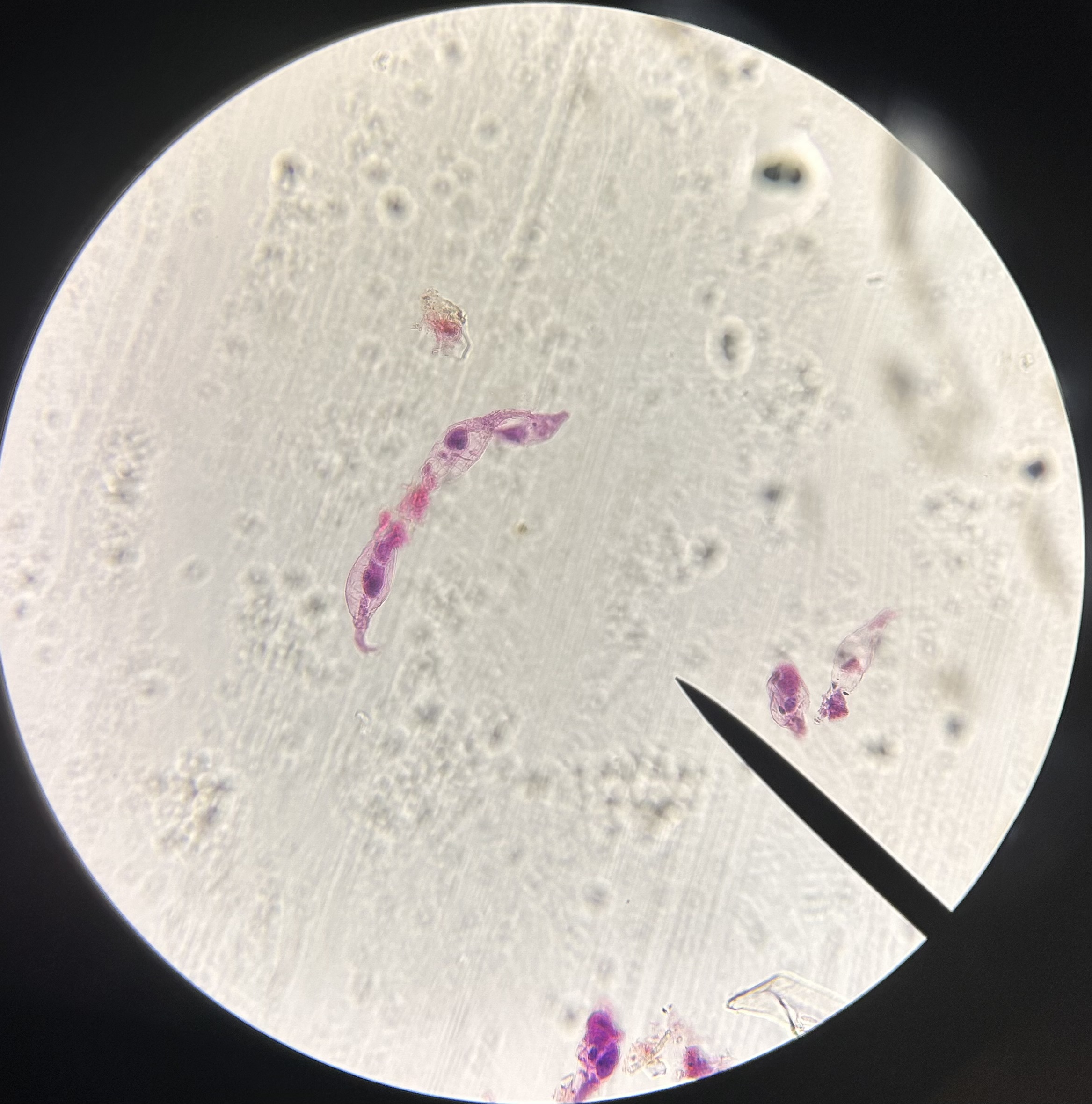
Identify the organism and the Phylum it belongs to
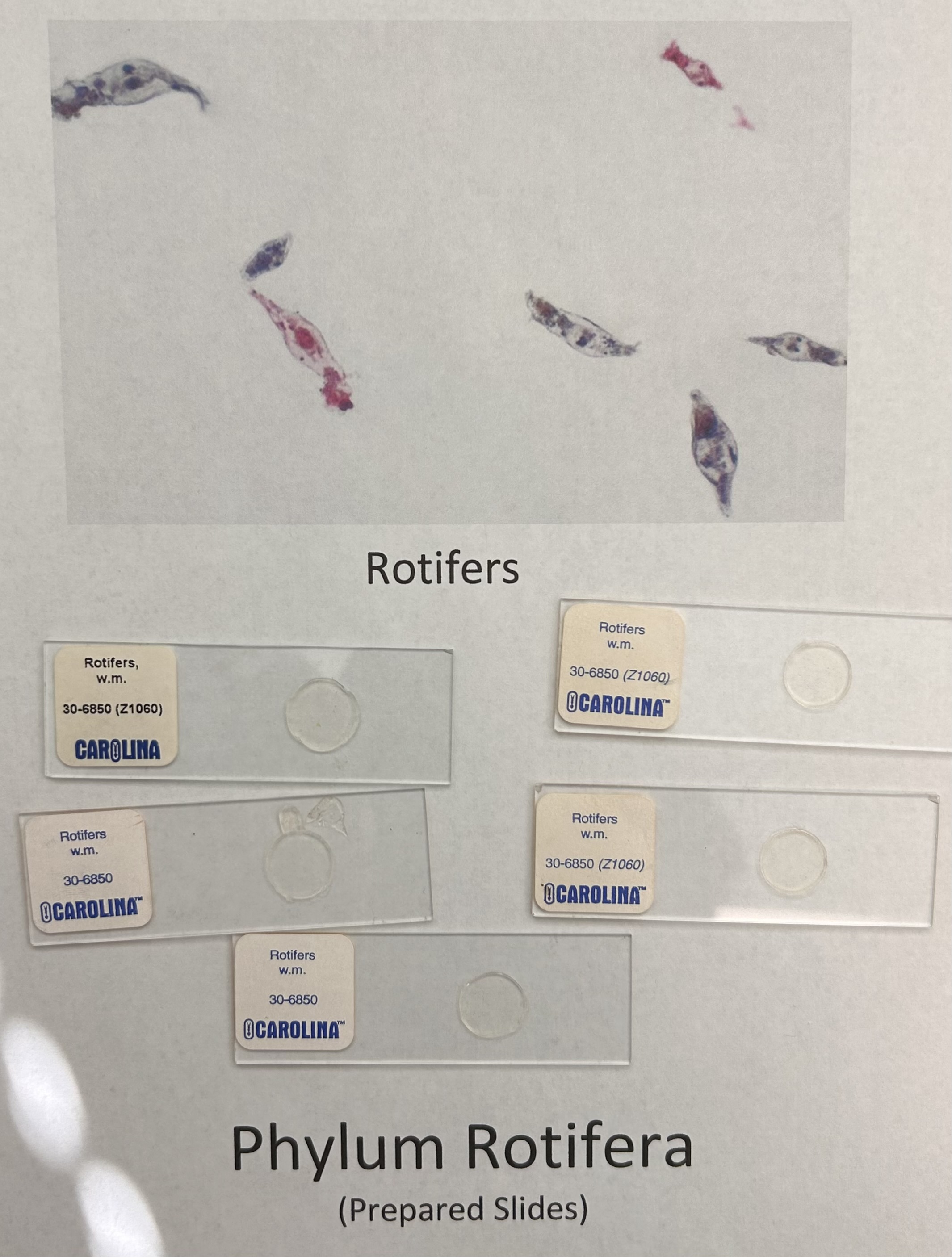
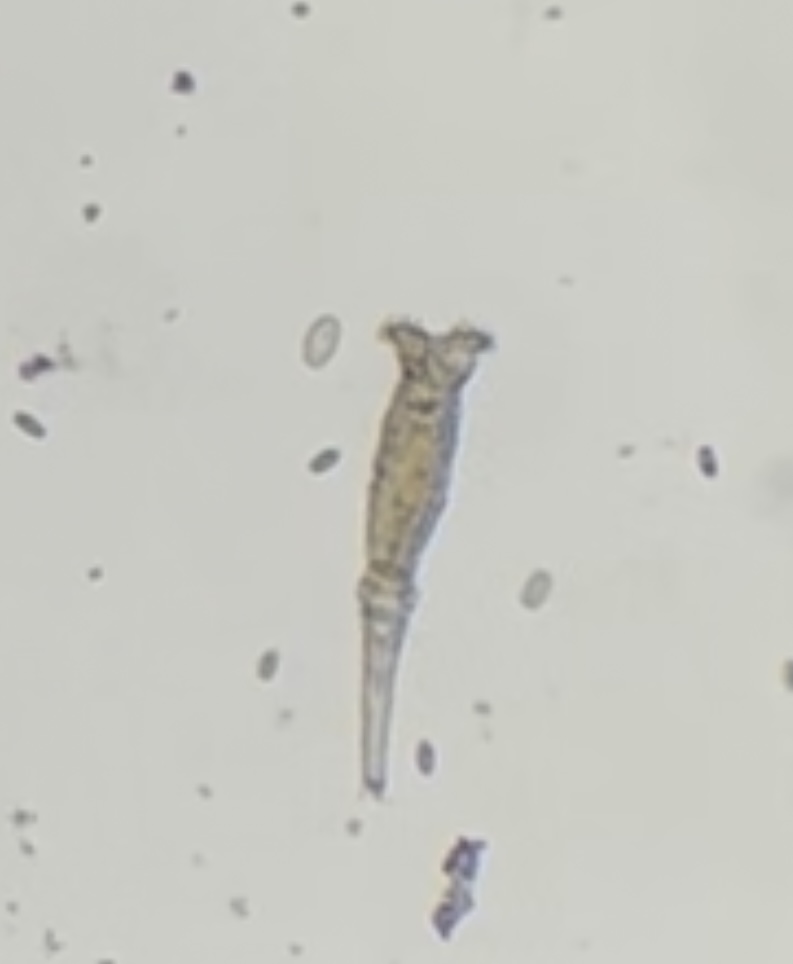
Identify the organism and the Phylum it belongs to
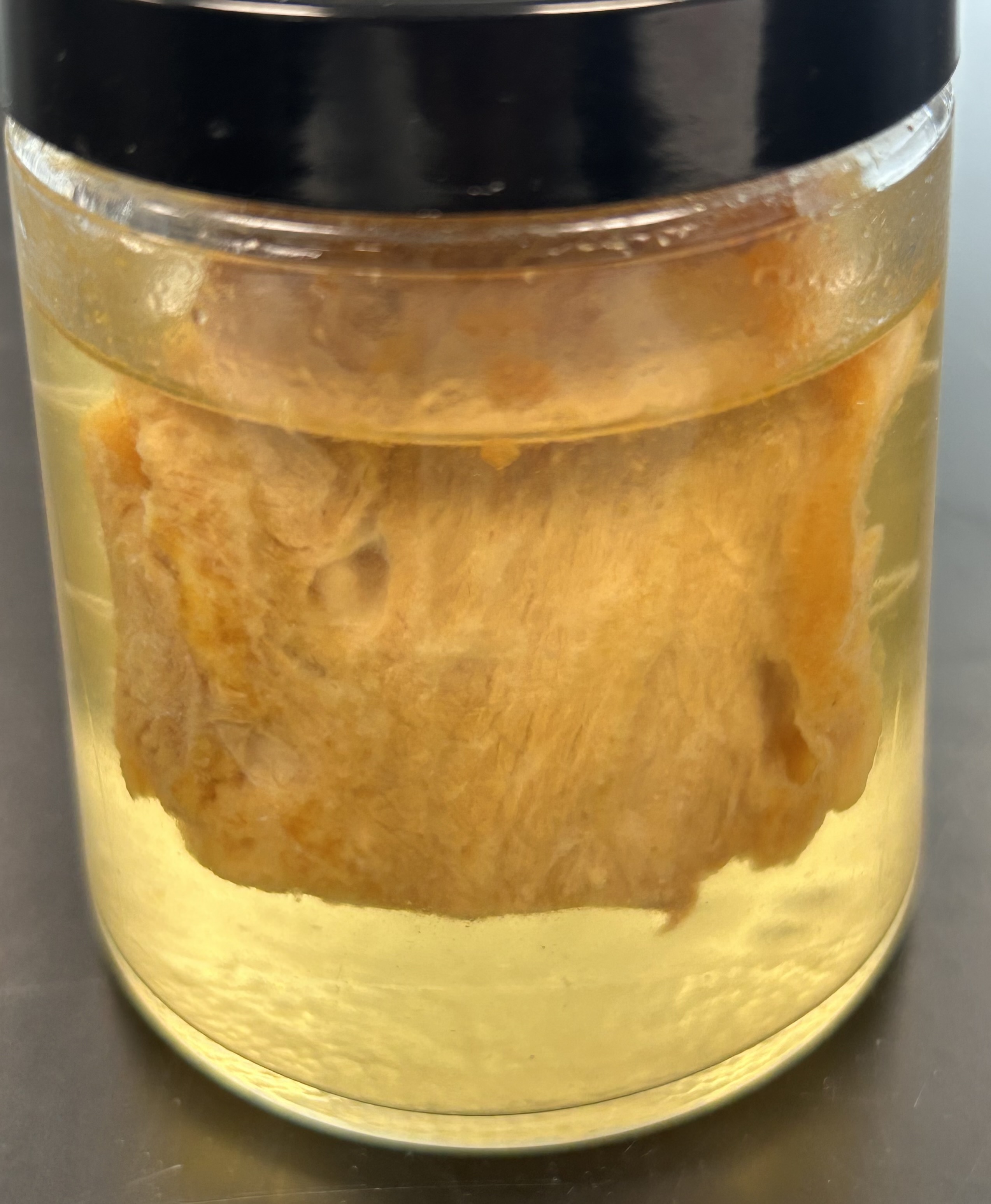
Identify the item and the Class it’s infection belongs to
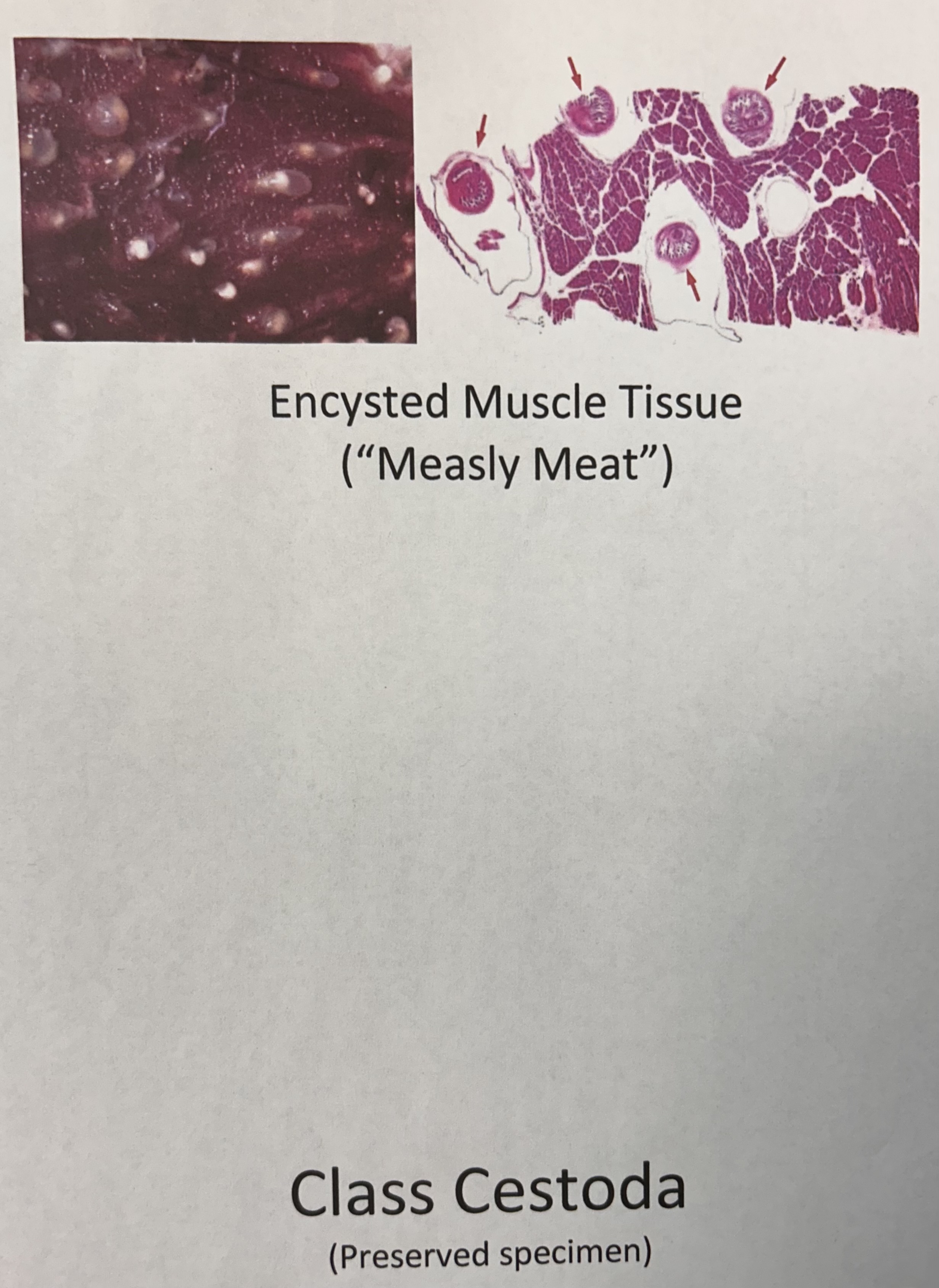
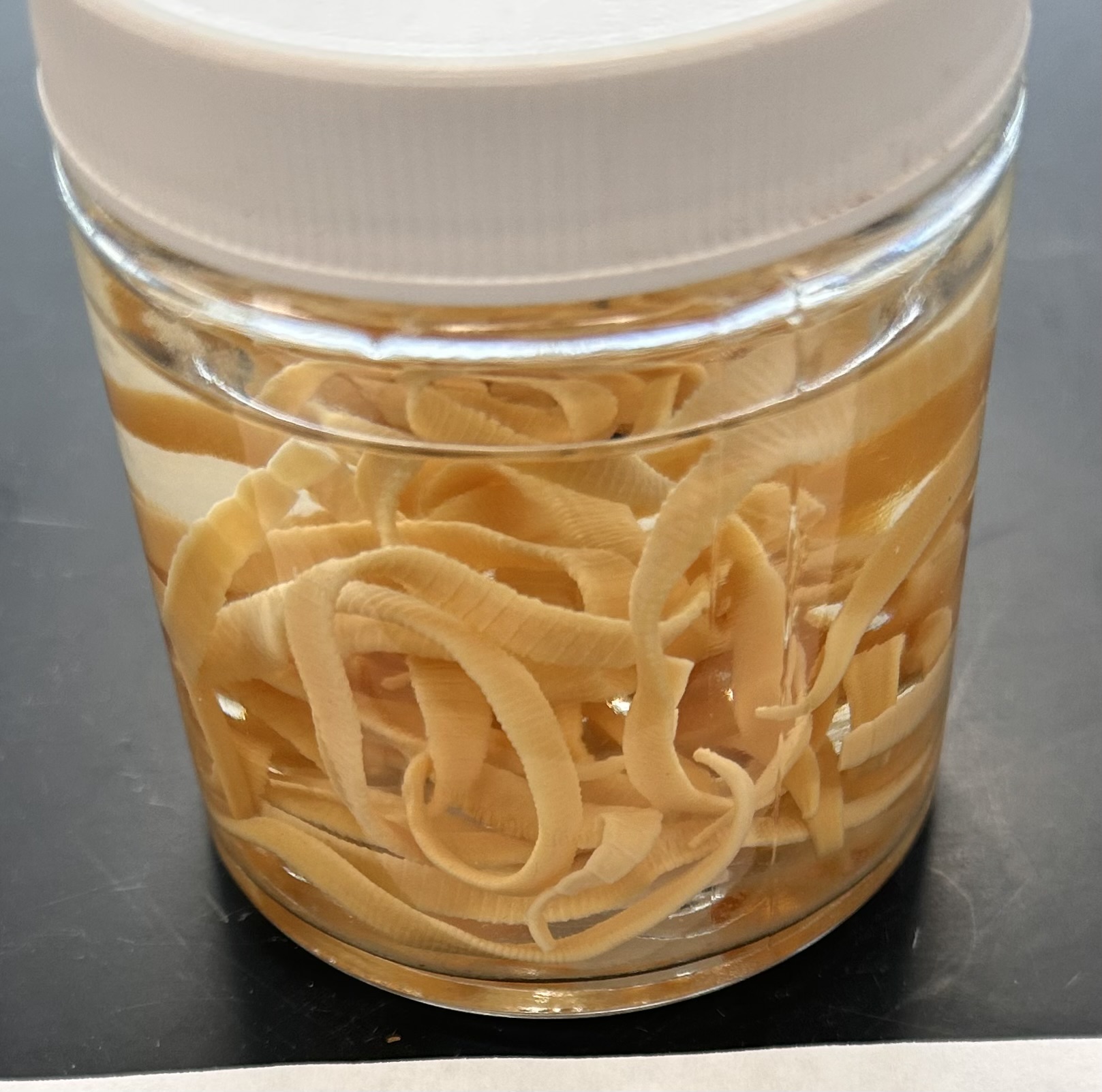
Identify the organism and the Class it belongs to
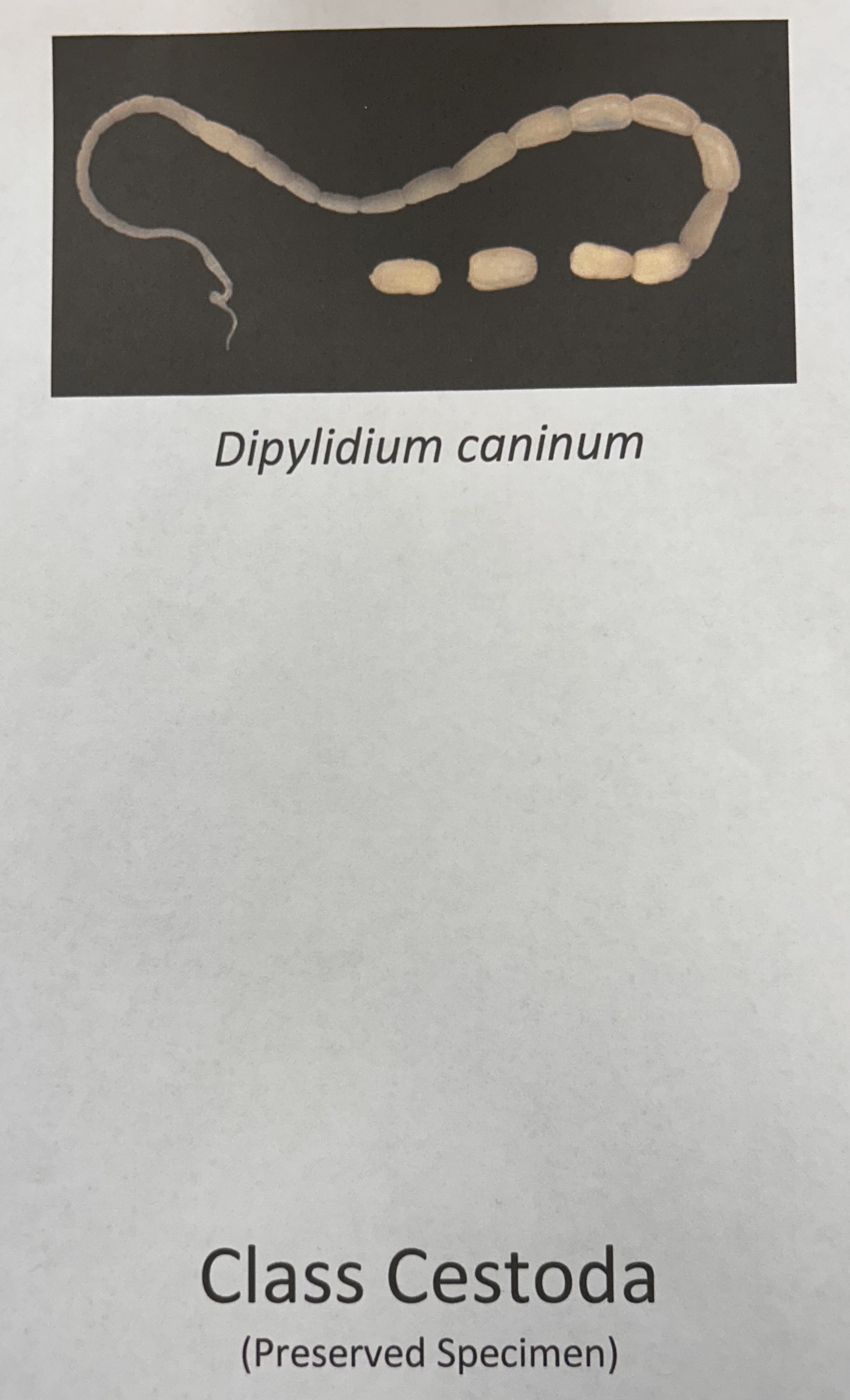
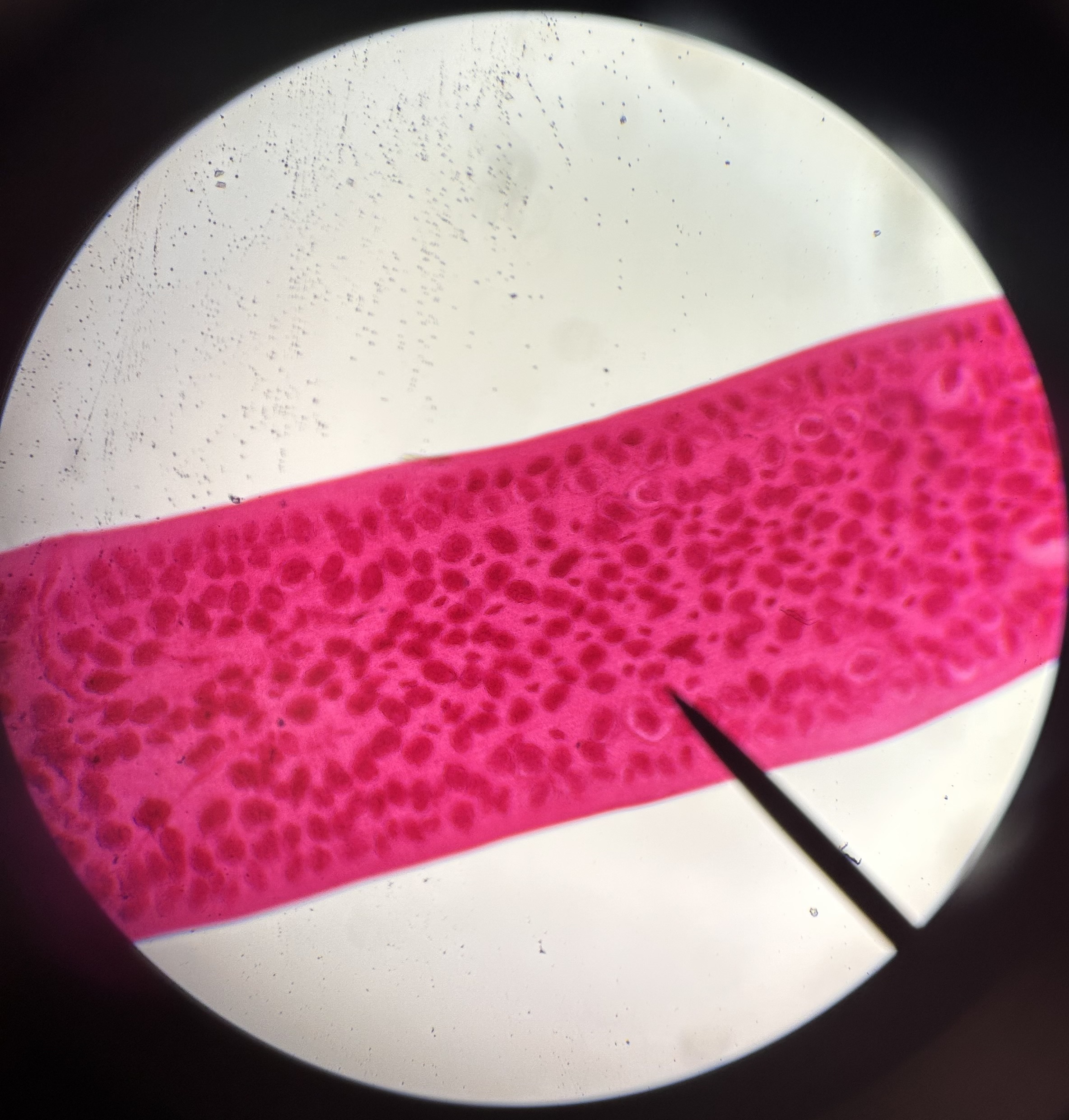
Identify the organism and the Class it belongs to
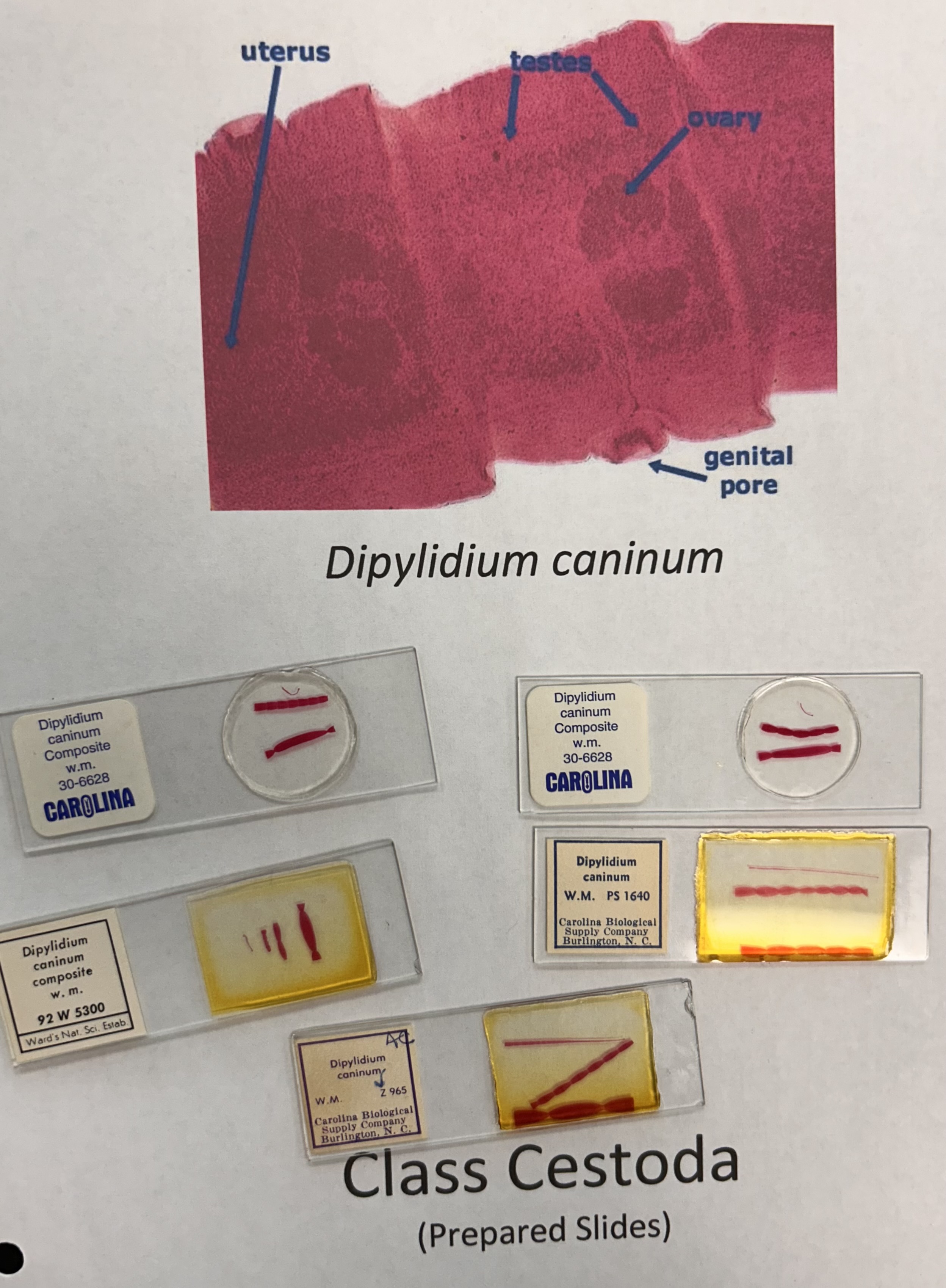
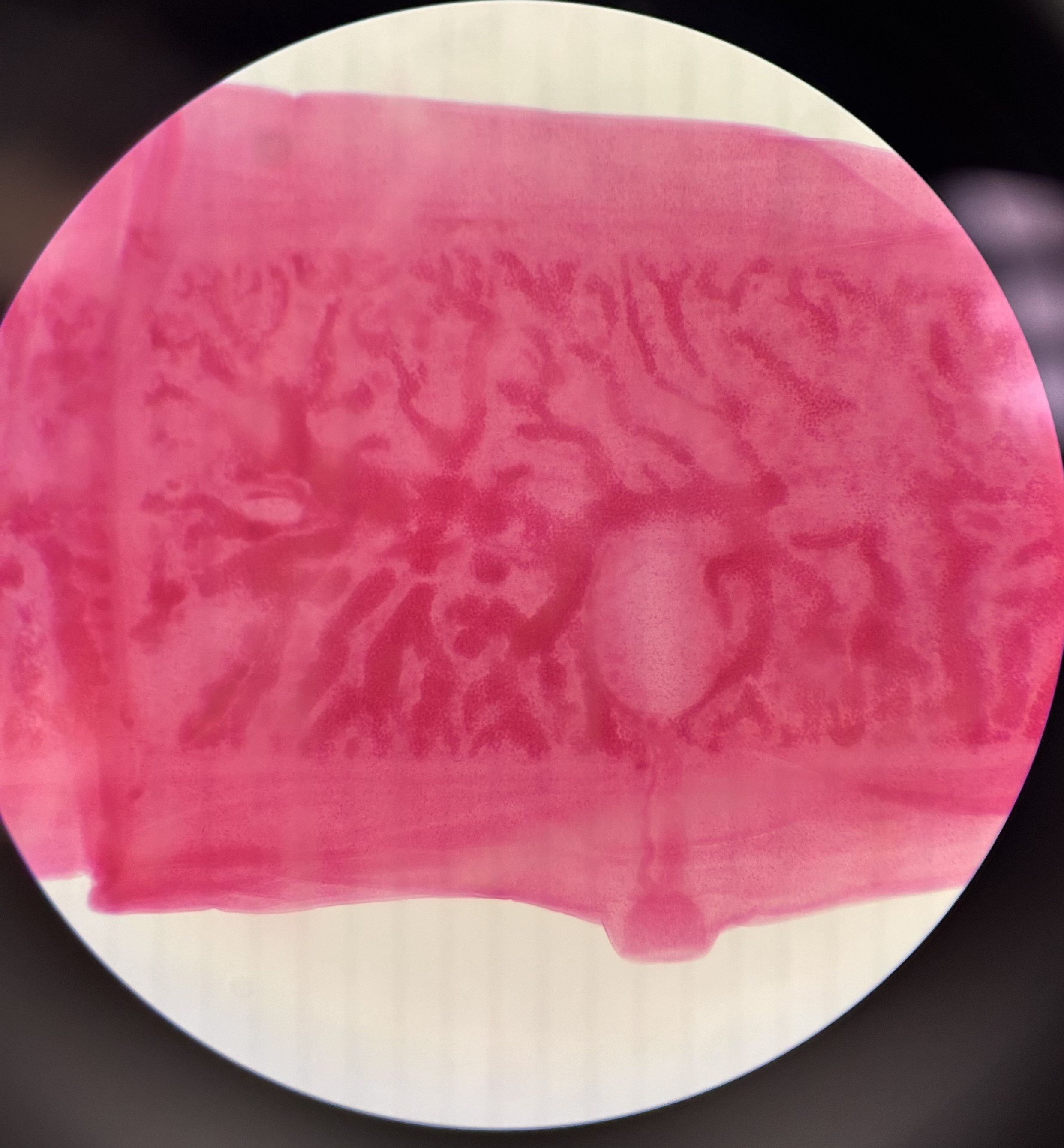
Identify the organism and the Class it belongs to
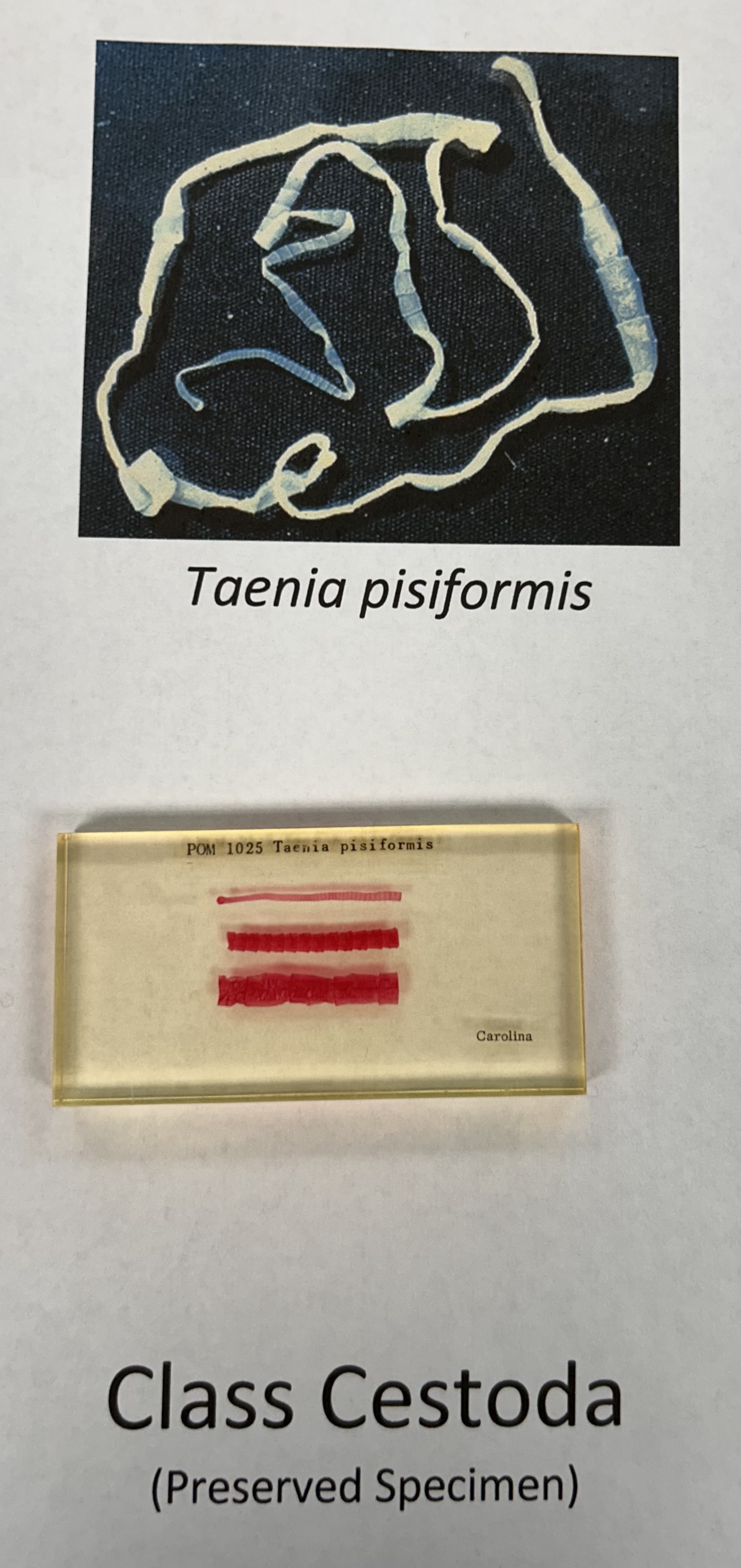
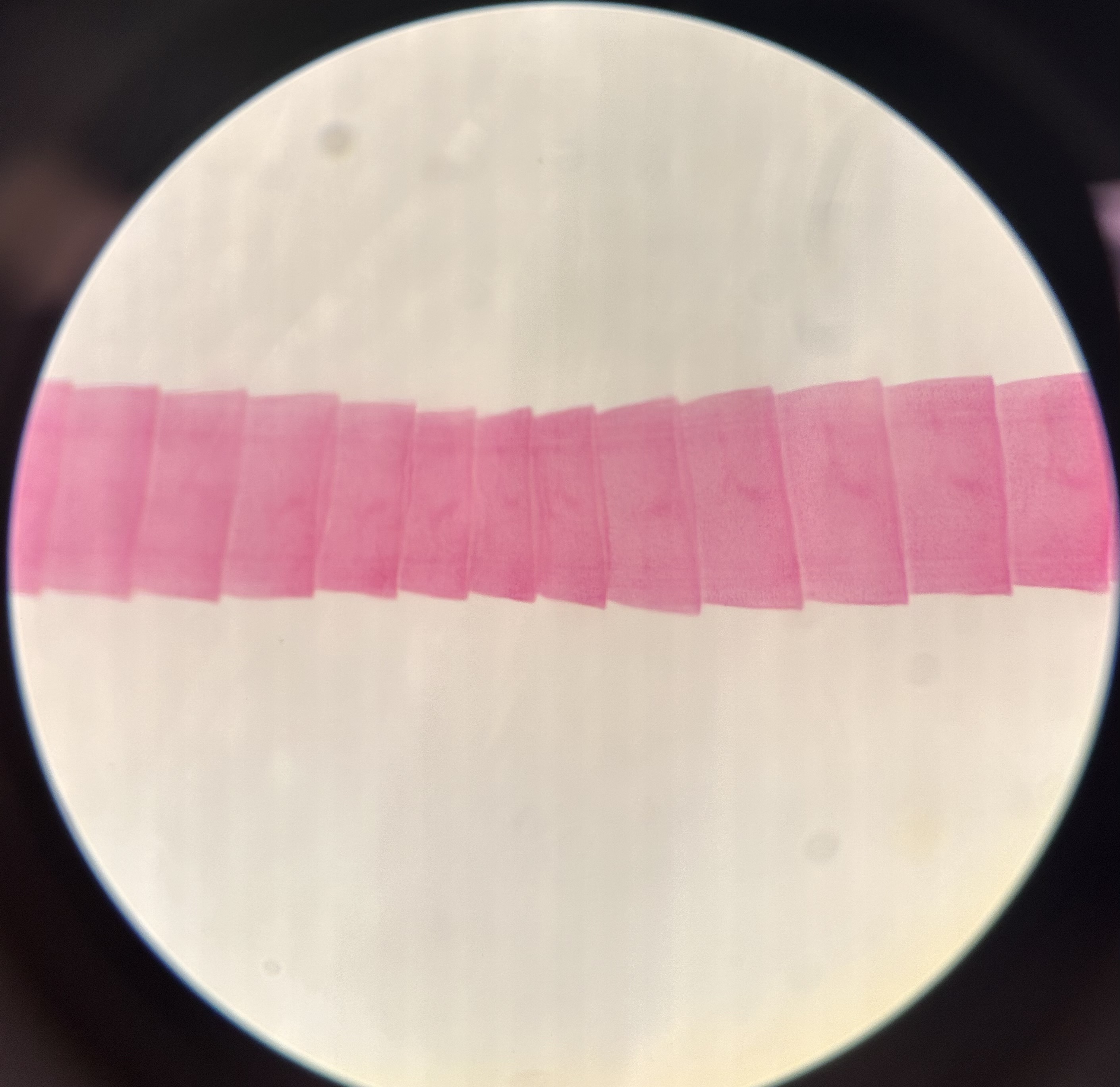
Identify the organism and the Class it belongs to
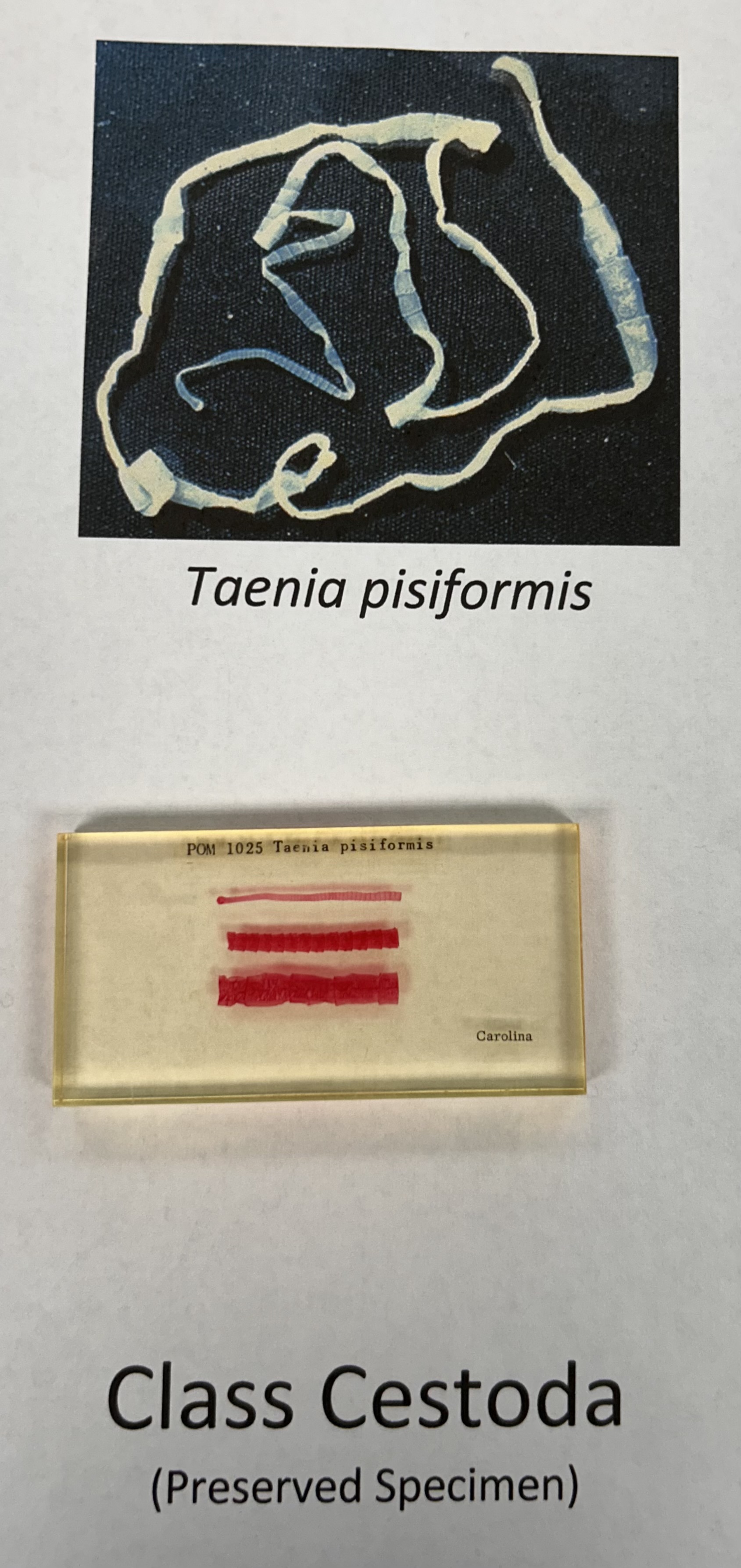
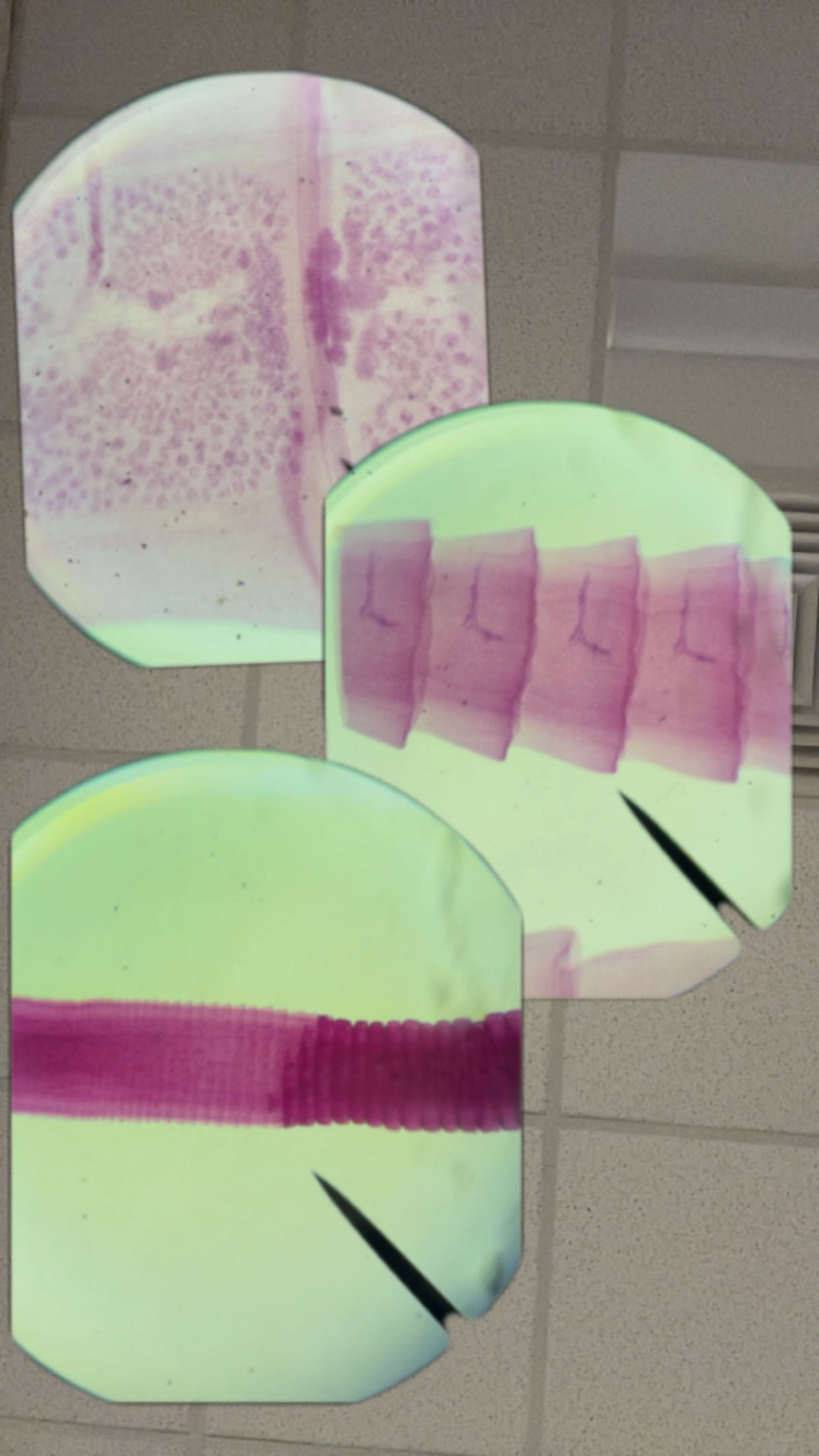
Identify the organism and the Class it belongs to
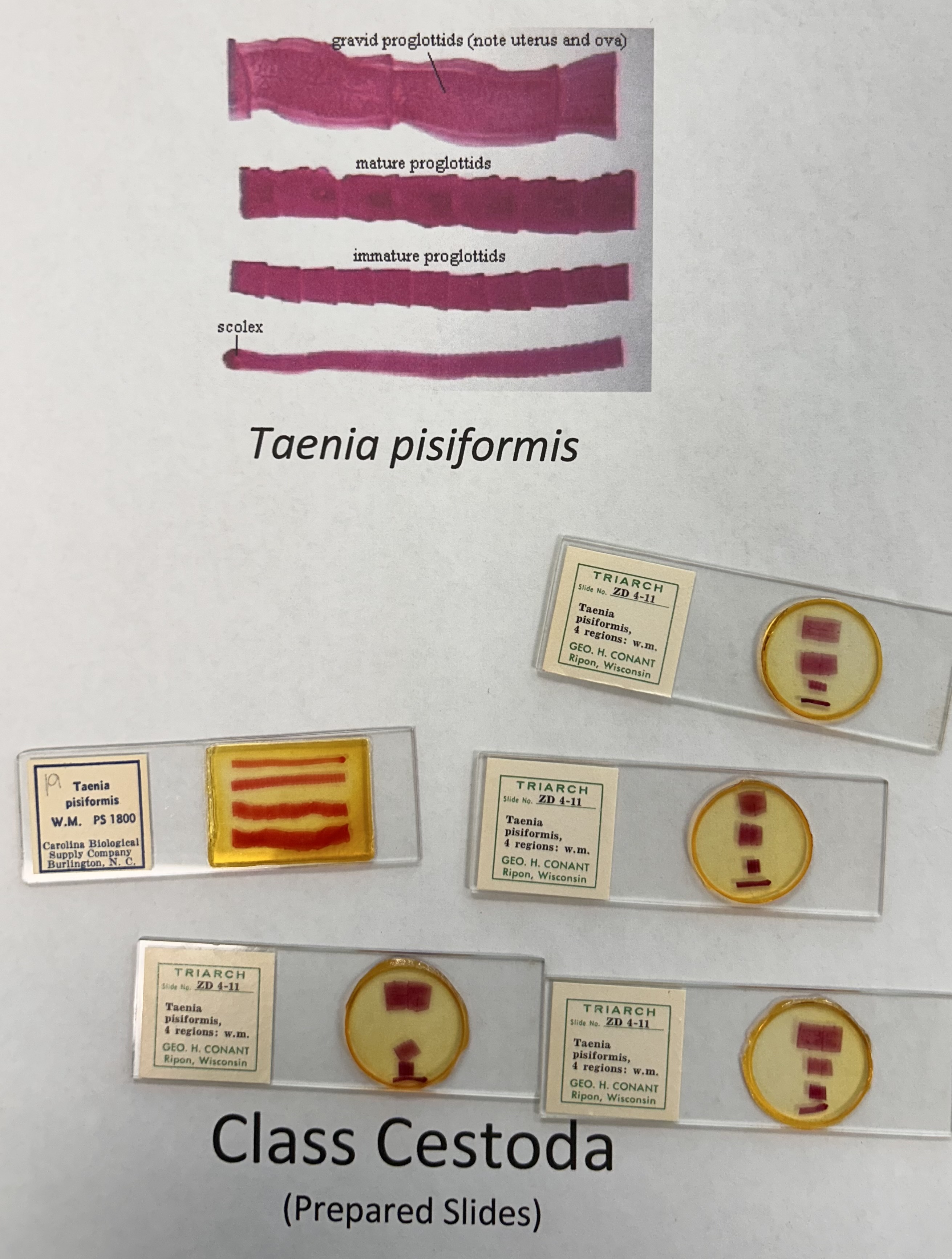
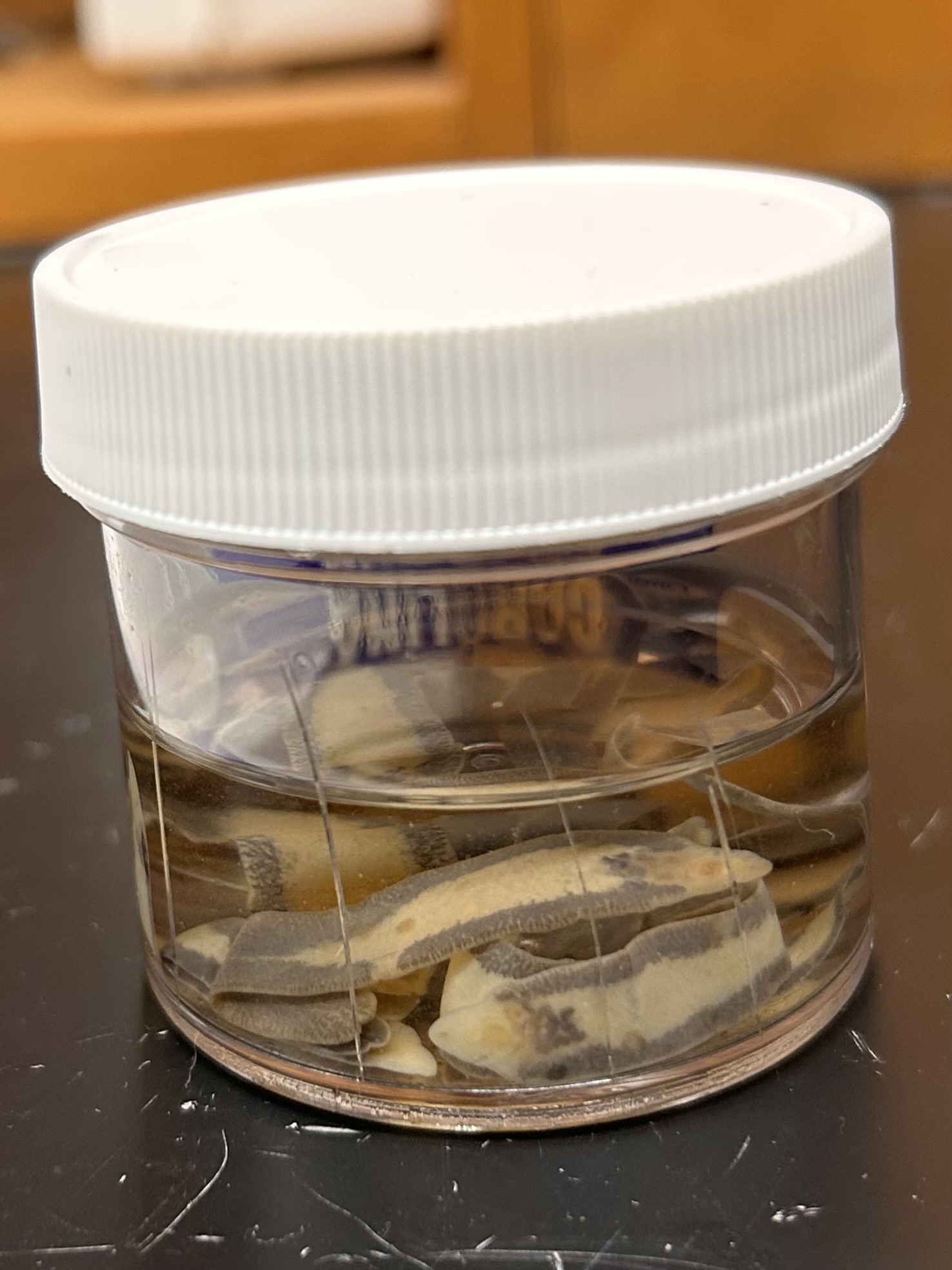
Identify the organism and the Class it belongs to
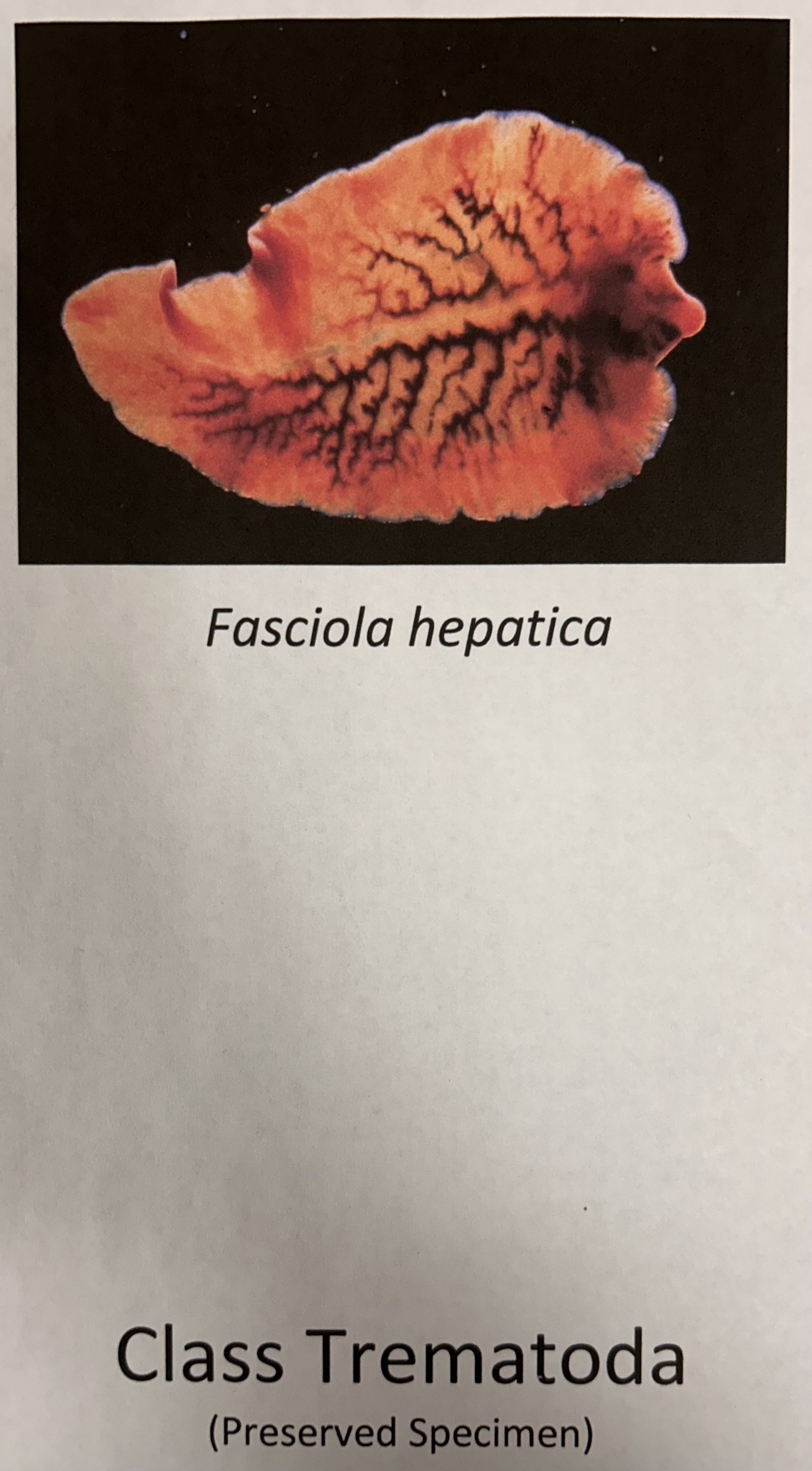
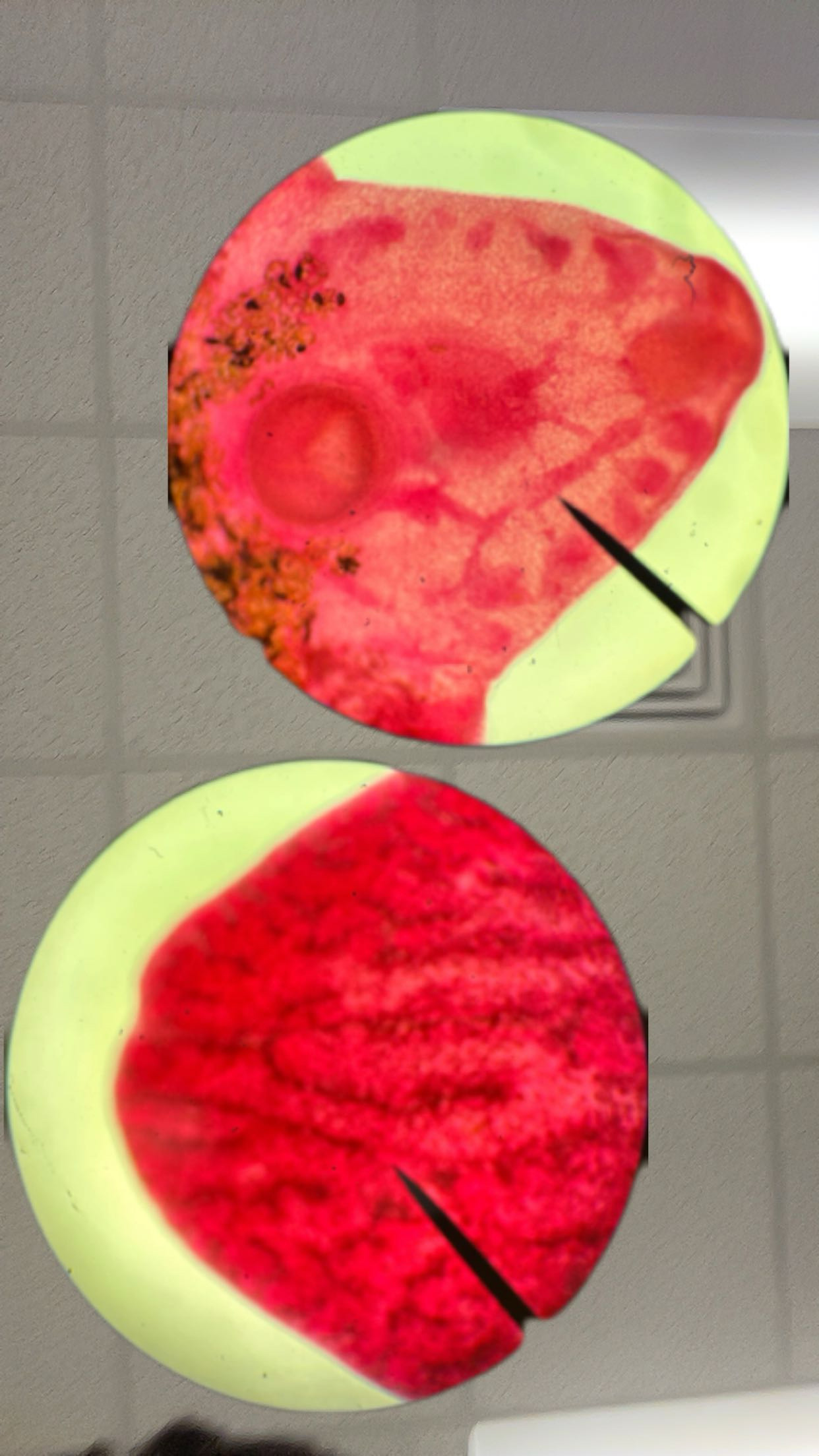
Identify the organism and the Class it belongs to
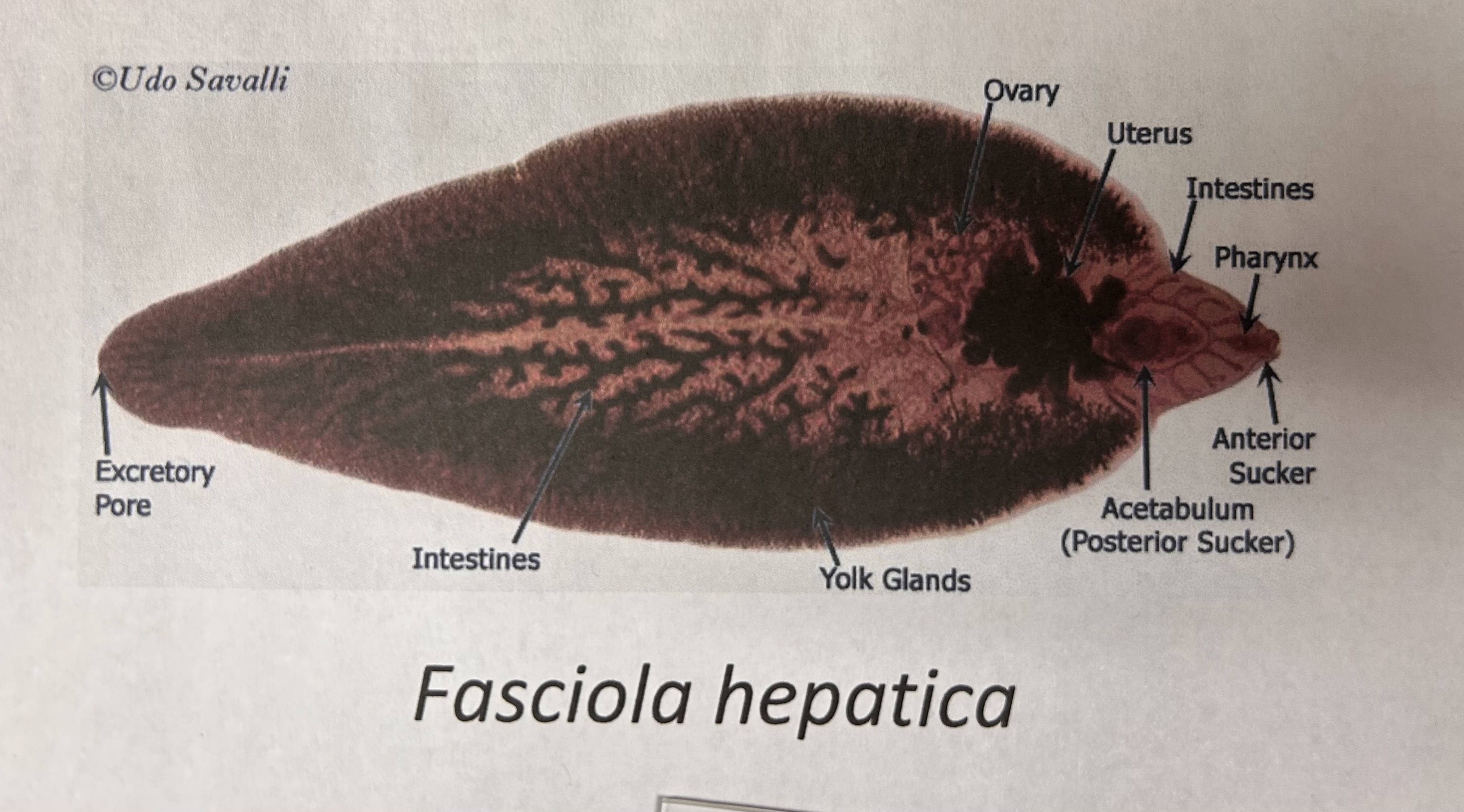
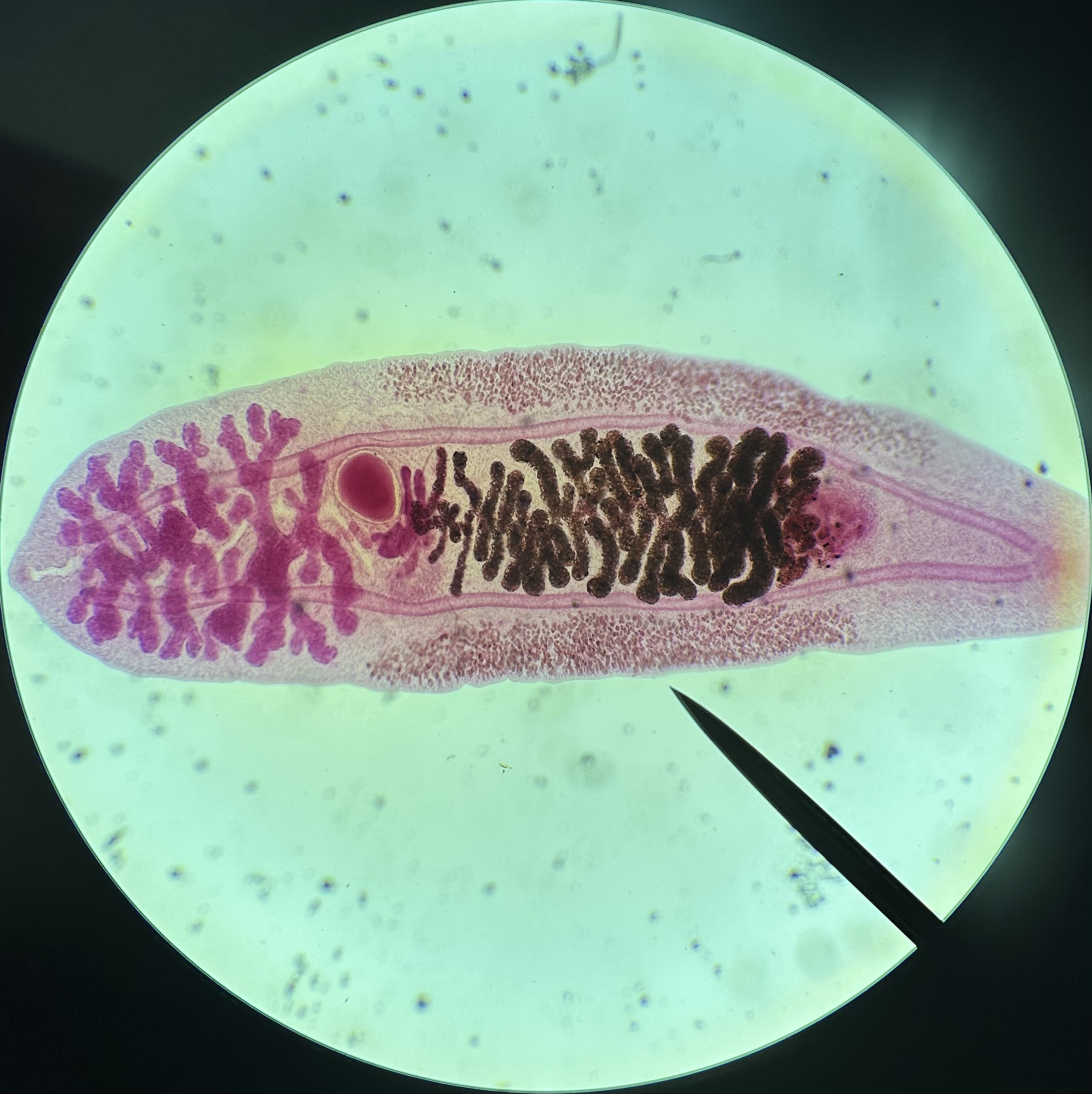
Identify the organism and the Class it belongs to
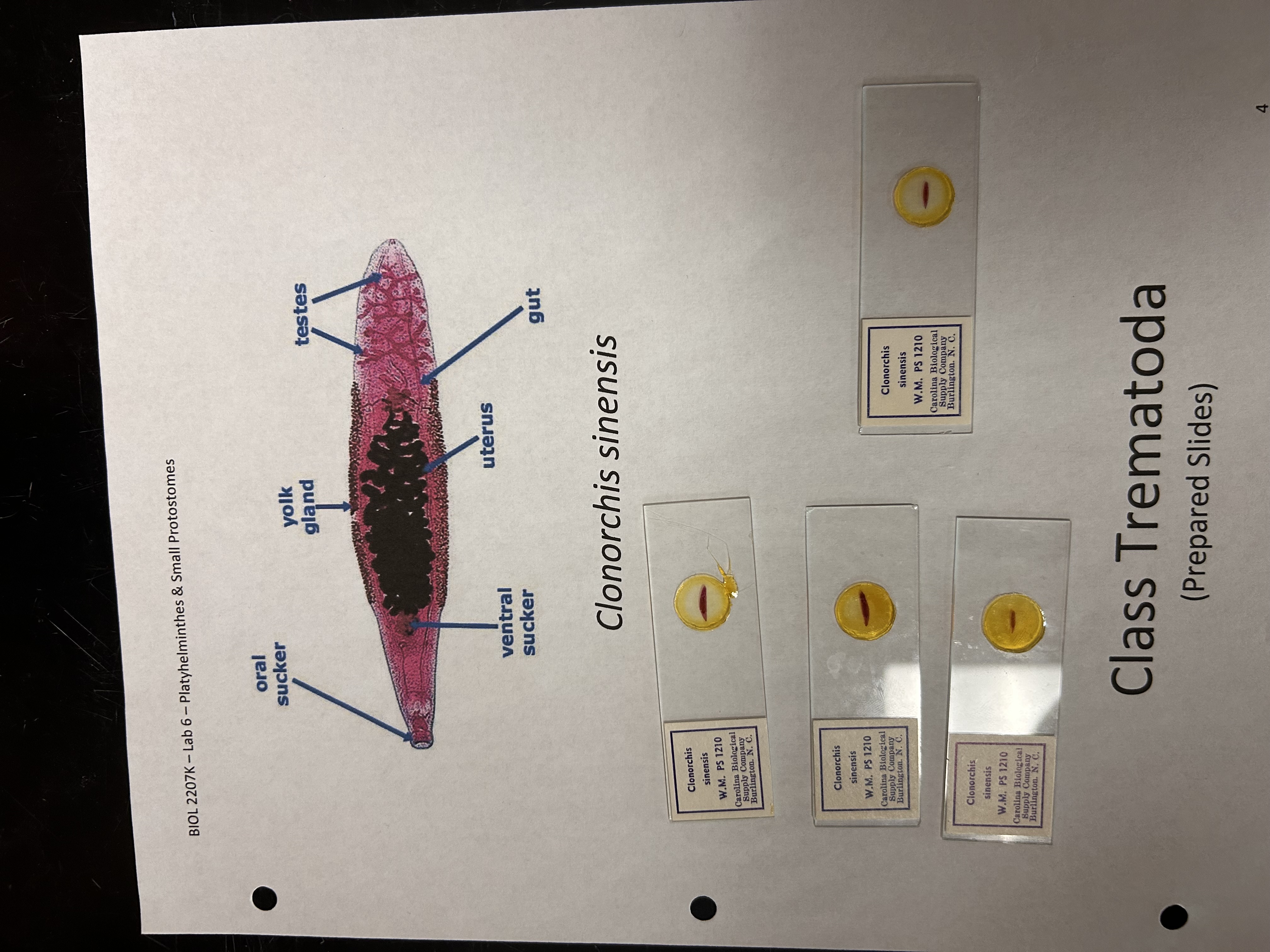
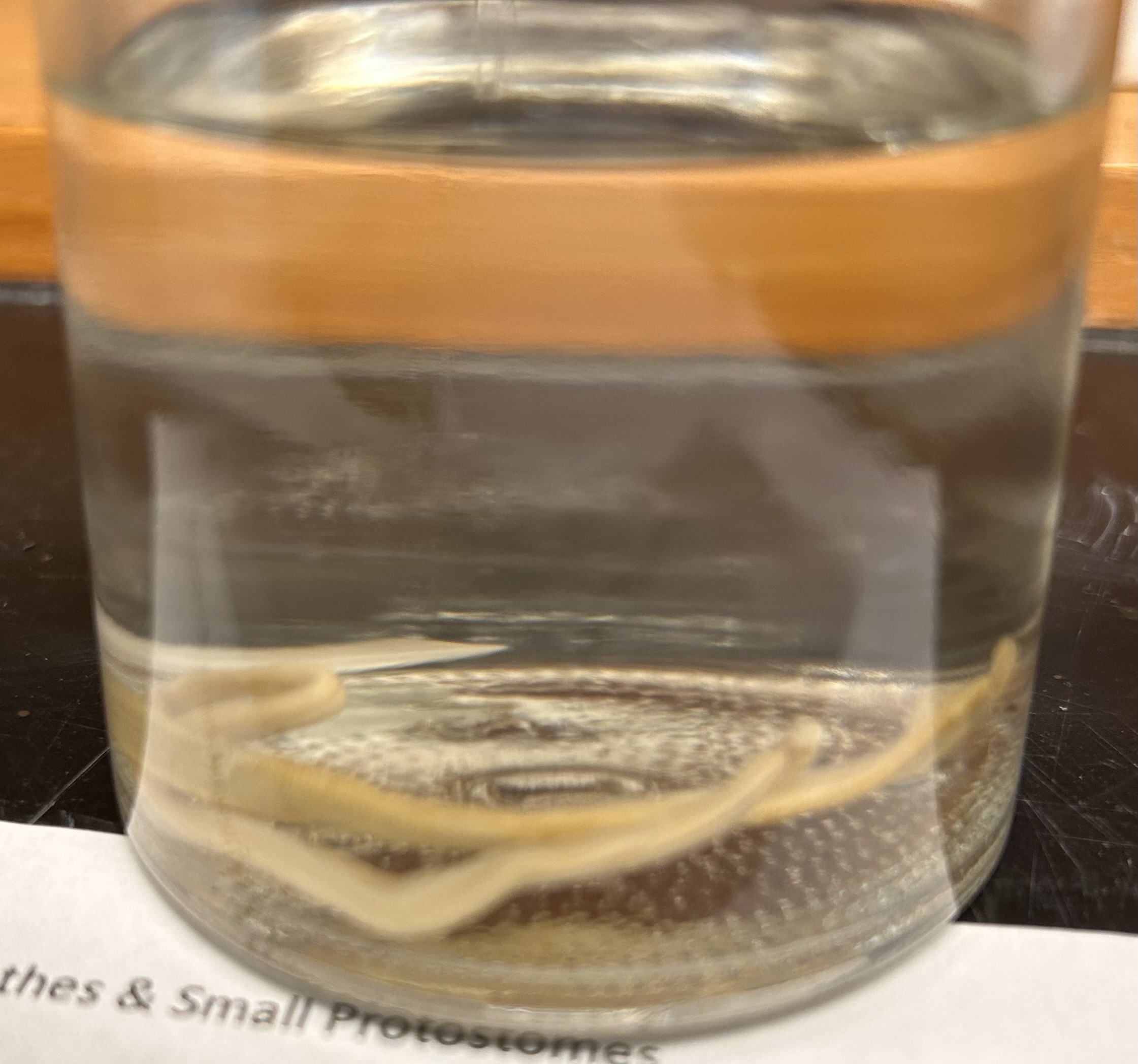
Identify the organism and the Class it belongs to
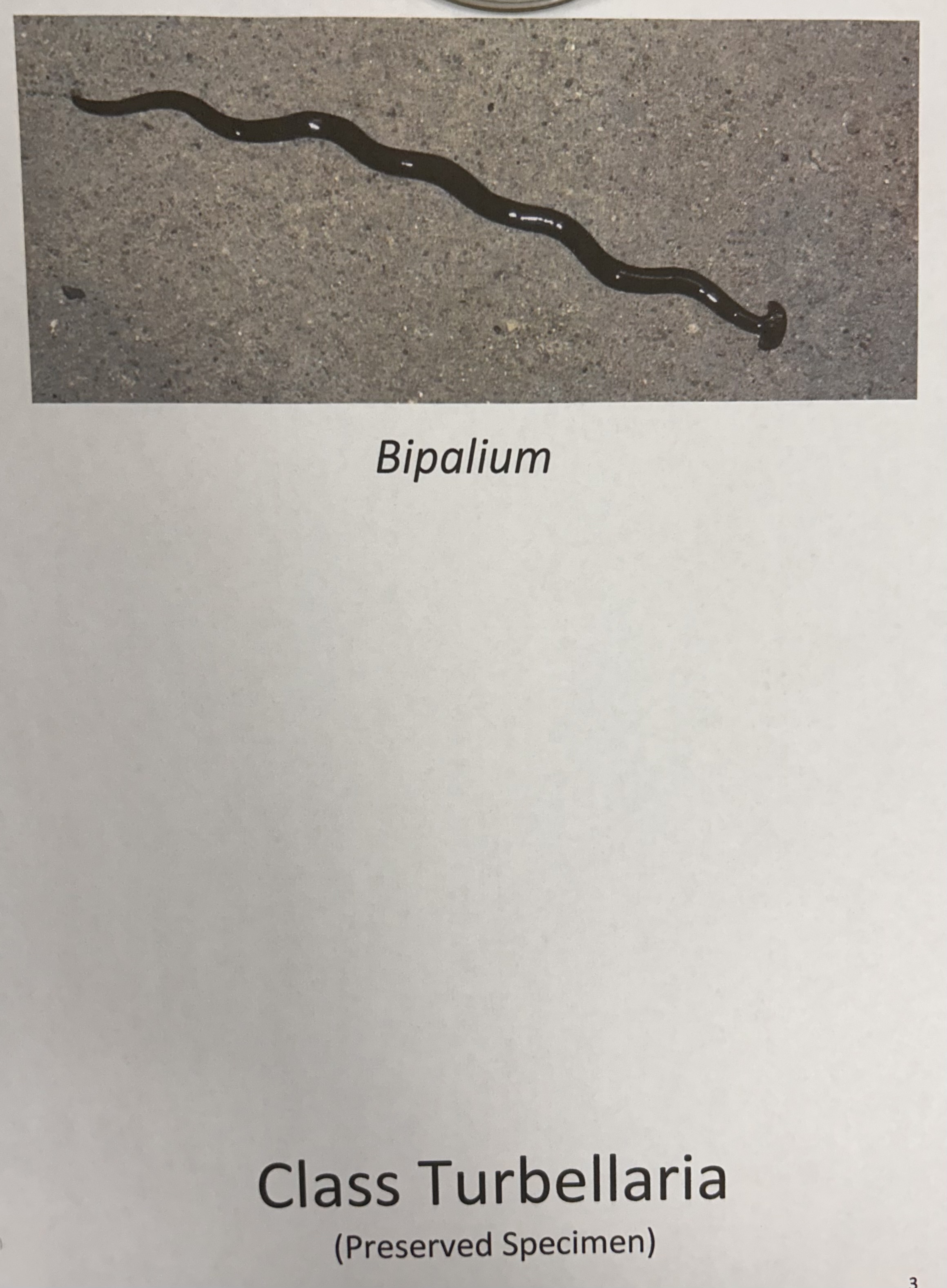
Identify the organism and the Class it belongs to
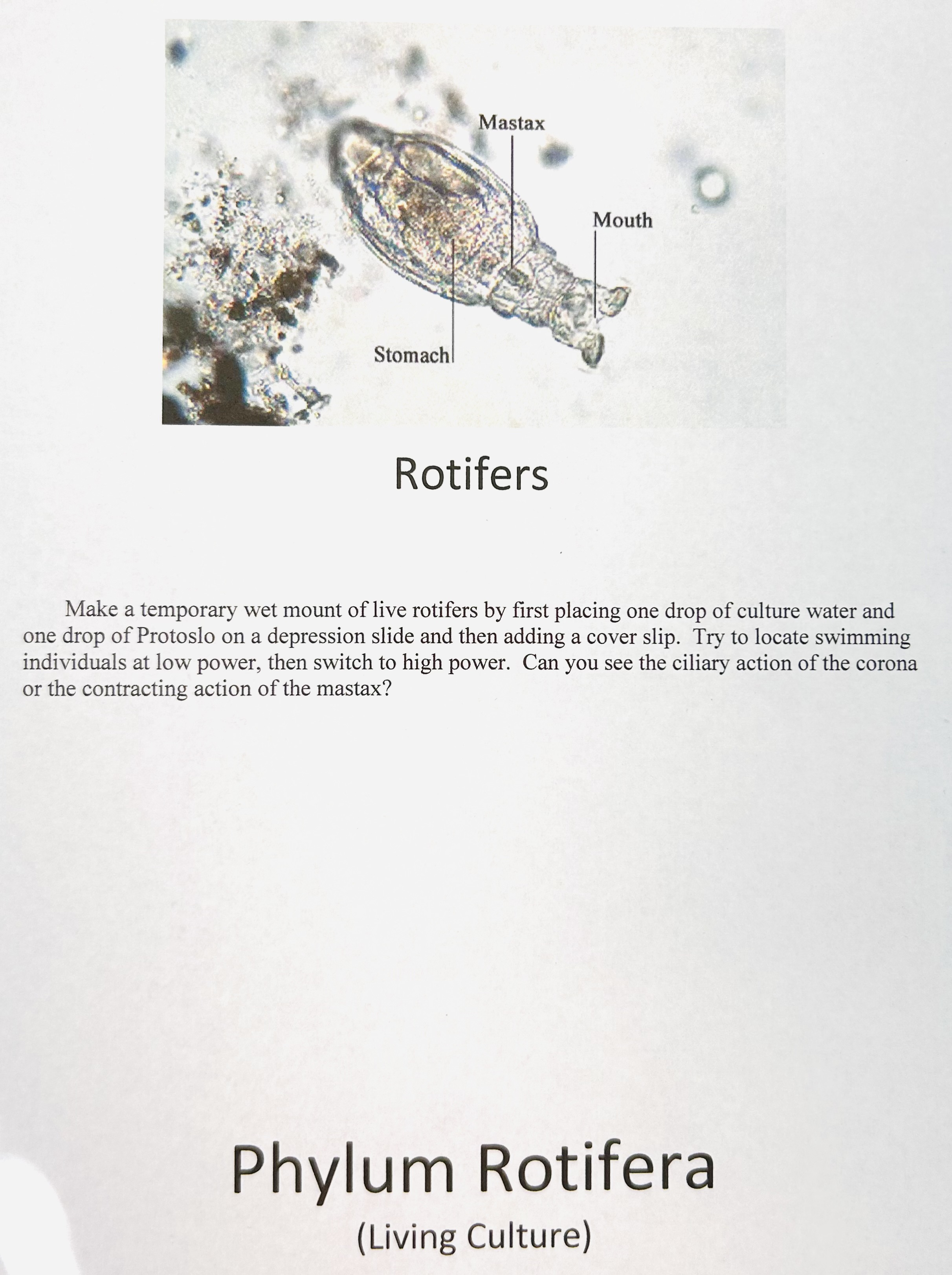
Phylum Rotifera
microscopic pseudocoelomate animals with two distinguishing features: a ciliated apical region called the corona, used for locomotion and food gathering and a mastax which is a highly muscular pharynx
Phylum Bryozoa
a small group of sessile, predominately colonial animals, resembling hydroids and microalgae
Characteristics of Phylum Bryozoa
a lophophore, a crown of ciliated tentacles surrounding the mouth, and an exoskeleton of calcium carbonate, chitin, or a gelatinous protein
What phylum do Pectinella and Bugula belong to?
They belong to Phylum Bryozoa
Phylum Brachiopoda
resemble bivalve molluscs; posses a lopophore and the valve orientation of the shell assumes a dorsoventral orientation
Characteristics of Phylum Brachiopoda
a two-vavled shell, a pedicel, and a u-shaped lophophore
What phylum do Ligula and Terebratalia belong to
They belong to Phylum Brachiopoda