Types of Communication and Modes of Appeal
 Studied by 0 people
 Call with Kai
 Learn
Learn Practice Test
 Spaced Repetition
 Match
Match Flashcards
 Knowt Play
1/32

There's no tags or description
Looks like no tags are added yet.
Name | Mastery | Learn | Test | Matching | Spaced | Call with Kai |
|---|
No study sessions yet.
33 Terms
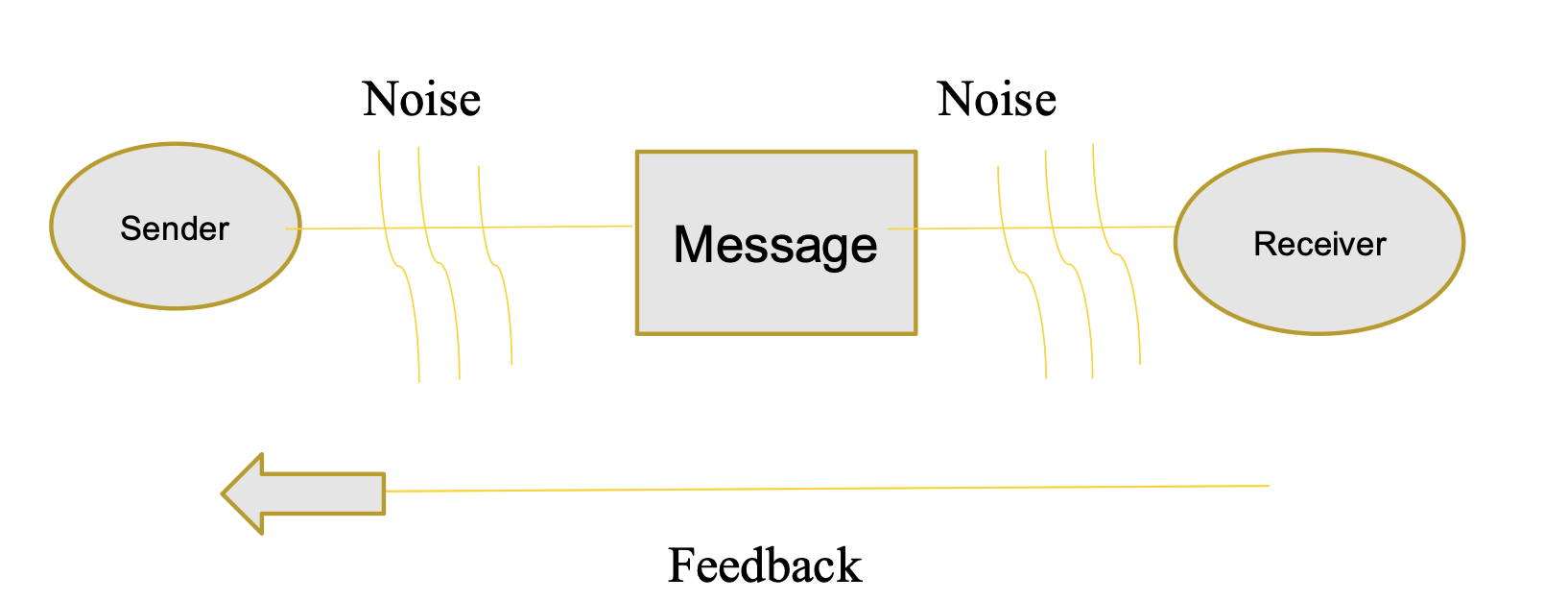
What is this
Shannon-Weaver Model of Communication
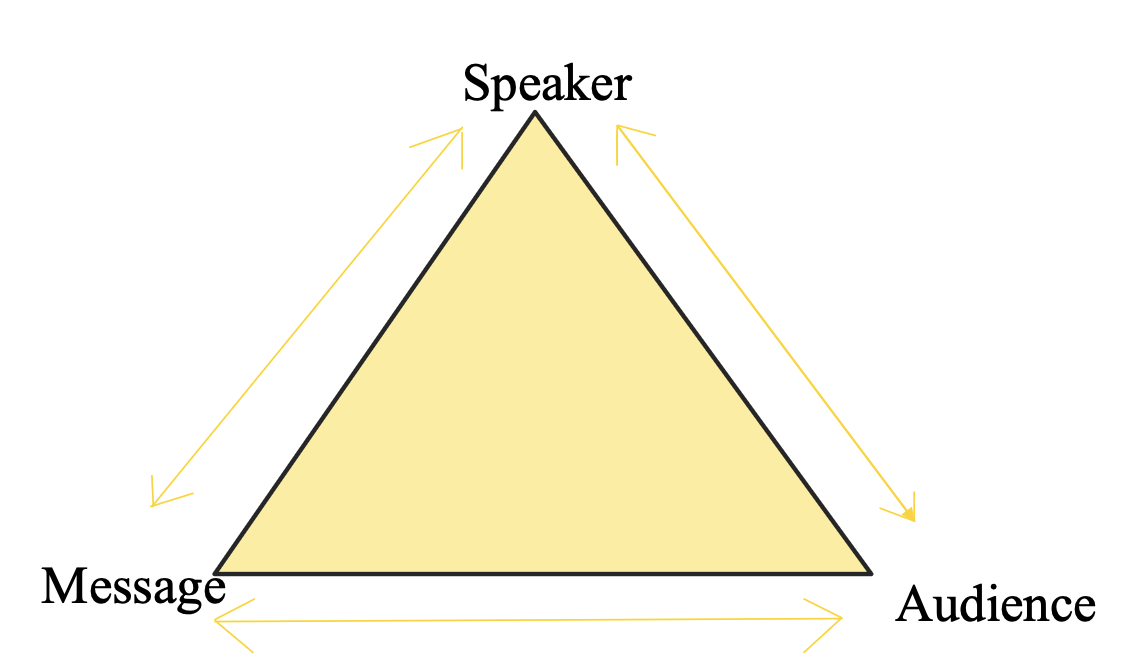
What is this
Aristotle’s Rhetorical Triangle
What are the 3 types of communication
accidental
expressive
rhetorical
Accidental Communication
speaker is unaware of the message being sent
Accidental communication could also be called intentional communication
False, unintentional
Nonverbal communication is an example of expressive communication
False, accidental communication
Tone and word choice is an example of elf accidental communication
True
Expressive Communication
self-centred communication that focuses on the speaker’s needs and ignores the audience’s needs, expectations, and values
Expressive communication relies on rational choice rather than impulse
False, relies on impulse rather than rational choice
Expressive communication is impulsive and can damage relationships
True
Accidental communication arises from a (negative) emotional state
False, expressive communication
Rhetorical Communication
goal-oriented, intentional, pragmatic, purposeful communication that seeks meaning and benefit for the audience
Rhetorical communication connects speakers’ purpose to audience’s needs
True
Accidental communication requires conscious and conscientious choices
False, rhetorical communication
In rhetorical communication, the speaker adapts their message according to the audience and context
True
Rhetorical communication is sometimes ethical communication
False, always ethical
Aristotle’s Definition of Rhetoric
The ability to figure out the most appropriate means of persuasion in any situation
Modes of Appeal
tools/strategies that a speaker can use to design a message
Modes of appeal exist outside the message and describe the choices made by the speaker to be persuasive
False, exist within the message
What are the 3 Modes of Appeal
Logos
Pathos
Ethos
Logos
Appeals based on the logical development of ideas where the speaker’s choices are made to produce a well-structured, well-supported, and well-positioned message
The evidence used to support claims is an example of ethos appeal
False, logos
Audience finds the arrangement of evidence in a logos appeal to be most effective
True
Logos appeals on their own can persuade anyone
False, will not persuade all people
Pathos
Appeals based on the audience’s needs, wants, expectations, and emotions that are aimed to attract the audience to the logical argument
Ethos appeal includes strategies that show the audience how claims are important to them
False, pathos appeal
Ethos
Appeals based on establishing the credibility and good character of the speaker
What are strategies to demonstrate good will, good character, and good judgement
Good judgement - developing a logical argument
Good will - understanding the audience’s needs and values
Good character - showing that the speaker is trustworthy
Ethos appeal would include strategies to demonstrate good will, good character, and good judgement
True
In Aristotle’s Rhetorical Triangle, ethos would be paired with ‘speaker’
True
In Aristotle’s Rhetorical Triangle, pathos would be paired with ‘message’
False, pathos would be paired with audience
In Aristotle’s Rhetorical Triangle, logos would be paired with ‘message’
True
What is “The Critical Question” to ask when dissecting a message you have received
Who is saying what to whom (and who benefits)?