Nutrition for Older Adults
 Call Kai
 Learn
Learn Practice Test
 Spaced Repetition
 Match
Match Flashcards
 Knowt Play
1/25

There's no tags or description
Looks like no tags are added yet.
Name | Mastery | Learn | Test | Matching | Spaced | Call with Kai | Chat |
|---|
No analytics yet
Send a link to your students to track their progress
26 Terms
Why are older adults common patients in healthcare settings?
Older adults are more likely to have chronic conditions and require medical care.
What physiological changes occur with aging that impact nutrition?
Changes include decreased muscle mass, lower energy expenditure, and reduced stomach acid.
How do calorie needs change for older adults compared to younger adults?
Calorie needs decrease with age.
What are the recommended protein needs for older adults?
1.0-1.2 g/kg for a healthy older adult.
Why might older adults need supplements of calcium, vitamin D, and vitamin B12?
Due to increased risk of deficiencies from physiological changes.
What hydration concerns do older adults face?
Older adults are at higher risk for dehydration and may stop drinking fluids due to various factors.
What is the impact of medications on the nutritional status of older adults?
Medications can cause side effects that impact appetite and nutrient absorption.
What are common nutrition-related concerns for older adults?
Concerns include malnutrition, frailty, and sarcopenia.
What is sarcopenia?
Loss of muscle mass, strength, and function that occurs with age.
What dietary pattern is recommended for older adults?
Small, frequent meals are often more beneficial than three large meals.
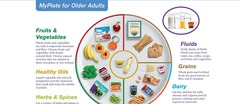
What is the significance of MyPlate for older adults?
It emphasizes nutrient-dense foods and adequate hydration.
What is the recommended dietary intake for calcium in older adults?
Calcium needs increase with age.
How does the need for vitamin D change with aging?
Vitamin D needs increase due to decreased absorption and synthesis.
What is the relationship between bone mineral density and aging?
Bone mineral density decreases with age, increasing the risk of osteoporosis.
What screening criteria are important for assessing malnutrition in older adults?
Criteria include involuntary weight loss, reduced social contact, and difficulty in self-care.
What is the obesity paradox in older adults?
It refers to the phenomenon where some older adults with higher body weight may have better health outcomes.
What role does protein play in the diet of older adults?
Adequate protein intake is crucial for maintaining muscle mass.
What are the signs of dehydration in older adults?
Signs include dry mouth, confusion, and decreased urine output.
What is the impact of social isolation on the nutrition of older adults?
Social isolation can lead to inadequate food intake and poor nutrition.
How can older adults maintain autonomy in their dietary choices?
By allowing them to express preferences and make choices without guilt.
What is the recommended fluid intake for older adults?
Older adults should maintain adequate hydration to prevent dehydration.
What is the importance of tracking intake and weight in older adults?
Tracking helps identify potential malnutrition and allows for timely interventions.
What are the effects of polypharmacy on older adults' nutrition?
Polypharmacy can lead to side effects that negatively impact appetite and nutrient absorption.

What is the recommended dietary approach for older adults with cognitive decline?
Focus on nutrient-dense foods that support brain health.
What are some barriers to adequate nutrition for older adults?
Barriers include financial constraints, physical limitations, and lack of access to healthy foods.
What is the role of nutrition screening in older adults?
Nutrition screening helps identify those at risk for malnutrition and guides intervention strategies.