Chapter 2 Lesson 2: Plant Life Cycles
 Call Kai
 Learn
Learn Practice Test
 Spaced Repetition
 Match
Match Flashcards
1/37

There's no tags or description
Looks like no tags are added yet.
Name | Mastery | Learn | Test | Matching | Spaced | Call with Kai |
|---|

38 Terms
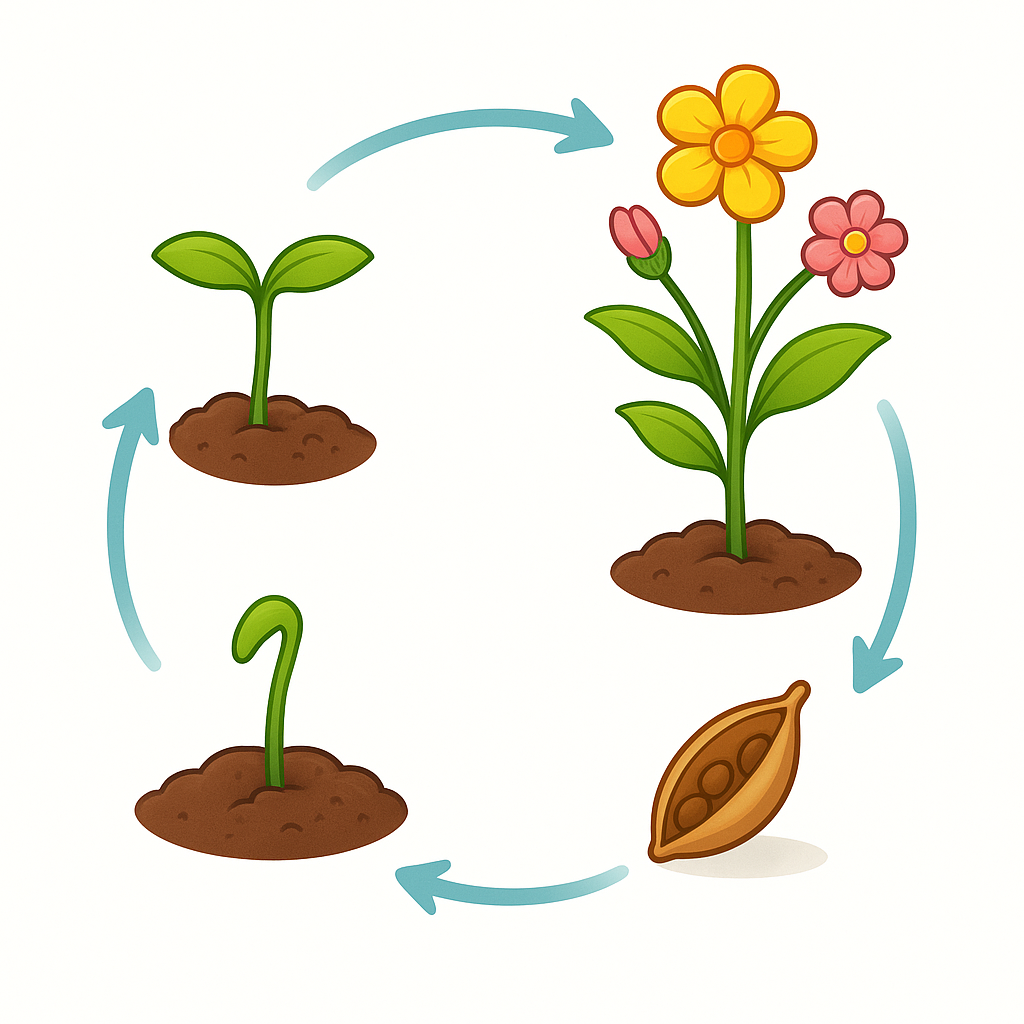
life cycle
A series of different stages of development that all living things go through.
alternation of generations
The process of a plant life cycle moving between asexual and sexual stages.
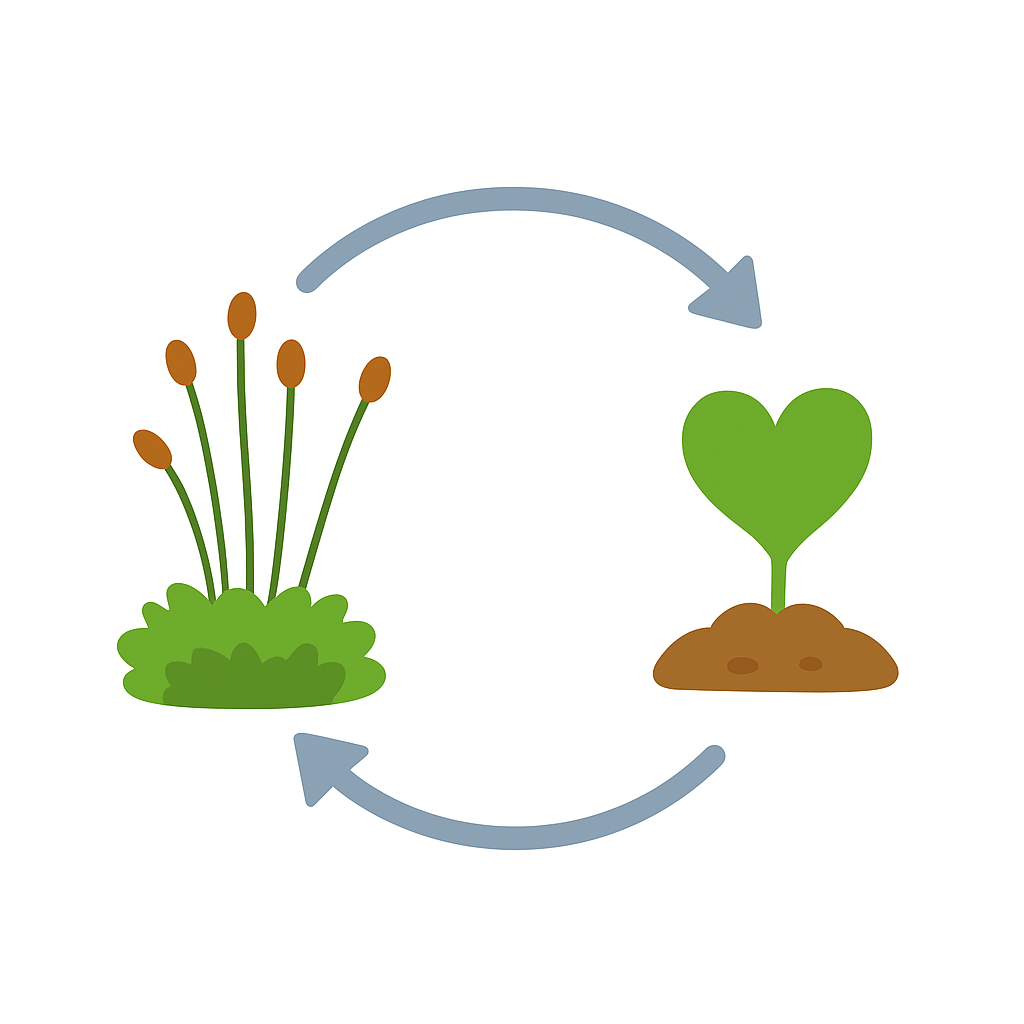
spore
A cell that can grow into a new plant without being fertilized by another cell.
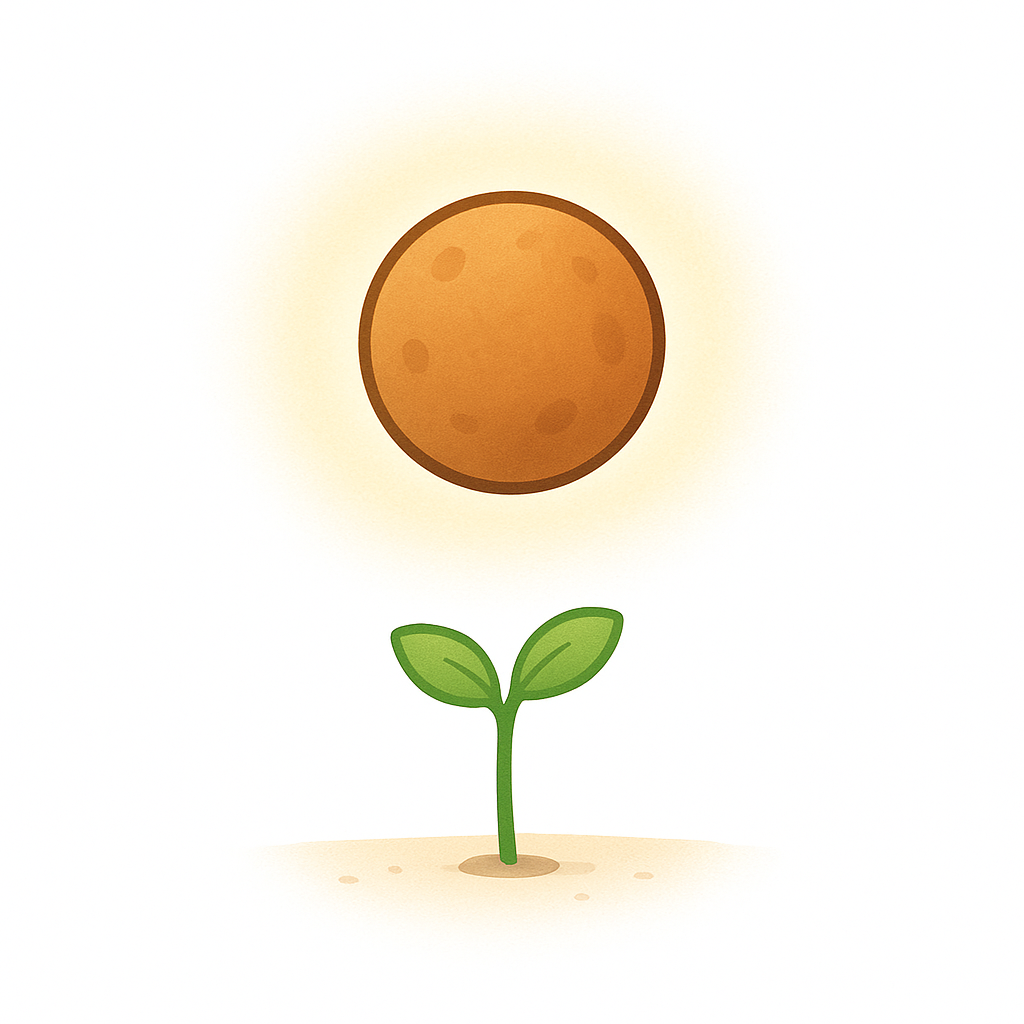
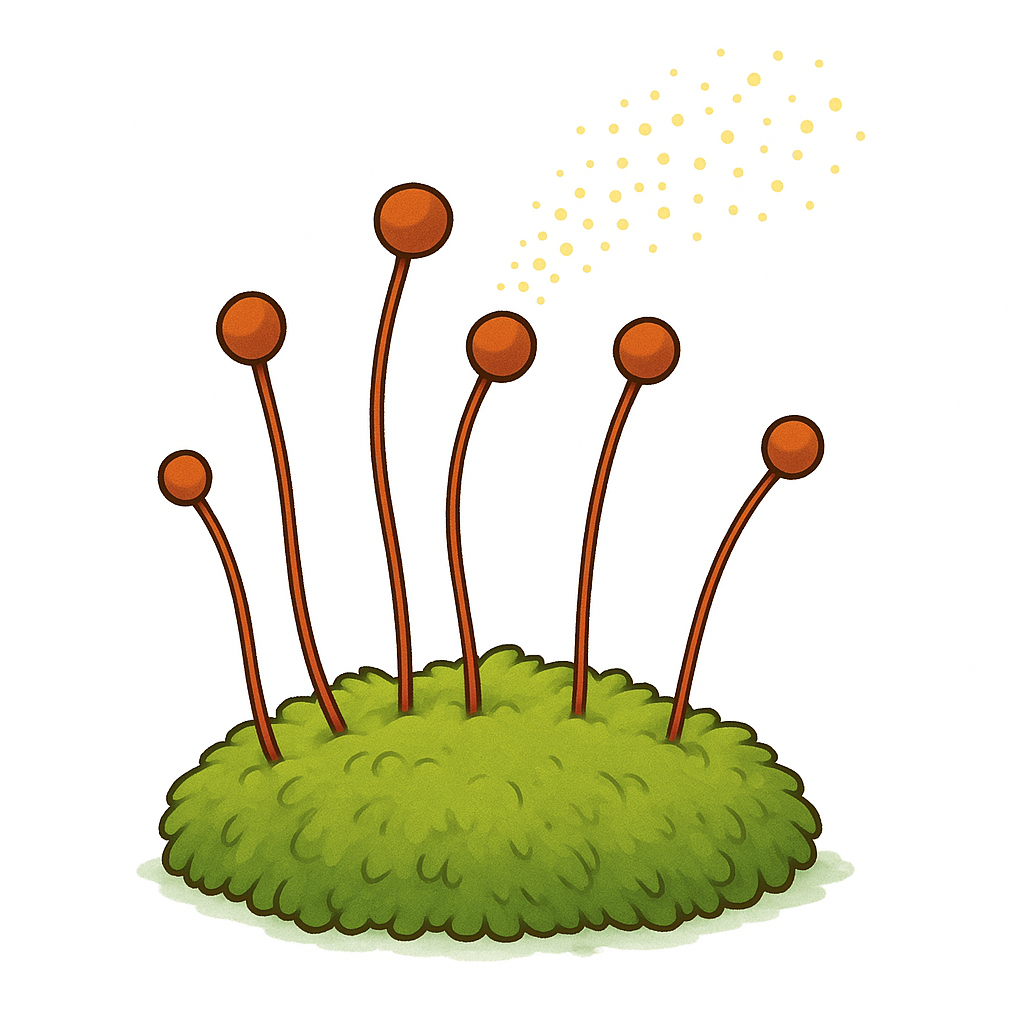
asexual stage
The stage in a moss life cycle that produces spores in capsules.
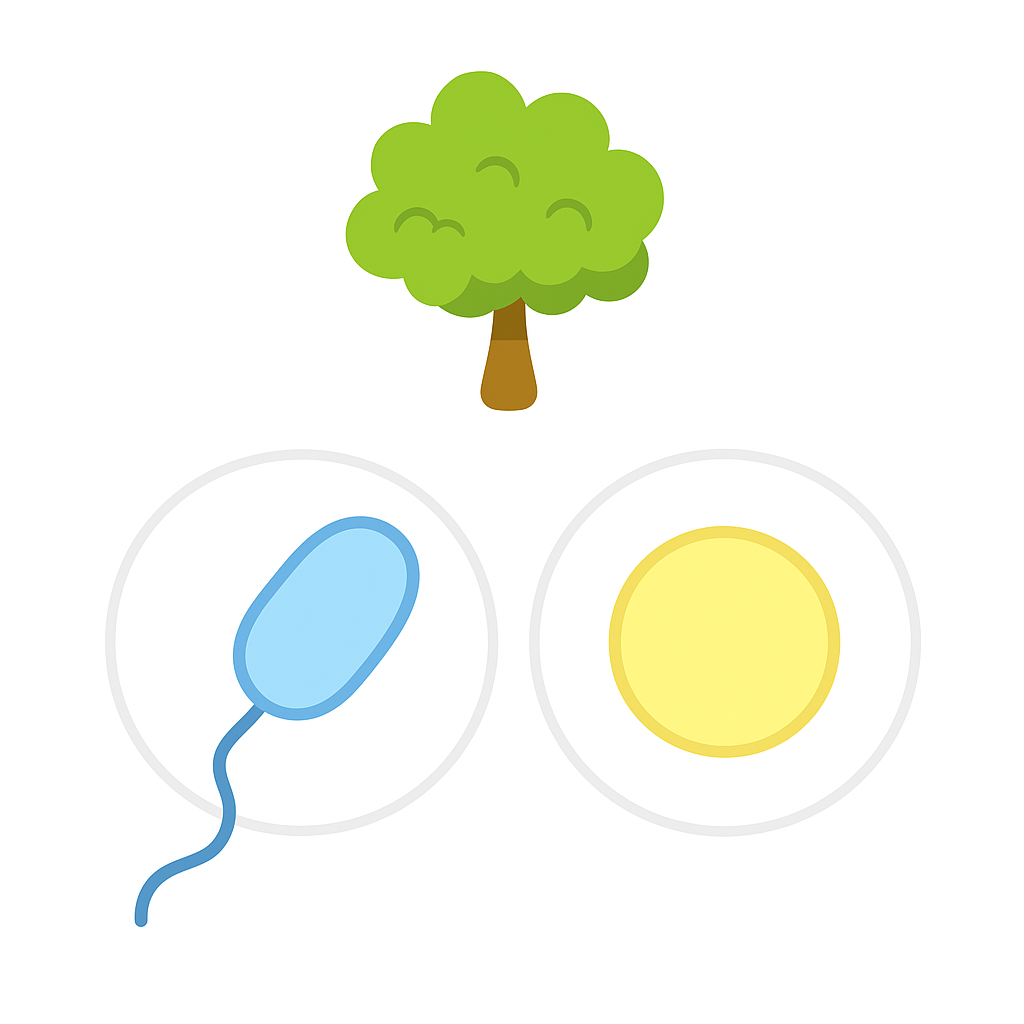
sexual stage
The stage in a moss life cycle that produces sperm and egg cells.
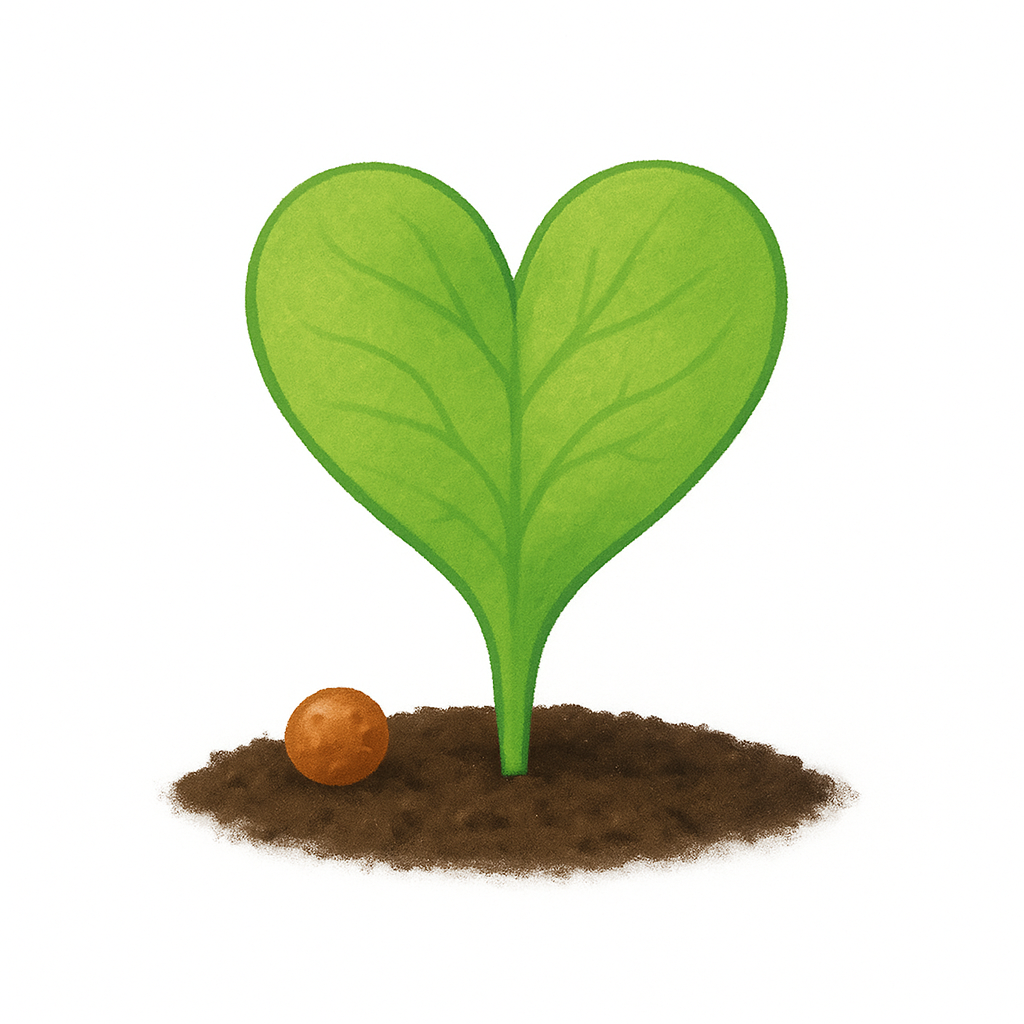
gameteophyte
The small plant that grows from a fern spore and has male and female parts.
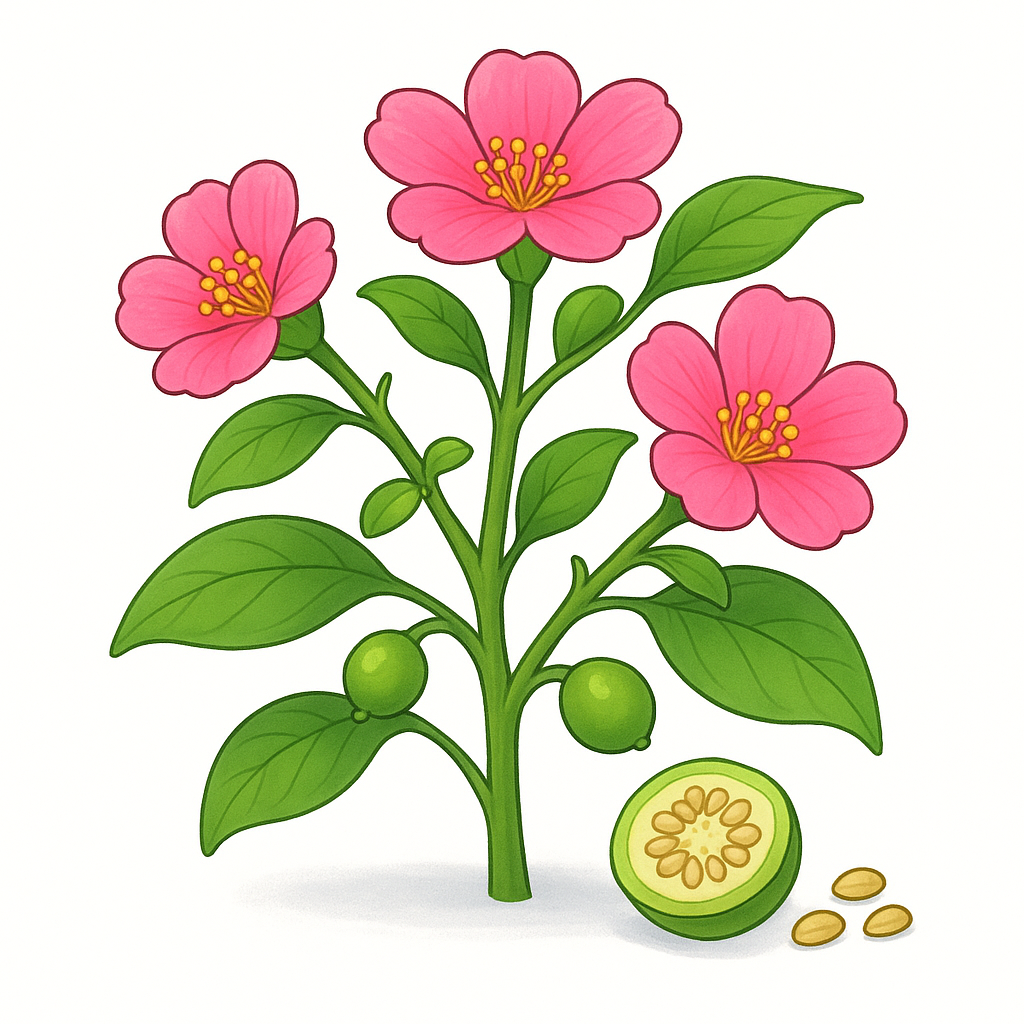
angiosperm
A type of plant that produces flowers, seeds, and fruits.
flowers
The reproductive organs of an angiosperm that produce sperm and egg cells.
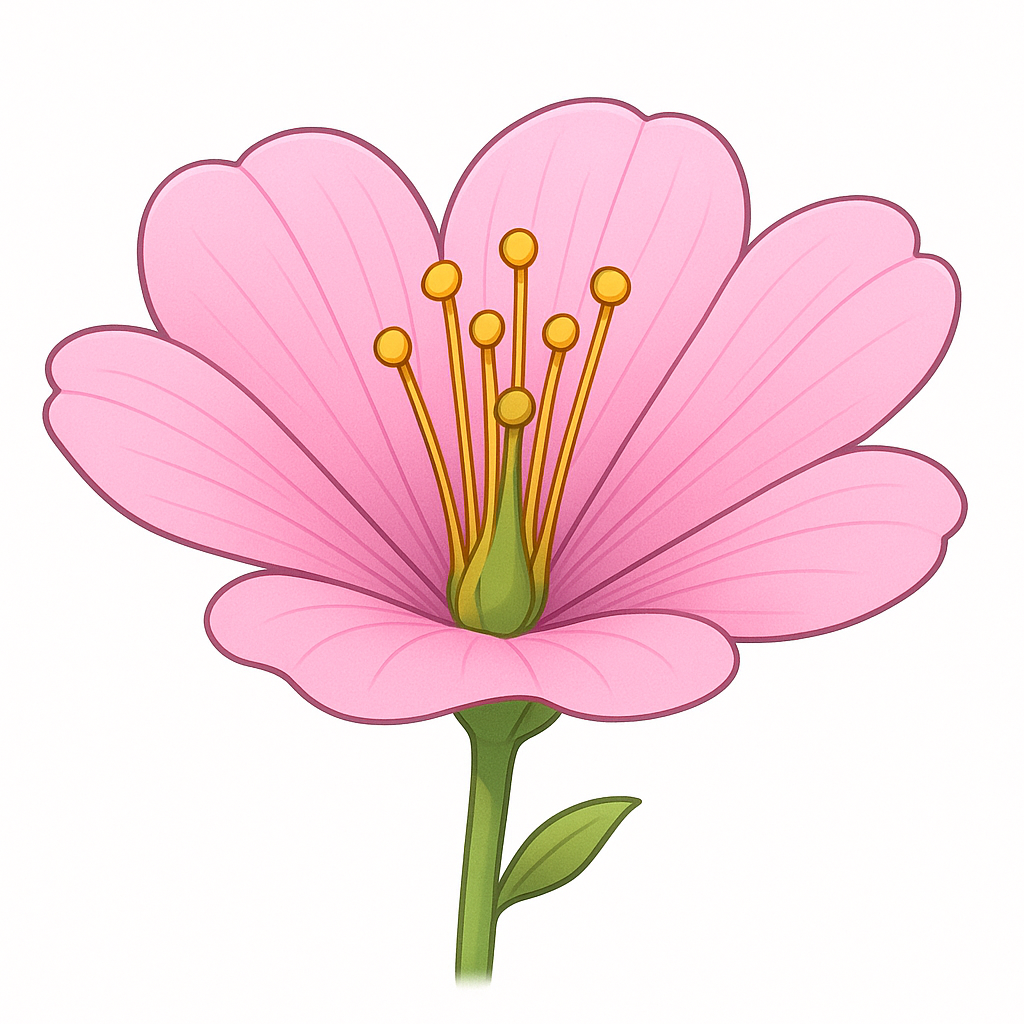
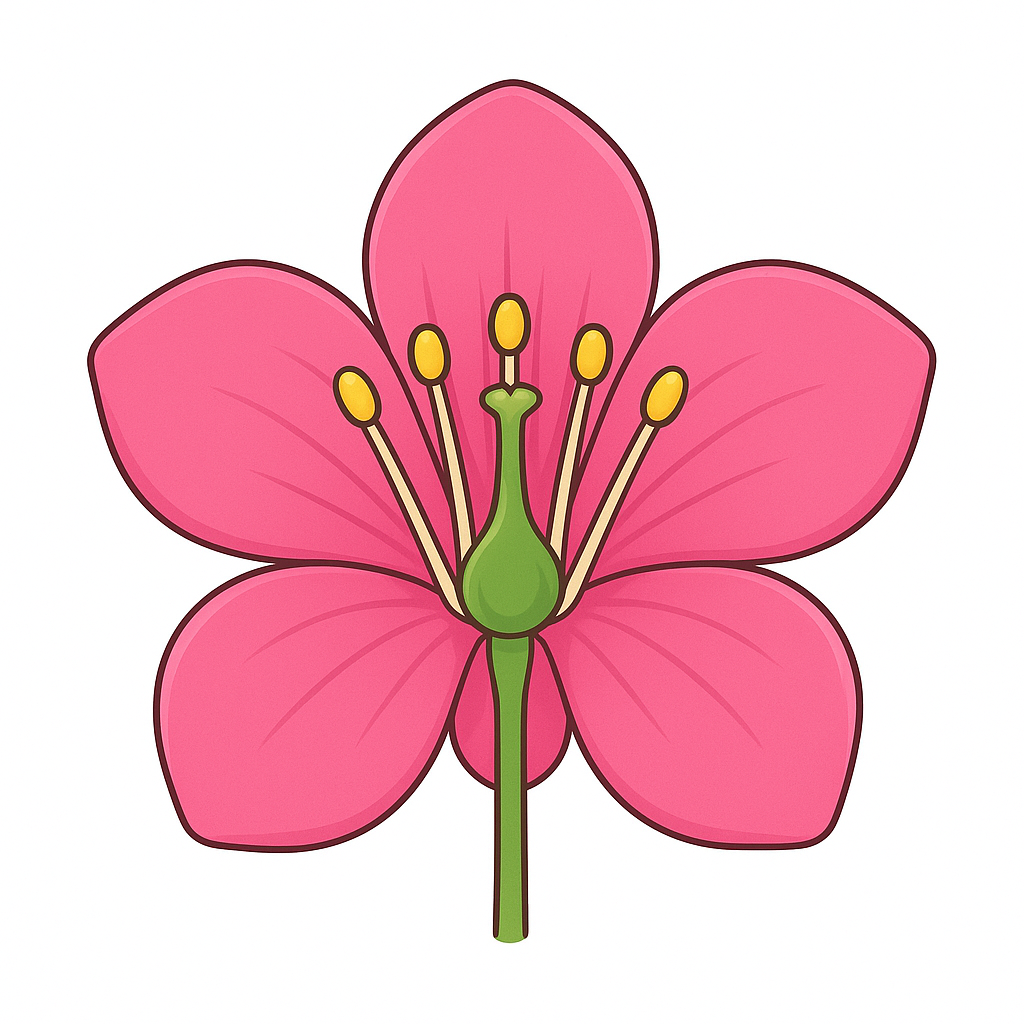
petals
The brightly colored outer parts of a flower that attract pollinators.
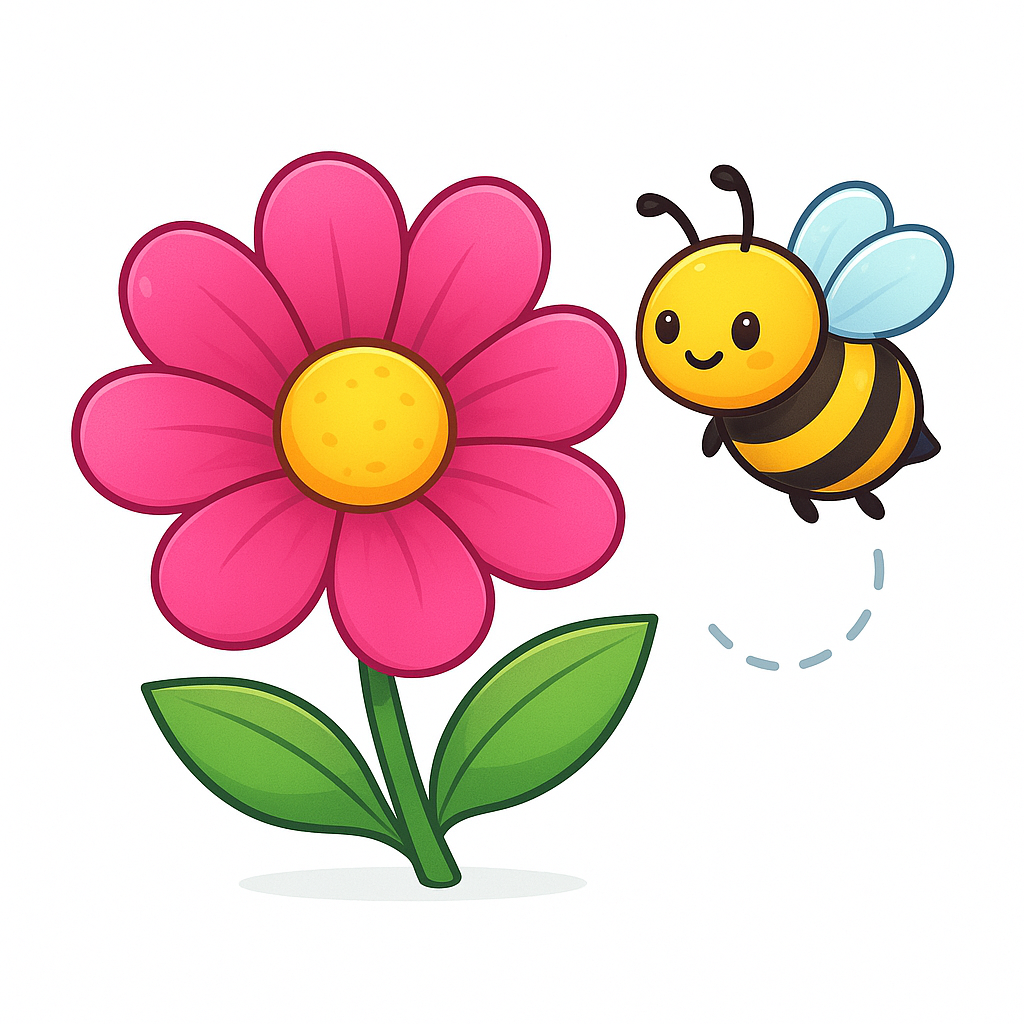
sepals
The green leaf-like parts that cover and protect a flower bud.
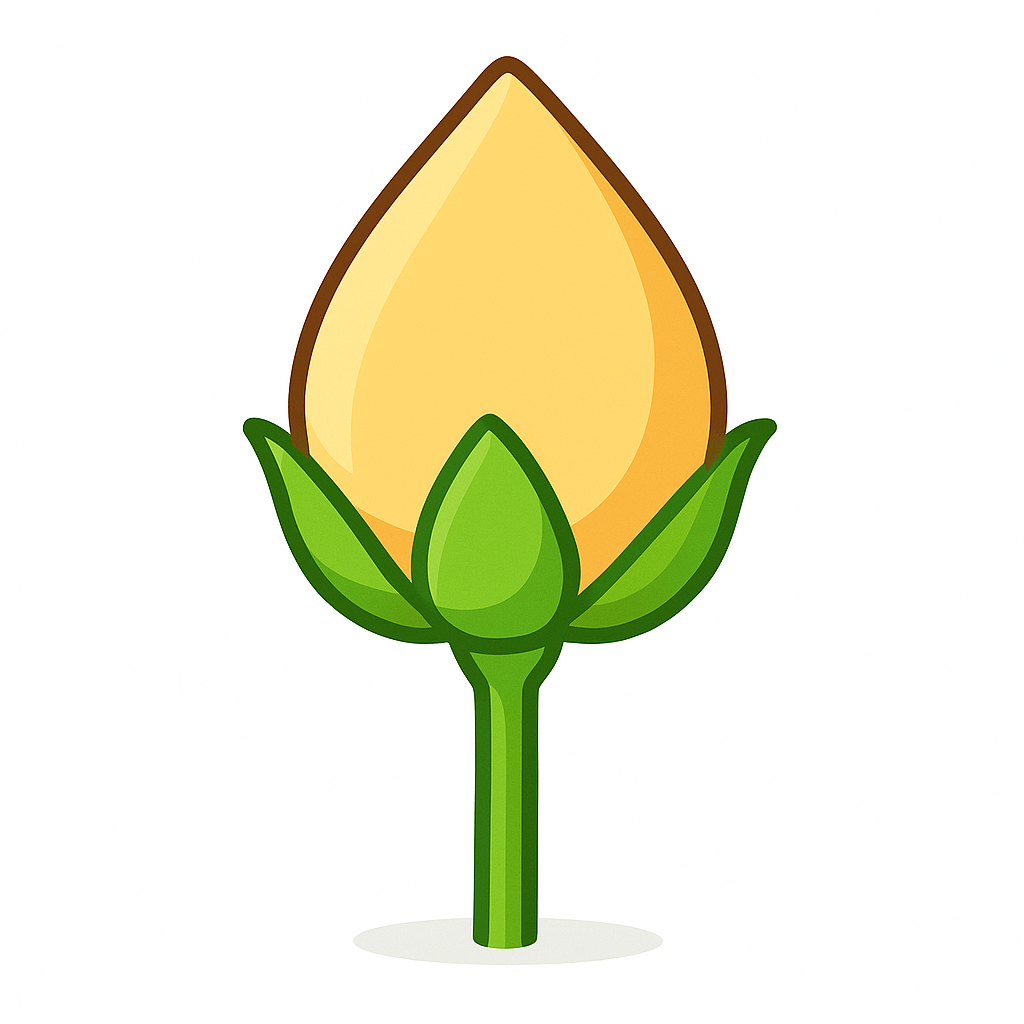
stamen
The male part of a flower that produces pollen grains.
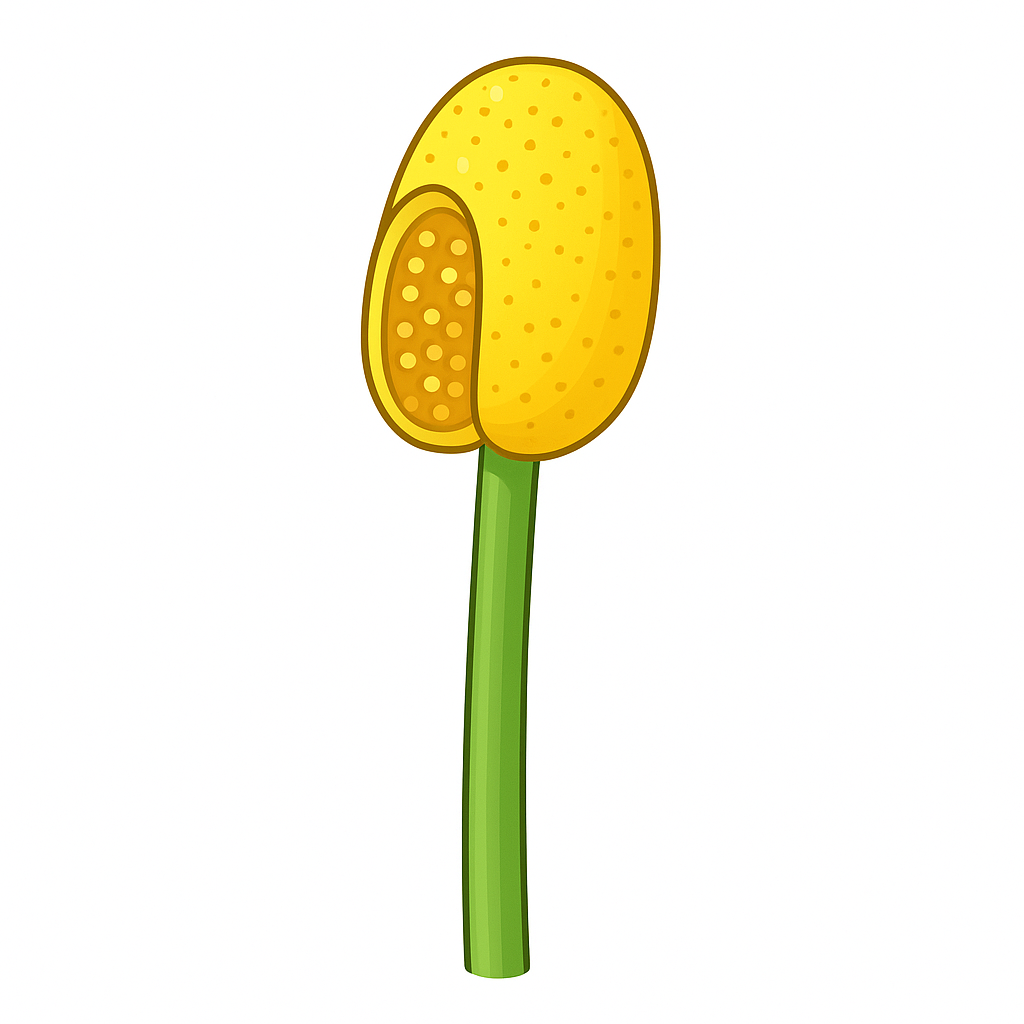
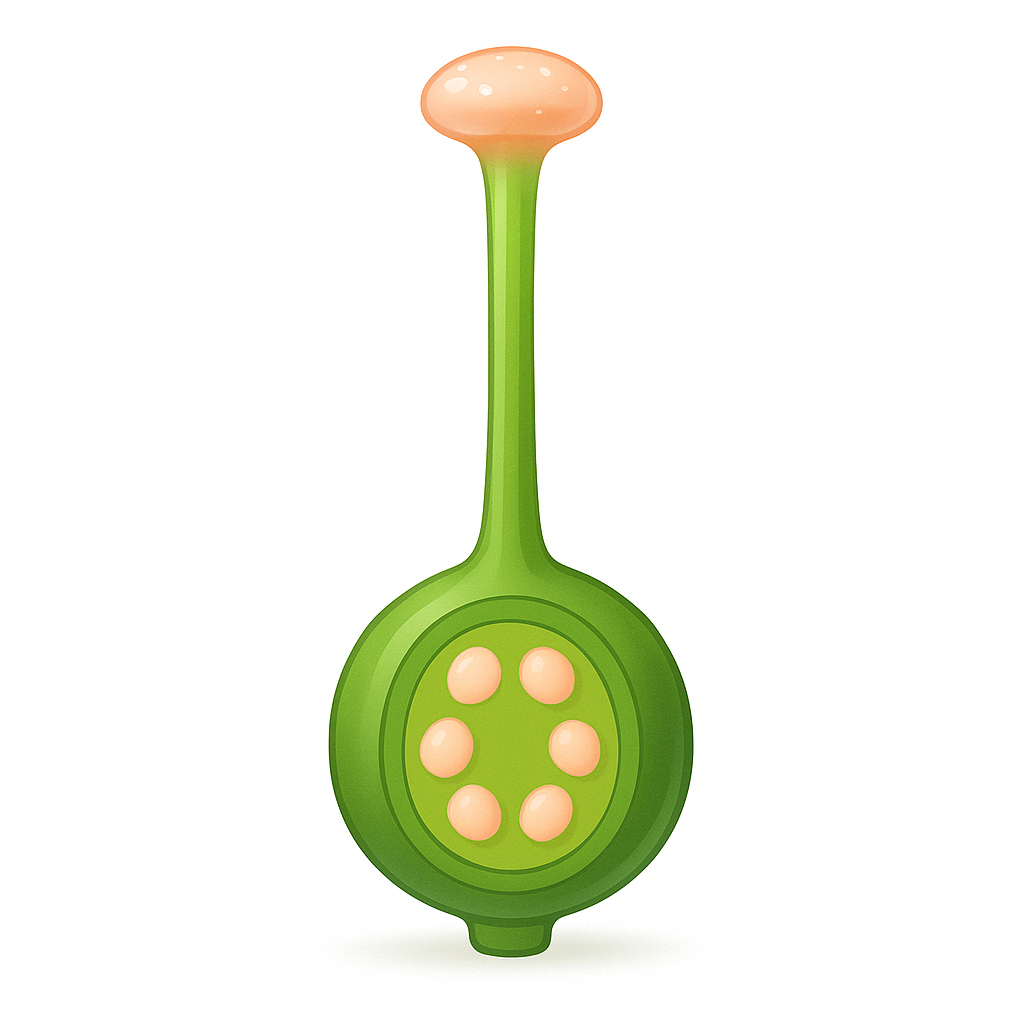
pistil
The entire female part of a flower
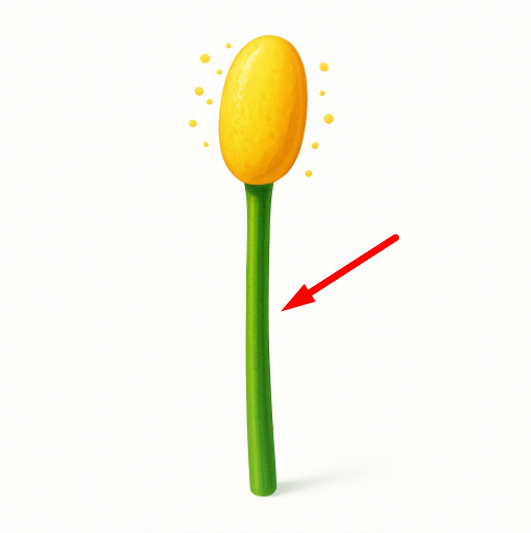
filament
The thin portion that makes up part of the stamen.
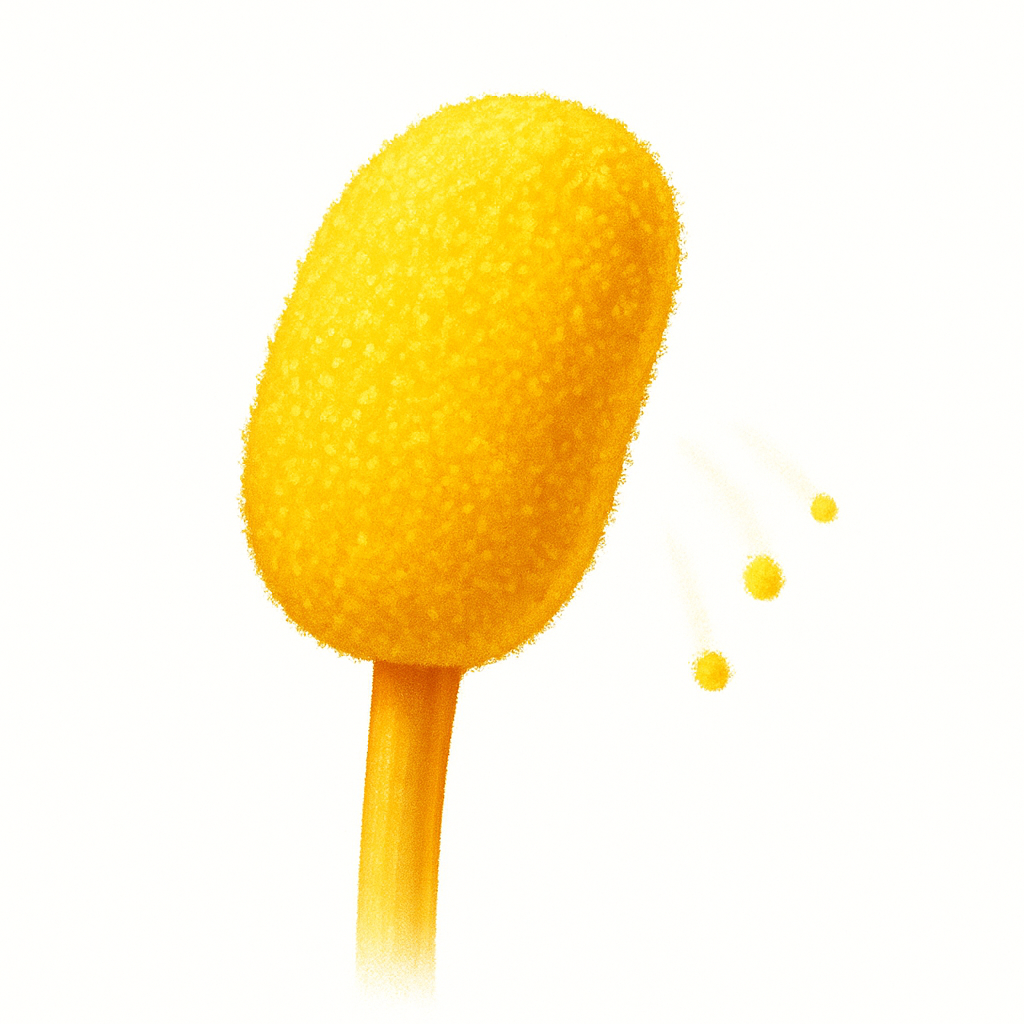
anther
The part at the top of the filament that produces pollen grains.
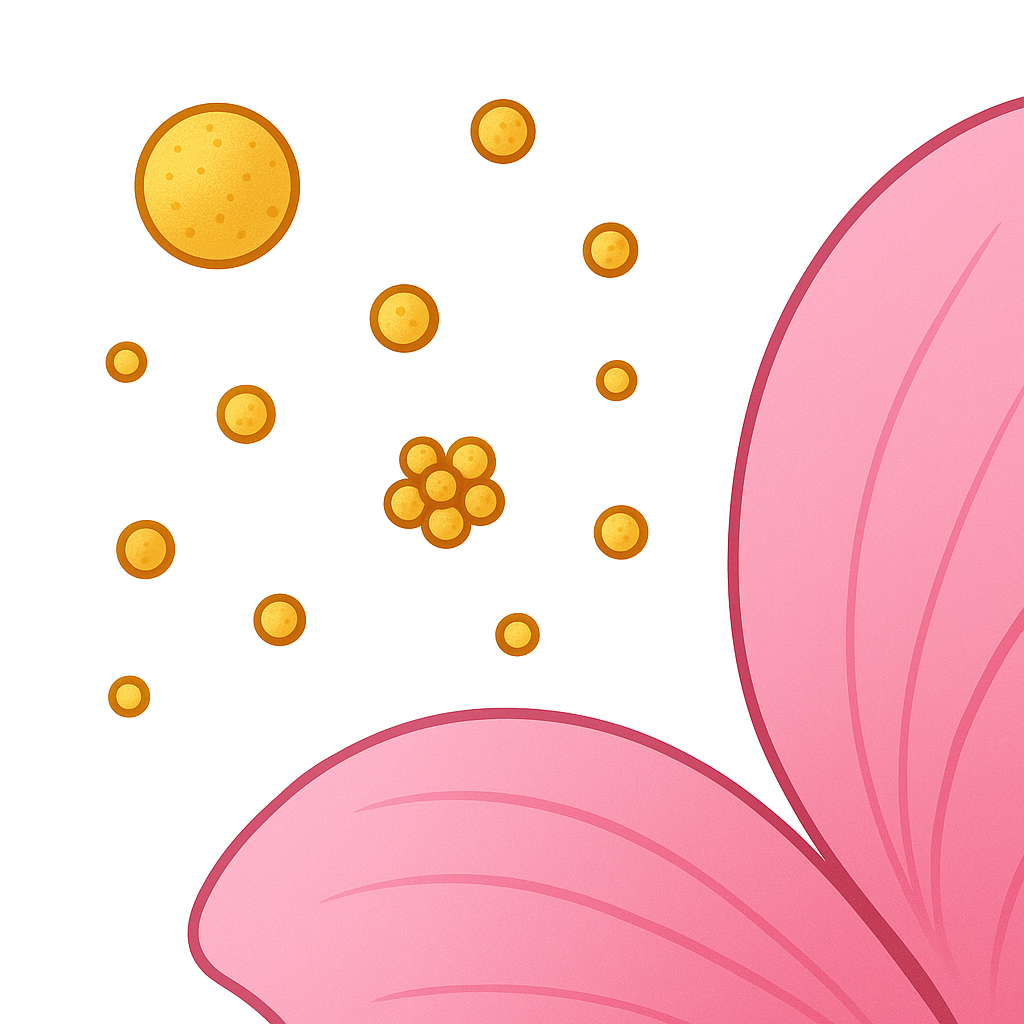
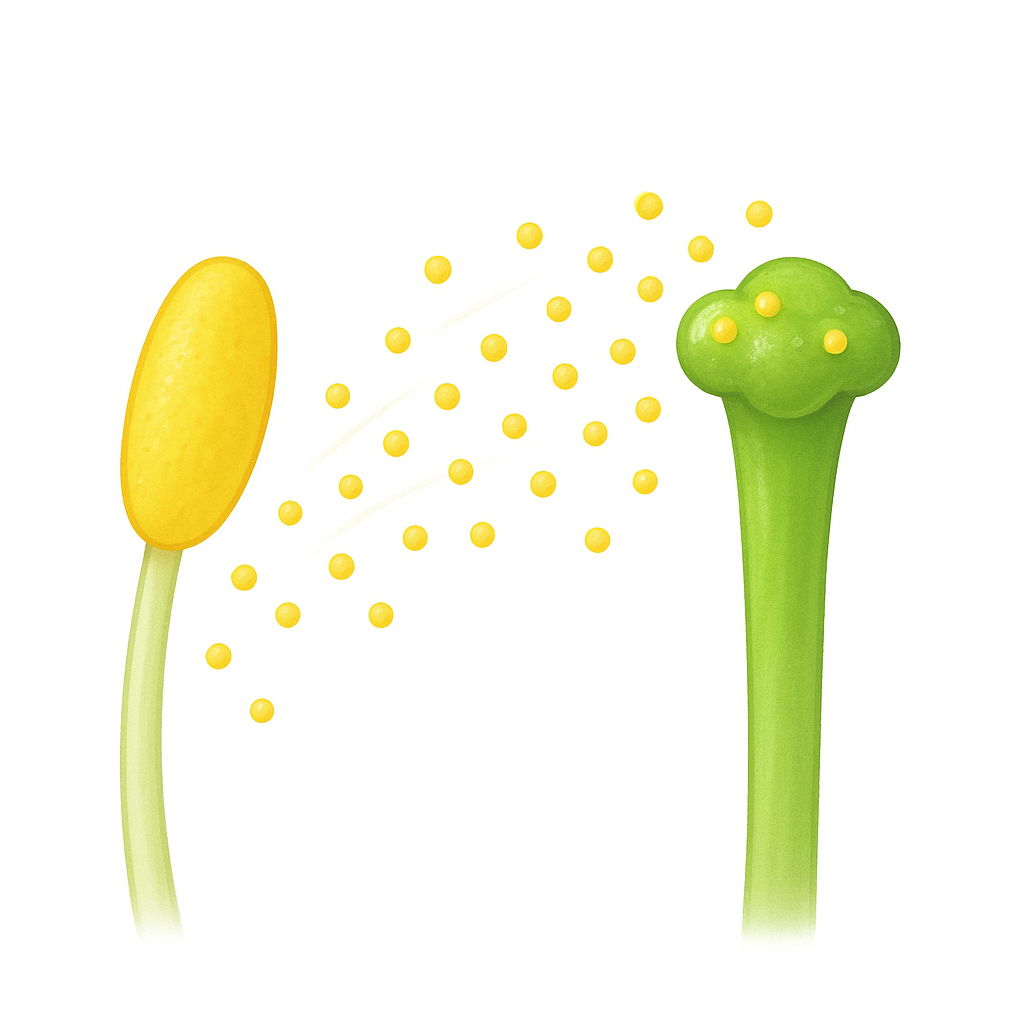
pollen
A yellow powder that contains sperm cells for plant reproduction.
stigma
The sticky opening at the top of the pistil that receives pollen.
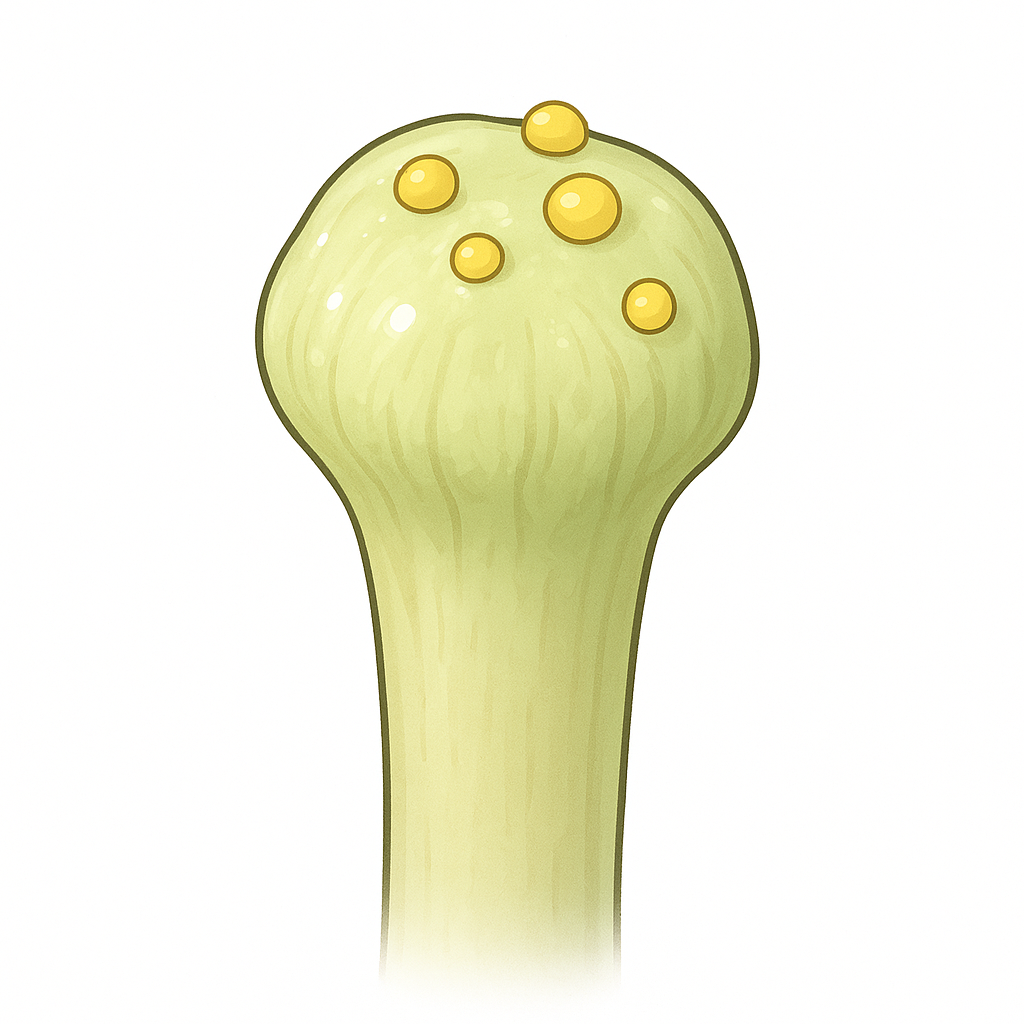
style
The long structure of the pistil that leads to the ovary.
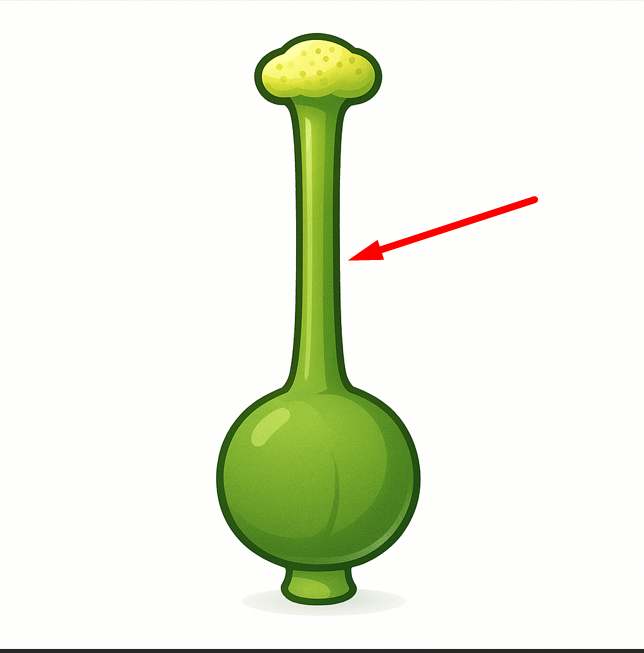
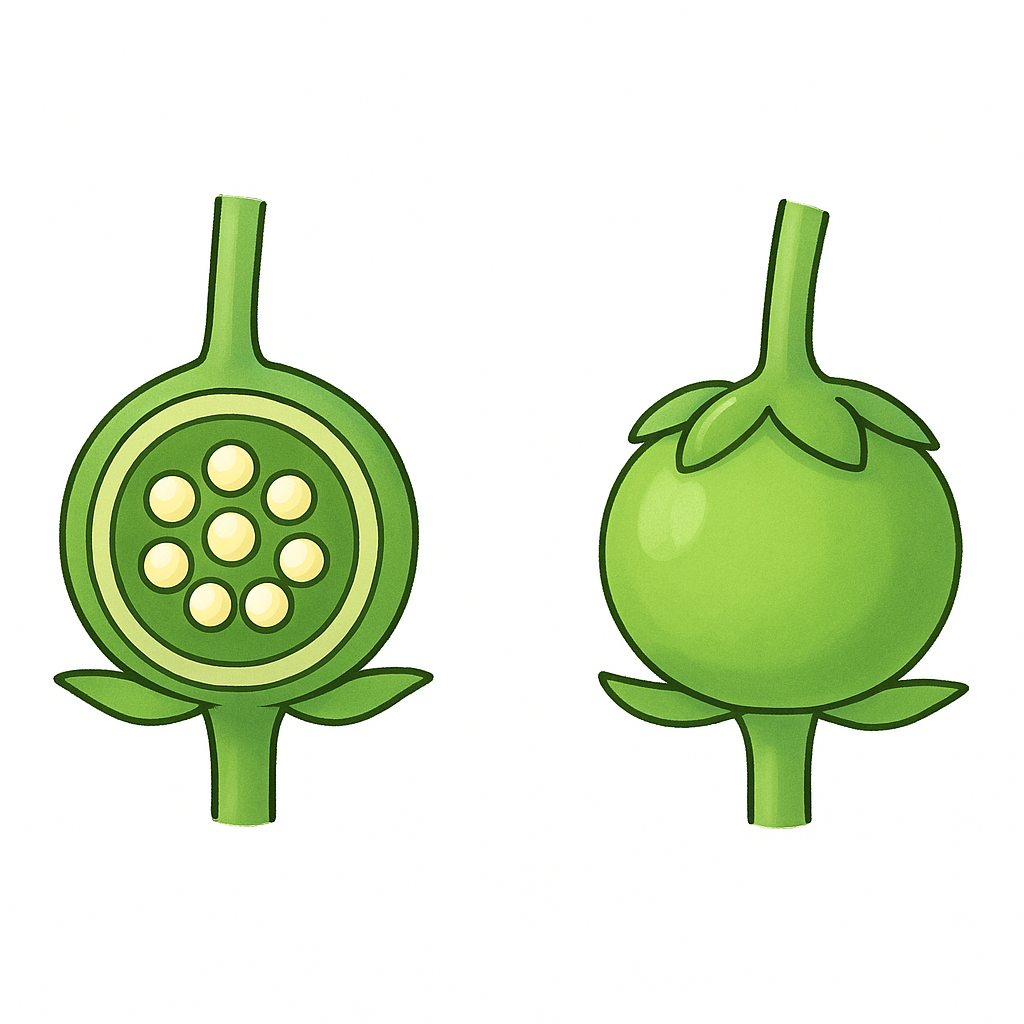
ovary
The bottom part of the pistil where fertilization occurs and eggs are kept. It becomes the fruit.
complete flower
A flower that has petals, sepals, stamens, and pistils.
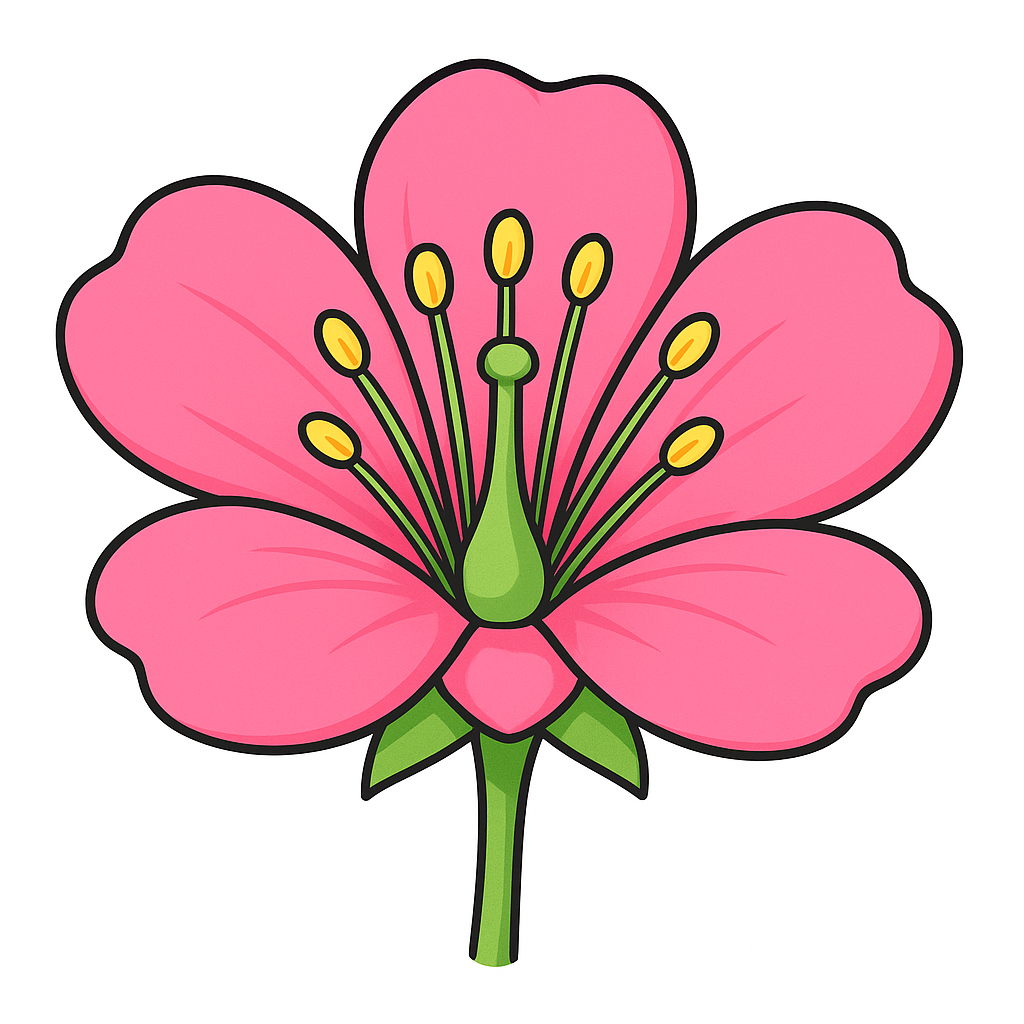
incomplete flower
A flower that is missing one or more of the four main flower parts.

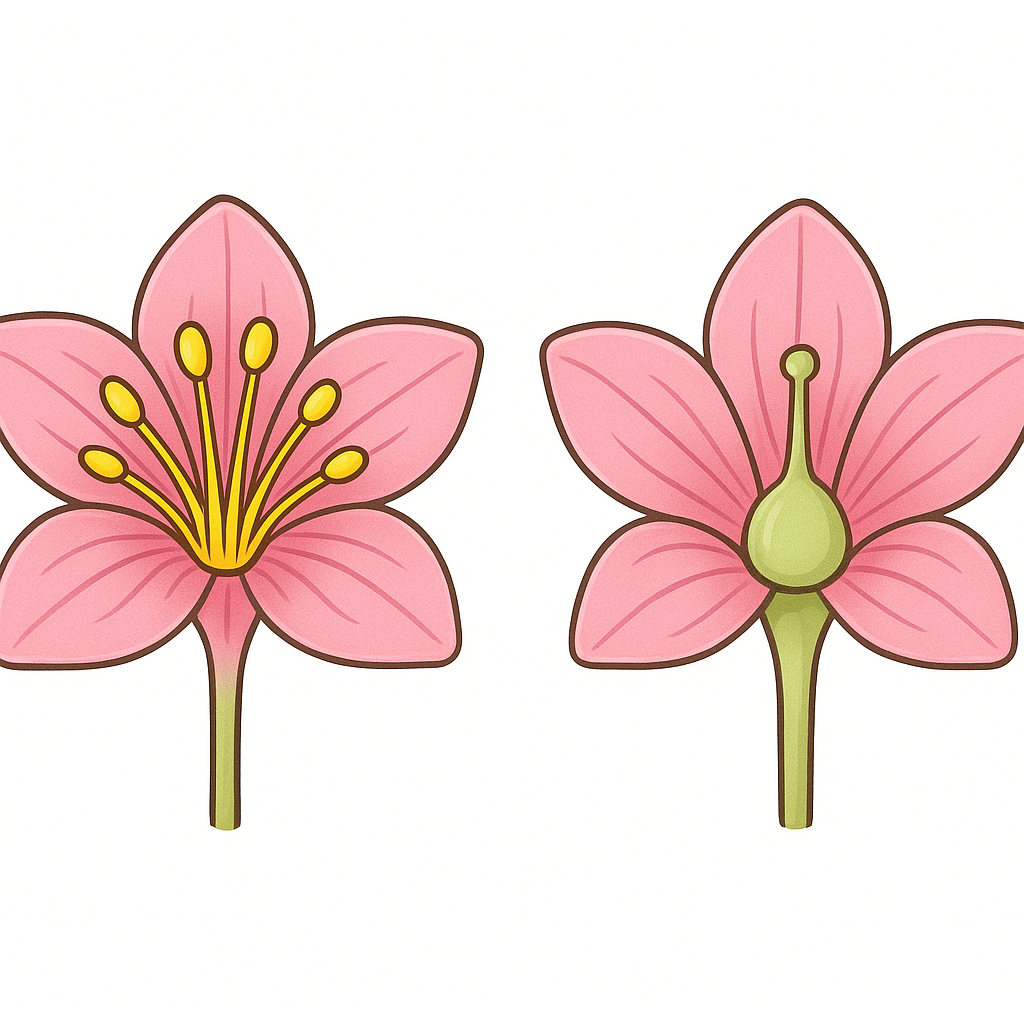
perfect flower
A flower that has both male and female reproductive parts.
imperfect flower
A flower that has only male parts or only female parts.
pollination
The transfer of pollen from the stamen to the pistil of a flower.
pollinators
Animals that carry pollen between flowers while looking for nectar.
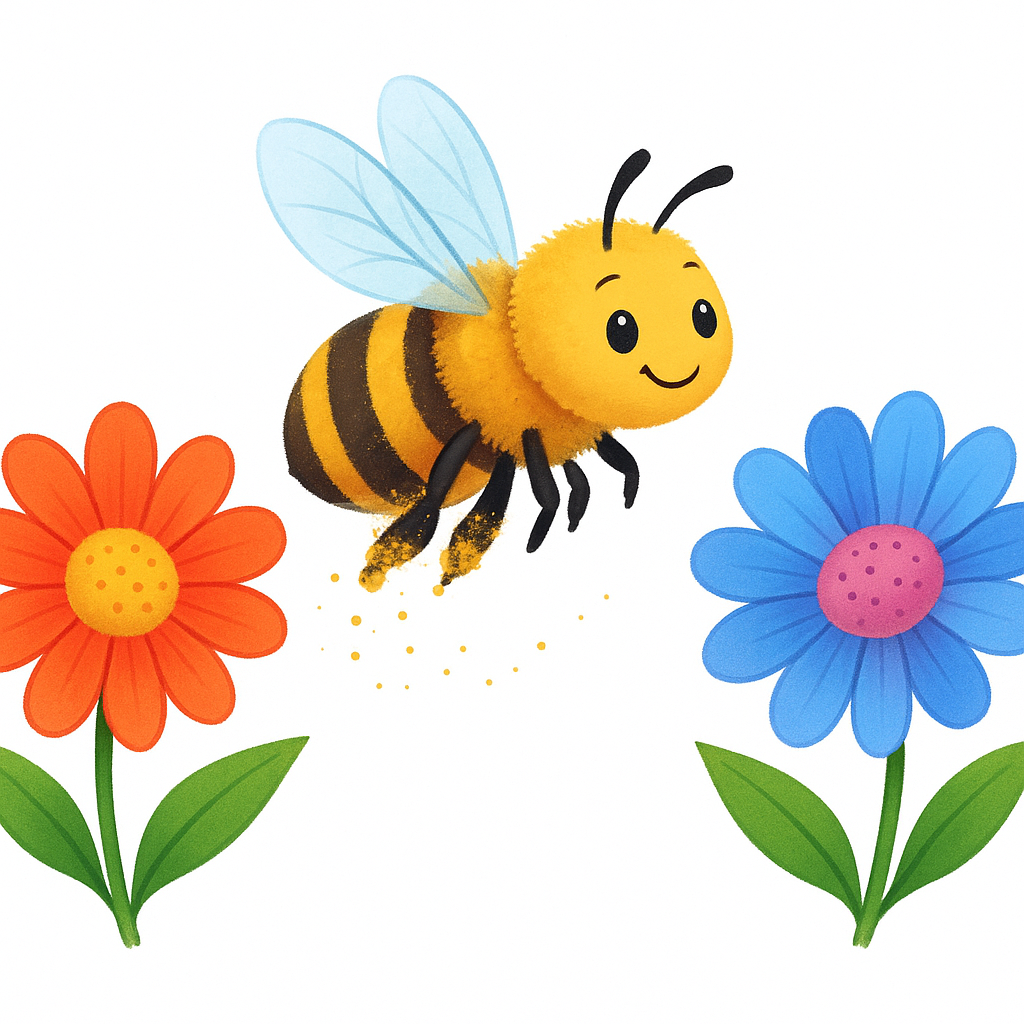
nectar
A sweet liquid made by flowers to attract bees and other animals.
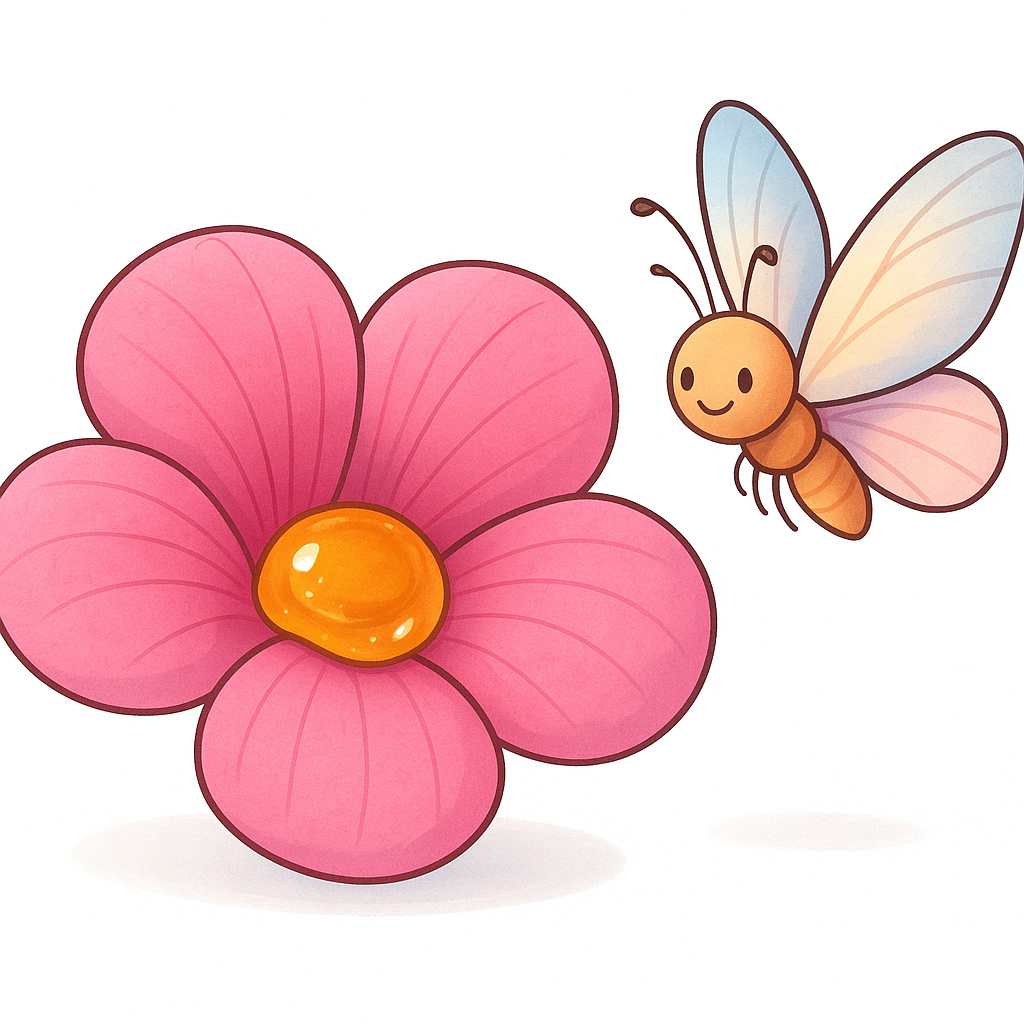
self-pollination
The process when a perfect flower with both male and female parts pollinates itself.
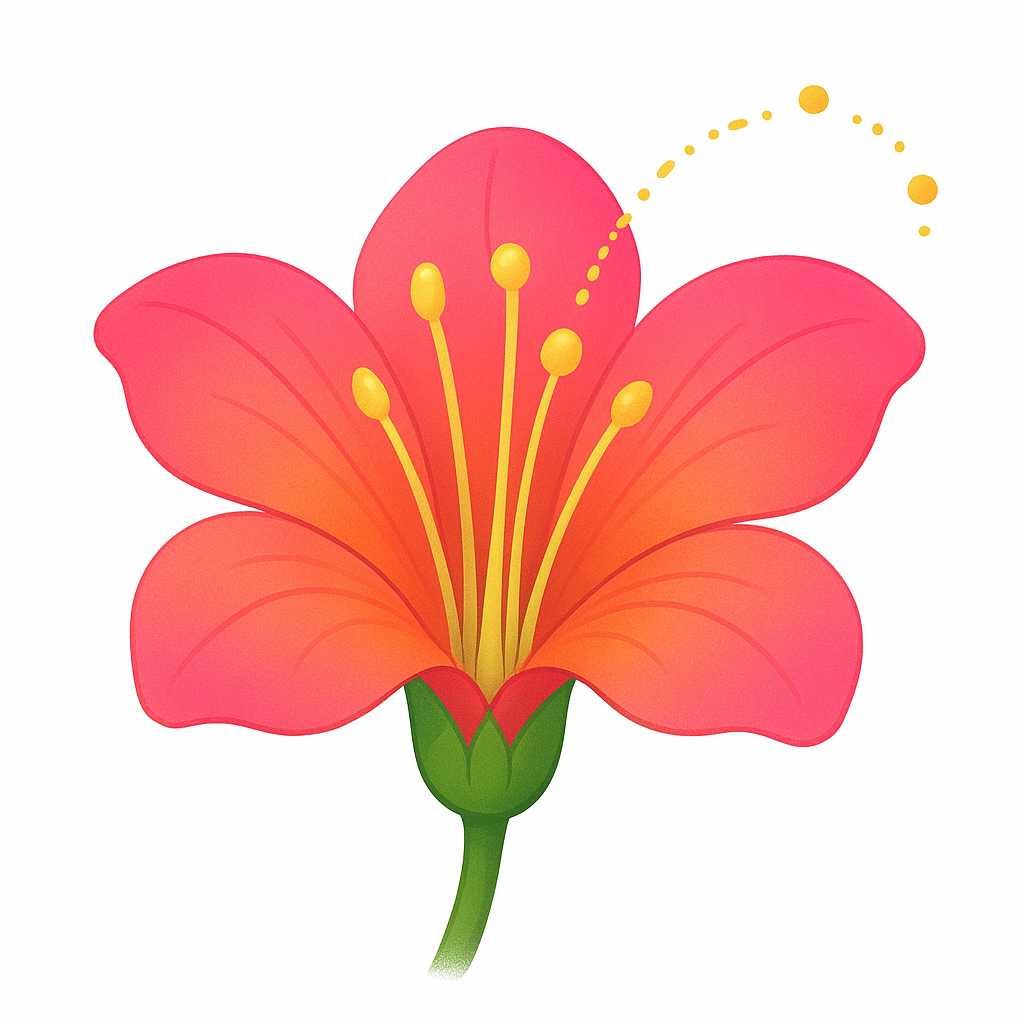
cross-pollination
The process when pollen from one plant travels to a flower on a different plant.
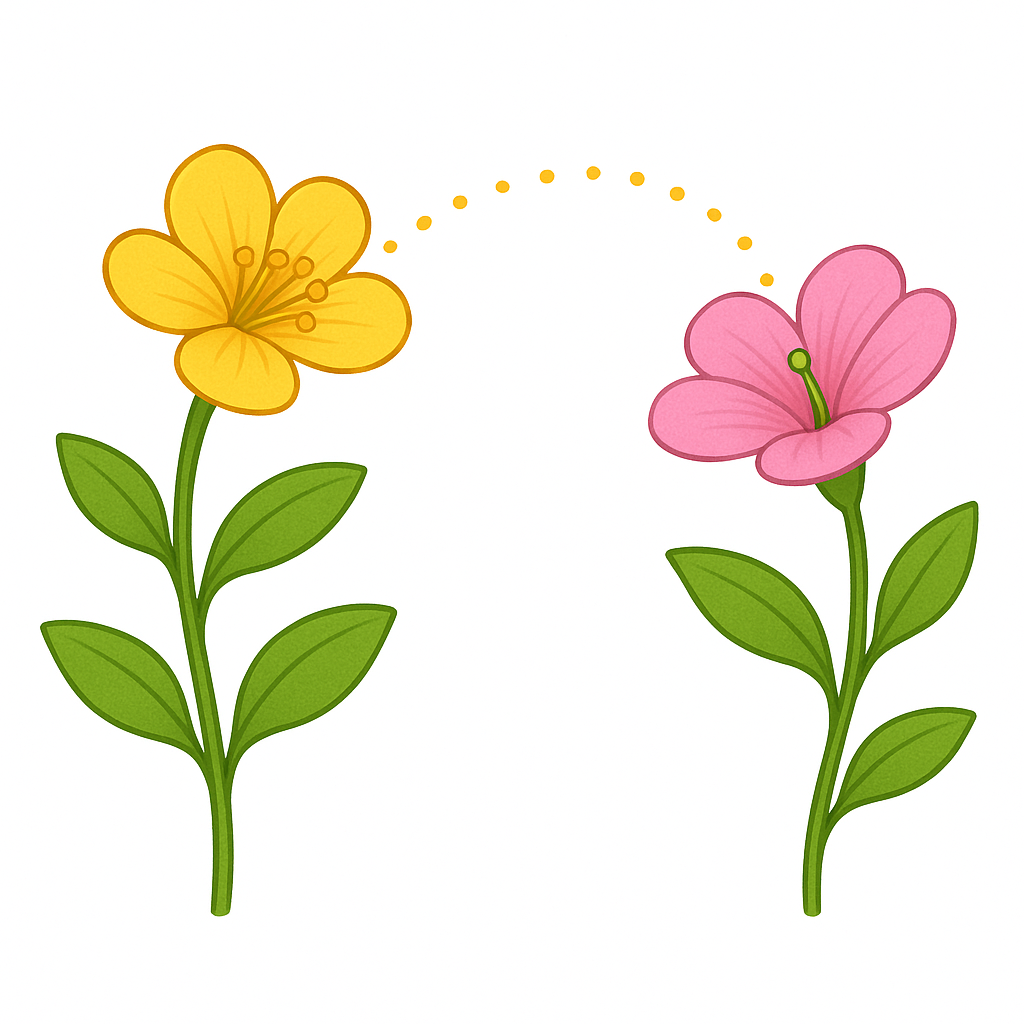
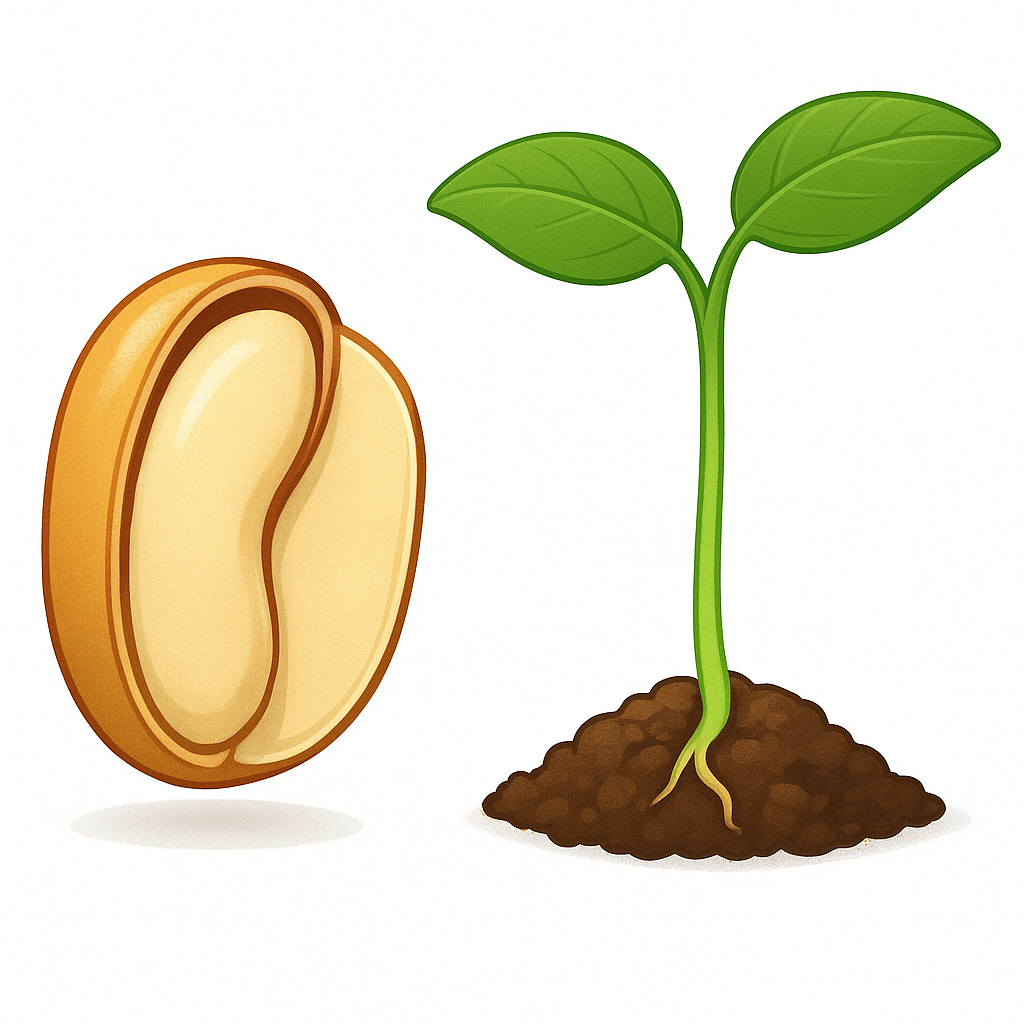
embryo
The beginning of a new offspring that is found inside a seed.
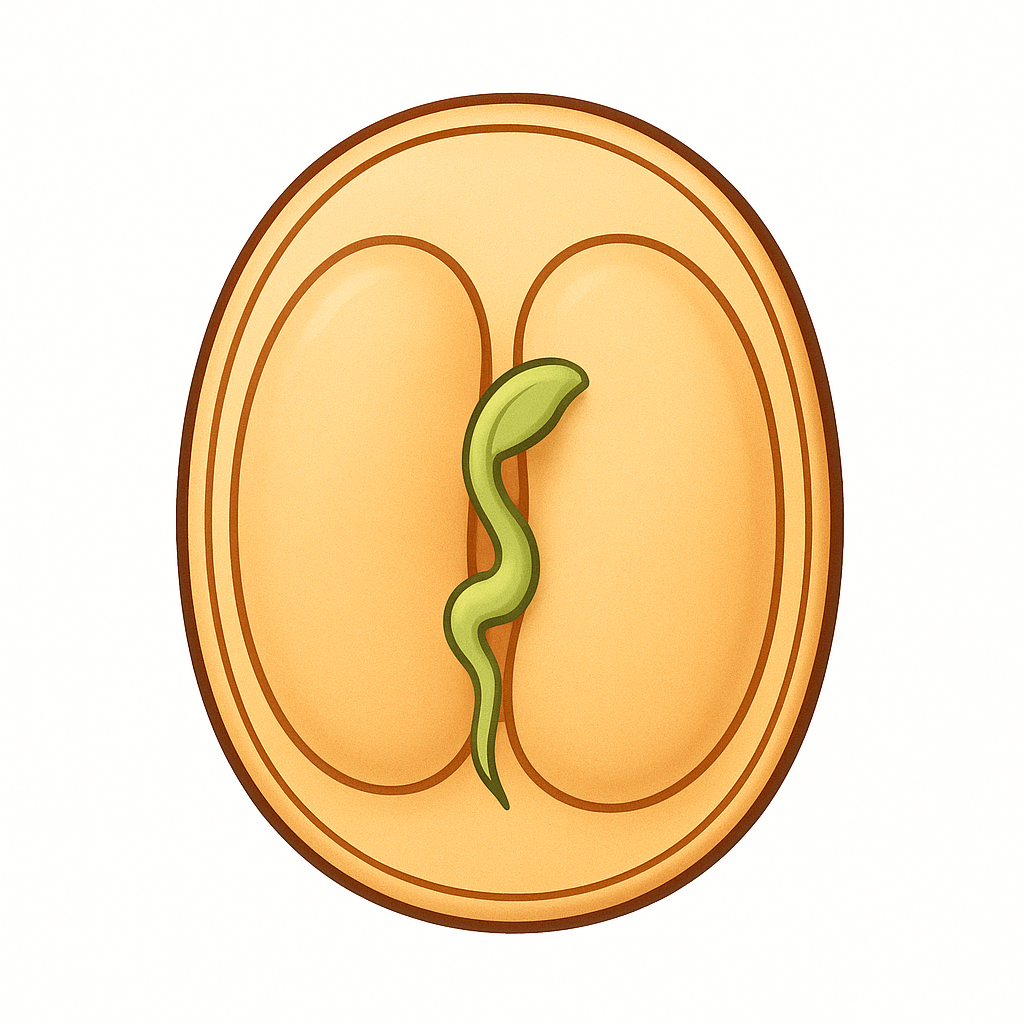
cotyledon
The food supply inside a seed that surrounds the embryo.
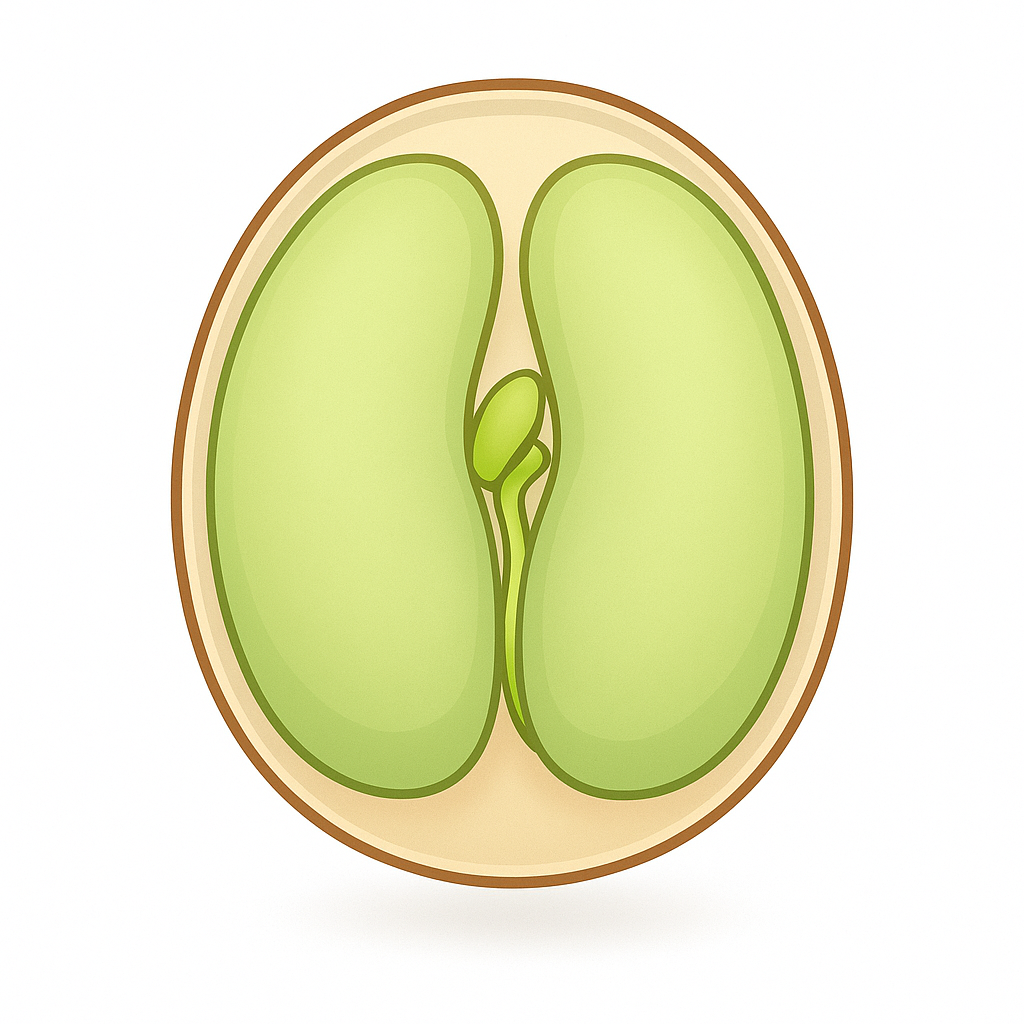
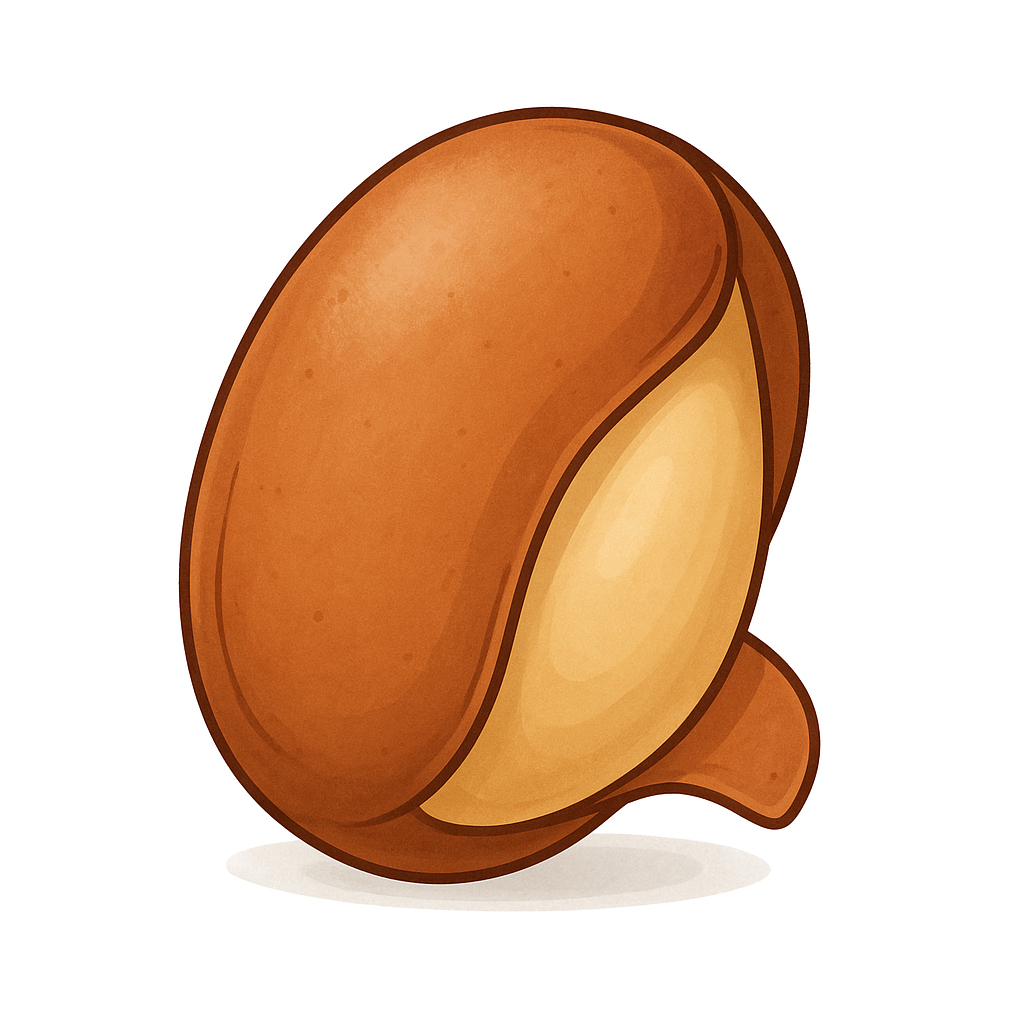
seed coat
The tough outer covering that protects the inside of a seed.
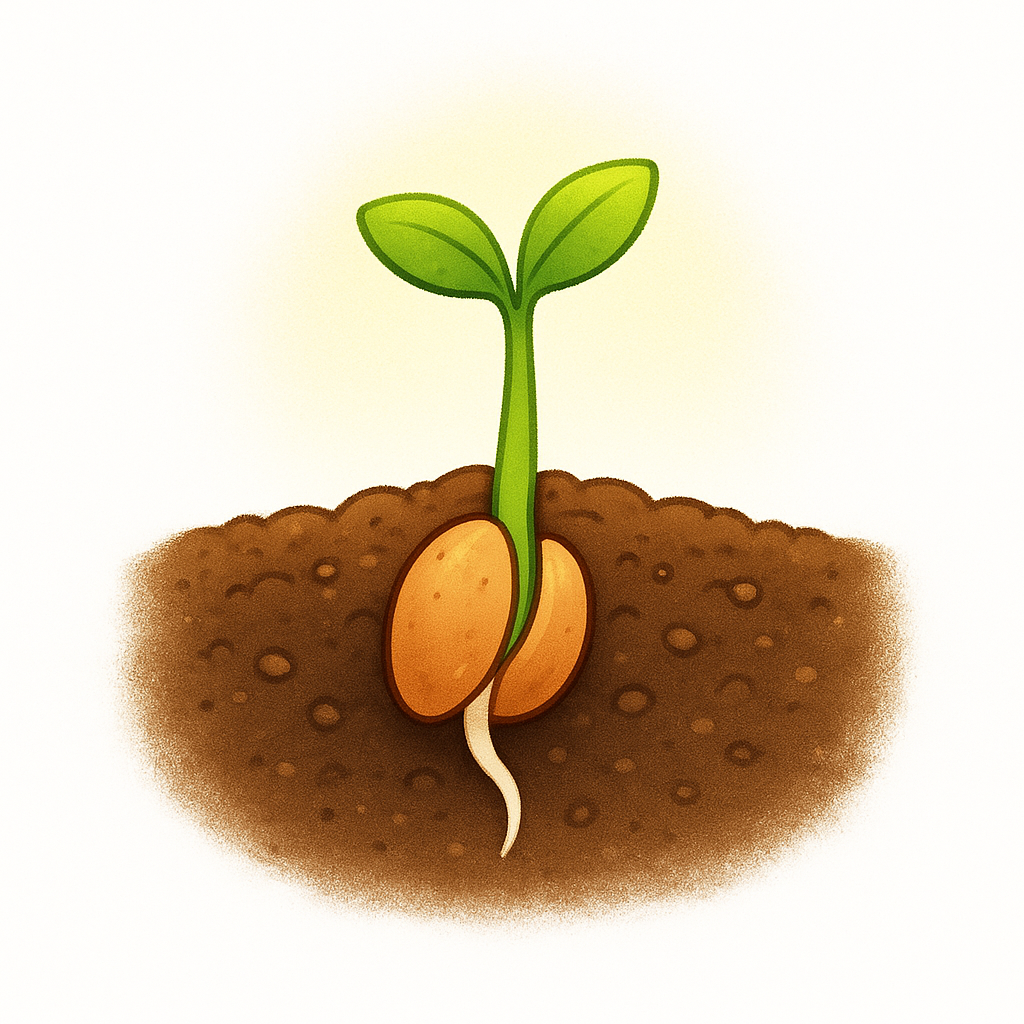
germination
The development of a seed into a new plant when conditions are right.
monocot
A flowering plant that produces seeds with only one cotyledon.
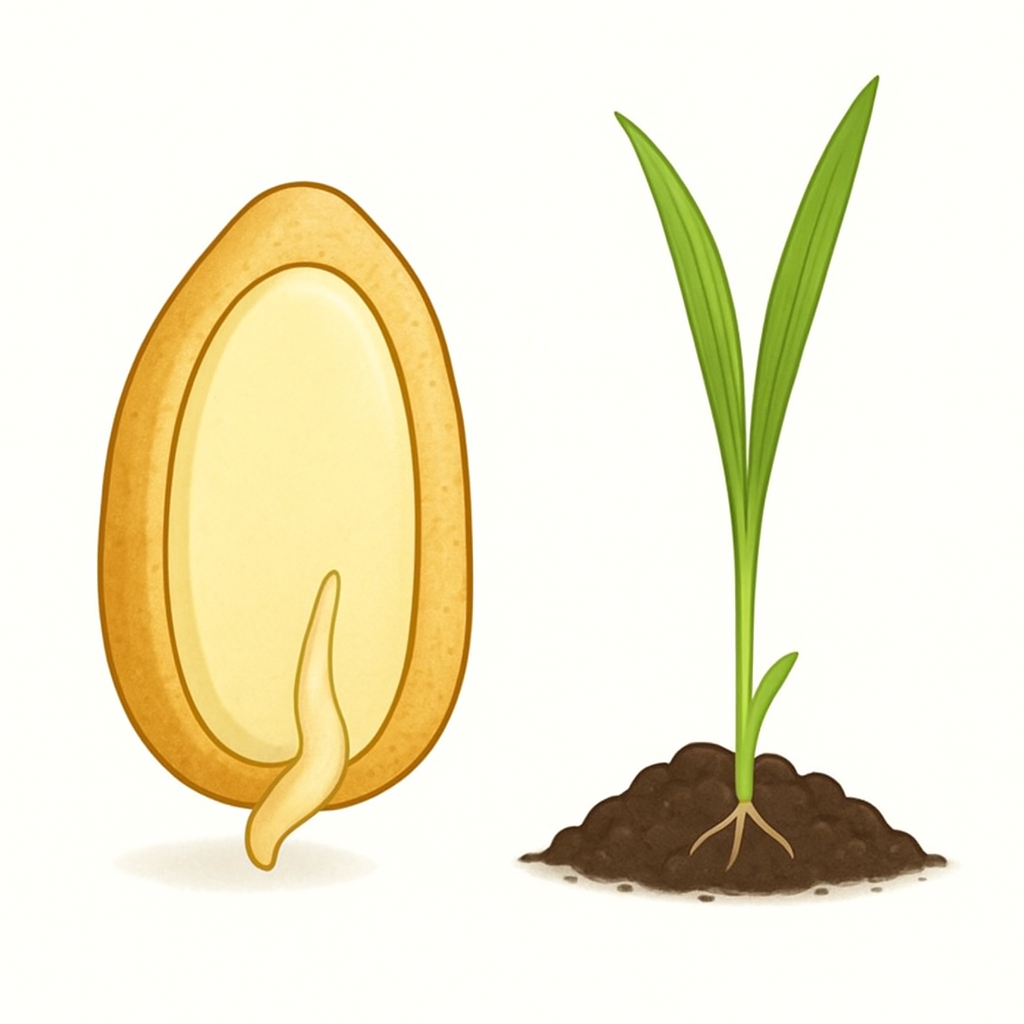
dicot
A flowering plant that produces seeds with two cotyledons.
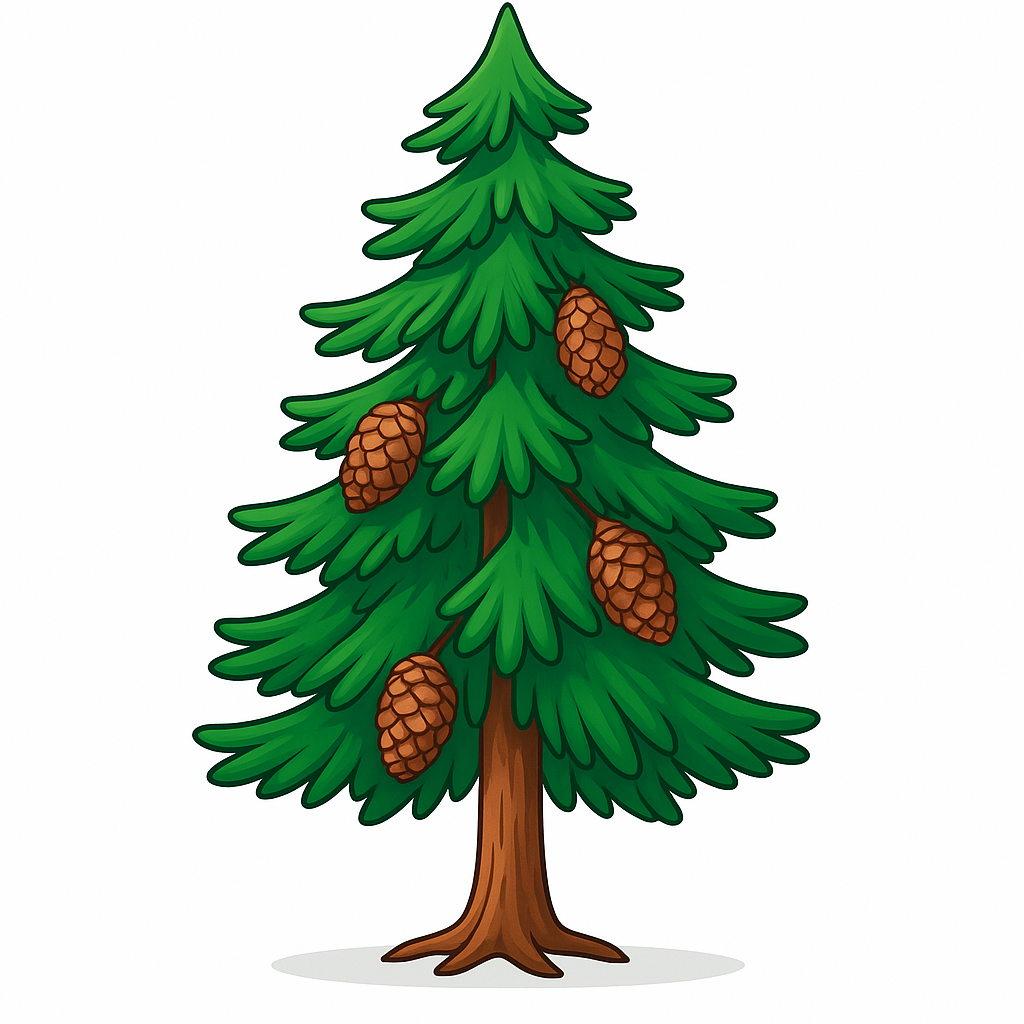
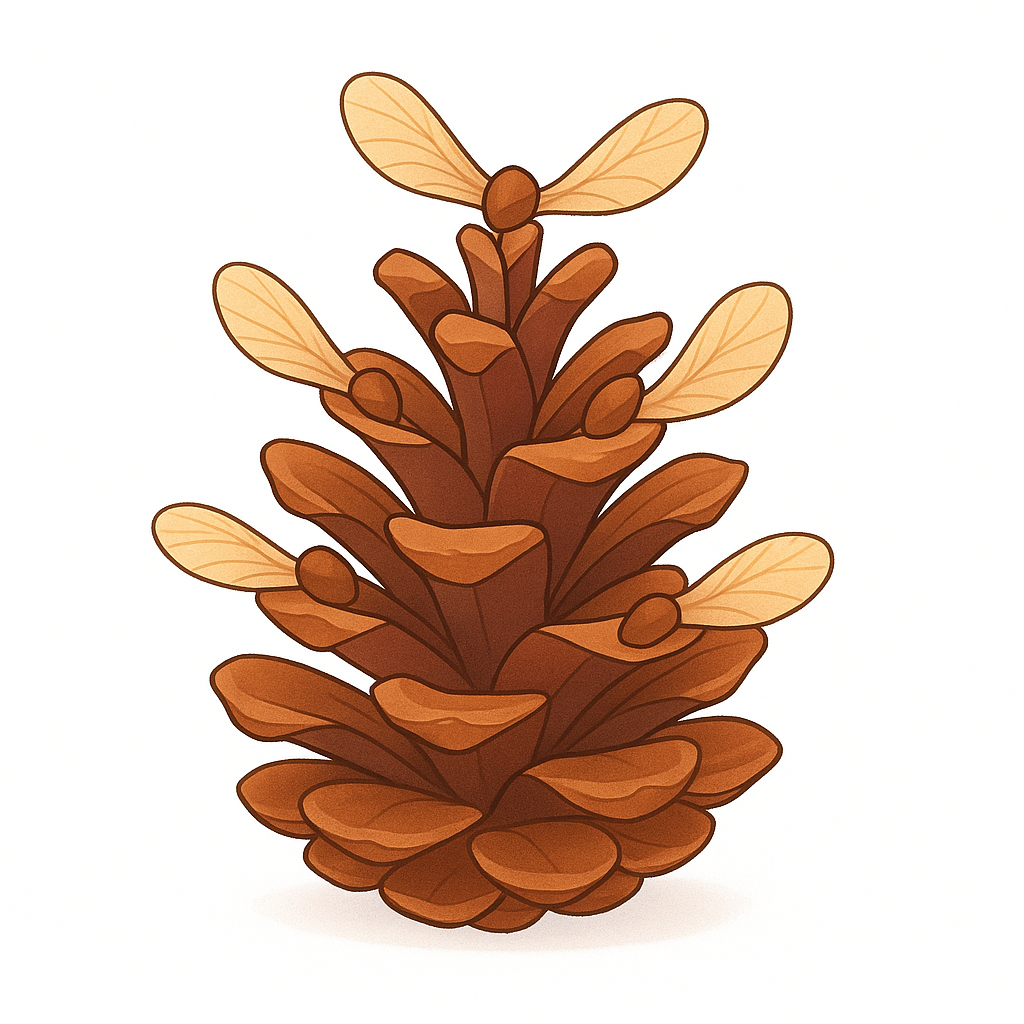
gymnosperm (conifer)
A plant that has seeds but does not produce flowers or fruits.
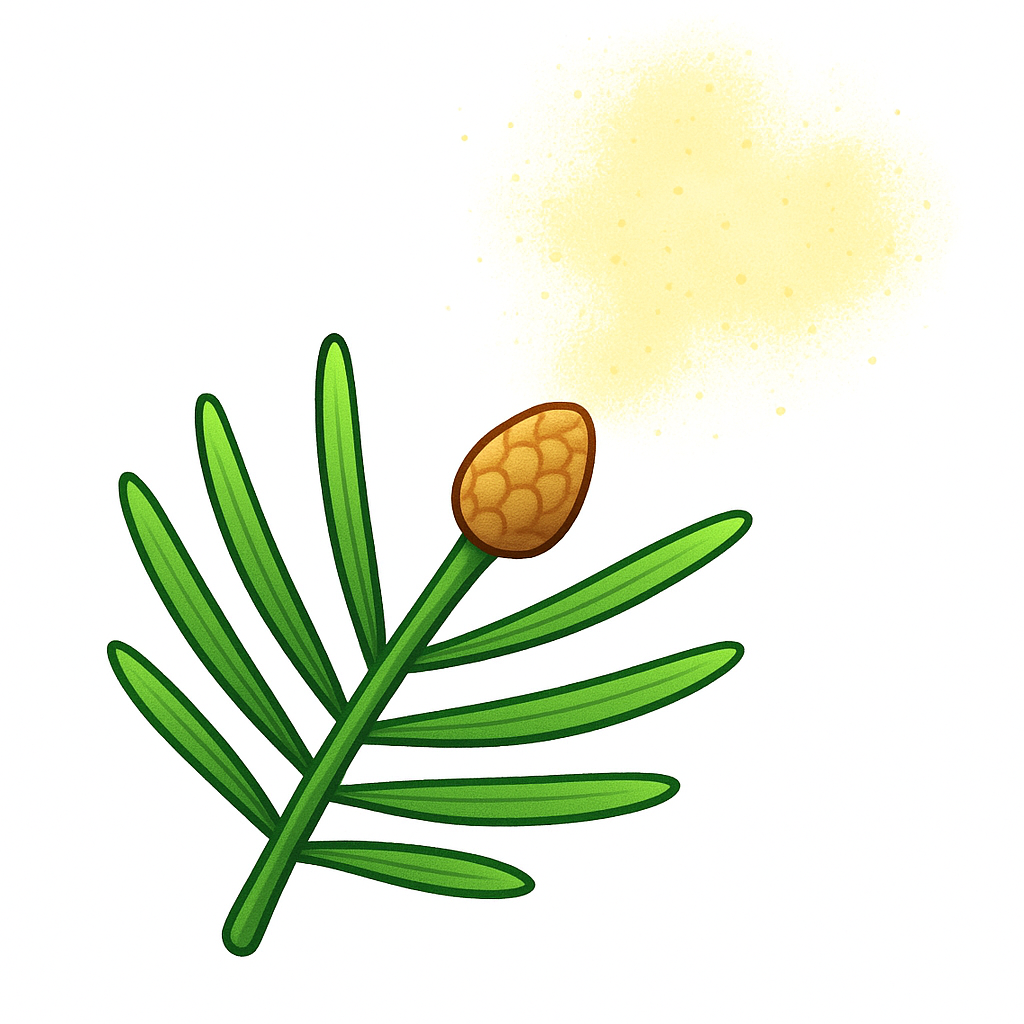
male cone
The type of conifer cone that releases powdery pollen into the wind.
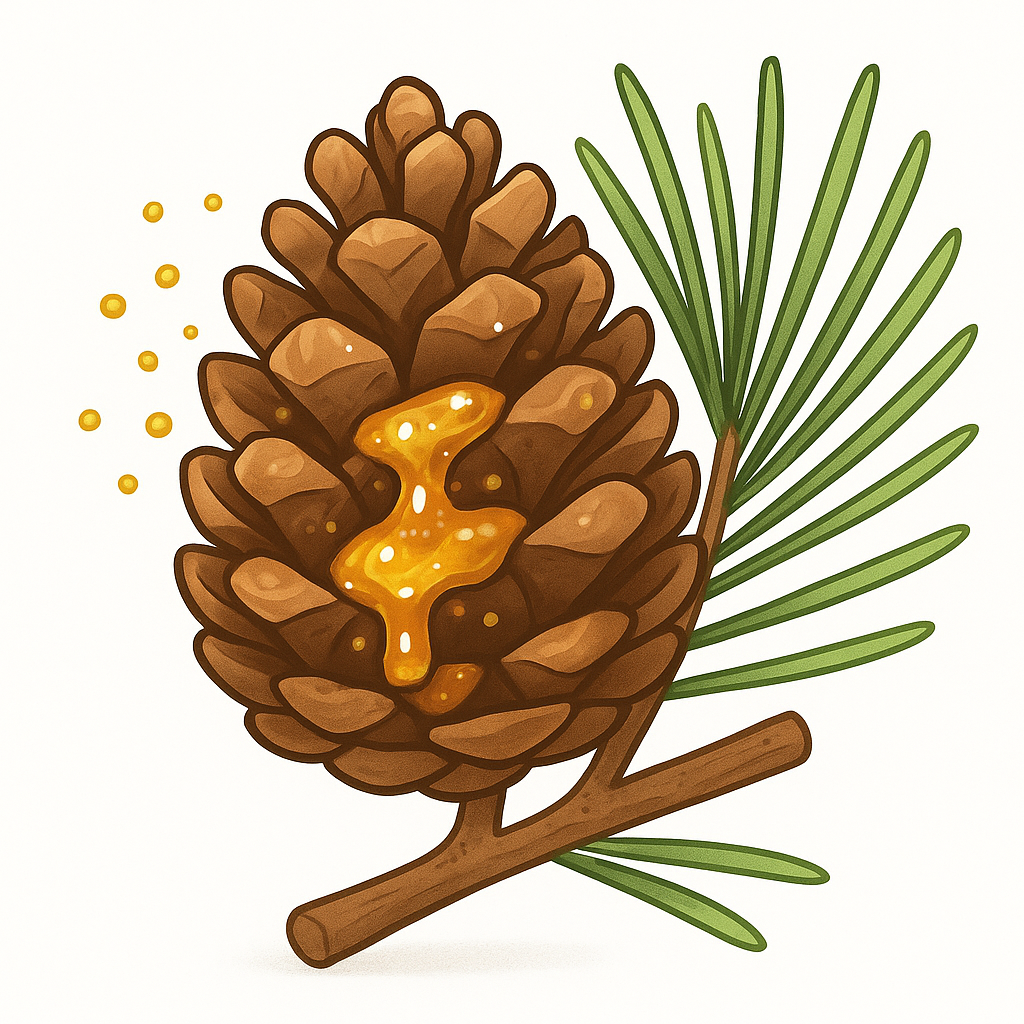
female cone
The type of conifer cone that produces a sticky fluid to catch pollen.
naked seeds
The term for conifer seeds because they are not protected inside a fruit.
ovary
The specific part of the flower where sperm and egg cells combine.