Lecture 5/6 - Microbial Genetics, Bacterial Variations, Basic Virology
 Call Kai
 Learn
Learn Practice Test
 Spaced Repetition
 Match
Match Flashcards
 Knowt Play
1/21

There's no tags or description
Looks like no tags are added yet.
Name | Mastery | Learn | Test | Matching | Spaced | Call with Kai | Chat |
|---|
No analytics yet
Send a link to your students to track their progress
22 Terms
The bacterial component responsible for drug resistance is
Plasmid
Extrachromosomal element (ECE)

HORIZONTAL GENE TRANSFER

Genotypic variation
▪ Clinical Significance

Introduction to Viruses

Introduction to Viruses continued

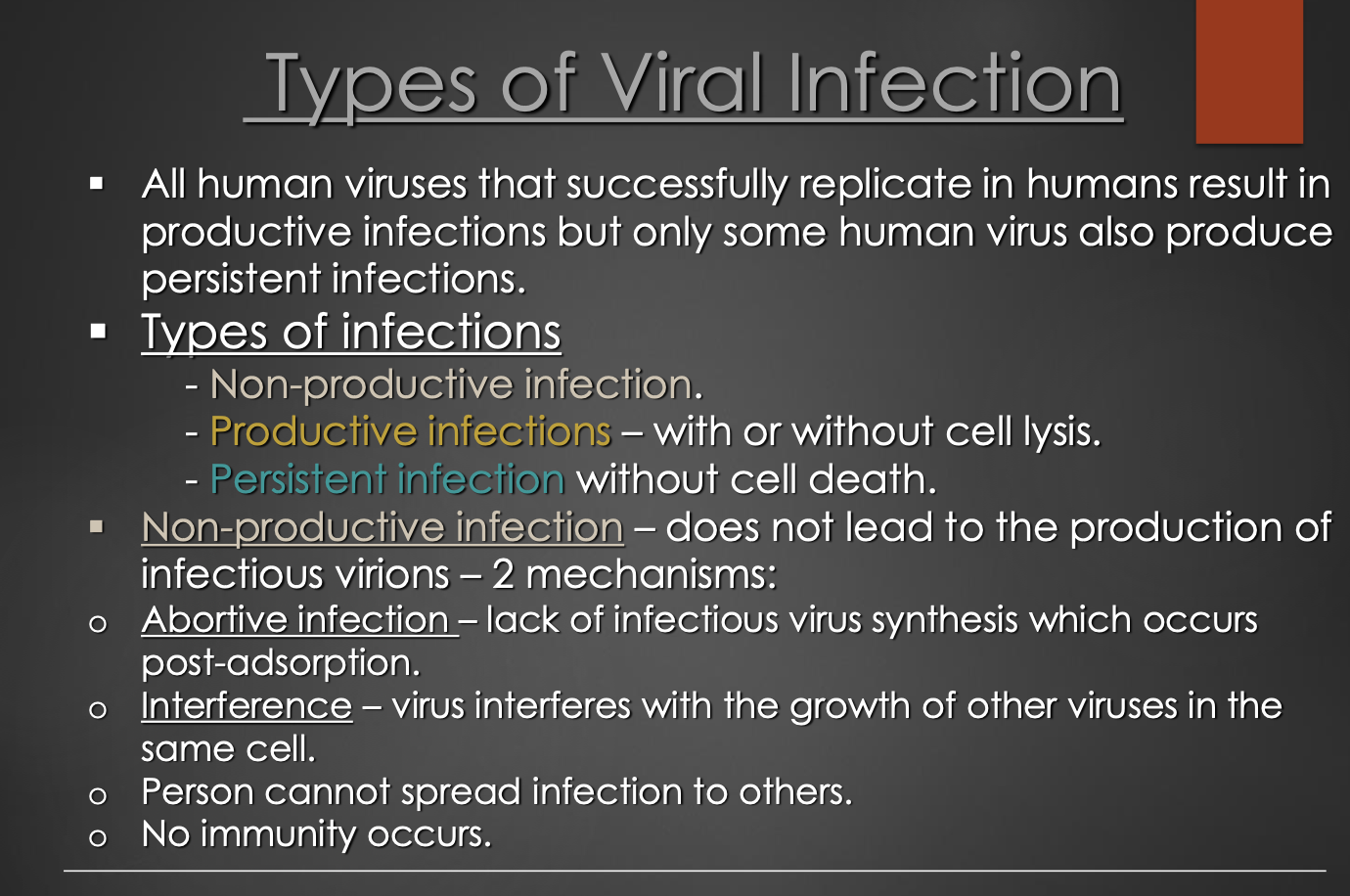
Types of Viral Infection
Latent-persistent infection
intermittent episodes of acute Dx, between these episodes there is an absence of detectable infectious virions, e.g. - HSV, VZV.
Chronic-persistent infection:
continued presence of the virus can be detected:
- Dx may be absent, e.g., CMV, HH-6, HBV.
- late immunopathologic Dx, e.g., HBV.
A Journey to Cell

Macromolecular synthesis:
▪ Replication of RNA Genome – RNA virus
Reverse transcriptase: RNA-dependent DNA polymerase

REVERSE TRNASCRIPTASE (RT) ACTIVITY

Prevention/Treatment of Viral Infection
Characteristics - Complex cell wall/Cell membrane

Fungi - Characteristics - Molds:
▪ Molds/Mycelial

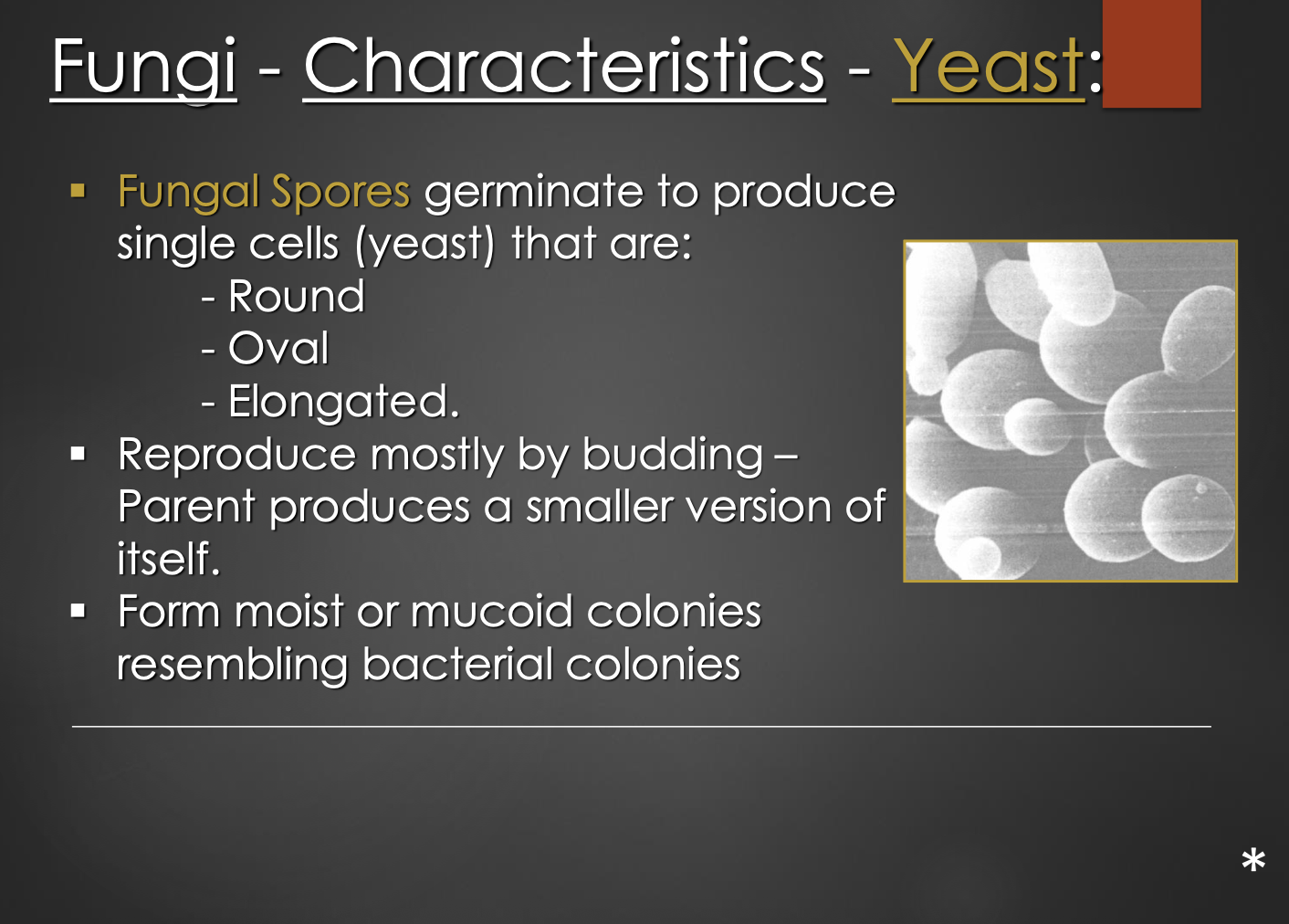
Fungi - Characteristics - Yeast:
▪ Fungal Spores
Parasite Definitions

Symbiosis
is a close association of two different organisms
Mutualism
is a beneficial association to both
Commensalism
is a beneficial association for one without effecting the other.
Parasitism
is a beneficial association for one and detrimental for the other
Etiologic agents for 1st exam
