Drug Quiz 1

0.0(0)
Studied by 0 people
call kaiCall Kai
Locked
learnLearn
examPractice Test
spaced repetitionSpaced Repetition
heart puzzleMatch
flashcardsFlashcards
GameKnowt Play
Card Sorting

1/10

encourage image

There's no tags or description

Looks like no tags are added yet.

Last updated 11:48 PM on 8/21/26
Name
Mastery
Learn
Test
Matching
Spaced
Call with Kai
Chat

No analytics yet

Send a link to your students to track their progress

11 Terms

1
New cards

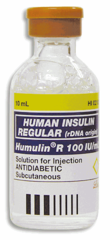
regular insulin

Humulin R, Novolin R

Antidiabetic Agent; Insulin

Indication(s): Hyperglycemia, diabetic ketoacidosis (DKA), hyperosmolar hyperglycemic state (HHS), hyperkalemia (administer with dextrose unless blood glucose is elevated)

Warning(s): High-alert medication; verify insulin type, concentration, dose, and route.

Monitor: Blood glucose and potassium

Side effect(s): Hypoglycemia, hypokalemia.
<p>Humulin R, Novolin R</p><p>Antidiabetic Agent; Insulin</p><p>Indication(s): Hyperglycemia, diabetic ketoacidosis (DKA), hyperosmolar hyperglycemic state (HHS), hyperkalemia (administer with dextrose unless blood glucose is elevated)</p><p>Warning(s): High-alert medication; verify insulin type, concentration, dose, and route.</p><p>Monitor: Blood glucose and potassium</p><p>Side effect(s): Hypoglycemia, hypokalemia.</p>
2
New cards

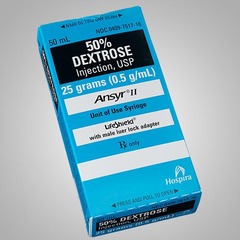
dextrose injection

D50W, D10W

Carbohydrate; Antihypoglycemic Agent

Indication(s): Severe hypoglycemia; administered with IV regular insulin for hyperkalemia.

Warning(s): Hypertonic dextrose (D50W) can cause tissue injury if extravasation occurs; verify concentration before administration.

Side effect(s): Hyperglycemia, phlebitis, extravasation injury.
<p>D50W, D10W</p><p>Carbohydrate; Antihypoglycemic Agent</p><p>Indication(s): Severe hypoglycemia; administered with IV regular insulin for hyperkalemia.</p><p>Warning(s): Hypertonic dextrose (D50W) can cause tissue injury if extravasation occurs; verify concentration before administration.</p><p>Side effect(s): Hyperglycemia, phlebitis, extravasation injury.</p>
3
New cards

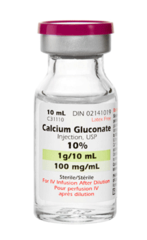
calcium gluconate

N/A

Electrolyte Replacement

Indication(s): Hypocalcemia; stabilization of the myocardium in hyperkalemia with ECG changes; calcium channel blocker overdose.

Warning(s): Not used to lower serum potassium; provides temporary cardiac membrane stabilization.

Side effect(s): Bradycardia, hypotension (rapid administration), extravasation.
<p>N/A</p><p>Electrolyte Replacement</p><p>Indication(s): Hypocalcemia; stabilization of the myocardium in hyperkalemia with ECG changes; calcium channel blocker overdose.</p><p>Warning(s): Not used to lower serum potassium; provides temporary cardiac membrane stabilization.</p><p>Side effect(s): Bradycardia, hypotension (rapid administration), extravasation.</p>
4
New cards

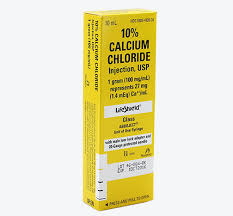
calcium chloride

N/A

Electrolyte Replacement

Indication(s): Severe hypocalcemia; cardiac membrane stabilization in hyperkalemia with ECG changes; calcium channel blocker overdose; cardiac arrest associated with specific indications for calcium administration.

Warning(s): Vesicant; administer via central line whenever possible due to risk of severe tissue necrosis if extravasation occurs.

Side effect(s): Bradycardia, hypotension (rapid administration), tissue necrosis with extravasation.
<p>N/A</p><p>Electrolyte Replacement</p><p>Indication(s): Severe hypocalcemia; cardiac membrane stabilization in hyperkalemia with ECG changes; calcium channel blocker overdose; cardiac arrest associated with specific indications for calcium administration.</p><p>Warning(s): Vesicant; administer via central line whenever possible due to risk of severe tissue necrosis if extravasation occurs.</p><p>Side effect(s): Bradycardia, hypotension (rapid administration), tissue necrosis with extravasation.</p>
5
New cards

magnesium sulfate

N/A

Electrolyte Replacement; Anticonvulsant

Indication(s): Hypomagnesemia; torsades de pointes; seizure prevention in preeclampsia/eclampsia; severe asthma exacerbation.

Warning(s): Monitor deep tendon reflexes, respiratory status, and blood pressure with high doses.

Side effect(s): Flushing, hypotension, respiratory depression, diminished reflexes.
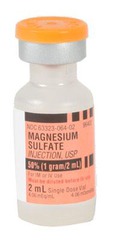
<p>N/A</p><p>Electrolyte Replacement; Anticonvulsant</p><p>Indication(s): Hypomagnesemia; torsades de pointes; seizure prevention in preeclampsia/eclampsia; severe asthma exacerbation.</p><p>Warning(s): Monitor deep tendon reflexes, respiratory status, and blood pressure with high doses.</p><p>Side effect(s): Flushing, hypotension, respiratory depression, diminished reflexes.</p>
6
New cards

sodium bicarbonate

N/A

Alkalinizing Agent; Electrolyte Replacement

Indication(s): Severe metabolic acidosis, hyperkalemia, sodium channel blocker toxicity (e.g., tricyclic antidepressant overdose), urinary alkalinization for selected toxicities.

Warning(s): Not recommended for routine use during cardiac arrest except in specific clinical situations.

Side effect(s): Metabolic alkalosis, hypernatremia, hypokalemia, fluid overload.
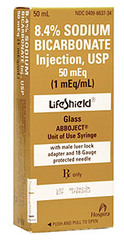
<p>N/A</p><p>Alkalinizing Agent; Electrolyte Replacement</p><p>Indication(s): Severe metabolic acidosis, hyperkalemia, sodium channel blocker toxicity (e.g., tricyclic antidepressant overdose), urinary alkalinization for selected toxicities.</p><p>Warning(s): Not recommended for routine use during cardiac arrest except in specific clinical situations.</p><p>Side effect(s): Metabolic alkalosis, hypernatremia, hypokalemia, fluid overload.</p>
7
New cards

potassium chloride

N/A

Electrolyte Replacement

Indication(s): Treatment and prevention of hypokalemia.

Warning(s): High-alert medication; NEVER administer IV push or IV bolus. Dilute before administration and infuse at institution-specific maximum rates.

Side effect(s): Hyperkalemia, phlebitis, cardiac arrhythmias.
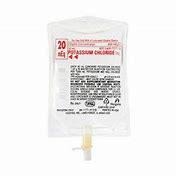
<p>N/A</p><p>Electrolyte Replacement</p><p>Indication(s): Treatment and prevention of hypokalemia.</p><p>Warning(s): High-alert medication; NEVER administer IV push or IV bolus. Dilute before administration and infuse at institution-specific maximum rates.</p><p>Side effect(s): Hyperkalemia, phlebitis, cardiac arrhythmias.</p>
8
New cards

potassium phosphate

N/A

Electrolyte Replacement

Indication(s): Treatment of hypophosphatemia when IV replacement is indicated.

Warning(s): Contains both phosphorus and potassium; use caution in renal impairment and hyperkalemia. Rapid or excessive administration may cause serious electrolyte disturbances and cardiac arrhythmias.

Monitor: Phosphorus, potassium, calcium, and renal function

Side effect(s): Hyperphosphatemia, hyperkalemia, hypocalcemia, hypotension

Note(s): Consider serum potassium when choosing between potassium phosphate and sodium phosphate.
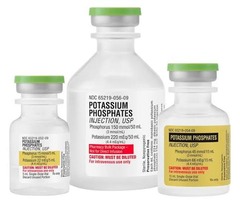
<p>N/A</p><p>Electrolyte Replacement</p><p>Indication(s): Treatment of hypophosphatemia when IV replacement is indicated.</p><p>Warning(s): Contains both phosphorus and potassium; use caution in renal impairment and hyperkalemia. Rapid or excessive administration may cause serious electrolyte disturbances and cardiac arrhythmias.</p><p>Monitor: Phosphorus, potassium, calcium, and renal function</p><p>Side effect(s): Hyperphosphatemia, hyperkalemia, hypocalcemia, hypotension</p><p>Note(s): Consider serum potassium when choosing between potassium phosphate and sodium phosphate.</p>
9
New cards

sodium phosphate

N/A

Electrolyte Replacement

Indication(s): Treatment of hypophosphatemia when IV replacement is indicated.

Warning(s): Contains both phosphorus and sodium; use caution in renal impairment and hypernatremia. Rapid or excessive administration may cause serious electrolyte disturbances.

Monitor: Phosphorus, sodium, calcium, and renal function

Side effect(s): Hyperphosphatemia, hypernatremia, hypocalcemia, hypotension

Note(s): May be preferred over potassium phosphate when additional potassium is undesirable.
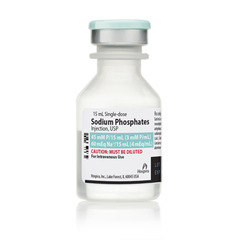
<p>N/A</p><p>Electrolyte Replacement</p><p>Indication(s): Treatment of hypophosphatemia when IV replacement is indicated.</p><p>Warning(s): Contains both phosphorus and sodium; use caution in renal impairment and hypernatremia. Rapid or excessive administration may cause serious electrolyte disturbances.</p><p>Monitor: Phosphorus, sodium, calcium, and renal function</p><p>Side effect(s): Hyperphosphatemia, hypernatremia, hypocalcemia, hypotension</p><p>Note(s): May be preferred over potassium phosphate when additional potassium is undesirable.</p>
10
New cards

glucagon

GlucaGen

Antihypoglycemic Agent; Antidote

Indication(s): Severe hypoglycemia when oral glucose or IV dextrose is not available; antidote for beta-blocker toxicity.

Side effect(s): Nausea, vomiting, hyperglycemia

Note(s): Stimulates hepatic glycogenolysis to increase blood glucose; may be less effective when hepatic glycogen stores are depleted.
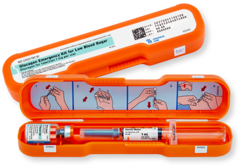
<p>GlucaGen</p><p>Antihypoglycemic Agent; Antidote</p><p>Indication(s): Severe hypoglycemia when oral glucose or IV dextrose is not available; antidote for beta-blocker toxicity.</p><p>Side effect(s): Nausea, vomiting, hyperglycemia</p><p>Note(s): Stimulates hepatic glycogenolysis to increase blood glucose; may be less effective when hepatic glycogen stores are depleted.</p>
11
New cards

lipid emulsion 20%

Intralipid

Parenteral Nutrition; Antidote

Indication(s): Parenteral nutrition; antidote for local anesthetic systemic toxicity (LAST).

Warning(s): Use 20% lipid emulsion for treatment of LAST.

Side effect(s): Hypertriglyceridemia, fat overload syndrome, hypersensitivity reactions

Note(s): Should be readily available in areas where potentially toxic doses of local anesthetics are administered.
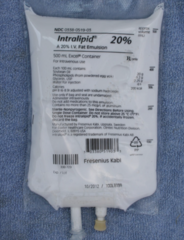
<p>Intralipid</p><p>Parenteral Nutrition; Antidote</p><p>Indication(s): Parenteral nutrition; antidote for local anesthetic systemic toxicity (LAST).</p><p>Warning(s): Use 20% lipid emulsion for treatment of LAST.</p><p>Side effect(s): Hypertriglyceridemia, fat overload syndrome, hypersensitivity reactions</p><p>Note(s): Should be readily available in areas where potentially toxic doses of local anesthetics are administered.</p>



