adaptive immunity
 Call Kai
 Learn
Learn Practice Test
 Spaced Repetition
 Match
Match Flashcards
 Knowt Play
1/74

There's no tags or description
Looks like no tags are added yet.
Name | Mastery | Learn | Test | Matching | Spaced | Call with Kai | Chat |
|---|
No analytics yet
Send a link to your students to track their progress
75 Terms
What is adaptive immunity’s layer of defence
3rd layer
Destroy invaders with specificity
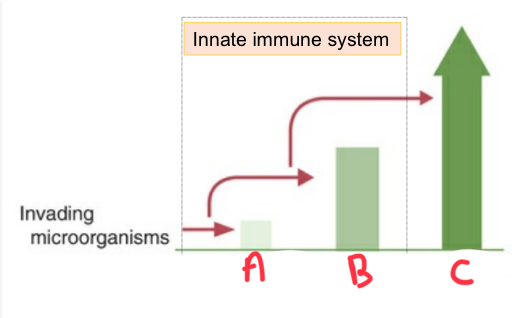
What is A?
Physical barriers
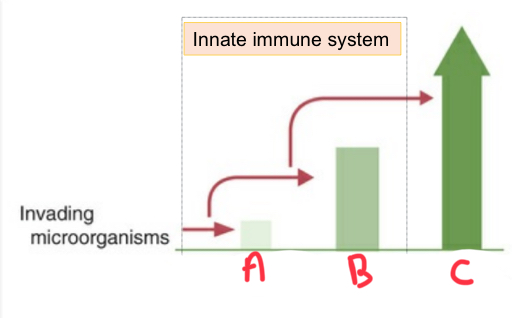
What is B?
Innate immunity
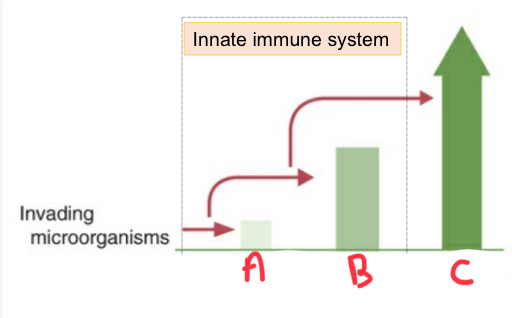
What is C?
Adaptive immunity
What are the differences between innate and adaptive immunity?
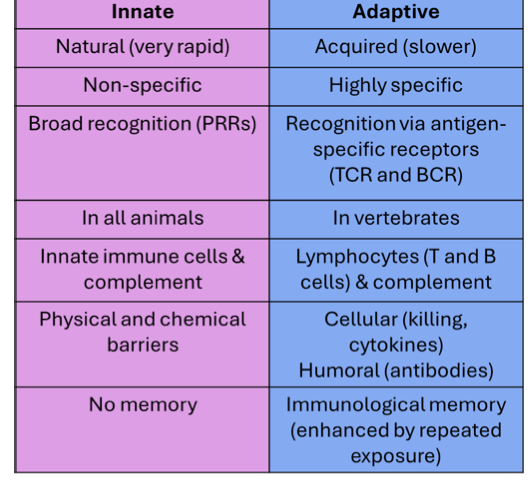
What are characteristics of adaptive immunity?
specificity and diversity
Adaptation
Memory
Discrimination between self and non self
How is adaptive immunity’s specific and diverse?
Antigen-specific lymphocytes (T cells and B cells) carrying antigen-specific
how is adaptive immunity adaptive ?
The immune system functions only on contact with the antigen and its quality and quantity can be modified
What can be said about memory in adaptive immunity?
Previous contact with an antigen changes the subsequent response both qualitatively and quantitatively
How does adaptive immunity discriminate between self and non self ?
Through self tolerance
What are the primary lymphoid organs ?
Thymus and bone marrow
What is the origin of lymphocyte?
Bone marrow
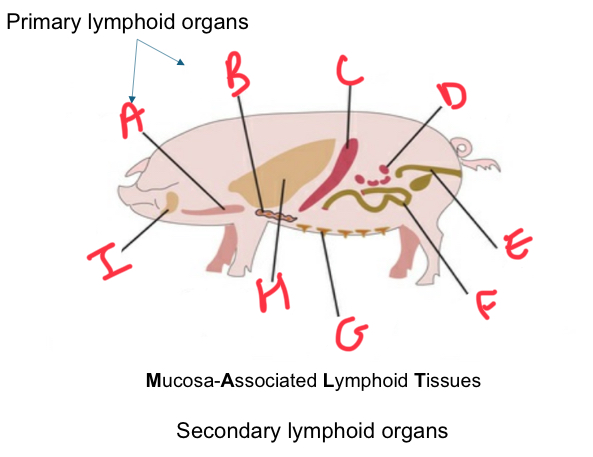
What’s A?
Thymus
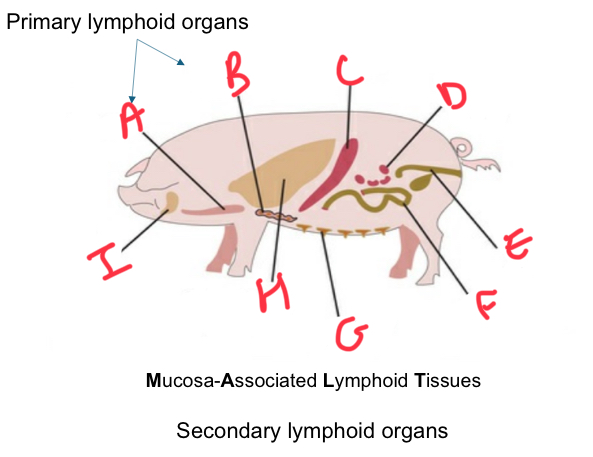
What’s B?
Bone marrow
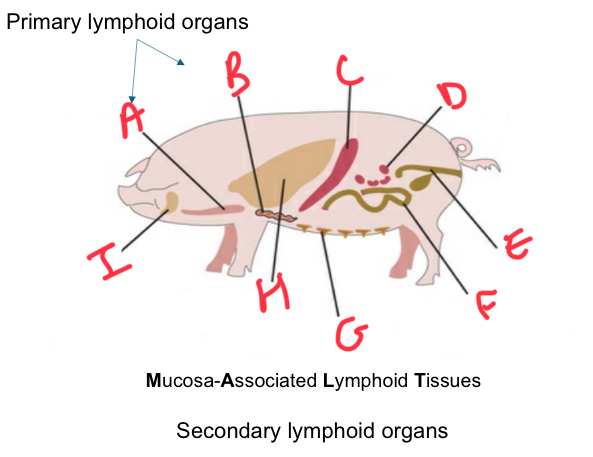
What’s C?
Spleen
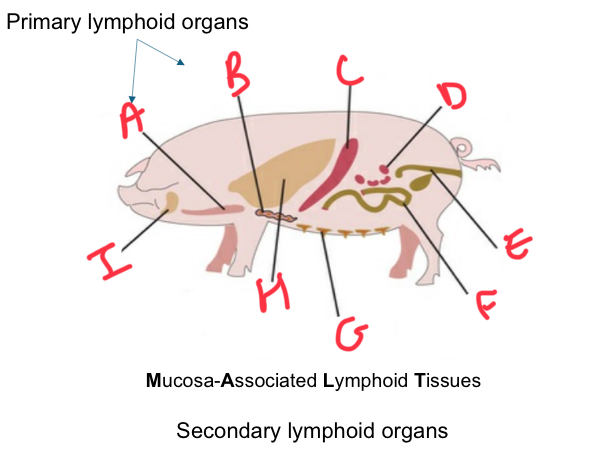
What’s D?
Lymph nodes
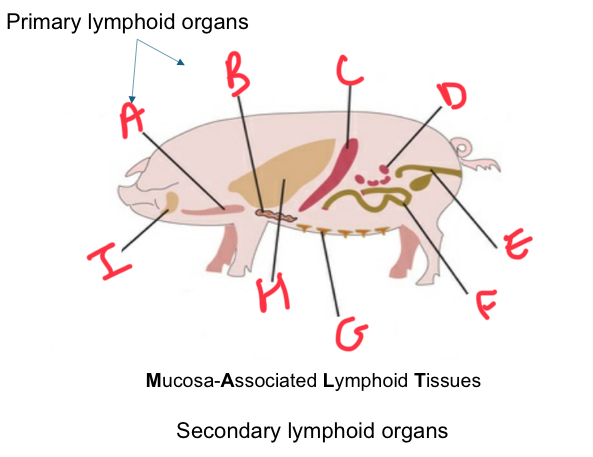
What’s E?
Urogenital system
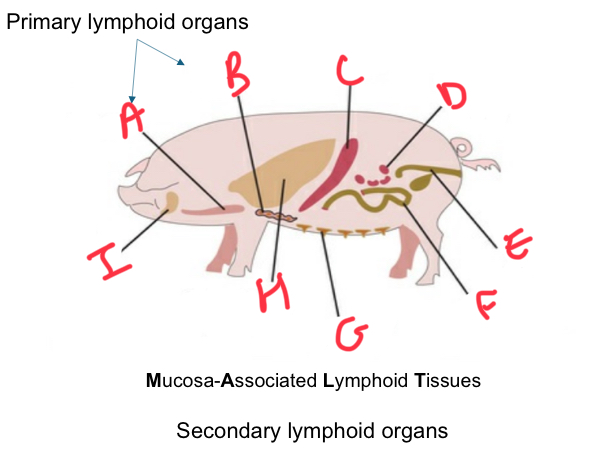
What is F?
Intestine
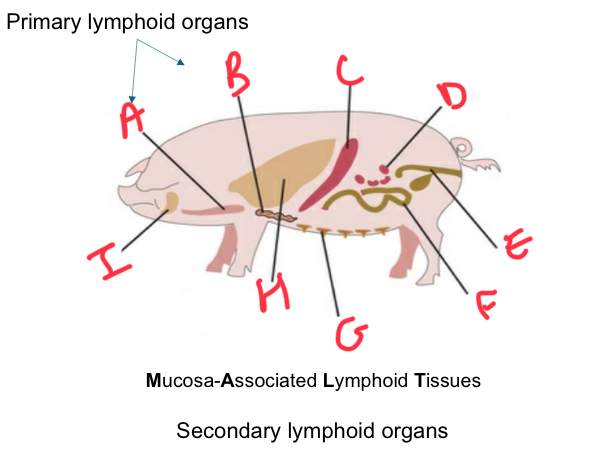
What is G?
Mammary glands
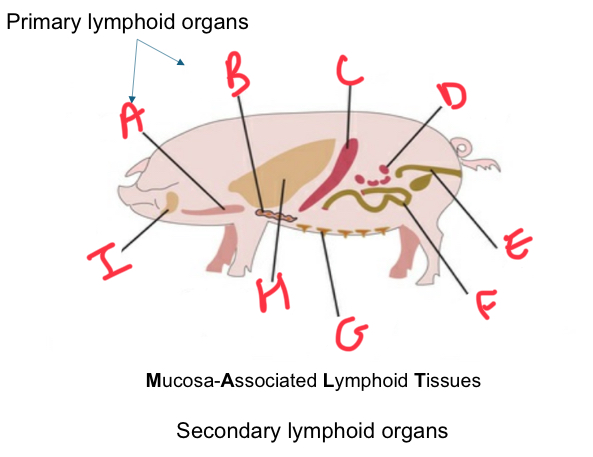
What’s H?
Respiratory tract
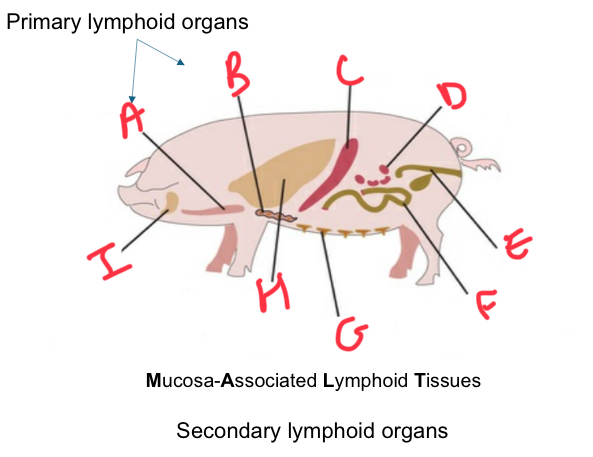
What’s I?
Salivary glands
Where are B cells from?
Bone marrow
Where are T cells from?
Thymus
What happens at the secondary lymphoid organs?
Where mature lymphocytes encounter their antigen (function)
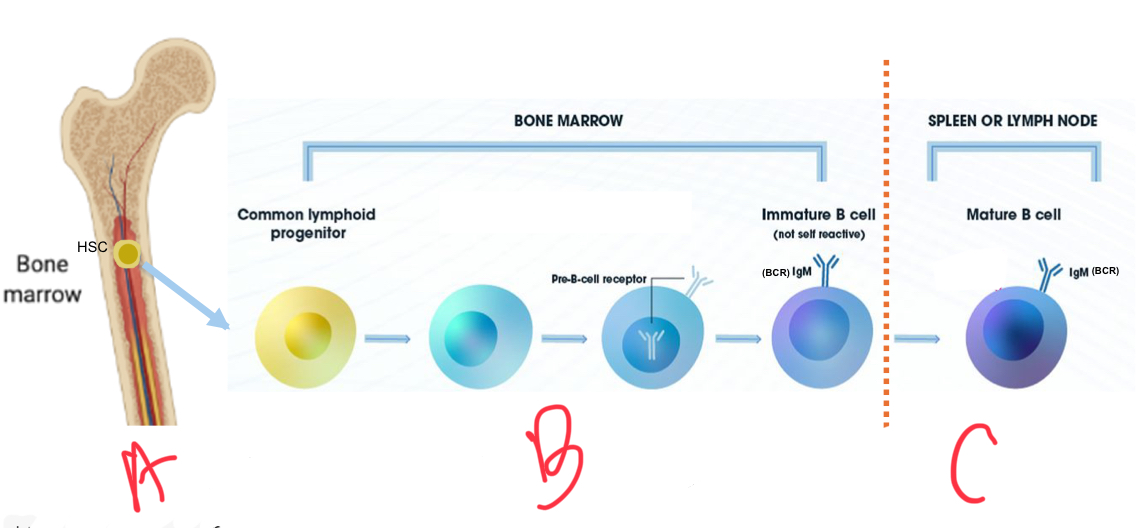
What’s happening at A?
Start in bone marrow , immature B cell, no BCR yet
What’s happening at B?
Immature B cell , displays a BCR
Selection process , learns to ignore self-antigens
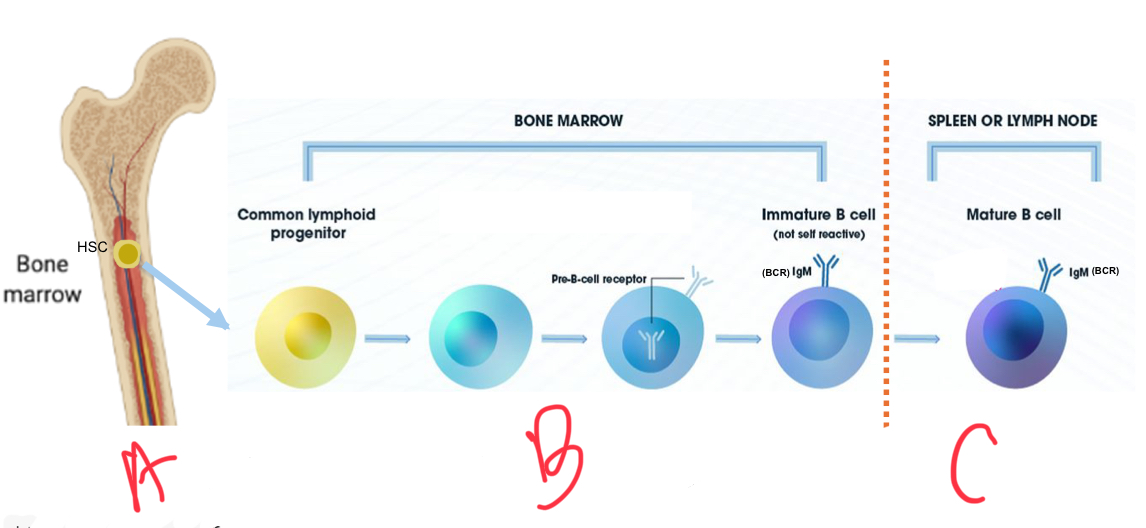
What’s happening at C?
Mature B cell leaves bone marrow to sec lymphoid organs
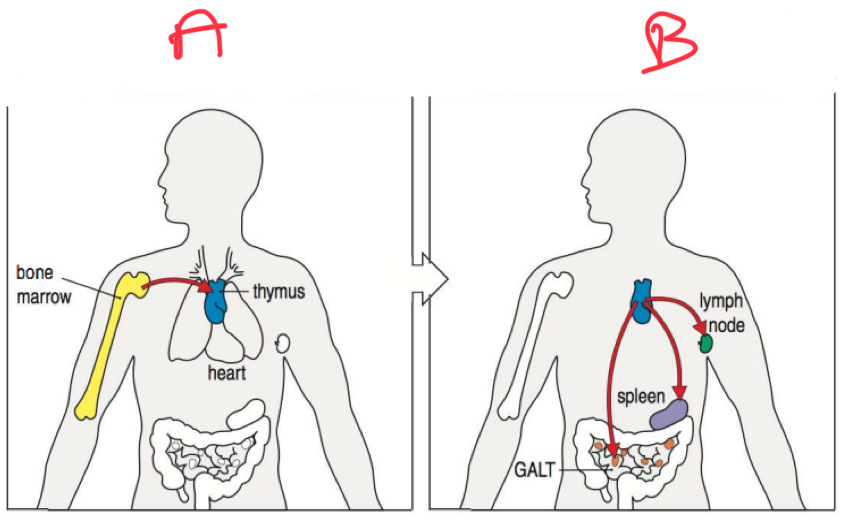
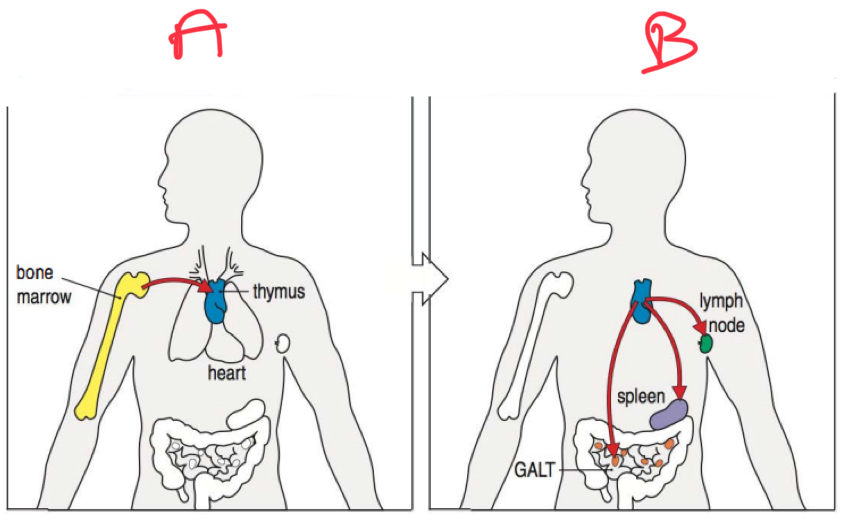
What’s happening at A?
T cell precursors travel from the bone marrow to develop in the thymus
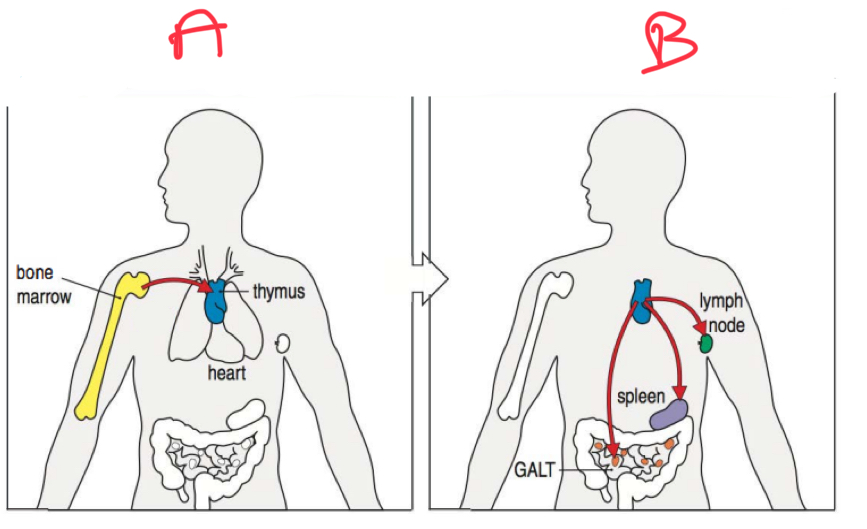
What’s happening at B?
Mature T cells leave the thymus and take to secondary lymphoid tissues
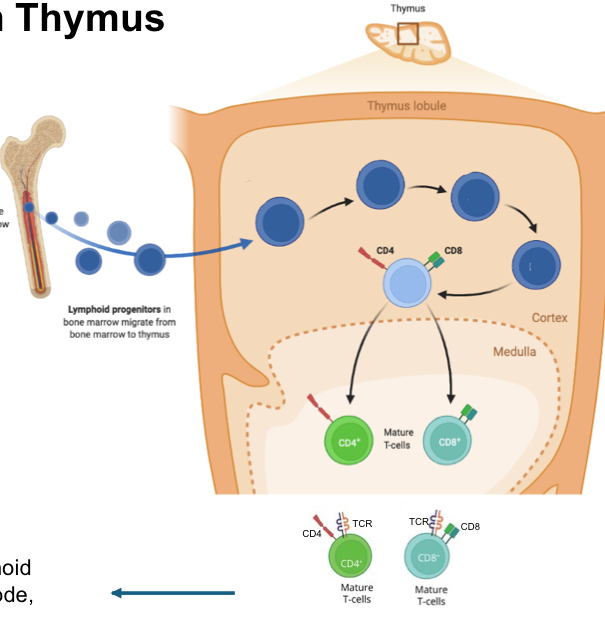
Describe T cell development in thymus
Arrival in thymus - immature , no TCR
Cortex stage - acquires TCR and expresses both CD4 and CD8 (double-positive)
Selection process - learns self vs non self
Medulla stage - becomes single positive (CD4 or CD8)
Exit to secondary lymphoid organs - ready to function
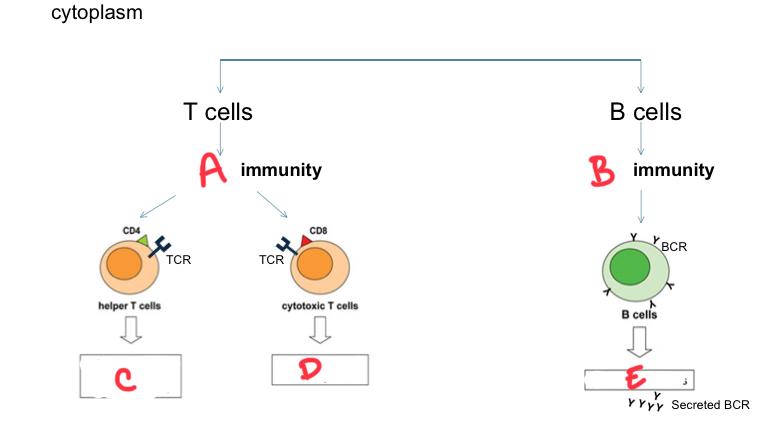
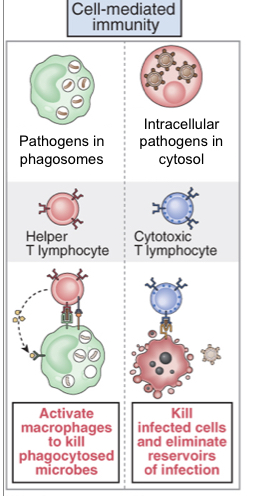
What type of immunity is A?
Cell-mediated
What type of immunity is B?
Humoral
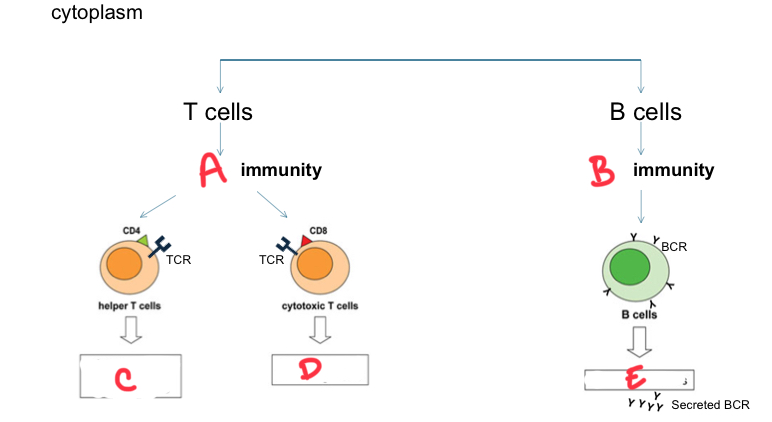
What is happening at C?
Help cytotoxic T cells and B cells in their immune functions
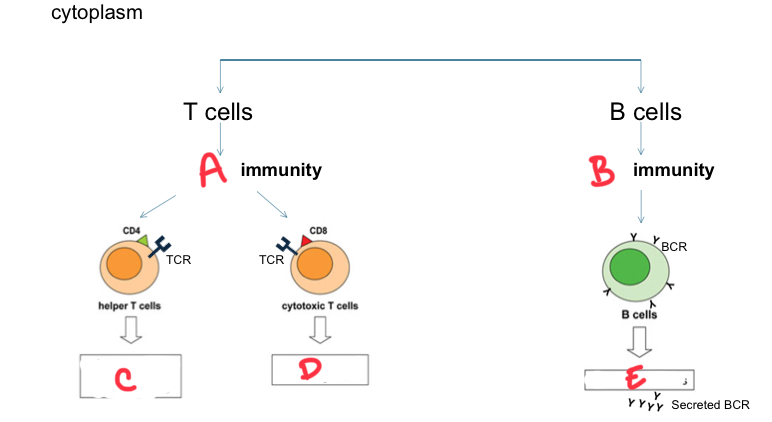
What’s happening at D?
Kill virus infected and damaged cells
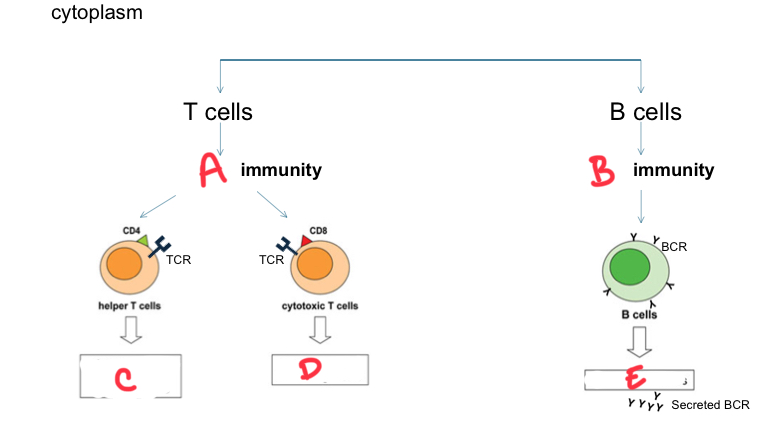
What’s happening at E?
Produce antibodies
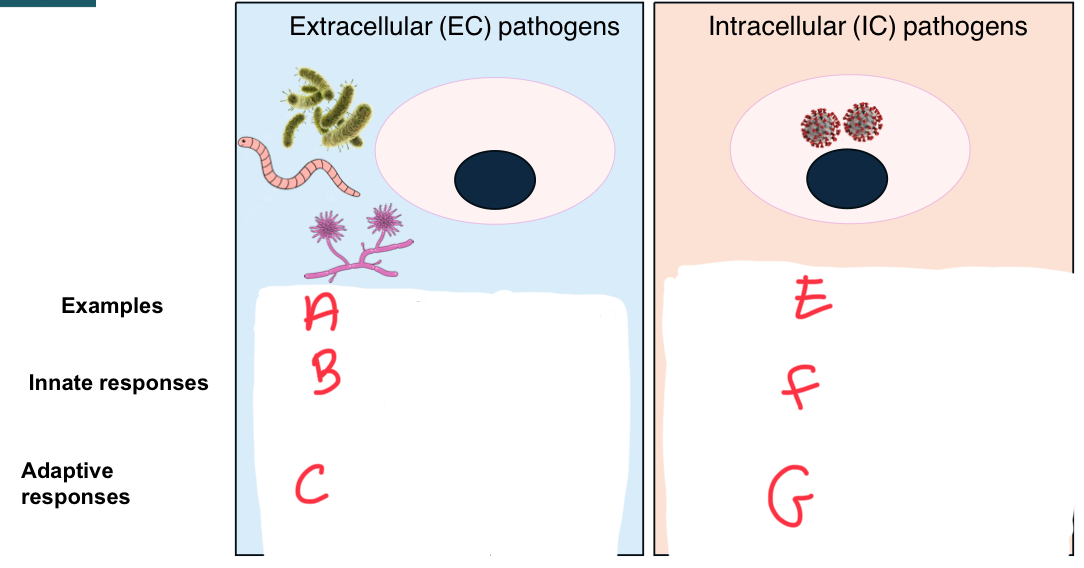
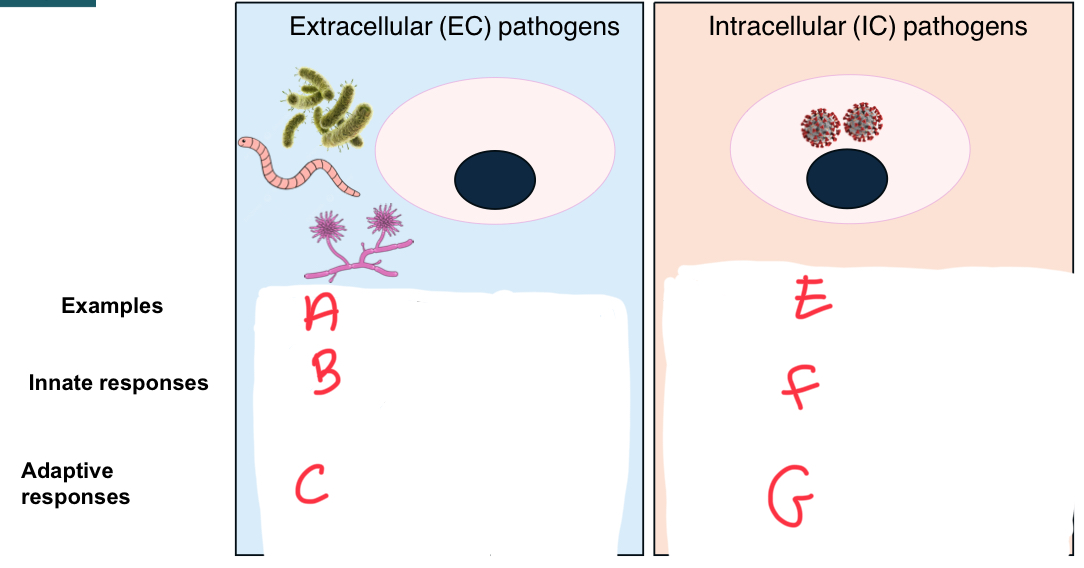
Fill in the gap at A
Worms, some EC bacteria, fungi
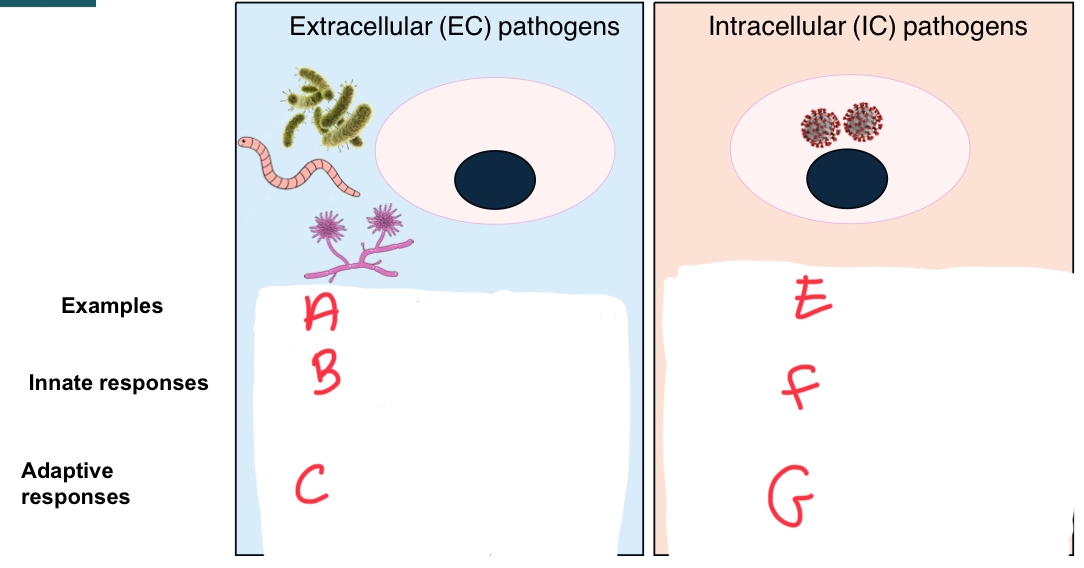
Fill in the gap at B
Phagocytosis , degranulation (Extracellular killing) , complement system
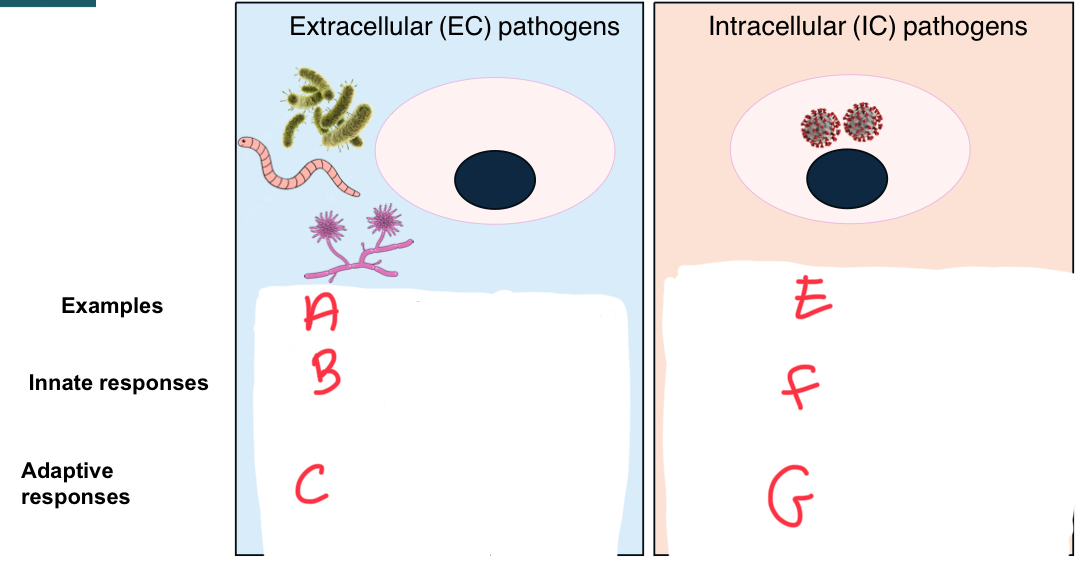
Fill in the gap at C
B cells produce antibody with help of T helper
Fill in the gap at D
Viruses, some IC bacteria, some parasites
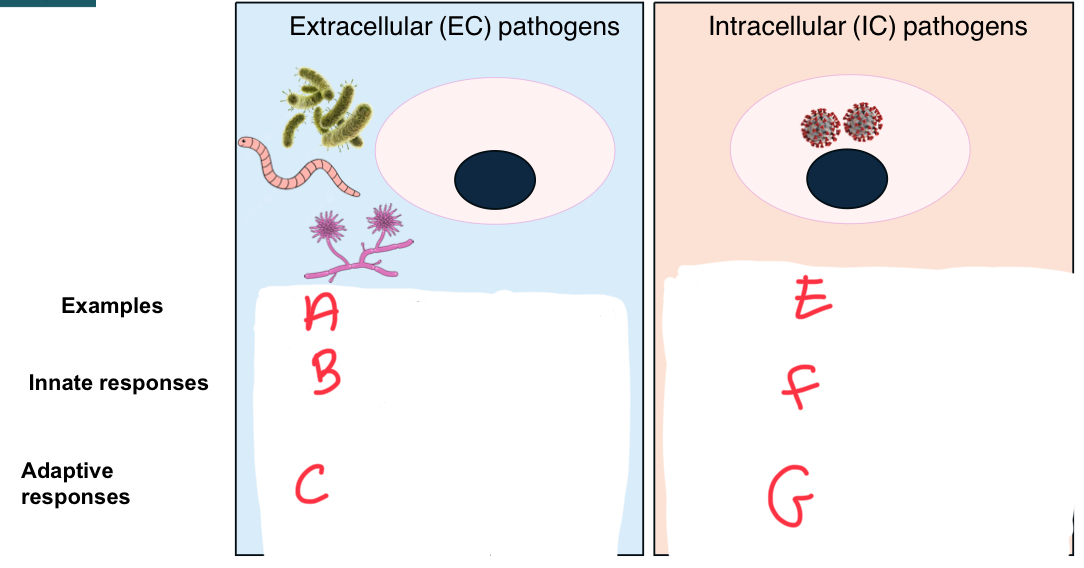
Fill in the gap at E
NK cell killing
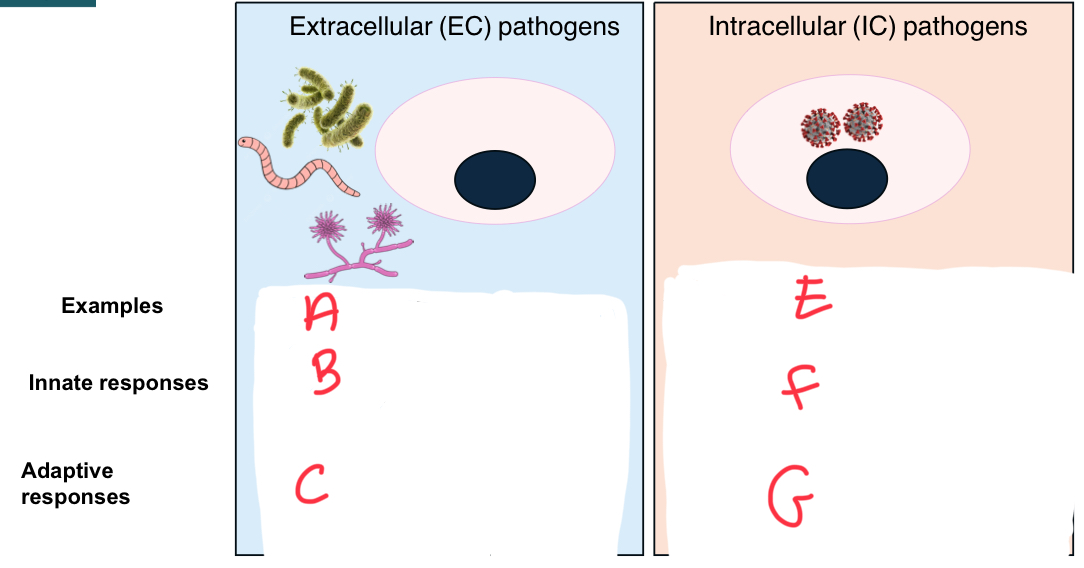
Fill in the gap at F
Cell killing by cytotoxic T cell
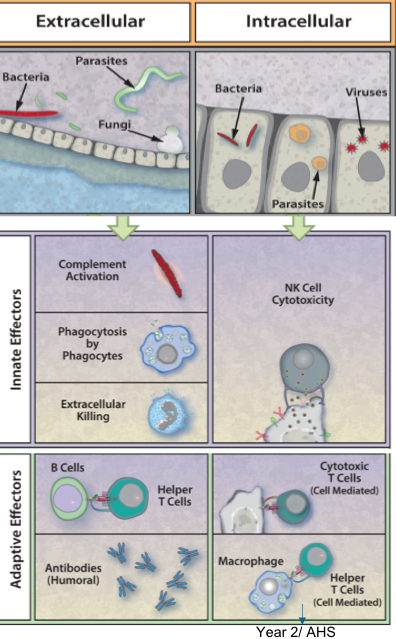
Why are different immune responses needed?
Extracellular and intracellular pathogens activate different components of the immune system
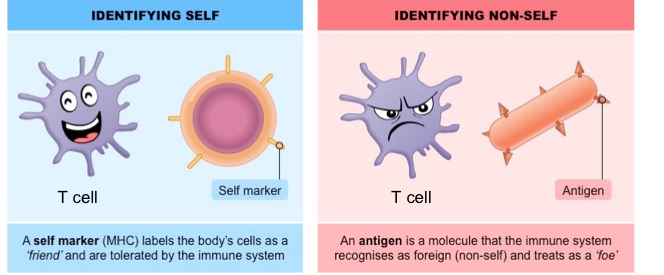
Why is distinguishing between self and non self essential?
Allows for selective destruction of invading pathogens without destruction of host tissues
Involves major histocompatibility complex (MHC) molecules
What does MHC stand for?
Major histocompatibility complex
Where are Class 1 MHC’s found?
On almost all types of nucleated cells
Where are class 2 MHC’s found?
Only on antigen presenting cells
What are Class 2 MHC’s required for?
T cell communication to macrophages , dendritic cells, B cell
What do MHC molecules do with antigens?
Bind and present antigens to T cells to direct immune response
Class 1 and class 1 MHC molecules bind to what?
Antigens
Inside antigens(/endogenous / intracellular pathogens), what do MHC class 1 molecules do?
Binds to antigens that originate in the cytoplasm and present antigen to CD8+ cytotoxic T cells
Outside antigens (/exogenous / Extracellular pathogens) what does MHC class 2 molecules do?
Binds to antigen fragments that come from outside the cell and present to CD4+ T helper cells
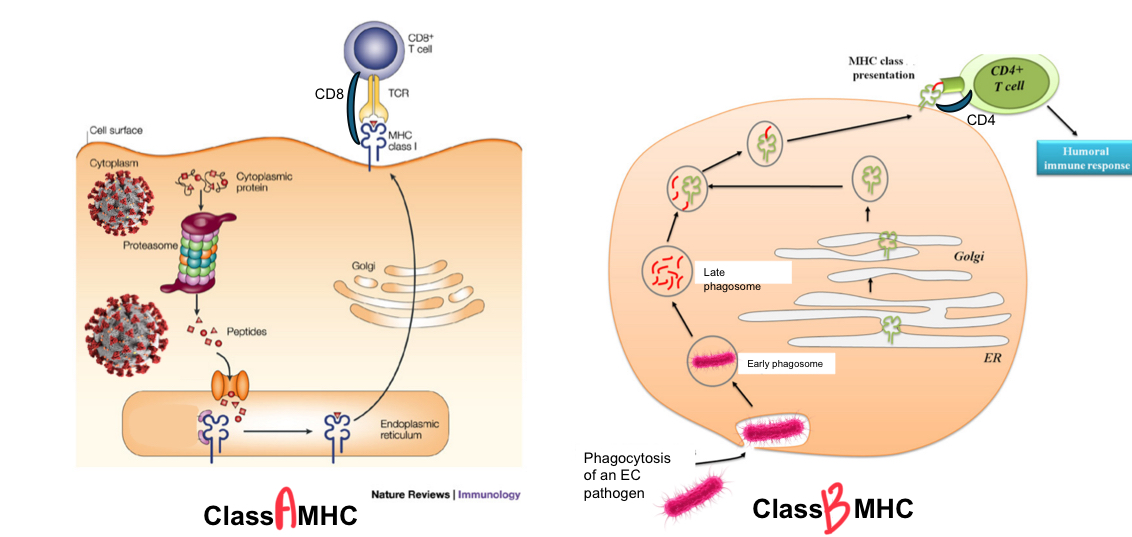
Which class is A?
1
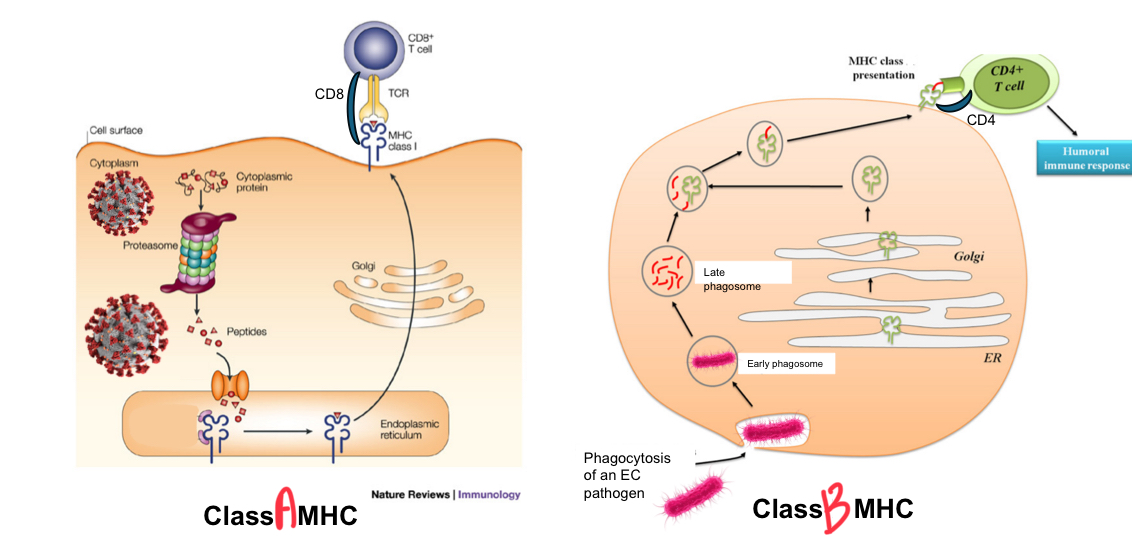
What class is B?
2
What are CD4+?
T cells that recognise antigen on MHC 2
What do CD4+ T helper cells do?
Help/regulate immune response through effects on B and other T cells and phagocytes
How do CD4 differentiate into t helper subsets?
By cytokines, t helper subsets produce specific cytokines that confer function
CD4+ T cells interact with antigen and ?
MHC class 2
CD8+ T cells interact with antigen and ?
MHC class 1
What are CD8+ T cells also known as ?
Cytotoxic T cells, or cytotoxic t lymphocyte
What is the function of CD8+ cytotoxic T cells?
Function to ‘kill’ virus infected cells
How does CD8+ cytotoxic T cells ‘kill’ virus infected cells
Kill by direct intact, interacting with antigen MHC class 1 via TCR
What are some features of CD8+ T cells?
Have cytoplasmic granules
Granulates contain ‘perforin’ and ‘granzymes’
TCR/MHC class 1 interaction triggers degranulation
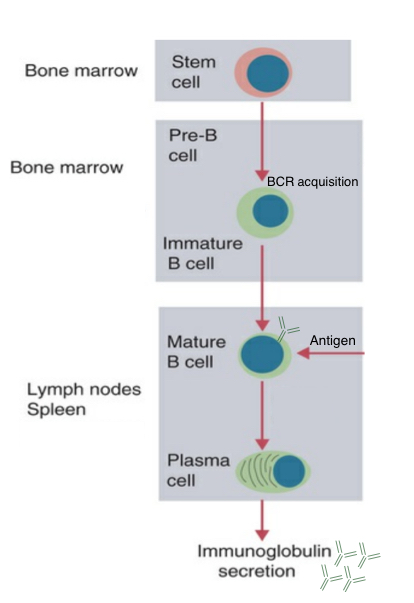
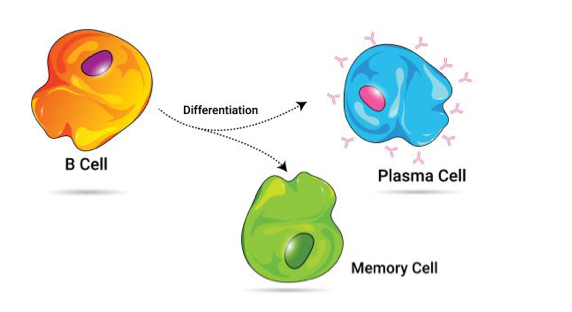
In secondary lymphoid organs as well as after B cell activation what happens?
Plasma cells differentiate from antigen-stimulated B cells , produce immunoglobulin (antibody) with identical specificity to the BCRs on its parent B cell
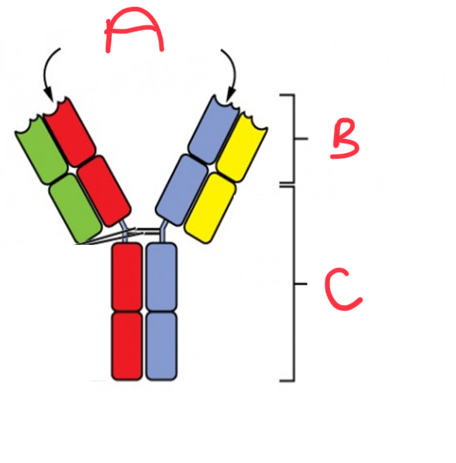
What is A?
Antigen binding site
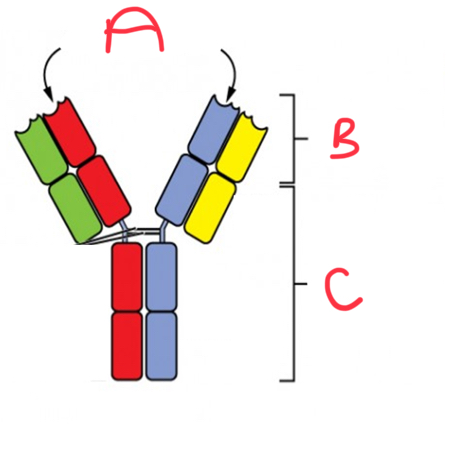
What is B?
Variable region
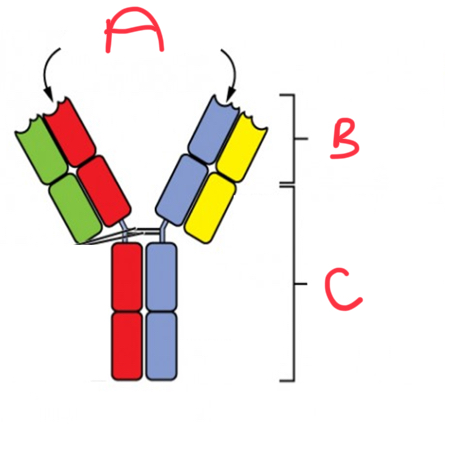
What is C?
Constant region
What does each antibody consist of?
2 identical variable regions that bind specific antigens
One constant region
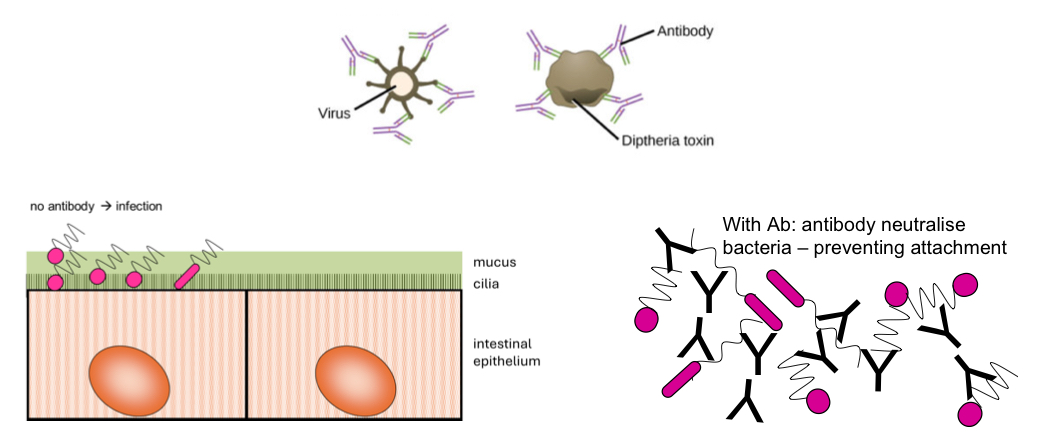
How do antibodies do neutralisation?
Prevent a pathogen or toxin from binding their target
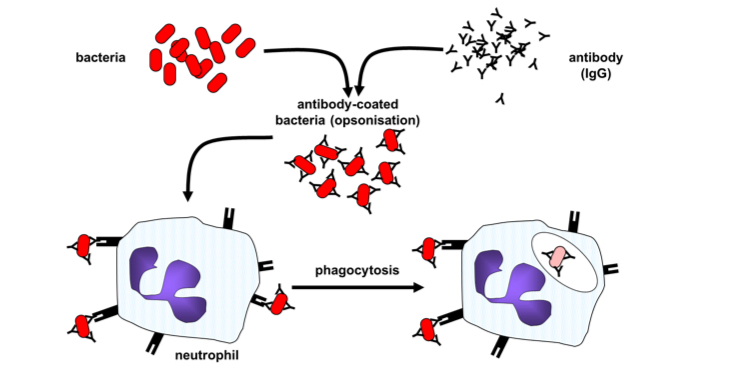
Opsonisation is an antibody function, what is it ?
Process by which pathogens are marked via antibodies for elimination by phagocytic cells such as macrophages and neutrophils (and facilitate phagocytosis)
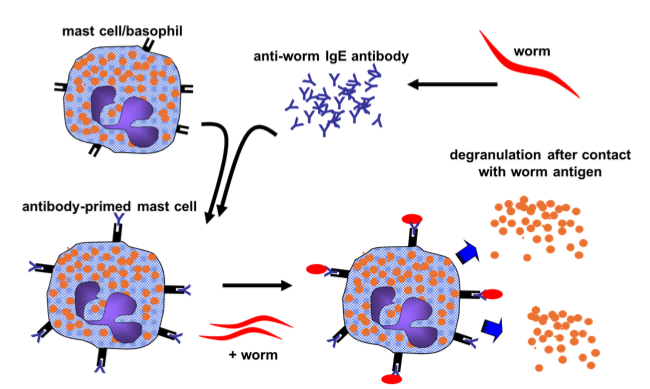
Mast cell/ basophil/eosinophil degranulation is an antibody function, how does this occur ?
By releasing inflammatory or cytotoxic granules, killing microbes (antibody-dependent cytotoxicity)
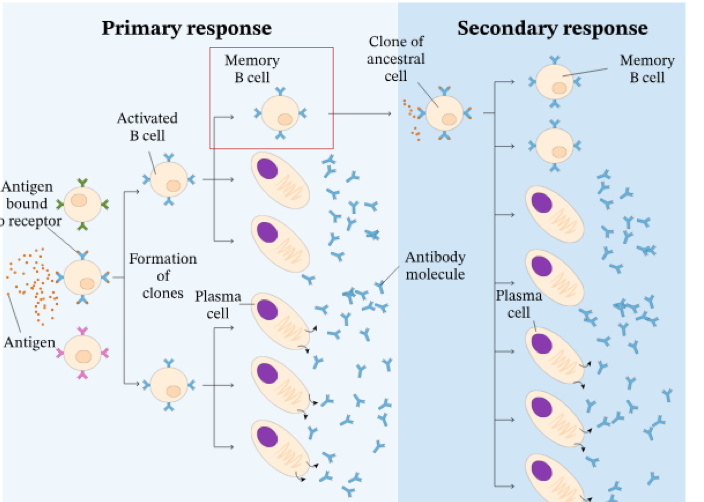
What is a memory cell?
Maintain ability to respond rapidly upon re exposure
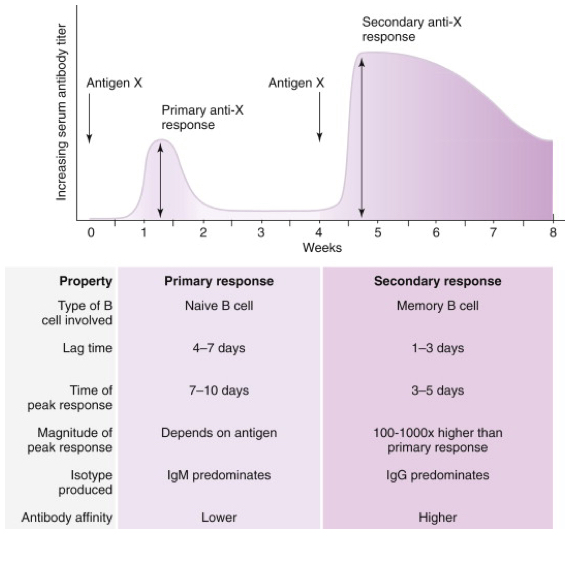
Why is secondary immune response quicker and much greater than a primary response?
Memory cells
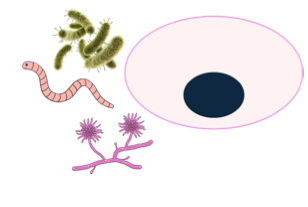
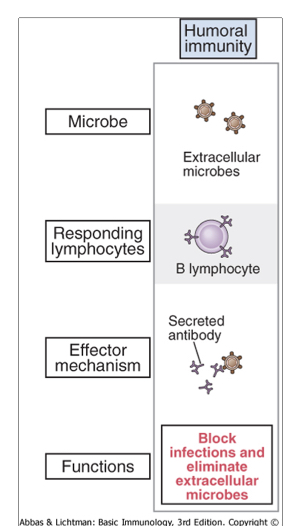
Humoral immunity is mainly protection against what?
Against Extracellular pathogens (or as long as they appear in Extracellular spaces)
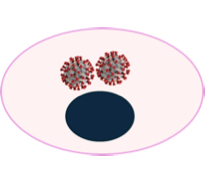
Cell mediated immunity is mainly protection protection against what?
Intracellular pathogens (or as long as they appear in intracellular spaces)