EXAM 1
 Call Kai
 Learn
Learn Practice Test
 Spaced Repetition
 Match
Match Flashcards
 Knowt Play
1/65

There's no tags or description
Looks like no tags are added yet.
Name | Mastery | Learn | Test | Matching | Spaced | Call with Kai | Chat |
|---|
No analytics yet
Send a link to your students to track their progress
66 Terms
introduction to the vertebrate immune system

vaccination emerged bc of smallpox

father of immunology
edward jenner
vaccinia virus - cow + horse

early history of immunology

innate vs adaptive immunity
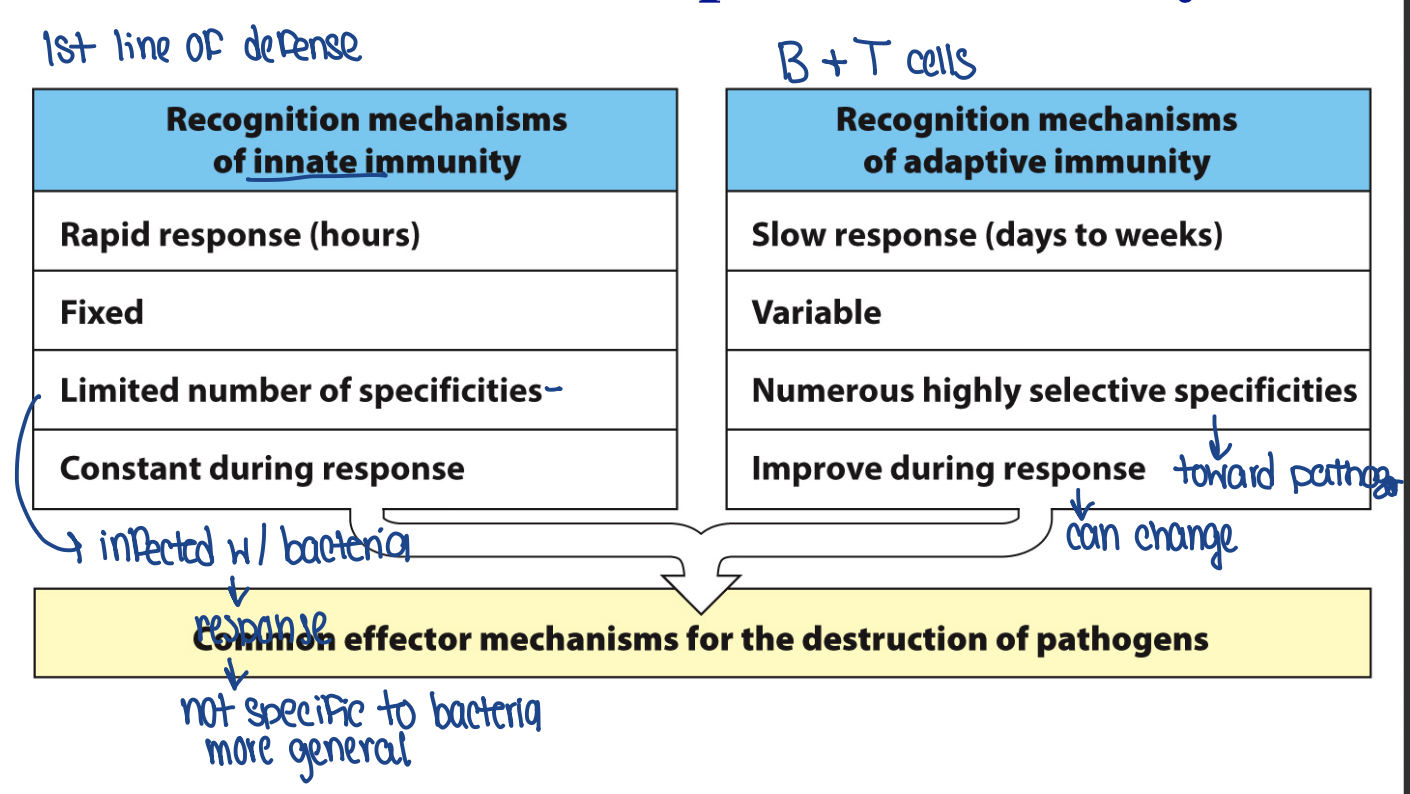
overview of immune system development
3 lobed nucleus - PMN nuetrophil polyomorphnucleus cell

human blood

blood seperation

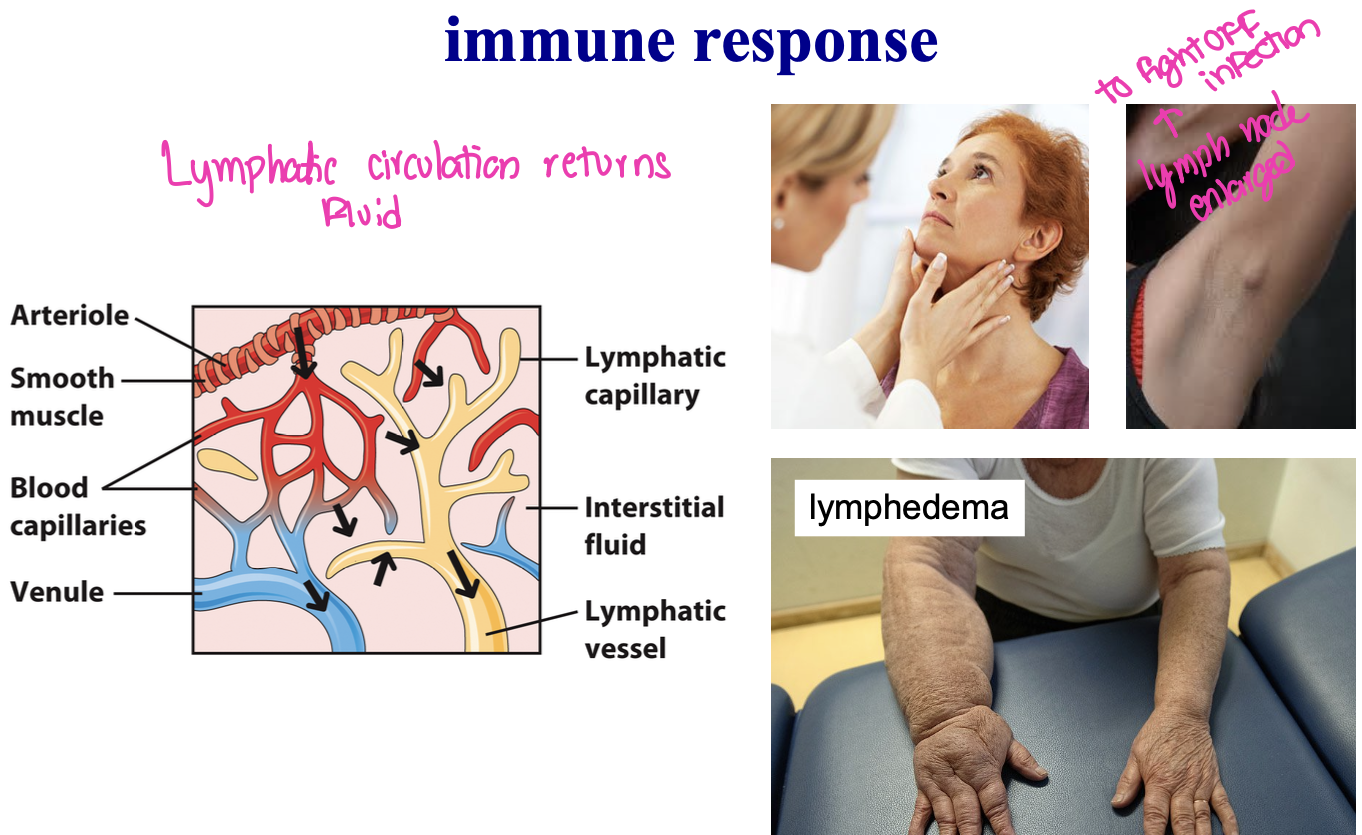
lymphatic vessels: the circualtory system of the immune system
Primary lymphoid Tissues
↳• Tissues where stem cells differentiate into immune cells
• Bone marrow
• Thymus
Secondary lymphoid tissues
• Tissues where adaptive immune responses are initiated
• Also called lymph nodes (the spleen too)
• Pathogens (or their by-products) are brought into these tissues via other cells or circulating lymph fluid
lymph nodes can become swollen during an immune system
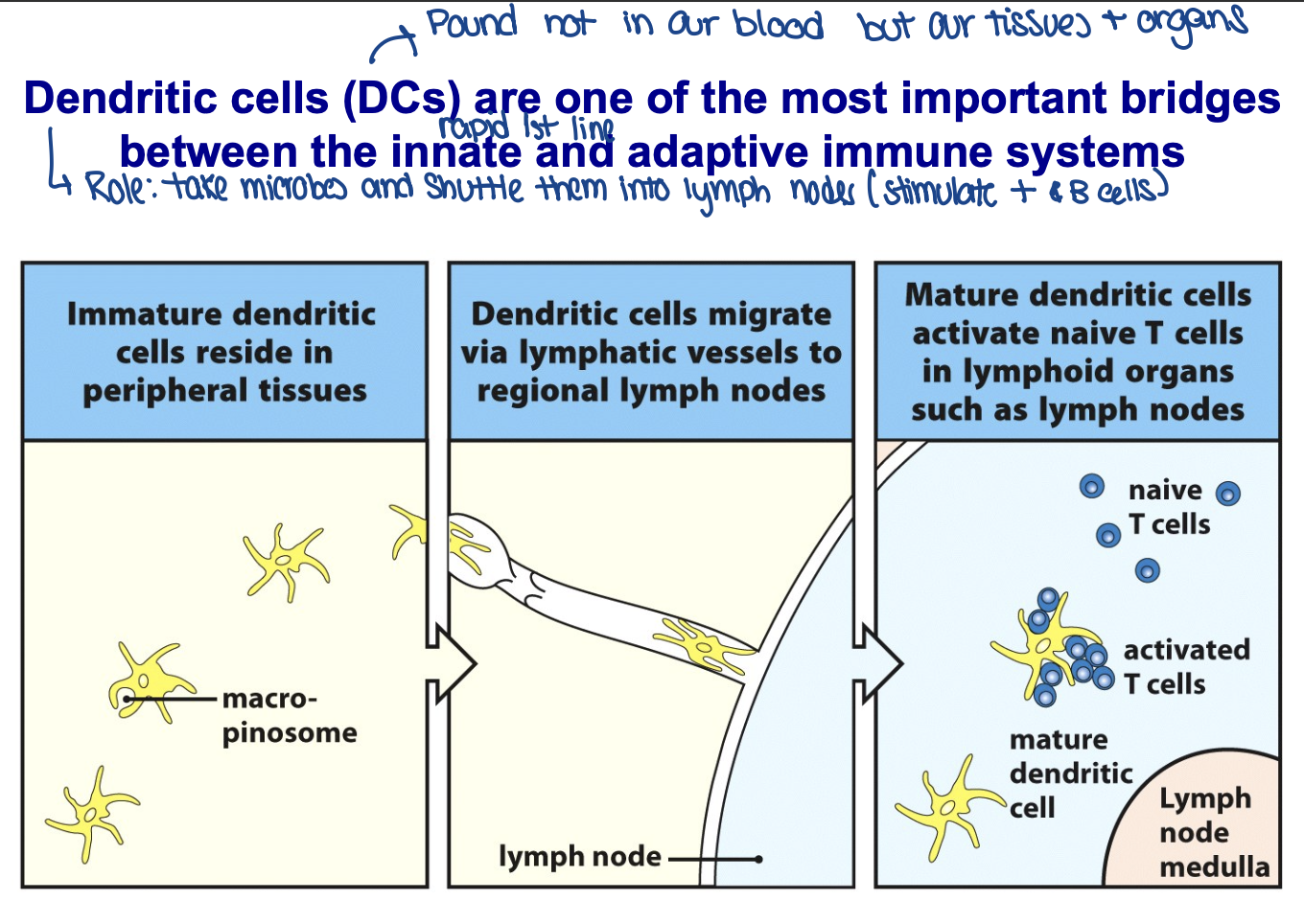
Dendritic cells are one of the most important bridges between the innate and adaptive immune systems
introduction to inflammation
to signal where immune response is, the immune system relies on numerus soluble effector proteins
cytokine: general name for proteins secreted by immune cells that affect the
behavior of nearby cells bearing the appropriate receptors; the term is used only
when speaking about the immune system; analogous to a hormone
chemokine: secreted proteins that act as chemoattractants; attract cells bearing the
appropriate receptors out of the blood/lymph and into the surrounding tissue where
that the concentration is highest (termed “chemotaxis”)

three functions of inflammation
Recruit additional effector cells to the site (vessel dilation and
permeability)
Limit the spread of the pathogen (e.g., localized blood clotting)
Begin the process of tissue healing

another view of the inflammatory cascade

extravasation animation

bands vs mature nuetrophiles

Innate immunity part 1

image innate immunity
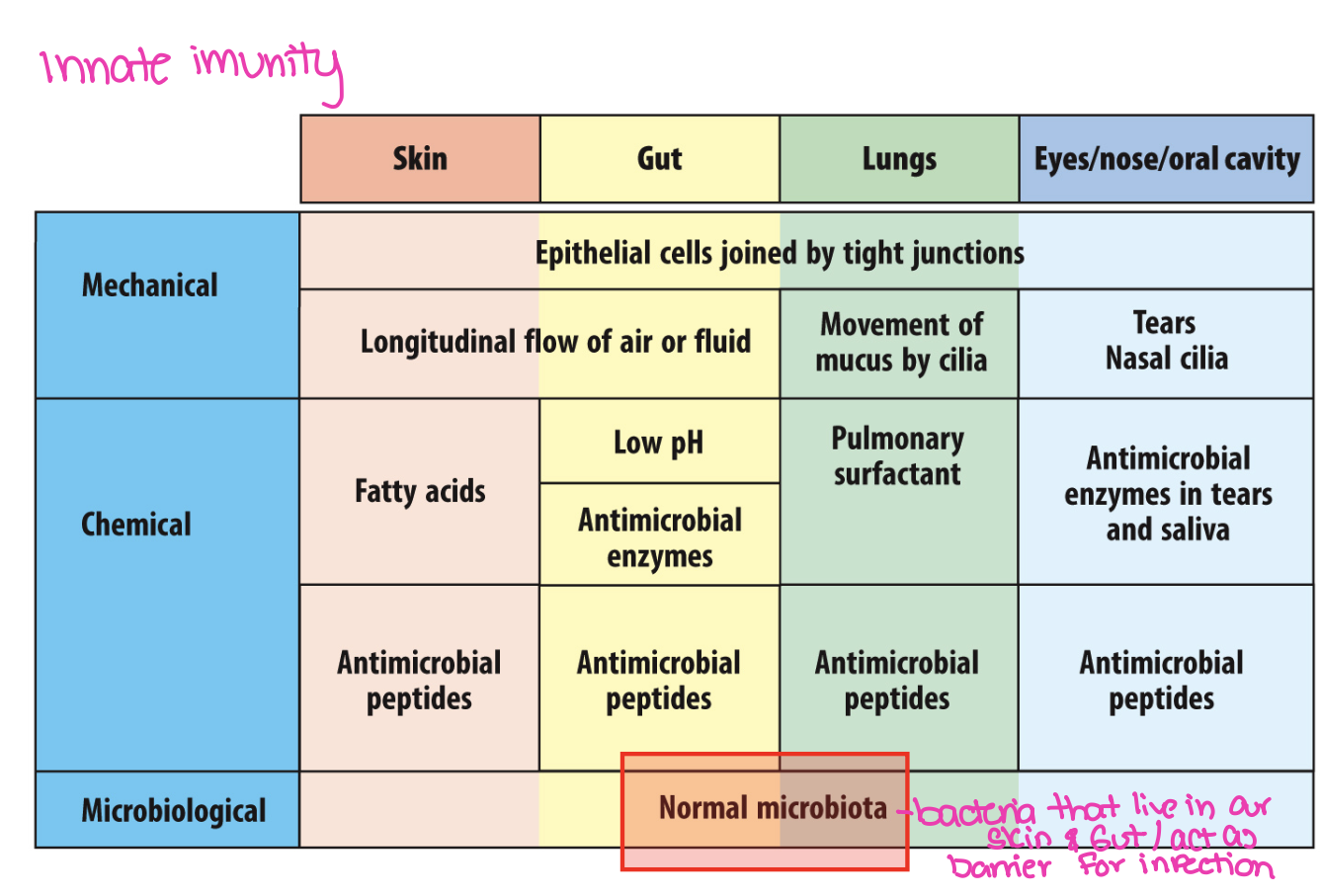
image of bacteria

movement of mucus by cilia
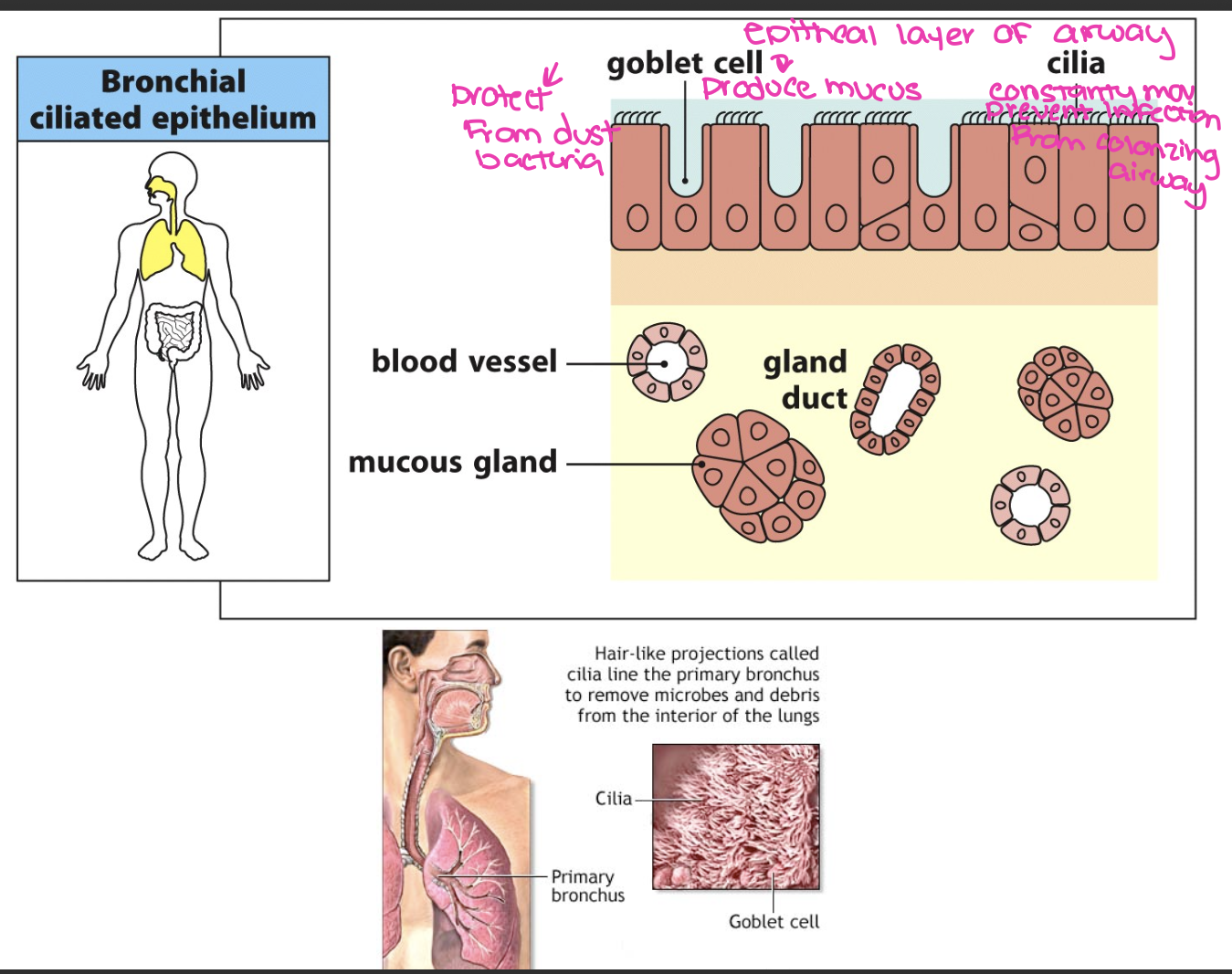
mechanical: epithealial cells joined by tight junctions
another one is the gut- chemical - low ph stomach bacteria destoryed chemical death

antimicrobial enzymes in tears and saliva
lysozyme degrades the cell wall of bacteria

antimicrobal peptides
surface skin, contact outside world, lungs
usually about 20-40 amino acid residues in length - Short amino acid chains
• amphipathic, cationic, and show a direct interaction with target cell membranes
Parthydrophilis) phobic
• The outer leaflet of mammalian plasma membranes is mainly charge-neutral at
physiologic pH
• The surfaces of bacterial and fungal cell walls contain large amounts of negatively
charged lipids.
• Therefore, antimicrobial peptides lead to the lysis of bacterial membranes while
eukaryotic plasma membranes remain largely unaffecteed
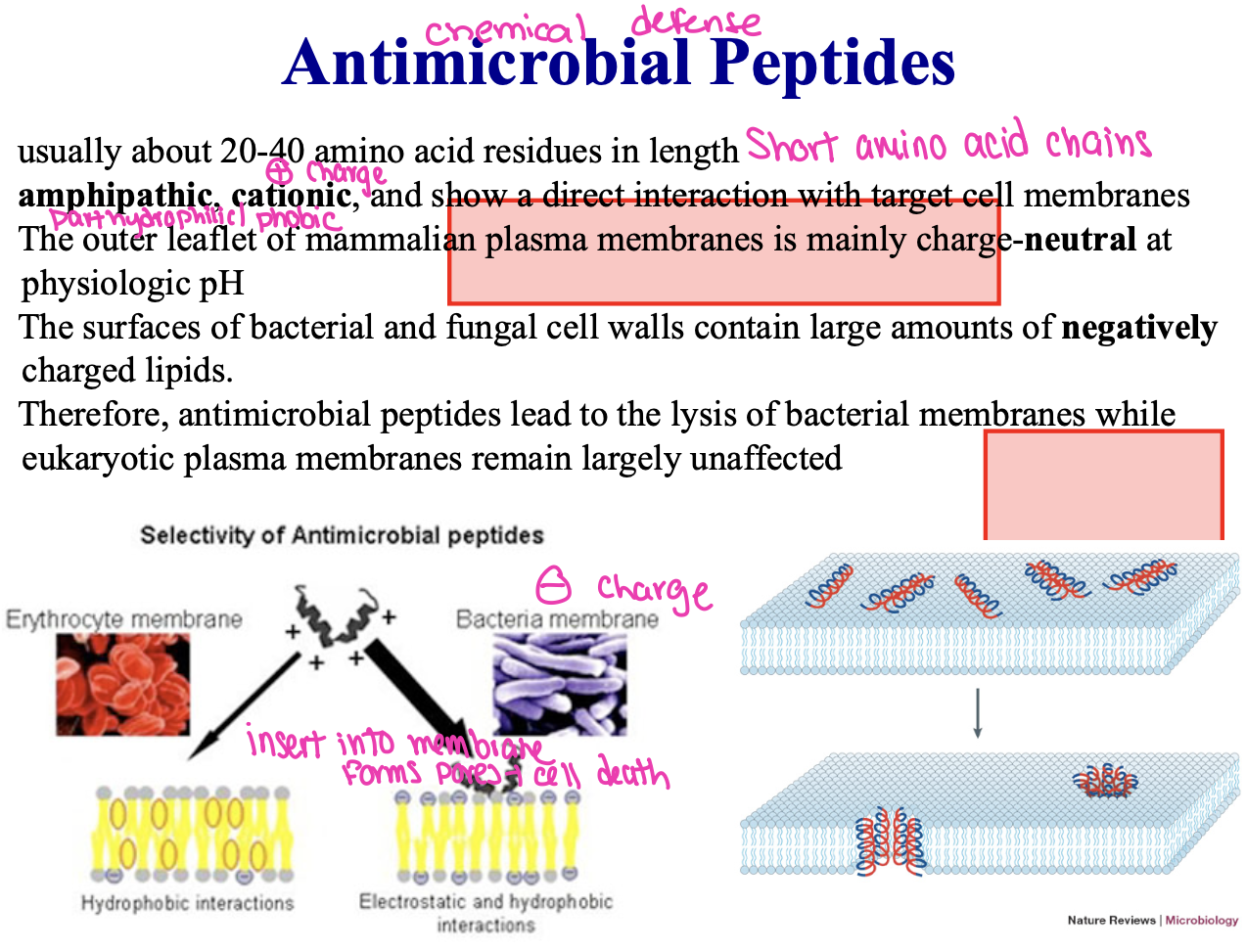
example of an antimicrobial peptide - human beta defensin

3 major types of phagocytes
• Macrophages
• Granulocytes
- store antimicrobal compounds "Granules"
– neutrophils are the main one
• Dendritic cells (DCs)
- takin thro Surround they themselves cannot kill microbe
– lack direct effector mechanisms
– always “sampling” their surroundings, unlike other most other phagocytes
– important in the initiation of B-cell and T-cell responses (adaptive immunity) → lymph node
@ tissue regurlaly / little blood
Neutrophil granules contain many antimicrobal compounds including
neutrophil and macrophages → phagocytes engulf microbe
neutrophil → also a granulocyte, contain many are stronger than macrophages

phagocytic process

respiratory burst and reactive oxygen species

CGD

Effector mechanisms of neutrophils revisited
Neutrophil extracellular traps (NETS) - spew out chromatin → dna +histones

contin of mechanisms

the complement system
3 ways that complent sys gets activated.
→ all converage at clevage C3 to C3a

different pathways

facts about C3C3
C3 is made mainly in the liver protein found in blood and released into the bloodstream at high levels.
• C3 is the most critical component of the complement cascade
C3 enters circulation in an inactive form (“zymogen”).
Cleavage of C3 exposes a highly reactive thioester bond that can attach to the surface of a pathogen if one is around.
• Reaction with a water molecule causes C3b to be inactive.
• People lacking this protein due to a genetic mutation are prone
to multiple, recurring infections (mostly bacterial) that can be severe.
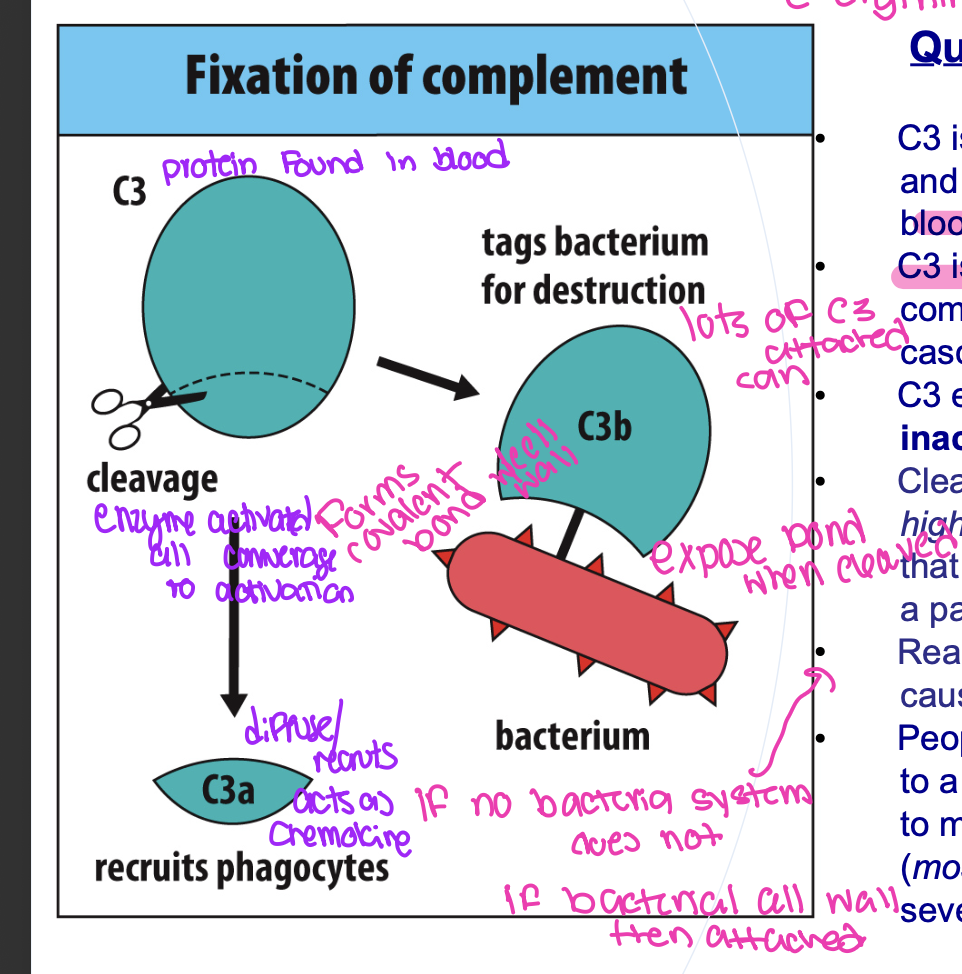
first pathway to act

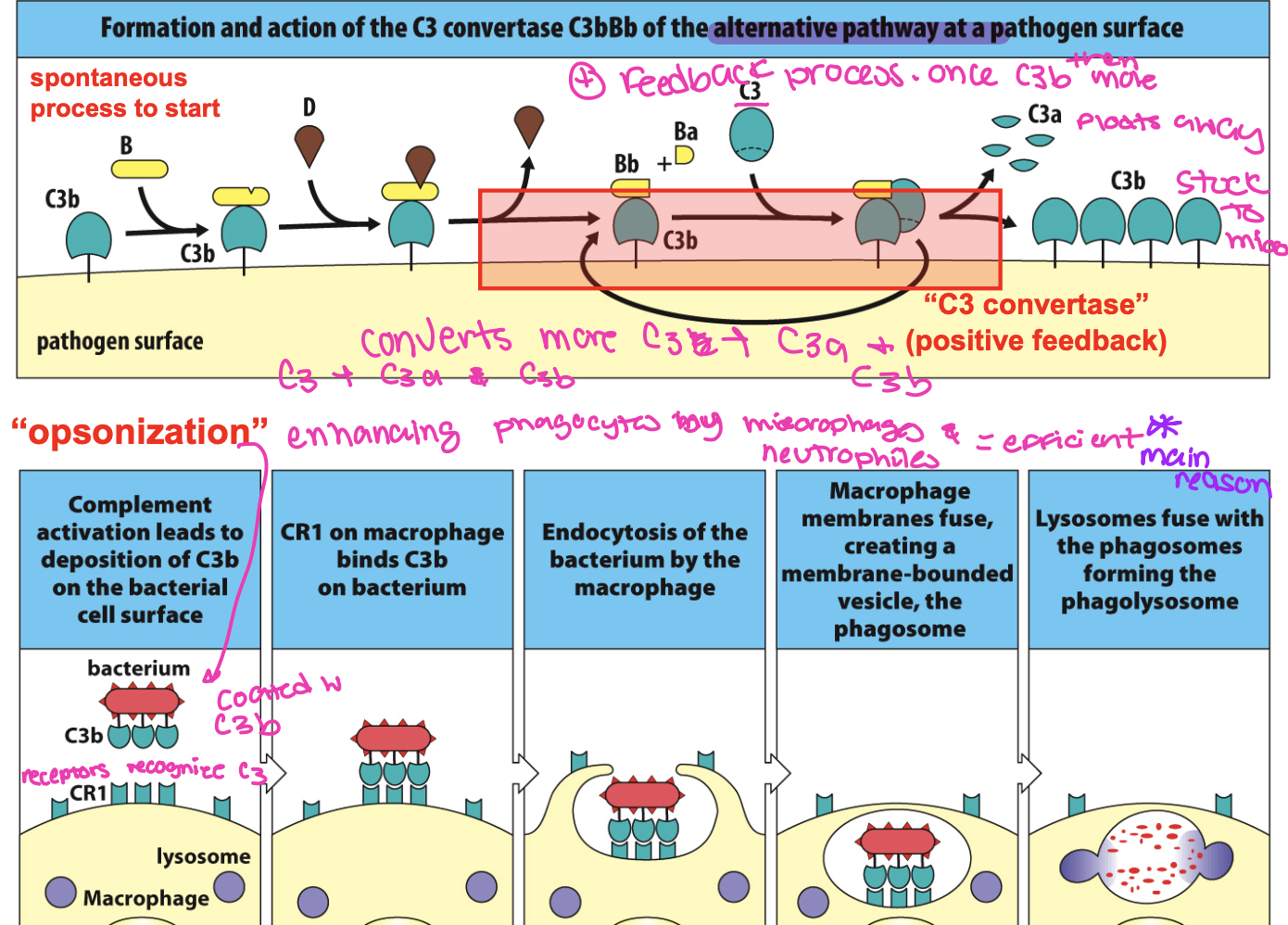
opsonization
C5 activation

anaphylatoxins

summary of the concepts
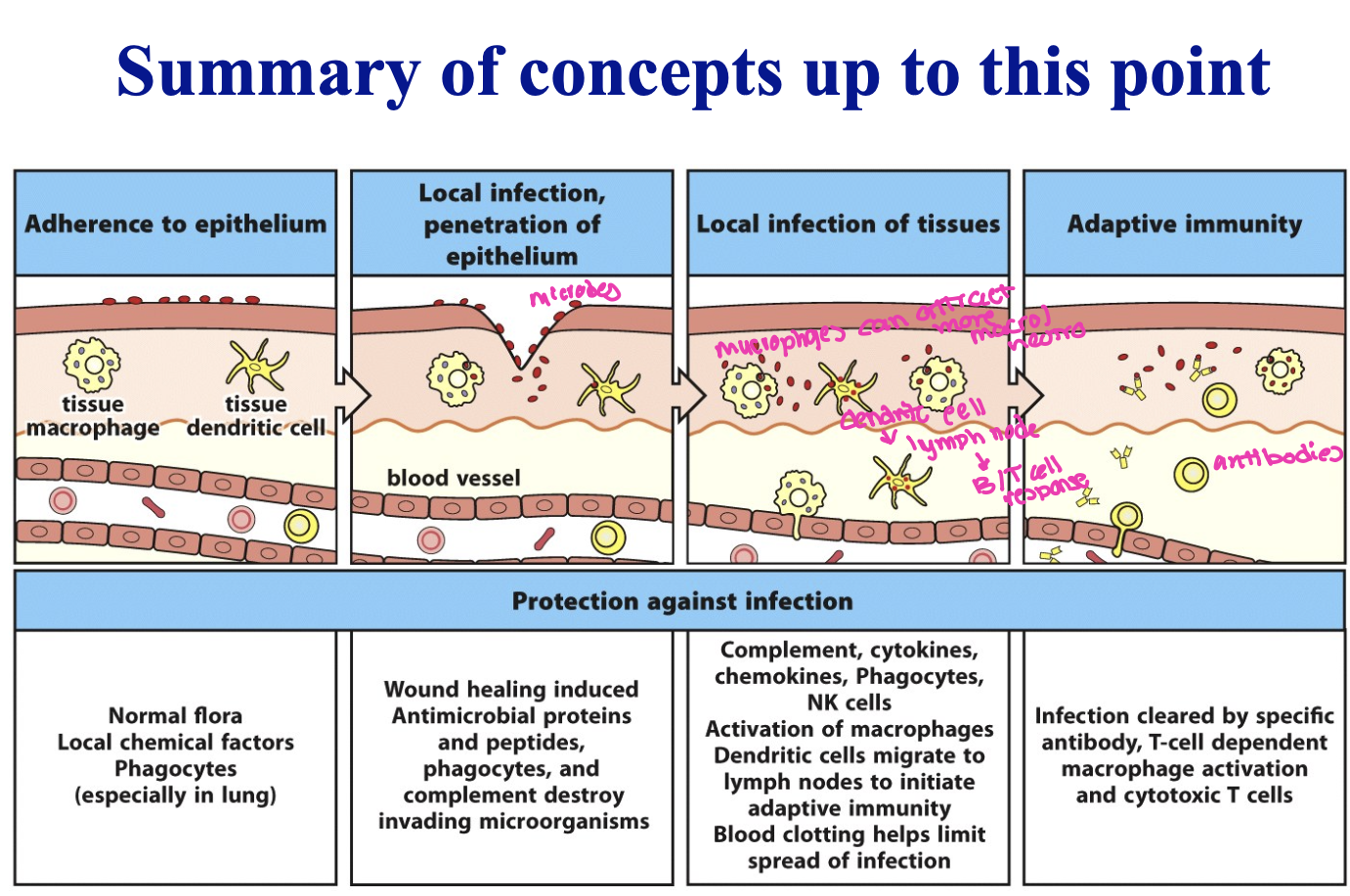
Overview of induced response
If too many inflammatory cytokines = it means that it is an autoimmune disease
Global effects: pain, fever, cold, and heat

Pathogens actually recognized as foriegn (non-self)
Recognition/detection/ binding - bacterium binds to PRR
signal cascade - bacterium binds to receptor and then heads to nucleus (multi-setp) (transmitting for transcription and translation)
output and response
what triggers? to induce cytokines and chemokines for induce inflammation
if the response is not good then it will hurt the host

Concepts on pathogen structure and recognition
How does the immune system recognize something as non-self?
Pathogen-associated Molecular Patterns (PAMPs)
i.e., the “stuff” that gets recognized as foreign (non-self)
Recognition of Pathogen-Associated Molecular Patterns (PAMPs)
• structures, patterns, and/or molecules unique to invading microbes (“non-self”)
• examples of bacterial products
– components of the cell wall, such as lipopolysaccharide (LPS)
– flagellin protein
– cytoplasmic DNA
• examples of viral products
– uncapped ssRNA (i.e., no 5-prime cap) in the cytoplasm
– dsRNA (made during the replication cycle of many viruses)
– cytoplasmic DNA
Pathogen recognition by the host is through
PRRs pattern recognition receptors
a.k.a. pathogen recognition receptors
a.k.a. PAMP-recognition receptors
Host - PRR (receptor)
Pathogen - PAMPs. Microbe has the PAMP
Image of the process
Red - englufment
Dendritic cells deliver micro fragements to intiate adaptive immune response
+opmitized by complementary C3B induces phagocytosis OR direct recognition of a PAMP

Do not memorize chart
PRR - pamp receptors found on macrophages binding to PAMPs
Ligan or PAMP - LPS makes phagocytosis more efficient

Definitions
Dectin-1: recognizes components common to the cell walls of fungi and some bacteria
Mannose receptor: recognizes mannosylated ligands found on some fungi, bacteria, and viruses
Scavenger receptors: recognize various types of lipoproteins common to bacterial cell walls
Complement receptors: bind to and ingest complement C3b-coated microbes (makes phagocytosis better) inducing phagocytosis
IF microbe is coated/optimized with complemntary C3B = better phagocytosis
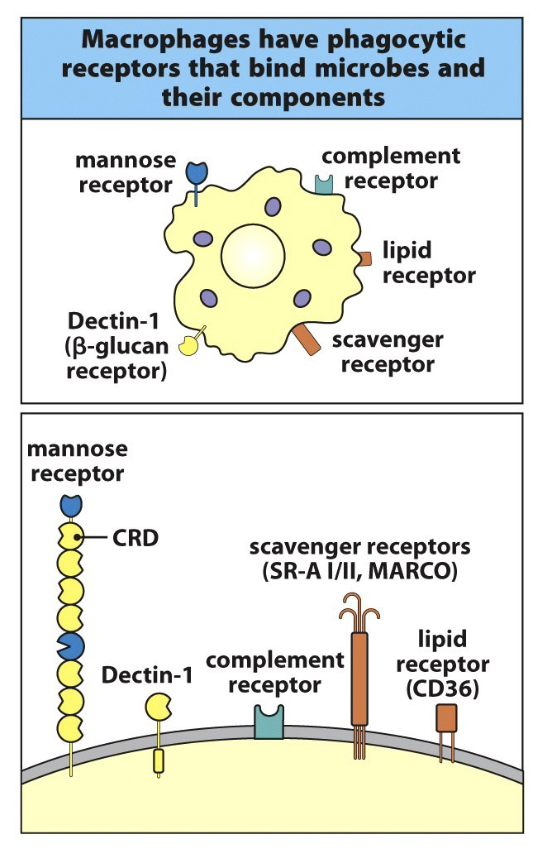
Diagram with process
Recognition of PAMP can lead to release of inflammatory cytokines

LOCAL EFFECTS - Cytokines
IL-1B AND TNF-ALPHA
IL-6
CXCL8

Systemic (global) effects
cytokines - not just act in tissue @ site of infection, but when released float in blood stream
Liver - activation of complement opzonization ( increase production of immune)
endogenous pyrogens “made by are own bodies, molecules that induces fever”

Image of mosquitoes
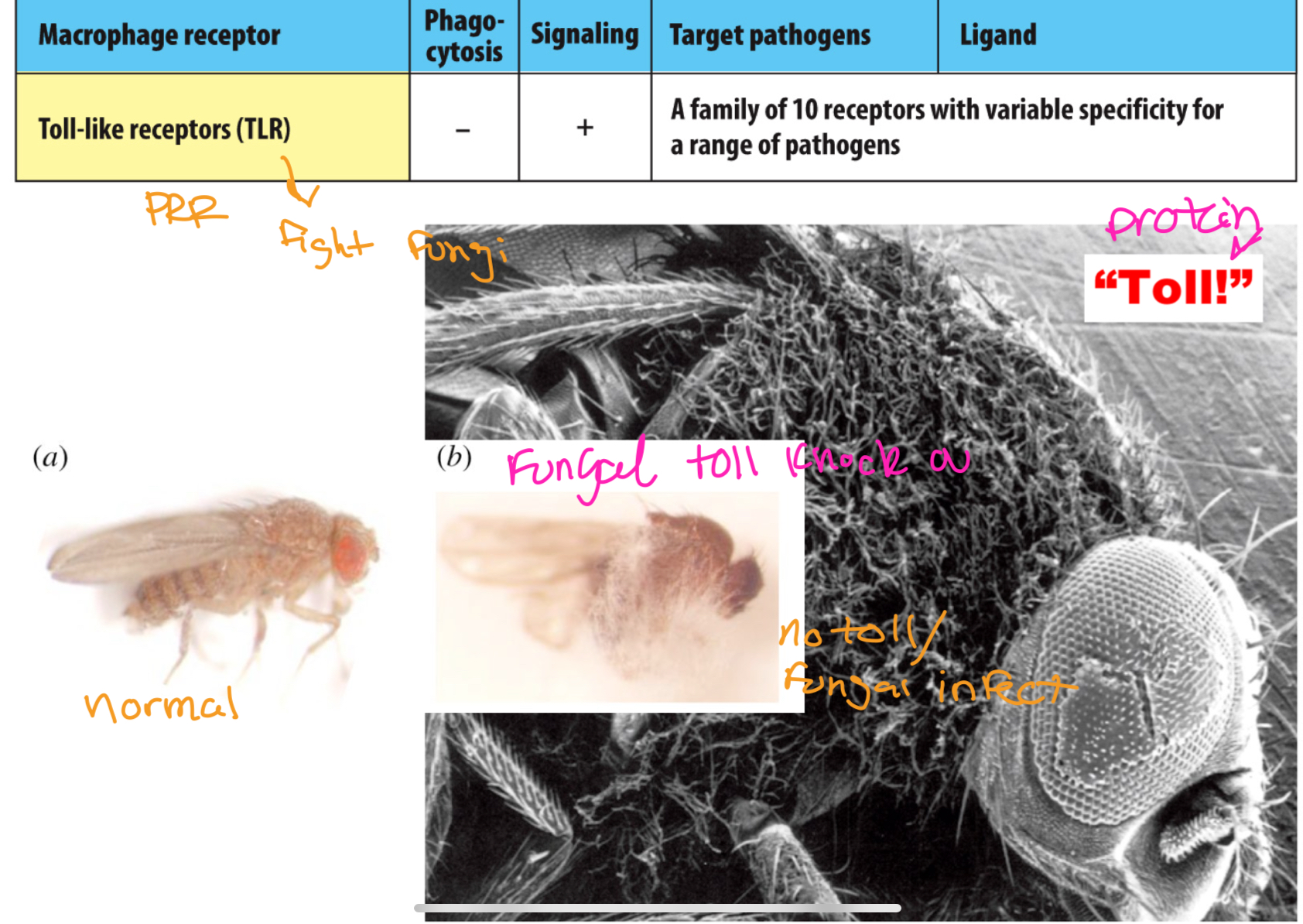
Toll-like receptors
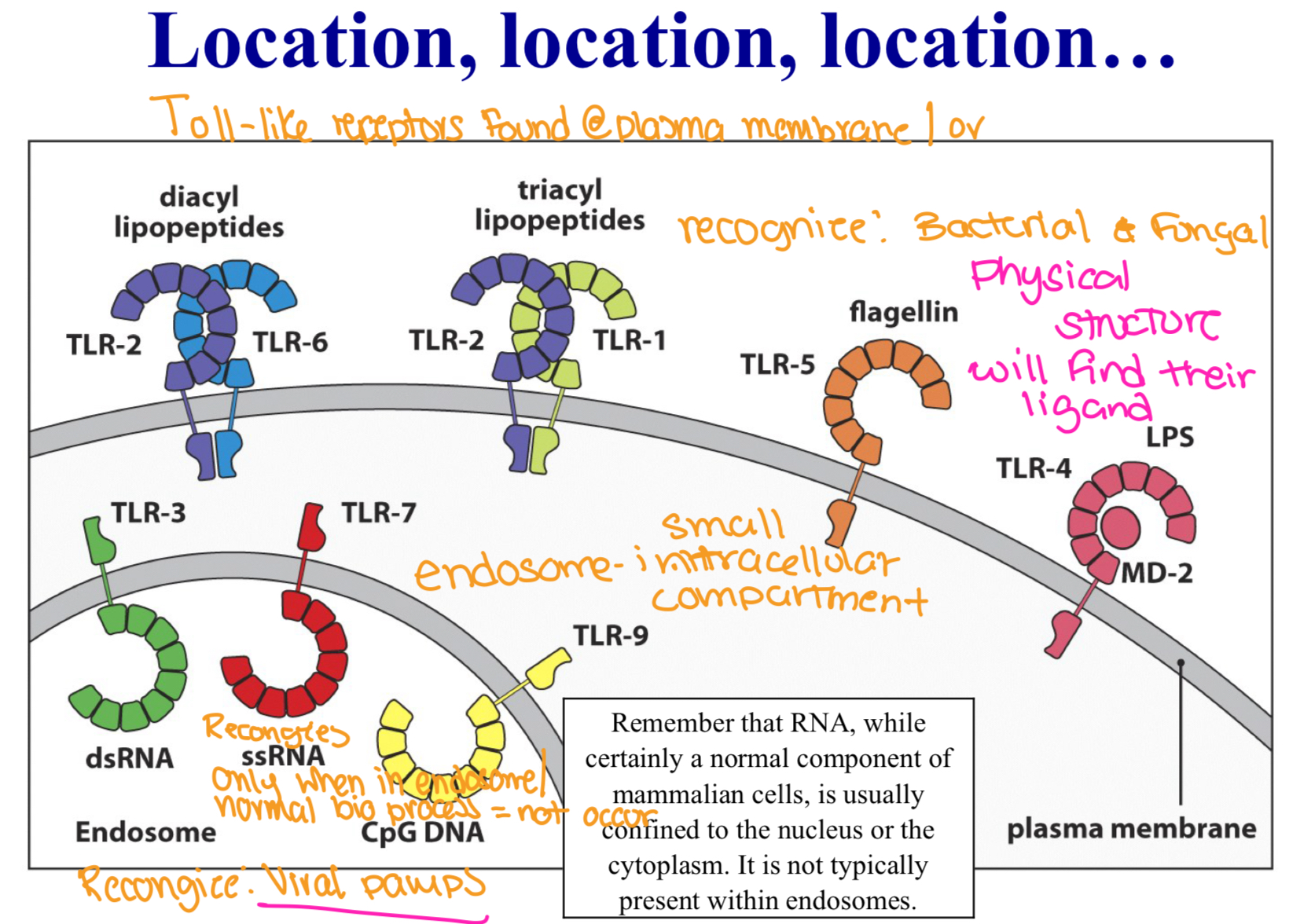
Remember that RNA, while certainly a normal component of mammalian cells, is usually confined to the nucleus or the cytoplasm. It is not typically present within endosomes.
TLR - Recognize - bacterial and fungal (physical structure will find their ligand)
endosome - small intraellular compartment, recognizes only when in endosome/normal bio process = do not occur
Recognize - viral pamps
TLR can initiate downstream signaling
process of the signaling

Mice with defective or deleted TNF or its receptor are resistent to septic
What’s another way to experimentally manipulate a mouse to make it resistant (i.e., no disease) to bacterial sepsis? remove bacteria?

Extracellular pathogen detection
Outermembrane PRR induce pathogens
toll like receptors - induce signaling

Intracellular pathogen detection
endosome
some PRR are intracellular

Intracellular pathogen detection
Cytoplasm
PAMP receptors
in cytoplams trigger for cytokine production
trigger for inflammatory response
if 5 end of rna is absent can lead to recognize forigen microbe

The ability to detect pathogens also needs to happen in the cytoplasm

The sensing of foreign nucleic acid in endosomes or the cytoplasm results in the production of interferons
interferons - type of cytokines
TLR - in endosomes detect viral pamps turn on interferon alpha and beta
Interferons alert neighbring cells that a virus is lurking about
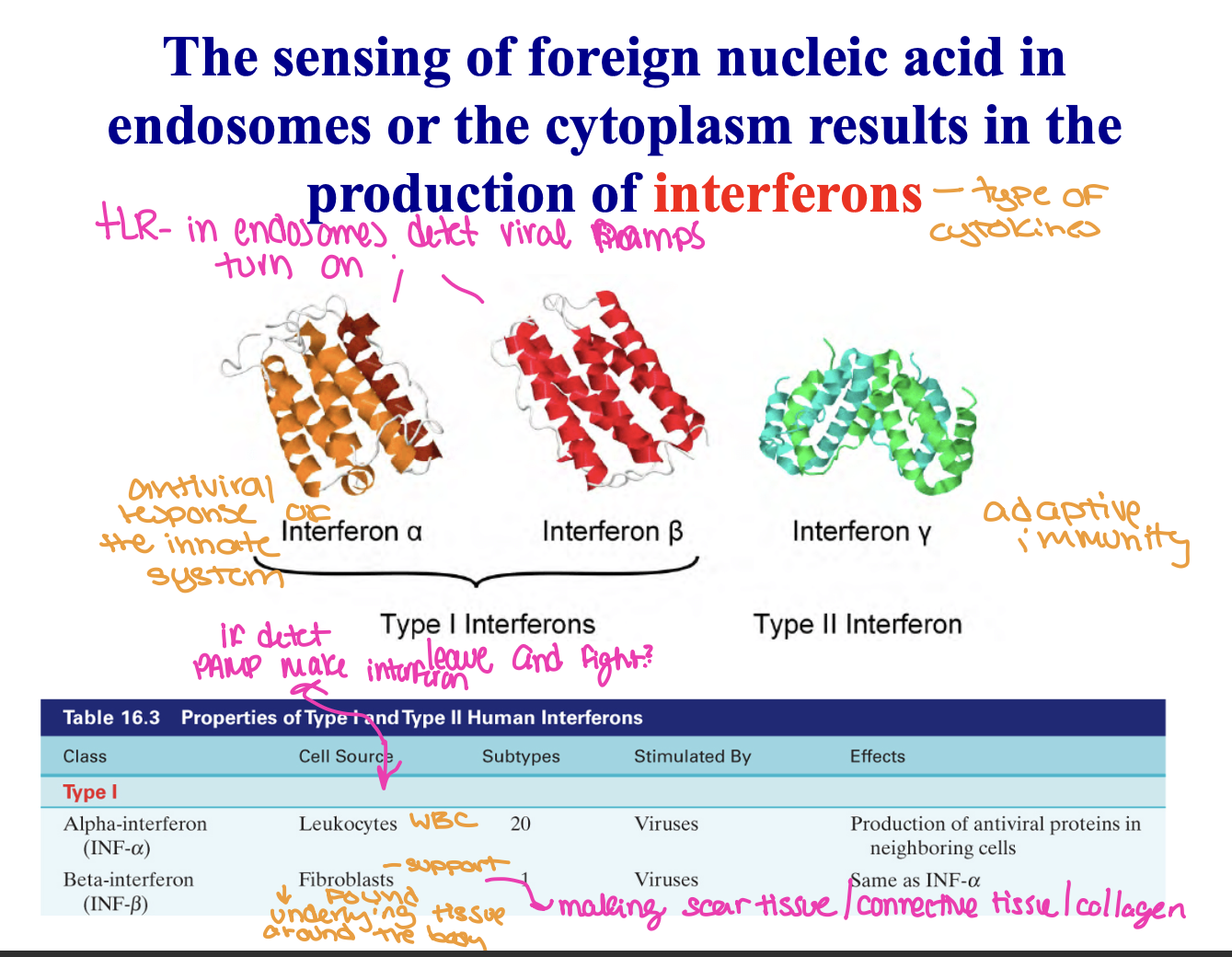
interferons alert neighboring cells that a virus is lurking about

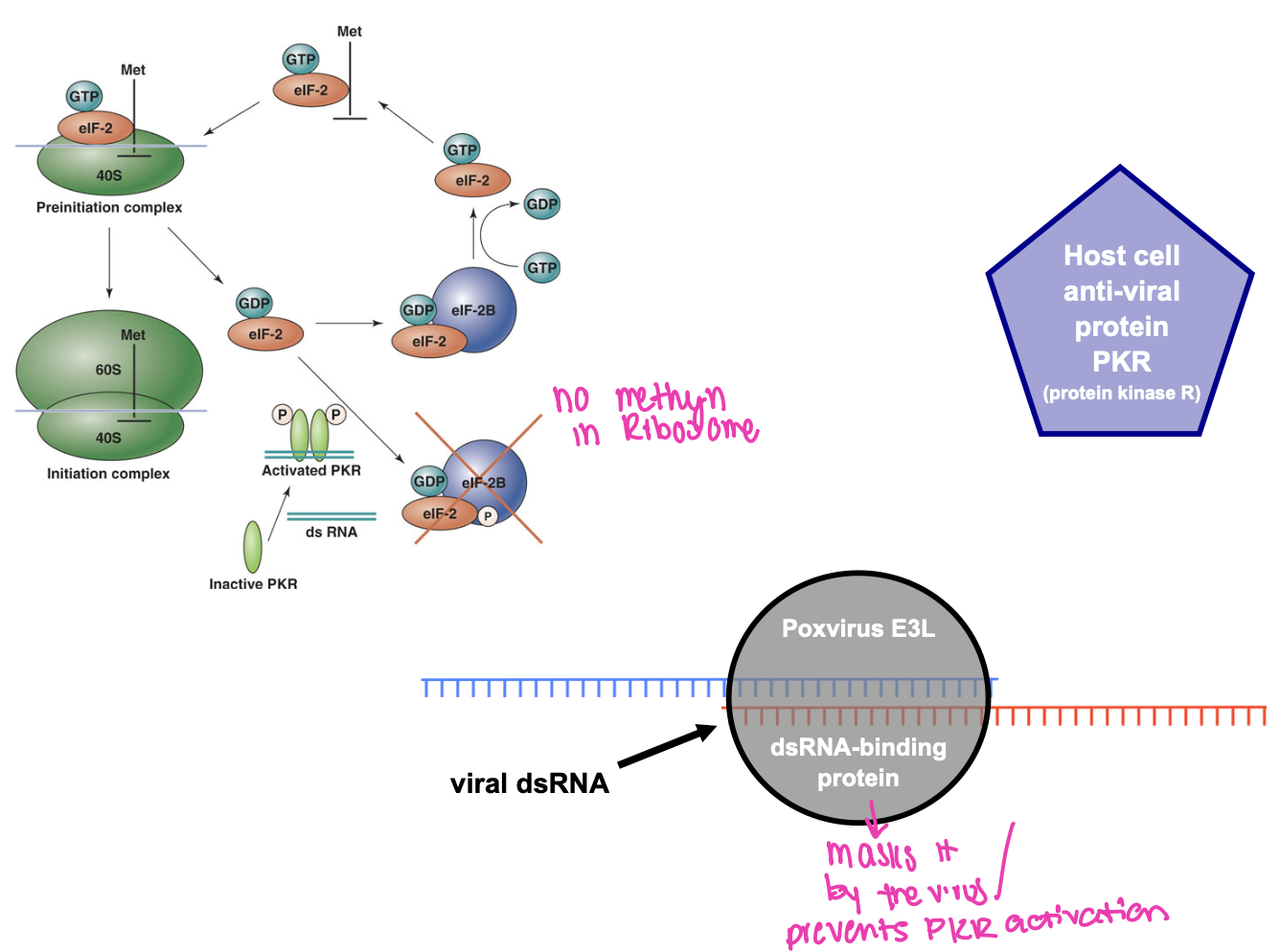
Interferons stimulated gene or ISGs

PKR activation results in the shut-off of host cell translation

Image of the PKR actiavtion etc

continuingtion of process
Summary of innate immunity
