Women's Health: Vulva, Vagina, and Pelvic Floor Disorders
 Call Kai
 Learn
Learn Practice Test
 Spaced Repetition
 Match
Match Flashcards
 Knowt Play
1/30

There's no tags or description
Looks like no tags are added yet.
Name | Mastery | Learn | Test | Matching | Spaced | Call with Kai | Chat |
|---|
No analytics yet
Send a link to your students to track their progress
31 Terms
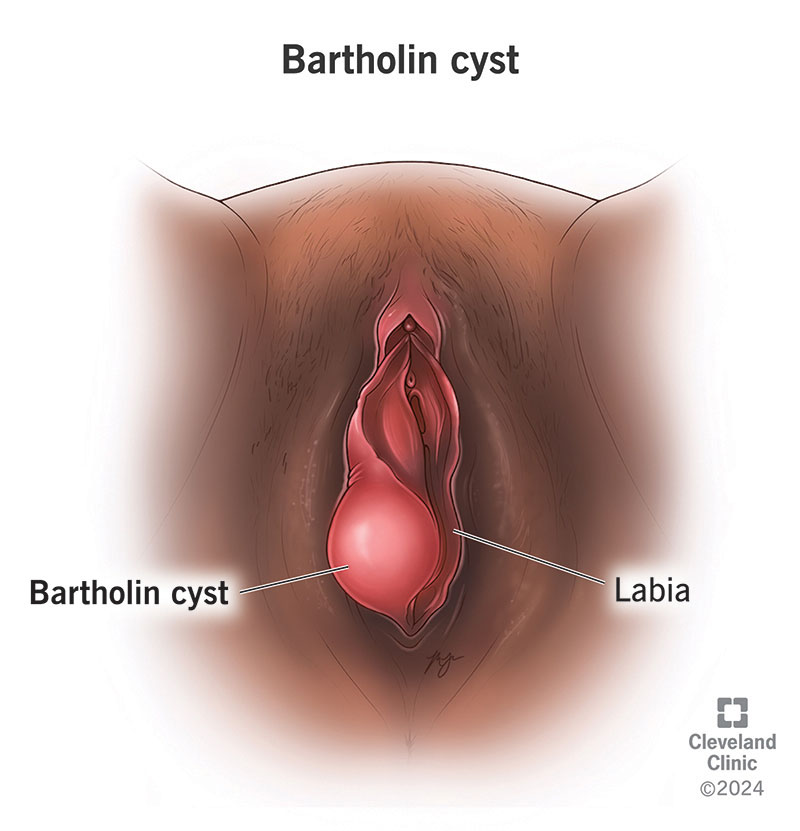
Bartholin Gland Cyst
Blockage of ducts in the vulva
-Presentation: painless unilateral vulvar mass that is typically asymptomatic but can cause discomfort during sexual intercourse if large
-Dx: clinical, CBC, culture of drained fluid if > 3cm and supportive if < 3 cm
Bartholin Gland Abscess
Blockage of ducts in the vulva
-Presentation: painful unilateral vulvar mass accompanied by swelling, inflammation, dyspareunia, and intense pain when walking and sitting
-Dx: clinical, CBC, culture of drained fluid
-Tx: I&D, bactrim if recurrent abscesses or high risk
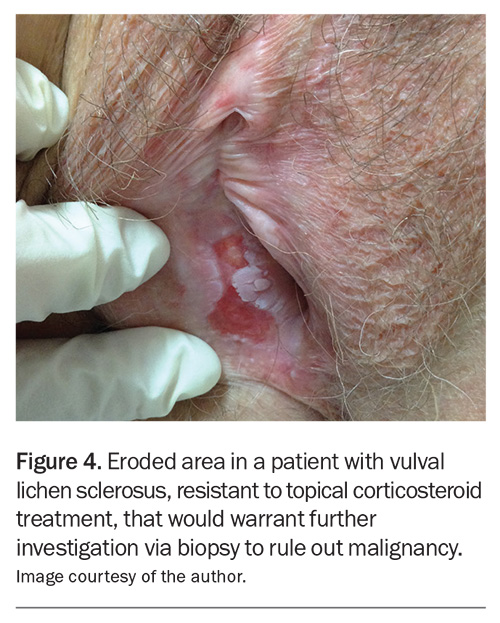
Lichen Sclerosis
Benign, chronic, progressive dermatologic condition characterized by marked inflammation, epithelial thinning, and distinctive dermal changes accompanied by symptoms of pruritis and pain
-Presentation: pruritis and soreness that interferes with sleep, anal discomfort, dyspareunia, dysuria, white atrophic papules on the vulva
-Dx: clinical, biopsy is definitive
-Tx: topical corticosteroids
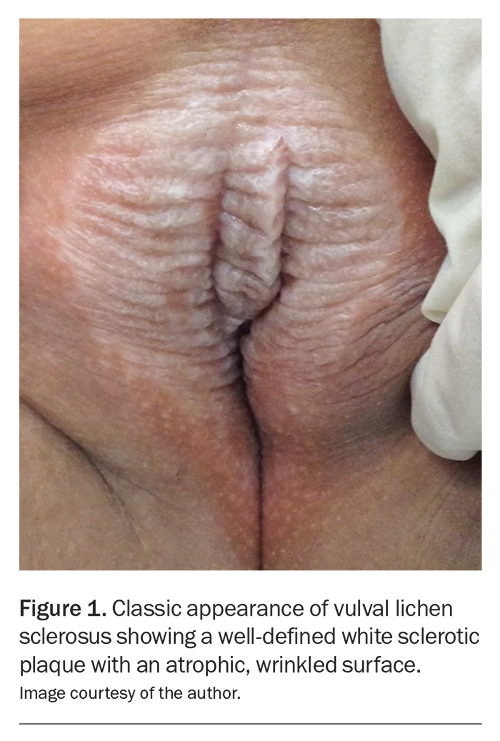
Lichen Simplex Chronicus
Skin thickening in patients with vulvar dermatitis secondary to repetitive rubbing and scratching
-Presentation: pruritis, burning, stinging, and rawness. Physical exam shows thickening of vulvar skin and accentuation of normal skin markings, skin appears whitened
-Dx: clinical
-Tx: 1st generation antihistamines, topical corticosteroids
Cystocele
Anterior bladder prolapse, which is herniation of the anterior vaginal wall associated with descent of the bladder
-Presentation: bulge or pressure symptoms, stress urinary incontinence, low back or pelvic pain, sexual dysfunction, can be exacerbated by pregnancy
-Dx: pelvic exam, POP-Q, increase in defect with valsalva, U/S or MRI
-Management: vaginal pessary, pelvic floor muscle exercises, surgery
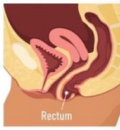
Rectocele
Rectal prolapse (posterior), herniation of the posterior vaginal segment associated with descent of the rectum
-Presentation: bulge or pressure symptoms, constipation, incomplete emptying, lower back pain, sexual dysfunction
-Dx: pelvic exam, POP-Q, increase in defect with valsalva
-Tx: pessary, pelvic floor muscle exercises, surgical treatment
Urethrocele
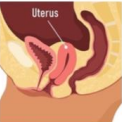
Uterus descends toward or into the vagina
-Presentation: bulge or pressure symptoms, stress urinary incontinence, constipation, low back pain, pelvic pain, sexual dysfunction
-Dx: pelvic exam, increase in defect with valsalva
-Tx: vaginal pessary, pelvic floor exercises, surgical treatment
1
What stage of prolapse is being described?
-In the upper half of the vagina
2
What stage of prolapse is being described?
-Descended nearly to the vaginal opening
3
What stage of prolapse is being described?
-Protrudes out of the vagina
4
What stage of prolapse is being described?
-Completely out of the vagina, sometimes referred to as procidentia
Urge Incontinence
Involuntary urinary leakage preceded by or accompanied by sudden urge to urinate, which is MC in older women
-Patho: detrusor muscle overactivity, leading to involuntary detrusor muscle contractions during bladder filling
-Presentation: increased urgency, frequency, small volume voids, nocturia. Has a strong urge to void with an inability to make it to the bathroom in time
-Management: bladder training, Kegel exercises, oxybutynin, mirabegron, imipramine, or surgery
Oxybutynin
What is the first line medical therapy for urge incontinence?
-MOA: anticholinergics, antispasmodics that also increase bladder capacity
Imipramine
What TCA can be used for urge incontinence due to its central and peripheral anticholinergic effect, as well as alpha-adrenergic agonism?
-It helps with bladder muscle relaxation, increases bladder outlet resistance, has an antispasmodic effect on detrusor muscle, and increases urethral sphincter tone
Overflow Incontinence
Urinary retention and incomplete bladder emptying leads to involuntary urine leakage once the bladder is full, which is the least common cause of incontinence
-Patho: bladder detrusor muscle underactivity or bladder outlet obstruction. Seen in neurological disorders, autonomic dysfunction, or fibroids/BPH/organ prolapse
-Presentation: loss of urine with no warning or triggers, leakage in the setting of incomplete bladder emptying, weak or intermittent urinary stream, hesitancy, frequency, nocturia
-Dx: post void residual > 200mL
-Tx: intermittent or indwelling catheterization or bethanechol to increase detrusor muscle activity
Cholinergics
What class of medication can be given in overflow incontinence, in order to increase detrusor muscle activity?
Stress Incontinence
Involuntary leakage of urine that occurs once intrabdominal pressure increases, such as after coughing, laughing, or sneezing, to be greater than urethral pressure and resistance
-MC type of incontinence in younger women, which can be due to laxity of pelvic floor muscles and urethral hyperactivity
-Dx: clinical, UA with culture and sensitivity
-Presentation: urine leakage during times of increased intra-abdominal pressure, no urge to urinate prior to leakage
-Management: Kegel exercises, topical estrogen, pessaries, midurethral sling
Midurethral sling
What is the surgical intervention of choice for stress incontinence management?
Inclusion Cyst
Benign vaginal mass that can be found on the posterior lower vaginal surface, resulting from imperfect approximation or childbirth lacerations/episiotomy
Vaginal Cancer
Rare gynecological malignancy with a peak incidence at 60-65 years of age
-Types: squamous cell carcinoma (MC), adenocarcinoma (DES exposure)
-RF: HPV
-Presentation: abnormal vaginal bleeding, watery vaginal discharge, dyspareunia
-Dx: plaques, ulcerations, or warty masses that are red or white. MC found in posterior wall of upper 1/3 of vagina, definitive dx with biopsy
-Tx: surgical excision or radiation therapy, chemo
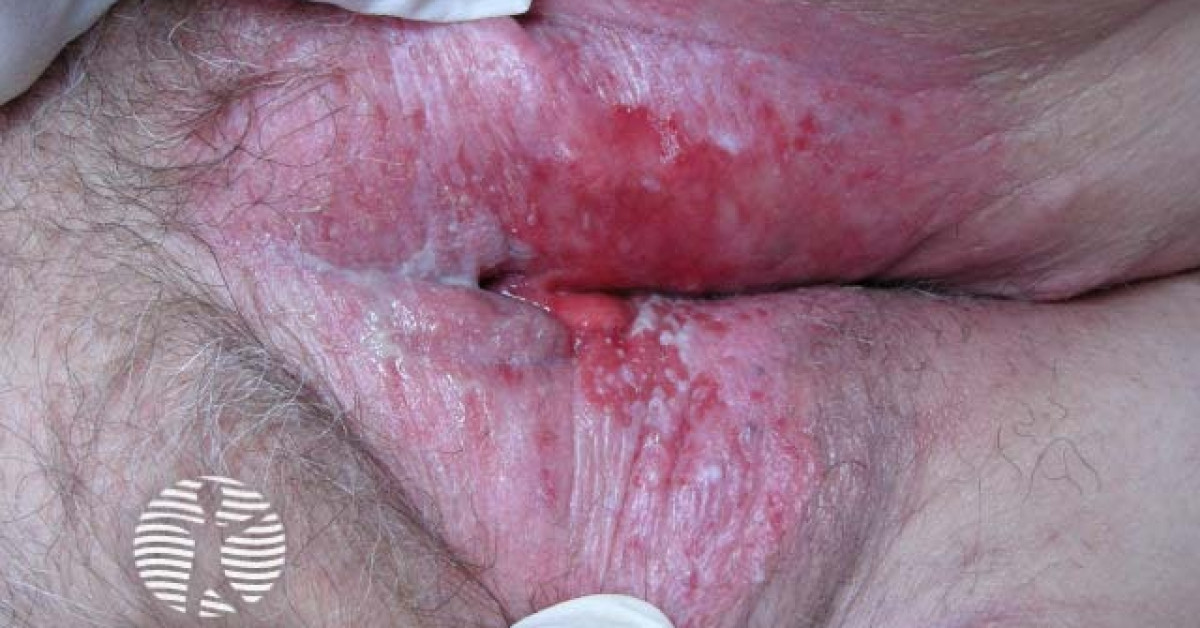
Paget Disease
VIN that is a superficial lesion of the epithelium that has not invaded the basement membrane and may progress to carcinoma in situ or SCC
-Presentation: vulvar pruritis. Well-demarcated, slightly raised, erythematous lesion with an eczematoid appearance
-Dx: colposcopic biopsy, will have a fiery red background mottled with whitish hyperkeratotic areas. Large pale cells of apocrine origin below the surface of the epithelium
-Tx: local wide excision
Vulvar Cancer
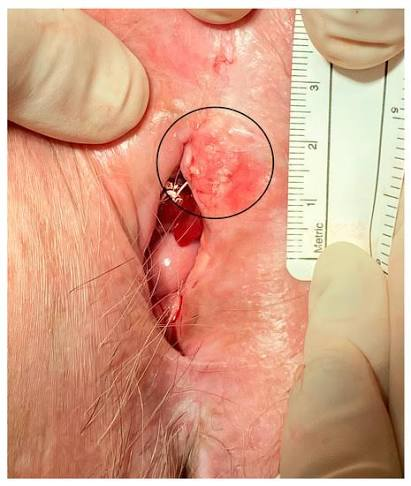
Squamous cell carcinoma is the MC type
-RF: HPV types 16 and 18, postmenopausal
-Presentation: vulvar pruritis, bleeding, or pain that is MC limited to the labia majora. Red or white ulcerative or raised crusted lesion on vulva
-Dx: biopsy, colposcopy
-Tx: surgical excision, radiation, chemotherapy
Atrophic Vaginitis
Atrophy of vaginal tissue due to estrogen deficiency after menopause
-Presentation: vaginal dryness, dyspareunia, dysuria, thin/clear discharge, loss of vaginal rugae, shiny mucosa that bleeds easily, recurrent UTIs despite treatment
-Dx: vaginal examination, parabasal cells on wet mount, pH 5-7
-Tx: topical/vaginal estrogen, vaginal moisturizers, lubricants
Word Catheter
What needs to be placed after draining a Bartholin gland abscess?
Pelvic Organ Prolapse
Descent of pelvic organs through or toward the vaginal opening due to loss of pelvic floor muscle and ligamental support
-Types: cystocele, rectocele, uterine prolapse, vaginal vault prolapse
-Dx: clinical
-Tx: pelvic floor PT, Kegals, pessary, surgery
1
What grade of pelvic organ prolapse is being described?
-Descent above the hymen
2
What grade of pelvic organ prolapse is being described?
-Descent to the hymen
3
What grade of pelvic organ prolapse is being described?
-Descent beyond the hymen
4
What grade of pelvic organ prolapse is being described?
-total prolapse
Squamous Cell Carcinoma
What is the most common type of vaginal and vulvar cancer?
Vaginitis
Irritation of the vaginal mucosa, which can usually be attributed to BV, Candida, or Trichomoniasis
-Tx: vaginal pH + wet mount/KOH