Nervous System
 Call Kai
 Learn
Learn Practice Test
 Spaced Repetition
 Match
Match Flashcards
 Knowt Play
1/55

Earn XP
Description and Tags
Apart of Physiology Essentials 100 at UniSA
Name | Mastery | Learn | Test | Matching | Spaced | Call with Kai | Chat |
|---|
No analytics yet
Send a link to your students to track their progress
56 Terms
Nervous System
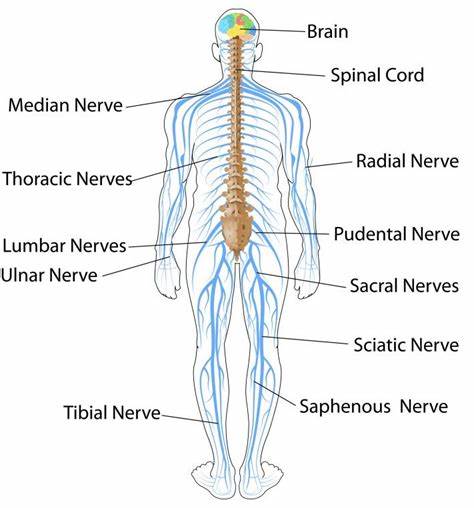
Consists of the brain, spinal cord, and nerves that mostly controls everything we do and is heavily involved in maintaining homeostasis.
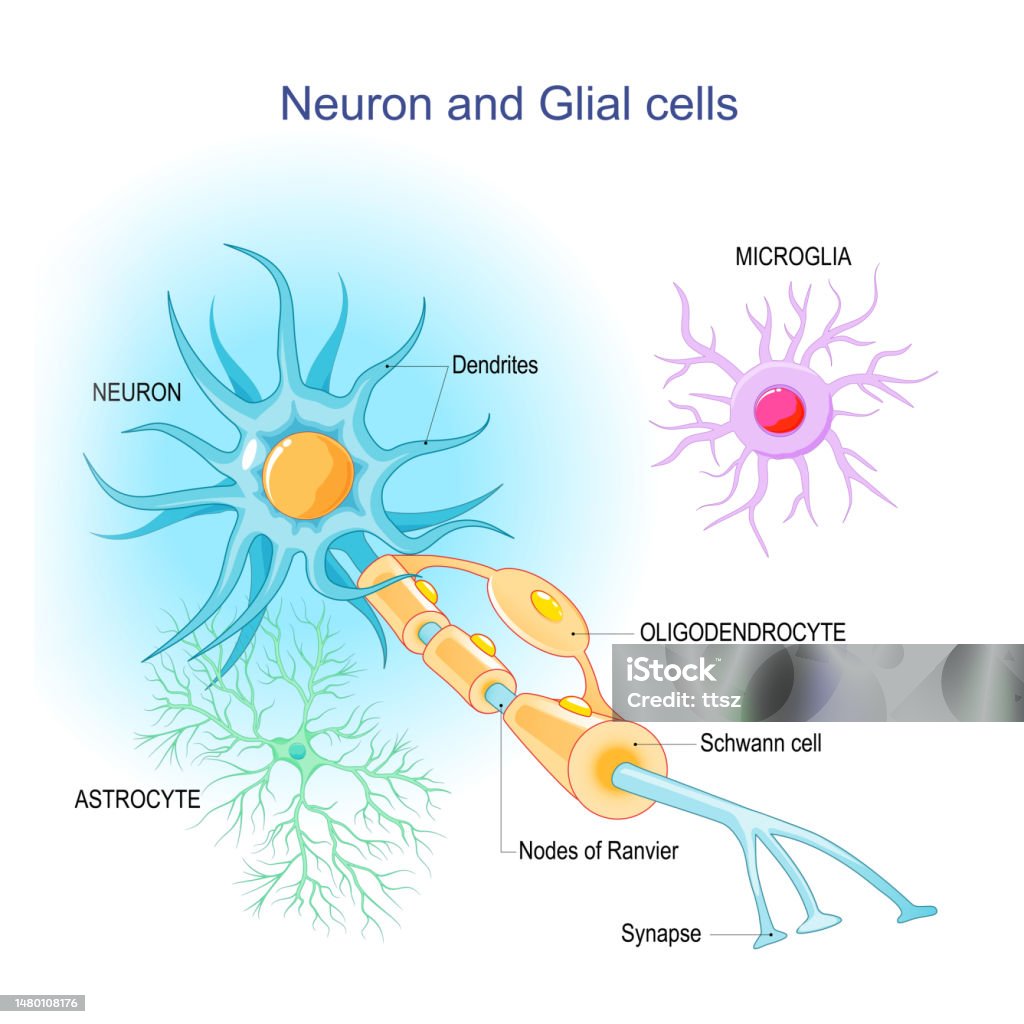
What is the difference between neurons and neuroglia?
Neurons are nerve cells that receive and transmit information through the nervous system whereas neuroglia aka glia are cells that insulate, support, and nourish neurons.
What are the three main features of a neuron?
Cell body
Axon
Dendrites
What is the difference between axon hillock and axon terminal?
Axon hillock is the start of an axon whereas axon terminal is the end of an axon where axon passes information to other neurons or cells.
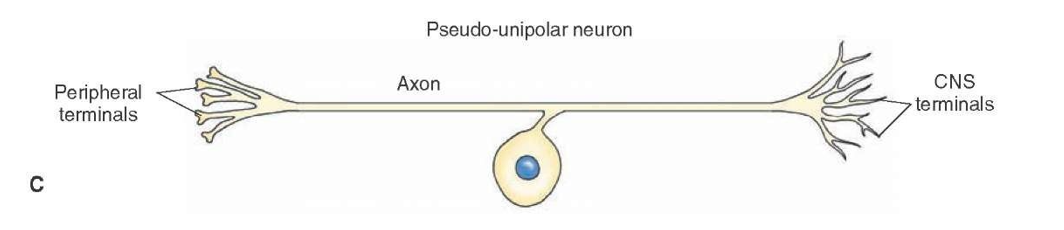
What are the four structural classifications of neurons?
Multipolar neuron
Unipolar
Bipolar
Anaxonic
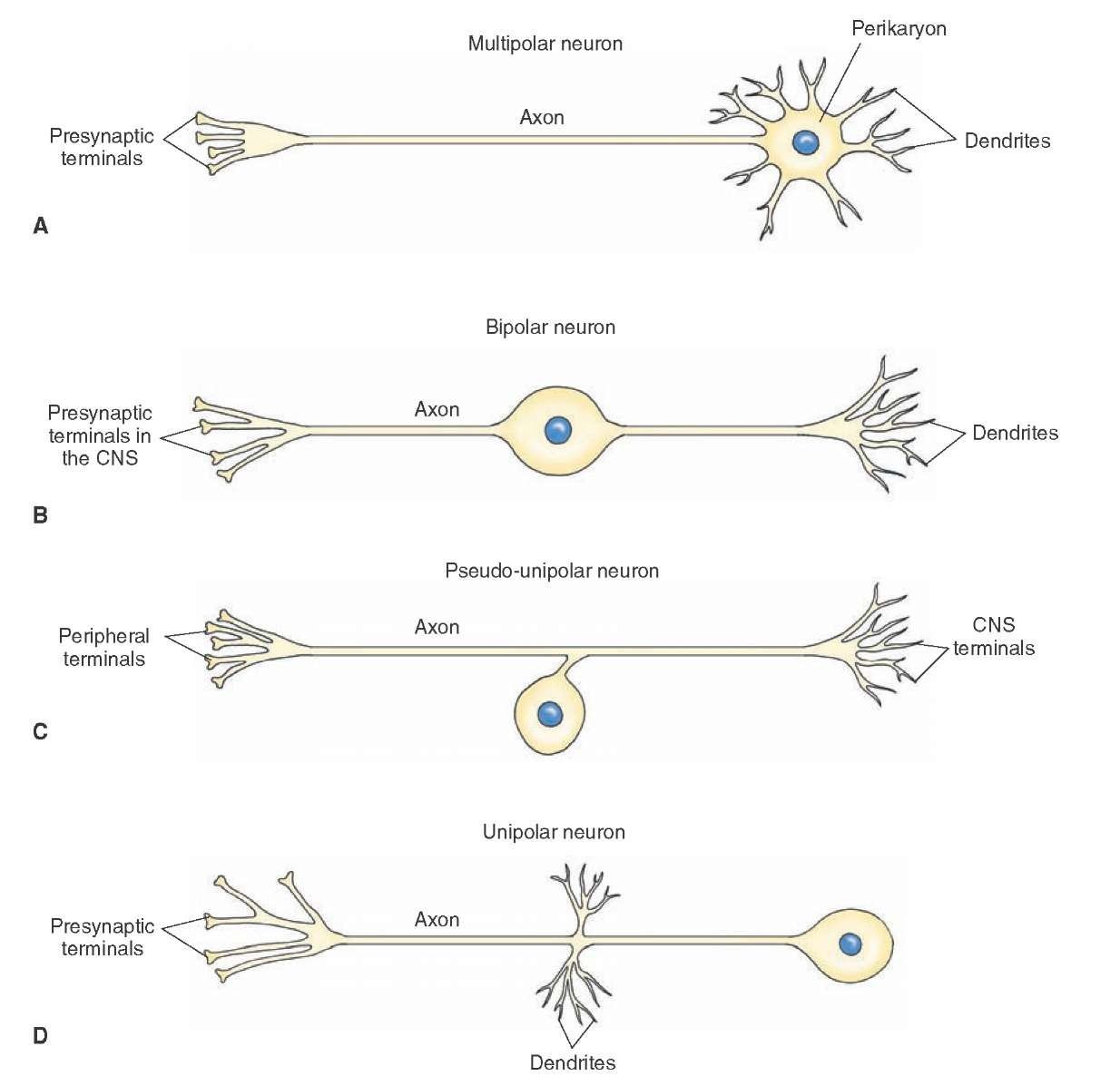
What are four notable features of multipolar neurons?
Many dendrites
One axon
Cell body between dendrites and axon
Most common neuron in the CNS (e.g. motor neuron)
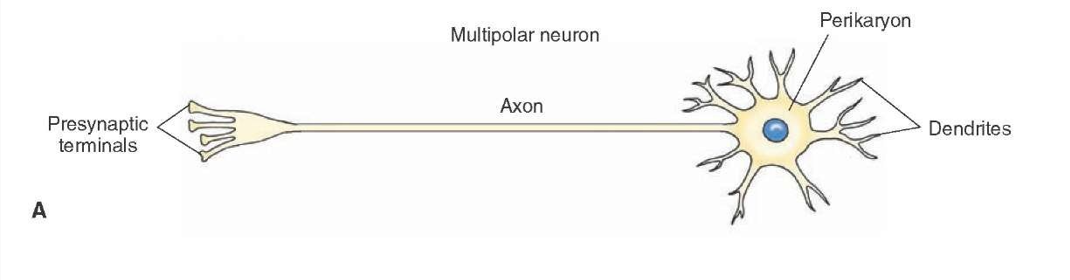
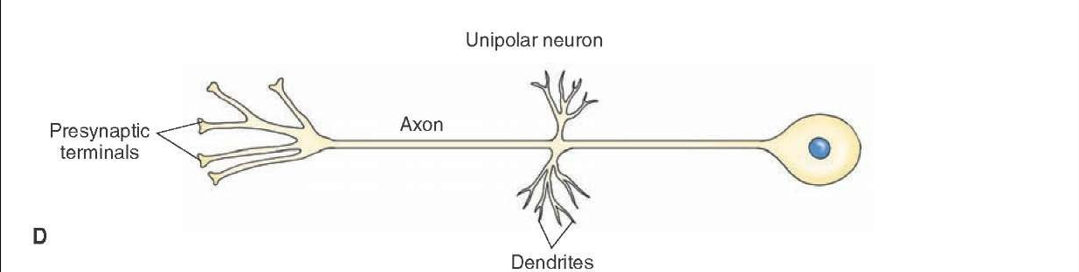
What are three notable features of unipolar neurons?
Dendrites merge in one axon
Cell body towards the middle of axon on the side
Sensory neurons are unipolar
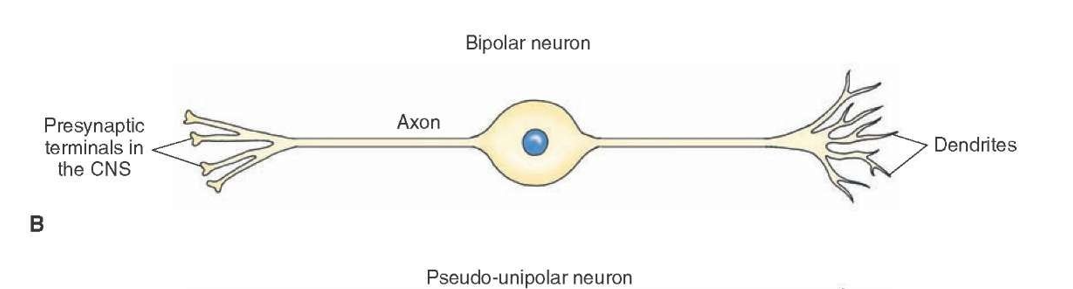
What are four notable features of bipolar neurons?
One dendrite and axon
Cell body between dendrite and axon
Small and rare
What are four notable features of anaxonic neurons?
Cannot distinguish dendrites from axons
Cell body centrally located
Occur in brain and special sense organs
Function is poorly understood
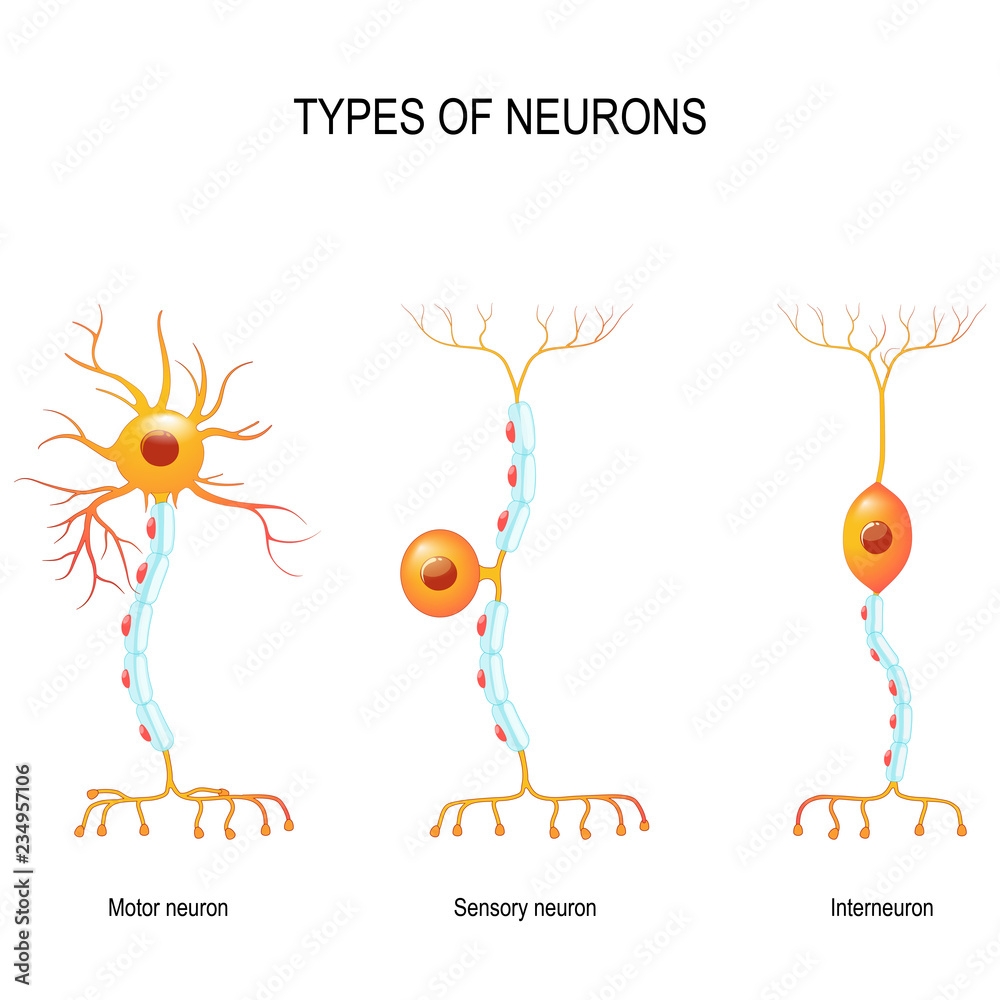
What are the three functional classifications of neurons?
Motor neurons
Interneuron
Sensory neuron
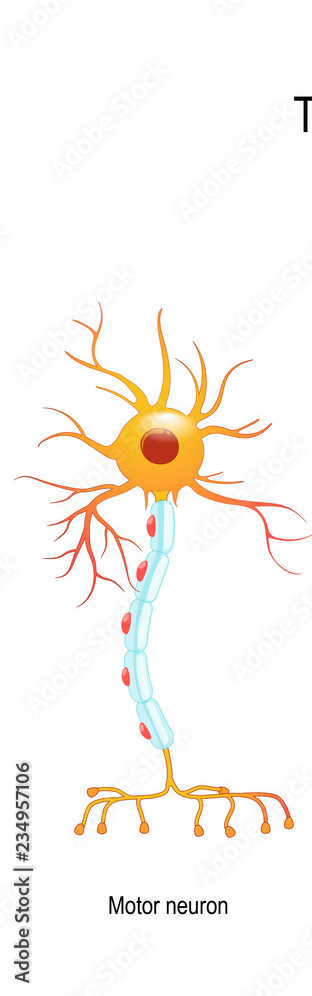
Motor neuron
A type of neuron that receives messages from the CNS and transmit signals to tissues in the body.
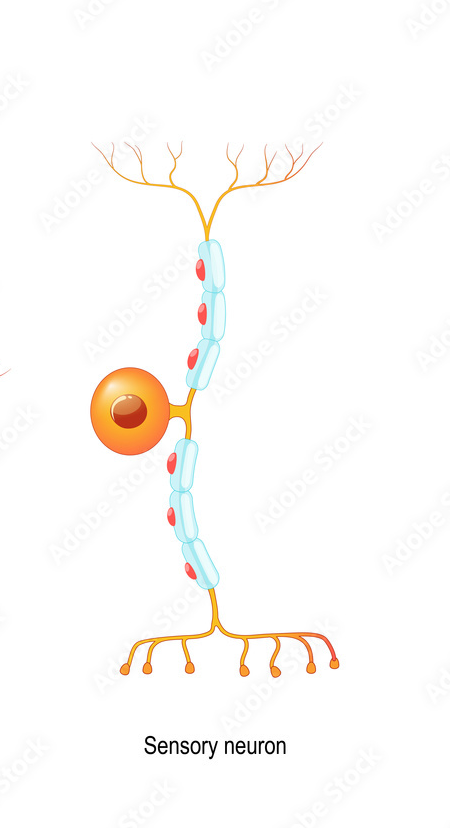
Sensory neuron
A type of neuron that transmits information from sensory receptors to the CNS.
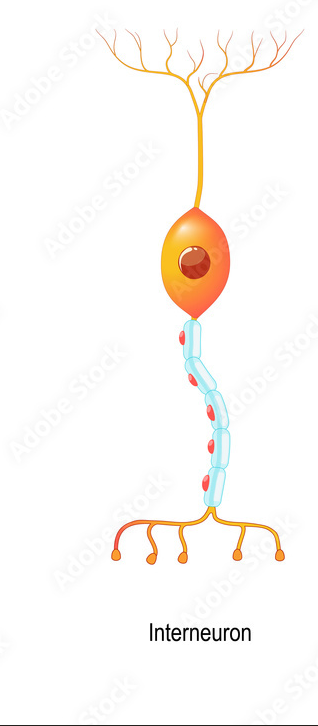
Interneuron
A type of neuron located in the CNS that processes information from sensory neurons and transmits that information to motor neurons.
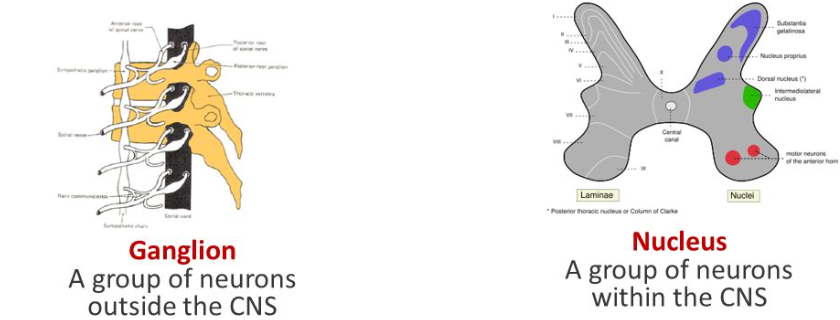
What is the difference between nucleus and ganglion?
Although both are collection of neurons, nucleus is found in the CNS whereas ganglion is found in the PNS.
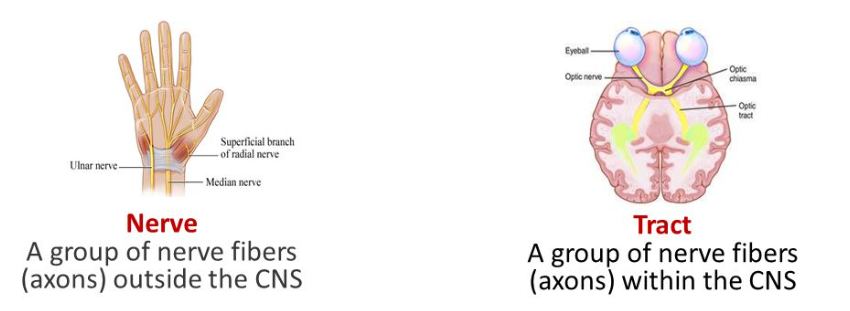
What is the difference between tract and nerve?
Although both are collection of axons, tract is found in the CNS and nerve is found in the PNS.
What are neural stem cells?
Inactive stem cells in the adult nervous system however, active in the nose and hippocampus.
What are four neuroglia you can find in the CNS?
Astrocytes
Ependymal cells
Oligodendrocytes
Microglia
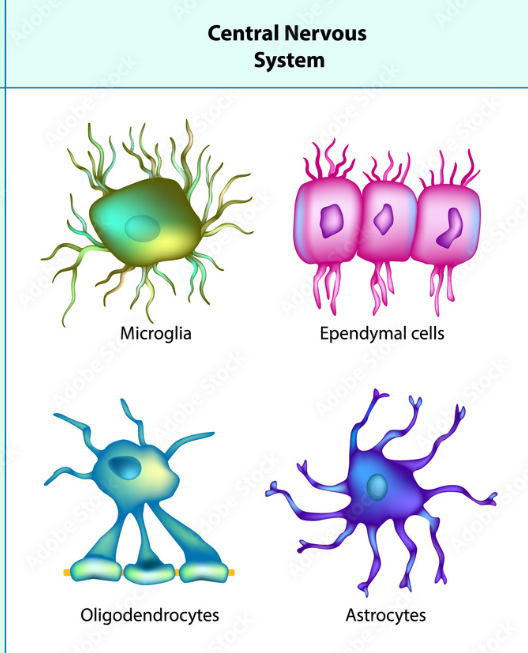
What are astrocytes and its function?
The largest and most abundant neuroglia in the CNS that provides structural support for neurons, regulates interstitial environment between neurons, maintain blood-brain barrier, and forms scar tissue after injury.
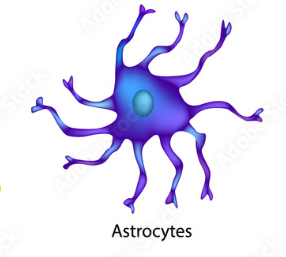
What are ependymal cells and its function?
A type of neuroglia in the CNS the lines the central canal of spinal cord and ventricles of the brain forming ependyma and produces, secrete, and monitor cerebrospinal fluid protecting these parts from injury.
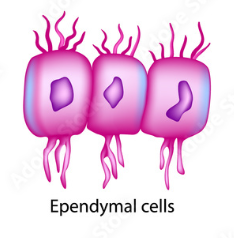
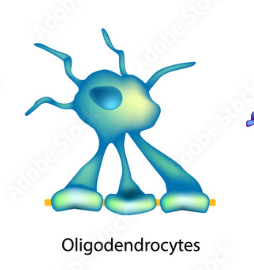
What are oligodendrocytes?
A type of neuroglia in the CNS that wraps around axons providing layers of membrane that insulate axons called myelin sheath, which also increases speed of information travelled along axons.
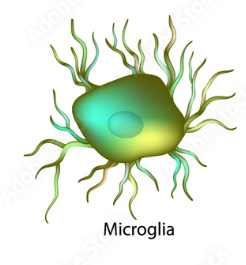
What are microglia?
The smallest and least common neuroglia which have many processes, including cleaning up cellular debris, waste products, and pathogens from neural tissue.
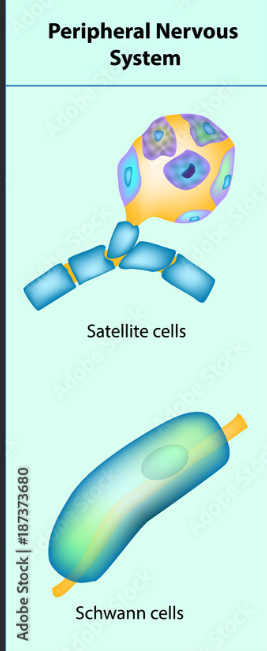
The functions of satellite cells and Schwann cells in the PNS are similar to which neuroglia in the CNS?
Satellite cells is like the astrocytes of the PNS whereas Schwann cells are the oligodendrocytes of the CNS.
Neurotransmission
Transmission of information across a synapse.
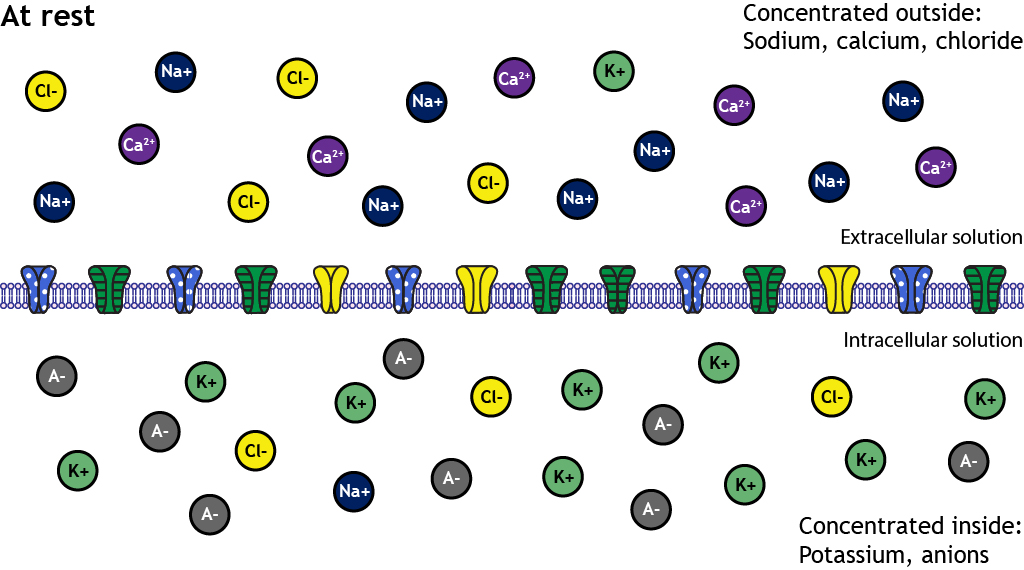
Membrane potential
The separation of positive and negatively charged molecules (ions) across the membrane where the inside of the neuron has a net negative charge whereas outside is positive.
What is the difference between white matter and grey matter (cortex)?
Although both refer to specific regions of the nervous system, grey matter is where there is a high density of neuronal cell bodies whereas white matter is where there is a high density of axons.
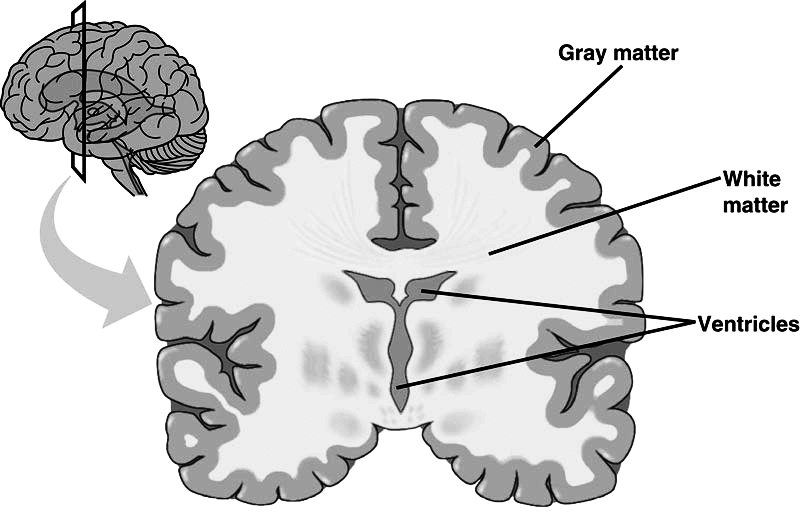
Axon
Long-extensions of the neuron, necessary to transmit information to other cells or effectors and connect neurons
Cell body
Contains organelles for necessary processes and contains genetic material (especially in the nucleus).
Dendrites
Small branches of the neuron which receive impulses from sensory neurons or other neurons and transmit information towards the cell body.
Membrane channels
A type of protein found throughout the cell membrane that allow transport of molecules along the concentration gradient (from high to low concentration).
What is the difference between passive (leak) channels and active (gated) channels?
Although both are membrane channels, passive channels are always open for molecules to diffuse and the permeability of the membrane changes in response to the environment whereas active channels open to specific stimuli and will briefly increase or decrease membrane permeability to an ion.
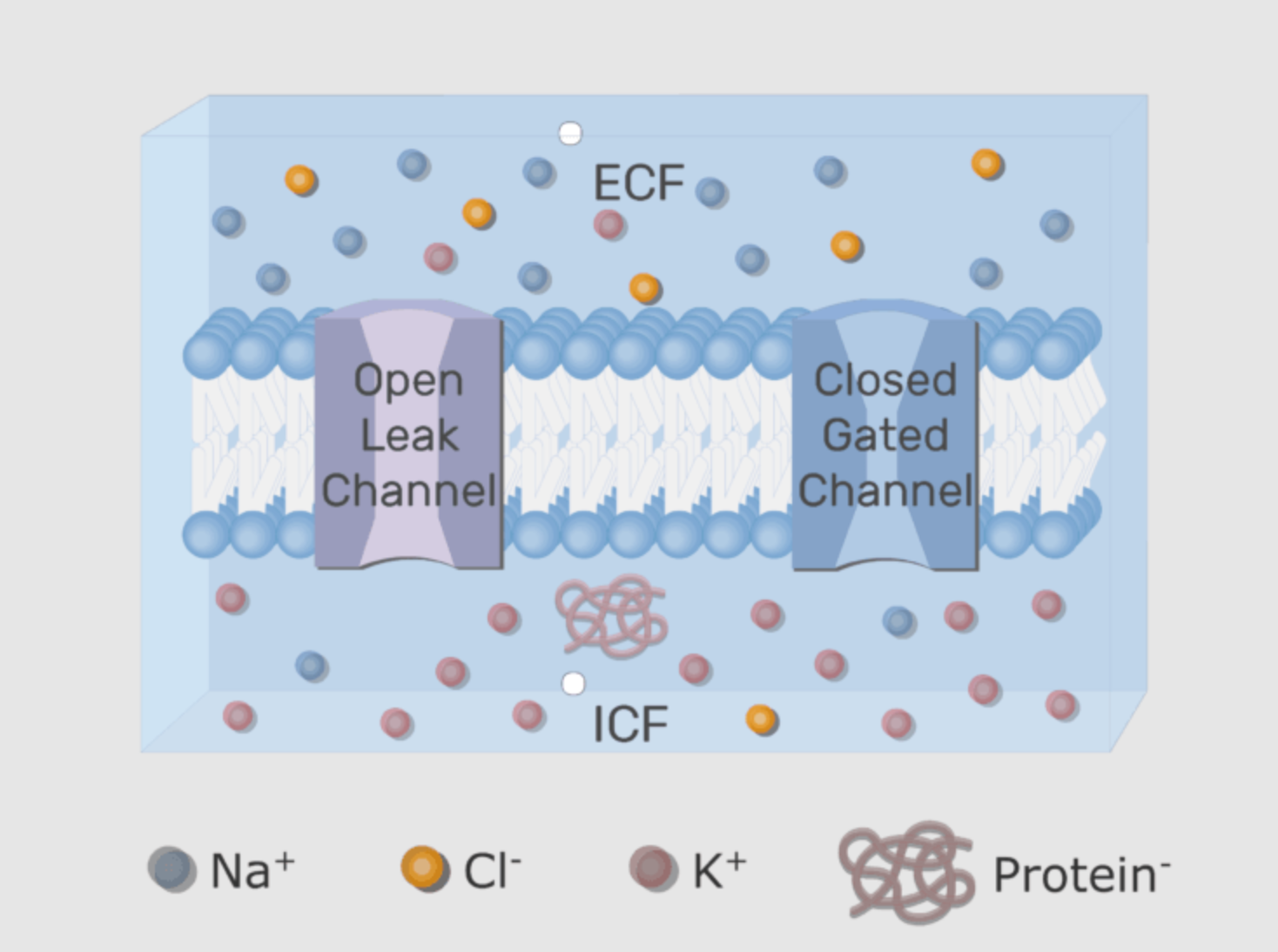
What are the three types of active (gated) channels?
Chemically-gated ion channels
Voltage-gated ion channels
Mechanical-gated ion channels
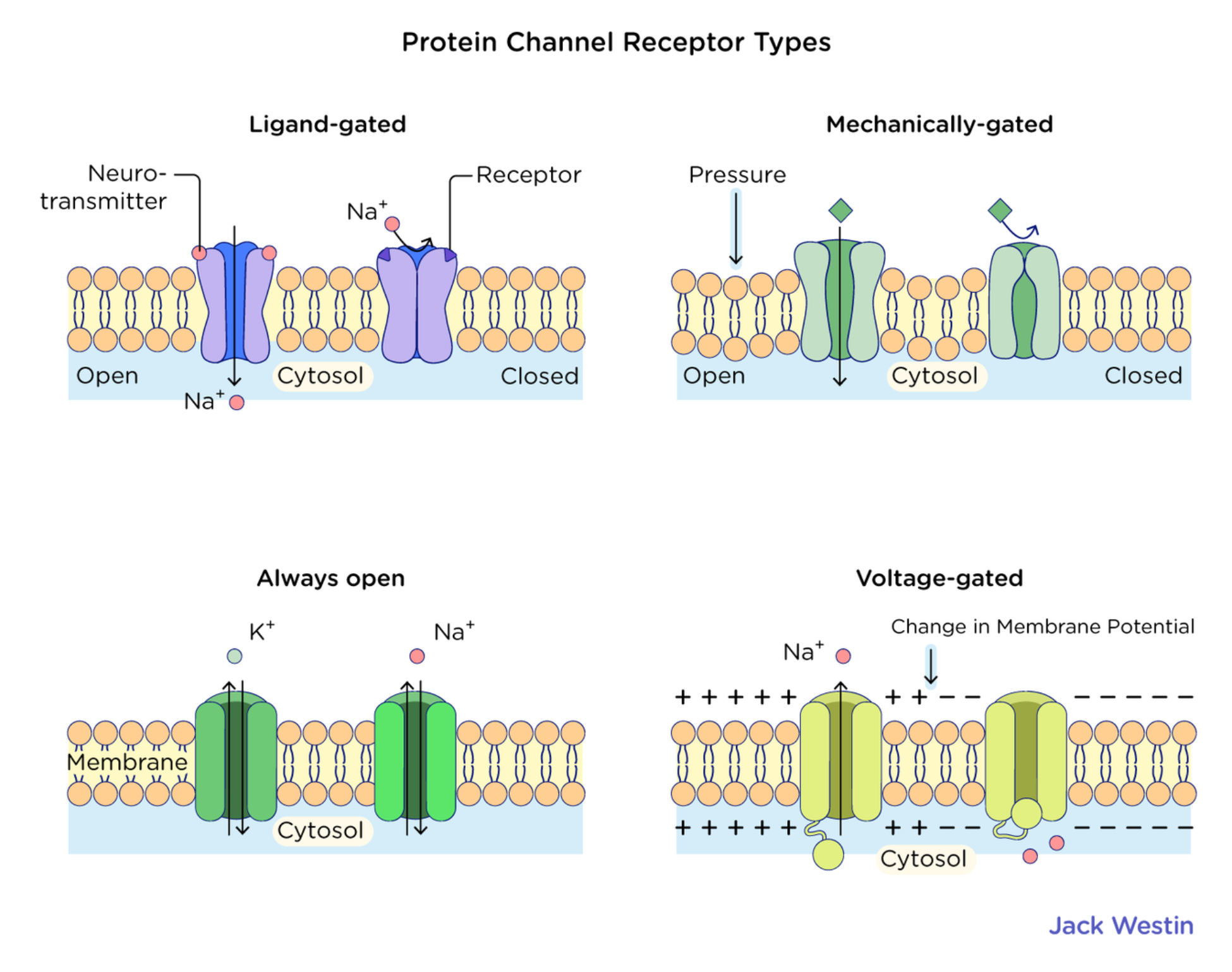
Chemically-gated ion channel
A type of active channel that only opens to neurotransmitters binding to a receptor on the gate.
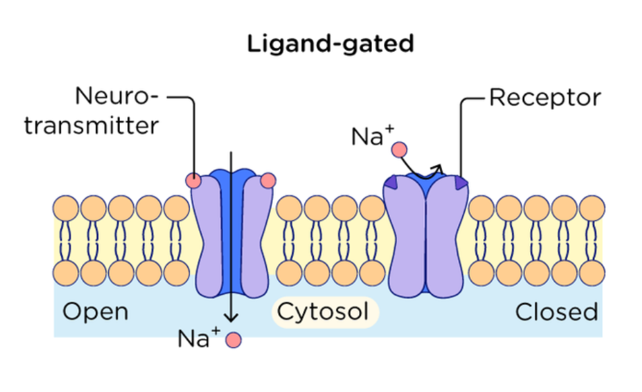
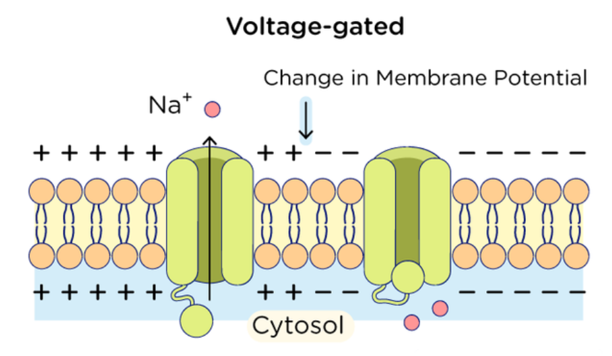
Voltage-gated ion channel
A type of active channel that only opens when there is a change in membrane voltage in the environment, where it will close once it reaches +30 mV.
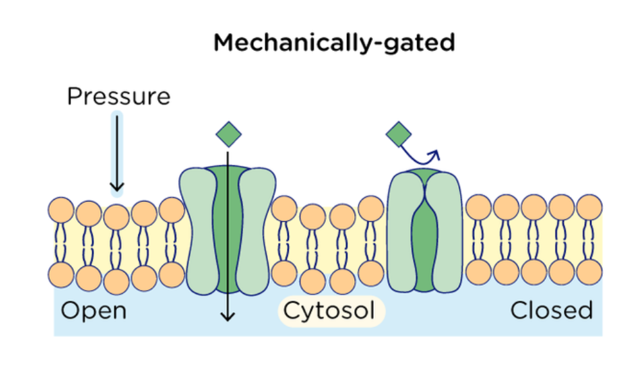
Mechanical-gated ion channel
A type of active channel that only opens due to a change in membrane structure.
What is the difference between graded potential and action potential?
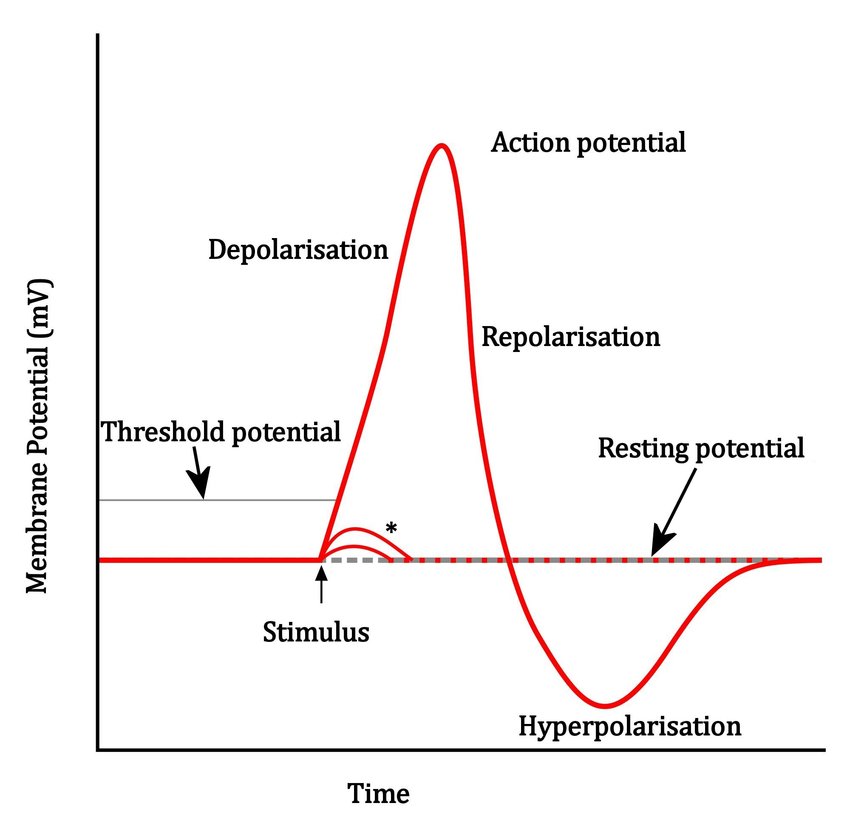
Graded potential is a small, local, and temporary change in membrane potential (either chemical, voltage, or mechanical) whereas action potential is the brief reversal of the membrane potential, which is propagated along the axon in one direction.
What is the all-or-none law in reference to action potential?
The law states “the strength of a response or nerve cell or muscle fibre is not dependent on the strength of the stimulus instead, just a full response or no response”. Basically, full response leads to action potential or none.
What is the difference between depolarisation and hyperpolarisation?
Depolarisation is membrane potential is more positive whereas hyperpolarisation is membrane potential is more negative.
What is the process of generating an action potential (5 points)?
Depolarisation to threshold.
Activation of sodium channels and rapid depolarisation.
Inactivation of sodium channels and activation of potassium channels.
Closing of potassium channels.
Back to resting membrane potential.
What is the difference between chemical and electrical synapse?
Although both refer to a specialised junction between neurons, chemical synapse is the most common synapse where information transmits through neurotransmitters whereas electrical synapse is where information transmits via gap junctions, although it is rare.
What is the difference between inhibitory and excitatory neurotransmitters?
Although both are chemical messengers, inhibitory inhibits the generation of an actional potential in the postsynaptic cell and excitatory promotes the generation of an action potential in the postsynaptic cell.
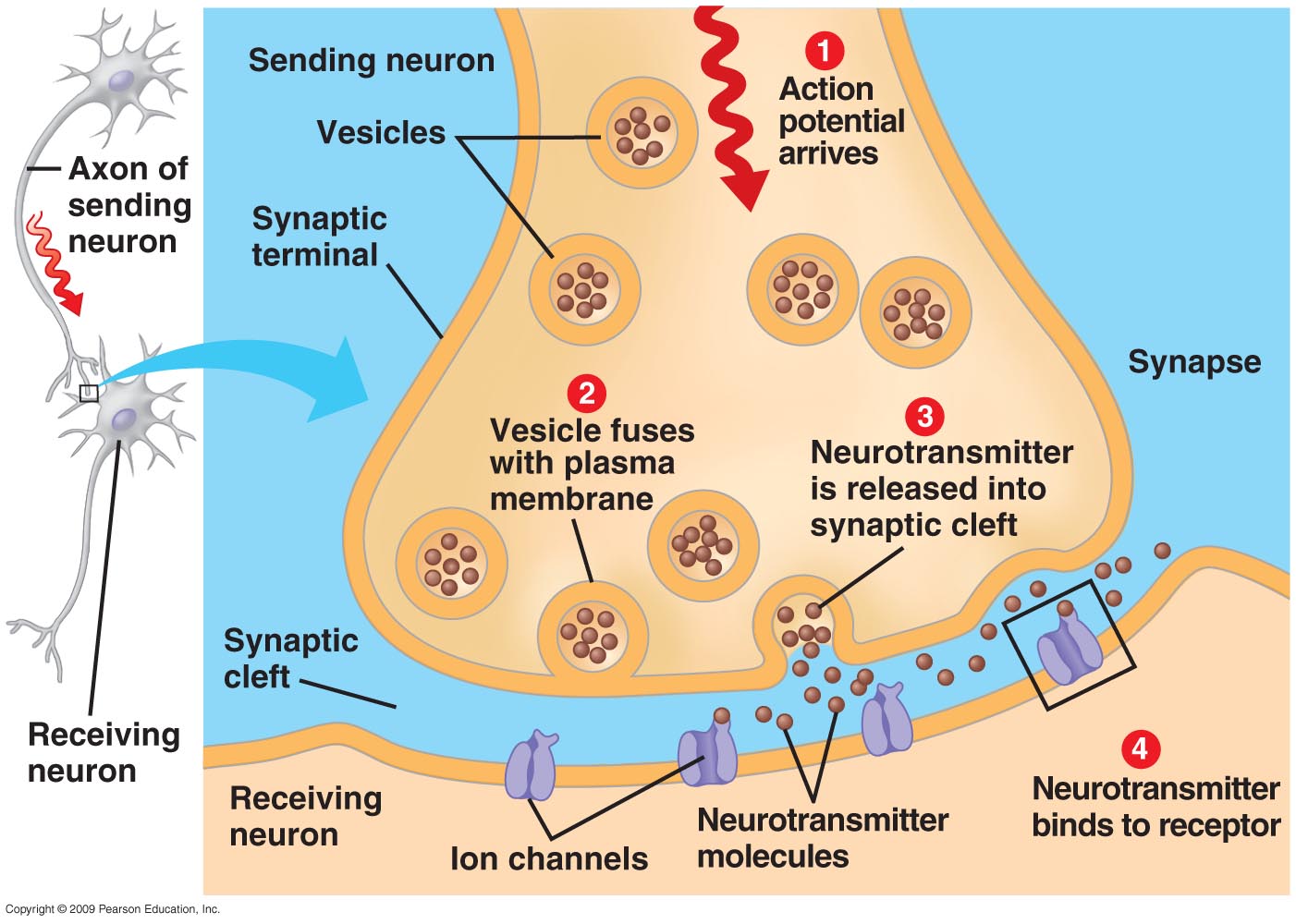
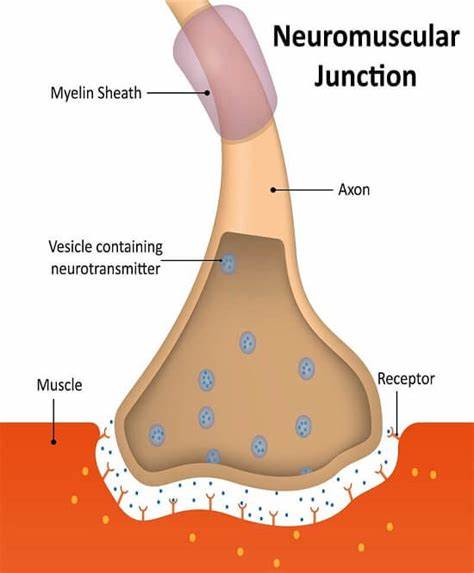
What is the process of a neurotransmission in a synapse (4 points)?
Action potential arrives at the axon terminal.
Voltage-gated Ca2+ open and Ca2+ enters the axon terminal.
Ca2+ entry causes neurotransmitter containing synaptic vesicles to release their contents via exocytosis.
Neurotransmitter diffuses across the synaptic cleft and binds to specific receptors on the postsynaptic membrane, releasing a neurotransmission.
Neuromuscular junction
A chemical synapse from a motor neuron to a skeletal muscle fibre.
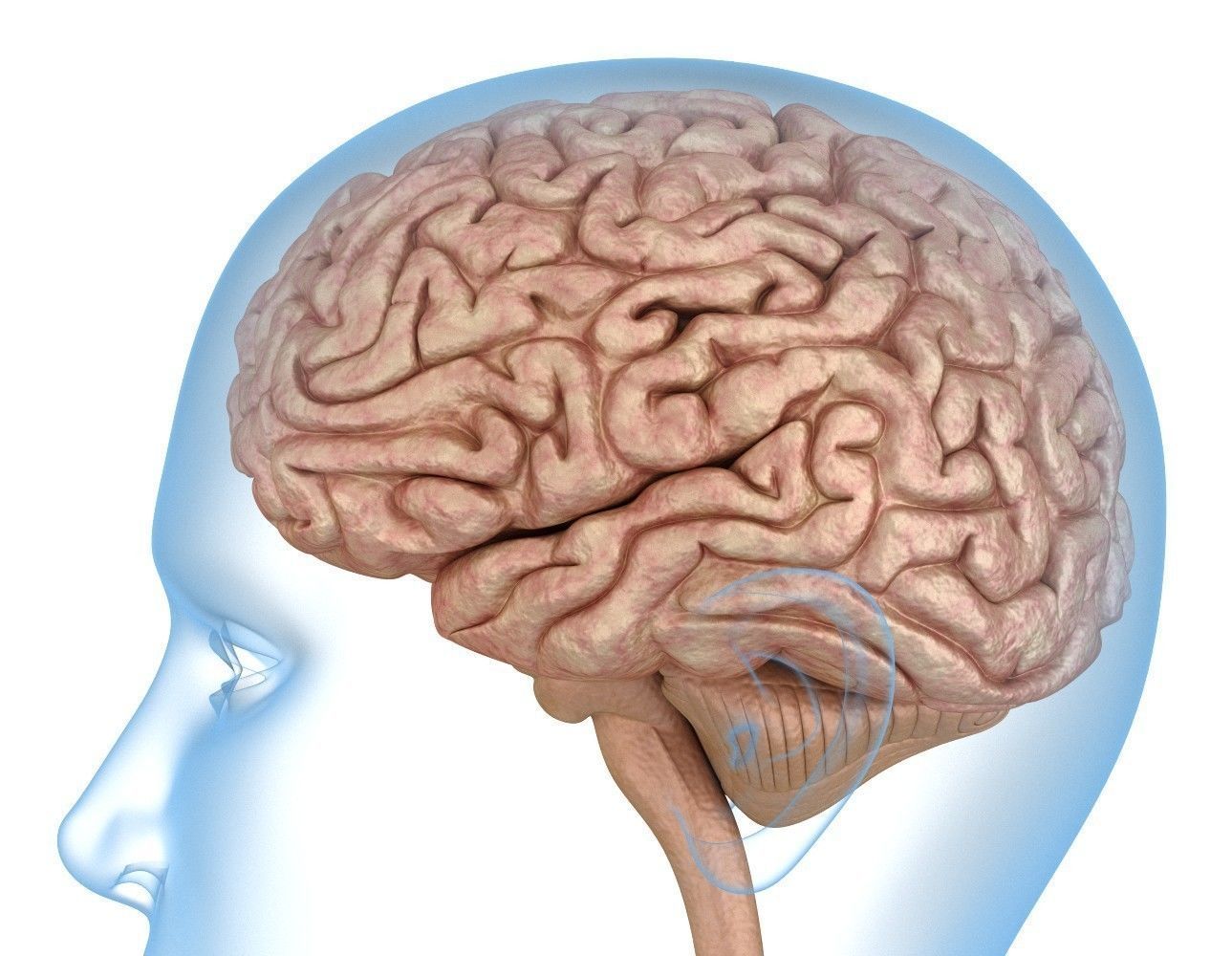
What is the brain and its main functions?
The brain is the central organ of the nervous system involved in multiple functions but generally, detects and locates stimuli and how we interpret and learn from the world around us that helps define us.
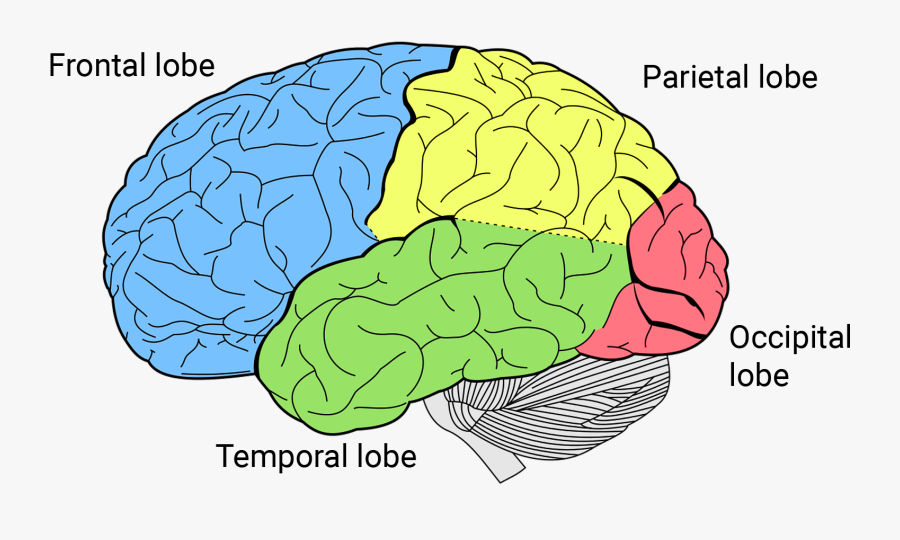
What are four major regions of the brain?
Cerebrum
Cerebellum
Diencephalon
Brainstem
What is the cerebrum and its function?
Apart of the brain, which consists of the cerebral cortex (outer layer) and deep structures known as gyri and sulci that controls all conscious thoughts and intellectual functions and processes sensory and motor information.
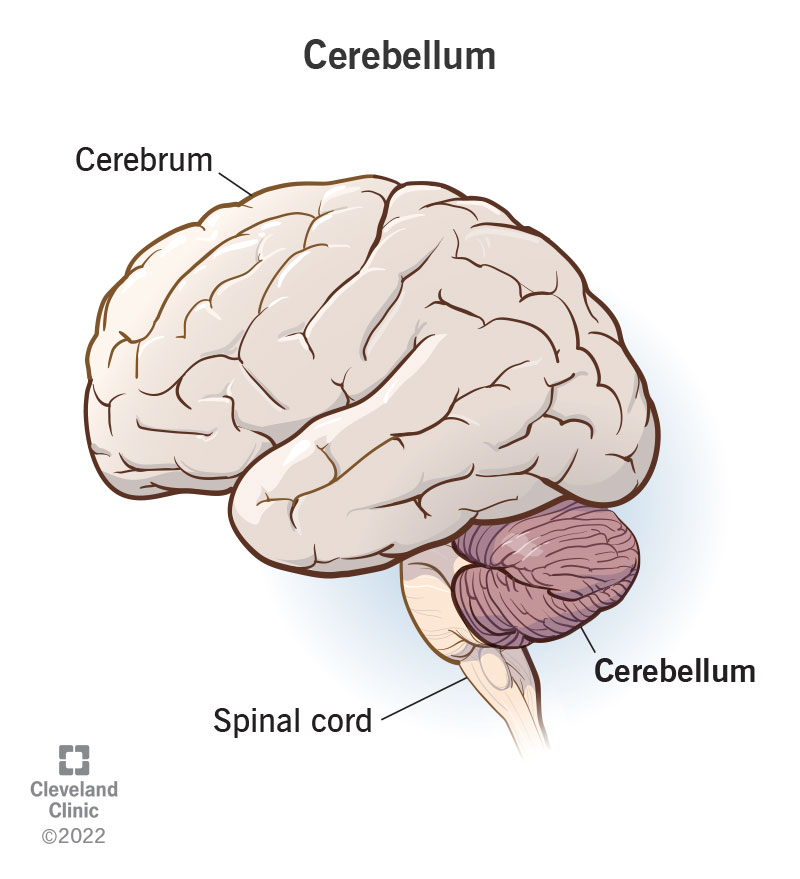
What is the cerebellum and its function?
Apart of the brain located inferior to the cerebrum which monitors and adjusts ongoing information, by comparing arriving sensations with previous sensations, allowing the individual to do the same movements.
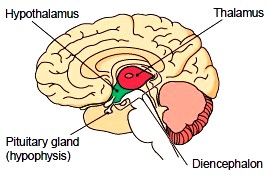
What is the diencephalon and its function
Apart of the brain that consists of the thalamus and hypothalamus, where thalamus filters and relays sensory information to the cerebral cortex and hypothalamus regulates homeostasis (especially hormone production), autonomic function, coordinates nervous and endocrine system, and regulates emotions.
What is the brainstem and its three components?
Apart of the brain which consists of the midbrain, pons, and medulla oblongata.
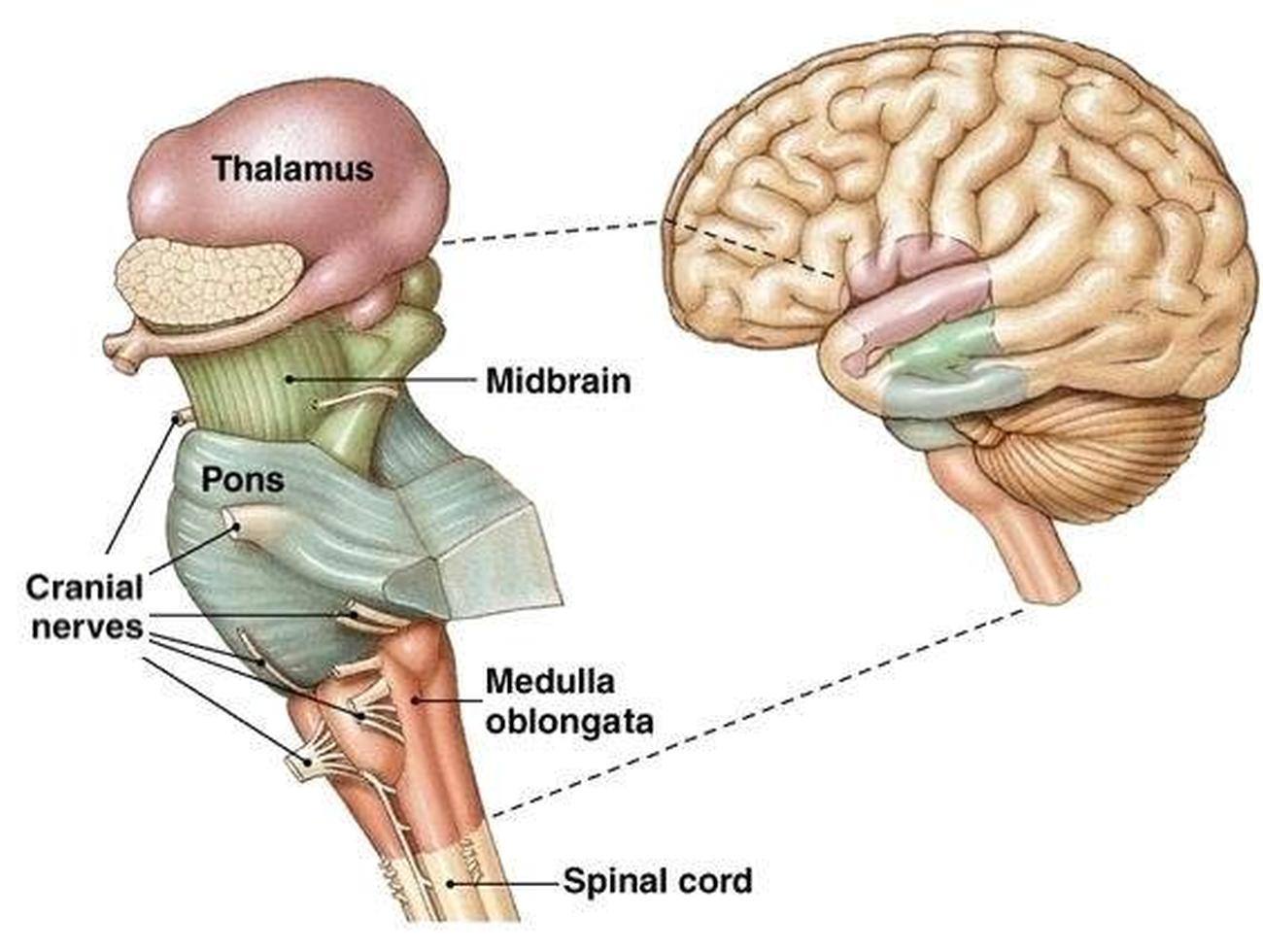
What is the midbrain and its function?
Apart of the brainstem that processes visual and auditory information, reflexive somatic motor movements, and maintains consciousness.
What is pons and its function?
Apart of the brainstem that relays sensory information to the cerebellum and thalamus and subconsciously controls skeletal muscles and smooth muscle in organs.
What is the medulla oblongata and its function?
Apart of the brainstem that regulates the cardiovascular, respiratory, and digestive systems and relays sensory information to the thalamus and to other portions of the brain stem.
What is enteric and its function?
A network of the neurons located in the wall of the digestive tract that is influenced by the parasympathetic and sympathetic nervous system, controlling functions within the digestive system.
Substantia
A group of related neurons but with less distinct borders than those of nuclei.
Locus
A small, well-defined group of cells.
Capsule
A collection of axons that connect cerebrum with brain stem.
Commissure
A collection of axons that connect one side of the brain to the other.