nervous system practical
 Call Kai
 Learn
Learn Practice Test
 Spaced Repetition
 Match
Match Flashcards
 Knowt Play
1/24

There's no tags or description
Looks like no tags are added yet.
Name | Mastery | Learn | Test | Matching | Spaced | Call with Kai | Chat |
|---|
No analytics yet
Send a link to your students to track their progress
25 Terms
Olfactory bulb
a neural structure in the forebrain that processes the sense of smell
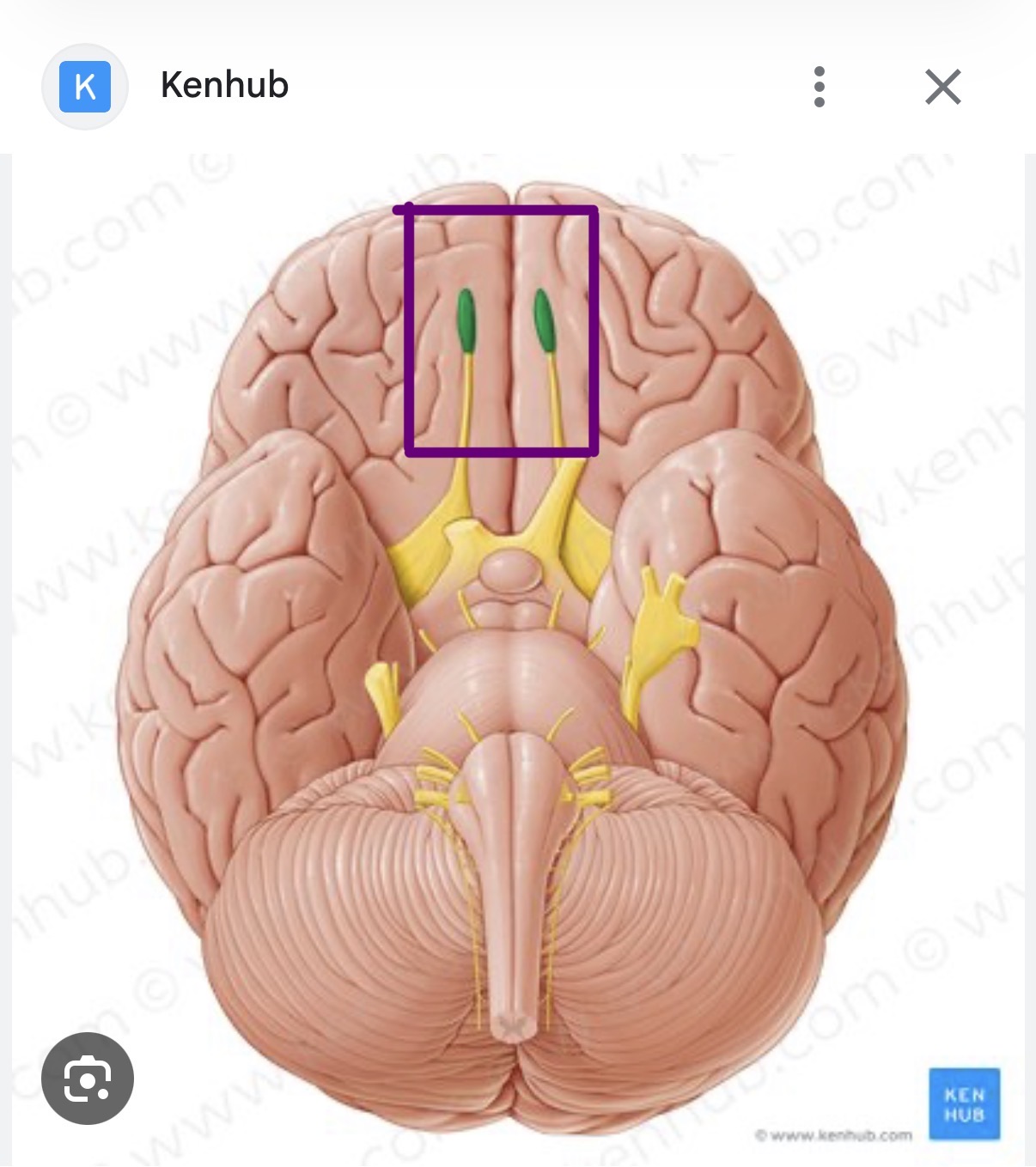
Olfactory Tract
a band of nerve fibers that carries smell signals from the olfactory bulb directly to the primary olfactory cortex in the brain
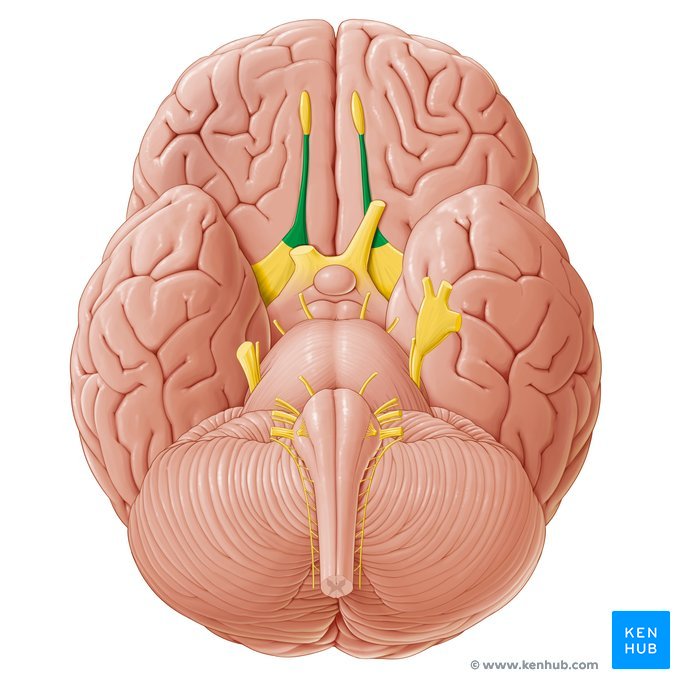
Optic Nerve (II)
a sensory cable that links your eye to your brain, acting as cranial nerve II and carrying visual data from the retina
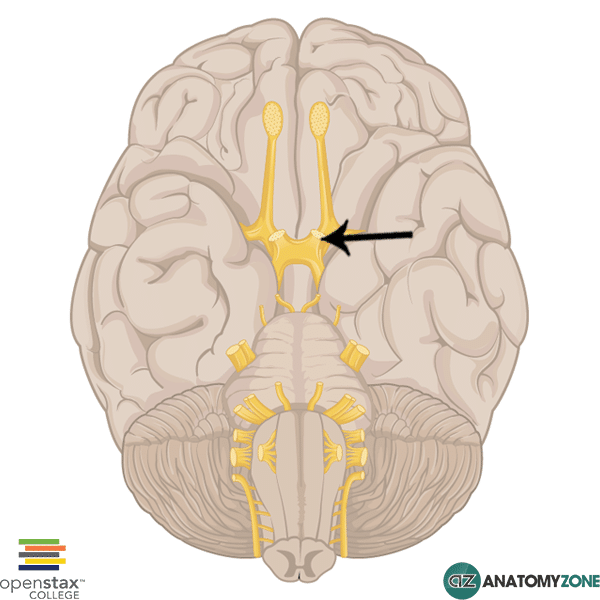
Trigeminal (IV) Nerve
the largest cranial nerve, carrying sensory data from the face and controlling jaw muscles
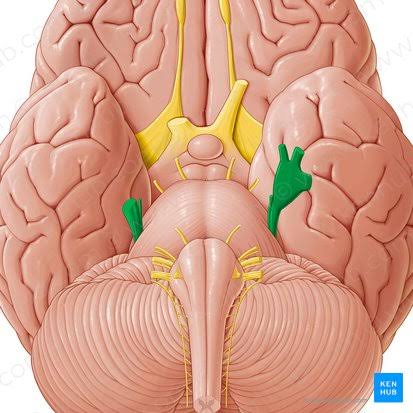
Facial (VII) Nerve
seventh cranial nerve, managing facial movements, taste, and gland secretions
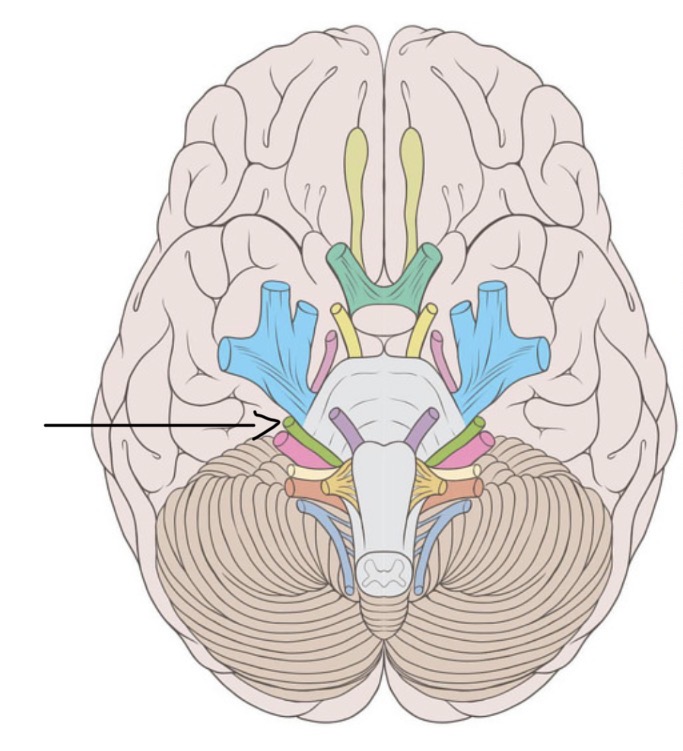
Vagus (X) Nerve
the longest cranial nerve in the body, running from the brainstem down through the neck, chest, and abdomen, and acting as a primary control center for the parasympathetic nervous system to manage involuntary body functions

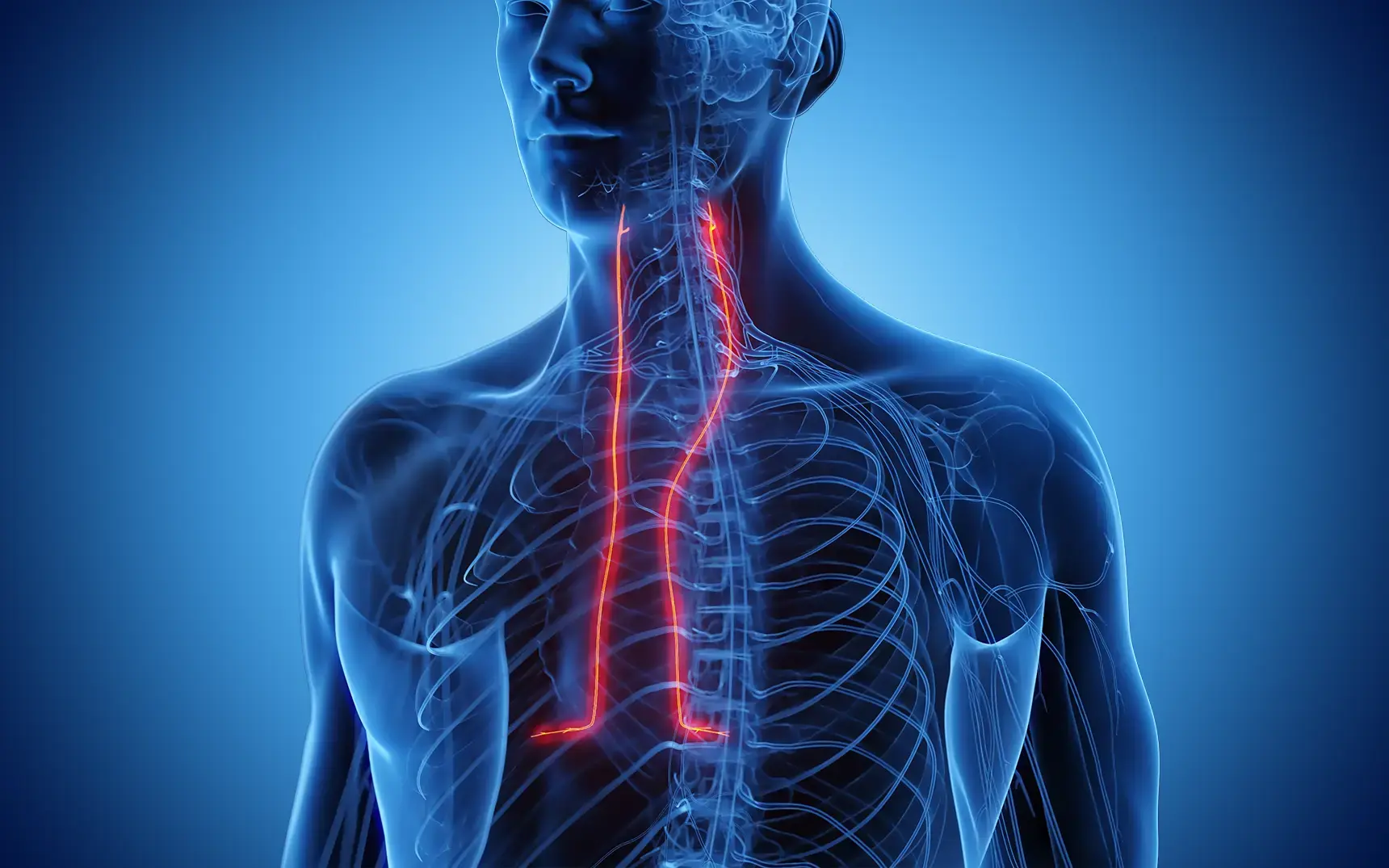
Phrenic Nerve
Serves as a mixed nerve—delivering motor signals for breathing and sensory feedback from the heart's protective sac (pericardium) and the lining of the lungs and abdomen
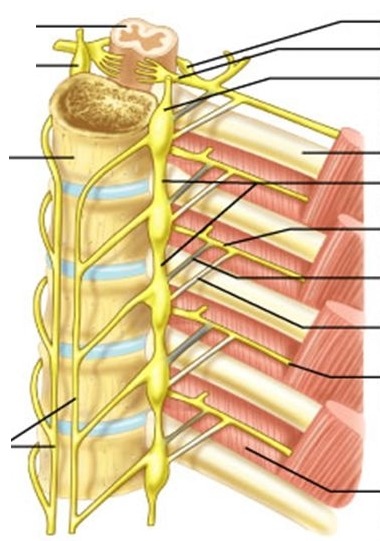
Sympathetic Chain Ganglia
paired clusters of nerve cell bodies that run in long chains on both sides of the spine, acting as critical relay stations for the body's involuntary "fight or flight" response
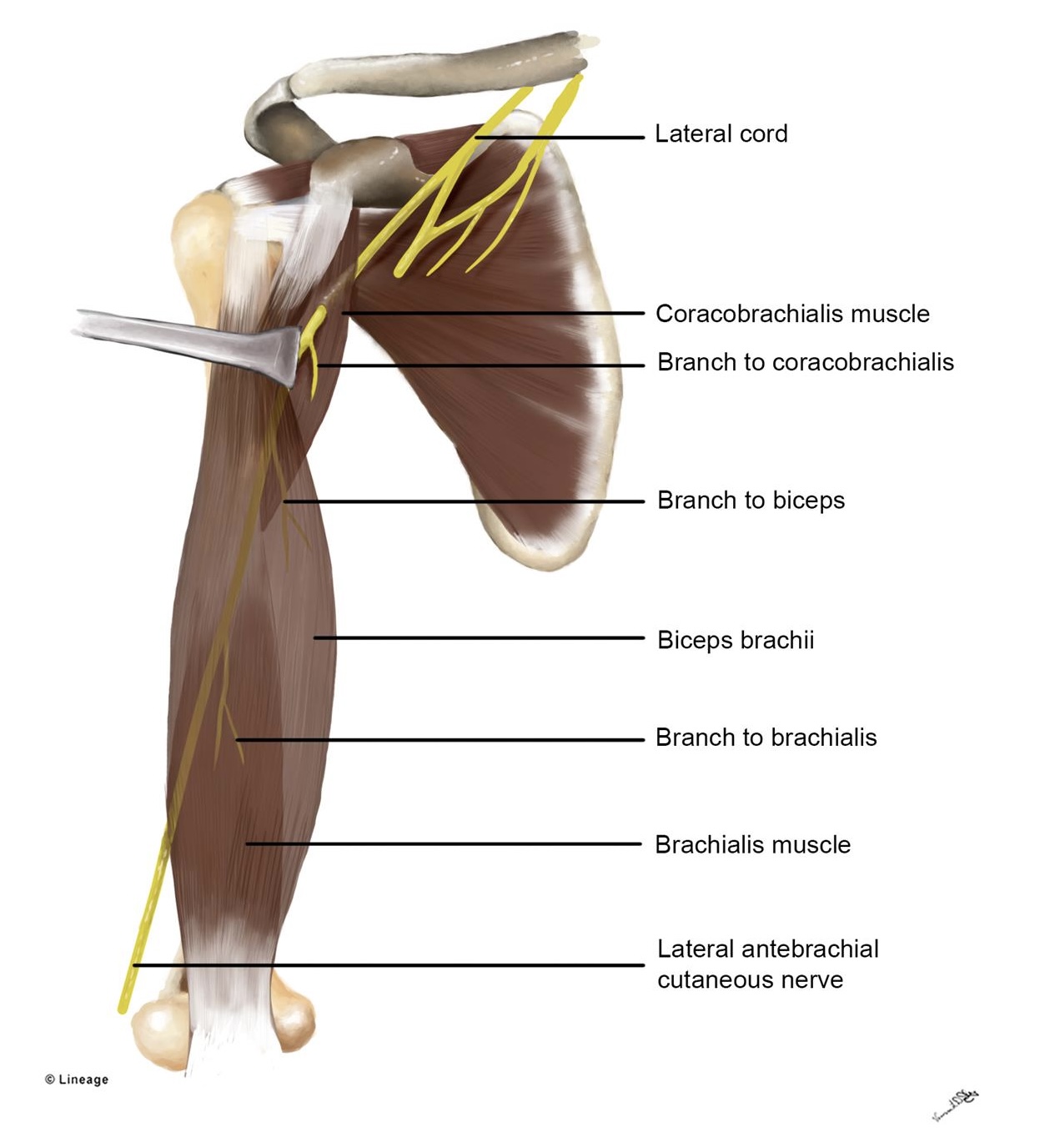
Musculocutaneous Nerve
a major peripheral nerve of the upper limb originating from spinal nerve roots C5, C6, and C7 through the brachial plexus. It provides motor control to the front arm muscles (coracobrachialis, biceps brachii, and brachialis) and sensory feeling to the lateral forearm.
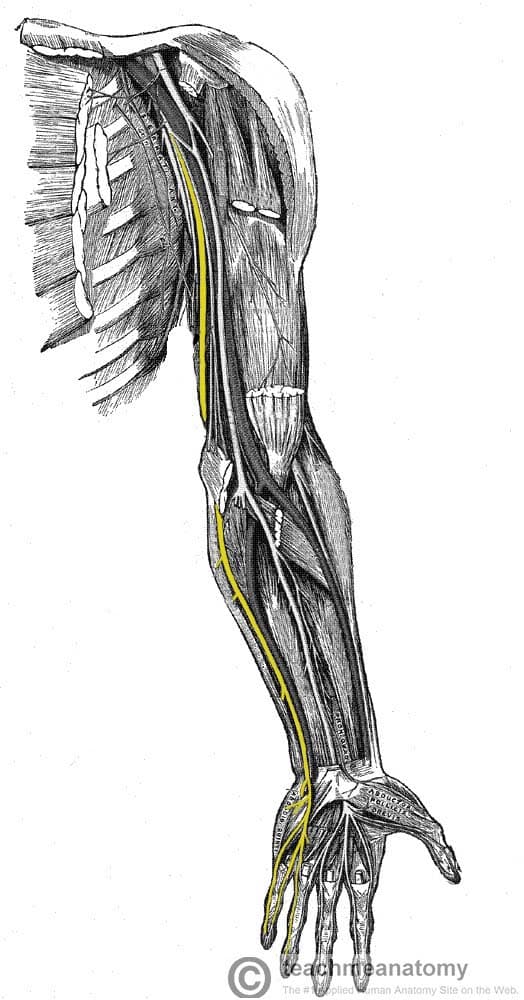
Median Nerve
a major upper-limb peripheral nerve originating from the brachial plexus (C5–T1), supplying motor and sensory functions to the forearm, wrist, and hand. It controls forearm pronation, wrist flexion, thumb opposition, and sensation in the lateral palm and first three and a half digits.

Ulnar Nerve
a major upper-limb nerve controlling hand muscle movement and finger sensation, famously known for passing near the "funny bone" at the elbow. It originates from the brachial plexus (cervical roots C8 and T1), travels down the inner arm, passes through the cubital tunnel at the elbow, and extends through Guyon's canal at the wrist into the hand
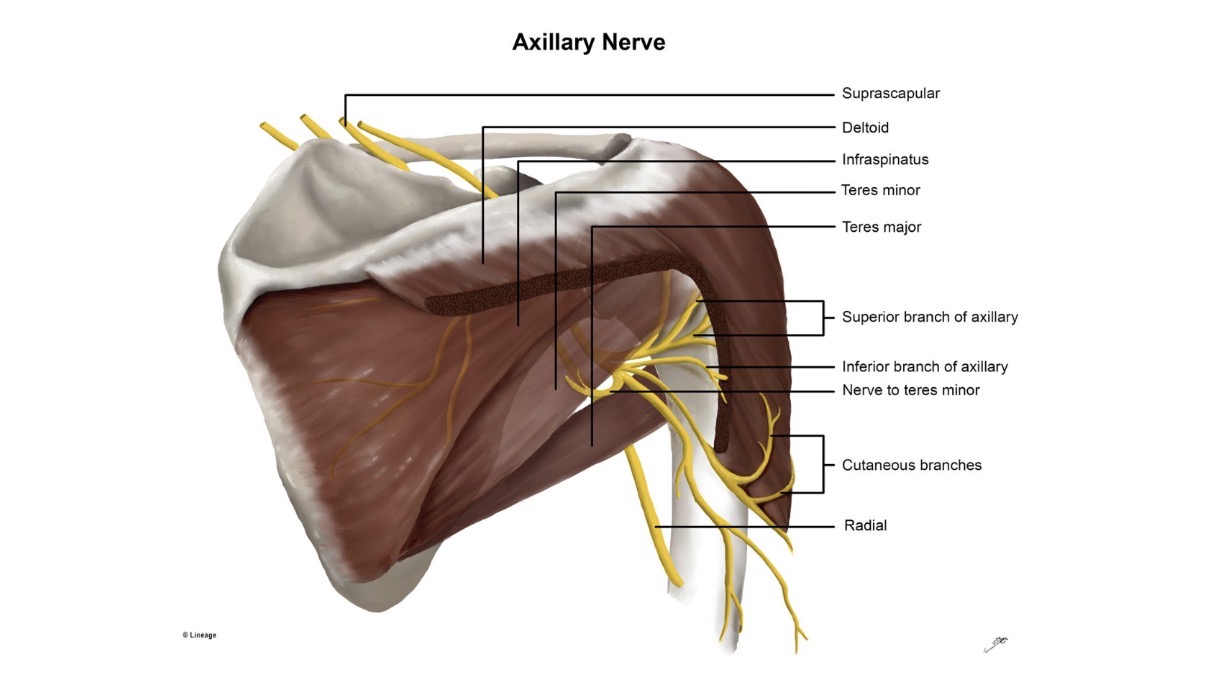
Axillary Nerve
a major nerve of the shoulder that originates from the brachial plexus (spinal roots C5 and C6), traveling through the quadrangular space to supply motor and sensory function to the upper arm.
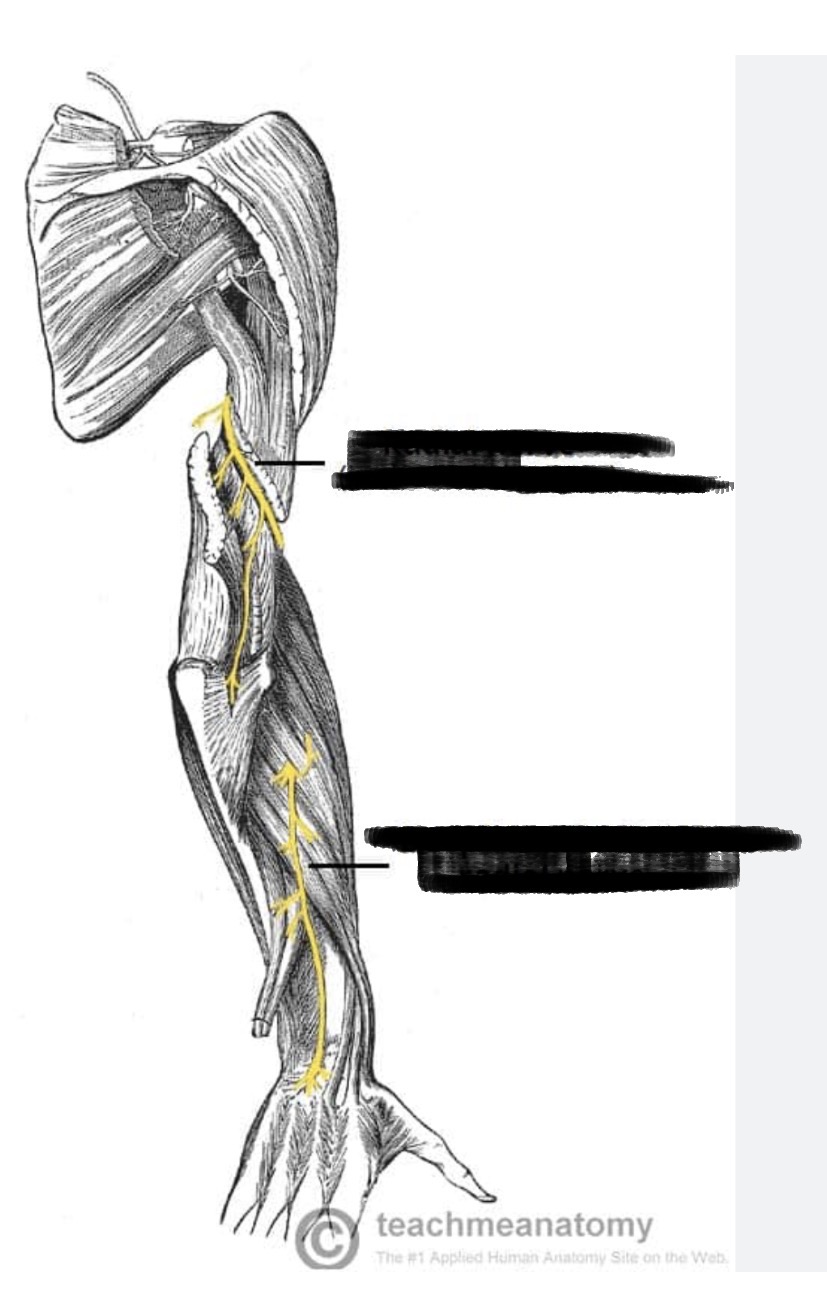
Radial Nerve
a major nerve in the arm that controls movement in the back of the arm, wrist, and hand, and provides feeling to parts of the skin. It runs from the neck and armpit down the back of the arm to the fingers.
Obturator Nerve
peripheral nerve originating from the lumbar plexus (spinal roots L2, L3, and L4) that provides motor control to the inner thigh adductor muscles and sensory innervation to the medial thigh skin and hip/knee joints.
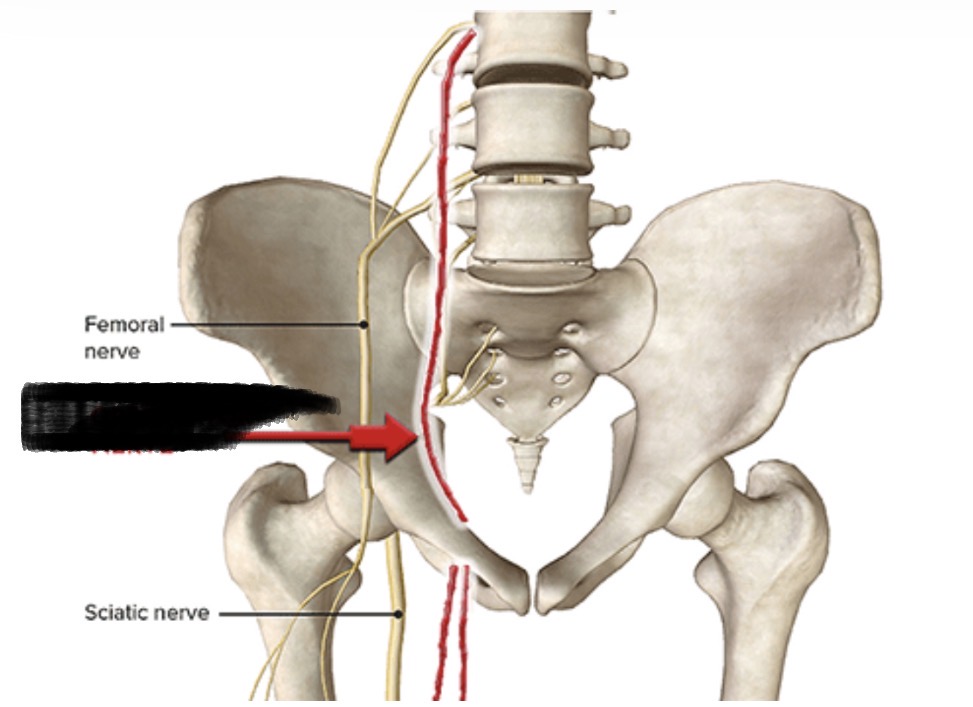
Femoral Nerve
the largest nerve of the lumbar plexus, originating from nerve roots L2, L3, and L4, and is responsible for controlling muscles in the front of the thigh and providing sensation to the front of the leg
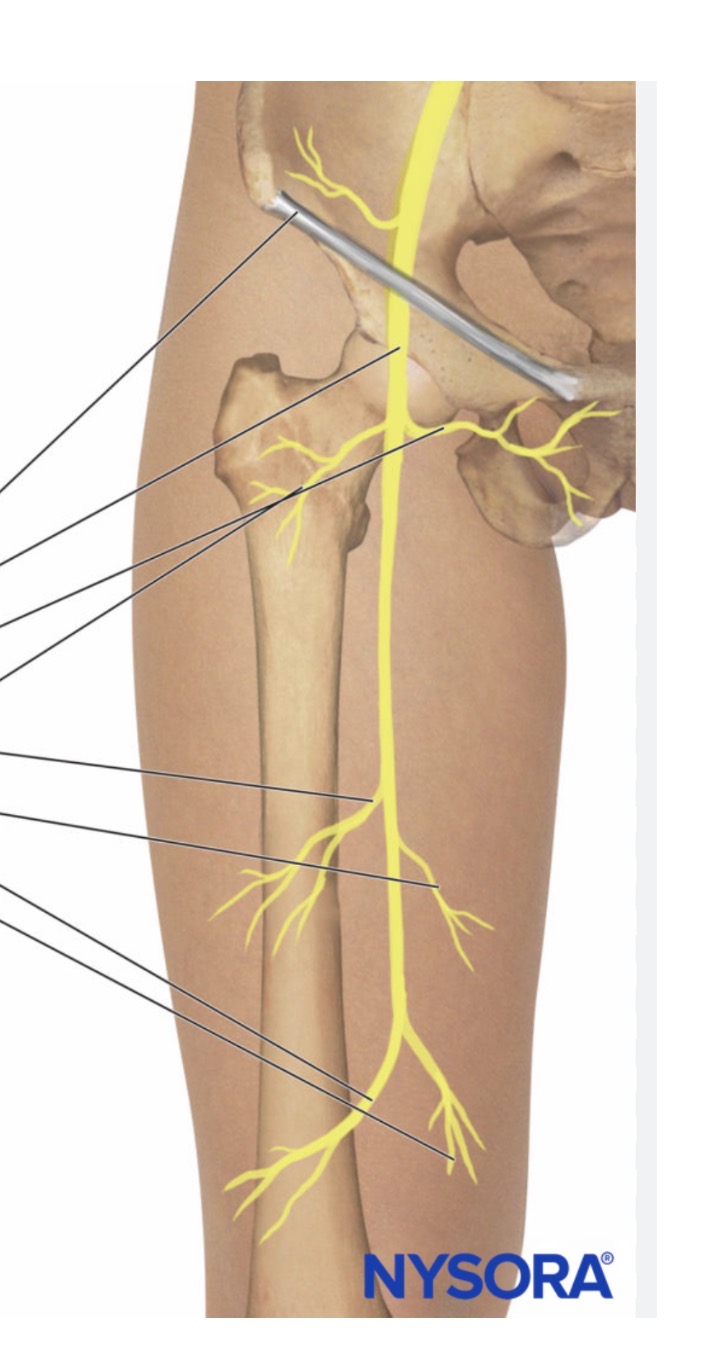
Sciatic Nerve
the largest and longest single nerve in the human body, running from the lower back through the hips and buttocks down each leg. It provides movement and feeling to the thighs, lower legs, and feet.
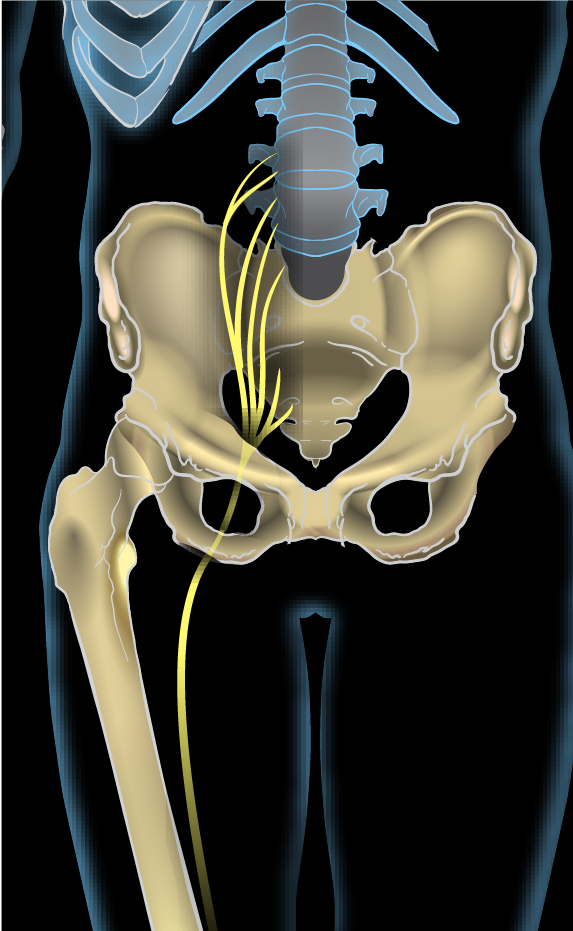
Common Fibular Nerve
a major peripheral nerve of the lower limb. It branches from the sciatic nerve near the knee, wraps around the neck of the fibula bone, and divides into the superficial and deep fibular nerves to control movement and sensation in the lower leg and foot.
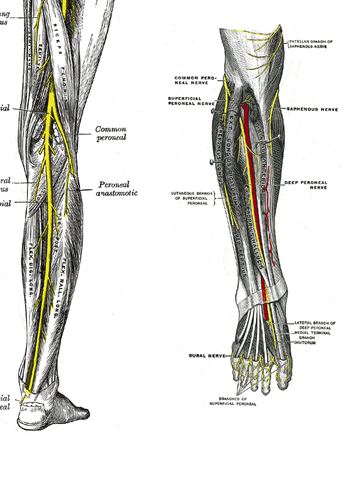
Tibial Nerve
Activates muscles in the back of the leg (such as the gastrocnemius, soleus, and tibialis posterior) to allow knee bending, ankle pointing downward, and toe movement Cleveland Clinic Tibial Nerve Guide.
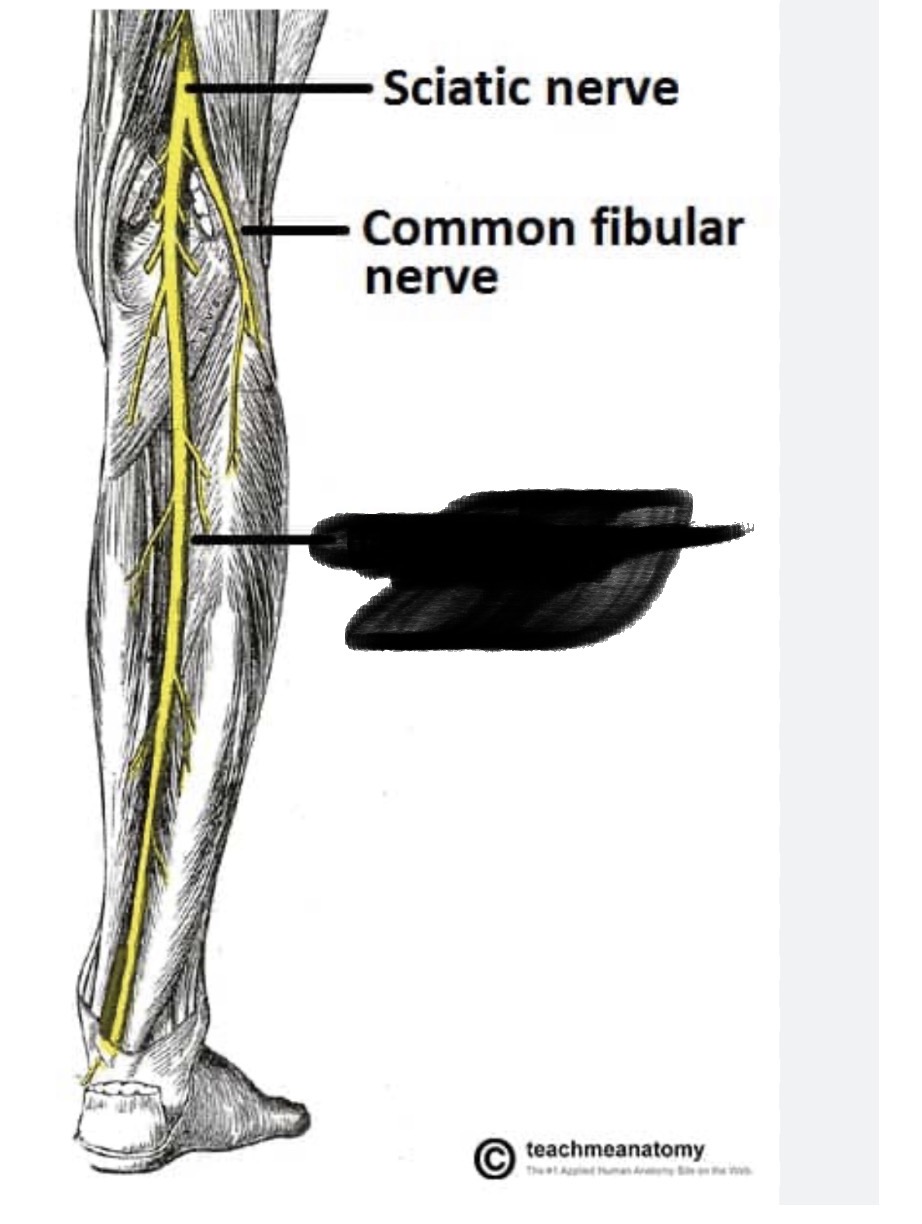
Lateral Ventricles
a pair of large, C-shaped cavities located within the cerebral hemispheres of the brain that produce and circulate cerebrospinal fluid (CSF), and connect to the rest of the brain's ventricular system.
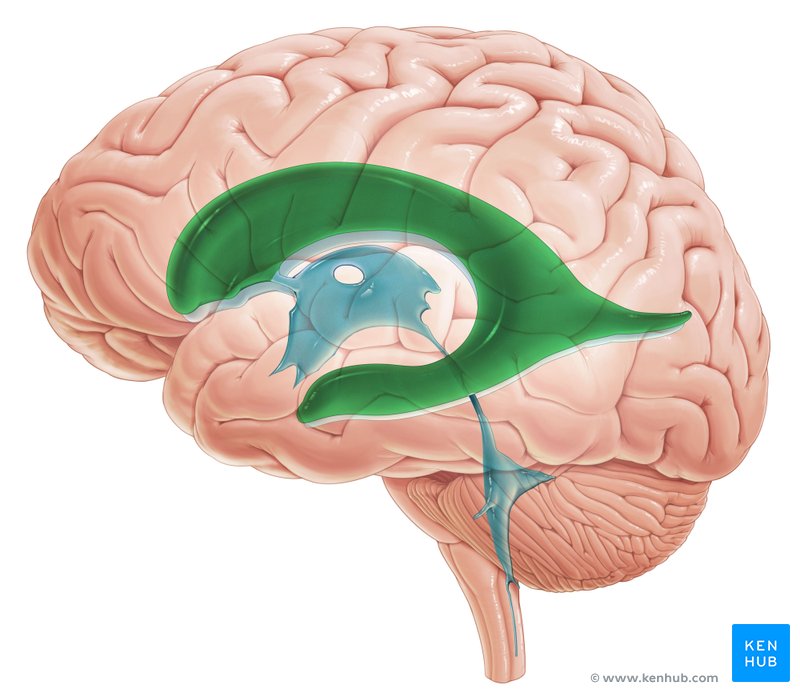
Third Ventricle
a narrow, fluid-filled space in the center of the brain that helps make, store, and move cerebrospinal fluid. It sits right between the left and right sides of the thalamus and hypothalamus
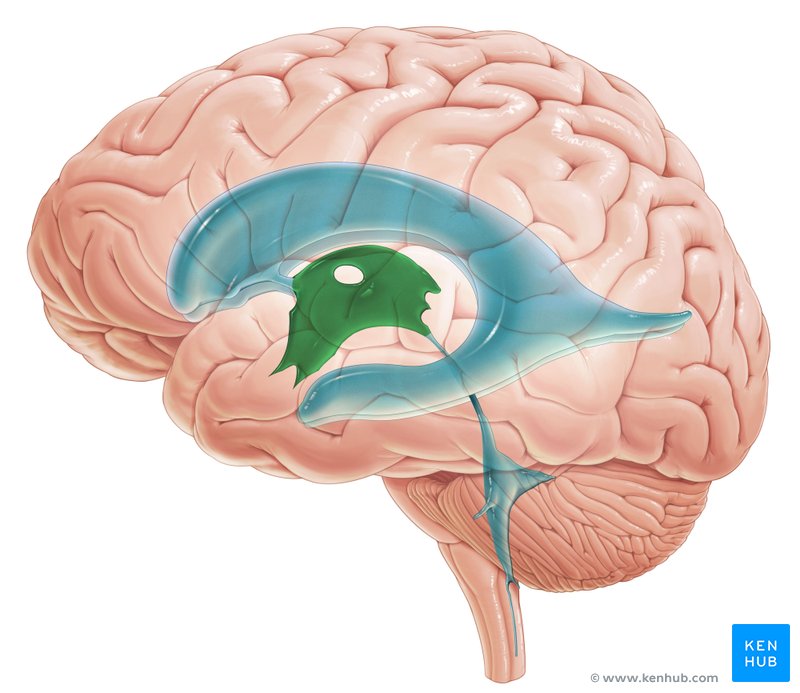
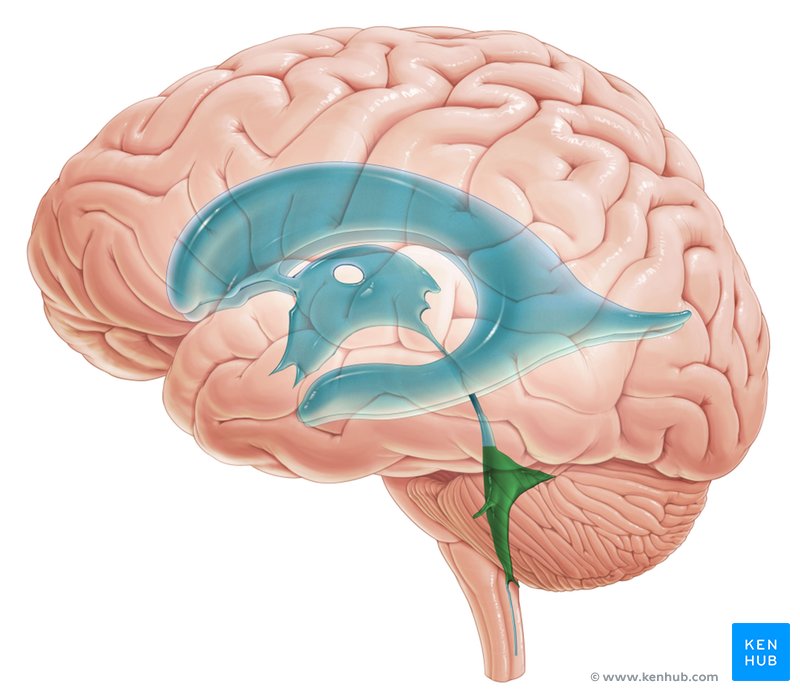
Cerebral Aqueduct
a narrow fluid-filled canal in the brain that connects the third ventricle to the fourth ventricle.
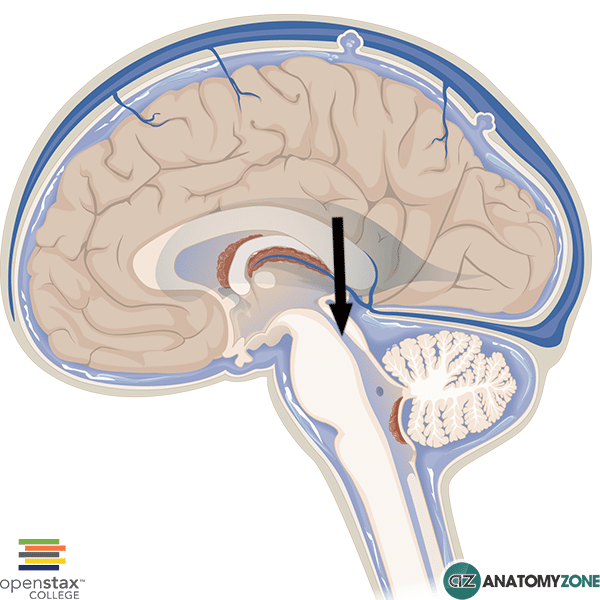
Fourth Ventricle
a fluid-filled space in the brain located between the brainstem and the cerebellum. It receives cerebrospinal fluid (CSF) from the third ventricle, helps circulate it around the central nervous system, and connects below to the spinal cord
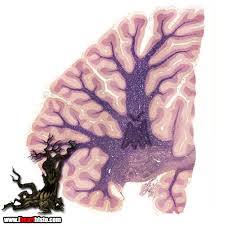
Arbor Vitae
the tree-like pattern of cerebellar white matter located inside the cerebellum at the back of the brain
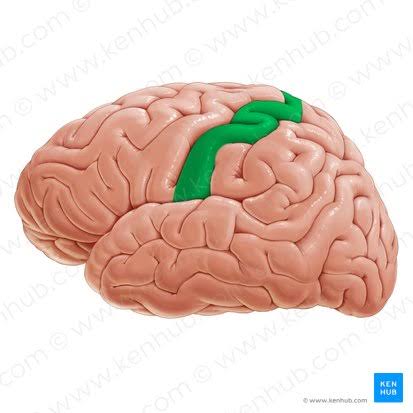
PreCentral Gyrus
a prominent ridge on the surface of the frontal lobe that contains the primary motor cortex, controlling voluntary movement, mapping body parts via the motor homunculus, and sending signals down the corticospinal tract
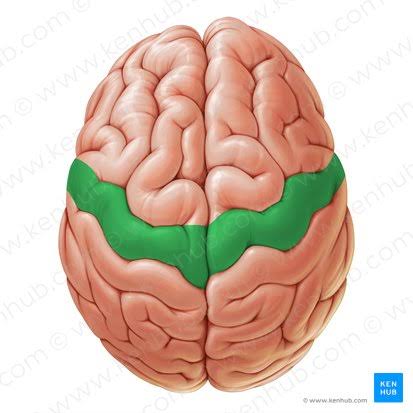
Postcentral Gyrus
a prominent ridge in the parietal lobe of the brain that houses the primary somatosensory cortex, processes body sensations like touch, and organizes feelings via the sensory homunculus.