TEAS 7 STUDY GUIDE (nurseishy copy)
 Call Kai
 Learn
Learn Practice Test
 Spaced Repetition
 Match
Match Flashcards
 Knowt Play
1/190

There's no tags or description
Looks like no tags are added yet.
Name | Mastery | Learn | Test | Matching | Spaced | Call with Kai | Chat |
|---|
No analytics yet
Send a link to your students to track their progress
191 Terms
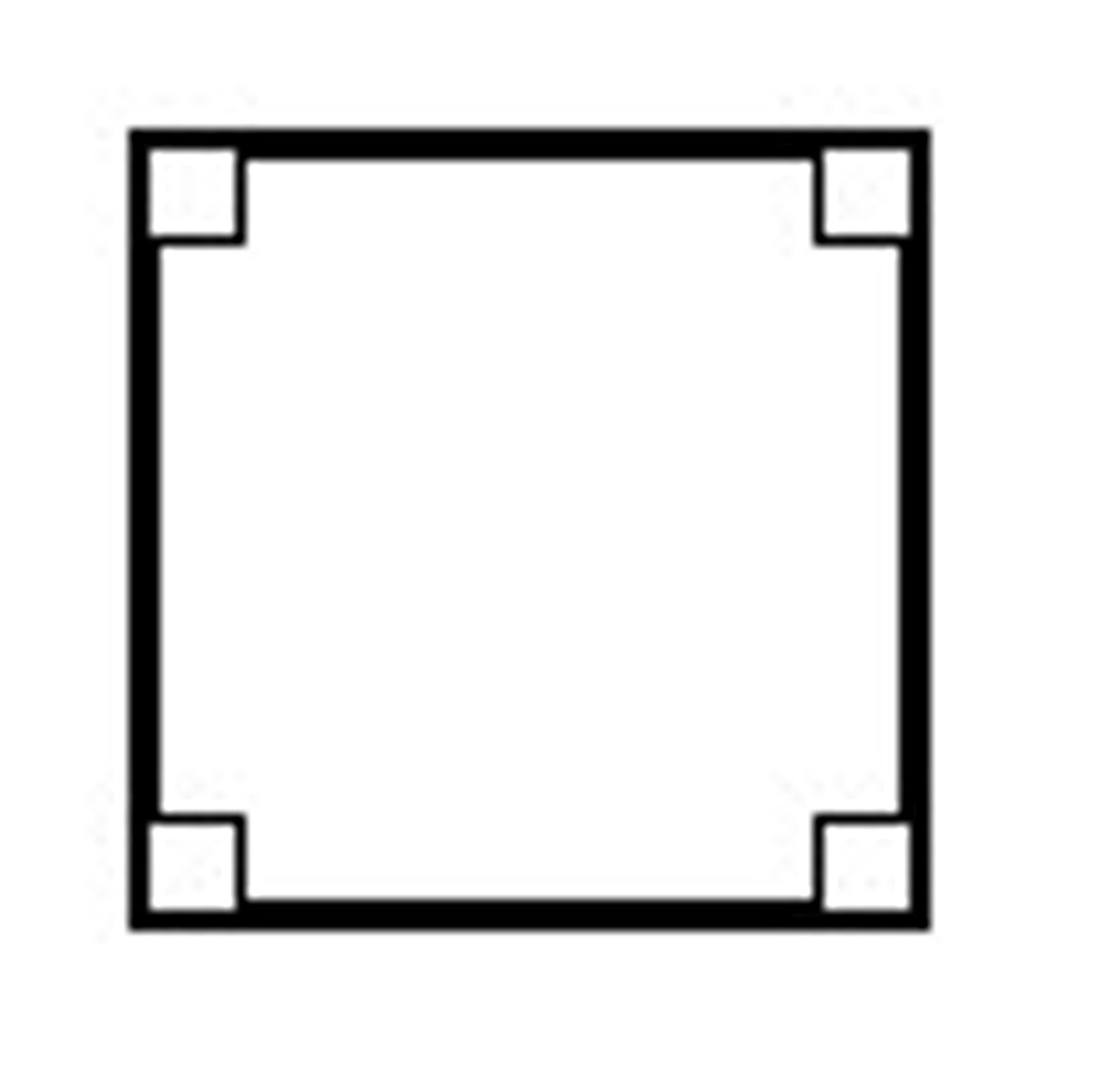
Area for a square
=L x W
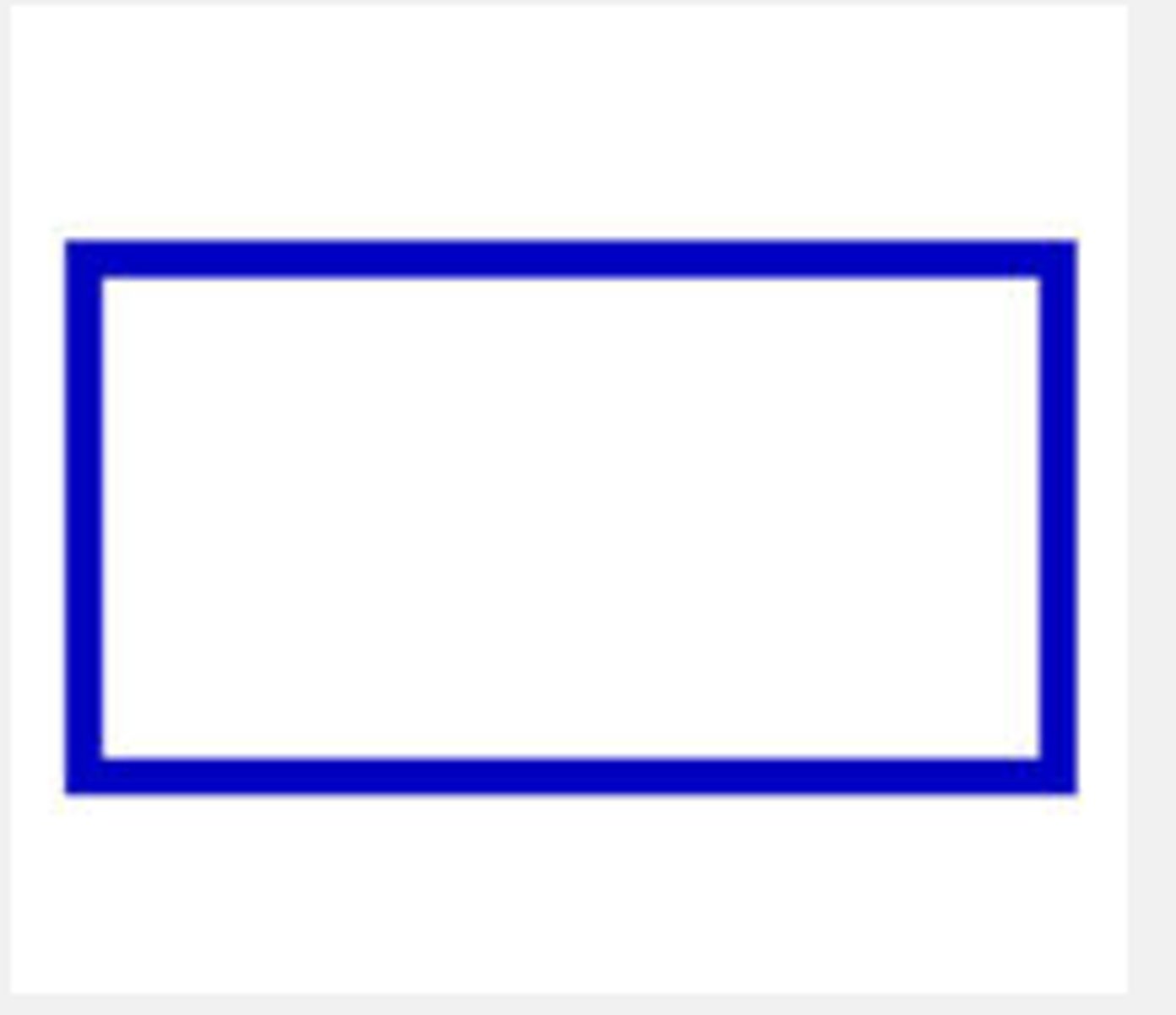
Area for a rectangle
=L x W
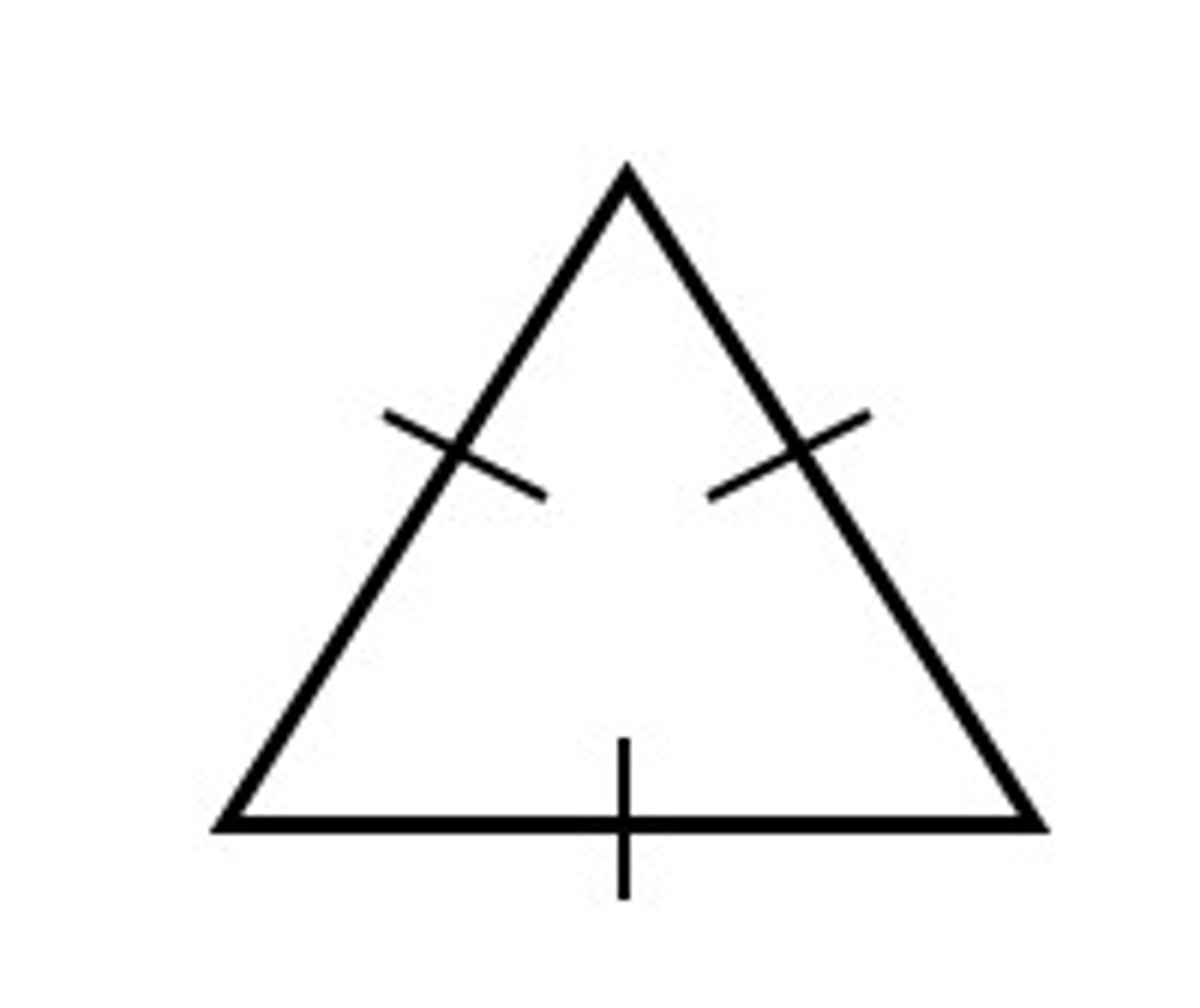
Area for triangle
=1/2bh
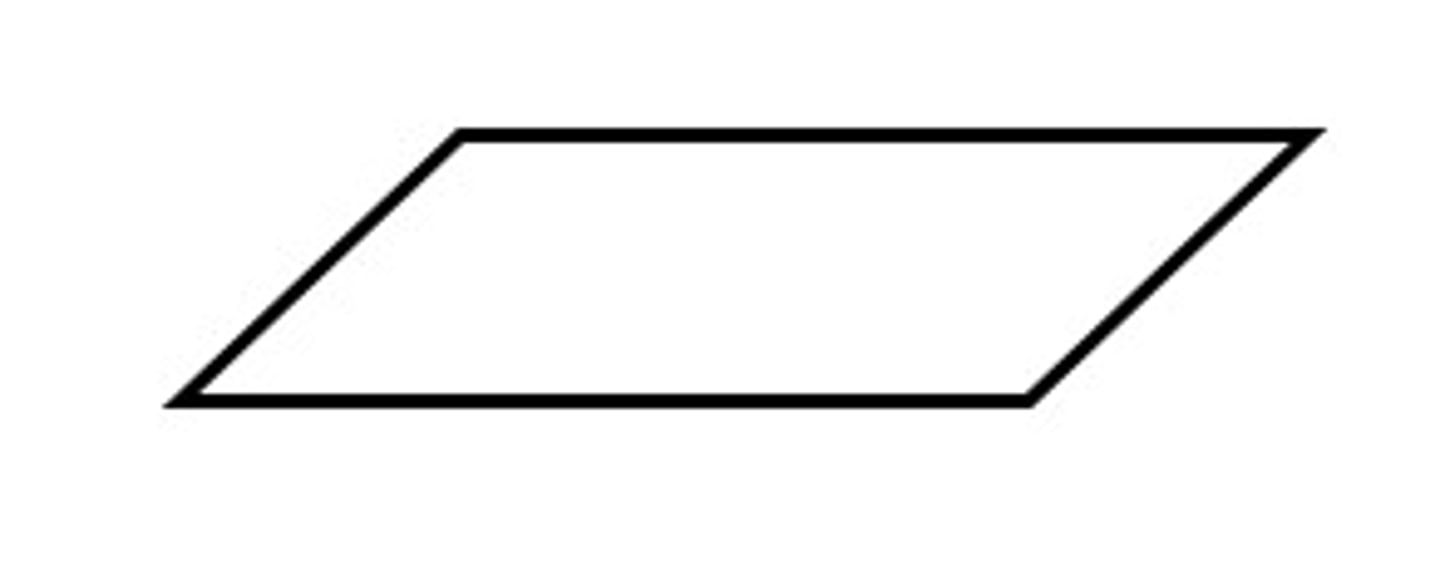
Area for a parallelogram
=base x height
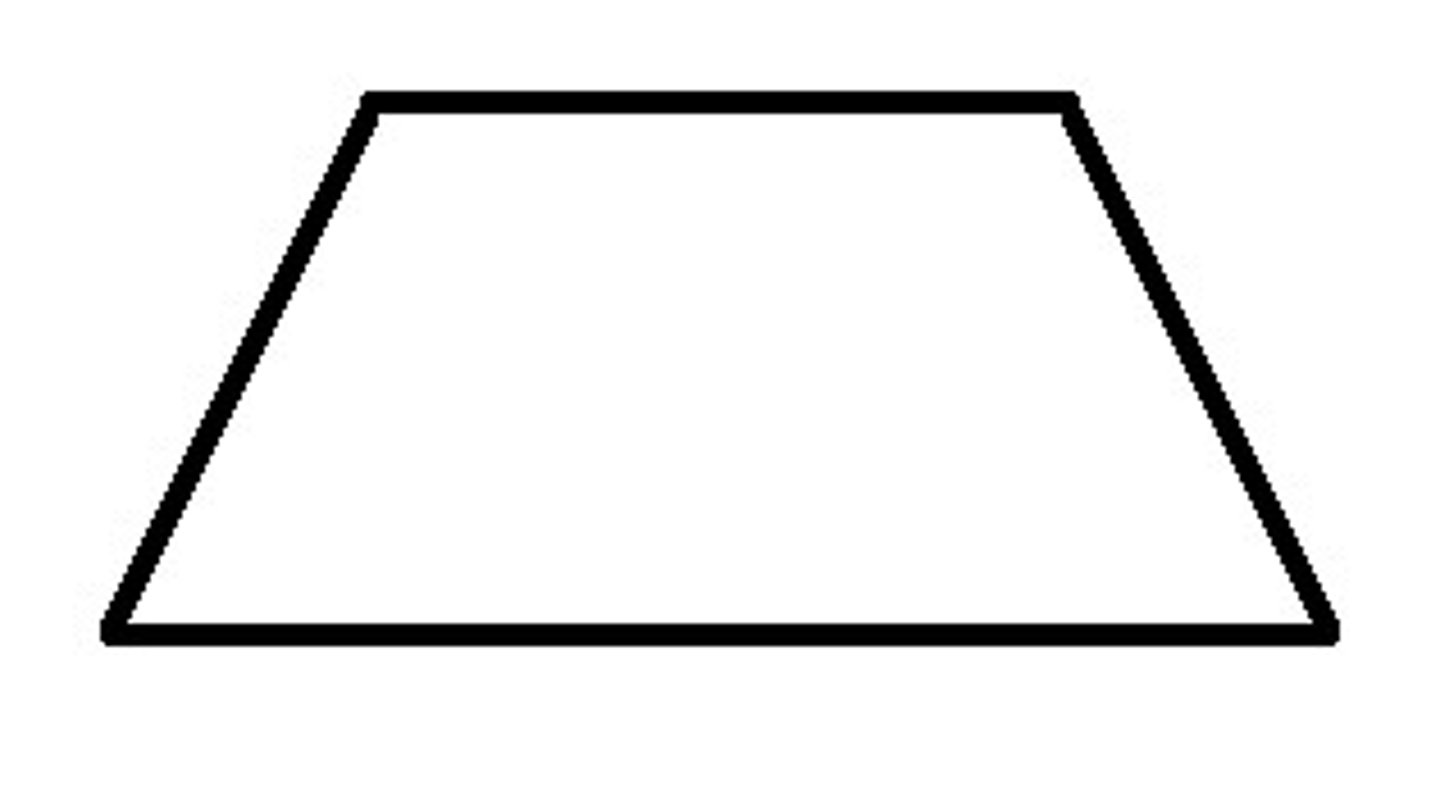
Area for a trapezoid
=1/2(b1+b2) x height
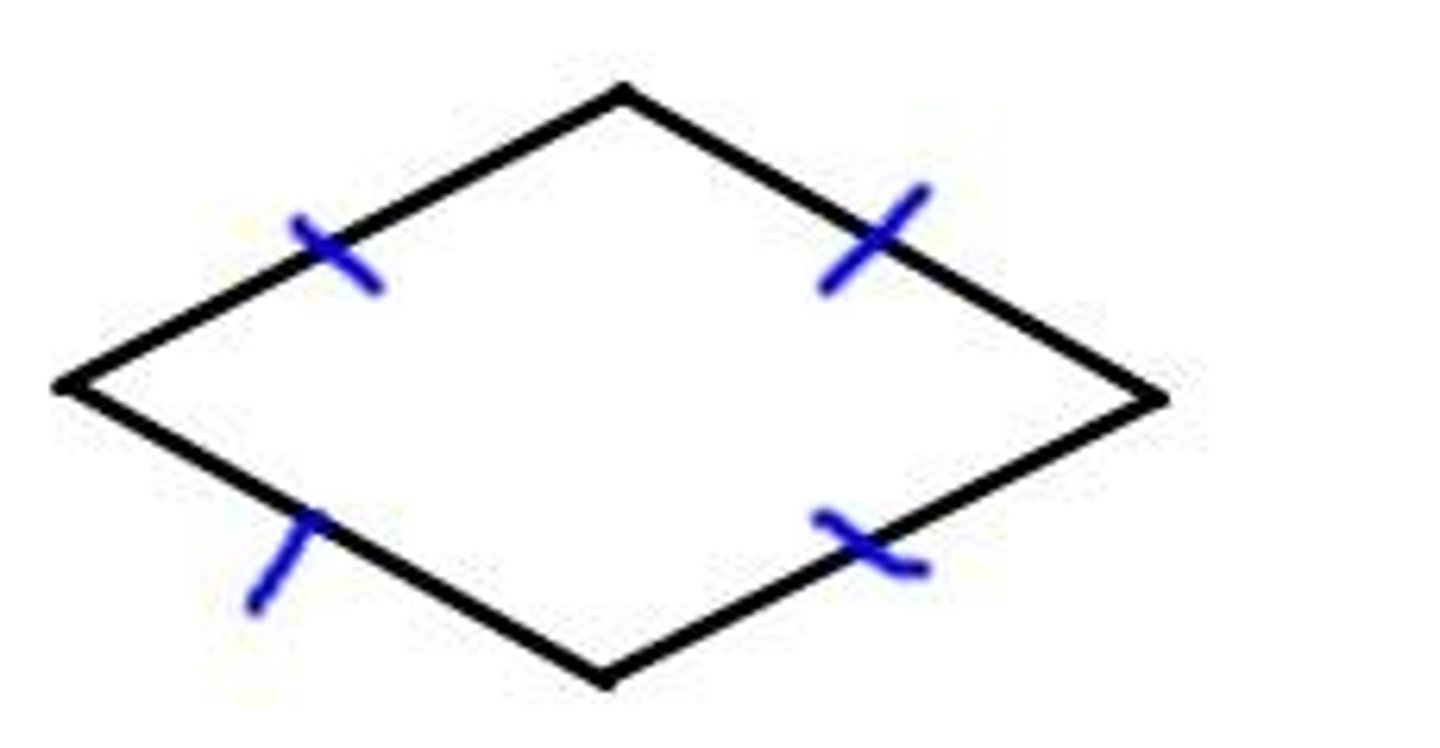
Area for rhombus
=1/2(d1 x d2)
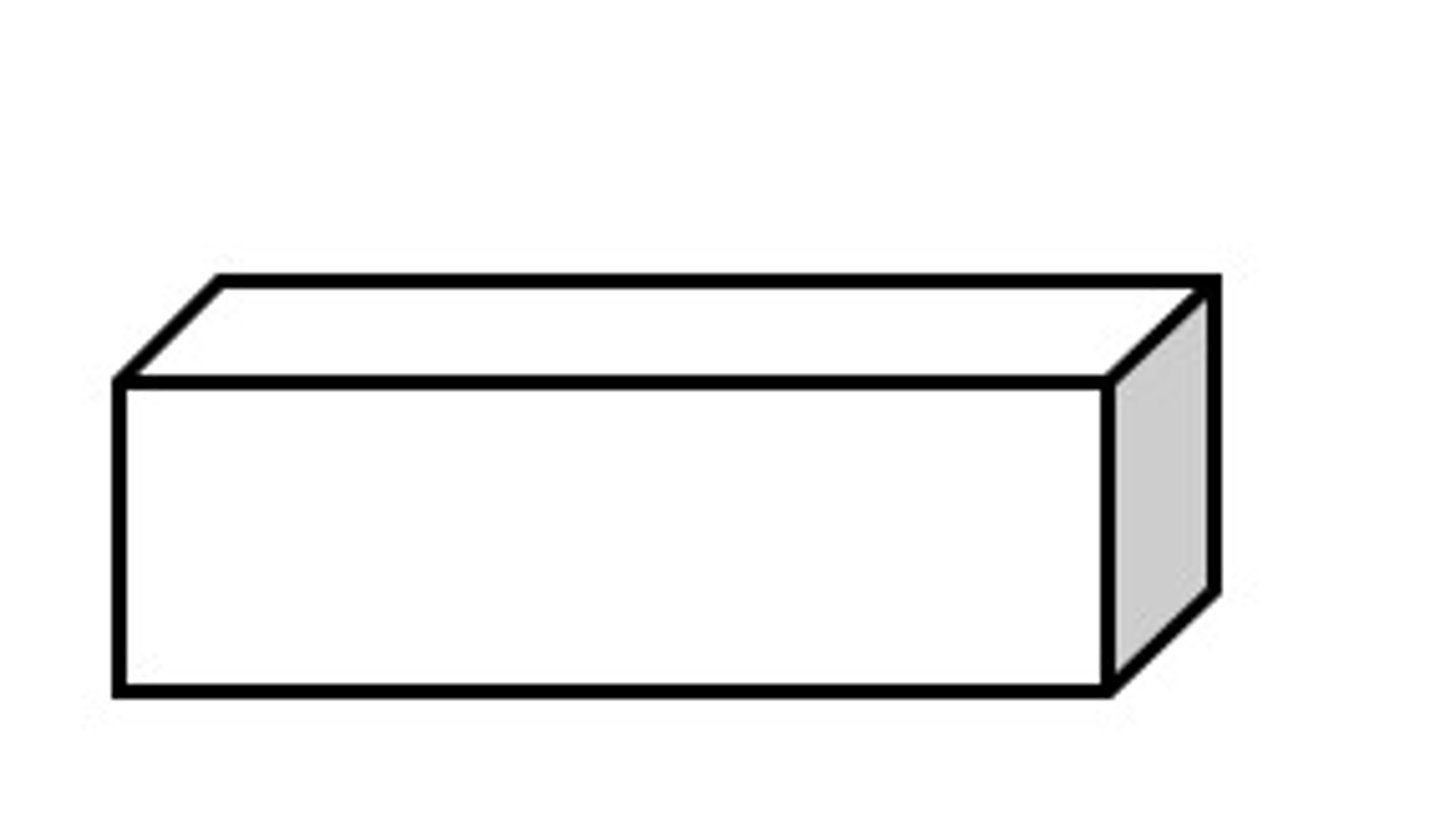
Volume of rectangular prism
=L x W x H
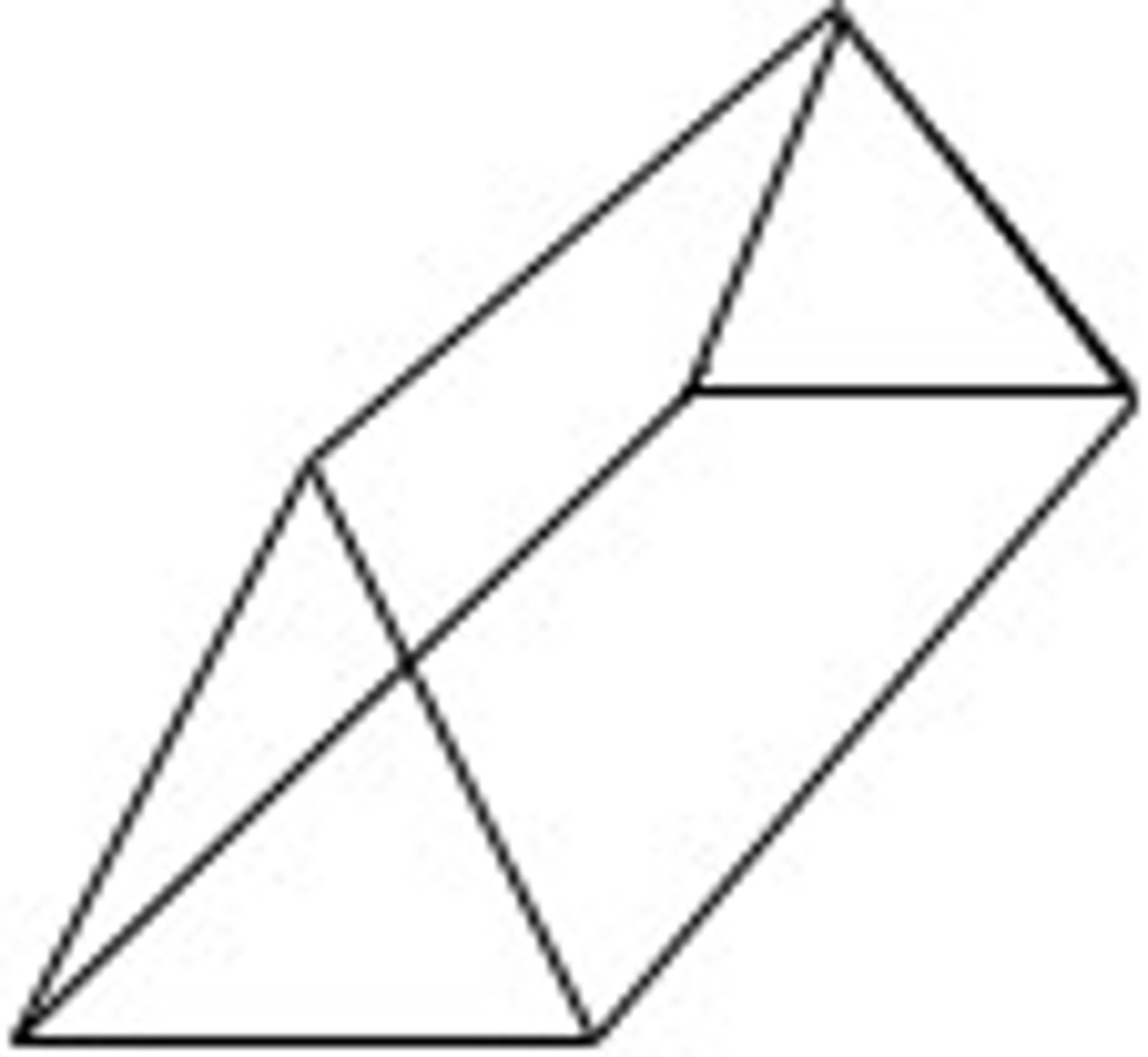
Volume of the triangular prism
=( base x height x length) / 2
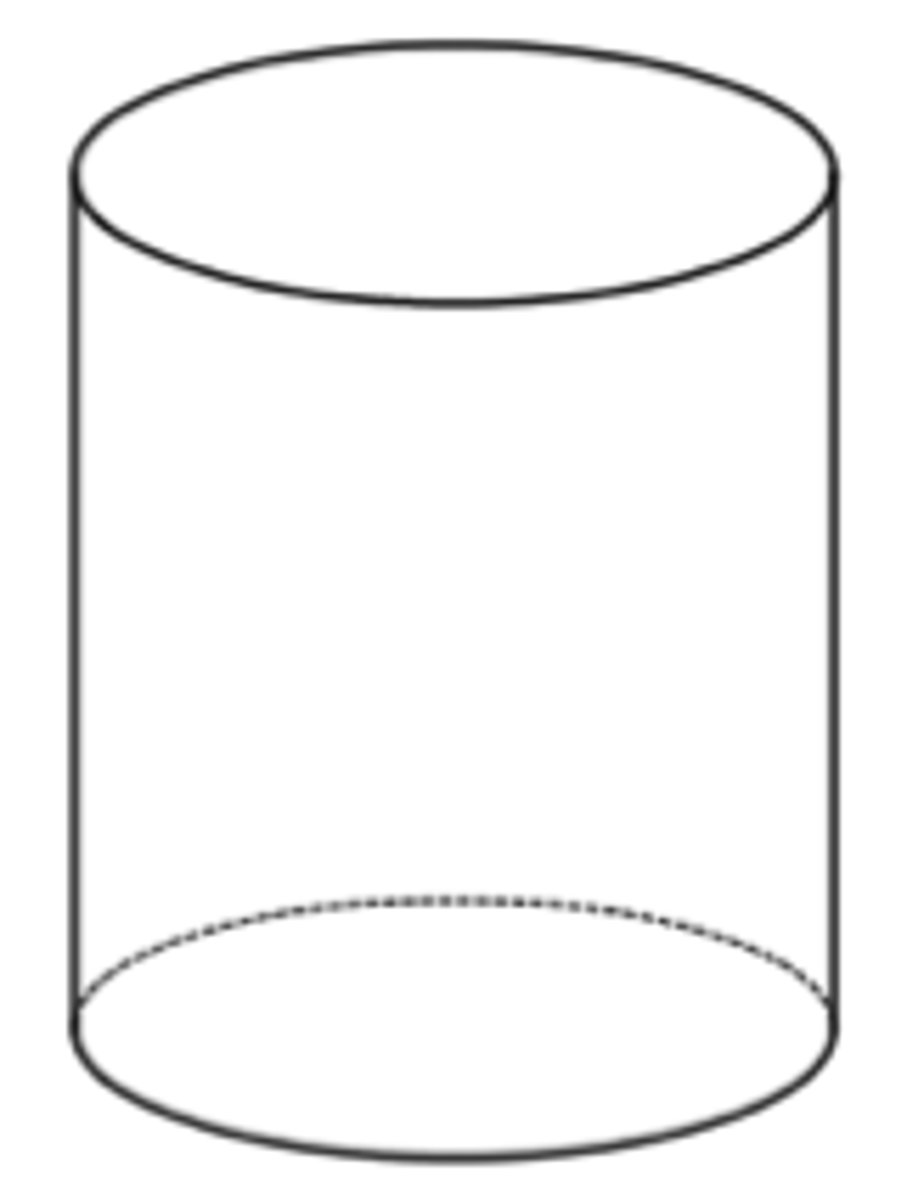
Volume of a cylinder
=πr²h
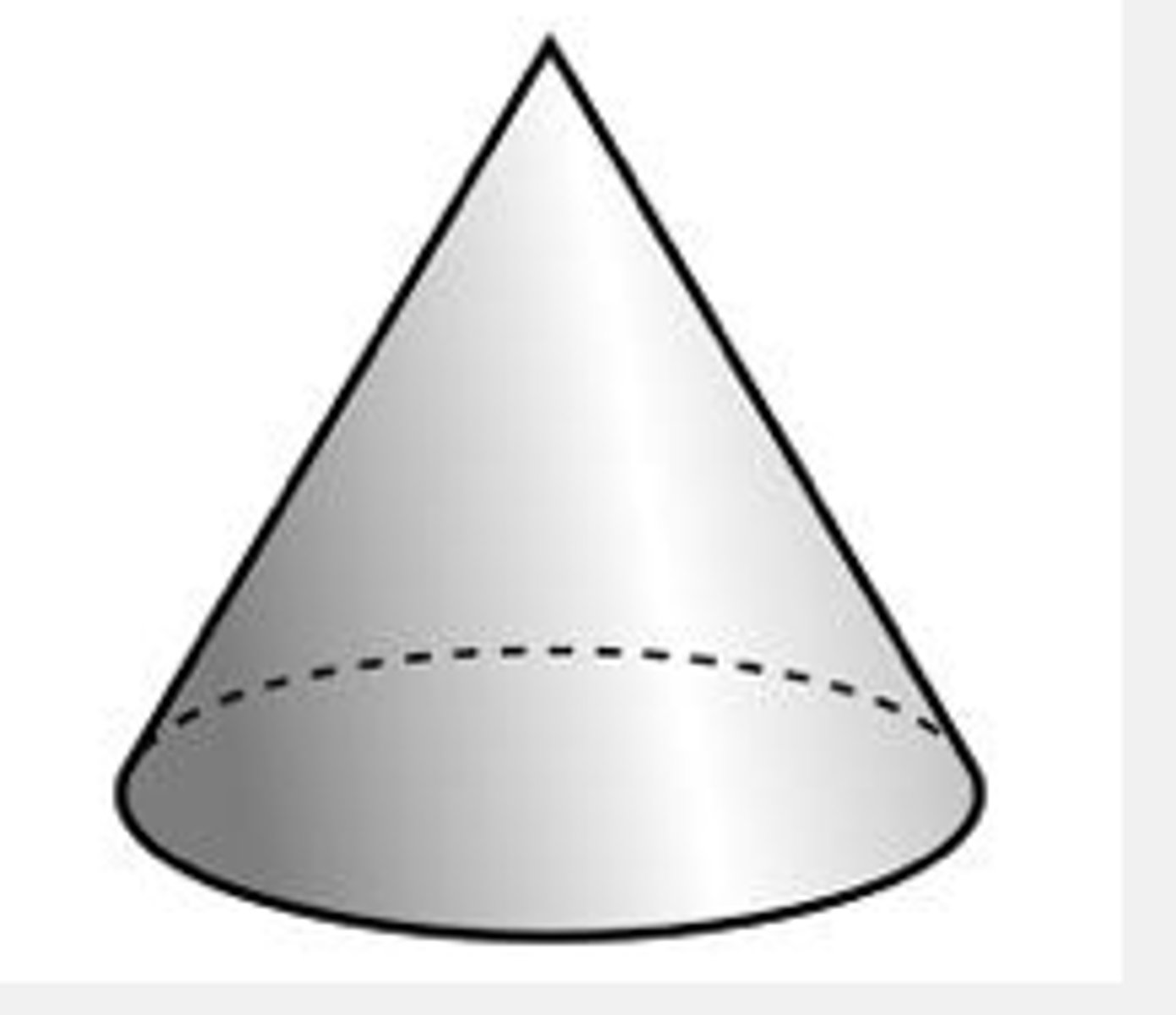
Volume of cone
=(πr²h) /3
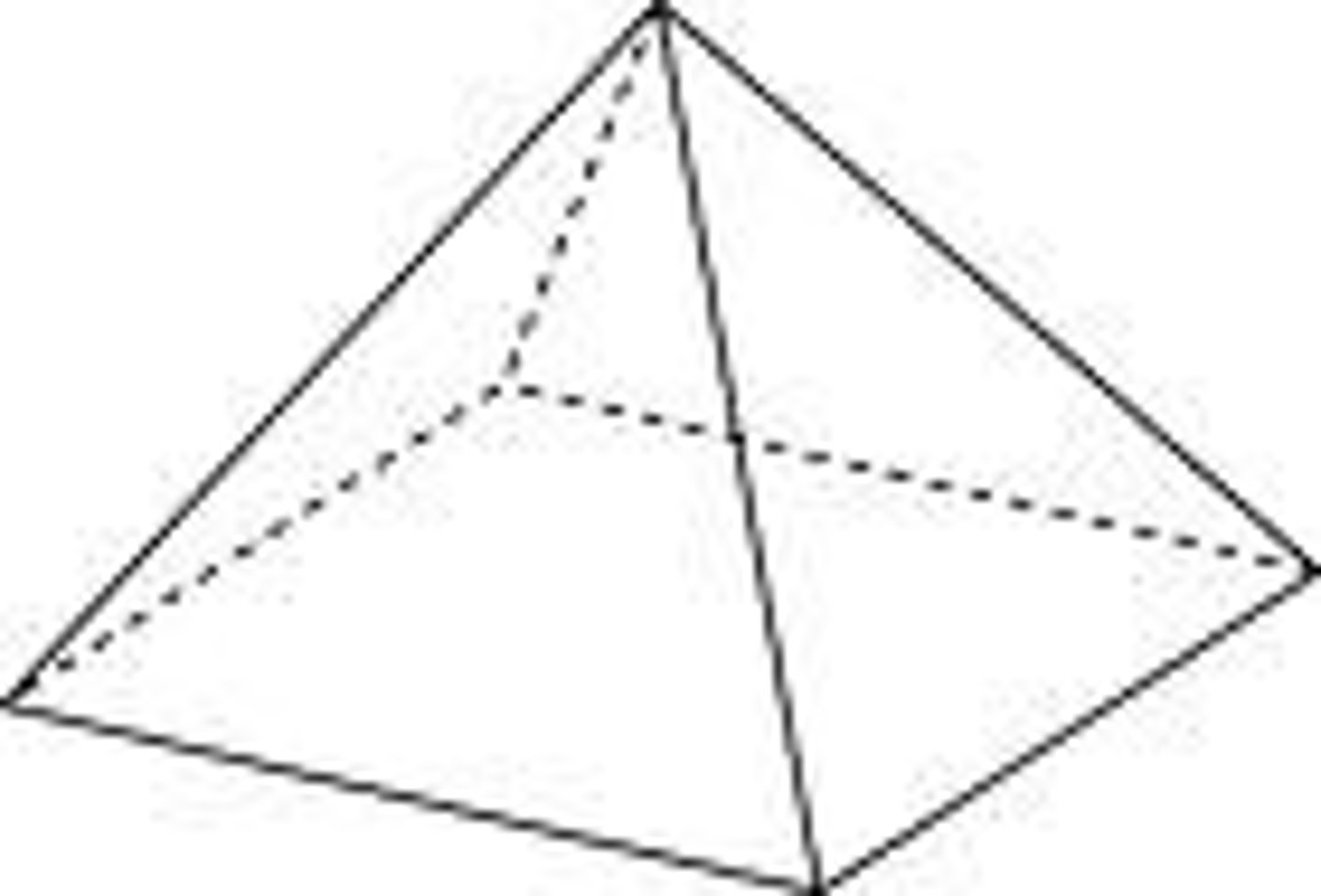
Volume of a rectangular pyramid
=( L x W x H) /3
Volume of sphere
=4/3πr^3

1 foot (ft) = ____ Inches
12in
1 yard(yd) = ____ Feet
3ft
1 mile (mi) = ____ Feet
5280ft
1 pound (Ib) = ____ Ounces
16oz
1 pint (pt) = ____ Cups
2c
1 gallon(gal) = ____ Quarts
4qt
1 ton(t) = ____ Pounds
2000Ibs
1 gallon (gal) = _______ Liters
3.8 L
1 kilograms (kg) =________ Pounds (lb)
2.2Ibs
1 inches (in) = _______Centimeters (cm)
2.54cm
1 meter (m) = ________Feet
3.28ft
1 mile (mi) =________ Kilometer
1.6 km
1 ounce (oz) = _______ Grams
28.35g
1 meter (m) = _______ yards
1.09 yd
Regualr plurals
simply add -s to the end of the word
Words ending in s, sh, ch, x, or z
generally add -es to make it plural
Words ending in "y"
drop -y and add -ies
irregular plurals
Words that do not follow the "rules" when changing to a plural
invariable words
do not change at all in the plural form
Homophones
sound exactly alike, but have different spellings and meanings
homographs
a word of the same spelling another but different pronunciation and meaning
listing items
Using commas to separate items in a list of three or more.
Separating independent clauses
-When combining 2 independent clauses (or 2 complete sentences), you always use a coordinating conjunction and a comma.
-coordinating conjunction= FANBOYS (for, and, nor, but, or, yet, so)
offsetting introductory element
using a comma after an introductory word, phrase, or clause.
non-essential information
using a comma to set off non-essential information. element that can be removed from sentence without changing the sentence overall meaning.
Separating coordinate adjectives
two adjectives independently modify a noun they are called coordinate adjectives and should be separated by a comma.
direct address
using a comma to separate the person being addressed from the rest of the sentence
direct quotation
should match the source document word for word( comma used to introduce or interrupt)
indirect quotation
adjust the verb tense and other minor details to fit into the flow of your writing
Apostrophe
used to show possession, used to create contraction.
If you're showing ownership or squishing words together ( contraction)
independent clause
complete sentence on their own, do not require any additional punctuation or clause. (if can stand alone as compelete sentence)
dependent clause
cannot stand alone as a complete sentence, connected to an independent clause with a comma or conjuction. ( clause does not make sense by itself)
simple sentence
A sentence consisting of one independent clause and no dependent clause. May contain subject, verb, and possibly object but does not need a comma unless it includes optional element. ( Just subject and a verb maybe object but NO COMMA)
compound sentence
a sentence with two or more coordinate independent clauses, often joined by one or more conjunctions
complex sentence
A sentence that includes one independent clause and at least one or more dependent clause.
Dependent first- use a comma. Independent first- No Comma
nouns
A person, place, thing, or idea
examples of noun
book, nurse, medicine, computer, school, patient, biology, chair heart, hospital
pronoun
A word that takes the place of a noun
examples of pronoun
he, they, I, them, she, we, me, it, you, us.
Verbs
Show action or state of being
examples of verb
is, has, study, write, are, run, learn, have, walk, road.
adjectives
word used to modify or describe a noun or pronoun. Add detail to the image; dress the noun
examples of adjectives
happy, sad, blue, tall, short, quick, slow, large, small, pretty
adverbs
A word that modifies a verb, an adjective, or another adverb often end in " -ly"
examples of adverbs
Quickly, slowly, very, really, extremely, nearly, too, just, only, well
preposition
shows the relationship of a noun or a pronoun to some other word in a sentence. Often indicate the location or direction
examples of prepositions
in, on, at, from, with, by, about, for, during against.
conjuction
a word that joins two phrases or sentences
examples of conjuctions
FANBOYS (for, and, nor, but, or, yet, so) either, neither, because
Interjection
A word that expresses strong emotion
examples of interjection
Huh?, What?, Hey!, Yo!
transition
a word or phrase that links different ideas
examples of transitions
First, next, finally, as a result, however, for example, on the other hand, in conclusion
topic sentence
usually the first sentence of a paragraph that gives the reader an idea of what the paragraph is going to be about
supporting sentece
making up the bulk of the paragraph
conclusion sentence
wraps up the paragraph and brings closure to the main idea presented in the topic sentence
chronological order
the order in which events happen in time
order of importance
Details build from least important to most important or vice versa
spatial order
a method of speech organization in which the main points follow a directional pattern
cause and effect order
information is arranged to show causes of an event and the effects or consequences of those causes or conditions
problem-solution order
Describe the problem, then provide a solution.
Writing Process Steps
1. Prewriting 2. Drafting 3. Revising 4. Editing 5. Presenting
1. Prewriting
-stream of conscious; unplanned method of writing down everything that comes to mind
-Brainstorming: actively thinking about the topic and writing down any related ideas, creating a storm of ideas in your brain.
-Mind mapping: help orangize your thoughts and show relationship between ideas
2. Writing
Inital draft does not have to be perfect, main goal is to translate your thoughts and ideas into paper.
3. Conferencing
Goal to gain an outside perspective to identify any gaps, ambiguites or inconsistences in your draft.
4. Revising
Focus is improving the overall content and organization of your work. add details or remove redundancies and improve your draft at macro level.
5. Editing
focus on micro-level details like grammar, punctuation, spelling, and sentence structure.
First person
I, me, we, us, ours, myself
Second person
you, yourself, your
thrid person
he, she, they, them
Tone definition
The attitude the author has toward the subject.
Bias definition
authors preference for one thing over another
bias words
should, must, everyone
stereotype words
all, every, never
fact
a proven statement
opinion
authors belief, value, or feeling
Mood
How the reader feels about the text while reading.
irony
A contrast between expectation and reality
theme
the subject of a talk, a piece of writing, a person's thoughts, or an exhibition; a topic.
descriptive writing
giving details about; illustrating; explaining
( use of senory detail creating a mental image for reader)
persuasive writing
convincing
( author point of view)
expository writing
to explain a concept, step in a process or idea
( definition, examples, and non-examples)
informative writing
To inform reader about topic
(look for facts and details support author claims)
entertain writing
entertain reader
( humor, irony, sarcasm)
inference
educated guess or assume based on evidence of a topic
peer review
a review by people with similar professional qualification
priamry source
direct or firsthand evidence about an event, object, person, or work of art
secondary source
describe, discuss, interpret, comment upon, analyze, evaluate, summarize, and process primary source.