KP Top Drugs
 Call Kai
 Learn
Learn Practice Test
 Spaced Repetition
 Match
Match Flashcards
 Knowt Play
1/73

There's no tags or description
Looks like no tags are added yet.
Name | Mastery | Learn | Test | Matching | Spaced | Call with Kai | Chat |
|---|
No analytics yet
Send a link to your students to track their progress
74 Terms
abiraterone
for prostate cancer;
Take on an empty stomach: at least 1 hour before or 2 hours after food.
Take once daily at the same time.
Usually taken with prednisone; don’t stop prednisone abruptly
Avoid grapefruit/grapefruit juice.
Do not crush or chew tablets.
Can cause hypertension, hypokalemia, fluid retention, and liver toxicity.
Monitor BP, potassium, fluid status, and liver function.
Report swelling, shortness of breath, yellowing of skin/eyes, or dark urine.
allopurinol
for gout
Take after meals with plenty of water.
Not for immediate relief of an acute gout attack.
Gout attacks can temporarily increase when starting.
Report rash immediately—can indicate severe hypersensitivity/Stevens-Johnson syndrome.
Dose may need adjustment in kidney disease.
Avoid excessive alcohol because it can increase uric acid.
Important interaction with azathioprine/6-MP—major dose reduction required.
amlodipine
for hypertension/angina
Take once daily, with or without food.
May cause ankle/leg swelling, flushing, dizziness, or headache (Report severe swelling, fainting, or unusually fast/irregular heartbeat)
Rise slowly if dizzy.
Continue taking even if you feel well.
amoxicillin
for bacterial infections
Take exactly as prescribed and finish the entire course.
Can take with or without food; food may help stomach upset.
Common effects: nausea, diarrhea, rash.
Seek immediate help for difficulty breathing, facial swelling, or severe allergic reaction.
Report severe/watery/bloody diarrhea.
anastrozole
for (hormone-sensitive) breast cancer
Take once daily, with or without food.
Can cause hot flashes, joint/muscle pain, and bone loss.
May increase cholesterol.
Maintain adequate calcium/vitamin D and weight-bearing exercise as recommended.
Avoid pregnancy; may cause fetal harm.
atenolol
for hypertension, angina, arrhythmias
Take at the same time every day.
May cause slow heart rate, fatigue, dizziness.
Use caution with other medications that lower heart rate.
Do not stop abruptly—can cause rebound hypertension, angina, or other cardiac complications.
May mask symptoms of hypoglycemia, especially rapid heartbeat.
atorvastatin
for high cholesterol/ CVD risk reduction
can be taken with or without food.
Report unexplained muscle pain, weakness, or dark urine.
Avoid excessive alcohol.
Avoid large amounts of grapefruit/grapefruit juice.
Monitor cholesterol and liver function as directed.
Contraindicated during pregnancy.
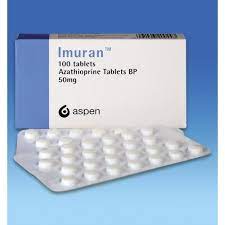
azathioprine
for autoimmune disease; transplant immunosuppression
Take with food if it causes stomach upset
Use sun protection
Can suppress bone marrow and immune system.
Report fever, sore throat, unusual bruising/bleeding, or signs of infection.
Increased risk of infections and certain cancers.
Requires CBC and liver monitoring.
Major interaction with allopurinol/febuxostat.
Avoid live vaccines unless specifically approved
azelastine
for allergic rhinitis
Use as directed; prime spray if needed.
Avoid getting in eyes.
May cause bitter taste, nasal irritation, or drowsiness.
Avoid driving until you know how it affects you.
Alcohol and other sedatives may increase drowsiness.
Aim spray slightly outward, away from nasal septum.
benzonatate
for cough
Swallow capsule whole.
Do NOT chew, suck, crush, or dissolve.
Numbing of mouth/throat can occur if chewed → choking risk.
Keep away from children; accidental ingestion can be fatal.
May cause dizziness or drowsiness.
Take only as prescribed.
bisoprolol fumurate
for hypertension, heart failure
Take once daily, consistently.
May cause fatigue, dizziness, slow heart rate.
Monitor BP/HR if instructed.
Do not abruptly discontinue.
Can mask some symptoms of hypoglycemia.
Rise slowly if dizzy.
bupropion hcl
for depression, smoking cessation
Can cause insomnia → avoid taking close to bedtime.
May cause dry mouth, nausea, headache.
Can increase BP; monitor BP.
Depending on formulation, do not crush/chew extended-release tablets.
Dose-related seizure risk.
Avoid excessive alcohol.
Contraindicated in patients with seizure disorders and certain eating disorders.
Do not take with an MAOI or within the required washout period.
capecitabine
for cancer, esp colon/breast
Take within 30 minutes after a meal.
Swallow whole with water; do not crush/chew.
Important adverse effects: diarrhea, hand-foot syndrome, nausea/vomiting, mouth sores.
Report severe diarrhea.
For hand-foot syndrome: moisturize hands/feet and avoid excessive heat/friction.
May cause low blood counts.
Avoid pregnancy.
Important interaction with warfarin.
Report chest pain or severe toxicity.
carvedilol
for HF, hypertension
Take with food to reduce orthostatic effects and improve absorption consistency.
Can cause dizziness, fatigue, and slow heart rate.
Monitor BP and pulse.
Rise slowly.
Do not stop abruptly.
Can mask hypoglycemia symptoms.
May worsen asthma/COPD in susceptible patients.
cephalexin
for bacterial infections
Take at evenly spaced intervals.
Finish the full course.
Can take with or without food.
Common: nausea, diarrhea.
Report severe/watery/bloody diarrhea.
Seek help for allergic reaction.
Tell provider about significant penicillin/cephalosporin allergies.
clopidogrel
blood thinner (antiplatelet)
Take once daily at the same time
Do not stop without physician approval, especially after a stent.
Increased bleeding/bruising.
Report black/tarry stools, blood in urine, vomiting blood, or unusual bleeding.
Tell dentists/surgeons before procedures.
Avoid NSAIDs unless approved.
Omeprazole and esomeprazole can reduce activation/effect of clopidogrel; alternatives such as pantoprazole may be preferred.
colchicine
for acute gout and gout prevention
Used to prevent/treat gout and certain inflammatory conditions.
Avoid grapefruit due to interaction potential.
Toxicity can cause severe diarrhea/vomiting, muscle weakness, and bone marrow suppression.
Dose adjustment may be necessary in kidney/liver disease.
Important interactions with strong CYP3A4/P-gp inhibitors.
Report severe muscle pain/weakness
cyclobenzaprine
muscle relaxant
May cause dry mouth and constipation
Causes drowsiness and dizziness.
Avoid driving until effects are known.
Avoid alcohol and other CNS depressants.
Usually intended for short-term use.
Can have anticholinergic effects.
Avoid with MAOIs and use caution with serotonergic drugs because of serotonin syndrome risk.
dapagliflozin (farxiga)
for diabetes or kidney/heart protection
may increase need to urinate more often
may cause dizziness or lightheadedness from dehydration —> take plenty of water
take dose in the morning
dexamethasone
steroid
Take with food to reduce stomach irritation.
Can cause increased blood glucose, appetite, insomnia, mood changes, and fluid retention.
Take in the morning if once daily unless instructed otherwise (mimics body’s cortisol levels)
Do not stop abruptly after prolonged therapy.
Increased infection risk; report signs of infection.
Long-term use can cause osteoporosis, cataracts, adrenal suppression, etc.
May require glucose/BP monitoring.
doxycycline mono
for bacterial infections, acne, some STIs
Take with a full glass of water.
Remain upright for at least 30 minutes after taking.
Avoid taking immediately before bedtime.
Can cause photosensitivity → use sunscreen/protective clothing.
Separate from antacids, calcium, iron, magnesium, and zinc because they reduce absorption.
Can cause nausea/esophagitis.
Take with food if needed for stomach upset, but follow product-specific instructions.
Finish course unless instructed otherwise.
duloxetine hcl
for depression, anxiety, neuropathic pain, fibromyalgia, chronic pain (SNRI)
Take once daily, with or without food.
Do not crush delayed-release capsules.
May cause nausea, dry mouth, dizziness, or insomnia.
Can increase BP.
Do not abruptly stop—withdrawal symptoms can occur.
Increased risk of serotonin syndrome with other serotonergic medications.
Report worsening mood or suicidal thoughts.
May cause sexual dysfunction.
Avoid excessive alcohol due to liver injury risk.
eliquis
blood thinner (anticoagulant)
Take twice daily at approximately the same times.
Do not stop abruptly without medical advice → increased clot/stroke risk.
Increased bleeding risk.
Report unusual bleeding, black stools, blood in urine, severe headache, etc.
Tell healthcare providers/dentists you take an anticoagulant.
Avoid NSAIDs unless approved.
If a dose is missed, take it when remembered the same day; do not double up.
Avoid activities with high risk of trauma.
emtricitabine/tenofovir disoproxil fumurate (truvada)
HIV treatment; HIV PrEP (prophylaxis)
Used for HIV treatment or PrEP depending on regimen.
Take consistently every day.
For HIV treatment, use with other appropriate antiretrovirals.
Do not stop suddenly without medical guidance, particularly with hepatitis B.
Monitor kidney function.
Can affect bone mineral density.
If used for PrEP, requires HIV testing and ongoing monitoring.
Does not protect against all STIs; condoms may still be recommended.
escitalopram
SSRI for depression, generalized anxiety disorder
Take once daily.
May take several weeks for full benefit.
Common: nausea, headache, sexual dysfunction, sleep changes.
Do not stop abruptly.
Increased risk of serotonin syndrome with other serotonergic medications.
Monitor for worsening depression/suicidal thoughts, especially when starting or changing dose.
Avoid excessive alcohol.
May increase bleeding risk with NSAIDs/anticoagulants.
ezetimibe
for high cholesterol
Take once daily, with or without food.
Lowers LDL cholesterol.
Can cause diarrhea or muscle pain.
Report unexplained muscle pain/weakness.
If taken with a bile acid sequestrant, separate doses.
Continue diet/exercise recommendations.
Liver monitoring may be needed when combined with statins.
famotidine
for GERD, heartburn, ulcers (decreases stomach acid production)
Can be taken with or without food.
May cause headache or dizziness.
Seek evaluation for difficulty swallowing, vomiting blood, or black stools.
finasteride
for BPH or hair loss
For BPH, improvement may take several months.
Decreases PSA; tell healthcare providers you take finasteride when interpreting PSA.
May cause decreased libido, erectile dysfunction, or decreased ejaculate volume.
Pregnant women should not handle crushed/broken tablets.
Do not donate blood while taking and for the recommended period after discontinuation.
Continue even if symptoms improve unless instructed otherwise.
fluoxetine
for depression, anxiety, OCD, panic disorder, bulimia, PMDD
May cause nausea, insomnia, headache, or sexual dysfunction.
Can be activating → morning administration may help if it causes insomnia.
Full effect may take several weeks.
Long half-life means interactions/discontinuation effects can persist.
Do not stop abruptly without medical advice.
Risk of serotonin syndrome with serotonergic medications.
Monitor for suicidal thoughts when initiating/changing therapy.
Significant interaction potential.
furosemide
loop diuretic/ “water pill”
Usually take in the morning; if twice daily, second dose in early afternoon.
Causes increased urination.
Can cause low potassium, low sodium, dehydration, dizziness.
Monitor BP, electrolytes, renal function.
Rise slowly.
Report severe weakness, muscle cramps, dizziness, or dehydration.
Protect hearing with very high/rapid IV doses; ototoxicity is possible.
gabapentin
nerve pain, seizures
May cause drowsiness, dizziness, and impaired coordination.
Avoid alcohol and other CNS depressants unless approved.
Don't drive until you know effects.
Dose adjustment needed with kidney impairment.
Do not stop abruptly if used regularly; tapering may be needed.
Can cause peripheral edema.
Monitor for unusual mood changes/suicidal thoughts.
glipizide
type 2 DM
Take before meals, generally about 30 minutes before breakfast for immediate-release.
Main concern: hypoglycemia.
Do not skip meals after taking.
Know symptoms of low blood sugar: sweating, shaking, hunger, confusion, fast heartbeat.
Alcohol can increase hypoglycemia risk.
Monitor glucose.
May cause weight gain.
Use caution with kidney/liver impairment.
hydralazine
hypertension
Take as prescribed, often multiple times daily.
Can cause headache, dizziness, flushing, and fast heart rate.
Rise slowly.
Monitor BP.
Long-term/high-dose therapy can cause drug-induced lupus.
Report joint pain, fever, chest pain, or unusual symptoms.
Often used with other medications to manage reflex tachycardia/fluid retention
hctz
“water pill” (htn, edema)
take in the morning because it increases urination.
Can cause low sodium/potassium, dehydration, dizziness.
May increase blood glucose and uric acid.
Can cause photosensitivity → sunscreen.
Monitor BP and electrolytes.
Rise slowly.
Report muscle cramps, weakness, or severe dizziness.
ibuprofen
pain/inflammation/fever
Take with food or milk if stomach upset occurs.
NSAID → increased risk of GI bleeding, kidney injury, increased BP, and cardiovascular events.
Avoid taking with other NSAIDs such as naproxen/meloxicam unless specifically instructed.
Report black stools, vomiting blood, severe abdominal pain.
Avoid prolonged use without medical guidance.
Avoid/use caution with anticoagulants such as Eliquis.
Avoid during pregnancy, especially later pregnancy.
insulin glargine
diabetes
Usually administered once daily at the same time every day.
Long-acting basal insulin; do not mix with other insulins.
Do not use if solution is cloudy/contains particles.
Rotate injection sites.
Main risk: hypoglycemia.
Know signs/treatment of low blood sugar.
Do not skip basal insulin without medical guidance.
Store unopened products refrigerated; follow specific product storage instructions after opening.
Never share pens/needles.
ipratropium
COPD (bronchodilator)
May cause dry mouth, throat irritation, or headache.
Avoid spraying into eyes → may worsen glaucoma.
Use regularly if prescribed for maintenance.
Not generally the first choice for rapid relief of severe acute bronchospasm.
Seek urgent care for severe breathing difficulty.
Jardiance (empagliflozin)
for type 2 dm, hf, CVD risk
Take once daily, usually in the morning.
Can increase urination.
Maintain hydration.
Can cause genital fungal infections and UTIs.
Report burning urination, unusual genital discharge/itching.
Can cause dehydration and low BP.
Rarely causes euglycemic ketoacidosis—seek medical attention for nausea, vomiting, abdominal pain, or difficulty breathing.
Temporarily stop around certain surgeries/fasting situations as directed.
Monitor kidney function.
letrozole
for breast cancer in premenopausal women
Take once daily, with or without food.
Common: hot flashes, joint pain, fatigue.
Can decrease bone mineral density.
Calcium/vitamin D and weight-bearing exercise may be recommended.
Monitor bone health.
Avoid pregnancy.
Report severe bone pain/fractures.
May increase cholesterol.
levothyroxine
for hypothyroidism
Take on an empty stomach, ideally 30–60 minutes before breakfast.
Take consistently at the same time each day.
Separate from calcium, iron, antacids by at least 4 hours.
Many medications/supplements affect absorption.
Full effect takes several weeks.
Symptoms of excessive dose: palpitations, tremor, sweating, anxiety, weight loss.
Monitor TSH.
lisinopril
blood pressure medication
Can be taken with or without food.
May cause cough, dizziness, increased potassium.
Rare but serious: angioedema—swelling of face/lips/tongue → emergency.
Monitor BP, kidney function, and potassium.
Avoid potassium supplements/salt substitutes unless approved.
Contraindicated in pregnancy
lisinopril/hctz
for high blood pressure
Combines ACE inhibitor + thiazide diuretic.
Take in morning.
May cause dizziness and increased urination.
Monitor BP, potassium, sodium, and kidney function.
Lisinopril → cough/angioedema/hyperkalemia.
HCTZ → electrolyte abnormalities, photosensitivity, increased uric acid/glucose.
Avoid potassium supplements unless approved.
Contraindicated in pregnancy.
losartan
htn
Take once daily, with or without food.
May cause dizziness.
Monitor BP, kidney function, potassium.
Avoid potassium supplements/salt substitutes unless instructed.
Can cause hyperkalemia.
Do not use during pregnancy.
Less likely than ACE inhibitors to cause cough.
losartan/hctz
high blood pressure
Take once daily, generally in the morning.
Increases urination.
Monitor BP, electrolytes, kidney function.
Losartan → hyperkalemia.
HCTZ → low sodium/potassium, dehydration, photosensitivity.
Avoid potassium supplements unless instructed.
Contraindicated in pregnancy.
meloxicam
pain/inflammation, arthritis
Take once daily with food if stomach upset occurs.
NSAID → risk of GI bleeding, kidney injury, increased BP, cardiovascular events.
Avoid other NSAIDs unless instructed.
Increased bleeding risk with Eliquis/clopidogrel.
Report black stools, vomiting blood, severe abdominal pain.
Avoid prolonged use unless monitored.
Avoid during pregnancy, particularly later pregnancy.
metformin
for type 2 diabetes
Take with meals to reduce GI upset.
Common: diarrhea, nausea, stomach upset.
Extended-release tablets should generally be swallowed whole.
Long-term use can decrease vitamin B12.
Rare but serious: lactic acidosis.
Kidney function must be monitored.
Avoid excessive alcohol.
May need to be held around certain iodinated contrast procedures depending on kidney function/procedure.
Usually does not cause hypoglycemia by itself.
methimazole
for hyperthyroidism
Report fever or sore throat immediately → possible agranulocytosis.
Report yellowing skin/eyes or dark urine → possible liver injury.
Monitor thyroid function.
Do not discontinue without medical advice.
Can cause rash/GI upset.
Pregnancy requires specific discussion because treatment considerations change.
methocarbamol
for muscle spasms
Causes drowsiness and dizziness.
Avoid alcohol and other CNS depressants.
Don't drive until effects are known.
Can cause blurred vision.
Take as prescribed; generally used short-term for muscle spasms.
May cause urine discoloration.
methotrexate
autoimmune disease (RA, psoriasis, etc); some cancers
usually once WEEKLY not daily
Take on the same day every week.
Often given with folic acid.
Avoid pregnancy; significant fetal toxicity.
Avoid excessive alcohol.
Can cause liver toxicity, bone marrow suppression, mouth sores, GI effects, lung toxicity.
Report fever, sore throat, unusual bruising, mouth sores, shortness of breath.
Requires CBC, liver, and kidney monitoring.
Avoid live vaccines unless specifically approved.
metoprolol
blood pressure
Take consistently; formulation matters.
Extended-release tablets should generally be swallowed whole.
Can cause fatigue, dizziness, slow HR.
Monitor BP/HR.
Do not abruptly discontinue.
May mask hypoglycemia.
Take with food consistently if using immediate-release formulation.
Avoid driving until effects are known.
minoxidil
severe/refractory htn (oral); hair loss (topical)
Can cause fluid retention, increased heart rate, dizziness, and excessive hair growth.
Monitor BP and heart rate.
Often prescribed with a beta-blocker and diuretic for BP because of these effects.
Rise slowly.
Report swelling, rapid heartbeat, chest pain, or shortness of breath.
mirtazapine
for depression
Usually taken at bedtime because it can cause sedation.
Can increase appetite and cause weight gain.
May cause dry mouth.
Avoid alcohol/CNS depressants.
Do not stop abruptly.
Monitor mood and suicidal thoughts.
Lower doses can sometimes be more sedating, though individual response varies.
montelukast
asthma
Used for asthma/allergic rhinitis; not a rescue medication for acute asthma attacks.
Take once daily.
For asthma, often taken in the evening.
Important FDA boxed warning for serious neuropsychiatric effects.
Report mood changes, nightmares, aggression, depression, or suicidal thoughts.
Continue rescue inhaler for acute symptoms as prescribed.
naproxen
for pain, inflammation, arthritis
Take with food/milk if stomach upset.
NSAID → GI bleeding, kidney injury, increased BP, cardiovascular risk.
Avoid other NSAIDs.
Increased bleeding risk with Eliquis/clopidogrel.
Report black stools or vomiting blood.
Use lowest effective dose for shortest duration.
Avoid during pregnancy, especially later pregnancy.
omeprazole
blocks stomach acid production
Take 30–60 minutes before a meal, usually before breakfast.
Swallow delayed-release formulation whole.
Not intended for immediate relief of heartburn.
Long-term use may be associated with low magnesium, B12 deficiency, fractures, and C. difficile infection.
Report persistent diarrhea.
Important interaction with clopidogrel.
Seek medical evaluation for alarm symptoms such as difficulty swallowing, unexplained weight loss, or GI bleeding.
ondansetron
for nausea/vomiting
Used to prevent nausea/vomiting.
May cause headache and constipation.
Can prolong QT interval → caution in patients with arrhythmias or certain medications.
Seek help for fainting or abnormal heartbeat.
ODT: place on tongue and allow to dissolve; follow formulation-specific instructions.
May cause serotonin syndrome when combined with serotonergic medications, though uncommon.
pantoprazole
lowers stomach acid
Usually take 30–60 minutes before a meal.
Swallow delayed-release tablets whole.
May cause headache/diarrhea.
Long-term use may be associated with low magnesium/B12 and fractures.
Report persistent/severe diarrhea.
Not immediate relief for acute heartburn.
pioglitazone
for type 2 diabetes
with or without food.
Can cause weight gain and fluid retention.
May worsen or cause heart failure.
Report shortness of breath, rapid weight gain, or swelling.
Can increase fracture risk.
Monitor blood glucose/A1C.
May take several weeks to reach full effect.
Avoid in symptomatic heart failure.
Usually does not cause hypoglycemia by itself.
potassium chloride
prevention/to treat low potassium
Take with food and a full glass of water to reduce GI irritation.
Do not crush/chew extended-release tablets/capsules.
Can cause GI irritation.
Monitor potassium and kidney function.
Avoid potassium supplements/salt substitutes unless instructed.
Signs of high potassium can include muscle weakness or abnormal heartbeat.
Never take extra doses to make up for missed doses unless instructed.
potassium citrate
kidney stone prevention; making urine less acidic
Used to alkalinize urine/prevent certain kidney stones.
Take with meals or immediately after meals and with plenty of water.
Swallow extended-release tablets whole.
Do not crush/chew.
Monitor potassium and kidney function.
Avoid potassium-containing salt substitutes unless instructed.
GI upset can occur.
Report severe abdominal pain, vomiting, or signs of high potassium.
prednisone
steroid medication
Take with food.
Usually take in the morning if once daily.
Can increase blood glucose, appetite, BP, and infection risk.
Can cause insomnia and mood changes.
Do not abruptly stop after prolonged use.
Avoid exposure to infections when possible.
Long-term use can cause osteoporosis, cataracts, adrenal suppression, etc.
May require tapering.
propranolol
htn, arrhythmias, angina, tremor, migraine prevention, etc
Take consistently with regard to meals.
Can cause fatigue, dizziness, and slow HR.
Do not abruptly stop.
Can mask hypoglycemia symptoms.
May worsen bronchospasm in asthma/COPD.
Monitor BP and heart rate.
Avoid driving until you know how it affects you.
rosuvastatin
for high cholesterol/CVD risk reduction
Take once daily, with or without food.
Can be taken any time of day.
Report unexplained muscle pain/weakness or dark urine.
Monitor lipid panel.
Avoid excessive alcohol.
Contraindicated in pregnancy.
Kidney function may affect dosing.
Lower interaction potential with grapefruit than some other statins.
sertraline
mood (SSRI antidepressant)
Take once daily.
May take several weeks for full effect.
Can cause nausea, diarrhea, insomnia, or sexual dysfunction.
Do not stop abruptly.
Risk of serotonin syndrome with other serotonergic drugs.
Monitor for worsening depression/suicidal thoughts.
May increase bleeding risk with NSAIDs/anticoagulants.
Avoid excessive alcohol
sildenafil
for ED; pulmonary hypertension
For erectile dysfunction: generally take 30–60 minutes before sexual activity.
Do not take more than once daily for ED.
Requires sexual stimulation to work.
Common: headache, flushing, nasal congestion, indigestion.
Can cause dizziness/low BP.
NEVER use with nitrates → potentially dangerous hypotension.
Seek emergency care for an erection lasting >4 hours.
Seek immediate attention for sudden vision/hearing loss.
Alpha-blockers can increase hypotension risk.
simvastatin
for high cholesterol; CVD risk reduction
Usually take in the evening.
Report muscle pain, weakness, or dark urine.
Avoid excessive grapefruit/grapefruit juice.
Important drug interactions due to CYP3A4 metabolism.
Monitor cholesterol/liver function as directed.
Avoid during pregnancy.
Do not exceed prescribed dose.
spirinolactone
potassium-sparing diuretic
Take with or without food, but consistently with regard to food.
Can increase potassium → hyperkalemia.
Avoid potassium supplements and potassium-containing salt substitutes unless instructed.
Monitor potassium and kidney function.
Can cause dizziness and increased urination.
May cause breast tenderness/enlargement and menstrual changes.
Report muscle weakness or abnormal heartbeat.
Avoid NSAID overuse because NSAIDs can worsen kidney function and potassium elevation.
tacrolimus
for organ transplant rejection, eczema
Take at the same time every day and consistently with or without food.
Do not switch between formulations without medical guidance.
Requires therapeutic drug-level monitoring.
Major concerns: kidney toxicity, hypertension, hyperkalemia, tremor, infections.
Avoid grapefruit/grapefruit juice.
Avoid live vaccines unless specifically approved.
Report fever/infection, decreased urination, severe tremor, or unusual neurologic symptoms.
Many drug interactions.
tamoxifen
breast cancer
Can cause hot flashes, sweating, and vaginal symptoms.
Increased risk of blood clots and stroke.
Report leg swelling/pain, chest pain, shortness of breath, or sudden neurologic symptoms.
Report abnormal vaginal bleeding.
May increase risk of endometrial cancer.
Avoid pregnancy; fetal harm.
Some antidepressants, particularly strong CYP2D6 inhibitors, can reduce activation of tamoxifen.
tamsulosin
BPH; helps make it easier to urinate
Take 30 minutes after the same meal each day.
Capsule should generally be swallowed whole.
Can cause dizziness/orthostatic hypotension.
Rise slowly.
May cause abnormal ejaculation.
Tell ophthalmologist before cataract surgery due to risk of intraoperative floppy iris syndrome.
PDE-5 inhibitors such as sildenafil can increase hypotension.
terazosin
BPH and hypertension
Take at bedtime initially because of first-dose syncope/orthostatic hypotension.
Rise slowly.
Can cause dizziness/fainting.
If therapy is interrupted for several days, dose may need to be restarted low.
May cause headache, weakness, nasal congestion.
PDE-5 inhibitors can increase hypotension.
Monitor BP.
topiramate
seizures; migraine prevention
May cause cognitive slowing, difficulty finding words, tingling, weight loss.
Stay well hydrated → reduces kidney stone risk.
Can cause metabolic acidosis.
May decrease sweating → risk of overheating.
Can cause acute angle-closure glaucoma → sudden eye pain/vision changes requires urgent evaluation.
Avoid abrupt discontinuation.
Can increase risk of birth defects; discuss contraception/pregnancy.
May interact with hormonal contraceptives depending on dose.
trazodone
depression; off-label insomnia
Usually taken at bedtime due to sedation.
Can cause dizziness and orthostatic hypotension.
Avoid alcohol and other CNS depressants.
Do not drive until effects are known.
Can cause dry mouth.
Rare: priapism → emergency if erection lasts >4 hours.
Risk of serotonin syndrome with serotonergic medications.
Do not stop abruptly without guidance.
trospium chloride
overactive bladder/urge incontinence
Take on an empty stomach, usually at least 1 hour before meals or as directed.
Swallow extended-release capsules whole.
Can cause dry mouth, constipation, blurred vision.
May cause urinary retention.
Avoid overheating because sweating can decrease.
Can cause dizziness/drowsiness.
Separate from certain medications because trospium absorption can be affected.
Use caution in glaucoma, urinary retention, and kidney impairment.