Acc info systems ch 2
 Call Kai
 Learn
Learn Practice Test
 Spaced Repetition
 Match
Match Flashcards
 Knowt Play
1/29

There's no tags or description
Looks like no tags are added yet.
Name | Mastery | Learn | Test | Matching | Spaced | Call with Kai | Chat |
|---|
No analytics yet
Send a link to your students to track their progress
30 Terms
Data processing cycle
Data input > Data processing / storage > information output

Steps in data input
Capturing transaction data
Varifying data’s completeness and accuracy
Approval of transaction (and other company policies)
Data Capture
Information collected for an activity
Source Documents
Captures data at the source when the transaction takes place
Data Storage
Data is organized based on chart of ledger accounts by #

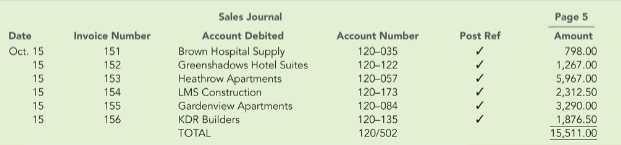
Transaction journals
General journal
Specialized journal (ex: sales)
Ledgers
General ledger
Subsidiary ledgers (ex: Acc recievable)
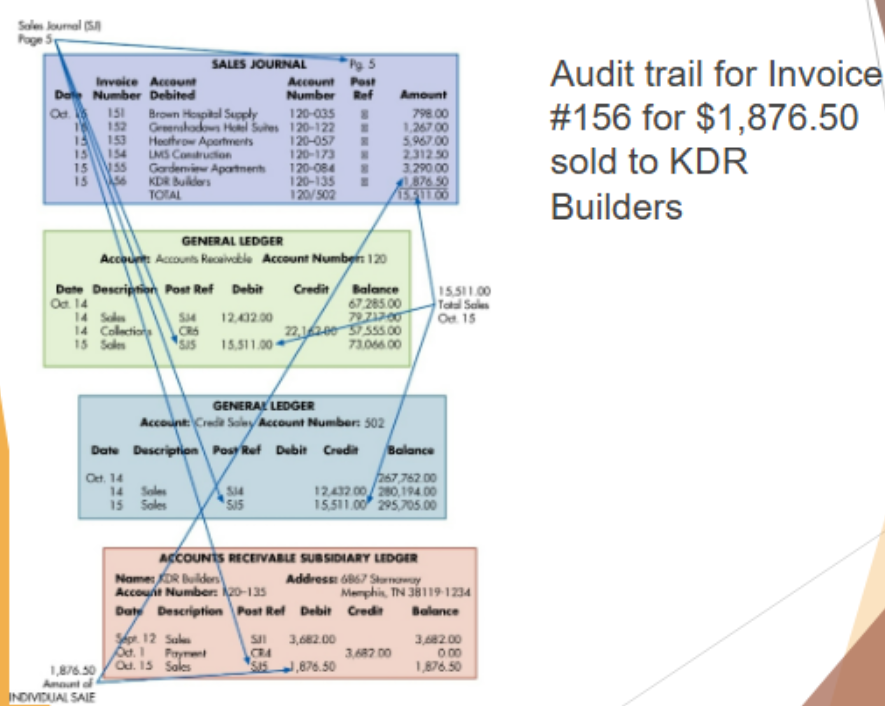
Audit trail (recording/posting credit sales)
tracing the path of the transaction/invoice
Data is stored in
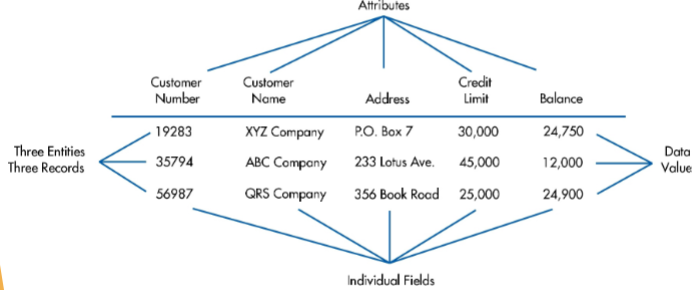
master/transaction files
Sequence codes
items numbered consecutively to account for all items (i.e., prenumbered forms)
Block code
blocks of numbers reserved for specific categories of data

Group code
A type of group code

Mnemonic codes
letters and numbers to identify an item
Mnemonic codes example
Dry300W05
low end (300), white (W) dryer (DRY) made by Sears (05)
CRUD
4 types of processing
C of CRUD
Creating new records (e.g., adding a customer)
R of CRUD
Reading existing data
U of CRUD
Updating previous record or data
D of CRUD
Deleting data
Batch processing
Processing data at predetermined date
(ex: posting records at the end of a business day)
Real-time processing
Data is processed as it occurs
(ex: invoice transactions are entered immediately)
he data stored in the database files can be viewed:
Online (soft copy)
Printed (hard copy)
Types of hard copies
Documents (ex: sales invoices)
Reports (ex: monthly sales reports)
Queries
Query
question for specific information in a database
Query example
Which division had the most sales for the month?

Enterprise Resource Planning (ERP) Systems
Integrates activities from the entire organization
ex: All business processes, general legers, and reporting system

Advantages of ERP
Streamlined flow of information
Data only captured once
Monitoring
Security settings
Standardization of procedures and reports
Improves customer service
Increases productivity through automation
Disadvantages of ERP
Costly
Significant amount of time to implement
Customizing or standardizing a business process
Complexity
User resistance (learning new things is sometimes hard for employees)
Which of the following is not a step in the data processing cycle?
data collection
Which of the items below are not an attribute of a smart contract?
Must use cryptocurrency