A&P Chapter 2: Chemistry
 Call Kai
 Learn
Learn Practice Test
 Spaced Repetition
 Match
Match Flashcards
 Knowt Play
1/48

There's no tags or description
Looks like no tags are added yet.
Name | Mastery | Learn | Test | Matching | Spaced | Call with Kai | Chat |
|---|
No analytics yet
Send a link to your students to track their progress
49 Terms
Name the 4 most common elements of living organisms with their percentage of body by weight.
Oxygen 60%
Carbon 20%
Hydrogen 10%
Nitrogen 5%
What makes elements different in their atoms?
The number of protons
What is the name of the same elements that have a different number of neutrons?
isotopes
How do you find the atomic number?
number of protons in an element
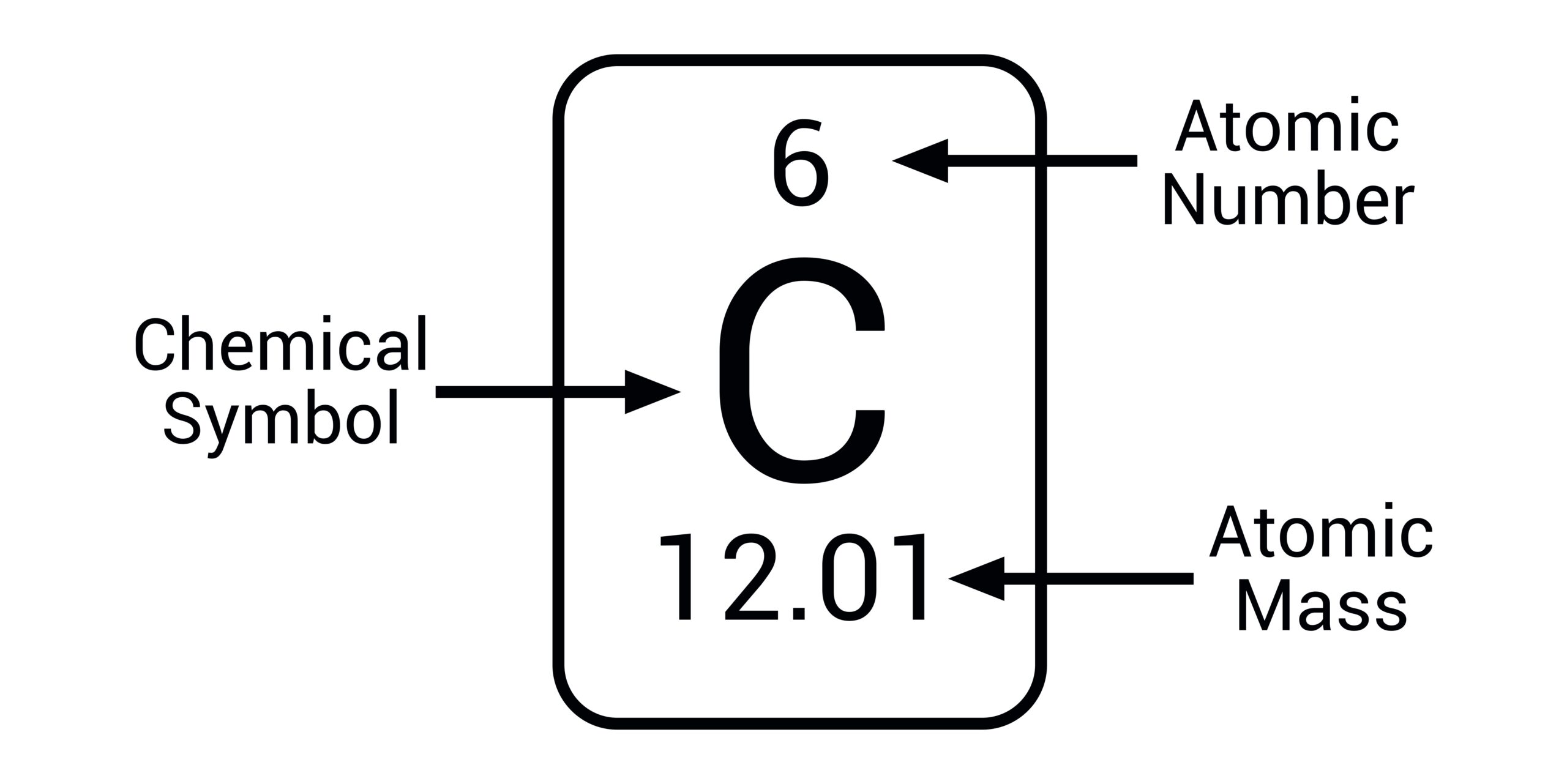
How do you find the atomic mass?
number of protons and neutrons in an element

What is the name of the outermost shell of an element?
valence
How can atoms interact with other atoms to make chemical bonds?
through available valence electrons
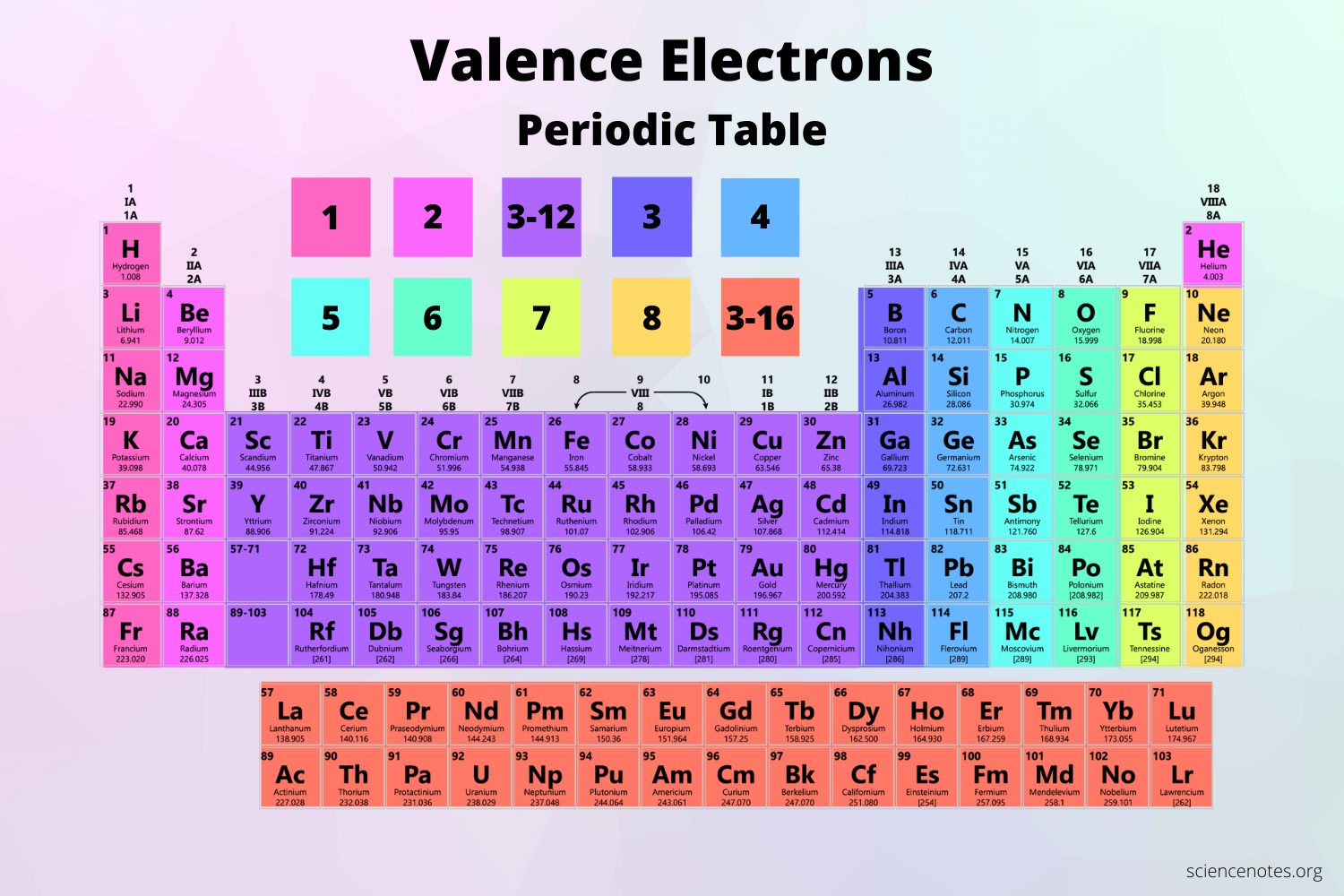
How can you tell how many electrons are on the valence shell of atoms?
look at the group number
List the main types of chemical bonds in the order from strongest to weakest.
covalent
ionic
hydrogen
van der waals
How are covalent bonds made?
electrons are shared between other elements
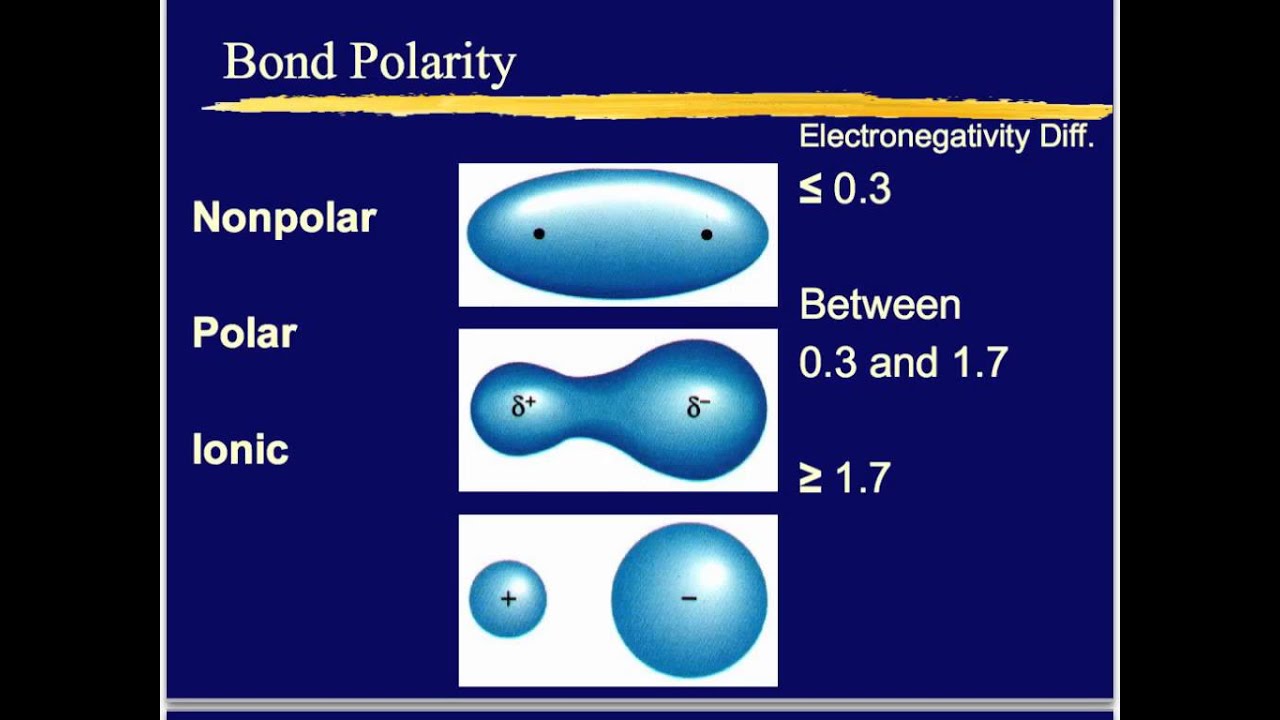
What is the difference between a polar covalent bond and a non-polar covalent bond?
polar has unequal pull (different electronegativities)
non-polar evenly shares (similar or same electronegativity)
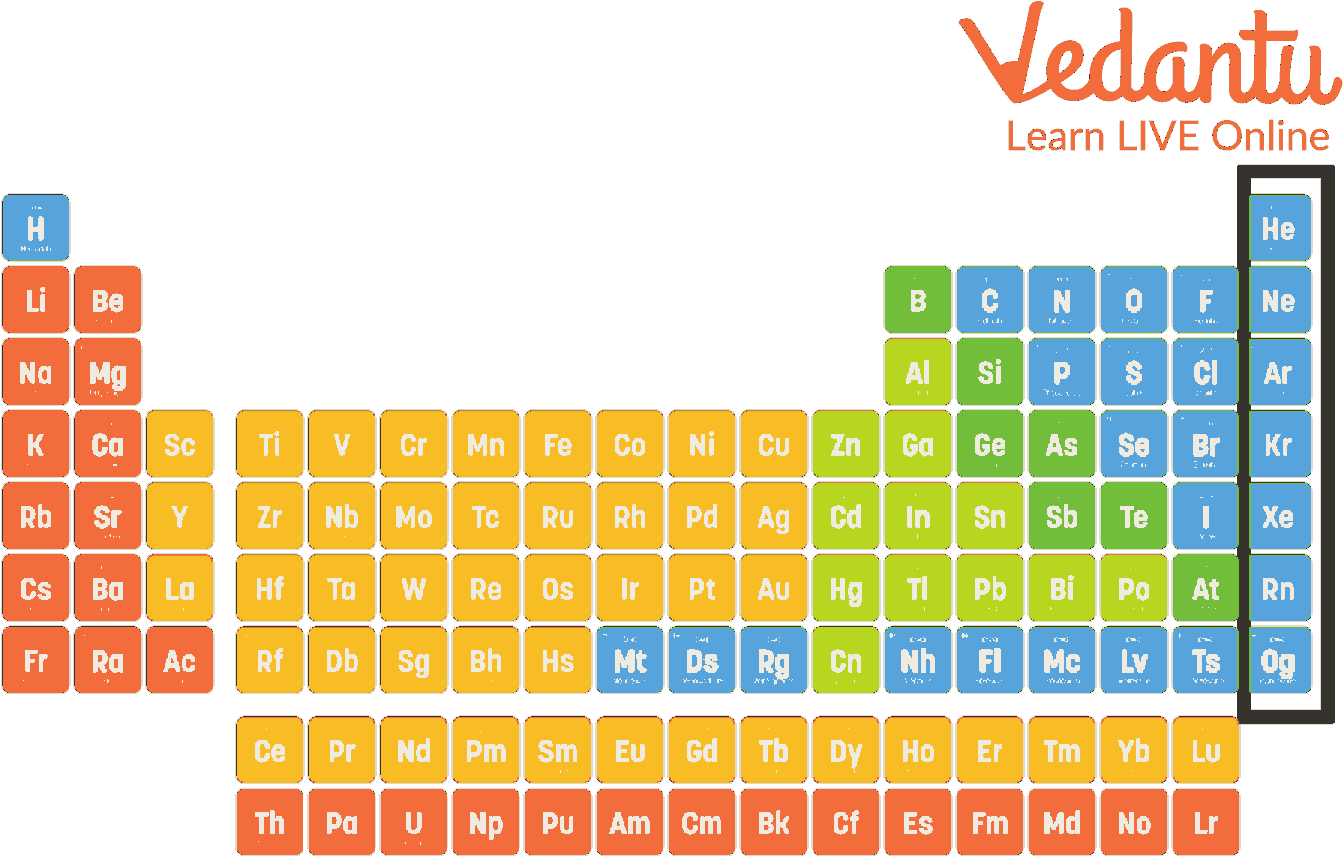
What are noble gases?
Elements with a full valence shell in group 8
How can covalent bonds form stronger?
More pairs of shared electrons (single, double, triple)
A pH of 9 is more…
basic
A pH of 2 is more…
acidic
A pH of 7 is…
neutral
Properties of water are special because they are due to which kind of bonds?
hydrogen bonds
What are the functions of water in the human body?
solvent for biochemical reactions
participates in chemical reactions as product or reactant
temperature regulation
lubrication for body fluids
What are the differences between hydrophobic and hydrophilic substances? Examples?
hydrophilic loves water and will dissolve in water (salts)
hydrophobic fears water and will not dissolve in water (oil)
What are the monomers of carbohydrates? (3)
monosaccharides
disaccharides
polysaccharides
What monomers are lipids made of? (3)
triglycerides
phospholipids
steroids
What are the monomers that proteins are made of?
amino acids
what are the monomers that nucleic acids are made of? (2)
DNA
RNA
Name 3 monosaccharides
glucose
fructose
ribose
Name 3 disaccharides
sucrose
lactose
maltose
Name 3 polysaccharides
starch
glycogen
cellulose
How are carbohydrates used in energy production?
glucose is directly used to make ATP by all cells, brain needs carbs
Where are carbohydrates used in short-term energy storage?
starch in plants, glycogen in animals
Where are the structural functions of carbohydrates seen?
cell wall in plants and fungi; cellulose and chitin in bacteria
Where do carbohydrates show up in ECM in animals? (3)
chondroitin
hyaluronic acid
glycoproteins
What is needed in the building blocks for DNA and RNA?
carbohydrates in ribose and deoxyribose
Why are starches good carbohydrate nutrients?
Starches are digested into glucose monomers
Why is cellulose a bad nutrient for carbohydrates?
cellulose helps with fiber, but humans are unable to digest
What are the functions of triglycerides? (3)
long term energy storage
fat storage in adipose cells that serves as a cushion
fats and oils
What are the functions of phospholipids?
main component of cell membranes with their hydrophobic tail and hydrophilic head
What are the functions of steroids?
component of cell membranes
high levels are bad
cholesterol and steroid hormones
What is the difference in a structure of a triglyceride and a phospholipid?
Triglycerides are made of 3 fatty acids connected to 1 glycerol molecule, while phospholipids are made of 2 fatty acids and 1 glycerol molecule with a phosphate group and a polar organic group.
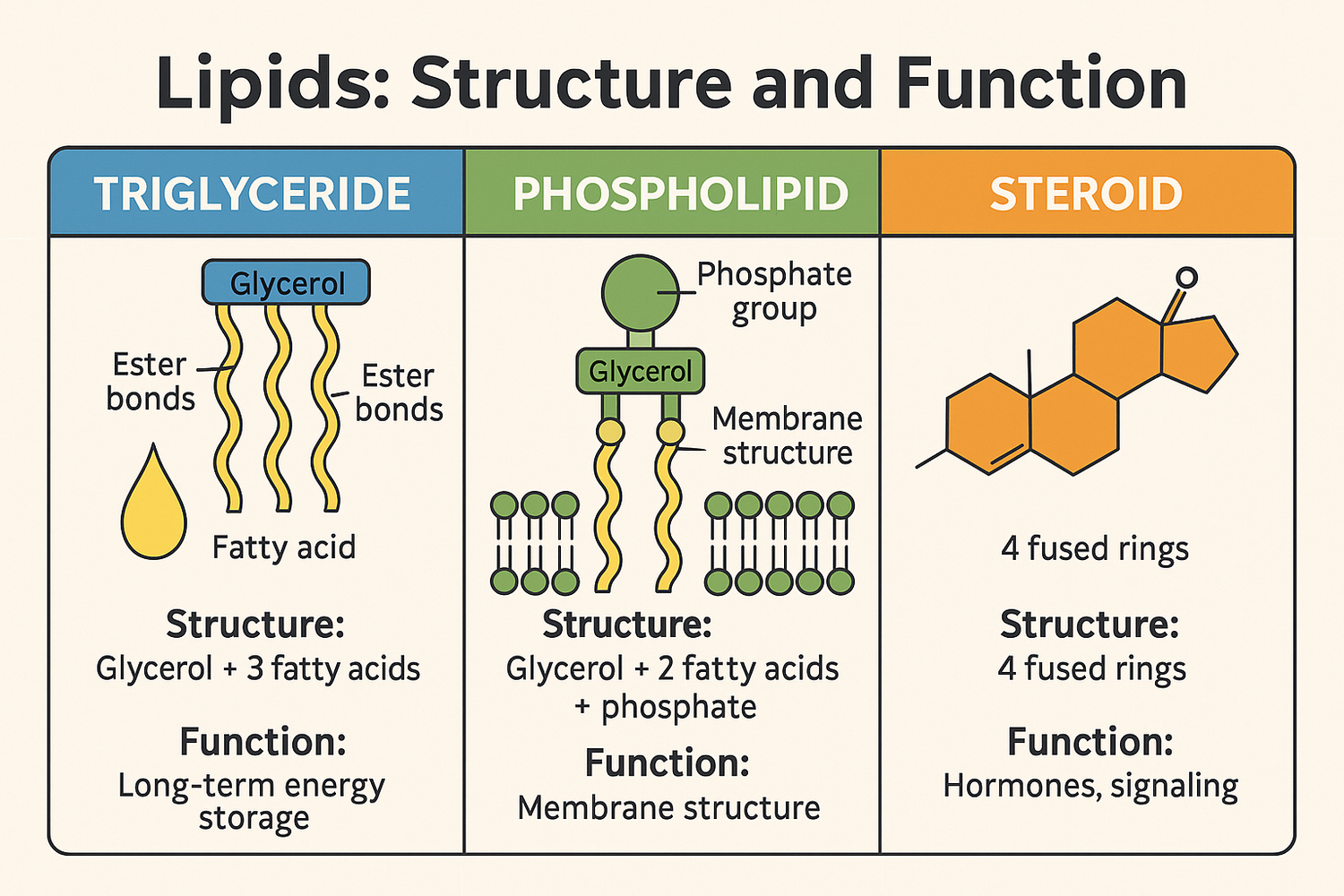
What’s the difference between a saturated and unsaturated fat?
Saturated fats only have single bonds, solid at room temp, mostly in animal products, seen in butter and lard. Unsaturated fats have double bonds in fatty acids, liquid, mostly in plants, olive oil, canola oil.
What are the kinds of bonds between amino acids that make the primary structure of a protein?
peptide bonds
How can properties of amino acids affect the 3D structure of a protein?
Hydrophobic side chains in the middle of the structure to hide from water and covalent bonds will keep the protein in a specific shape.
What is the function of enzymes?
speed up chemical reactions and can perform specific functions repeatedly
How will pH affect enzyme activity?
most human enzymes have the optimal ph close to neutral, stomach acid is designed to work best in acidic conditions
How does temperature affect enzyme activity?
enzyme activity increases as temperature increases until it reaches optimal temperature. will denature after optimal temperature
What are the molecular differences between DNA and RNA?
DNA is A-T, C-G
RNA is A-U, C-G
Where can you find DNA and RNA?
DNA is found in the nucleus of the cell
RNA is synthesized in the nucleus and found in the cytoplasm
What are the functions of the types of RNA?
mRNA (messenger RNA) has the copies of a gene
tRNA (transport RNA) carries AA to make protein
rRNA (ribosomal) part of ribosomes to make proteins
What are the functions of ATP?
molecule that stores and releases energy for membrane transport, muscle contraction, and biochemical reactions
What happens to enzymes if the temperature gets too extreme during illness?
fevers and hyperthermia can slow down your enzymes