Lesson 42 - Teratogenicity and Reproductive Toxicity
 Call Kai
 Learn
Learn Practice Test
 Spaced Repetition
 Match
Match Flashcards
 Knowt Play
1/117

There's no tags or description
Looks like no tags are added yet.
Name | Mastery | Learn | Test | Matching | Spaced | Call with Kai | Chat |
|---|
No analytics yet
Send a link to your students to track their progress
118 Terms
What can cause reproductive toxicity/teratogenicity?
1. plants
2. heavy metals
3. environmental pollutants
4. mycotoxins
5. animal-derived factor
6. other factors like nutritional status, health comorbidities, and drugs
What are the plant sources that can cause reproductive toxicity/teratogenicity?
1. Locoweeds (Astragalus sp./ Oxytropis sp.)
2. Pine needle
3. Poison hemlock
4. Lupinus/Nicotiana sp.
5. Veratrum sp.
6. Plants with high nitrate content
7. Plants with phytoestrogens
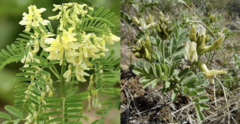
What poisonous plant is this?
astragalus sp. (locoweeds)

What poisonous plant is this?
oxytropis sp. (locoweeds)
What is the toxic component of locoweeds?
swainsonine alkaloids
What do swainsonine alkaloids cause?
lysosomal storage disease
How do swainsonine alkaloids cause lysosomal storage disease?
1. Inhibit lysosomal alpha-mannosidase and Golgi mannosidase II
2. Cells cannot break down mannose-rich sugars
3. Mannose-rich sugars build up in lysosomes
4. Swollen lysosomes disrupt normal cell work
Which cells are majorly affected by lysosomal storage disease?
neurons and other vital tissues like reproductive tissue
How do locoweeds cause fetal death followed by abortion?
1. Fluid accumulation in the placenta affects cotyledonary development
2. Vasoconstriction/vascular resistance in fetus interrupts blood flow
What cellular changes in the cerebral cortex, brainstem, and kidneys are suggestive of lysosomal storage disorders?
cellular swelling and vacuolization
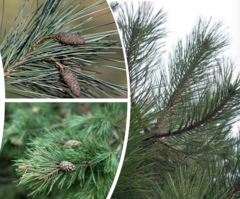
What poisonous plant is this?
pine needle (pinus ponderosa)
What is the toxic component of pine needle trees?
isocupressic acid
How does isocuprussic acid harm fetuses?
reduces blood flow to the uterus and placenta
When are cows most at risk for abortion with pine needle consumption?
last trimester (final 30-60 days of pregnancy)
What amount of pine needles needs to be consumed to potentially trigger an abortion?
3-5 lbs over several days
Which plants can cause crooked calf disease?
1. Poison Hemlock (Conium maculatum)
2. Lupinus sp.
3. Nicotiana sp.

What poisonous plant is this?
poison hemlock

What poisonous plant is this?
lupinus sp.

What poisonous plant is this?
nicotiana sp.
What is the toxic component of poison hemlock?
piperidine alkaloids
What happens when pregnant cows consume sub-lethal amounts of poison hemlock between days 40-100 of gestation?
severe birth defects (crooked calf disease)
What is crooked calf disease?
skeletal contracture-type malformations and occasional cleft palates in cattle and goats
What are the susceptible periods for cleft palates?
30-50 days
What are the susceptible periods for multiple congenital contractures?
50-100 days

What poisonous plant is this?
veratrum sp. (corn lily, false hellebore, skunk cabbage)
What is the toxic component of veratrum sp. (corn lily, false hellebore, skunk cabbage)?
steroidal alkaloids, cyclopamine and jervine
What affect does steroidal alkaloids, cyclopamine and jervine have on sodium channels?
activation of sodium ion channels
What is the result of activation of sodium ion channels with veratrum sp. consumption?
rapid cardiac failure and death
Which nerve is stimulated with veratrum sp. consumption?
vagal nerve
What is the affect of veratrum sp. consumption on the fetus?
cyclopia, cleft palate, anophthalmia, metacarpal hypoplasia
How does veratrum sp. consumption cause CNS and skull defects in unborn fetuses?
cyclopamine inhibits the sonic hedgehog (Shh) signaling pathway
Which plants can cause nitrate poisoning?
1. sorghum
2. pearl millet
3. sudan grass
What species are markedly more susceptible to nitrate poisoning?
ruminants
What is the pathogenesis of nitrate poisoning?
1. ruminal conversion of nitrate into nitrite (horses - caecum)
2. Accumulation of nitrate in plants (growth conditions) - following a prolonged dry period/ frost damage, high nitrate soil content, immature plants
3. Nitrite is rapidly absorbed & oxidizes iron in hemoglobin forming methemoglobin (which does not carry oxygen)
4. Methemoglobin crosses the placenta interrupting oxygen supply to fetus and causing abortion
What is the prognosis of methemoglobinemia?
grave
What is the treatment for methemoglobinemia?
methylene blue 1-2% in saline, 4-15 mg/kg BW, IV
What are the important factors of nitrate poisoning?
amount eaten and nitrate release/reduction
What are the signs of nitrate poisoning?
1. abrupt onset; noticed within hours after eating hay and causes the fatal condition
2. weak, labored respiration
3. trembling of muscles, weakness, staggering gait and sometimes apparent blindness
4. may become recumbent and lie with its mouth open
5. bluish discoloration of the tongue and cornea of the eyes
5. pregnant animals may abort later
How do tissues/blood appear with nitrate poisoning?
dark; petechial hemorrhages
How should forage/silo samples be taken and sent to test for nitrate poisoning?
1. samples should be taken from many points within the stack
2. should be sent in airtight containers to prevent loss of moisture
3. time between sampling and delivery to the laboratory should be kept as short as possible
What is the prevention method for nitrate poisoning?
adapt animals using oral probiotics before administration of forages
What is the time period when teratogens most easily trigger malformations?
first trimester (the organogenesis period)
What can reproductive toxicants interfere with?
gamete formation, fertility rate, pregnancy, fetal development, or offspring survival
What is the primary source of Organochlorine pesticides (DDT, dieldrin)?
contaminated soil, feed, water
What is the main reproductive effect of Organochlorine pesticides (DDT, dieldrin)?
1. Endocrine disruption
2. Decreased fertility
What is the primary source of Organophosphate / carbamate pesticides?
spray drift, contaminated forage
What is the main reproductive effect of Organophosphate / carbamate pesticides?
1. Impaired spermatogenesis
2. Embryotoxicity
What is the primary source of Polychlorinated biphenyls (PCBs)?
industrial contamination, feed fats
What is the main reproductive effect of Polychlorinated biphenyls (PCBs)?
1. Reduced fertility
2. Fetal loss
3. Endocrine disruption
What is the primary source of Dioxins (TCDD)?
combustion by-products, contaminated feed
What is the main reproductive effect of Dioxins (TCDD)?
1. Teratogenicity
2. Fetal mortality
What is the primary source of Polycyclic aromatic hydrocarbons (PAHs)?
exhaust, industrial emissions
What is the main reproductive effect of Polycyclic aromatic hydrocarbons (PAHs)?
1. Impaired gametogenesis
2. Embryotoxicity
What are endocrine-disrupting chemicals?
environmental chemicals that affect the hormonal function in the body
What are endocrine-disrupting chemicals linked to?
reproductive tract abnormalities, infertility, cardiovascular diseases, asthma, autoimmune diseases, and neurocognitive disorders
What are the sources of heavy metal contamination?
1. Industrial effluents
2. Automobile emissions
3. Waste water from industries (Chromium)
4. Grazing the polluted pastures along roadsides/mining areas
5. Fertilizers phosphate and organic (sewage sludge and animal manure)
How do heavy metals cause reproductive toxicity?
1. Generation of free radicals, reactive oxygen and reactive nitrogen species (ROS, RNS)
2. Reduction in antioxidant stores
3. Decrease in detoxification of ROS
4. Oxidative stress - Disruption of cellular hemostasis
What are the other clinical signs of metal poisoning in livestock?
CNS disorders, liver and kidney problems, reproductive failure, endocrine abnormalities, depression and vision disturbances
What are the effects of heavy metal toxicity on the male reproductive system?
1. negatively affects the expression of metallothionein mRNA in testicular tissue crucial for protecting spermatogenesis from adverse effects of harmful substances
2. oxidative damage increases peroxidation of membrane lipids and impacts sperm maturation, concentration, and motility cadmium damages the cell membrane and the DNA of sperm, limits their motility (alkalinizes epididymal fluid), and impairs acrosomal reactions
3. blood-testicular barrier disruption - destabilization of sperm chromatin- affects spermatogenesis and increases sperm abnormalities
4. inhibit androgen production, microtubule movement, and the expression of regulatory protein genes resulting in a drastic decline in sperm count and histopathological changes in the testis
5. endocrine disruptors cause a decrease in testosterone production
What are the effects of heavy metal toxicity on the female reproductive system?
1. DNA damage induced by heavy metals leads to excessive ROS production, causing oocyte death during cell division
2. Toxic metals accumulate in the follicular fluid and damage the ovarian granulosa cells, and affect steroidogenesis
3. Cross the placental barrier to reach the fetus and cause developmental problems
What can changes in estrogen and progesterone receptors due to heavy metal alterations cause in the female reproductive system?
reproductive issues like spontaneous abortion, endometrial cancer, and estrogen-dependent diseases of mammary glands
How can heavy metal toxicities increase the chances of spontaneous abortion?
metals like Cd can replace bivalent ions (Ca2+ and Zn2+) and cause deficiencies during pregnancy
What are the sources of arsenic?
contaminated pastures, dipping and spraying chemicals, pesticides, herbicides, feed additives, ground water
What tissues does arsenic accumulate in?
liver and distributes to kidneys, spleen, lungs
What systems exhibit clinical signs with arsenic toxicity?
GI, nervous, and cardiovascular
What are the sources of lead?
contaminated feed/water, burning of fossil fuels, paint industries, combustion of coal
What is the pathogenesis of lead toxicity?
1. Crosses placental barrier and affects the fetus of exposed animal
2. CNS, GI, haemopoietic system, and neurological signs
3. Leads to disorders in prostatic function, including prostate hyperplasia and cancer, as well as a reduction in sperm motility
What are the neurological signs associated with lead toxicity?
bellowing, blindness, dullness, head pressing, opisthotonos, convulsions and coma)
How can animals be exposed to cadmium?
ingestion of plants grown in contaminated soils in the vicinity of industrial units emitting it into the environment or water contamination
What are the clinical signs of cadmium toxicity?
nephropathy, anemia, bone demineralization, congenital defects, stillbirths, and abortion
What are the subclinical effects of cadmium toxicity?
immunotoxicity, oxidative stress, reduced reproductive performance, endocrine disruption, altered micronutrient profiles, and poor weight gain
How can heavy metal toxicity be prevented?
1. Proper food and water storage
2. Limiting contact with vehicle exhaust, industrial emissions, contaminated soil/feed/water sources
3. Regularly test soil, water, and feed for heavy metals (Pb, Cd, Hg, As, Cu)
4. Soil remediation
What are mycotoxins?
secondary metabolites produced by fungi, which contaminate a wide variety of agricultural products, including cereals and forages intended for animal feed
Which mycotoxins can cause reproductive toxicity?
1. Aflatoxins
2. Ochratoxin A
3. T-2 toxin
4. Zearalenone
5. Fumonisins
How do mycotoxins cause significant teratogenesis and reproductive toxicity in veterinary species?
disrupting endocrine balance, cellular signaling, and embryonic development
What are the mechanisms ir mycotoxin-mediated reproductive toxicity/teratogenicity?
1. DNA damage
2. Inhibition of protein synthesis
3. Oxidative stress and cell death
4. Hormonal disruption
5. Impaired placental nutrient transfer
What are the fungi sources of aflatoxins?
Aspergillus flavus and A. parasiticus
What are the reproductively significant aflatoxins?
1. AFB1
2. AFB2
3. AFG1
4. AFG2
What effect does Aflatoxin B1 have on male reproduction?
impairs spermatogenesis, reduces sperm production, and lowers serum testosterone levels by disrupting steroidogenesis
What effect does Aflatoxin B1 have on female reproduction?
disrupts oocyte maturation, arrests follicular development, and damages granulosa and ovarian somatic cells
What are the fetal abnormalities caused by Aflatoxin B1?
microphthalmia, fetal growth retardation, and skeletal defects
What species exhibits the strongest teratogenic response to aflatoxins?
poultry
What is the effect of Aflatoxin B1 on poultry?
increased embryonic mortality, reduced birth weight (down to 7.40 g compared to 37.30 g in the control), and severe morphological abnormalities such as growth retardation, brain deformation, ocular invagination, anophthalmia, and beak deformities
What are fumonisins produced by?
Fusarium verticillioides and Fusarium proliferatum
How does fumonisin (B1) toxicity lead to fetal mortality?
competitively inhibits sphingolipid biosynthesis (ceramide synthase) and disrupts folate metabolism leading to neural tube defects, growth retardation, and developmental abnormalities
What species is most susceptible to fumonisin (B1)?
poultry
What is the effect of fumonisin (B1) on poultry?
hydrocephalus, enlarged beaks, and elongated necks
What is the effect of fumonisin (B1) on swine?
crosses the placental barrier, triggering a disruption in both maternal and fetal sphingolipid metabolism and increasing the incidence of embryonic resorptions, causing growth retardation and incomplete organogenesis
What produces Zearalenone?
Fusarium graminearum
What is the major source of Zearalenone?
corn
What species is most susceptible to Zearalenone toxicity?
swine
What are the clinical signs of Zearalenone toxicity in swine?
1. hyperestrogenism characterized by a swollen vulva in females and enlarged mammary glands in young males
2. embryonic death, inhibition of fetal development, and decreased numbers of fetuses
What are the clinical signs of Zearalenone toxicity in swine, cattle, and equids?
hyperestrogenism, pseudopregnancy, vulvar edema, reduced sperm motility, and impaired folliculogenesis
What congenital anomalies can Zearalenone toxicity cause?
skeletal malformations in the carpal and tarsal bones of neonates and dermal cysts
What effect does Trichothecenes (T2) toxicity have on poultry?
lesions at the edges of the beaks, abnormal feathering, reduced egg production, eggs with thin shells, reduced bodyweight gain, poor hatchability and mortality
What is the pathogenesis of Trichothecenes (T2) toxicity?
disrupts reproductive endocrine axes, inhibits hormone synthesis, suppresses gametogenesis, and triggers skeletal or morphological malformations in developing fetuses
What is an endophyte?
fungus that grows between plant cells and into the developing seed
Which endophyte causes fescue toxicosis?
Epichloë (Neotyphodium) coenophiala
What are the clinical signs of fescue toxicosis in cattle?
progressive lameness, anorexia, hyperthermia, rough hair coat, depression, and later dry gangrene of the distal limb, reduced milk yield, and reduced conception rates
How does fescue toxicosis affect spermatogenesis?
vasoconstriction