Public Health: Disease, Illness, and Health Disparities in Population Trends
 Call Kai
 Learn
Learn Practice Test
 Spaced Repetition
 Match
Match Flashcards
 Knowt Play
1/26

There's no tags or description
Looks like no tags are added yet.
Name | Mastery | Learn | Test | Matching | Spaced | Call with Kai | Chat |
|---|
No analytics yet
Send a link to your students to track their progress
27 Terms
What is the WHO definition of health?
Health is a state of complete physical, mental, and social well-being and not merely the absence of disease or infirmity.
What does public health consist of?
Public health consists of activities that society undertakes to assure conditions in which people can be healthy, including organized efforts to prevent, identify, and counter threats to public health.
What is population health?
The study of the distribution and determinants of health and disease states in the population.
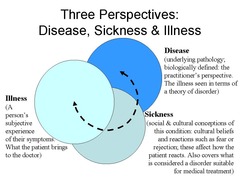
What is the difference between illness and disease?
Illness is subjective and personal, while disease is objective and can be diagnosed.
What are the rights associated with the sick role?
The sick person is not at fault and is excused from normal daily activities.
What is an obligation of a person in the sick role?
To get well and seek professional help.
What is mortality in public health measures?
Mortality refers to the state of being dead and includes measures like infant mortality rate and death rate per 100,000.
What does morbidity refer to?
Morbidity refers to the state of being diseased or unhealthy, including incidence and prevalence of diseases.
What is the incidence rate?
The incidence rate is the number of new cases diagnosed with a disease during a specific time period per 1,000 population at risk.
What does prevalence rate indicate?
The prevalence rate indicates the total number of existing cases of a particular disease at a given point in time per 1,000 population.
What is the significance of infant mortality rate?
It compares the number of deaths of infants under one year old per 1,000 live births and is an indicator of a country's health level.
What are health disparities?
Health disparities are differences in incidence, prevalence, mortality, and burden of disease among specific population groups.
What factors contribute to health disparities?
Factors include race, geography, gender, and education.
What is a healthcare disparity?
Healthcare disparities refer to differences between groups in health insurance coverage, access to care, and quality of care.
What is the role of non-traditional measures of health?
Non-traditional measures assess aspects of health beyond mortality and morbidity, focusing on quality of life and health perceptions.
What is the BRFSS Survey?
The BRFSS Survey is a national survey that collects health-related information from more than 400,000 adults in the U.S.
What is the relationship between socioeconomic status and diabetes burden?
The burden of diabetes is much higher for racial and ethnic minorities than for whites, potentially due to socioeconomic differences.

What are some traditional measures of health?
Traditional measures include mortality rates, morbidity rates, and life expectancy.
What is the purpose of measuring health in populations?
To understand patient populations, manage resource distribution, and develop public policy to improve societal well-being.
What are some causes of higher infant mortality rates in minority populations?
Preterm-related causes, congenital malformations, SIDS, and unintentional injuries.
How do traditional measures of health fall short?
They provide little information about the impact of health status on quality of life.
What is the significance of quality of life measures?
They assess physical, emotional, and social functioning, providing a broader view of health beyond traditional metrics.
What is the difference between health and healthcare disparities?
Health disparities refer to differences in health outcomes, while healthcare disparities refer to differences in access and quality of care.
What is the impact of insurance status on asthma medication use?
Uninsured children are 40% less likely to use preventive asthma medication compared to those with insurance.

What are the obligations of a sick person according to the sick role?
To seek professional help and to work towards getting well.
What are the determinants of health?
Factors that influence health outcomes, including social, economic, and environmental conditions.
What is the significance of comparing mortality rates internationally?
It helps to understand health commitments of nations and identifies disparities in health outcomes.