Biology Lab 101
 Call Kai
 Learn
Learn Practice Test
 Spaced Repetition
 Match
Match Flashcards
 Knowt Play
1/46

There's no tags or description
Looks like no tags are added yet.
Name | Mastery | Learn | Test | Matching | Spaced | Call with Kai | Chat |
|---|
No analytics yet
Send a link to your students to track their progress
47 Terms
Lipids
fats, oils, waxes, phospholipids, steroids
Benedict’s Solution
Solution that tests for reducing sugar; usually blue but when mixed turns reddish orange
Lugol’s Solution
Solution that tests for starch; normally yellowish-brown but turns blueish-black when mixed
peptide bonds
a type of bond that binds amino acids which are building blocks of protein; contains carbon, hydrogen, oxygen, nitrogen
Biuret’s Reagent
solution that tests for peptide bonds; normally blue, but turns purple when mixed
carbohydrate chemical structure
CH2O
rheostat
adjusts the light intensity on a microscope
resolving nosepiece
circular structure where different objective lens are screwed into
condensor lens
lens that focuses light on specimen; located below stage
iris diaphragm
controlled by lever on front of condenser lens; change opening of illuminator that passes light to specimen
resolving nosepiece, objective lenses, stage, iris diaphragm, condenser lens
Name structures 1-5

illuminator, base, ocular lenses, arm, stage clips
Name structures 6-10

rheostat, stage mechanism, focus knob
Name structures 11-13

parfocal
lens that stays in focus when magnification/focal length is changed
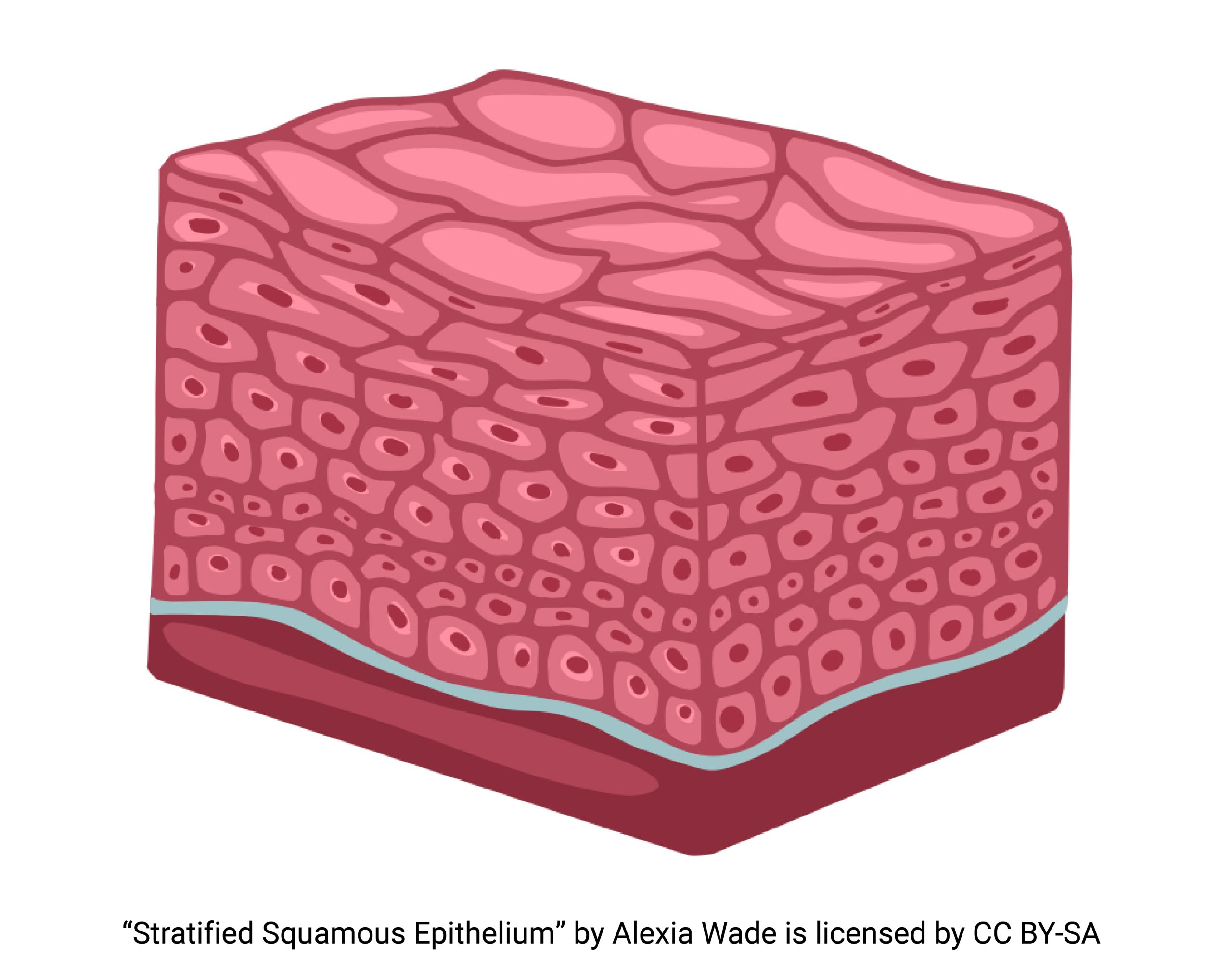
epithelial and cilia
Name the type of tissue on the left. What are cells covered with that function for movement?
connective
What type of tissue is this?
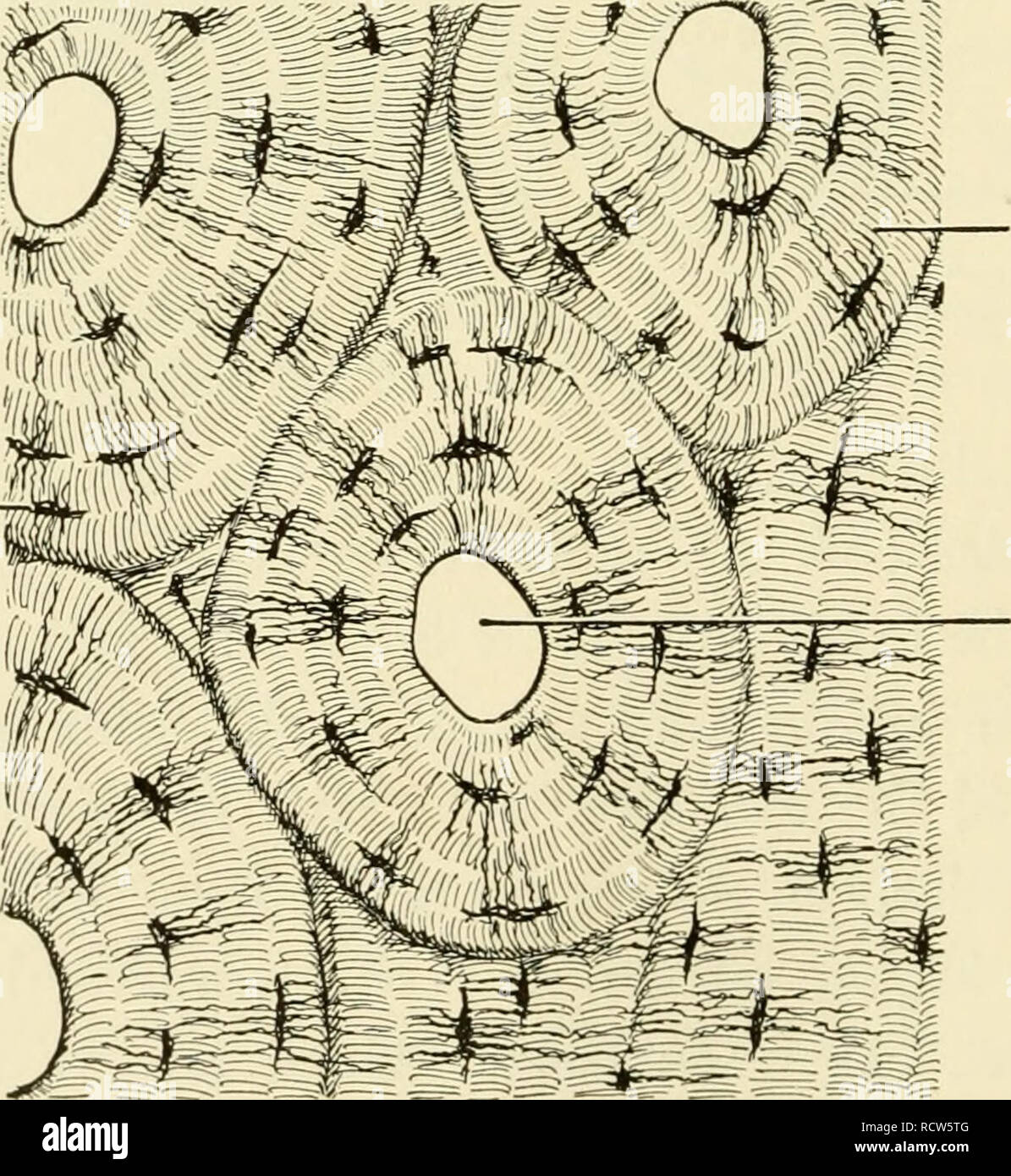
lamellae, lacunae, central canal
What are the circular rings, dark spots, and middle called?

muscle and nuclei
What is the following tissue? What is the part covered in blue?

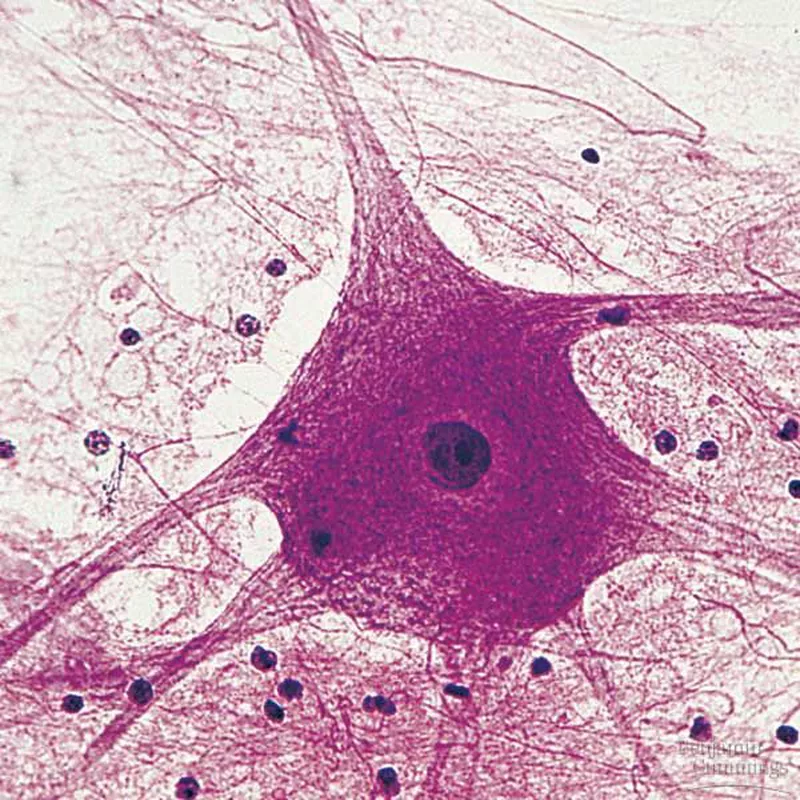
nervous, neuron, dendrites
What is the following tissue? What is the center and the branches coming off it called?
S Phase
The process of DNA copying and replicating
Interphase
name for the parts of the cell cycle that are the 2 growth phases (G1 and G2) and S phase
Prophase, Prometaphase, Metaphase, Anaphase, Telophase
5 stages of mitosis
prophase
DNA coils to form condensed chromosomes

prometaphase
nuclear envelope dissolves and spindles attach to chromosomes
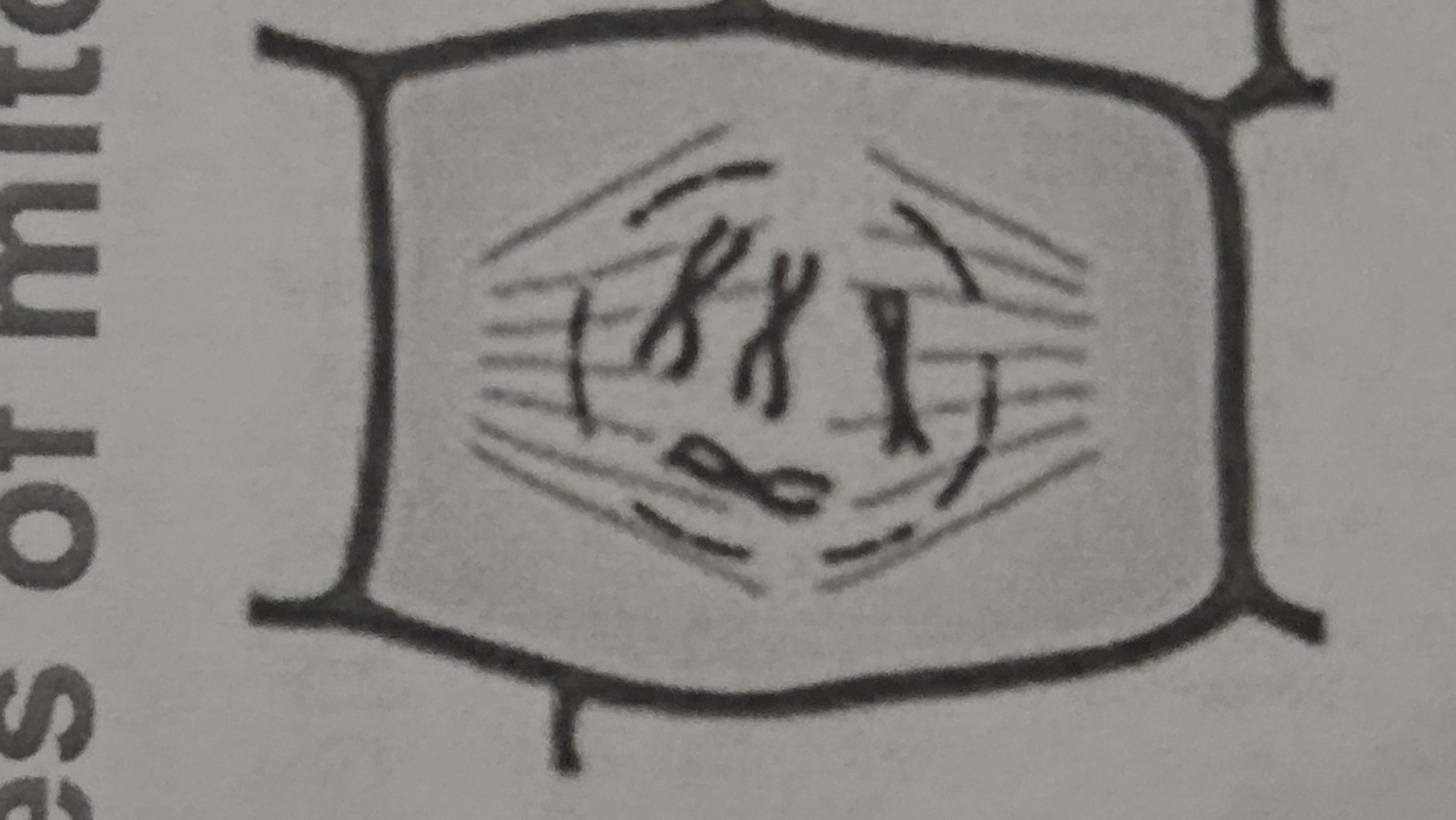

Metaphase
Chromosomes pulled by the spindle align along the midline
Anaphase
cohesin dissolves, sister chromatids separate, and spindle pulls them to opposite poles of cell

Telophase
nuclear envelope reform, chromosomes decondense, and cytokinesis forms daughter cells

Cytokinesis
separation of cell and its contents to form two daughter cells; in animals cell membrane pinches to separate daughter cells; in plants, cell wall is built
histones
a protein that DNA is coiled around; eukaryotes - linear; prokaryotes - circular
Kinetochore
structure on condensed chromosome that attaches to a spindle microtubules
spindle
structure that moves chromosomes during cell division; made of microtubules that radiate out
centrosome
special protein complex from which microtubules are organized; microtubule organizing center
Aneuploidy
occurs when mitosis produces daughter cells with incorrect number of chromosomes
Spindle assembly checkpoint
cell’s safeguard against aneuploidy; at end of metaphase, properly functioning cell will not enter anaphase until all chromosomes are connected to microtubules from both spindle poles
Endoreplication
A modified cell cycle where cells do not go through cytokinesis but replicate their DNA and go through mitosis. It can produce large cells with many nuclei
meiosis
pair of cell division that produces gametes (spores in plants & fungi) in sexually reproducing organisms; diploid parent produces 4 haploid daughter cells which are genetically different from each other and the parent
Meiosis 1
begins with a diploid parent cell and produces two daughter cells
sexual reproduction
a new organism is produced from the fusion of two haploid gametes to form a diploid zygote in fertilization
somatic cell
cells in body of eukaryotic organism that divides through mitosis but doesn’t undergo meiosis
Haploid
a cell that contains only one chromosome from each homologous pair; single allele for each gene; generated from diploid cells via meiosis in sexually reproducing organisms