adaptive immune system
 Call Kai
 Learn
Learn Practice Test
 Spaced Repetition
 Match
Match Flashcards
 Knowt Play
1/32

There's no tags or description
Looks like no tags are added yet.
Name | Mastery | Learn | Test | Matching | Spaced | Call with Kai | Chat |
|---|
No analytics yet
Send a link to your students to track their progress
33 Terms
T cell mediated
antigen is brought to lymphoid tissue by dendritic cells where it is processed and presented through the afferent lymphatic
t cells enter lymphoid tissue via hev and examine the dendritic cells present in the paracortex
t cells express tcr that can recognise foreign peptides displayed by MHC
immunological synapse
MHC class i
protein antigens in the cytoplasm are digested to peptide fragments
these are transported int he ER where new MHC molecules are being synthsised
the foreign peptides are loaded onto empty MHC class i then transported to the cell surface allowing recognition by CD8 t CELLS
all nucleated cell express this
cd8 t vs cd8 4t
only interact with mhc class i peptides
detect intracellular infection
cd4 with mhc class ii
detect etracellular
what antigen receptors do T cells have
T cell receptors on T cell
surface immunoglobulin on B cell
MHC class ii pathway
protein antigens in the extracellular fluid are eaten by specialist phagocytic cells
lysosomes fuse with the phagosome releasing acid hydrolases that digest the protiens into peptide fragments
new mhc class ii synthesied which travel via the golgi to meet with endocytic pathway and the foreign peptide fragments are loaded onto the empty MHC class ii molecules
so unlike class i the complexes are not formed inside of the ER
mhc class ii peptide complexes then transported to the cell surface allowing recognition by CD4 t cells
only APCs (dendritic, macrophages and B cells ) express class ii, these also express class i
T cell mediated
naive t cells are in surveillance mode and visit difderent secondary lymphoid using blood to lymph node via HEV and efferent lymph for transportation
if it recognises an antigen it stops circulating and starts to proliferate (clonal expansion)
following a period of proliferation and further diferentiation most t cell clones leave the LN via the efferent lymph enter teh bloodstream and search for the infectious oganism
change their cell surface homing molecules and start looking for sites of inflammation rather than lymphoid HEVs
CD8 Killer (Cytotoxic) T cells
what do they do to the infected cell via what mechanism
what 3 ways can this occur
viral proteins in the cytoplasm of infected cells are processed via the MHC class i pathway and expressed on the cell surface marking the cell as infected
MHC class I peptide complex can e recognised by a CD8 killer T cell which forces the infected cell to apoptose via the caspace cascade before replication is complete
this can occur by
release of perforin and granzymes
stimulation of apoptosis via the Fas/Fas ligand interaction
production of cytotoxic cytokines eg tumour necrosis factor
CD4 helper t cells
when naive CD4 T cells are activatedfor the first tie in a LN they must decide what typeof T helper cell they become
can differentiate in th type 1 or th type 2 cells which have different function
stimulate B cells to secret e antibodies
IgG systemic protection
IgA mucosal
CD4 Th1 cells
how do macrophages interact with these cells
how do these effector t cells respond
which type of infections is it important
macrophages interact with th1 via MHC class ii presentation of antigen detected by TCR
these effector T cells respond by secreting cytokines particularly IFN gamma that activated macrophages
important in vesicular infections where pathogens deliberately infect macrophages
IFN gamma effects on macrophage function
• Stimulates the RESPIRATORY BURST.
Production of high levels of OXYGEN FREE RADICALS, NITRIC OXIDE & ANTI-MICROBIAL PROTEASES, resulting in an increased capacity for killing pathogens.
• Increased production and fusion of lysosomes with endosomes results in increased digestion of endogenous pathogens
CD4 th2 cells
how do they interact with the TH2 cells
how do the th2 effector cells respond
what does this stimulate
what influeces what type of antibody the b cell makes
interact with TH 2 cells via the MHC class ii peptide: TCR engagement
these effector t cells respond by secreting B cell growth factors particularly IL4
th2 cells timulate B cells to mature into plasma cells that begin to secrete antibodies
cytokines produced by the th2 cells inluence what type of antibody the b cell makes via class switching
B cell and antibody mediated immunity
b cell expresses surface immunoglobulin
upon recognition of antigen in secondary lymphoid tissues B cells become activated and start to proliferate
then they differentiate into plasma cells
either remain in the lymph node moving locally to the medullary cords
leaev the lymph node to migrate to the bone marrow
IgM is the first antibody produced which functions to neutralise viruses, agglutinate bacteria and is a potent trigger of the complement cascade upon binding to microbial antigen
B cells also present antigen (MHC II peptide) to helper t cells which respond by secreting cytokines to stimulate further B cell differentiation via paracrine effect
with T cell help B cells can class switch the type of antibody they produce and start secreting IgG instead of M
further cytokine signals can modify this antibody response in favour of IgA or IgE
what is IgG
what can it trigger
what does it act as and what does it enhance
how is it produced
a potent virus neutralising antibody
can trigger complement activation
acts as an opsonin and can enhance phagocytosis of bacteria by macrophages and neutrophils that express Fc-gamma receptors
produced after recieing Th2 cell help - class switching
what is IgA
what is it produced byb
function
where can it be found
produced by plasma cells in the MALT
it is a dimer that is actively transported across mucosal epithelial surfaces and functions to bind to pathogens or toxins, preventing their harmful effects on epithelial cells
thus it neutralises toxins and interferes with pathogens ability to attach and infect via the mucosal route
important component of colosrum and milk for neonatal health
IgE
when is it produced
what happens to it
how does this help the immune response
produced during helminth parasite infections
specifically adsorbed onto the surface of mast cells which express Fc- epsilon receptors
coating their surface with IgE enables these cells to seek out and bind to parasites more effectively, triggering degranulation and histamine release
however abnormal production of IgE to environmental antigens is often the cause of allergy
where do MHC class I vs II present peptides generated from antign in
1 is cytoplasm
2 is tissue fluid
regulatory t cells
produce immunosuppressive cytokines such as IL 10
ensure response is appropriate and minimise collateral damage to host cells
which part of the antigen binds to the antigen
fragment antigen binding
variable region
what does the constant region do
fc
biological effects
what are the basic functions of the antibody
neutralisation - antibody prevents adherance
opsonisation- antibody promotes phagocytosis
complement activation- antibody activates complement which lyses bacteria
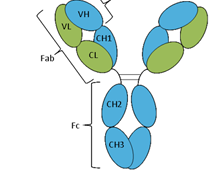
igg
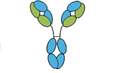
igd

ige
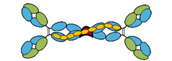
iga
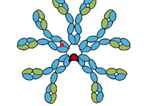
igm
immunoglobulin M
first antibody produced in the immune response
pentameter- binds 10 antigens at once
agglutinin
good at triggering the complement cascade
degranulation of mast cells
mast cells have receptors for IgE
when ige binds to the antigen this triggers degranulation of the mast cell
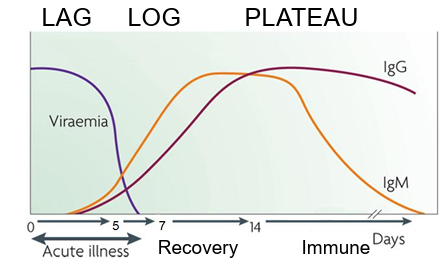
phases of antibody response
LAG phase
first 5-7 days
LOG phase
IgM more than IgG (7-14 days)
PLATEAU
can last months or years
path of naive vs effector t cell
naive goes through the high endothelial venule to the lymph node
effector t cell goes through inflamed endothelium to infected tissues
how do killer t cells kill
release perforins, granzymes, cytotoxic cytokine
perforins create holes in the cell outer membeane
granzymes cause a cascade leadin to apoptosis
dendritic cell migration
PRR detect PAMPs
they stop engulfing and upregulate MHC for antigen presentation
enter the lymphatic vessels
which APC is used
dendritic cell- naive T cell
CD4 T helper t1 tend to use the macrophage as an APC as this allows cell to cell communication.
interferon gamma is produced to super activate the macrophage
T helper type 2 tend to use B cells
produce cytokines to enable the B cell to class switch, IgM to IgG, then to others eg IgA if in MALT