Models World of Cells
 Call Kai
 Learn
Learn Practice Test
 Spaced Repetition
 Match
Match Flashcards
 Knowt Play
1/67

There's no tags or description
Looks like no tags are added yet.
Name | Mastery | Learn | Test | Matching | Spaced | Call with Kai | Chat |
|---|
No analytics yet
Send a link to your students to track their progress
68 Terms
Prokaryotic Cell
A simple cell that lacks a nucleus and membrane-bound organelles
Organelles exclusive to animal cell
centrioles, lysosomes, and may have flagella.
Organelles exclusive to plant cell
cell wall, chloroplasts, and a central vacuole
Plant Cell
Contains a cell wall, chloroplasts, and a large central vacuole.
Animal Cell
Contains lysosomes, centrioles, and sometimes flagella; lacks a cell wall and chloroplasts.
Central Vacuole
Large storage sac in plant cells that stores water and maintains turgor pressure.
Chloroplast
Site of photosynthesis; converts light energy into chemical energy.
Cell Wall
Rigid outer layer that provides support and protection; found in plant cells.
Flagellum
Whip-like structure used for cell movement; found in some animal cells.
Centriole
organelle, Organizes microtubules and helps during cell division; found mainly in animal cells.

Lysosome
Contains digestive enzymes that break down waste and worn-out organelles
Mitochondrion
Produces ATP (energy) through cellular respiration
Golgi Apparatus
Modifies, sorts, packages, and ships proteins and lipids
Smooth Endoplasmic Reticulum (Smooth ER)
Produces lipids and detoxifies harmful substances.
Rough Endoplasmic Reticulum (Rough ER
Synthesizes and transports proteins; covered with ribosomes.
Ribosomes
Site of protein synthesis.

Nucleus
Contains DNA and controls cell activities.
Cytoskeleton
Network of fibers that provides support, shape, and movement
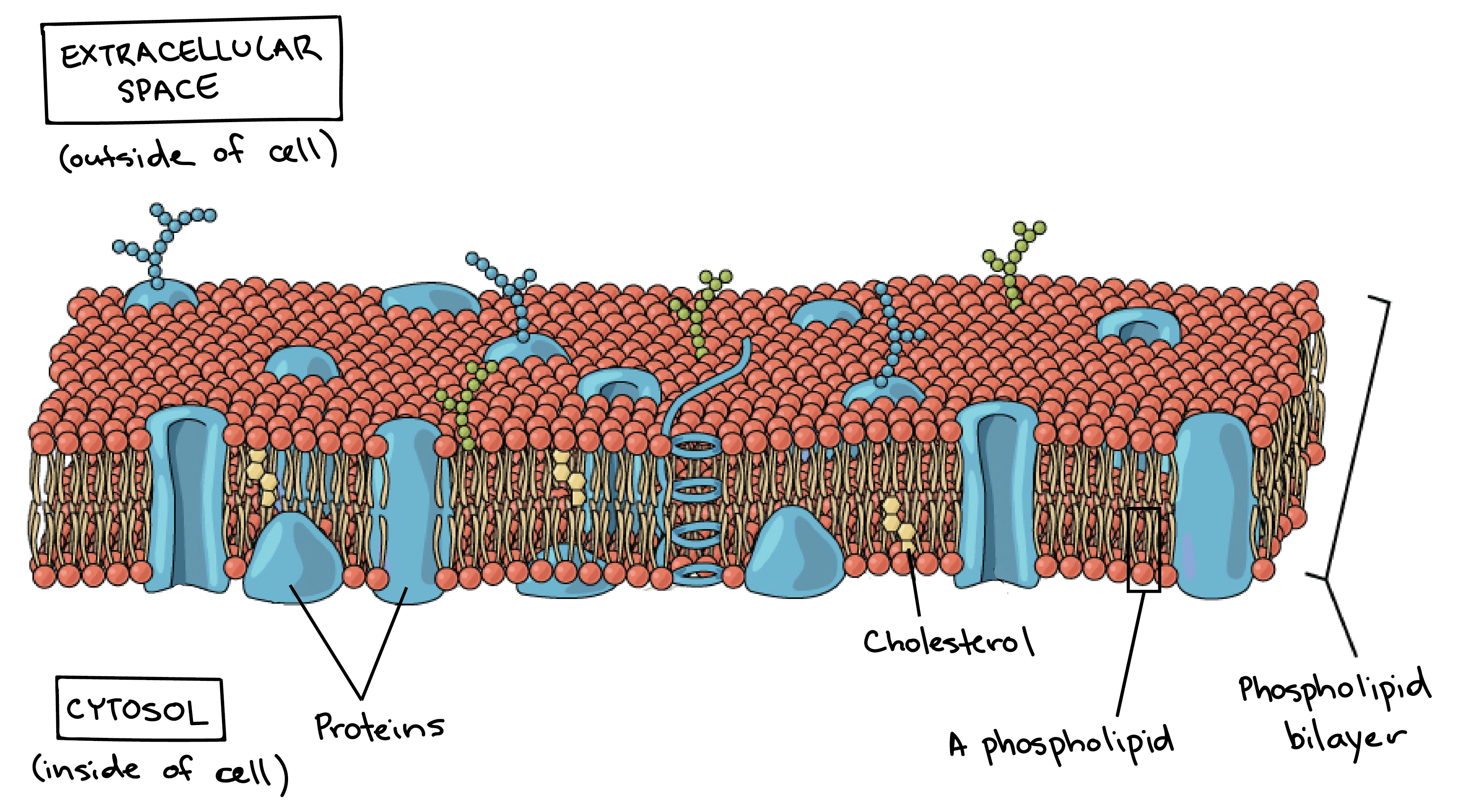
Plasma Membrane
Selectively controls what enters and leaves the cell.
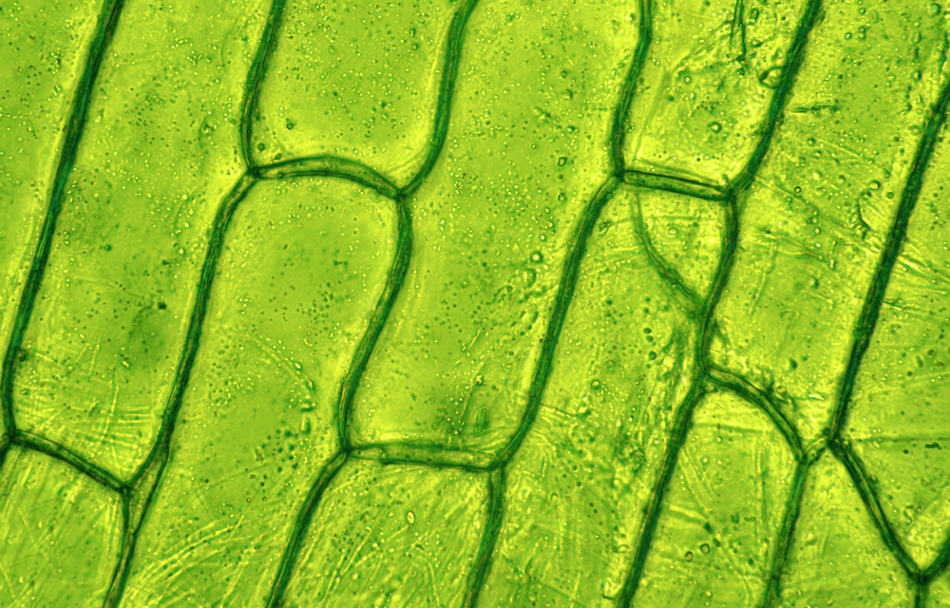
Transmission Electron Micrograph (TEM)
Uses electrons to view internal cell structures in high detail.
Scanning Electron Micrograph (SEM)
Uses electrons to view detailed surface features of cells and organisms.
Light Micrograph (LM)
Uses visible light to view living cells.
Eukaryotic Cell
A more complex cell that contains a nucleus and membrane-bound organelles
Nucleoid Region
The area in a prokaryotic cell where DNA is found; it is not enclosed by a membrane

Nucleus
A membrane-bound organelle in eukaryotic cells that contains the cell's DNA
Organelles
Specialized structures within eukaryotic cells that perform specific functions
Main Difference Between Prokaryotes and Eukaryotes
Eukaryotes have a nucleus and membrane-bound organelles, while prokaryotes do not
Location of DNA in Prokaryotes
In the nucleoid region
Location of DNA in Eukaryotes
Inside the nucleus.
Membrane-Bound Organelles
Structures surrounded by membranes that carry out specific tasks; found in eukaryotic cells
Examples of Prokaryotes
Bacteria and Archaea
Examples of Eukaryotes
Animals, plants, fungi, and protists
Prokaryotic Cells Diameter
1-10 micrometers
Prokaryotic cells lack
nucleus, and membrane-bound organelles
Cell Wall
A rigid outer layer that provides shape, support, and protection to the prokaryotic and eukaryotic plant cell.
Plasma Membrane
A thin membrane just inside the cell wall that controls what enters and leaves the cell
DNA
The cell's genetic material that contains the instructions for cellular activities
Nucleoid Region
The area of a prokaryotic cell where the main DNA is located; it is not enclosed by a membrane
Plasmid
A small, circular piece of DNA separate from the main chromosome that often carries extra genes, such as antibiotic resistance genes
Typical Size of Prokaryotic Cells
1-10 μm (micrometers) in diameter
Ribosome
The structure responsible for protein synthesis (making proteins)
Where is DNA found in a prokaryotic cell?
In the nucleoid region
What structures surround a prokaryotic cell?
The cell wall and plasma membrane
What is the function of ribosomes
To produce proteins needed by the cell

What is the function of plasmids?
small DNA molecule, To carry additional genetic information that can provide advantages to the cell, most commonly found in prokaryotes

Prokaryotic cells organelles
cell wall, cell membrane, plasmid, DNA, ribosome
Magnification
The amount the image of an object is enlarged
Resolution
The ability of an optical instrument to show two objects as separate
Neutral lipid (fat)
Consists of 1 glycerol molecule and 3 fatty acids
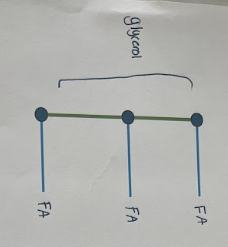
Glycerol
The backbone molecule to which fatty acids attach in fats and phospholipids
Fatty Acid (FA)
Long hydrocarbon chain attached to glycerol
Phospholipid
A changed glycerol molecule with 2 fatty acids and 1 phosphate group

Phosphate Group
The polar part of a phospholipid that forms the head
Function of Phospholipids
Main component of cell membranes

Phospholipid Head
Hydrophilic because it contains the phosphate group.
Phospholipid Tails
Hydrophobic because they are fatty acid chains.
Cell Membrane Structure
Phospholipid bilayer.
Where to phospholipid heads face
outside the cell, hydrophilic region
where do phospholipid tails face
inside the cell, hydrophobic region
All Single Bonds in Fatty Acid Chain
Saturated fat
One or More Double Bonds in Fatty Acid Chain
Unsaturated fat
Surface Area Formula
Proportional to d²
Volume Formula
Proportional to d³
Why Do Small Cells Exchange Materials Faster?
They have a larger surface area-to-volume ratio.
What Enters Cells?
Oxygen (O₂) and glucose.
What Leaves Cells?
Carbon dioxide (CO₂).
Effect of Increasing Cell Size on Surface Area-to-Volume Ratio
The ratio decreases
Why Can't Cells Grow Indefinitely?
Volume increases faster than surface area, making material exchange less efficient.