Concept 24.1: The biological species concept emphasizes reproductive isolation
 Call Kai
 Learn
Learn Practice Test
 Spaced Repetition
 Match
Match Flashcards
 Knowt Play
1/16

Name | Mastery | Learn | Test | Matching | Spaced | Call with Kai | Chat |
|---|
No analytics yet
Send a link to your students to track their progress
17 Terms
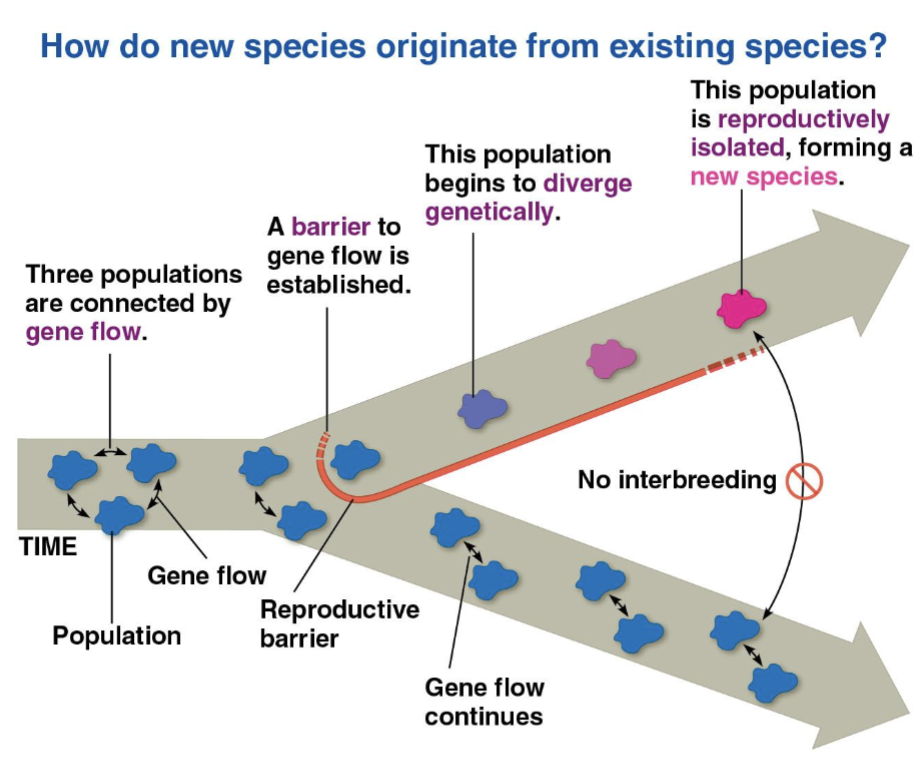
Speciation
The process by which one species splits into two species
This produced the tremendous diversity of life, and helps to explain the unity of life
This also bridges micro- and macro- evolution
Microevolution
Changes in allele frequency in a population over time
Macroevolution
Broad patterns of evolutionary change above the species level
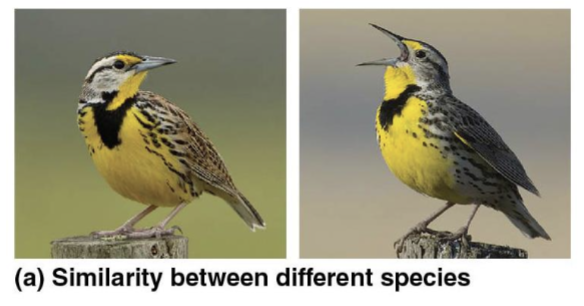
Species
A group of populations whose members:
Have the potential to interbreed in nature
Produce viable, fertile offspring
Do not produce viable, fertile offspring with members of other such groups
Gene flow between populations holds one of these together genetically
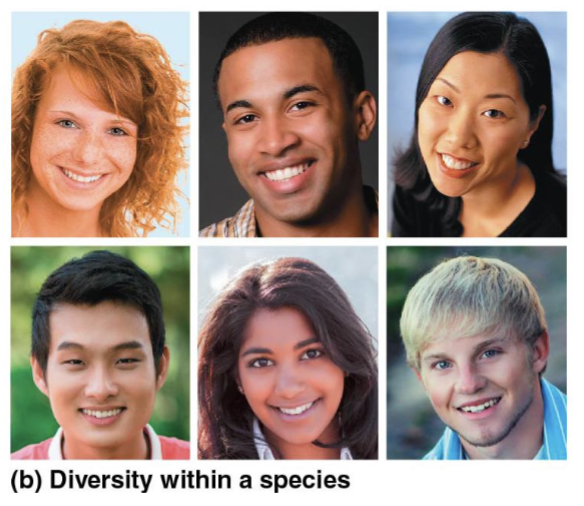
Biological species concept
The concept that defines what a species is and how one arises
Cannot be applied to all organisms, such as fossils or prokaryotes, because mating cannot be observed
Furthermore, while this model emphasizes absence of gene flow, gene flow occurs between many distinct species — like grizzly bears and polar bears, on occasion
Reproductive isolation
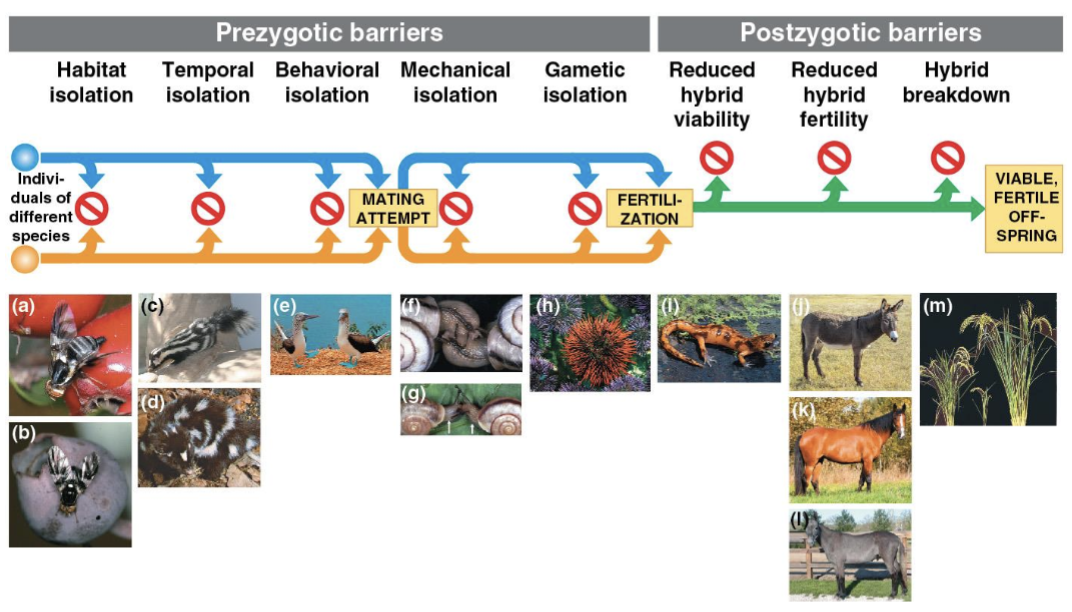
A process that results when biological barriers impede members of two species from interbreeding and producing viable, fertile offspring, limiting the formation of hybrids
Classified by whether factors act before or after fertilization
Hybrids
Offspring that result from interspecific mating
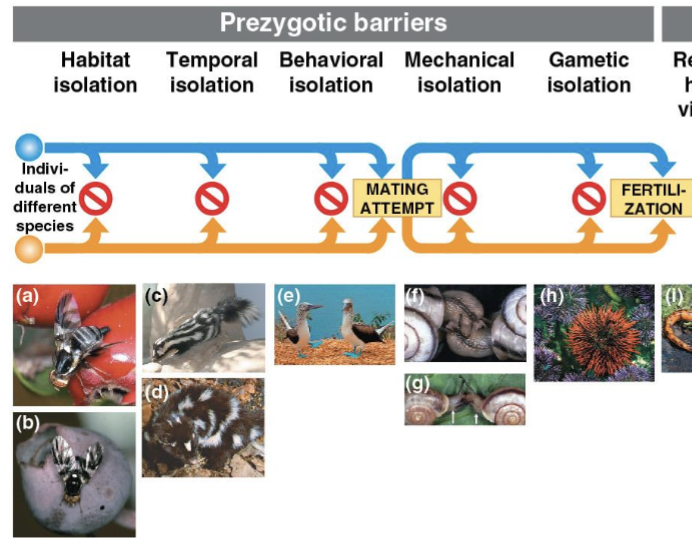
Prezygotic barriers
Barriers that enact reproductive isolation, blocking fertilization from occurring by:
Impeding different species from attempting to mate
Preventing the successful completion of mating
Hindering fertilization if mating is successful
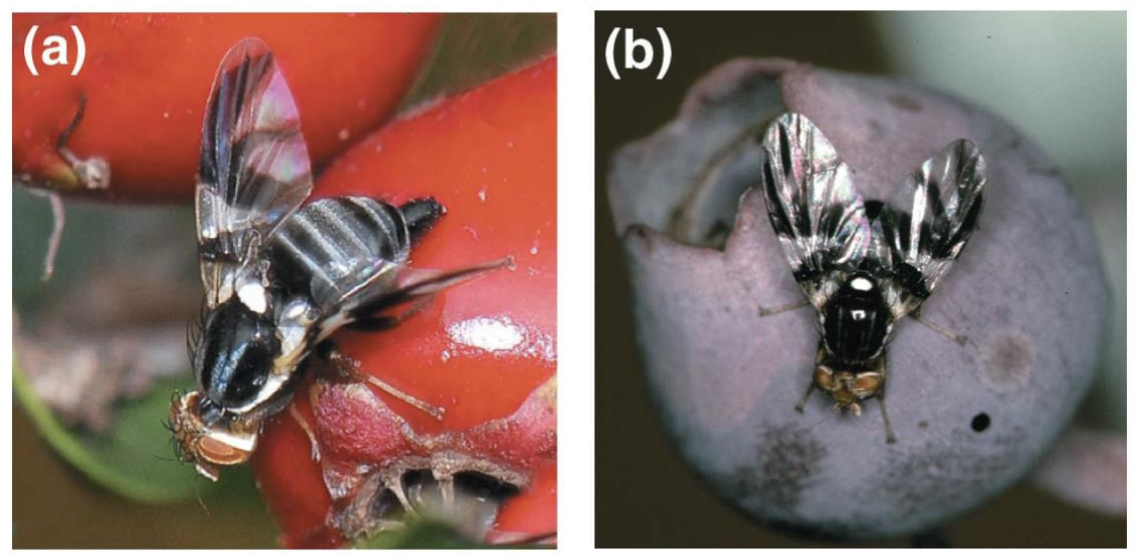
Habitat isolation
A prezygotic barrier that states that two species occupying different habitats within the same area encounter each other rarely, if at all
Apple maggot flies are isolated from blueberry maggot flies because they feed and lay eggs on different fruits
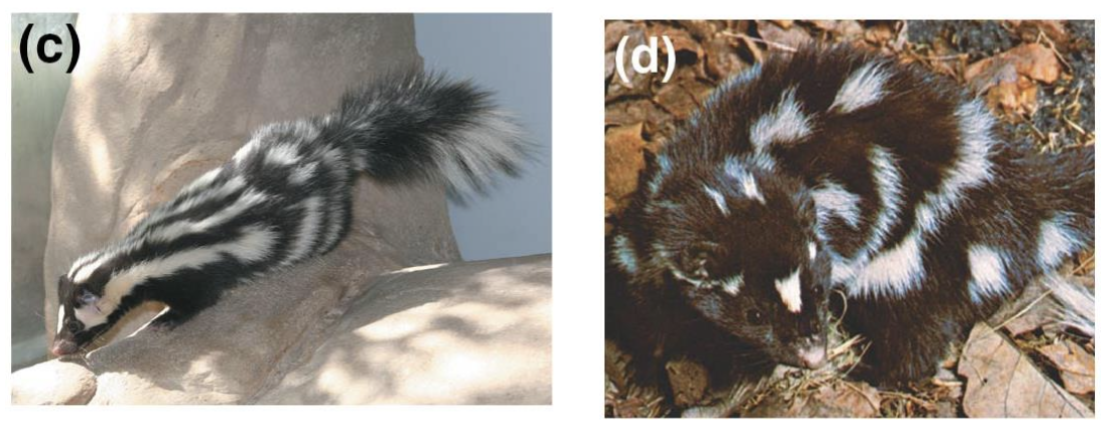
Temporal isolation
A prezygotic barrier that states that two species breeding at different times of the day, in different seasons, or different years cannot mix their gametes
Western spotted skunks mate in summer, and eastern spotted skunks mate in winter
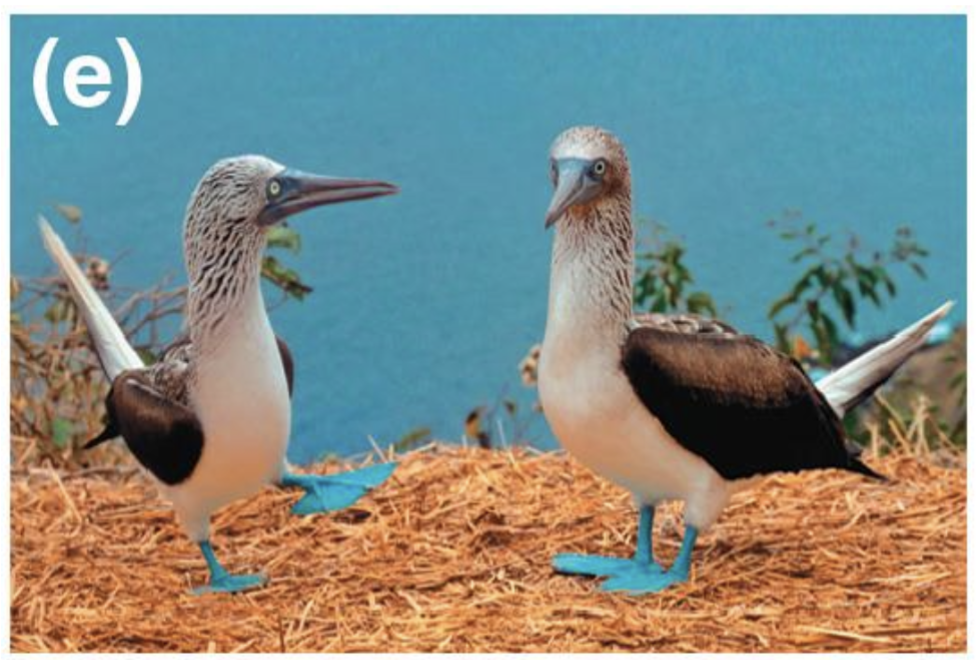
Behavioral isolation
A prezygotic barrier that states that courtship rituals and other behaviors unique to a species are effective barriers to mating
Many species, such as sula nebouxii, mate only after a unique courtship display
Mechanical isolation
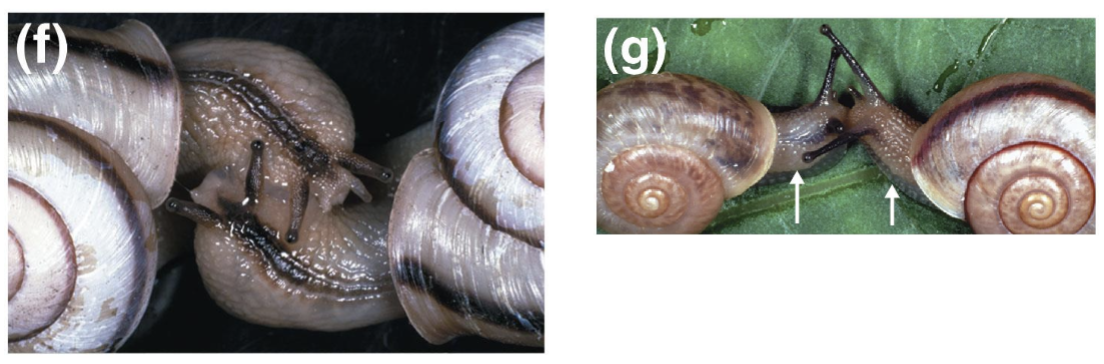
A prezygotic barrier that states that mating is attempted, but morphological differences prevent its successful completion
The reproductive openings of snails in the genus Bradybaena do not align if their shells spiral in opposite directions
Gametic isolation
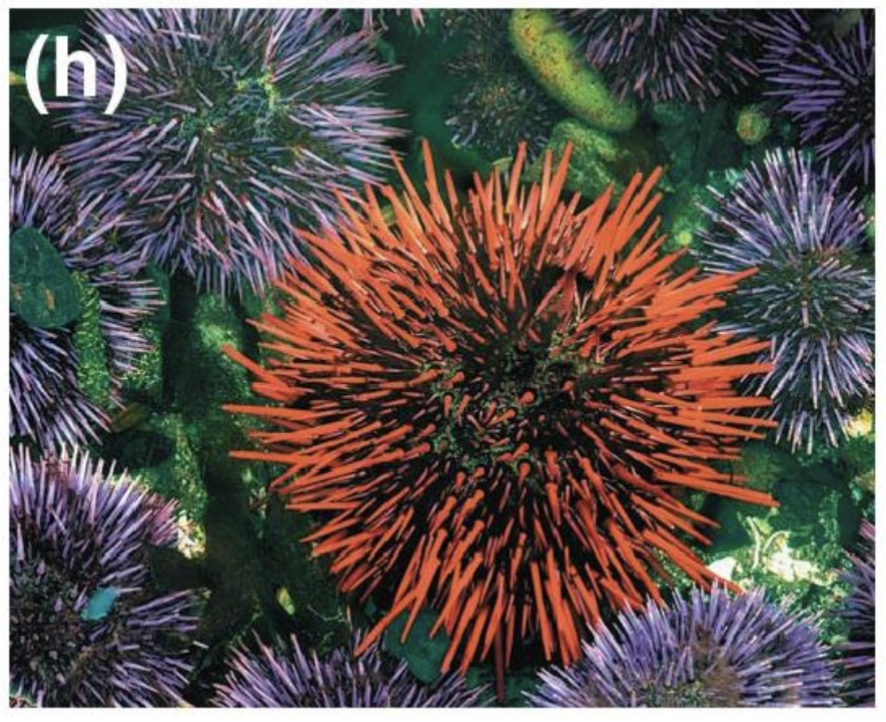
A prezygotic barrier that states that sperm of one species may not be able to fertilize eggs of another species
Surface proteins on the sperm and eggs of different sea urchin species bind poorly to each other, preventing fusion and zygote formation
Postzygotic barriers
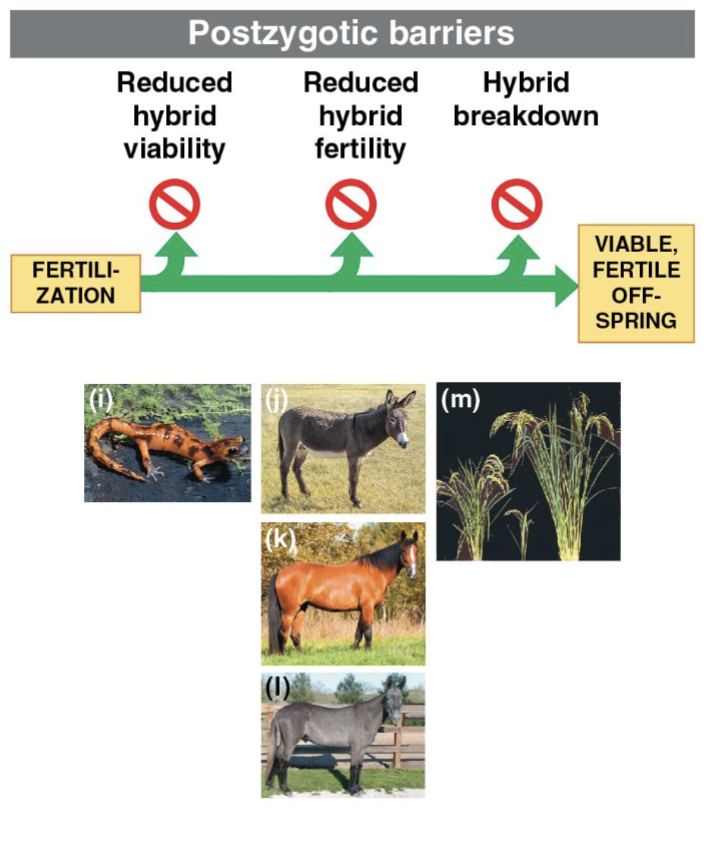
Barriers that enact reproductive isolation by preventing hybrid zygotes from developing into viable, fertile adults through:
Reduced hybrid viability
Reduced hybrid fertility
Hybrid breakdown
Reduced hybrid viability
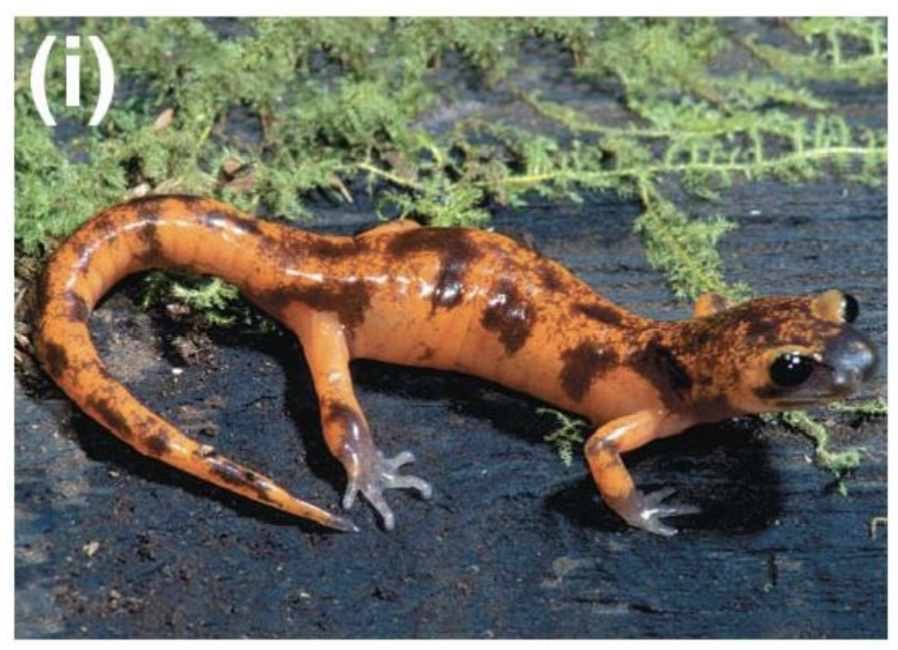
A postzygotic barrier that states that the genes of different parent species may interact in ways that impair the hybrid’s development or survival in its environment
The hybrid offspring of different subspecies of salamanders of the genus Ensatina do not usually complete development
Reduced hybrid fertility
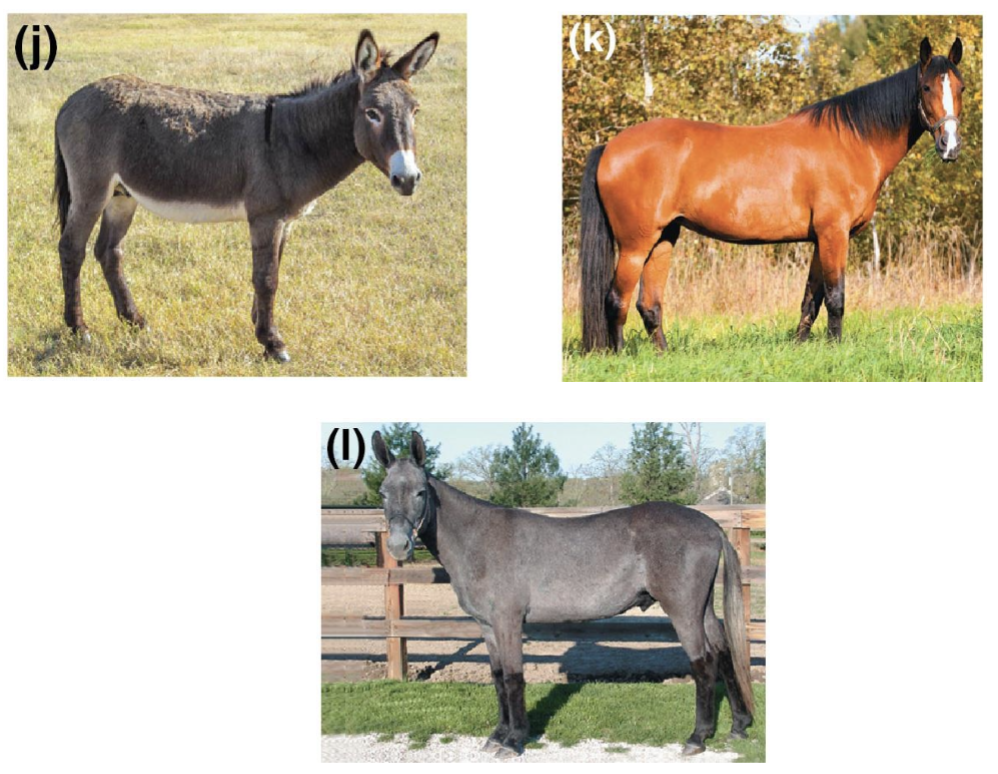
A postzygotic barrier that states that meiosis may fail to produce normal gametes, resulting in sterility, if the parent species have chromosomes of different number or structure
The hybrid offspring of a male donkey and a female horse, a mule, is robust, but sterile
Hybrid breakdown
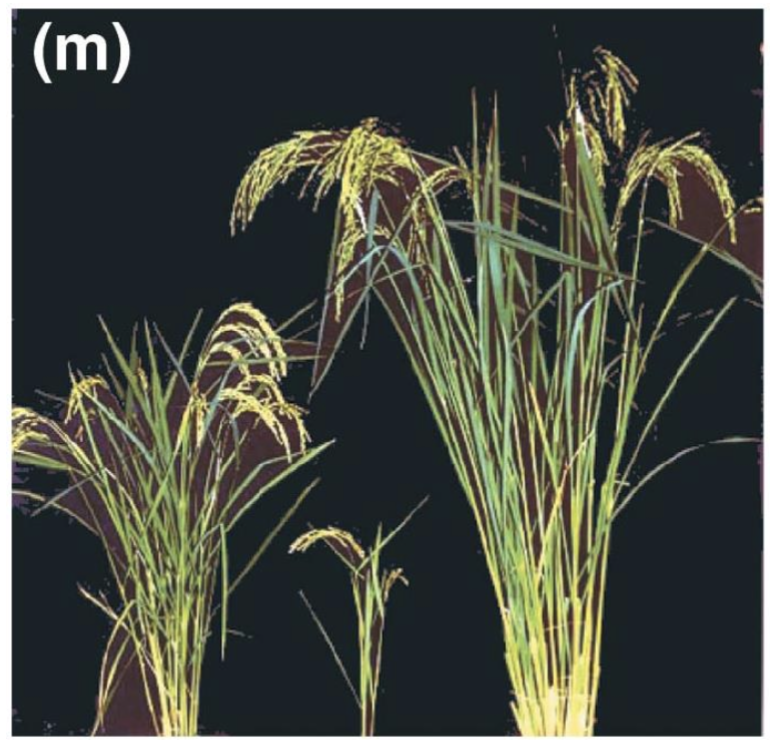
A postzygotic barrier that states that first-generation hybrids are viable and fertile, but offspring in the next generation are feeble or sterile
Hybrids between certain strains of cultivated rice are vigorous and fertile, but members of the next generation are small and sterile