Water biochemistry and intro to cell (Biology 1610)
 Call Kai
 Learn
Learn Practice Test
 Spaced Repetition
 Match
Match Flashcards
 Knowt Play
1/23

There's no tags or description
Looks like no tags are added yet.
Name | Mastery | Learn | Test | Matching | Spaced | Call with Kai | Chat |
|---|
No analytics yet
Send a link to your students to track their progress
24 Terms
A Cell
the basic unit of life
DNA
the instructions for a cell to function
Transcription
the process of turning DNA into RNA
Translation
the process of turning RNA into protiens
Reverse transcriptase
an RNA virus such as herpes converts into DNA and then integrates into bodies DNA
Central Dogma
flow of information in a cell
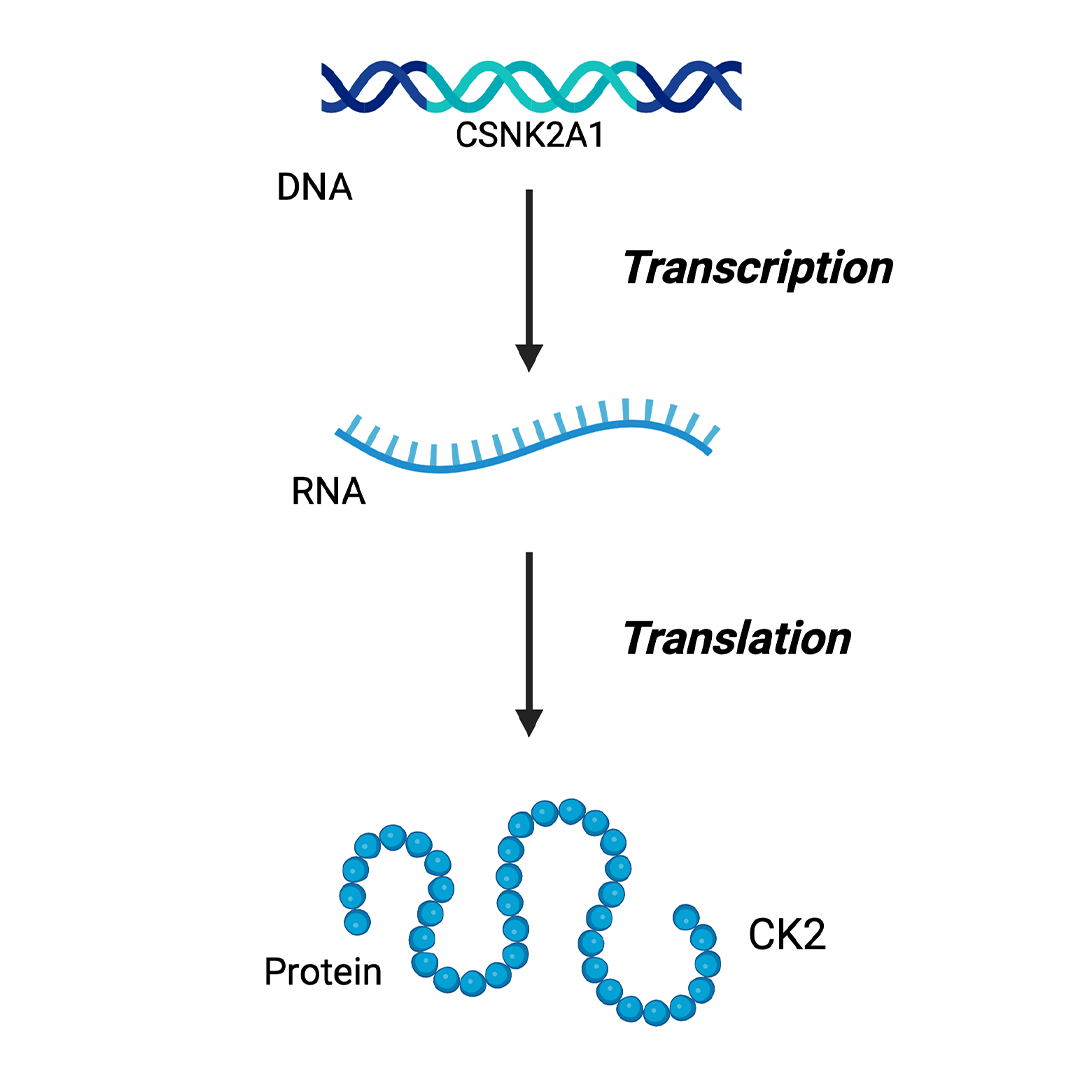
What is the order of the flow of central dogma?
DNA - RNA - Protiens
Characteristics of life
have order, adapt/evolve, grow and develop, regulate and maintain homeostasis, process energy, and respond to stimuli
polar molecule
atoms have different electronegativities (the molecule has opposite charges) due to unequal sharing of electrons
non-polar
atoms have the same electronegativity
Hydrogen bond
results from an attractive force between hydrogen and two electronegative atoms. It is the weakest bond
Covalent bond
a bond formed when two atoms share electrons. Can be polar or non-polar
Ionic bond
formed when one atom donates or receives an electron, creating full opposite charges that attract (cations and anions)
Ion
an atom that is not neutral and carries an electric charge because the number of protons and electrons it carries is different
Anion
an atom that gains one or more electron and therefore has a negative charge
Cation
an atom that loses one or more electrons and therefore has a positive charge

what kind of bond is this?
polar covalent bond
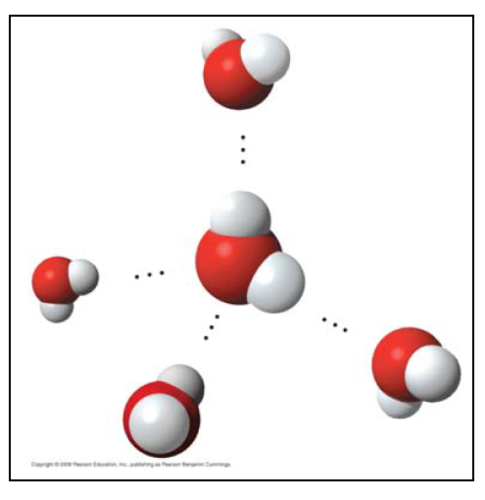
what kind of bond is this?
hydrogen bond
Other than hydrogen, what else is water attracted to?
polar and ionic compounds
Is water a good solvent and why?
It is an excellent solvent because it is a polar compound and can interact with other compounds that either have partial or ionic charges
amphipathic
a molecule that has both hydrophilic and hydrophobic parts (important for making cell membrane, ex: the phospholipid bilayer)
Prokaryotic cell
bacteria cell
no (membrane-bound) nucleus
simple/unicellular
cell wall is made of peptiologlycan
Eukaryotic cell
more complex organelles
can be unicellular or multicellular
membrane-bound nucleus
animals, plants, fungi, protists
What is the difference between a plant cell and animal cell?
plant cells have a cell wall (cellulose), choloroplasts, vacuoles