Machiavelli and Confucius
 Call Kai
 Learn
Learn Practice Test
 Spaced Repetition
 Match
Match Flashcards
 Knowt Play
1/21

There's no tags or description
Looks like no tags are added yet.
Name | Mastery | Learn | Test | Matching | Spaced | Call with Kai | Chat |
|---|
No analytics yet
Send a link to your students to track their progress
22 Terms
Machiavelli background
diplomat in Florentine Republic
political collapse and imprisonment
Confucius background
philosopher and spiritual leader in China
weakened central authority and competition of regional rulers for power
Machiavelli vs Confucius worldview
humans are greedy, ungrateful, and disloyal
to be human is to be good
Machiavelli central questions
how is power acquired and maintained
how is order secured
Confucius central questions
how can we restore harmony in society
how should rulers govern and individuals cultivate themselves
Machiavellian view on politics
governed by necessity, survival, and power relations
not subordinate to theology or moral philosophy
Confucianist view on politics
governed by virtue, education, and relational stability
subordinate to moral philosophy
Machiavelli ideal ruler
fear > love
utilizes fear
uses cruelty well
displays moral excellence
virtu and fortuna
Confucius ideal ruler
leads by example
utilizes shame
avoids excess punishment
embodies moral excellence
junzi, li, ren, filial piety
Machiavelli vs Confucius: Decay of power and structure
decay is natural and renewal requires leadership, military preparedness, and productive conflict
decay comes from disrupted moral order, failure of rulers to set moral examples, and poor governance
Machiavelli vs Confucius: coercion vs modelling
ruling through coercion leads to structure and obedience
ruling through coercion leads to a society with weak and breakable morals
Machiavelli vs Confucius: human nature and conflict
constant and cyclical, unlimited desires and limited resources
caused by poor governance
Machiavelli break with classical/christian tradition
politics is autonomous
state survival comes first
moral goodness ≠ political success
Machiavelli – well used cruelty
decisive, limited, leading to long term order
non strategic violence prolongs instability
Machiavelli – Virtu
mastery of circumstance
active ability to impose form on chaos
requires initiative, courage, and creativity
Machiavelli – Fortuna
role of chance
unpredictable and dangerous
ruler must anticipate crisis and have structures to contain disaster
Machiavelli – founding vs establishing
founders must use bold force and eliminate threats
established rulers must preserve support and prevent decay by maintaining legitimacy
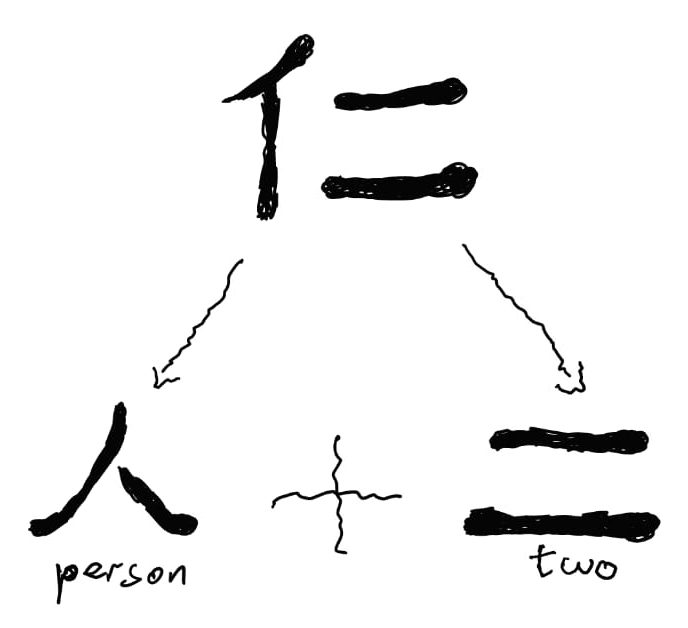
Confucius – Ren
humaneness, benevolence

Confucius – Li
ritual and proper conduct maintains harmony
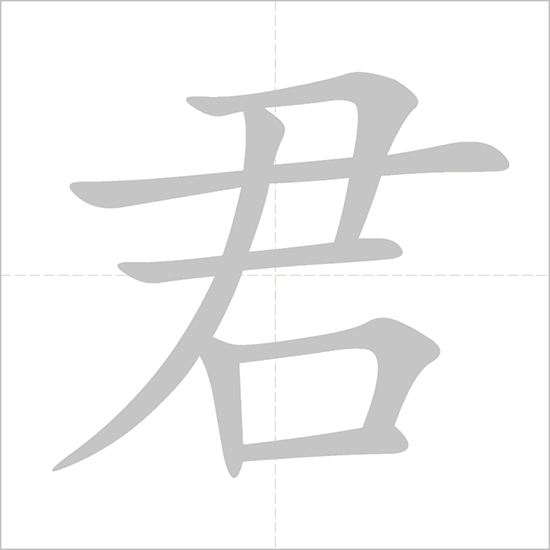
Confucius – Junzi
self cultivation is needed to be a noble person
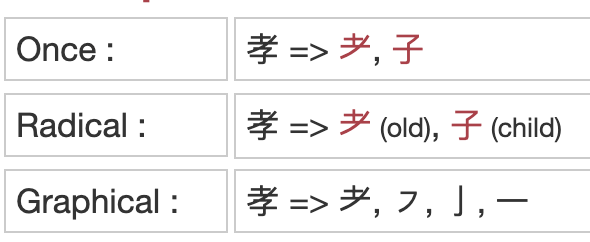
Confucius – FIlial Piety (Xiao)
care for elders is the foundation for a moral society
Confucius – Learning
political reform begins with education
learning is an ethical formation