Fall of Rome Vocab
 Call Kai
 Learn
Learn Practice Test
 Spaced Repetition
 Match
Match Flashcards
1/25

There's no tags or description
Looks like no tags are added yet.
Name | Mastery | Learn | Test | Matching | Spaced | Call with Kai | Chat |
|---|
No analytics yet
Send a link to your students to track their progress
26 Terms
476
Fall of the Western Roman Empire
Byzantium
the city to which Constantine moved the capital of the Roman empire. This shifted all of the power to the East.
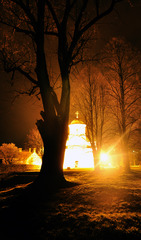
Constantinople
Previously known as Byzantium, Constantine changed the name of the city and moved the capitol of the Roman Empire here from Rome.

Istanbul
Capital of the Ottoman Empire; named this after 1453 and the sack of Constantinople.

Visigoths
A member of the western Goths that invaded the Roman Empire in the fourth century A.D. and settled in France and Spain, establishing a monarchy that lasted until the early eighth century.
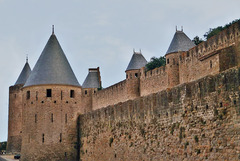
Vandals
Germanic tribe who sacked Rome from northern Africa in 455
Franks
Germanic people who lived and held power in Gaul. Their leader was Clovis and he would later bring Christianity to the region. By 511 the Franks had united into one kingdom and they controlled the largest and strongest parts of Europe.
Angles, Saxons, Jutes
also known as ANGLO-SAXONS or OLD ENGLISH who invaded & settled Roman Britain between 410 and 650 A.D.

Huns
Nomadic people from Asia who attacked the Roman Empire.
Attila
barbarian, rough leader; Leader of the Huns from 433-453 and the most successful of the barbarian invaders of the Roman Empire
Alaric
king of the Visigoths who marched his troops across the Alps toward Rome and put the city under siege; stormed Rome in 410 and plundered it for 3 days
Odoacer
Germanic barbarian leader who ended the western Roman Empire in 476 and became the first barbarian ruler of Italy (434-493)
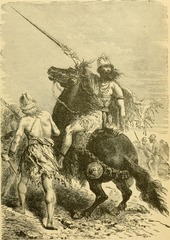
Romulus Augustulus
the last emperor in the Western Roman Empire; overthrown in 476 at age of 14

Commodus
Ancient Roman Emperor who succeeded his father, Marcus Aurelius, and began the decline of the Roman Empire.

Inflation
Increased prices for goods and services combined with the reduced value of money
Serious Economic Problems
One of the reasons for the fall of Rome related to increased prices for resources, increased taxes, and decreased resources, and decrease in value of money
Too large to defend
One of the reasons for the fall of the Roman Empire when the outer regions were falling, and mercenary soldiers were hired and unfaithful to the empire
Barbaric Invasions
One of the reasons for the fall of the Roman Empire when many tribes invaded the empire
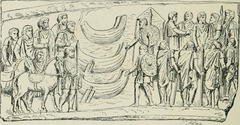
Corrupt Rulers and Bad Government
Commodus started the fall of Rome and others contributed by being bad rulers, stealing from the treasury, causing the senate to fail and losing power
Mercenaries
a soldier who is paid to fight for another country or group without dedication and honor to country
Early Middle Ages
500-1066 AD, dates from the end of the Roman Empire. Characterized by the rise of many smaller kingdoms in the absence of Roman power.
Dark Ages
the name given to Medieval Europe due to its lack of cultural, societal, intellectual, political and economic progress
Edict of Milan
issued by Constantine in 313, ended the "great persecution" and legalized Christianity in the Roman Empire
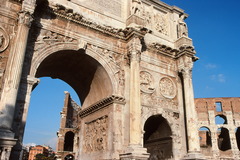
313
Constantine issues Edict of Milan, legalizing Christianity
Council of Nicaea
Christian council that met in 325 to determine the question of the trinity; decided on the divinity of all three persons.
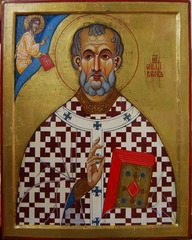
1453
The year that Constantinople was sacked by the Ottoman Turks and meant that Byzantium had collapsed.