neuro
 Call Kai
 Learn
Learn Practice Test
 Spaced Repetition
 Match
Match Flashcards
 Knowt Play
1/70

There's no tags or description
Looks like no tags are added yet.
Name | Mastery | Learn | Test | Matching | Spaced | Call with Kai | Chat |
|---|
No analytics yet
Send a link to your students to track their progress
71 Terms
How many pairs of thoracic nerves
12
How many pairs of lumbar nerves
5
How many pairs of sacral nerves
5
How many pair of coccygeal nerves
1
How many pairs of spinal nerves
31
How many pairs of cervical nerves
8
has dominance for systematic analysis, language and speech, mathematics, abstraction and reasoning.
Left cortex
has dominance for assimilation of sensory experiences, such as visual - spatial information, and activities such as dancing, gymnastics, music and art appreciation.
Right cortex
The following sensory perception (tactile sensations like temperature, touch, pain, pressure) - post central gyrus.
Parietal lobe
Logic, planning, personality, and motor control (the "Executive")
Frontal lobe
Hearing, speech comprehension, and memory (the "Recorder").
Temporal lobe
Visual processing (the "Projector")
Occipital lobe
Involved in vision and hearing reflexes.
Midbrain
Manages sleep, breathing, and facial expressions.
Pons
The most vital part; it controls your heartbeat and blood pressure, coughing, sneezing, swallowing and vomiting
Medulla Oblongata
Is a part of the medial section of the temporal lobe. It plays a vital role in the process of the memory.
Hippocampus
Ability to store spoken language memories
Left temporal
Sound memories that are not language like music, various animal sounds, other noises.
Right temporal
Is a critical region of the brain involved in the comprehension and processing of language.
Wernicke’s area
Key region of the brain located in the frontal lobe (usually in the left hemisphere) that is primarily responsible for speech production and the coordination of the muscles used for speaking.
Broca’s area
Controls voluntary movements (like waving your hand)
Somatic
Controls involuntary functions (like digestion or heart rate)
Autonomic
Supplies the muscles and skin of the neck and branches to form the phrenic nerve, which innervates the diaphragm.
Cervical plexus
supplies the muscles and skin of the shoulder, axilla, arm, forearm and hand. It branches to form the ulnar, median and radial nerves.
Brachial plexus
supplies sensory and motor impulses to the muscles and skin of the perineum, gluteal region, thighs, legs and feet. Its branches include pudendal, gluteal, femoral, sciatic, tibial and common fibular nerves.
Lumbosacral plexus
How many ml of blood flow does brain receives per minute?
750-900
Motor: Smell
Abnormal: Anosmia (absence of smell) Note: Common in head trauma or early Parkinson’s.
olfactory CN I
Motor: Vision
Abnormal: Papilledema (blurred vision, scotoma, blindness)
Optic CN II
Motor: Pupil constriction, eye movements, elevation of the upper lid.
Abnormal: Anisocoria (pinpoint pupils, fixed dilated pupils), Ptosis (drooping lid)
Oculomotor CN III
Motor: Downward and inward eye movement.
Abnormal: Diplopia (double vision) when looking down or walking down stairs.
Trochlear CN IV
Mixed: Facial expression, taste (ant. 2/3), saliva/tears.
Abnormal: Bell’s Palsy (facial drooping), inability to wrinkle forehead or whistle.
Facial CN VII
Sensory: Hearing and Equilibrium (balance).
Abnormal: Vertigo, tinnitus, sensorineural hearing loss, nystagmus
Vestibulo-cochlear CN VIII
Mixed: Swallowing, gag reflex, taste (post. 1/3).
Abnormal: Loss of gag reflex, difficulty swallowing (dysphagia), altered taste.
Glosso-pharyngeal CN IX
Mixed: Parasympathetic "wanderer," vocal cords, digestion.
Abnormal: Hoarseness, uvula deviating away from the side of the lesion, tachycardia, bradycardia, increased HCI secretion.
Vagus CN X
Motor: Shoulder shrugging and head turning.
Abnormal: Weakness/asymmetry in shrugging (trapezius) or turning head (sternocleidomastoid).
Accessory XI
Motor: Tongue movement.
Hypoglossal CN XII
A nurse is assessing a patient who recently suffered a head injury. The nurse notes that the patient's right eyelid is drooping (ptosis). Which cranial nerve is most likely affected?
Cranial Nerve III
Rationale: The oculomotor nerve innervates the levator palpebrae superioris muscle, which is responsible for lifting the upper eyelid.
To assess the motor function of the Trigeminal nerve (CN V), which action should the nurse ask the patient to perform?
A. Clench the teeth while the nurse palpates the temporal and masseter muscles
B. Smile and puff out the cheeks
C. Protrude the tongue and move it side to side
D. Shrug the shoulders against resistance
Answer: A
A patient reports a loss of taste on the anterior two-thirds of their tongue. Which cranial nerve should the nurse suspect is impaired?
A. Facial Nerve (VII)
B. Trigeminal Nerve (V)
C. Glossopharyngeal Nerve (IX)
D.Vagus Nerve (X)
Answer: A
Rationale: The sensory branch of the facial nerve carries taste sensations from the anterior two-thirds of the tongue.
During a physical examination, the nurse asks the patient to follow a finger with their eyes in the 'six cardinal positions of gaze.' This tests the function of which group of cranial nerves?
A. II, III, and IV
B. V, VII, and VIII
C. III, IV, and VI
D. I, II, and III
Answer: C
Rationale: These three nerves (Oculomotor, Trochlear, and Abducens) coordinate the movement of the extraocular muscles.
Which of the following cranial nerves is classified as purely sensory?
A. Cranial Nerve I
B. Cranial Nerve VII
C. Cranial Nerve V
D. Cranial Nerve III
Answer: A
Rationale: The olfactory nerve is a purely sensory nerve dedicated entirely to the sense of smell.
A nurse is performing a Rinne and Weber test on a patient. These tests are used to evaluate the function of which cranial nerve?
A. Cranial Nerve IV
B. Cranial Nerve VIII
C. Cranial Nerve V
D. Cranial Nerve III
Answer: B
Rationale: The vestibulocochlear nerve is responsible for the senses of hearing and balance, which these tests assess.
When assessing the Gag Reflex, the nurse is testing the integrity of which two cranial nerves?
A. X and XI
B. V and VII
C. VII and IX
D. IX and X
Answer: D
Rationale: The glossopharyngeal (IX) nerve provides the sensory limb and the vagus (X) nerve provides the motor limb of the gag reflex.
Which cranial nerve has the most extensive distribution, extending beyond the head and neck to the thorax and abdomen to regulate parasympathetic functions?
A. Hypoglossal (XII)
B. Vagus (X)
C. Trigeminal (V)
D. Facial (VII)
Answer: B
Rationale: The 'wandering' nerve travels down to the heart, lungs, and digestive tract to manage autonomic functions.
The nurse asks a patient to shrug their shoulders and turn their head against the resistance of the nurse's hand. Which nerve is being tested?
A. Cranial Nerve VII
B. Cranial Nerve XI
C. Cranial Nerve IX
D. Cranial Nerve XII
Answer: B
Rationale: The spinal accessory nerve provides motor innervation to the trapezius and sternocleidomastoid muscles.
"X-ray version of a Lumbar Puncture." Introduction of a radiopaque solution, oil based or water based into the spinal subarachnoidspace with fluoroscopic and radiographic observations.
A. Myelography
B. MRI
C. CAT SCAN
D. EEG
A. Myelography
It’s the primary tool for diagnosing seizure disorders, sleep disorders, and confirming brain death.
A. Myelography
B. MRI
C. CAT SCAN
D. EEG
D. EEG
Uses strong magnet combined with radio frequency waves and a computer to produce X-ray - like images of body chemistry.
A. Myelography
B. MRI
C. CAT SCAN
D. EEG
B. MRI
A patient has just returned to the surgical unit following a Myelogram using a water-soluble contrast medium. Which position should the nurse maintain for this patient?
A. Flat supine for 12 hours.
B. Semi-Fowler’s with the head of the bed elevated 30 degrees.
C. Trendelenburg position.
D. Prone position with a pillow under the abdomen.
B. Semi-Fowler’s with the head of the bed elevated 30 degrees.
During the pre-operative assessment for a Myelogram, the nurse notes the patient is taking Chlorpromazine (Thorazine) for a psychiatric disorder. What is the nurse's priority action?
A. Administer the medication as scheduled with a sip of water.
B. Notify the physician and radiologist immediately.
C. Double the dose to prevent anxiety during the procedure.
D. Tell the patient to take the medication immediately after the test.
B. Notify the physician and radiologist immediately.
Rationale: Antipsychotics + Myelogram Dye = Seizure Risk. On the PNLE, if you see a psychiatric med and a Myelogram, your "danger alarm" should go off!
Which finding, if noted by the nurse 4 hours after a Myelogram, requires immediate notification of the healthcare provider?
A. A mild headache that eases when lying down.
B. A small amount of clear drainage at the puncture site.
C. New-onset tonic-clonic seizure activity.
D. Complaints of thirst.
C. New-onset tonic-clonic seizure activity.
Rationale: While a headache is common, a seizure is a major complication of the dye reaching the brain. Safety first!
Which of the following medications in the patient's record should the nurse prioritize bringing to the physician's attention prior to a scheduled myelogram?
A. Furosemide (Lasix)
B. Metformin (Glucophage)
C. Perphenazine (Trilafon)
D. Atorvastatin (Lipitor)
C. Perphenazine (Trilafon)
Rationale: Perphenazine is a Phenothiazine (antipsychotic). Remember the "P" rule: Phenothiazines + Puncture (Myelogram) = Possible Seizure.
A patient is scheduled for an MRI of the head to rule out a brain tumor. Which finding in the patient’s history is an absolute contraindication for this procedure?
A. The patient has a history of severe claustrophobia.
B. The patient has a permanent cardiac pacemaker.
C. The patient is allergic to shellfish and iodine.
D. The patient has a stainless steel hip replacement from 2020.
B. The patient has a permanent cardiac pacemaker.
Rationale: A pacemaker is an electronic device with metal. The MRI magnet will either rip it out of the chest or scramble the electronics.
Note: Most modern orthopedic implants (like hip replacements) are made of titanium, which is non-ferromagnetic and usually safe, but a pacemaker is a hard NO.
A patient arrives in the ER with a "thunderclap headache" and suspected acute subarachnoid hemorrhage. Why would the physician order a CT scan instead of an MRI?
A. The CT scan provides better detail of the brain's white matter.
B. MRI cannot detect blood.
C. CT is much faster and more sensitive to acute intracranial bleeding.
D. MRI requires the patient to be NPO for 24 hours.
C. CT is much faster and more sensitive to acute intracranial bleeding.
Rationale: In an emergency, Speed is King. A CT takes 5 minutes; an MRI takes 45. Also, fresh blood "glows" on a CT, making it the emergency test of choice.
A nurse is preparing a client for an MRI of the spine. Which item, if found on the client, must be removed to prevent thermal injury?
A. A plastic ID bracelet.
B. A transdermal medication patch with a foil backing.
C. An silk-thread friendship bracelet.
D. A silicone wedding band.
B. A transdermal medication patch with a foil backing.
Rationale: This is the #1 "safety" question. The foil reflects the radio waves, gets incredibly hot, and causes a deep burn. Always check for nicotine, nitroglycerin, or scopolamine patches!
A client scheduled for an MRI tells the nurse, "I can’t do this. I get panicked in small, enclosed spaces." What is the most appropriate initial nursing action?
A. Tell the patient to "be brave" and that it will be over quickly.
B. Cancel the appointment and document the refusal.
C. Notify the physician to discuss the possibility of a "sedative" or an "Open MRI."
D. Blindfold the patient before they enter the room.
C. Notify the physician to discuss the possibility of a "sedative" or an "Open MRI."
Rationale: MRI units are very tight. If a patient panics, they move. If they move, the image is blurred. We advocate for the patient's comfort to ensure a successful diagnostic result.
The nurse is preparing a patient for an MRI with gadolinium contrast. The nurse should be most concerned if the patient's Glomerular Filtration Rate (GFR) is:
A. Above 90 ml/min
B. 60 ml/min
C. Below ml/min
D. 120 ml/min
B. 60 ml/min
A nurse is assisting the physician with a lumbar puncture. As the physician is about to insert the spinal needle, the nurse must ensure the client is maintained in which of the following positions to safely open the intervertebral spaces?
A. Supine with knees extended and neck in a neutral position.
B. Prone with a large pillow placed underneath the patient's abdomen.
C. Lateral recumbent with the neck and knees drawn up to the chest.
D. High-Fowler's position with the legs dangling over the side of the bed.
C. Lateral recumbent with the neck and knees drawn up to the chest.
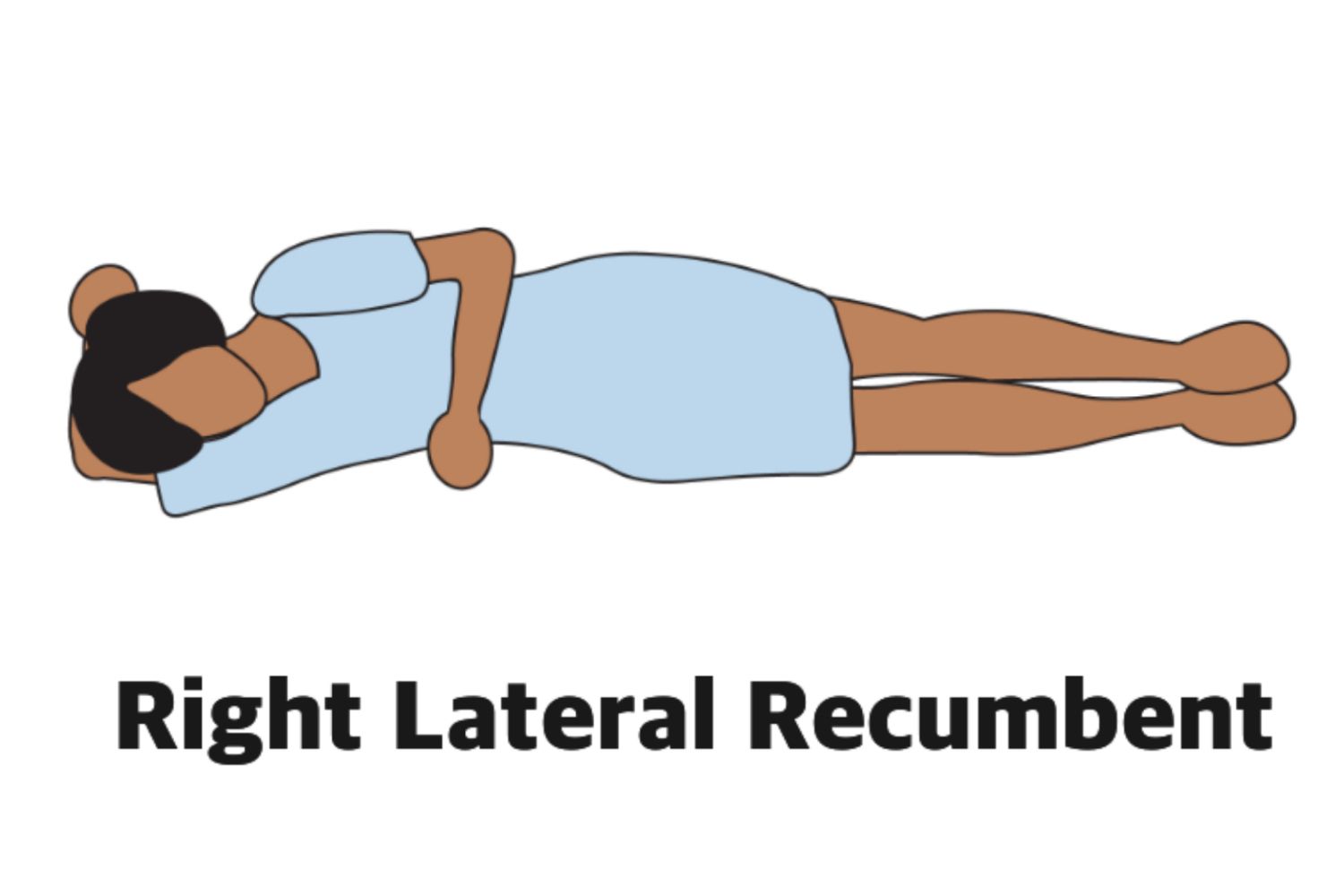
The nurse is reviewing the medical records of four patients scheduled for a lumbar puncture. The nurse should immediately contact the primary healthcare provider to question the prescription for the patient with which condition?
A. A 22-year-old with photophobia and suspicion of meningitis.
B. A 45-year-old with a sudden "thunderclap" headache, now drowsy.
C. A 68-year-old on bed rest following an ischemic stroke 3 days ago.
D. A 30-year-old with a positive Brudzinski's sign.
B. A 45-year-old with a sudden "thunderclap" headache, now drowsy.
Rationale: This is the most critical safety concept for a lumbar puncture. As stated in your notes, it is contraindicated for increased ICP (Intracranial Pressure). When you drain fluid from below (the spine), and the pressure is already too high above (the brain), the brain "herniates" or pushes downward into the spinal canal to equalize that pressure. This crushes the brainstem and kills the patient instantly. This patient has classic symptoms of a brain hemorrhage causing high ICP.
1. A 45-year-old male is brought to the Emergency Department following a vehicular accident. Upon assessment, the patient opens his eyes only when the nurse applies pressure to the nail bed. When asked where he is, he moans unidentifiably. When the nurse applies a painful stimulus, he pulls his arm away. What is the patient’s total GCS score?
A. 8
B. 9
C. 10
D. 11
B.9
Nurse Jayson is caring for a client with a closed head injury. The client’s GCS score has shifted from 11 to 8 within the last hour. Which nursing action is the highest priority?
A. Document the findings and continue to monitor every 15 minutes.
B. Perform a complete neurological physical assessment.
C. Notify the physician immediately and prepare for possible intubation.
D. Increase the IV fluid rate to improve cerebral perfusion.
C. Notify the physician immediately and prepare for possible intubation.
Rationale: A GCS of 8 or less is the clinical gold standard for "coma." The priority is Airway (ABC); patients with a GCS \le 8 usually lose their gag reflex and require intubation.
In assessing the "Best Motor Response" of a post-stroke patient, the nurse observes that the patient’s elbows are flexed, the fists are clenched, and the legs are extended with internal rotation. The nurse correctly identifies this as:
A. Decerebrate posturing (Score: 2)
B. Decorticate posturing (Score: 3)
C. Decorticate posturing (Score: 2)
D. Withdrawal from pain (Score: 4)
B. Decorticate posturing (Score: 3)
Rationale: Decorticate (flexion to the "core") indicates damage to the cerebral hemispheres and scores a 3. Decerebrate (extension) indicates brainstem damage and scores a 2.
A nurse is performing a physical assessment on a 30-year-old male patient. When stroking the inner thigh in a downward motion, the nurse observes the elevation of the scrotum on the same side. The nurse correctly documents this as:
A. An abnormal finding for an adult
B. A negative Cremasteric reflex
C. A positive Babinski sign
D. A positive Cremasteric reflex
D. A positive Cremasteric reflex
In assessing an unconscious male client, the nurse elicits the cremasteric reflex. This specific assessment is primarily used to evaluate the integrity of which spinal cord levels?
A.S2 to S4
B.T10 to T12S2 to S4
C.T10 to T12
D. L1 to L2
D. L1 to L2
When assessing the Babinski reflex, the nurse strokes the lateral aspect of the sole of the foot. What is the correct direction of the stroke?
A. In a circular motion around the ankle
B. From the toes downward toward the heel
C. Across the ball of the foot from left to right
D. From the heel upward toward the ball of the foot
D. From the heel upward toward the ball of the foot
A 'Negative Babinski' result is characterized by which movement of the toes?
A. No movement at all
B. Plantar flexion
C.Abduction
D.Dorsiflexion
B. Plantar flexion
Rationale: Plantar flexion (downward curling) is the normal 'negative' response in adults.
A nurse is assessing a 22-year-old client suspected of having bacterial meningitis. The nurse gently flexes the client’s neck toward the chest and observes that the client involuntarily flexes the hips and knees. The nurse correctly documents this as a positive:
A. Kernig’s sign
B. Brudzinski’s sign
C. Babinski’s sign
D. Romberg’s sign
B. Brudzinski’s sign
To elicit Kernig’s sign in a client with suspected meningitis, the nurse should perform which of the following maneuvers?
A. Tap the client's facial nerve in front of the ear.
B. Flex the client’s hip and knee to 90 degrees, then attempt to straighten the leg.
C. Ask the client to stand with eyes closed and observe for swaying.
D. Stroke the lateral aspect of the sole of the foot.
B. Flex the client’s hip and knee to 90 degrees, then attempt to straighten the leg.
When assessing for Kernig’s sign, the nurse knows that the sign is considered "positive" if the client experiences:
A. Numbness in the upper extremities.
B. Involuntary flexion of the neck.
C. Pain and resistance when the leg is extended.
D. A sharp increase in blood pressure.
C. Pain and resistance when the leg is extended.
This is demonstrated by holding the person's eyelids open and rotating the head from side to side. Positive or normal doll's eye is demonstrated by conjugate movement of the eyes towards the opposite side.
A. Oculocephalic Reflex or Doll's eye phenomenon.
B. Brudzinski’s reflex
C. Oculovestibular Reflex or Caloric Ice Water Test.
A. Oculocephalic Reflex or Doll's eye phenomenon.